

There’s a ritual that unfolds every spring and summer across coastal California. Families pack up cars, remote workers close their laptops early on Fridays, and retirees quietly book another long weekend. The destination isn’t a beach town. It’s a sun-baked stretch of the Sonoran and Mojave deserts anchored by Palm Springs, a city that has held a quiet, magnetic pull on Californians for over a century.
It might seem counterintuitive at first. Why escape the heat by heading somewhere even hotter? The answer, it turns out, is more layered than a simple temperature comparison. Palm Springs and its surrounding desert communities offer something the coast rarely can: a particular kind of stillness, a sense of space, and a culture built around rest, beauty, and renewal.
A Legacy That Started with Hollywood
Palm Springs has been a go-to destination for Southern Californians since it became a movie location and then a popular Hollywood star retreat in the early twentieth century. That history didn’t fade quietly. It left an imprint on the architecture, the attitude, and the infrastructure of the entire Coachella Valley that visitors still feel today.
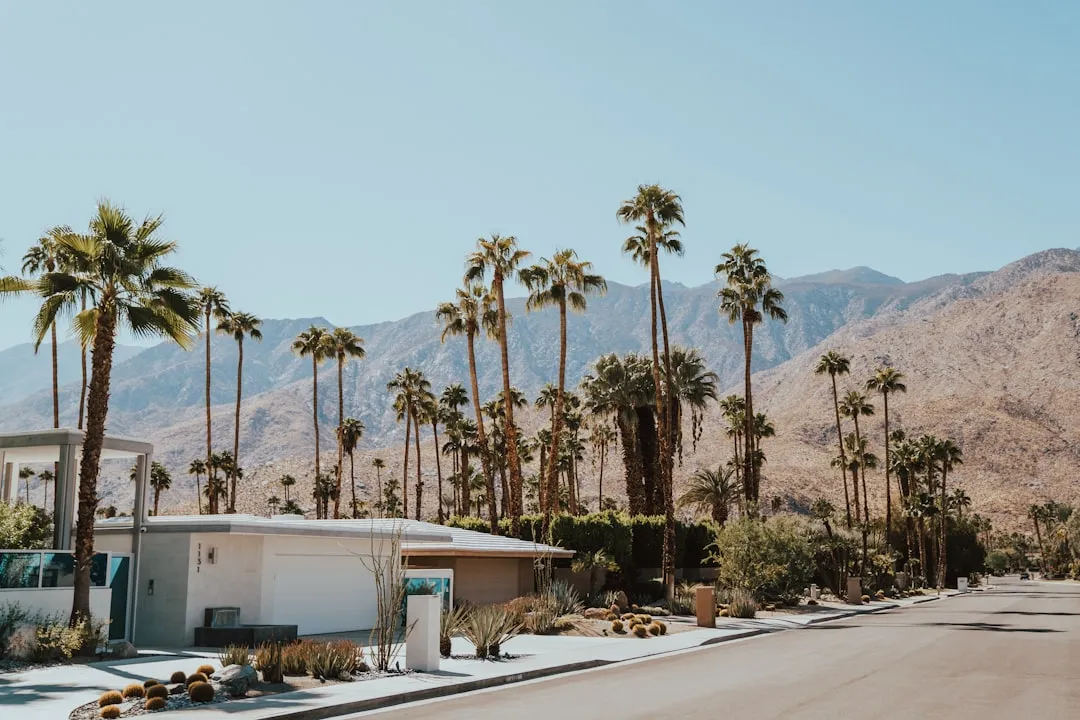
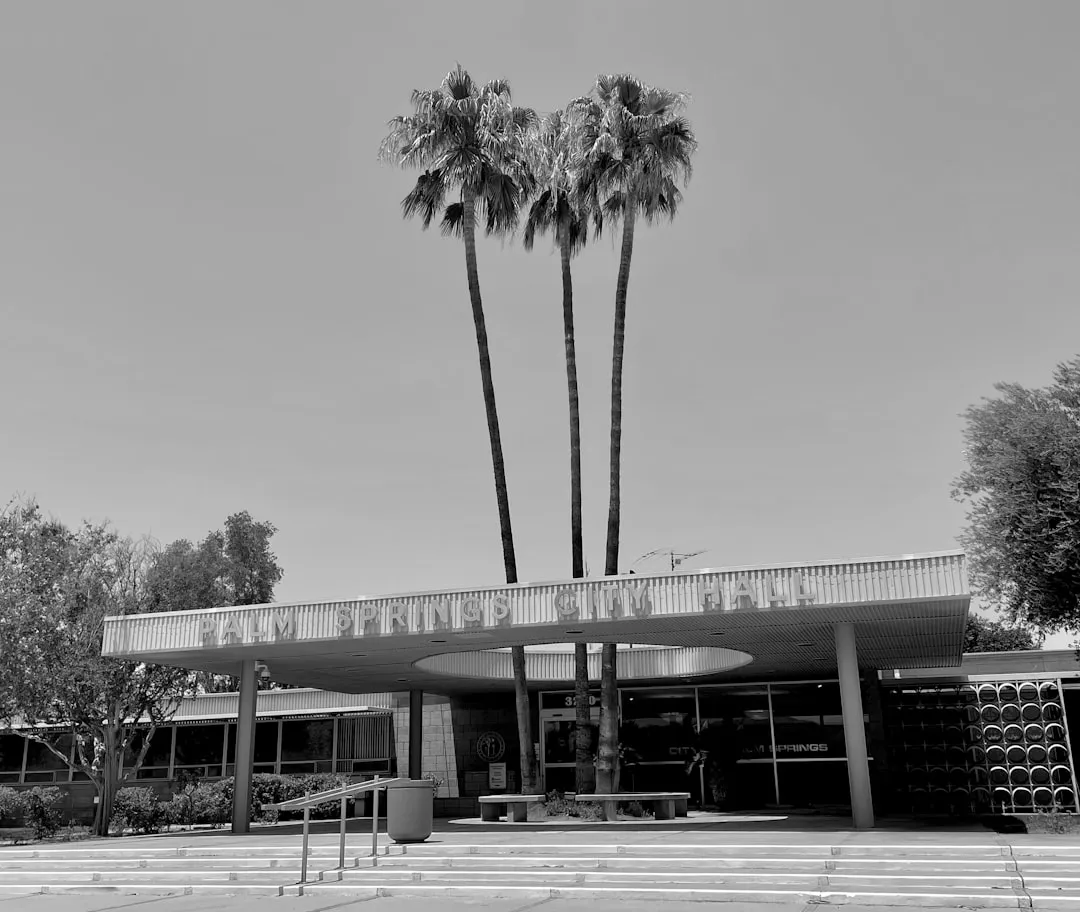
Palm Springs’ association with midcentury modern design goes back to the 1940s, when visionary architects such as Richard Neutra, Albert Frey, E. Stewart Williams, and Donald Wexler designed homes that stood out beautifully against the desert landscape. Today, Palm Springs often looks like a time capsule from the era when movie stars, moguls, and presidents increasingly made the desert an A-list getaway.
That heritage shapes expectations from the first moment visitors arrive. There’s a relaxed confidence to the place, a sense that it has always known exactly what it is.
The Numbers Tell a Real Story
Visit Greater Palm Springs reports that the region welcomed 14.5 million visitors in 2024, generating $9.1 billion in total economic impact. Those aren’t numbers associated with a destination that people simply stumble upon.
Visitor spending in Palm Springs alone averages $1.9 billion annually, roughly $5 million per day. Tourism is the largest industry in Greater Palm Springs, supporting one in four jobs in the region.
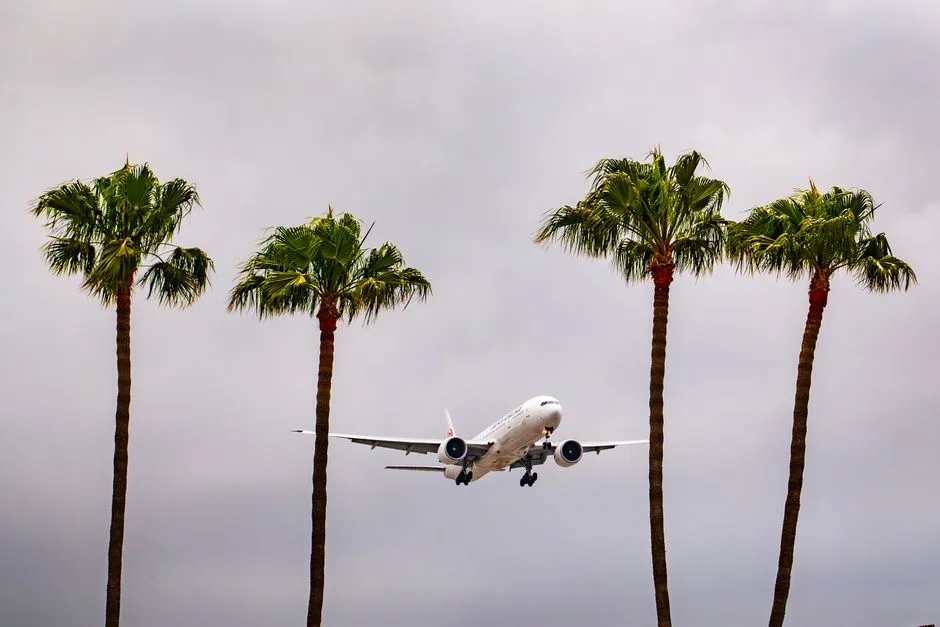
Palm Springs International Airport recently reported more than 3.3 million passengers in 2025, up roughly 2.4% from 2024, marking another record year. The drive market remains strong, but the airport figures confirm that people are flying in from well beyond Southern California’s reach.
The Draw of Dry Heat
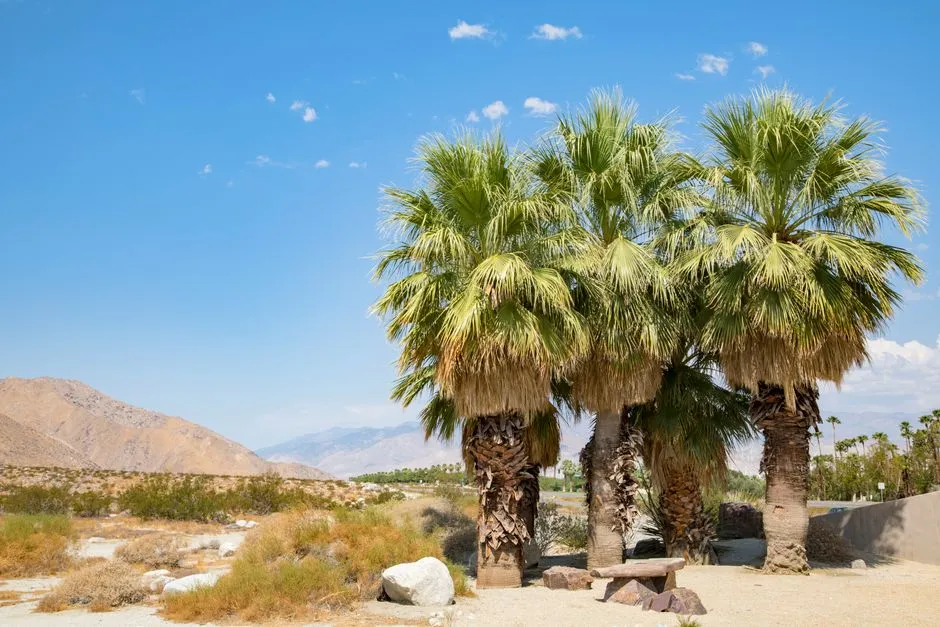
Californians from the coast often talk about a very specific kind of relief that comes with desert air. The humidity that makes a coastal July feel oppressive simply doesn’t exist here. Dry air, abundant sunshine, mineral waters, and wide-open spaces made Palm Springs an early destination for those with respiratory ailments and chronic conditions, a legacy that continues to shape the city’s wellness culture today.
Palm Springs has long been synonymous with wellness, not as a trend, but as a way of life rooted in climate, landscape, and history. Long before wellness retreats and spa menus became part of the modern travel lexicon, people came to this desert oasis seeking healing, restoration, and balance.
For a coastal Californian used to foggy mornings and damp evenings, stepping into that warm, dry air carries a genuinely different physical sensation. It’s something regulars rarely need to explain to each other.
Mineral Springs and Genuine Wellness Culture
With their beautiful scenery and natural healing waters, the cities of Desert Hot Springs and Palm Springs are a must during any Greater Palm Springs getaway. Your fast pass to soaking in these therapeutic waters can be found at the many independently owned boutique hotels in Desert Hot Springs, known as California’s “Spa City,” where pools are filled with mineral spring waters that improve health, reduce pain, and increase metabolism.
One of the largest and most ambitious wellness destinations in Greater Palm Springs, The Spa at Séc-he honors the sacred Agua Caliente Hot Mineral Spring through a deeply immersive, modern spa experience. At 73,000 square feet, this resort-style sanctuary blends Indigenous heritage, cutting-edge wellness technology, and mineral-rich hydrotherapy.
The Agua Caliente Band of Cahuilla Indians had long revered the area’s hot mineral springs for their healing properties, knowledge that predated tourism by centuries. Today’s wellness experiences are a modern extension of this legacy, blending Indigenous wisdom, historic spa culture, and contemporary approaches to physical and mental well-being. That depth of origin gives the wellness culture here a grounding that more recently invented spa towns simply can’t replicate.
A Living Museum of Midcentury Architecture
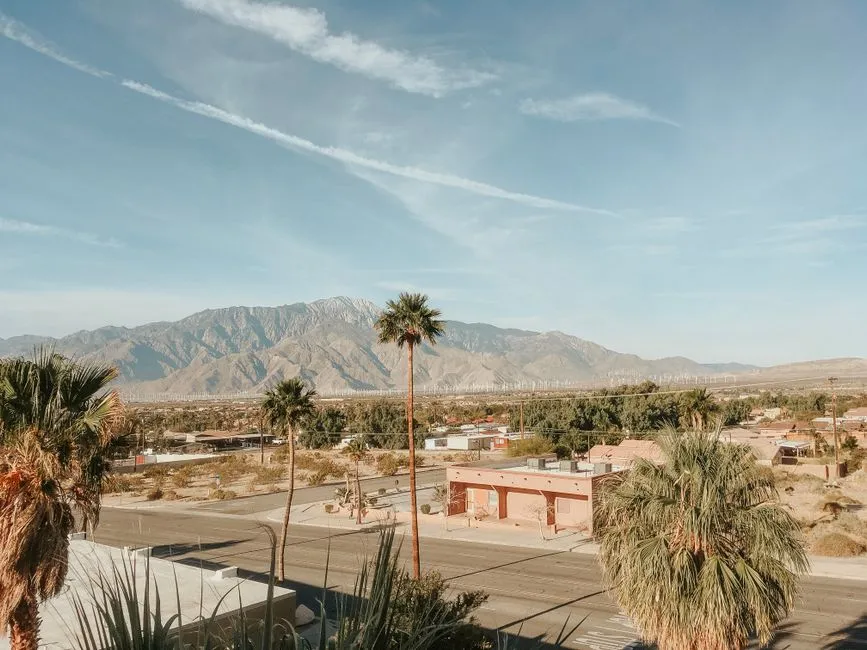
As the home of one of the largest concentrations of midcentury modern architecture in the United States, the Greater Palm Springs area makes a natural setting for Modernism Week, the biannual event that celebrates the sleek style every February and October.
Modernism Week is a world-class, eleven-day celebration of midcentury modern design, architecture, art, fashion, and culture in Greater Palm Springs. Each year, more than 120,000 attendees participate in over 350 events. The February 2025 edition marked the festival’s 20th anniversary, with the 2026 iteration continuing that momentum.
These events honor the architecture, art, and style of the midcentury modern aesthetic that has become synonymous with Greater Palm Springs. For design lovers, few places in the American West feel quite as curated and yet as genuinely lived-in.
New Hotels Raising the Bar
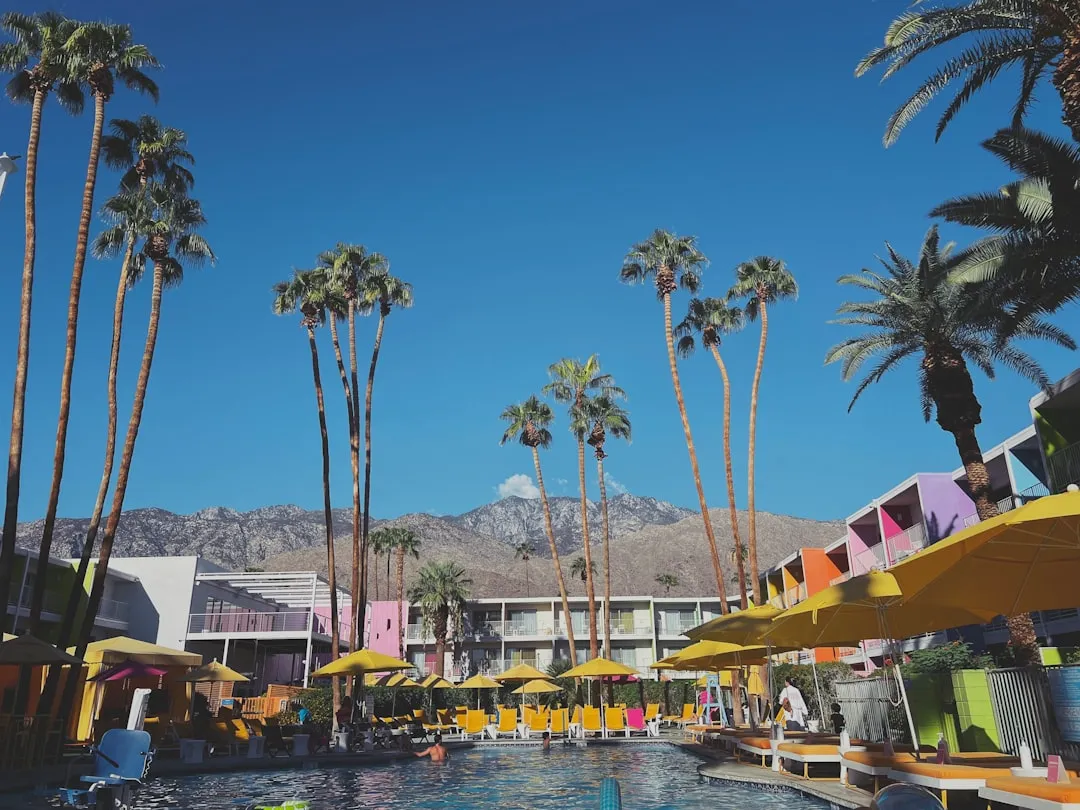
The accommodation landscape has evolved sharply in recent years. Terra Palm Springs is a low-key, wellness-focused retreat that opened in January 2025 at the northern end of downtown. The intimate property has just 13 rooms, ranging from an outdoor spa suite with an open-air soaking tub and views of the San Jacinto Mountains to a private room with a cold plunge pool, with interiors steeped in neutral hues and natural materials like wood, terra cotta, and stone. Wellness amenities include a Himalayan salt sauna, a rain room, a main pool, and a hot tub.
The Thompson Palm Springs, which opened in 2025, offers a points-friendly stay in the heart of downtown’s design district. For those seeking more serenity, Upper Stories is a 42-room, adults-only enclave with its own pool within the hotel. The hotel’s ultra-modern architecture is accented by a bold collection of colorful original artworks displayed throughout the property.
La Quinta Resort & Club, an emblematic desert destination and former Hollywood haven, approaches its centennial year with a stunning renovation set for completion in 2025. Nestled on 45 lush acres at the base of the Santa Rosa Mountains, the renovation preserves the resort’s legacy while modernizing amenities. New options continue arriving, yet the character of the valley remains intact.
Food, Art, and a Culture That Goes Beyond the Pool
The report shows that roughly half of visitors identified vacation as a top reason for coming to Greater Palm Springs. Outdoor recreation came next at 29%, followed by arts and culture at 18% and special events at 14%. Health and wellness, business travel, festivals, visiting friends and family, and shopping all played notable roles in bringing people to the area.
Visitors are not coming only for sunshine, pools, and golf. They are also coming for museums, events, food, scenery, outdoor amenities, and the region’s mix of leisure and lifestyle experiences. Dining out ranked first among reported activities at 67%, according to the same 2025 visitor study by Downs & St. Germaine Research commissioned by Visit Greater Palm Springs.
The food scene has quietly grown into something worth traveling for on its own terms, with restaurant concepts ranging from Michelin-recommended kitchens in brutalist downtown spaces to casual local spots deep in the high desert corridor.
The High Desert Alternative: Joshua Tree and Beyond
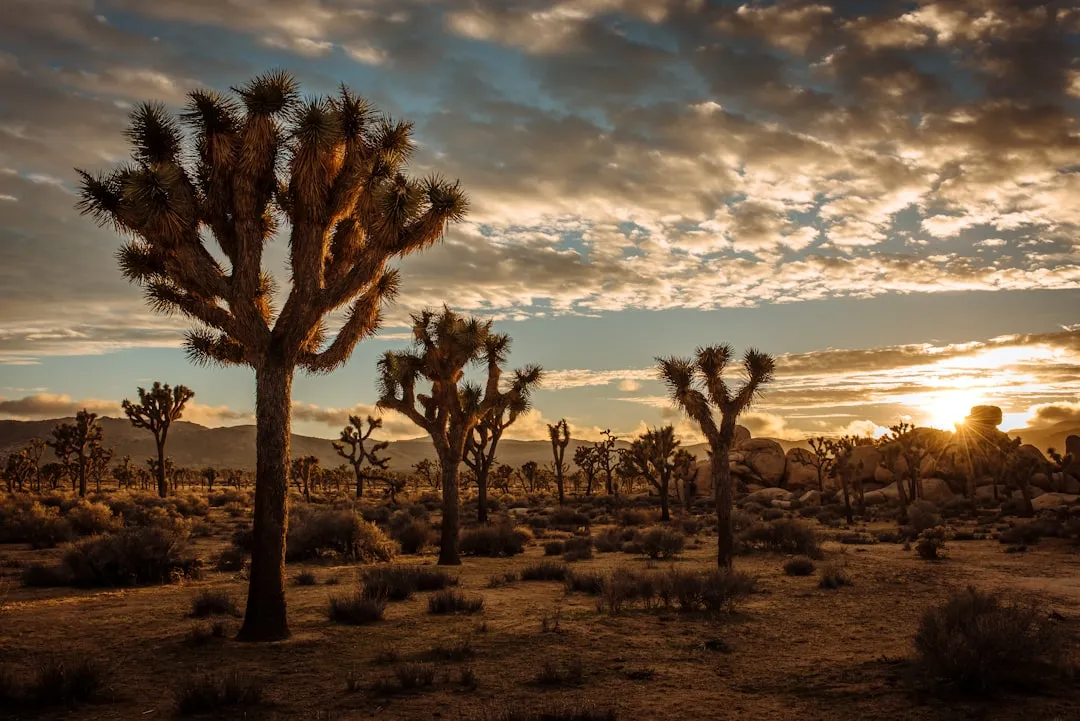
The broader area along California’s Highway 62 includes four distinct high desert communities: Twentynine Palms, the town of Joshua Tree, Yucca Valley, and Pioneertown, roughly 140 miles east of Los Angeles. For Californians seeking something quieter, rawer, and less curated than Palm Springs proper, this corridor has become its own kind of pilgrimage.
Residents and visitors trade city convenience for dark skies, direct access to Joshua Tree National Park, a serious creative community, and genuine affordability. Above all, there are the skies, some of the darkest in Southern California, where the Milky Way is visible from your own backyard on most clear nights.
The national park drives consistent demand, particularly October through April, and well-positioned homes near park entrances have performed well on short-term rental platforms. Even in warmer months, the park’s early morning hours offer hiking and landscape photography that coastal parks simply can’t match for scale or solitude.
Summer Is a Season in Its Own Right
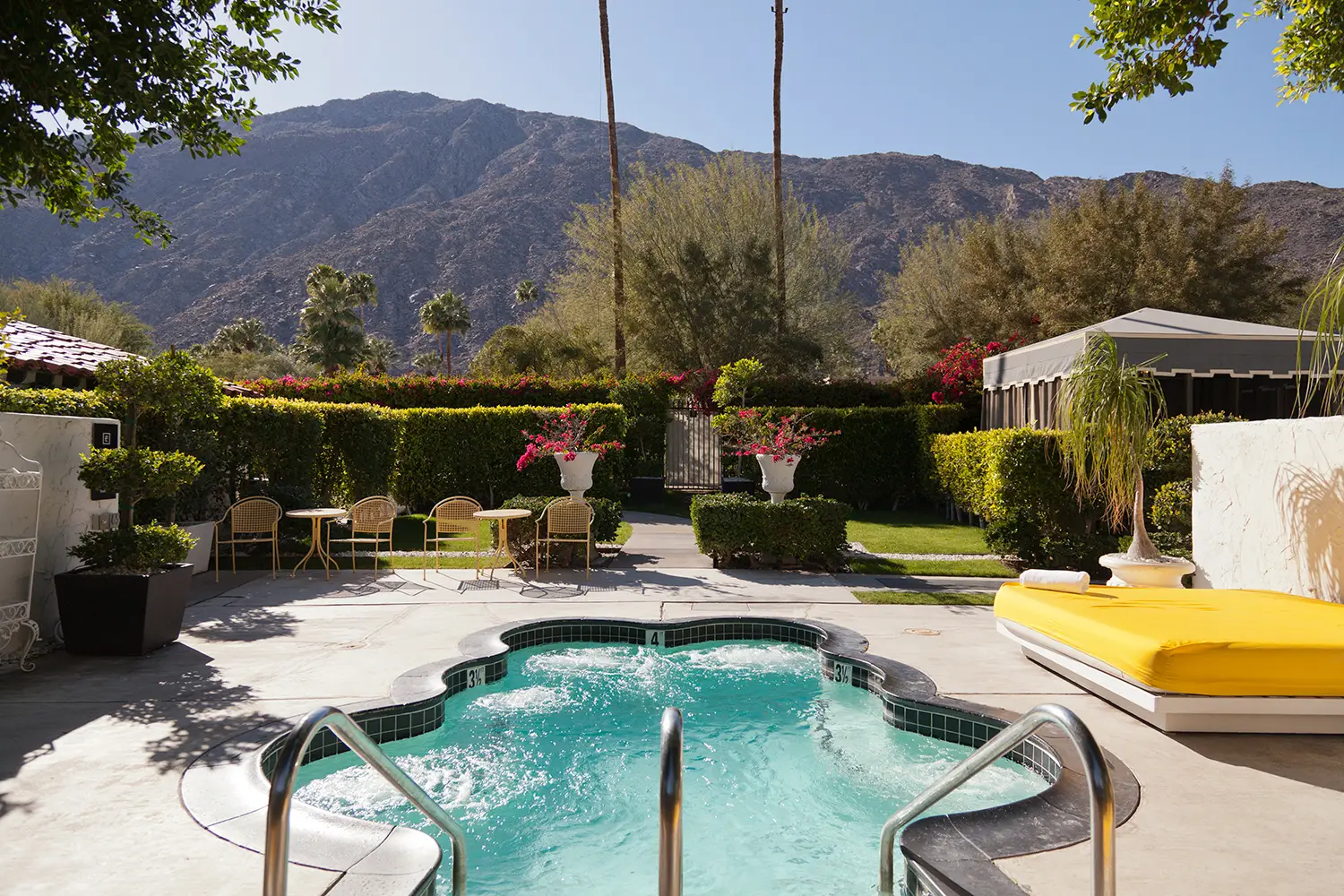
Peak season in the Coachella Valley runs from January through April, when the Indian Wells Open and festivals fill hotels. Summer operates differently. Prices drop significantly, the crowds thin, and a quieter version of Palm Springs emerges. Strategic focus on group business during the summer months delivered remarkable results for Visit Greater Palm Springs in 2024, with the convention sales team surpassing the room night goal at 115%, achieving more than 237,000 room nights.
The tourism organization’s own data confirms that summer visits are growing as a deliberate strategy, with expanded marketing reaching drive markets across coastal California. The organization has also reported progress on a proposal for an indoor amateur sports facility in the Coachella Valley, capable of drawing visitors from Los Angeles, Orange County, San Diego, Phoenix, and Las Vegas, particularly during slower summer months.
For Californians who know the rhythm of the valley well, summer is when you go for the deep discounts, the half-empty restaurants, and the experience of having an entire resort pool almost entirely to yourself.
Inclusive, Welcoming, and Deeply Californian
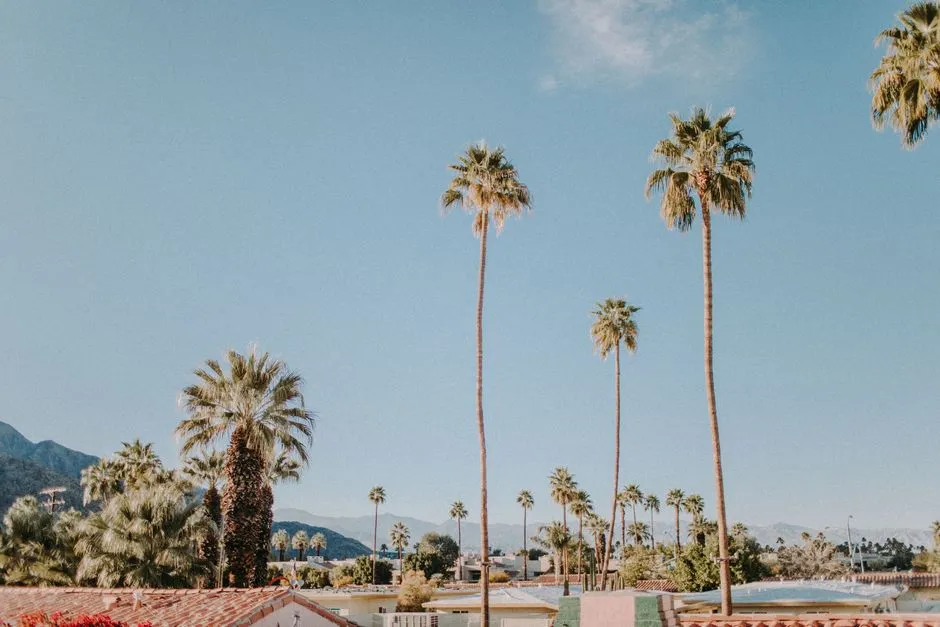
The Palm Springs area is known for being everyone-friendly. It’s great for LGBTQ+ travelers, families, art lovers, tennis fanatics, and anyone looking for dry heat and sunshine to soothe their bodies and souls. That breadth of welcome isn’t incidental. It’s something the destination has actively cultivated for decades, and it shows in the social fabric of the city.
The destination’s tourism profile increasingly blends leisure, events, arts, dining, and wellness. That blend is exactly why it draws such a wide range of Californians, from young couples looking for a long weekend reset to older travelers making multi-week stays a seasonal ritual.
There’s a generosity to the place. The mountains are always visible. The sky is enormous. And the culture, at its best, asks very little of you beyond showing up and slowing down.
The Takeaway
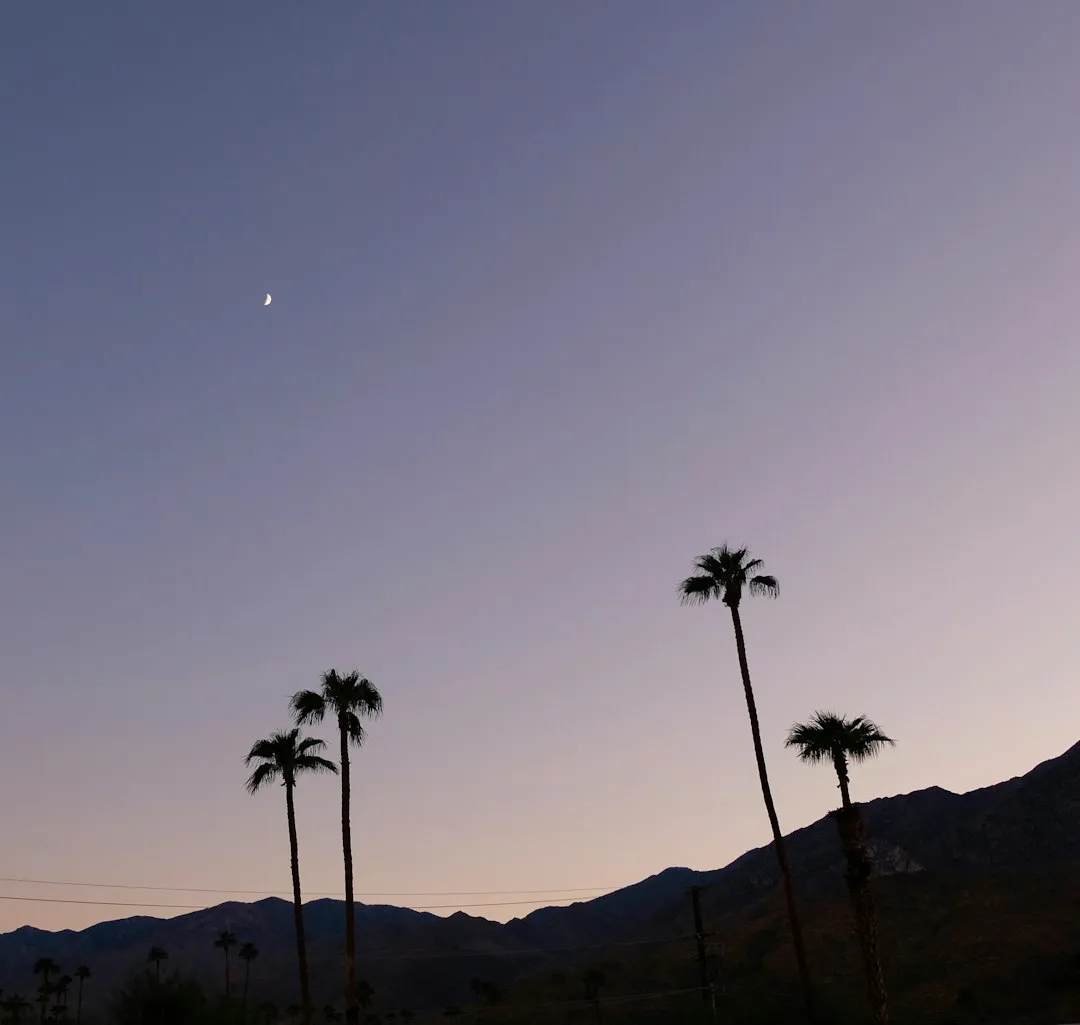
The pull of Palm Springs and its surrounding desert isn’t really about running toward heat. It’s about running toward a particular quality of life, one defined by open space, visual beauty, and a long-standing invitation to rest without apology. Whether you choose to begin your day with yoga, embark on a rejuvenating hike, or soak in healing mineral spring waters, Greater Palm Springs will inspire you to live beautifully, purposefully, and healthily.
Californians have been making this drive for over a hundred years, and the reasons keep evolving without the core appeal ever really changing. The desert doesn’t pretend to be something it isn’t. For people exhausted by cities that are always performing, that honesty turns out to be the most restful thing of all.
AI Disclaimer: This article was created with the assistance of AI tools and reviewed by a human editor.