

The Physics of an Unrestrained Cat in a Crash
Physics does not care how calm your cat seems on the drive. A standard carrier becomes a projectile in a 30 mph collision: a 15-pound cat can generate 300 pounds of force at impact. That force has to go somewhere, and without a carrier, it goes into the cabin.
A 10-pound cat becomes 500 pounds of projectile force if in a car accident at 50 mph. Scale that up to a larger cat at highway speed and the numbers become sobering fast. In a crash, an unrestrained pet can turn into a deadly projectile or get crushed by a driver or passenger who is thrown forward by the collision.
Loose Cats Are a Major Distraction Behind the Wheel
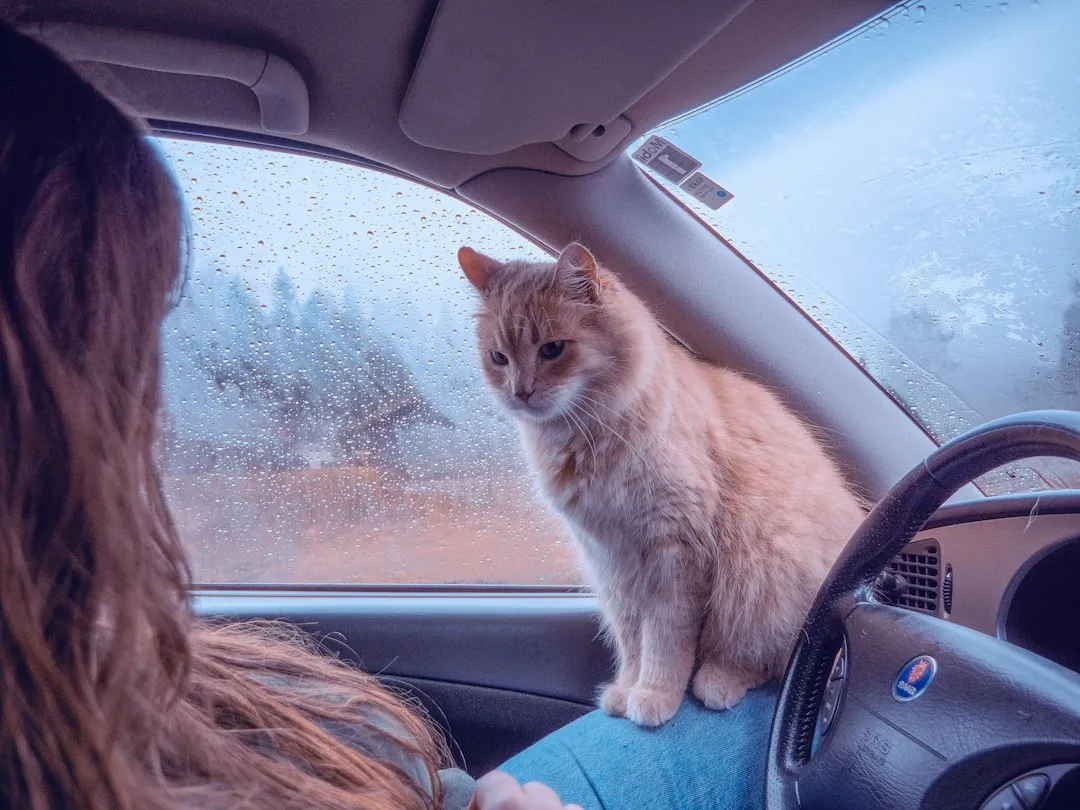
According to the NHTSA, even a brief distraction can dramatically increase one’s chances of causing a collision. With an unrestrained pet, these moments of distraction are significantly more frequent and often more demanding of attention.
A study found that the number of risky driving behaviors increased from 274 with a restrained dog to 649 with an unrestrained one. While that data focuses on dogs, the distraction dynamic is the same for cats, who can be equally unpredictable in a moving vehicle.
An unrestrained pet can unexpectedly obstruct your view of the road. Beyond distraction and obstructed vision, an unrestrained pet can directly interfere with your ability to control your vehicle. A cat jumping onto the dashboard or into the driver’s lap at the wrong moment is not a minor inconvenience.
Carriers Reduce Feline Stress During Car Rides

It might seem counterintuitive, but research consistently shows that carriers actually make cats calmer during travel, not more anxious. A study published in Applied Animal Behaviour Science found that cats who received positive-reinforcement-based carrier training over six weeks showed significant stress reduction during car rides, increased calmness, and notably shorter veterinary examinations.
Carrier training reduced stress in cats during a car ride to a sham veterinary practice, which was shown by reduced behavioural signs of stress and a modified pattern of cats’ ear temperature. Many cats are frightened when looking out the car window and watching the world speed by. They are more likely to rest when contained in a snug carrier.
The Feline Veterinary Medical Association’s Official Position

The Feline Veterinary Medical Association (FelineVMA) advocates transporting cats safely and minimizing feline distress. Their 2025 position statement, published in the Journal of Feline Medicine and Surgery, makes the professional consensus clear.
If seat belts are used, they should only be used with carriers that are crash test certified. Seat belts should not be used with carriers that are not crash test certified as they may inadvertently result in crushing the carrier. That’s a nuanced but important point: even securing the wrong type of carrier can create new dangers.
Airbags Pose a Hidden Threat to Unrestrained Cats
Many people place their cat on the front passenger seat, thinking that’s the safest spot to keep an eye on them. In terms of the greatest danger for dogs and other pets, the front seat is by far the most perilous, whether restrained or not, according to the AAA Foundation for Traffic Safety.
Airbags, a lifesaver for many humans who are involved in car crashes, can be even more dangerous to unrestrained pets, particularly when they explosively inflate. In fact, airbags can be even more dangerous for pets than a car accident impact itself. A carrier placed in the rear seat avoids this risk entirely.
How Carriers Protect Cats After a Crash
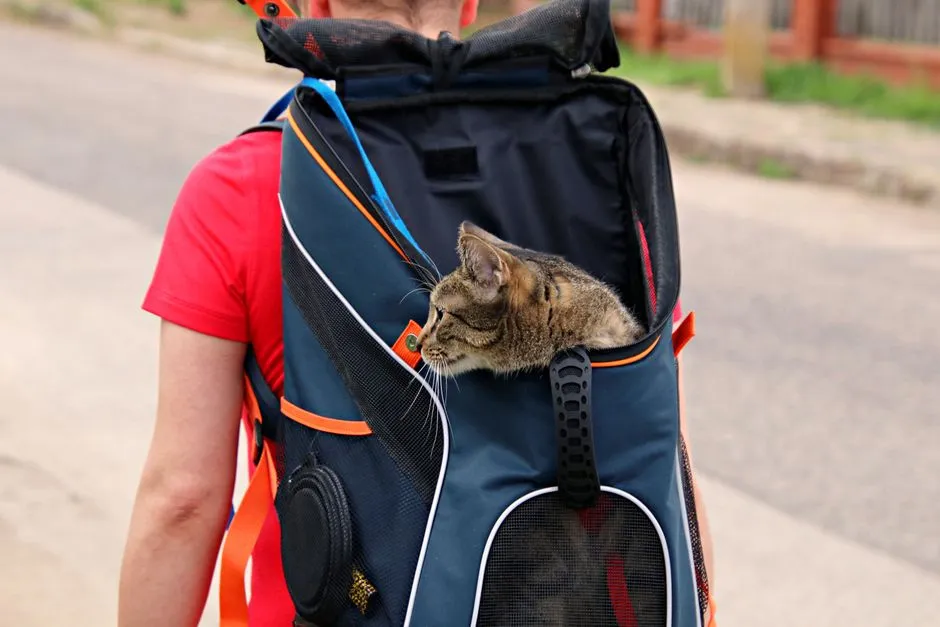
The danger doesn’t end when a crash stops. A loose cat, frightened and disoriented, may bolt from the vehicle the moment a door opens at an accident scene. Carriers prevent this secondary danger that is easy to overlook.
The safest location for a non-certified carrier is the rear floorboard, directly behind the driver or passenger seat. This positioning reduces movement during braking or impact and keeps the cat contained even if the collision involves the vehicle rolling or spinning.
The Science Behind Carrier Training Works
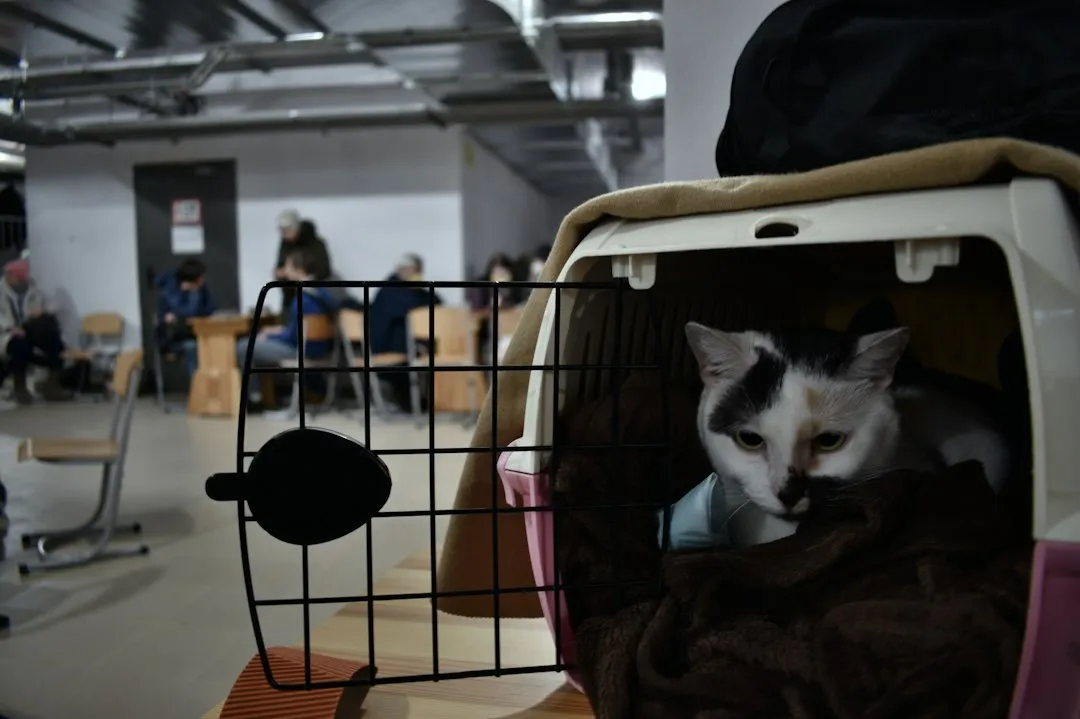
A well-introduced carrier is not a stressful cage. It becomes familiar territory. During a second test after carrier training, cats exhibited more positive behaviors such as searching for food, sitting upright, kneading the paws, grooming, purring, and facial rubbing on the carrier. Meanwhile, several fearful behaviors such as hiding and panting were eliminated after carrier training.
Making an effort to acclimatise the cat to travel and handling can assist in decreasing the stress associated with veterinary appointments throughout the cat’s lifetime. Guidelines now recommend that owners should accustom their cats to the carrier and get them used to car rides as an important step in making the veterinary visit less stressful.
Crash-Tested Carriers vs. Standard Carriers
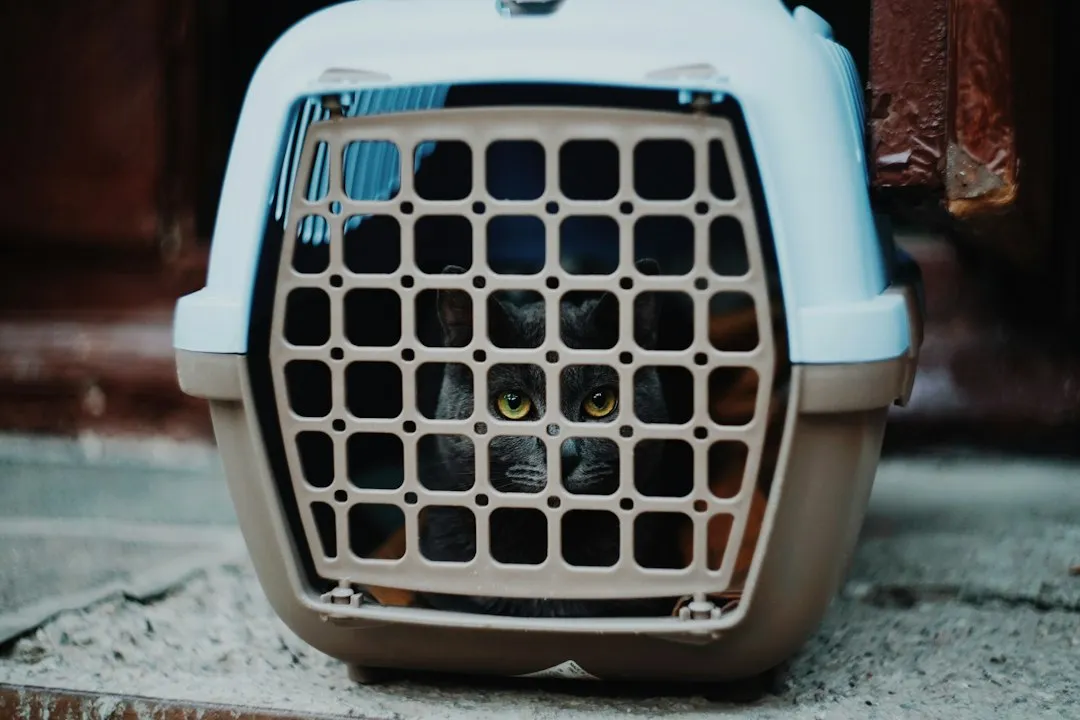
Not all carriers are equal, and that matters more than most owners realize. A non-profit organization called the Center for Pet Safety has done the work for pet owners, carrying out carrier crash testing and publishing a list of carriers that have passed their testing.
The pet carrier industry has seen expansion into car crash-tested carriers for improved travel safety. Safety and comfort are the priority, with roughly four in five respondents giving priority to ventilation, cushioning, and secure closing as considerations in choosing a pet carrier. Choosing a CPS-certified model provides a meaningful layer of verified protection.
Laws Are Catching Up on Unrestrained Pets
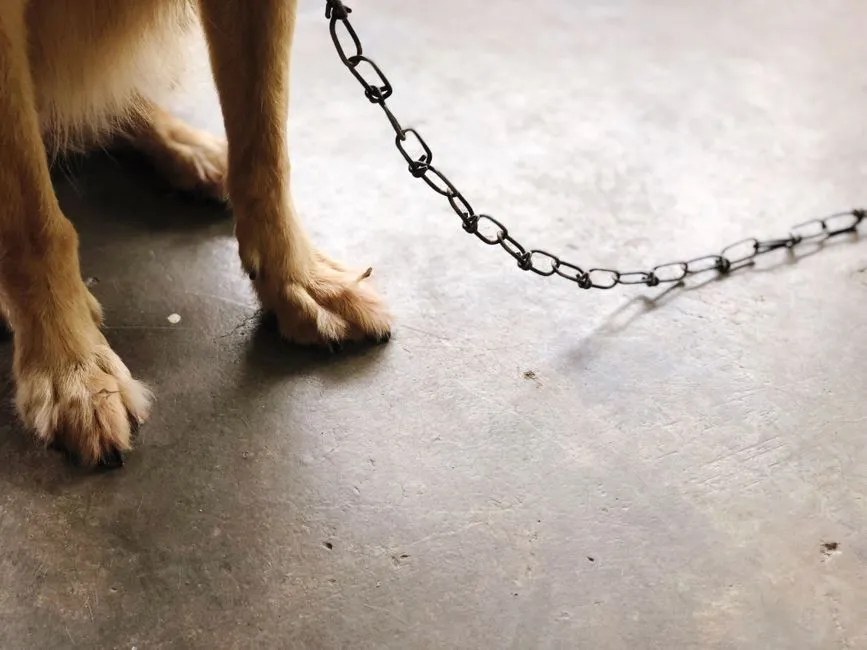
There isn’t one law that applies to transporting animals, but a handful of states do have laws against transporting unrestrained pets in vehicles. Other states have laws about distracted driving for which driving with an unrestrained dog, or any pet, may apply.
The legal landscape is shifting, and carriers are increasingly seen not as optional accessories but as a standard expectation for responsible pet transport. Even without pet restraint laws, drivers can face charges for having pets unrestrained in their laps. Being on the right side of this issue is simply good practice, regardless of where you live.
Veterinary Visits Go Better When Cats Arrive in a Carrier
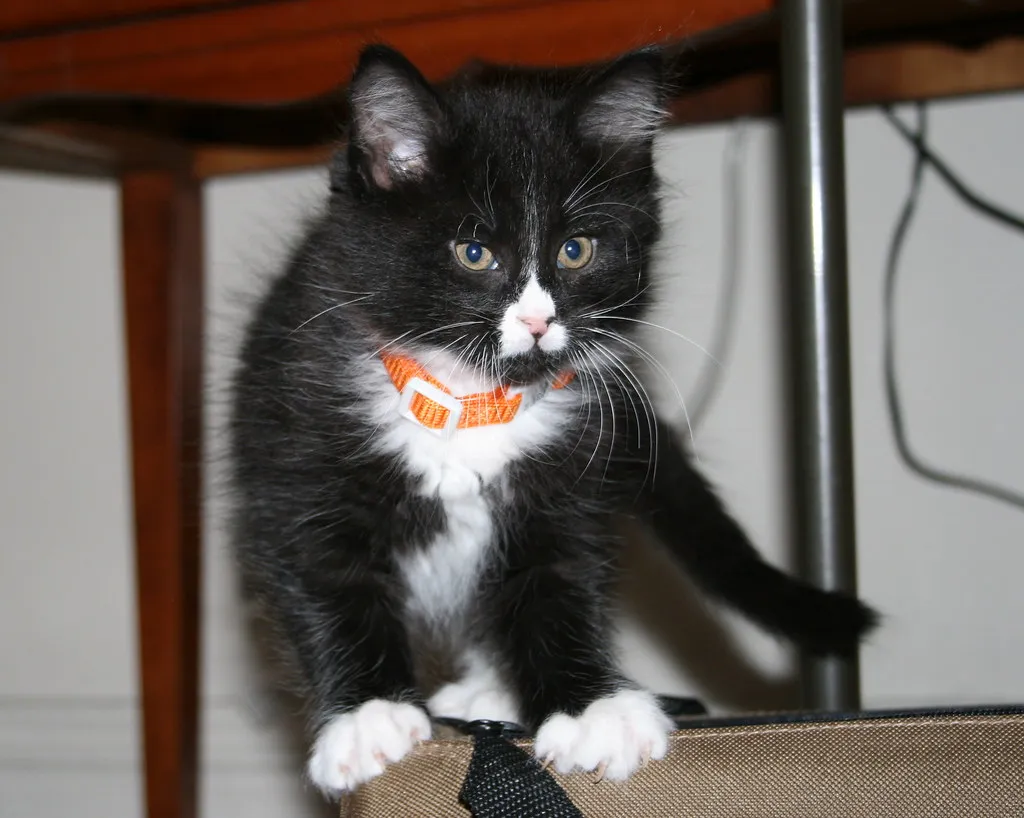
The most frequent reason cats are transported away from their home is for health examinations at the veterinary practice. Impaired welfare associated with veterinary visits, including transport, is a major reason for caregivers not taking their cats for veterinary care. A carrier helps break that cycle.
Cats that were trained to use a carrier were more inquisitive during travel, had shorter veterinary exams, and displayed fewer stress-related behaviors compared with untrained cats. This stress discourages owners from seeking essential care, and many caregivers report that their cat’s distress prevents them from bringing their pet to the clinic. A carrier used consistently from kittenhood is one of the most practical investments a cat owner can make in their pet’s long-term health.
The Takeaway
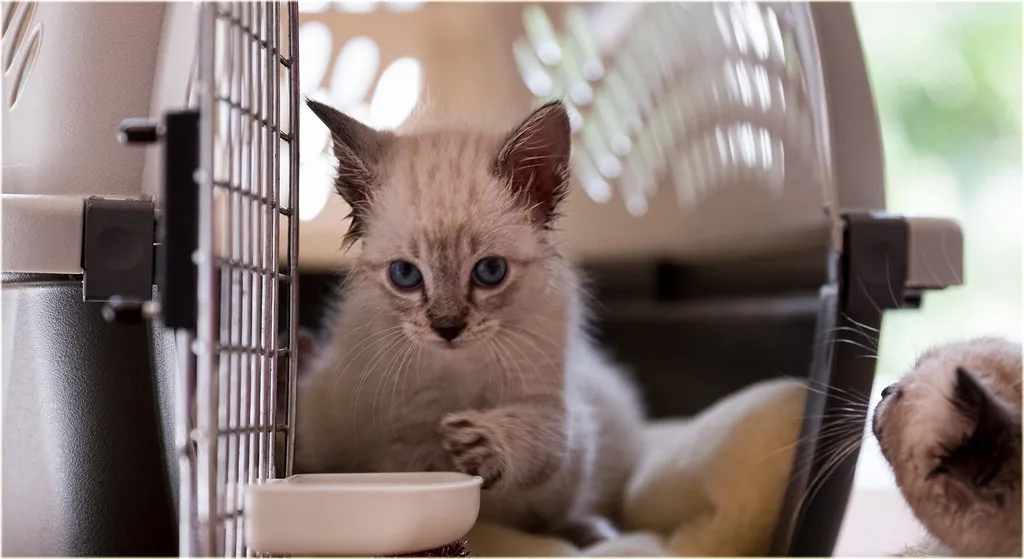
The case for carriers isn’t built on caution for caution’s sake. It rests on physics, peer-reviewed research, official veterinary guidelines, and the straightforward reality that cats in cars need boundaries to stay safe and calm. A carrier provides containment, reduces stress, and in a collision, it may be the difference between a frightened cat and a fatality.
The good news is that most cats, when introduced to a carrier gradually and positively, come to accept it as familiar and even comfortable. The carrier stops being a threat and starts being a den. That shift takes a few weeks of patient training. The safety benefit lasts a lifetime.
AI Disclaimer: This article was created with the assistance of AI tools and reviewed by a human editor.