
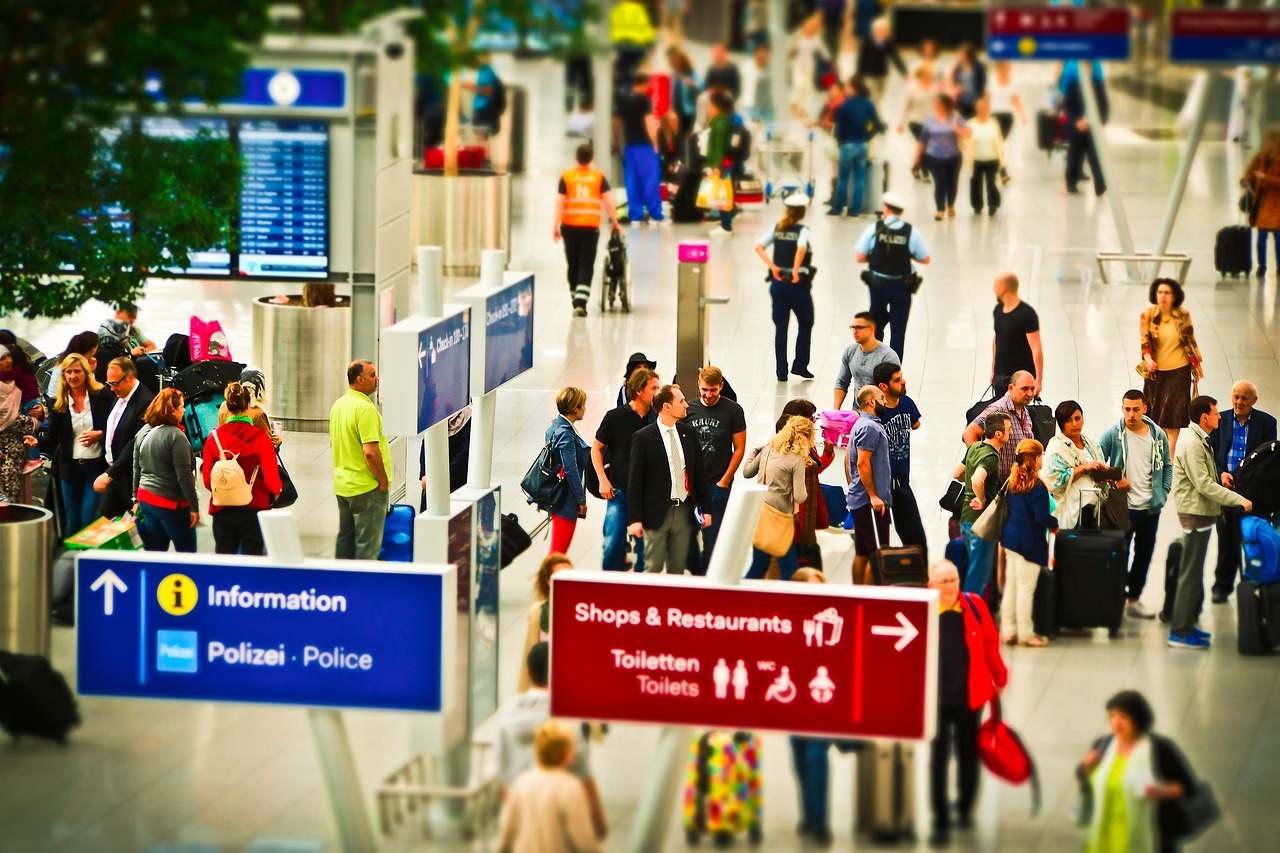

Most travelers treat flight check-in as an afterthought. They finish packing, glance at their phone at some random hour the night before departure, and tap through the screens without a second thought about timing. That casual approach costs them more than they realize.
The 24-hour mark is not arbitrary. It’s a structured moment in the airline system when seats shift, options unlock, and opportunities that were closed all week suddenly become available. Knowing how to use it changes the experience from passive to deliberate.
The 24-Hour Window Is When Airlines Release Hidden Seats

When online check-in opens, typically 24 hours before departure, airlines release previously blocked seats held for elite travelers or airport agents. This moment offers one of the easiest opportunities to switch to a better seat at no extra cost. Logging in right when check-in begins gives you first access to these newly available positions.
Most airlines release a fresh block of seats at the 24-hour mark, including those that were previously held for elite members but went unassigned, or seats that opened up because other passengers were upgraded to business class. This reshuffling happens quietly, and the travelers who benefit are simply the ones who show up first.
Seat Preferences Are Fierce, and the Competition Is Real
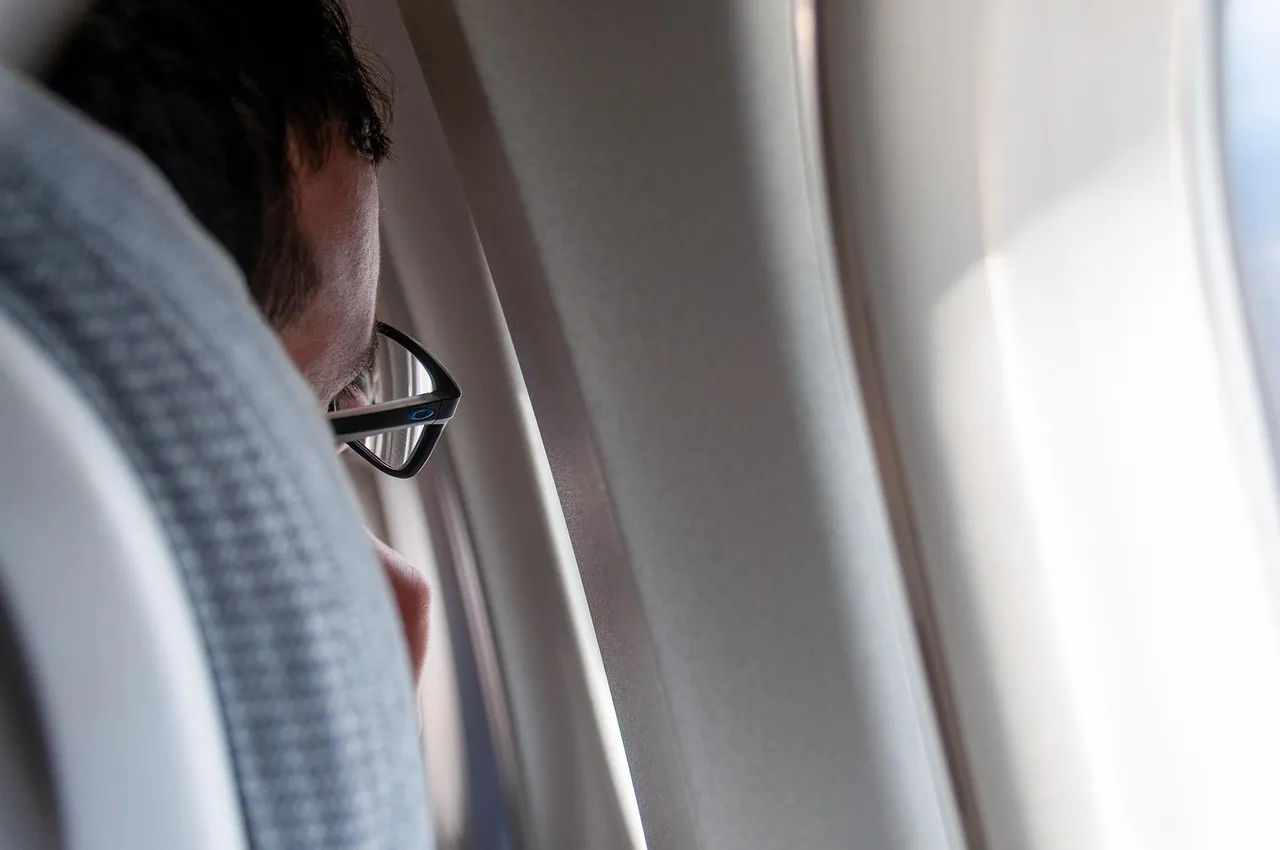
Window seats dominate passenger preferences, with nearly two thirds of travelers opting for them over aisle seats, which attract just under a third, while middle seats sit at the bottom with barely any preference at all. That kind of lopsided demand means the most desirable seats go fast, and timing determines who gets them.
Nearly six in ten passengers are willing to pay to select their seat in advance. Additionally, roughly half of travelers choose their airline based on seat comfort and availability, highlighting the significant role that seat quality plays in the decision-making process. When so many people care this much, arriving at check-in even slightly late puts you at a real disadvantage.
Basic Economy Passengers Have the Most to Gain
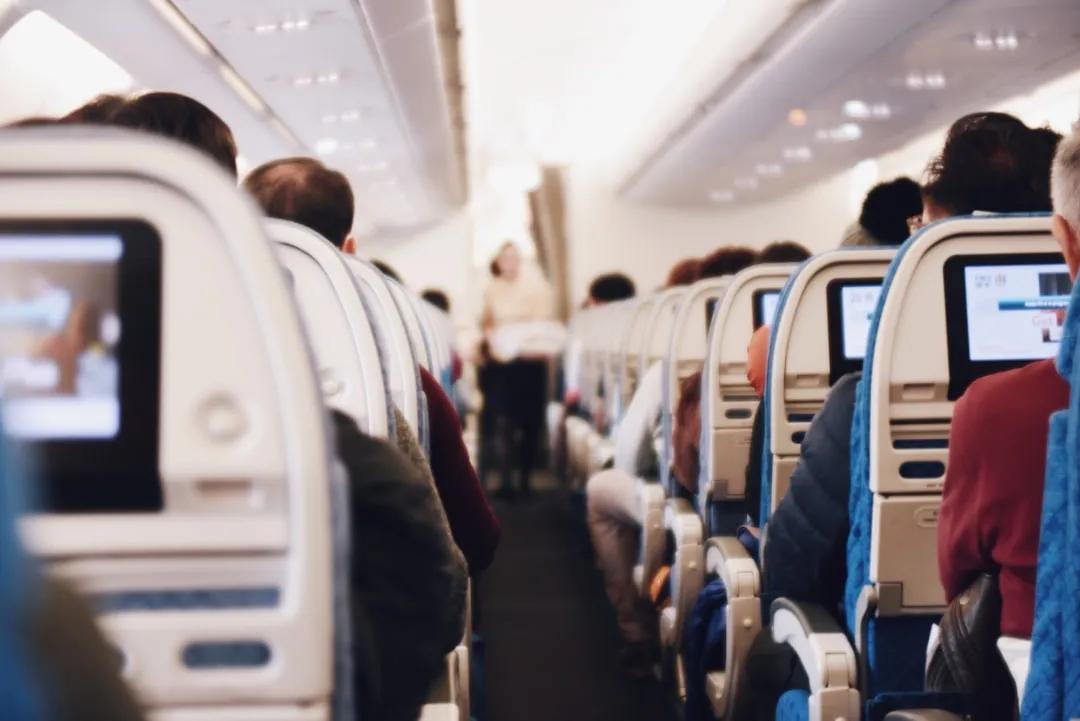
Basic economy fares on most carriers assign seats at check-in, when preferred positions have often already been reserved by earlier bookers. Higher fare classes and seat upgrades typically include pre-assigned window positions, so booking lead time and class selection directly affect whether travelers secure the seat they want.
Airlines typically assign seats on a first-come, first-served basis. If you check in early on Southwest, you may get placed in boarding group A versus all the way back in C. The same is generally true for basic economy passengers without pre-assigned seating. If you check in early, Delta and United are more likely to place you in a desirable seat near the front. Those who wait generally end up in a middle seat in the rear of the plane.
Elite Status Holders Still Benefit from Early Check-In Timing
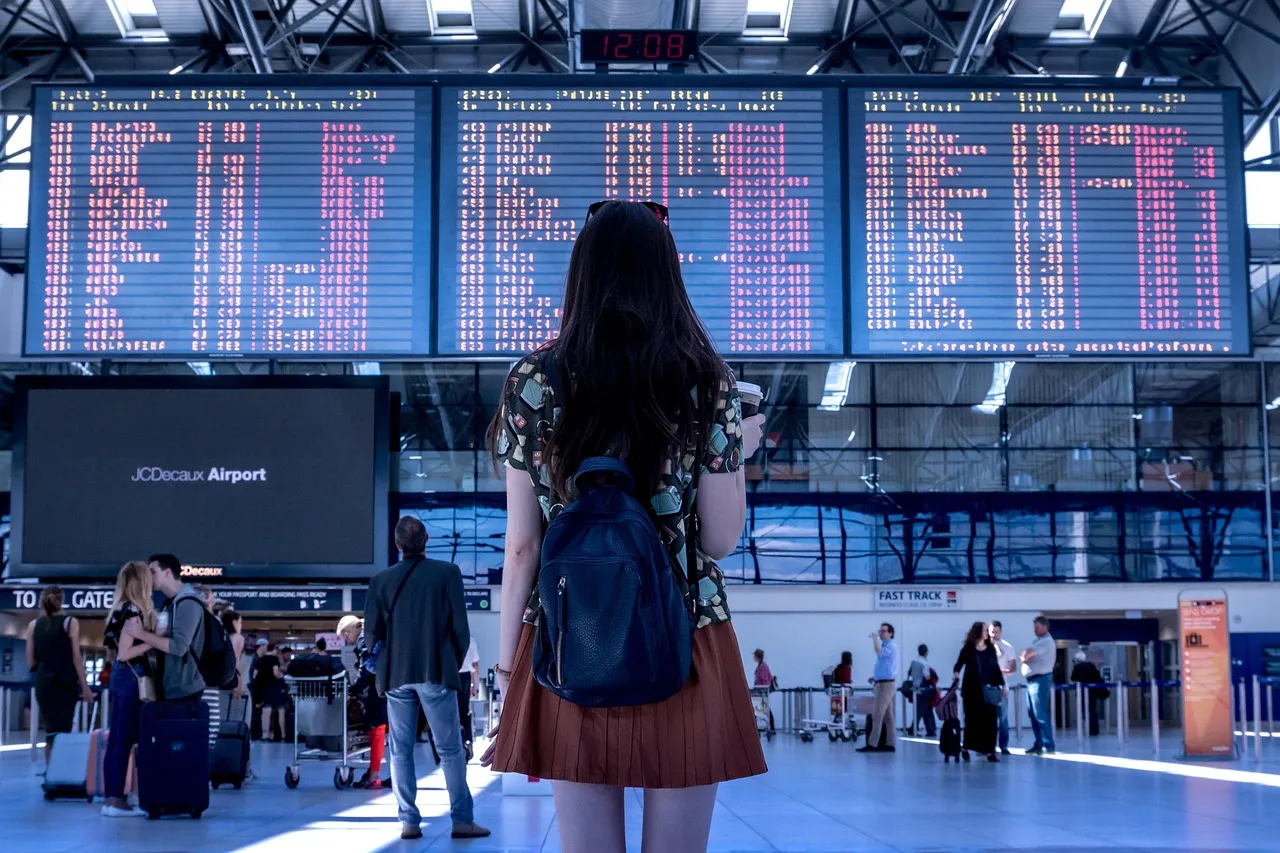
If you have status, such as Delta Gold Medallion, checking in early can put you first in line for an upgrade over other travelers at the same status tier. Status alone doesn’t guarantee anything. Within a tier, check-in timestamp becomes the tiebreaker.
If you hold loyalty status with an airline, checking in early places you higher on the potential upgrade list. American Airlines, for its part, allows AAdvantage Gold members to be eligible for upgrades as early as 24 hours before departure, while Platinum and higher tiers unlock even earlier windows. Knowing your tier’s window and being ready when it opens is what separates deliberate flyers from hopeful ones.
The Upgrade Bidding Market Has Changed the Stakes
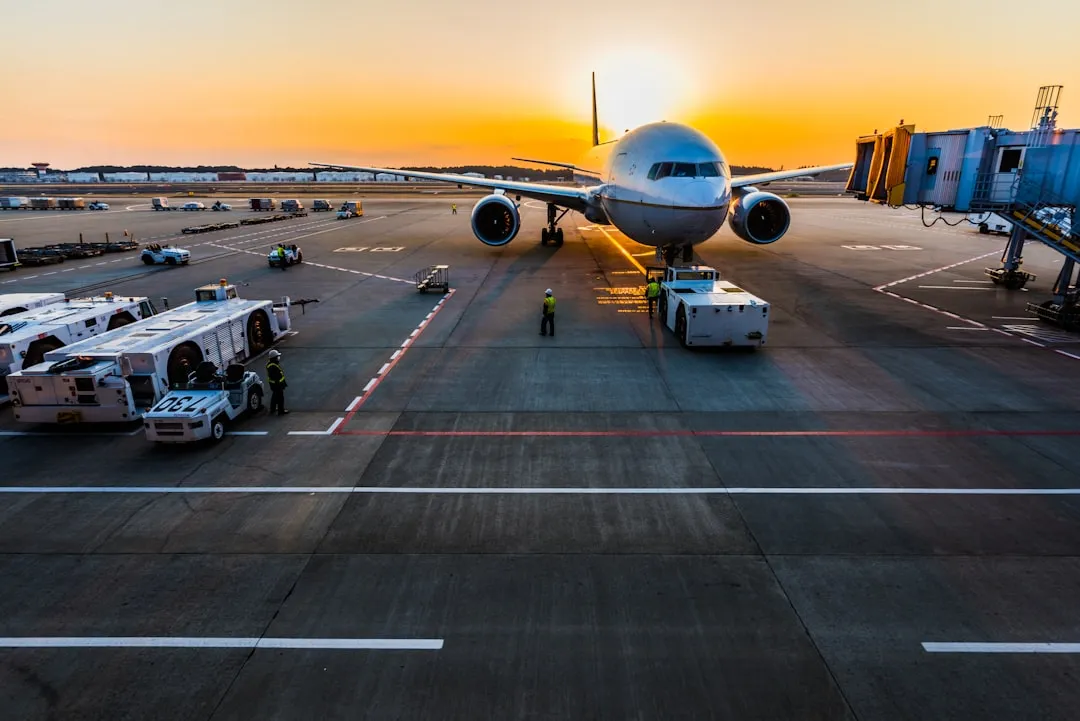
As of 2024, many carriers introduced dynamic pricing for upgrades, allowing passengers to bid or purchase upgrades at check-in or at the gate. That window is narrow, and being present the moment it opens is how you catch it.
The global upgrade bidding market reached $1.47 billion in 2024 and is growing rapidly, with major U.S. and Canadian carriers among the earliest adopters of these platforms. Some airlines allow passengers to secure paid upgrades at check-in, so if there are only one or two upgrades available, being early matters enormously. These upgrade offers are often a great deal, particularly when the airline wants to fill unsold seats in the front cabin.
Southwest’s Shift to Assigned Seating Changes the Equation
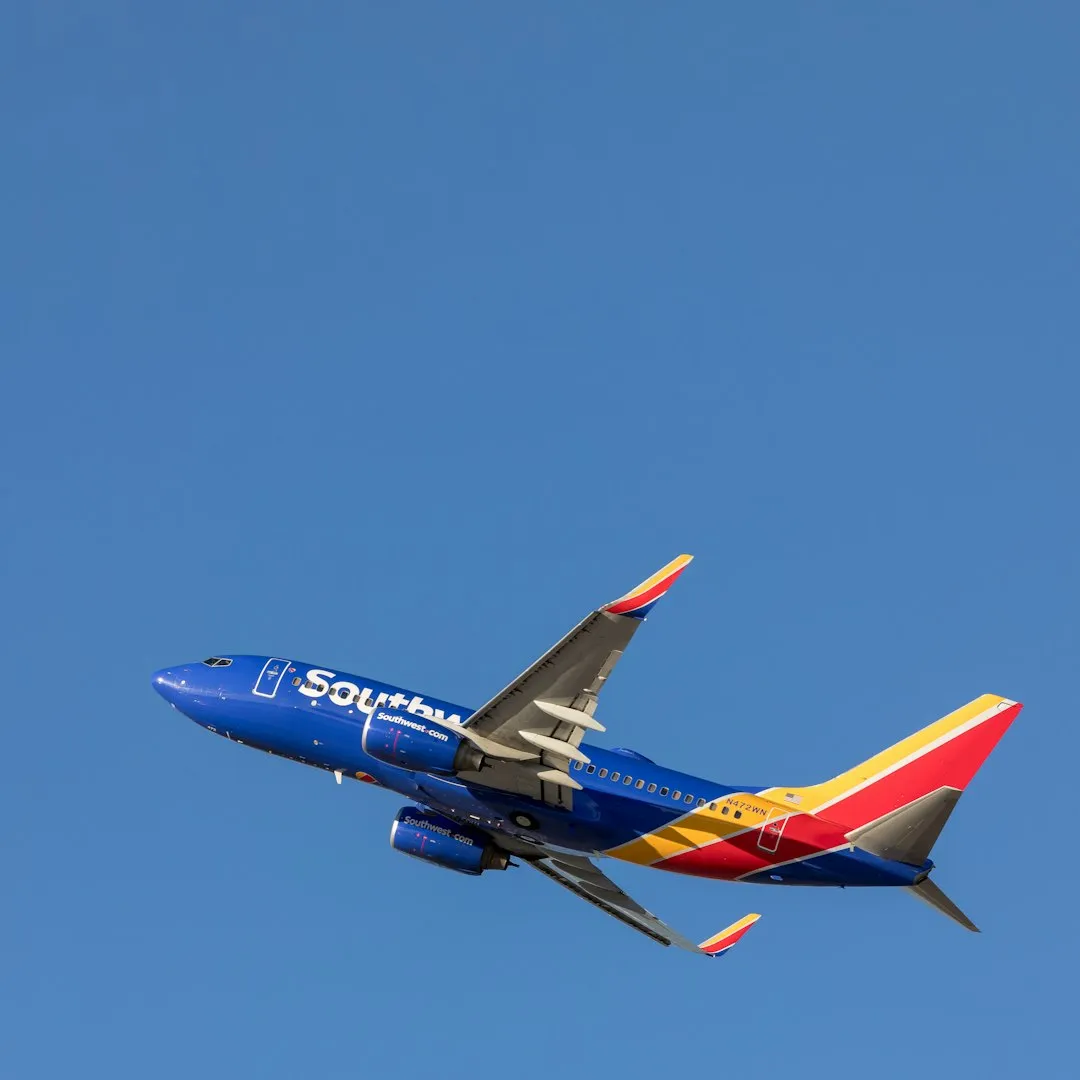
As of January 27, 2026, Southwest Airlines no longer has an open seating policy. Southwest now sells tickets at fares with different seating choices, including standard seats assigned at check-in or paid preferred and extra-legroom seats selected at booking.
If a seat is not selected at booking, basic fare passengers receive a seat assignment during check-in, generally 24 hours prior to departure. When the airline first announced plans in 2024 to switch to assigned seating, studies on seating options showed that the vast majority of travelers said they now want to know where they are sitting before they get to the airport. The 24-hour check-in window is still where the most meaningful choices land for those who didn’t pre-select.
Blocked Seats That Cost Nothing Can Unlock at the 24-Hour Mark
Some economy-class seats may be blocked for operational reasons or sold for an extra fee, but if they remain empty or unsold, they could become available to select for free come check-in time. These are seats that were effectively invisible during the booking process. They quietly reappear when check-in opens.
Especially if you have airline status, when you check in online or via the airline’s mobile app, this 24-hour period is when premium economy and extra-legroom seats open up to the general public, seemingly because no one has bought those seats and the airline is unlikely to make money from those upgrades at that point. It’s one of the few remaining genuinely free opportunities left in modern air travel.
What Happens to Passengers Who Check In Late
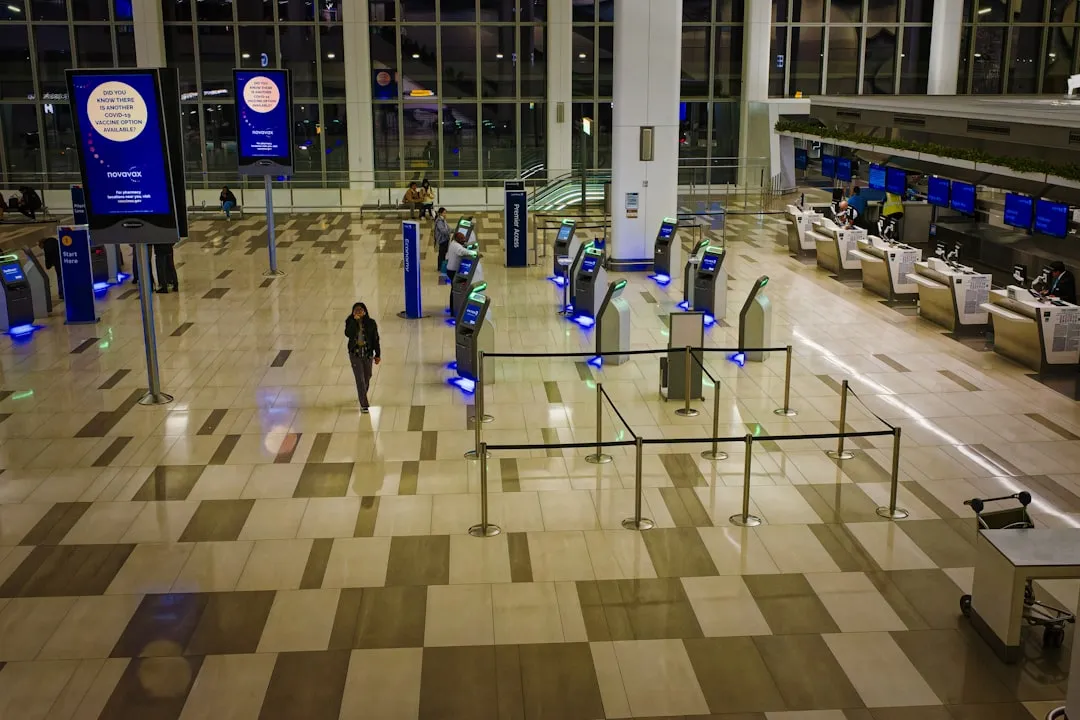
Many airlines allow passengers to check in 24 hours before departure, and doing this immediately can increase the chances of getting preferred seats without paying extra. When people check in last-minute, especially on full flights around holidays or busy periods, they may get left with a seat toward the back or a dreaded middle seat.
When a flight is nearly sold out, the seat map becomes more restricted. Passengers checking in late may end up with middle seats or be separated from their travel companions. On busy routes, that’s not a minor inconvenience. It can mean hours of genuine discomfort on a long haul.
Setting an Alarm Is the Actual Tactic

Travelers who consistently benefit treat check-in like a scheduled task, not something to remember when they’re packing. Setting an alarm for the exact 24-hour mark is the practical move. It sounds almost too simple, but the discipline of doing it is precisely what most other passengers skip.
Checking in precisely 24 hours before your flight costs nothing and can come with a wealth of benefits. For certain airline models, checking in at exactly the 24-hour mark is vital because your boarding position is determined by your check-in time. Even a 30-second delay can mean the difference between an aisle seat and a middle seat in the back. The alarm is the strategy. Everything else follows from it.
Keep Watching the Seat Map Even After Check-In
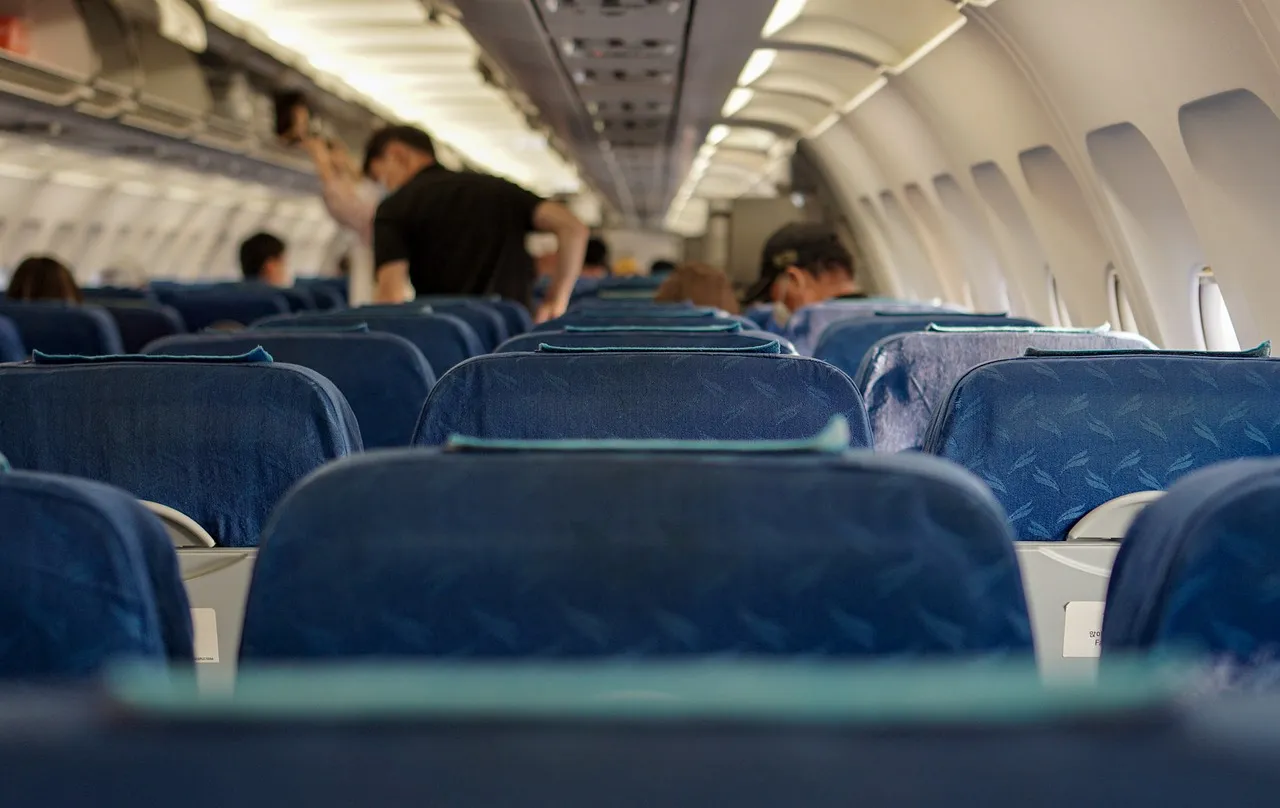
Missed connections, late arrivals, and cleared upgrades all cause last-minute openings that appear directly on the seating chart. Rows that looked full earlier may suddenly show gaps. Keeping your airline app open and refreshing it while you wait at the gate can reveal opportunities that weren’t there an hour before.
Additionally, many airlines upgrade frequent flyers who hold elite status in the days leading up to departure, which may free up better seats in the back of the plane for everyone else. Seat maps stay fluid right up to the gate. Checking in at the 24-hour mark is the opening move, not the only one.
The Takeaway
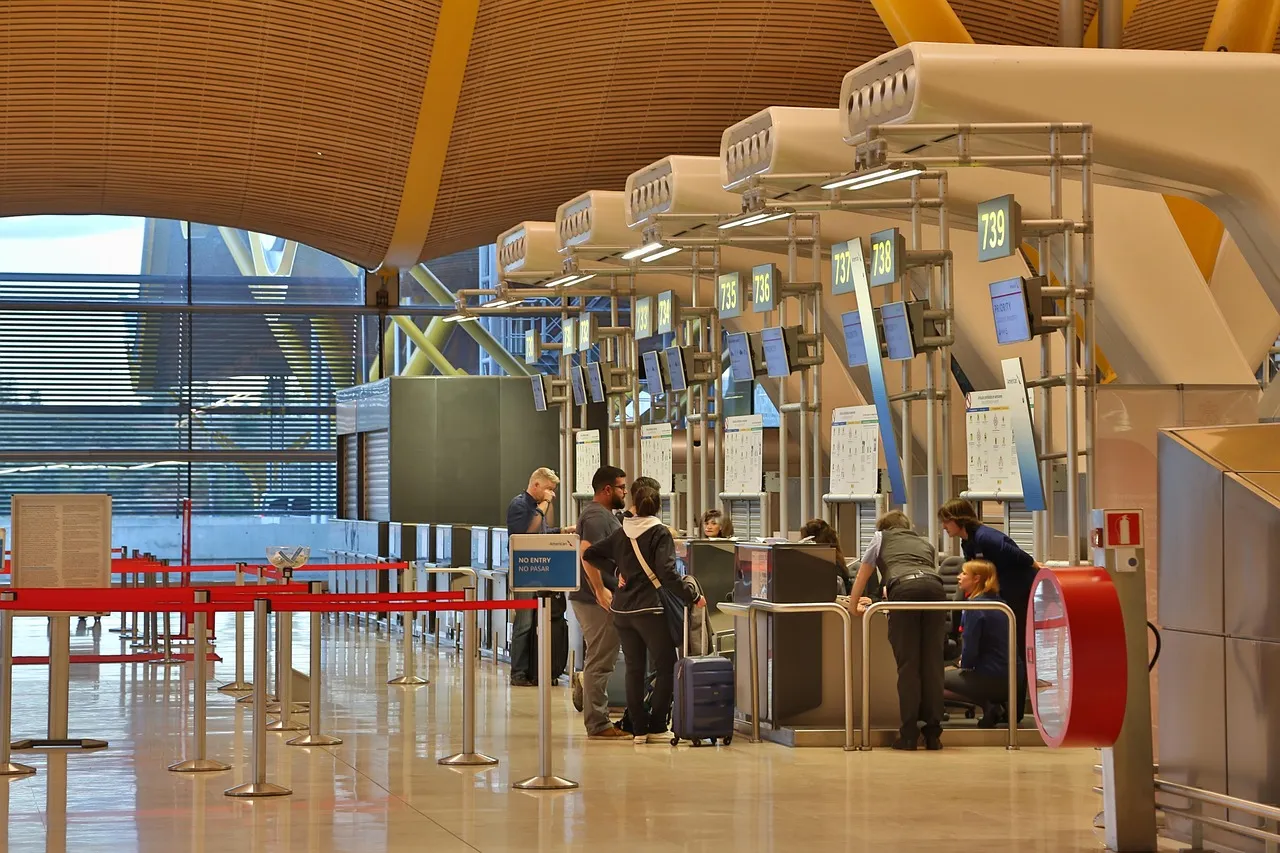
The 24-hour check-in rule is one of those rare travel tactics that genuinely works and costs nothing to apply. It doesn’t require a credit card, a loyalty tier, or any special access. It requires only the presence of mind to show up at the right moment.
Airlines have steadily monetized most of the informal advantages that once existed for attentive travelers. The check-in timestamp still carries real weight in the upgrade queue, and it costs nothing to use it deliberately. Set the alarm. Be there at the exact moment the window opens. That single habit, repeated consistently, adds up to noticeably better travel over time.
AI Disclaimer: This article was created with the assistance of AI tools and reviewed by a human editor.