
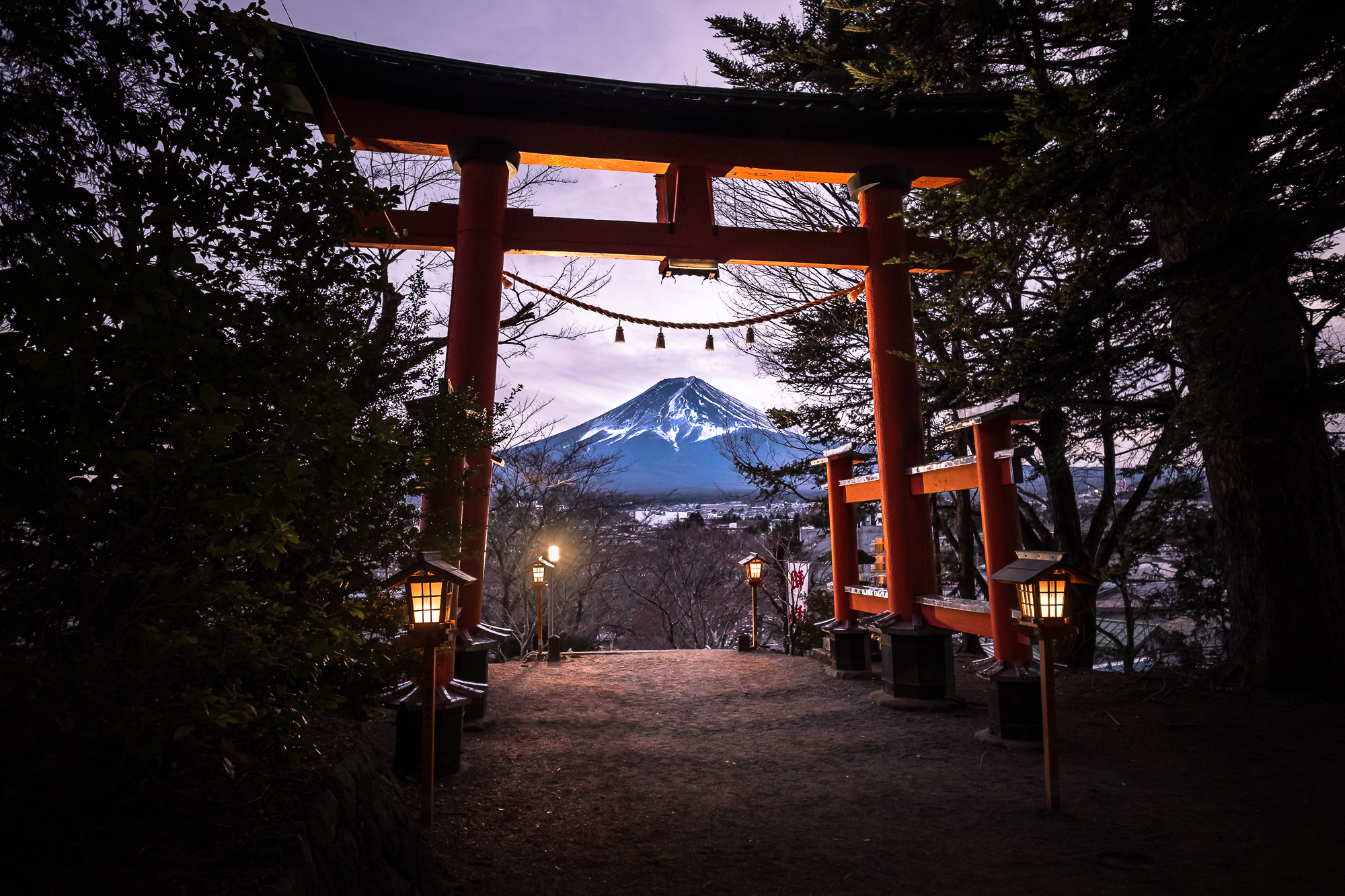

A Mountain Under Pressure From Record Tourism
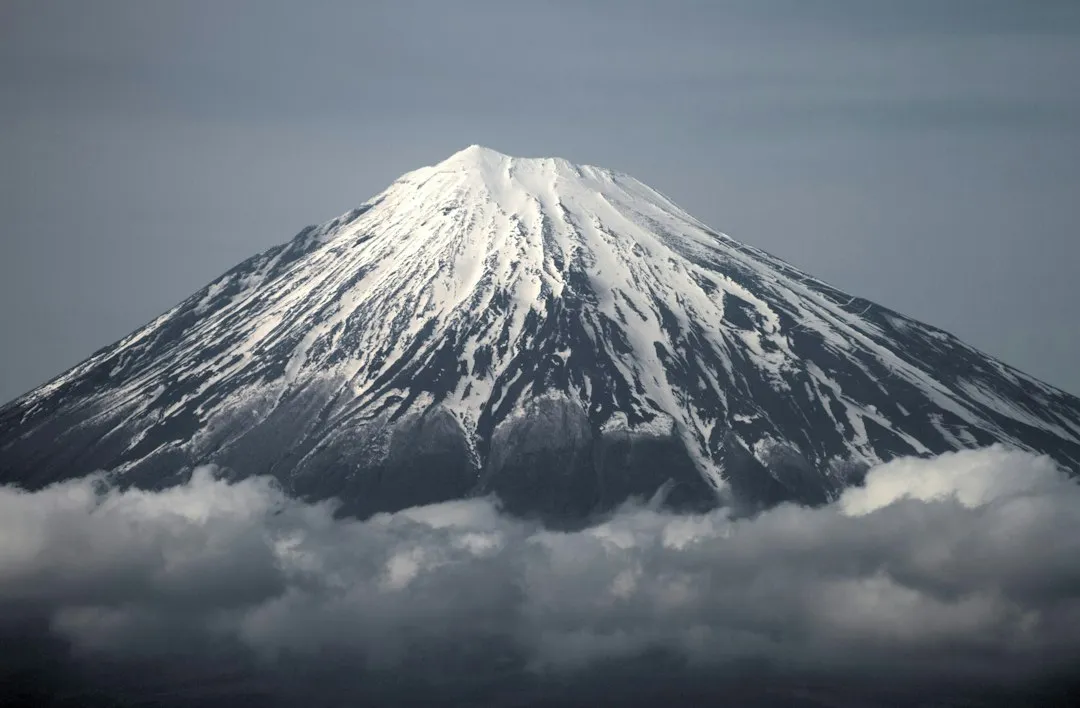
Japan’s post-pandemic tourism boom is unlike anything the country has seen before. In 2024, Japan reached an all-time high in international tourism, with 36 million visitors arriving throughout the year, shattering previous records and surpassing earlier projections. Much of that energy funneled toward the country’s most iconic landmarks, with Mount Fuji sitting near the top of every itinerary.
Over 200,000 climbers visit Mount Fuji each year during the official climbing season, which runs from July to August. In 2024, approximately 204,000 climbers ascended the mountain, reflecting an eight percent decline from 2023 due to new visitor caps. Even with that reduction, the numbers remain enormous for a trail system covering a single volcanic peak.
Peak days, particularly around Japan’s Obon holiday in mid-August, previously saw up to 7,000 climbers across multiple trails in a single day. At that scale, the mountain could not absorb the pressure quietly.
The Birth of the “Trash Mountain” Nickname
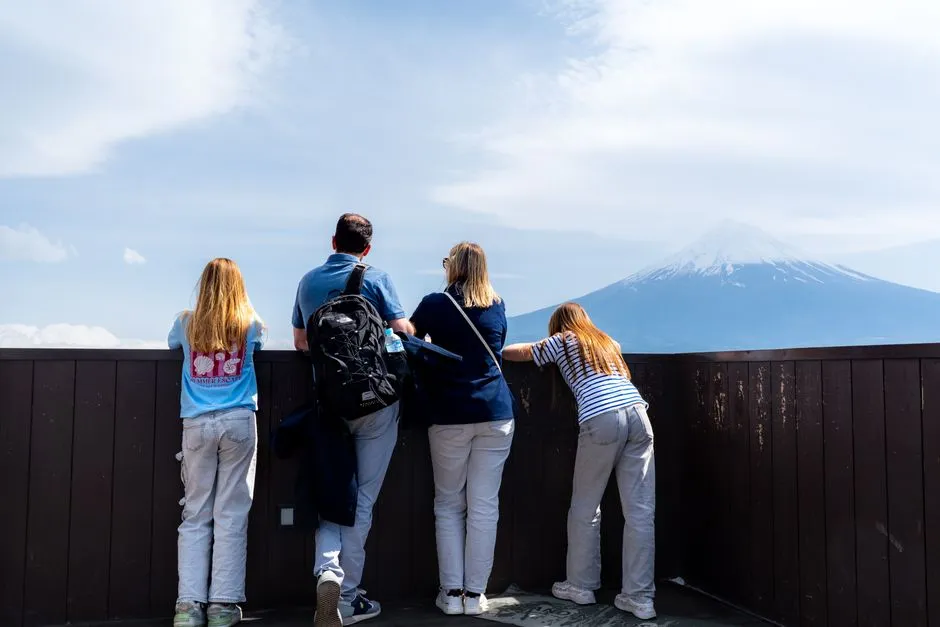
Mount Fuji, one of the world’s most famous landmarks and a UNESCO World Heritage Site, began facing an overwhelming increase in tourists, with close to 36 million visitors arriving in Japan in 2024, many of whom made the mountain a destination.
The result was a litany of problems, including overcrowding and the turning of the previously pristine mountain into what locals began calling a “trash mountain.” Waste left on the trails, graffiti, and tents pitched where none were allowed became recurring issues that rangers and local officials could not ignore.
Officials raised the alarm about overtourism at the once-peaceful pilgrimage site, with the local governor of Yamanashi region warning that “Mount Fuji is screaming.” That phrase, urgent and vivid, captured how serious the situation had become.
How the Fee System Was Introduced Step by Step
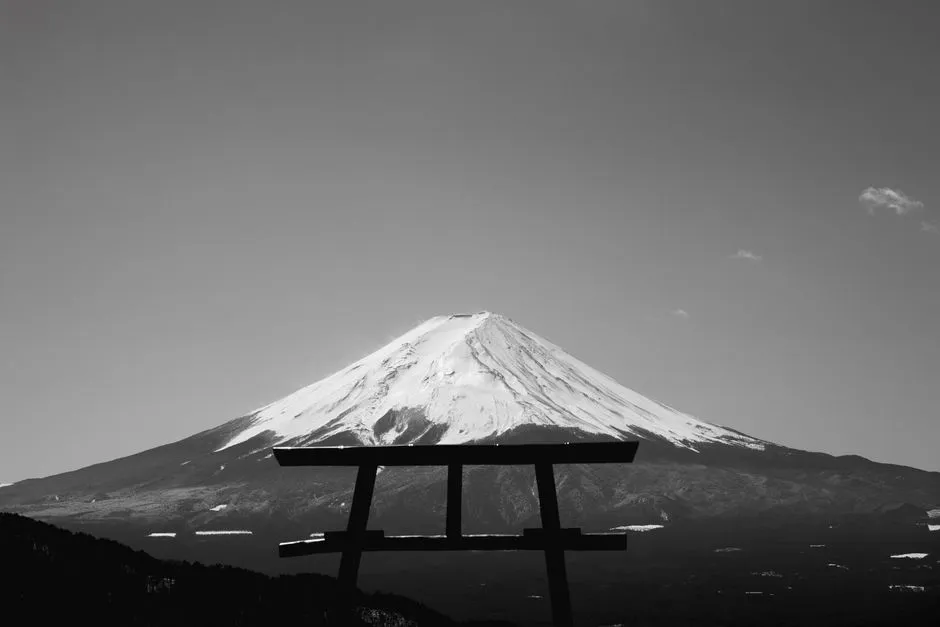
In 2024, a 2,000-yen fee was introduced for the Yoshida trail, which is the most popular route on the mountain. By 2025, that fee had doubled and been applied universally across the various trails.
Japanese authorities announced a roughly 27-dollar, or 4,000-yen, entry fee for all four of Mount Fuji’s main trails for the 2025 climbing season, which runs from early July to early September. This new fee also applied to three routes leading into Shizuoka Prefecture, all of which had previously been completely free to use.
In the previous year, only Yamanashi had a mandatory admission fee, a daily limit on hikers, and a gate to restrict overnight climbers. The expansion to Shizuoka’s side of the mountain marked a significant shift toward uniform, mountain-wide management.
Where the Money Goes
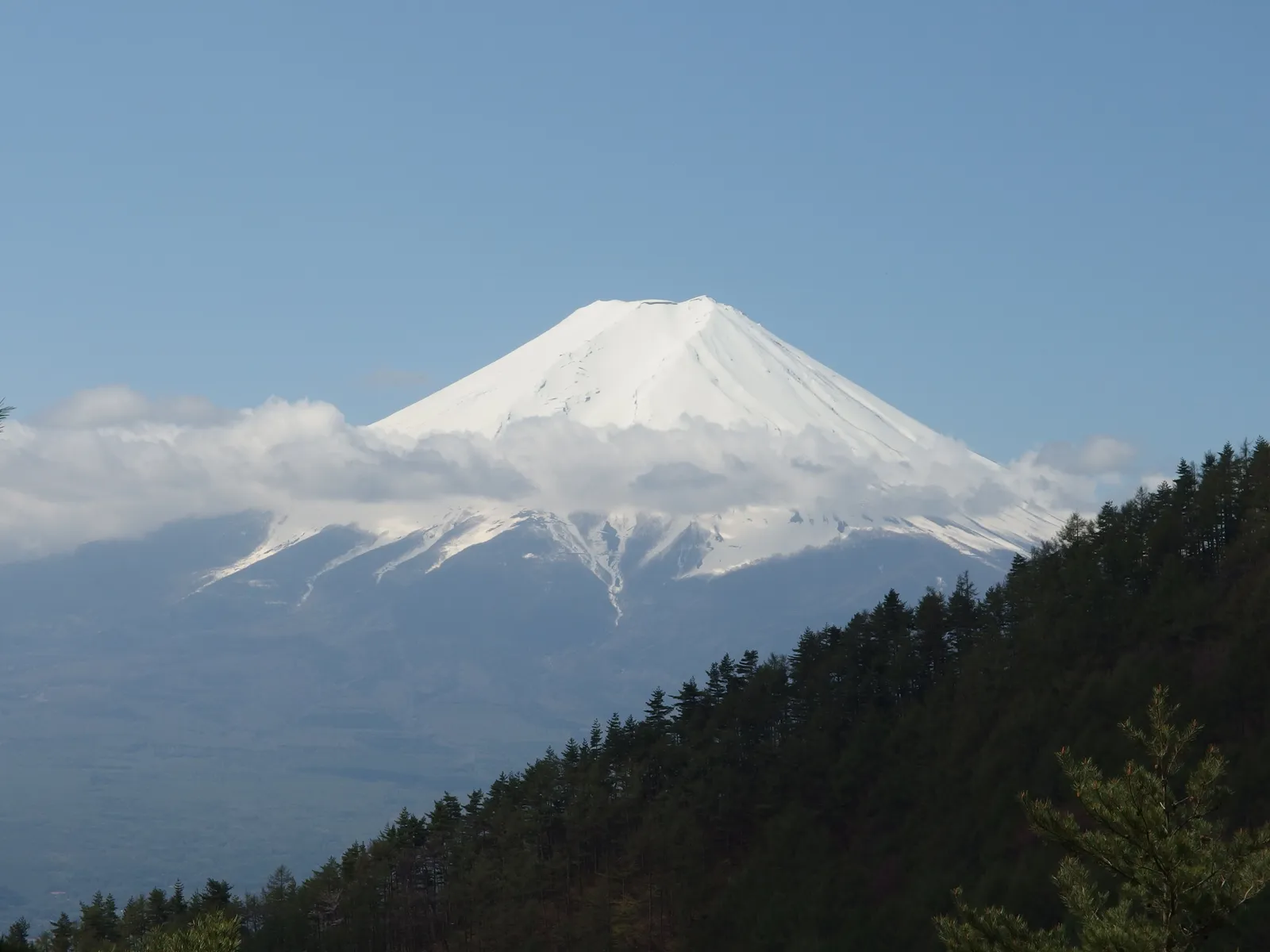
The access fee primarily goes toward maintaining facilities such as climbing paths and restrooms, as well as covering rescue operation costs in case of accidents. Both are real, ongoing expenses that had long been underfunded relative to the volume of visitors using the mountain.
Access fees are used for maintaining and repairing trails and toilets that have deteriorated from heavy use. Additionally, setting daily climbing limits aims to prevent dangerous congestion on the trails.
Funds also contribute to building shelters to protect visitors in the event of an eruption and to maintaining the mountain’s pathways, ensuring that Mount Fuji remains a safe and sustainable destination for hikers. Mount Fuji is, after all, an active stratovolcano, and that reality shapes infrastructure decisions in ways most visitors rarely think about.
The Daily Climber Cap and What It Means in Practice
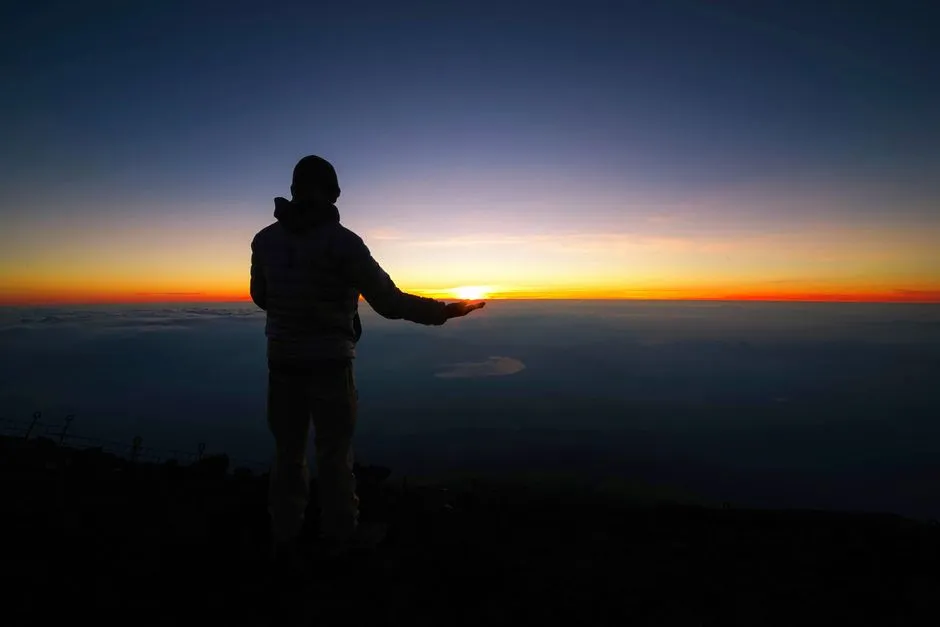
To address overtourism and the environmental strain, a daily cap of 4,000 climbers was introduced in 2024. This restriction, along with the new entry fees, has proven effective.
In addition to the fee, climbers are also required to make a reservation via the official Mount Fuji climbing site. The number of daily climbers is restricted to 4,000 people, so availability must be checked once the registration system opens.
Of those slots, 3,000 are available for online booking and the remaining 1,000 can be booked in person on the day of the climb, according to Yamanashi Prefecture. This structure gives planners a pathway while preserving some flexibility for spontaneous visitors.
The Dangerous Trend of “Bullet Climbing”
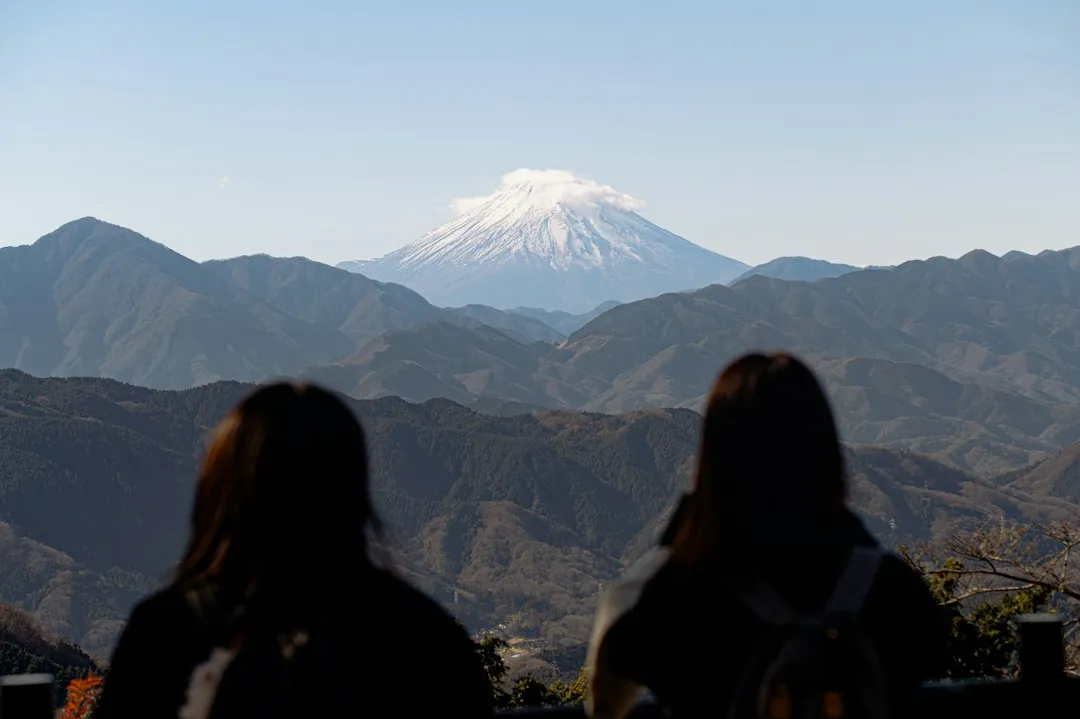
Officials became increasingly concerned about the dangers posed by unprepared hikers climbing Mount Fuji. Some even tried to make the climb overnight without resting, a risky habit known as “bullet climbing,” which raises the chance of accidents and incidents involving missing persons.
Bullet climbing is a way to gain altitude during the night, which increases the risk of altitude sickness and hypothermia due to accumulated fatigue and thus increases the risk of disaster. The practice became more common as hiker numbers grew, partly because those who failed to book mountain hut accommodations had no choice but to push through without stopping.
Gates at the fifth station starting point are now closed from a certain period to stop bullet climbing during the night. The new rules restrict people from climbing without an overnight stay at a mountain lodge after dusk. This is because climbing in total darkness without adequate rest can increase the risk of exhaustion and accidents. Resting outdoors without adequate equipment also exposes climbers to the danger of hypothermia.
Restricting Entry Hours to Protect Both Hikers and the Mountain
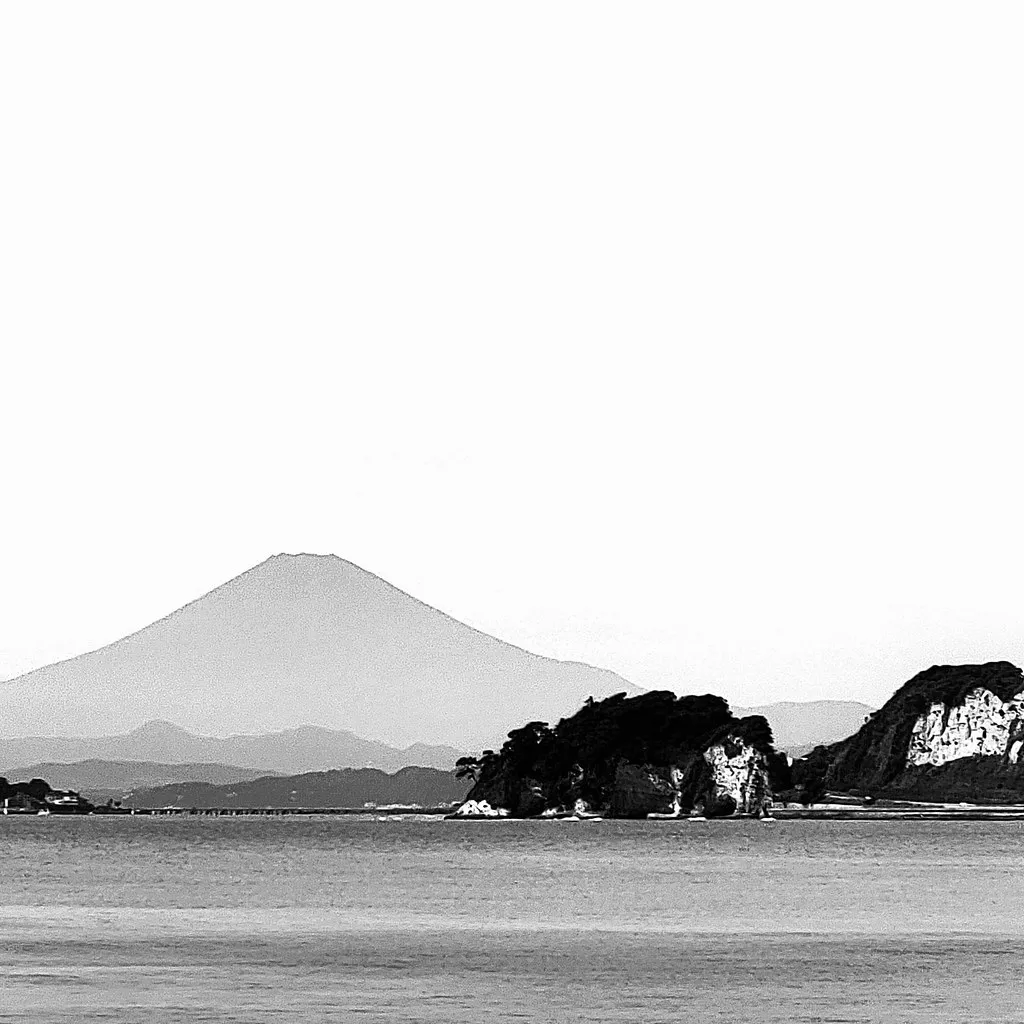
The 2025 regulations include entry time being restricted to between 3am and 2pm. Anyone attempting the climb after this time needs to have a reservation at a mountain hut. This hour-based gating system functions as an enforcement mechanism, not just a guideline.
All four official trailheads now enforce a hard gate closure between 2:00 PM and 3:00 AM. This rule was designed to end the dangerous “bullet climb” culture of attempting the entire round trip in a single sleepless sprint. Rangers physically staff these gates and will turn climbers away.
It’s a meaningful shift. The mountain now has a schedule, enforced by people, not just posted on a sign. For many visitors, that’s the clearest signal that the rules have genuinely changed.
Did the Restrictions Actually Work?
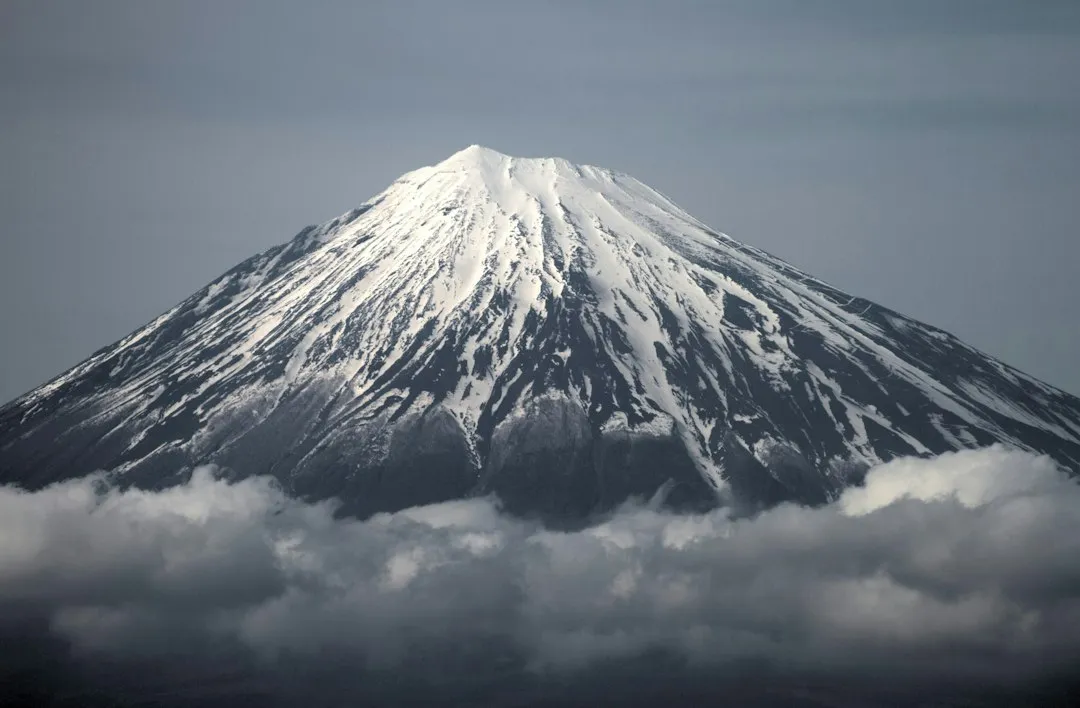
Fewer climbers tackled Mount Fuji during the 2024 hiking season after Japanese authorities introduced an entry fee and a daily cap on numbers. Online reservations were also brought in by officials concerned about safety and environmental damage. The number of climbers fell by 14 percent between early July and early September, according to the environment ministry.
The environment ministry counted around 178,000 climbers on Mount Fuji during the summer of 2024. This came despite Japan welcoming a record influx of foreign visitors, with nearly 18 million tourists entering the country in the first half of 2024 alone.
Restrictions implemented on the popular Yoshida trail significantly reduced the number of “bullet climbers” and reduced bad behavior associated with the practice. That is a concrete result, and one that helped make the case for expanding the system to all four trails in 2025.
Mount Fuji’s UNESCO Status and Why It Raises the Stakes

Since being designated a UNESCO World Heritage Site in 2013, Mount Fuji has seen a steady increase in climbers, leading to issues with deteriorating visitor behavior. As the mountain is located within a national park, environmental conservation remains a significant challenge.
Experts say the mountaineering experience at Mount Fuji is in sharp decline because of the crowds, and they fear the environmental situation has reached a “critical point.” UNESCO designation, in this sense, is not a protection in itself. It is a recognition that creates expectations and obligations.
Of Mount Fuji’s 10 hiking stations, the fifth receives 90 percent of the mountain’s visitors. That concentration of footfall at a single elevation point helps explain why trail degradation became such a visible problem so quickly.
What the 2026 Season Looks Like for Climbers
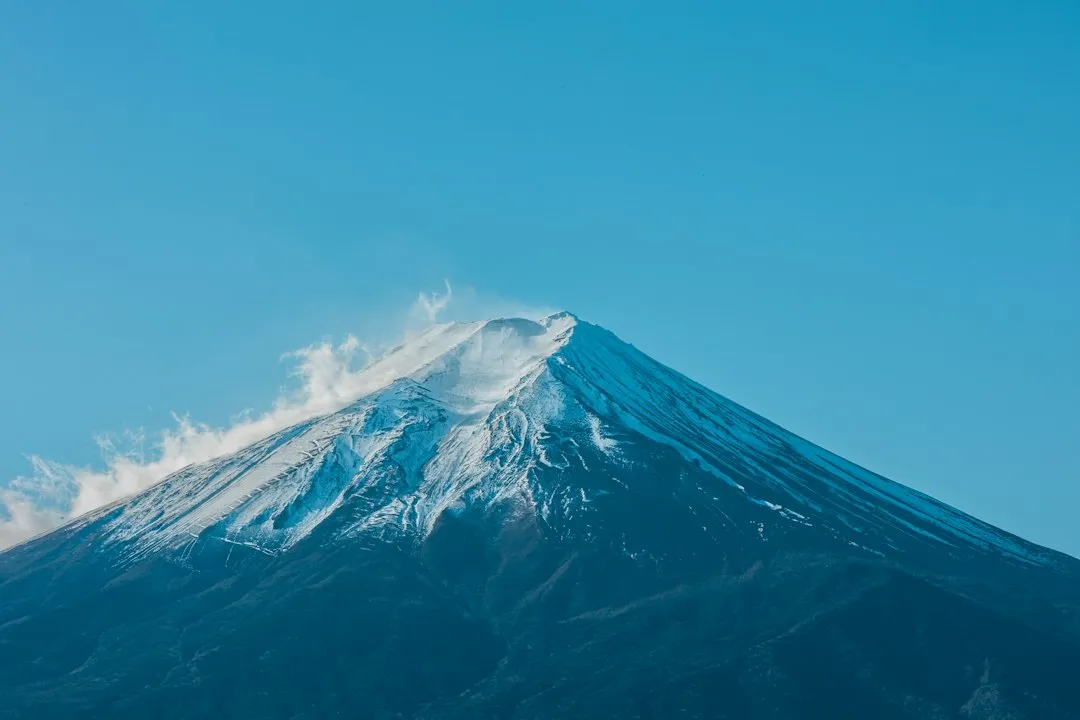
As of 2026, a mandatory hiking fee of 4,000 yen per person applies to the Yoshida Trail, covering trail maintenance, mountain rescue services, and environmental protection. The fee can be paid in cash on-site or in advance through the online reservation system.
The access fee can be paid in cash on-site or in advance through the online reservation system. A 1,000-yen conservation cooperation fee is also requested, which supports trail maintenance and cleanup efforts.
Starting in 2025, all climbers using the Fujinomiya, Gotemba, and Subashiri trails on the Shizuoka side of Mount Fuji must complete pre-registration through the official SHIZUOKA FUJI NAVI app before their hike, to help ensure safety, environmental preservation, and that climbers are properly informed. Planning a Fuji climb in 2026 means engaging with these systems early, not as a formality, but as a genuine part of the experience.
A Model for Responsible Mountain Tourism
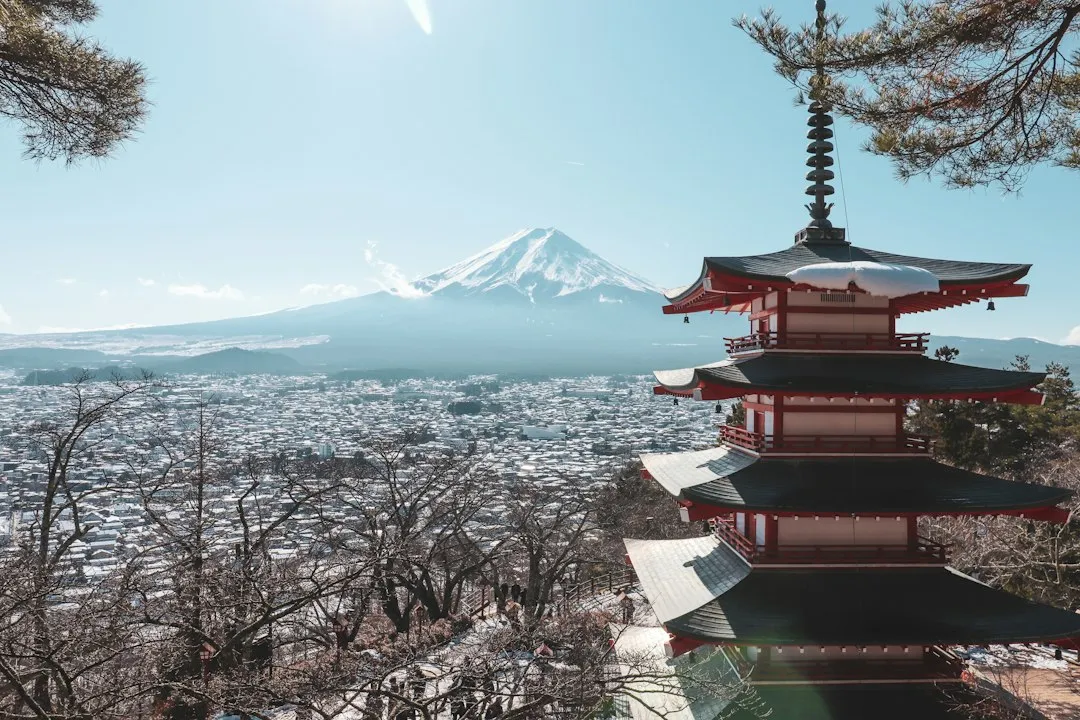
What is unfolding on Mount Fuji is not simply a ticketing change. It is a broader rethinking of how iconic natural landmarks should be shared and protected. The fee, the caps, the gate closures, and the registration requirements all point in the same direction: access with accountability.
Japan is implementing additional measures, such as accommodation taxes and considering a higher departure tax, to address overtourism nationwide. Mount Fuji is one part of a larger national conversation about how much pressure a beloved landscape can bear before the thing that drew people to it in the first place is irreversibly diminished.
The mountain has not been closed off. It remains open, climbable, and extraordinary. The fee is simply the price of participating in something that must now be cared for more deliberately than it once was, and that, in the long run, is good news for everyone who makes the climb.
AI Disclaimer: This article was created with the assistance of AI tools and reviewed by a human editor.