
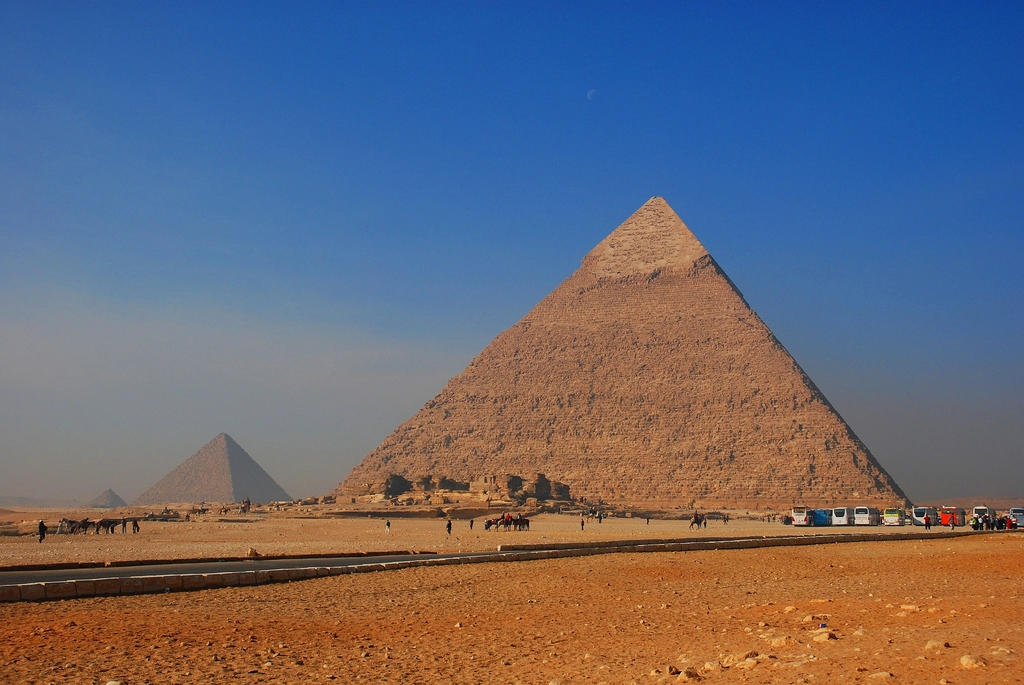

A Ban That Was a Long Time Coming
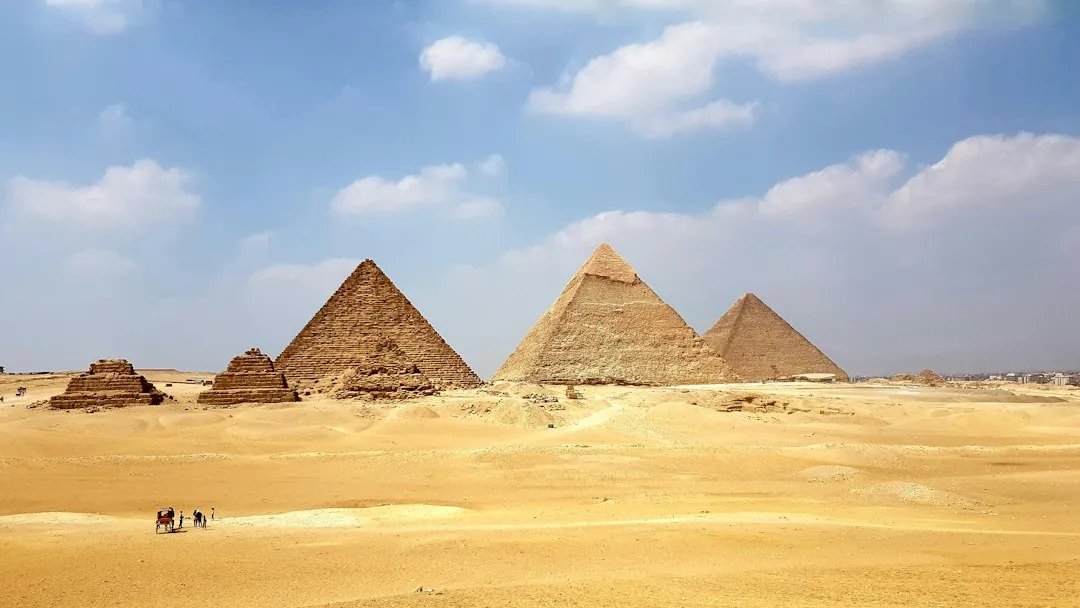
For much of modern history, there was no explicit law on the books prohibiting pyramid climbing. Up until recently, there was no law explicitly prohibiting climbing the pyramids. This legal gap allowed a grey zone to persist for decades, where enforcement was inconsistent and tourists occasionally scaled the stones with little more than a warning.
Human access to the pyramids has been strictly regulated, and climbing the pyramids has been illegal since the 1980s. However, formal criminal penalties were only codified much later, following a series of high-profile incidents that pushed Egyptian authorities to act decisively.
The Law That Changed Everything
Egypt’s parliament amended its antiquities protection law to impose tougher jail sentences and higher fines for smuggling antiquities out of the country, and for the first time explicitly criminalized climbing the country’s monuments. This happened in November 2019, marking a turning point in how the state legally handles violations at heritage sites.
The amendment stipulates that individuals found climbing or otherwise abusing an archaeological site or museum without a license will be imprisoned for one month or receive a fine between £E10,000 and £E100,000. Penalties are doubled when acts of indecency or public immorality are involved at the same time.
Egypt’s House of Representatives amended law No. 177 of 1983 on the protection of antiquities to punish people climbing artifacts without a license or visiting archaeological sites and museums without a reservation with a one-month imprisonment and/or fine ranging between LE10,000 and LE100,000. The reform was broadly welcomed by archaeologists and conservation bodies.
The Incidents That Forced Egypt’s Hand
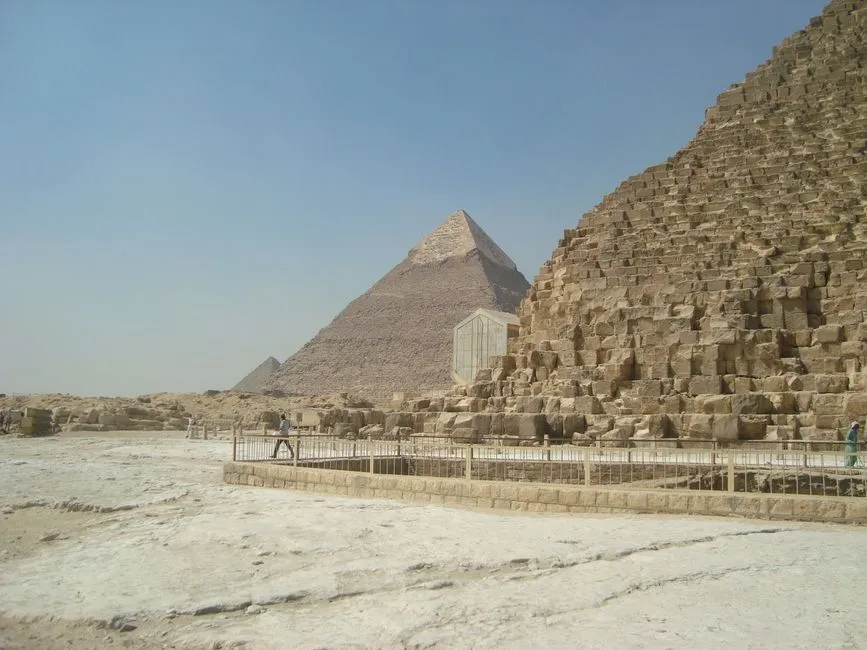
The legal reform did not emerge in a vacuum. Several specific, high-profile incidents embarrassed Egyptian authorities and made inaction untenable. Earlier in 2019, an Egyptian man climbed to the top of the Great Pyramid of Giza, removing parts of a 19th-century wooden mast that was installed to measure the pyramid’s height, and throwing stones at security forces.
Egyptian daily AhramOnline reported that an advisor to the antiquities minister stated that the new protections were partly driven by a specific incident in which a foreign citizen climbed one of the pyramids of Giza to perform a “negative deed,” referencing Danish photographer Andreas Hvid, who scaled the Great Pyramid in November 2018 and posted a video of himself and his girlfriend at the pyramid’s peak.
Although it is illegal to climb the 4,500-year-old icon, German tourist Andrej Ciesielski traveled to Cairo with the express intention of rooftopping one of the three tombs at Giza in 2016. He was detained, questioned, and banned from Egypt for life.
The Physical Damage Is Real and Irreversible
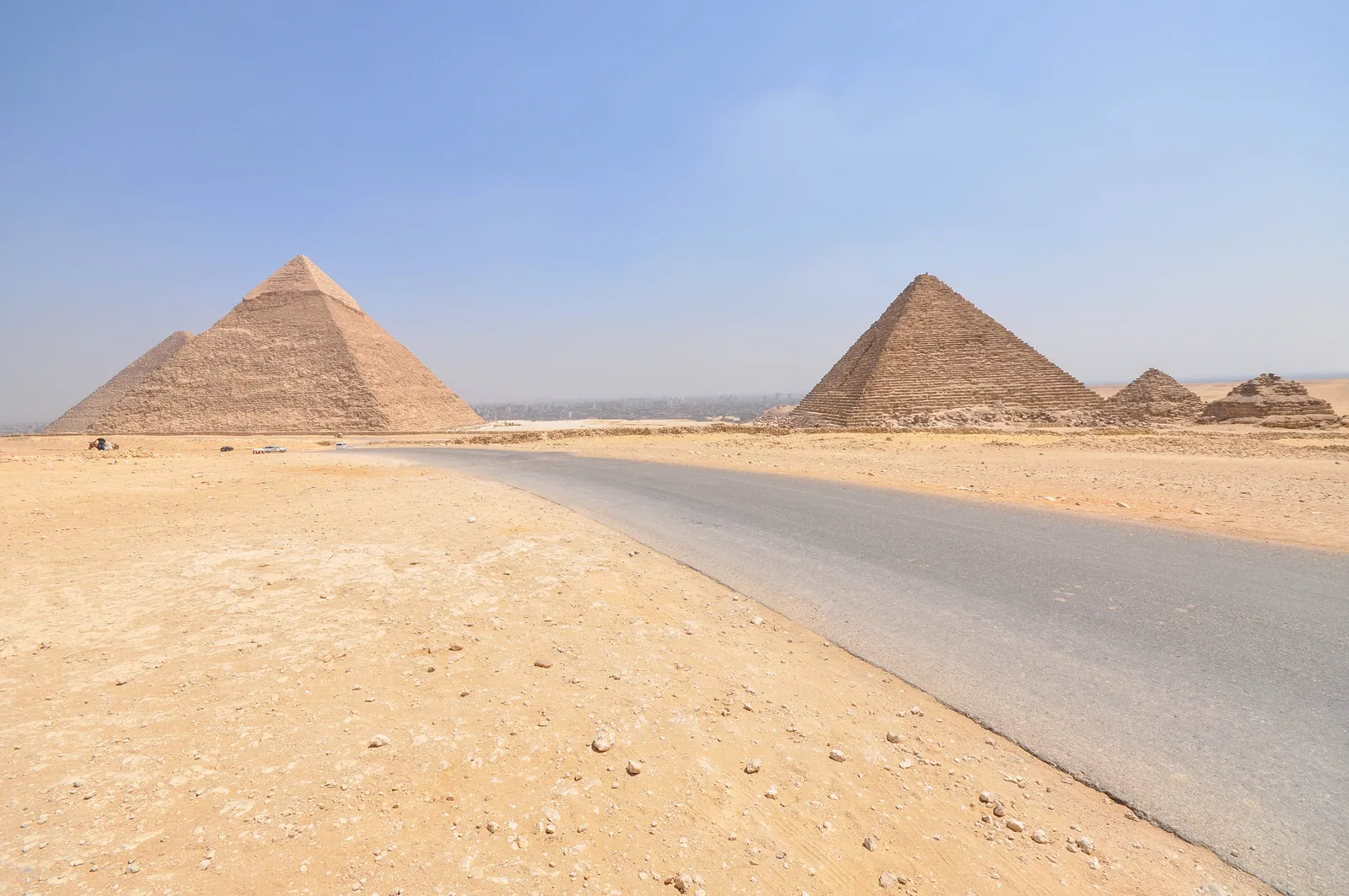
Egypt’s Great Pyramids of Giza have suffered damage from erosion on tourist paths, and vandalism, theft, and attempts to climb the ancient constructions have contributed to structural damage and led to strict rules on climbing. This is not theoretical harm. The stones show it.
The stones themselves, weathered by millennia, are fragile in certain places, and the sheer number of visitors could lead to irreversible damage. Each limestone block has survived thousands of years of desert wind, heat, and seismic shifts. Human foot traffic adds a pressure that nature never accounted for.
Climbing can lead to physical damage to the stones including erosion, crumbling, and even major structural issues over time. When you consider how many millions of people visit the site each year, even a small fraction attempting to climb would compound that damage dramatically.
The Safety Risk Is Severe
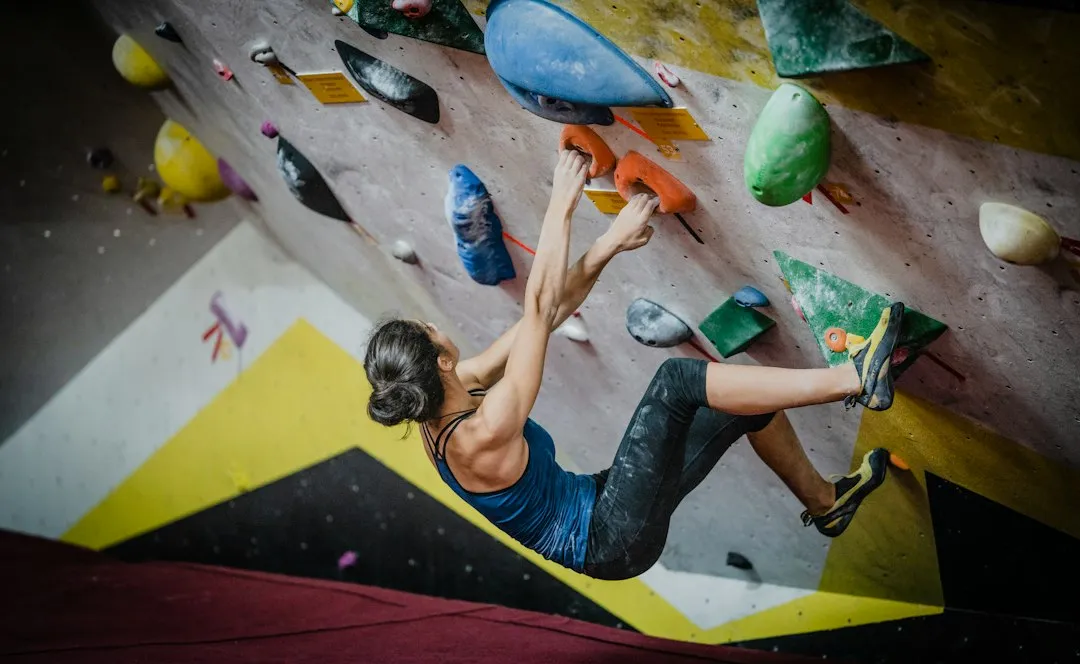
Climbing the pyramids is hazardous and can result in damage or even death. The exterior face of the Great Pyramid is not a smooth surface. It is composed of enormous, uneven limestone blocks, many of which have shifted or crumbled over centuries.
The pyramids are made of limestone blocks, which can be unstable, making it easy to slip and fall. There are documented cases of real harm. In 2010, a person was hurt after falling from one of the smaller pyramids when a rope snapped, and another man was jailed in 2011 after attempting to scale a pyramid with his cousin. A person also died in 2015 after suffering a cardiac event while attempting to climb one of the lesser pyramids.
Cultural and Sacred Significance
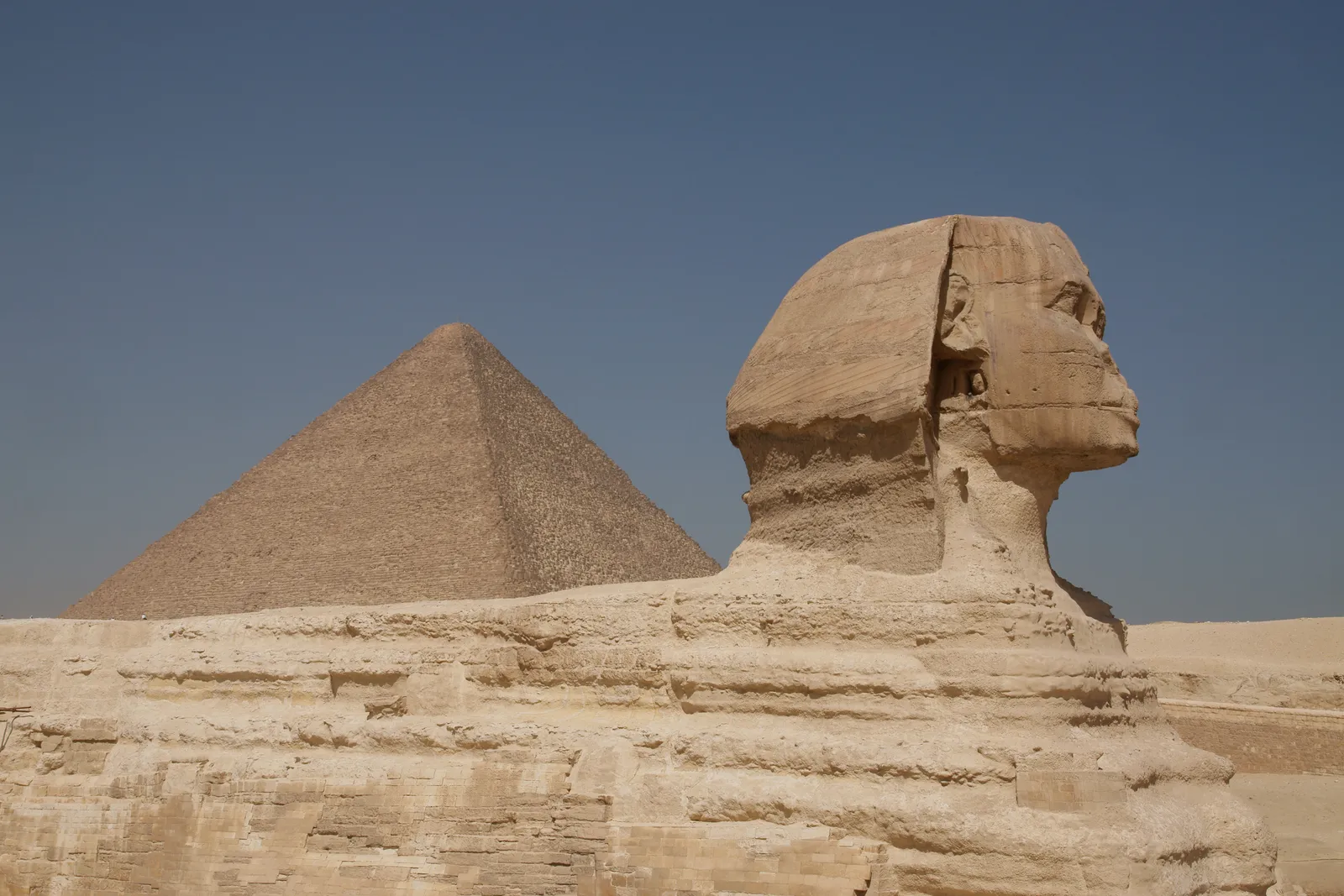
The Pyramids of Giza are not simply old buildings. Over 4,500 years ago, the Great Pyramids of Giza were built and still stand today. These magnificent constructions are among the Seven Wonders of the Ancient World and are of deep significance to Egypt’s cultural legacy.
Treating them as a climbing wall, even with good intentions, reflects a profound misunderstanding of what they represent. These pyramids are not just tourist attractions; they hold deep cultural and historical meaning for Egypt and for humanity. For Egyptian society, they are ancestral monuments deserving the same dignity extended to any sacred site.
Surveillance and On-the-Ground Enforcement
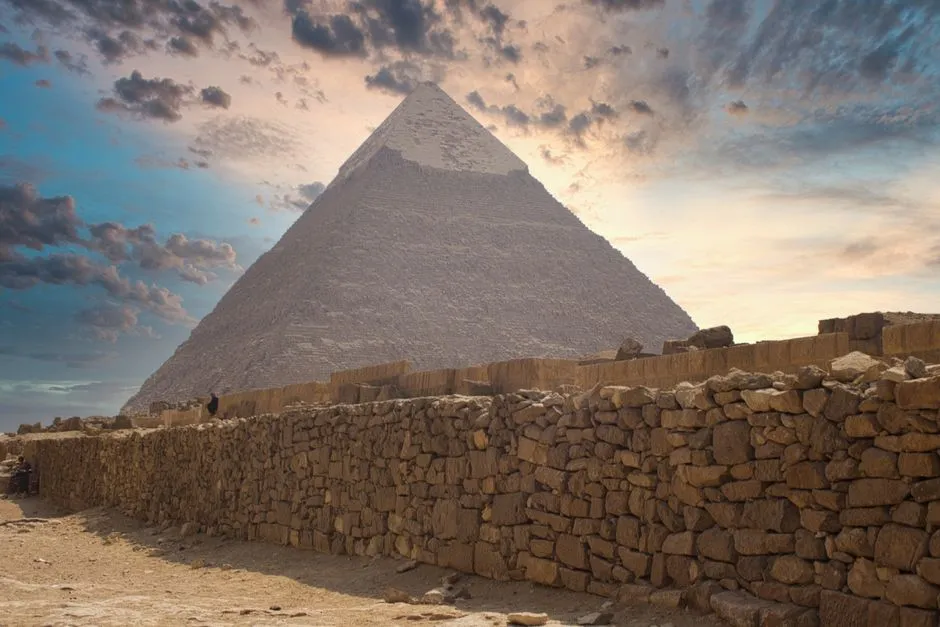
The legal framework is backed by a genuine enforcement infrastructure. Protecting the pyramids is not just a matter of passing laws; it requires constant vigilance and active management on the ground. The Giza Plateau is patrolled by security personnel and monitored by surveillance systems, while tourism police are stationed throughout the site to maintain order and prevent damage, and restoration teams work year-round to address structural concerns.
Entry to the inner chambers of the pyramids is limited, and tickets are often restricted to a set number of visitors per day. The idea that someone might simply slip past unnoticed, particularly at night, is far less realistic than it once was.
The Impact of Overcrowding Beyond Climbing
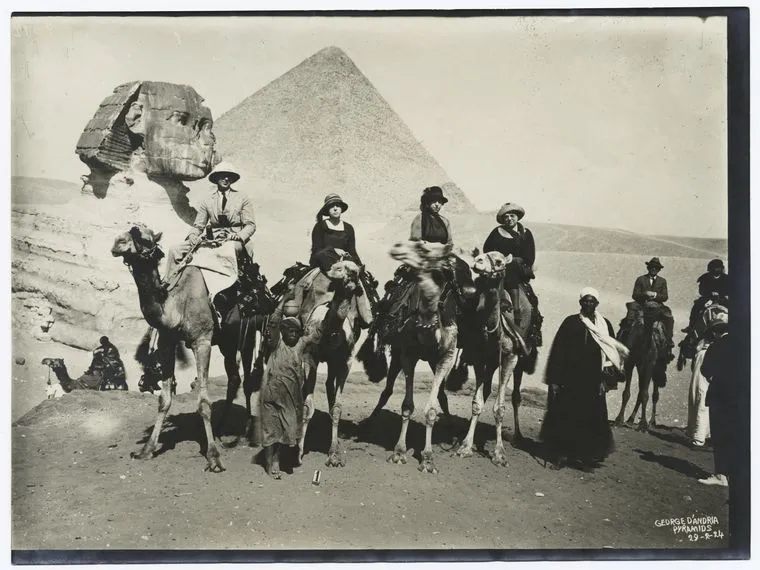
Even without anyone scaling the exterior, mass tourism creates its own pressure on the site. Beyond immediate physical damage, environmental pollution generated by tourism poses a serious threat to the Pyramids of Giza, and uncontrolled tourism can significantly impact the archaeological integrity of the Giza Plateau.
With thousands of tourists flocking to the site daily, the sheer number of people has put a strain on the ancient structure. Climbing, in this context, would be the most aggressive form of that strain, the equivalent of running when the site already asks everyone to slow down.
What Responsible Visitors Can Do Instead
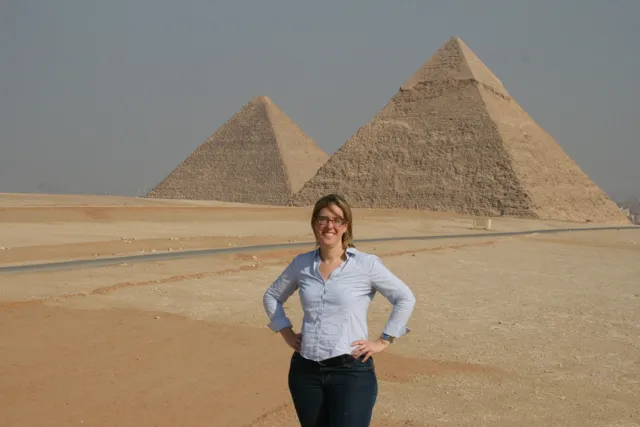
The good news is that experiencing the Giza Plateau responsibly is genuinely extraordinary. Visitors can walk directly alongside the pyramids, touch the ancient limestone, explore the surrounding necropolis, and enter select interior chambers through controlled, ticketed access.
Egypt has also embraced digital innovation, offering virtual tours and interactive experiences that allow people to explore the pyramids without physically being there. These options make the site more accessible to people who might never be able to visit in person, while protecting what remains for future generations.
Visiting the Pyramids of Giza is a unique experience, and touching them is allowed. The restrictions are targeted and specific: they protect the structure itself, not the experience of standing beside it in wonder.
The Ongoing Work of Preservation
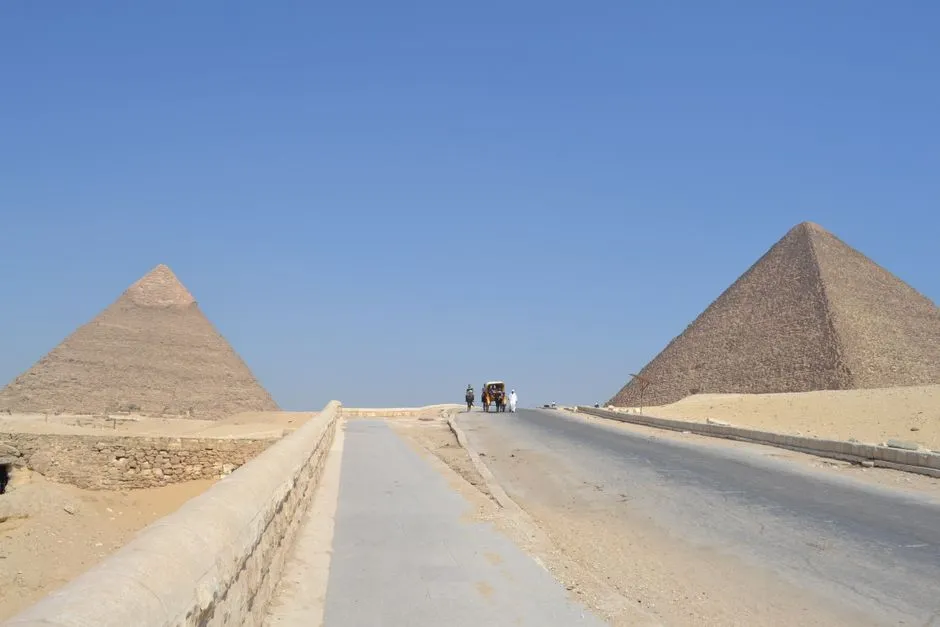
Looking ahead, the future of the Great Pyramid of Giza hinges on continued preservation efforts and responsible tourism. This involves ongoing monitoring of its structural integrity, careful restoration work where necessary, and implementing strict regulations to prevent damage. The ban on climbing is a cornerstone of this strategy.
The pyramids are already vulnerable to natural and human threats, from pollution to overcrowding, and protecting them requires constant surveillance. Conservation research also points to additional stressors. Research has identified increasing damage risks on the Giza Plateau from a rising groundwater table. The pyramids face pressures from multiple directions, and human behavior is simply one that can be directly controlled.
The Wider Principle: Monuments Are Not Playgrounds
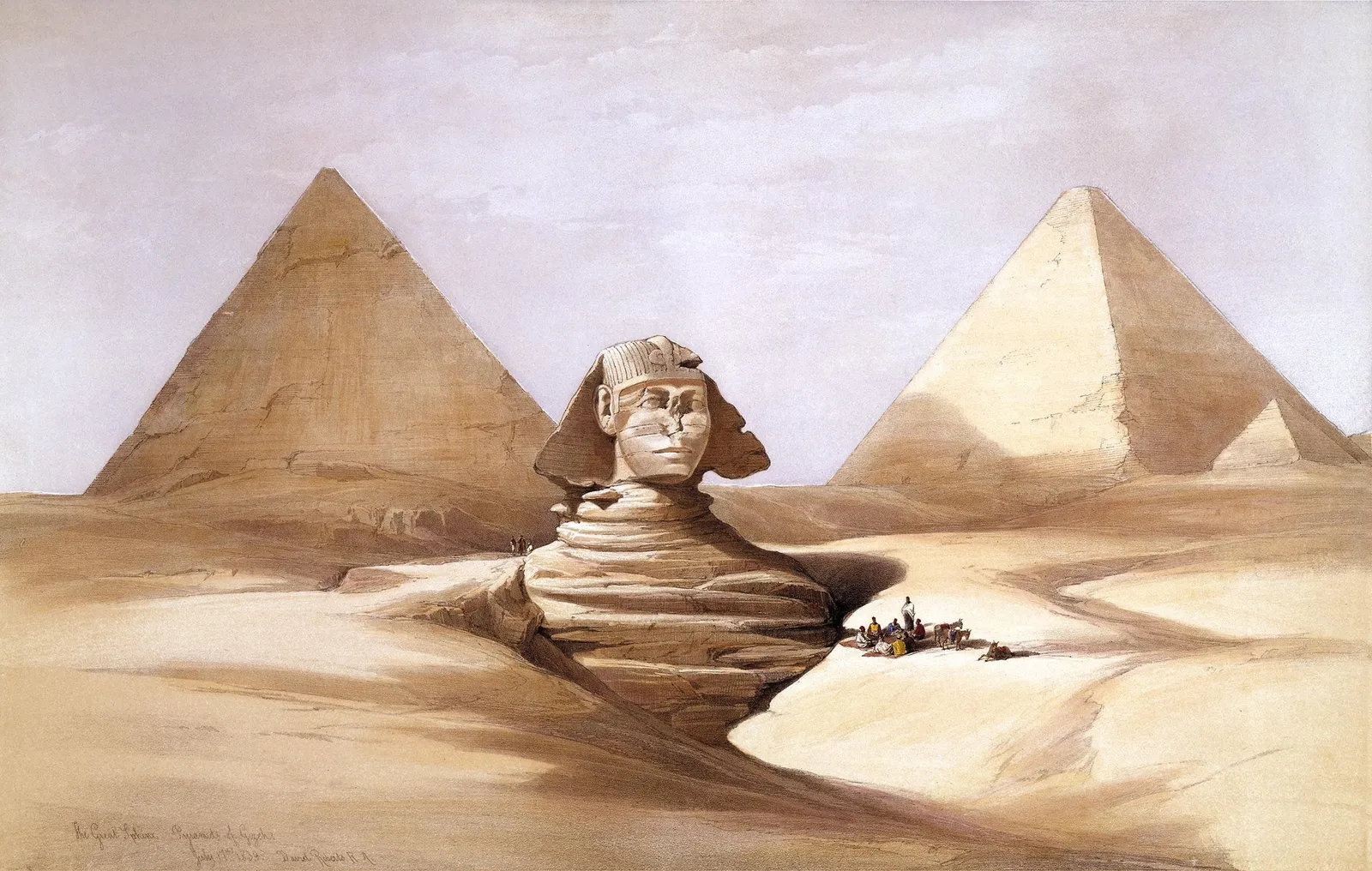
What happened at Giza is part of a much broader global conversation about how we treat the places we inherit. Responsible Travel has identified 98 destinations across 63 countries affected by overtourism, warning that the damage extends far beyond the handful of famous hotspots that regularly make headlines. The pyramids sit at the extreme end of that spectrum because the stakes of getting it wrong are so permanent.
Even seemingly innocuous actions, such as leaning against the pyramids for photographs, can contribute to the gradual degradation of the stone. Climbing is simply the most dramatic version of a much wider pattern of unthinking contact with fragile heritage. The ban is a legal recognition of that reality.
A Closing Thought
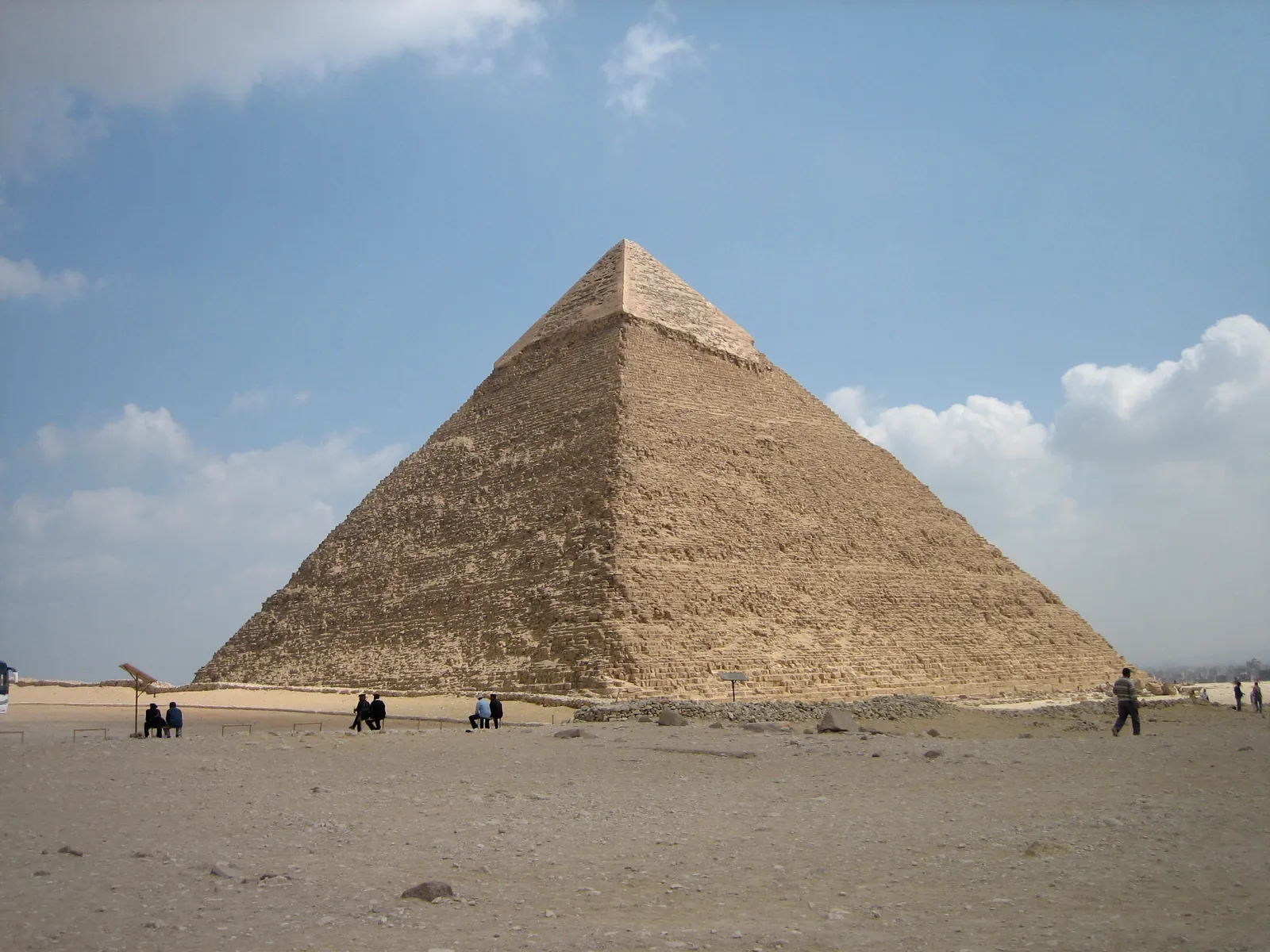
The Pyramids of Giza have already outlasted every civilization that has tried to claim, copy, or surpass them. They will likely outlast us too, provided we give them that chance. The climbing ban is not a restriction on wonder. It is the condition under which wonder can continue to exist.
Standing at the base of the Great Pyramid and looking up is, for most people, more than enough. The scale is humbling in a way that no summit photograph could ever capture. The monument asks nothing of visitors except presence and respect, and that turns out to be a genuinely rare and generous invitation.
AI Disclaimer: This article was created with the assistance of AI tools and reviewed by a human editor.