
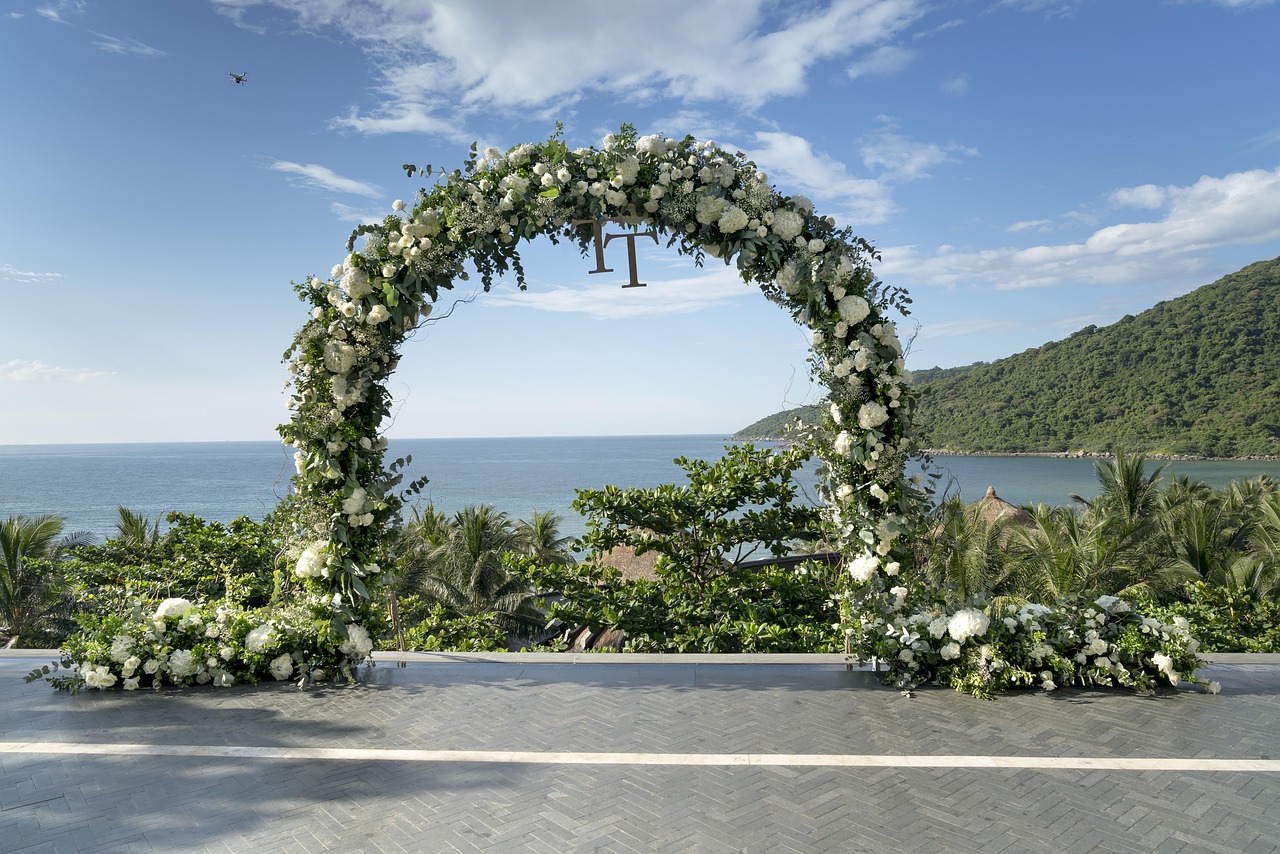

Something has shifted. More couples planning their weddings today are spending less time worrying about centerpiece choices for a 200-person ballroom and more time researching flights to the Riviera Maya or the Amalfi Coast. The traditional single-day, hometown wedding is not disappearing, but it is quietly losing its grip on the imagination of a new generation.
The global wedding industry is undergoing a significant transformation, reshaped by evolving priorities and a growing appetite for experiential celebrations, with destination weddings sitting squarely at the center of that shift. What’s driving couples away from the hometown reception hall and toward a week beneath the sun? The answers are practical, emotional, and cultural all at once.
The Market Numbers Tell a Compelling Story
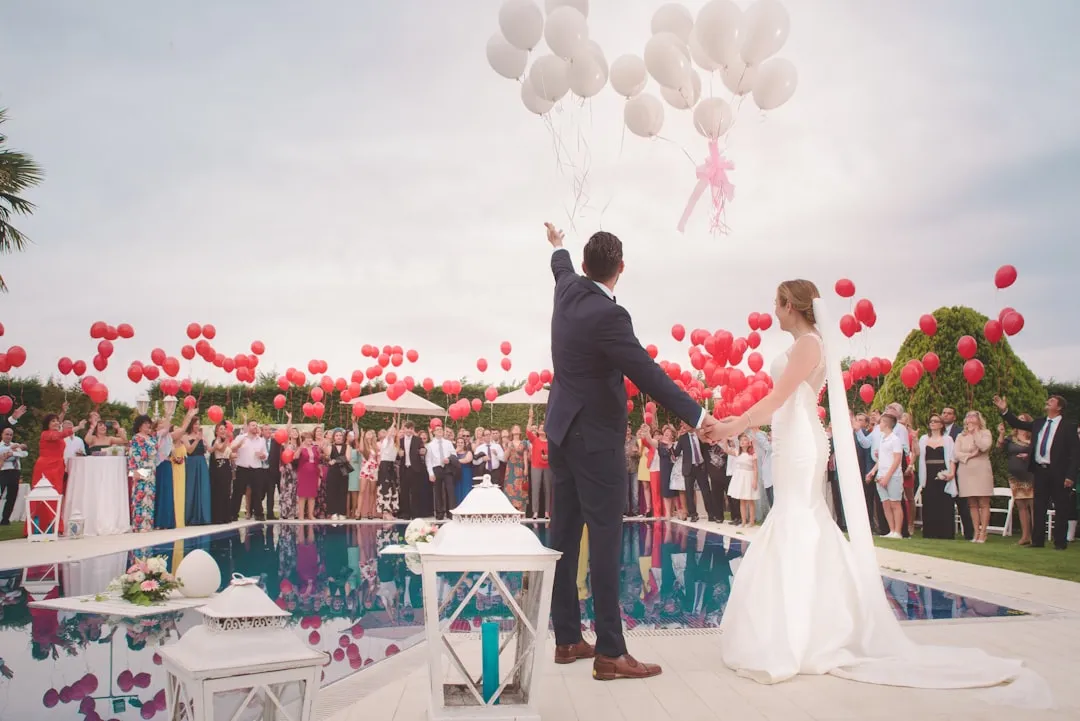
The scale of this shift is hard to ignore when you look at the figures. The destination wedding market reached $36.49 billion in 2024, representing a compound annual growth rate of 32.0% from 2023, with projections showing further growth to $137.16 billion by 2029. These are not niche numbers. This is a mainstream movement backed by serious economic momentum.
The destination wedding market is expected to grow from $41.63 billion in 2025 to $47.85 billion in 2026 at a 14.9% compound annual growth rate, driven by premium travel weddings. To put that in perspective, that growth rate outpaces most sectors of the broader hospitality industry. Destination weddings now account for roughly 17% of all weddings globally.
One Week Instead of One Day: The Experience Argument
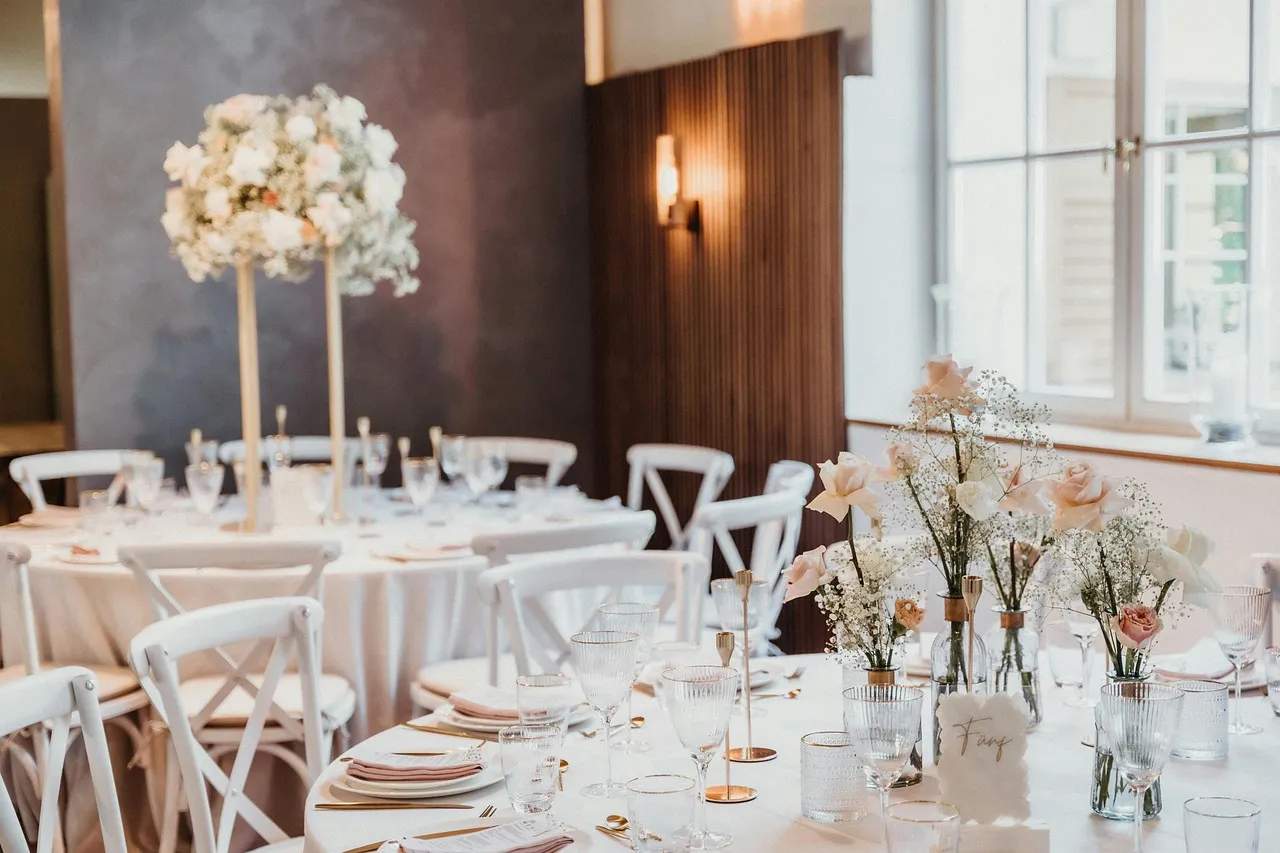
Unlike a traditional wedding held in a couple’s local area, a destination wedding transforms the event into a multi-day celebration, often in a scenic or exotic locale, extending beyond just the ceremony and reception to include pre-wedding events, excursions, and shared leisure time. That expansion of time is not incidental. It is, for many couples, the whole point.
Traditional weddings are one day. A destination wedding is a four to seven day shared experience, with meals together, excursions, pool days, welcome dinners, and a farewell brunch. When you frame it that way, the math of emotional value changes completely. A single evening of dancing versus a week of sunsets and shared adventures is a fundamentally different proposition for everyone involved.
The Real Cost Comparison Surprises Most People

According to The Knot’s 2026 study, the average U.S. wedding now costs around $34,200. By comparison, the average destination wedding comes in at approximately $9,850, representing a savings of over $24,000, with guests also receiving a vacation as part of the arrangement. That gap is significant, and it consistently surprises couples who assume going abroad must cost more.
Destination weddings have become genuinely affordable, with all-inclusive couples spending between $5,000 and $15,000 compared to the $34,200 average cost of a traditional U.S. wedding, according to The Knot. The reason the costs compress so effectively is structural. Guests cover their own accommodations, meaning the couple is not paying for food and drinks for a hundred or more people.
Smaller Guest Lists, Deeper Connections

Gone are the days when weddings were measured by the number of guests. In 2025, couples are opting for smaller, more intimate weddings that prioritize quality over quantity. For many, trimming the guest list from 150 to 50 is not a sacrifice. It is a relief.
Today’s trend leans toward intimate, meaningful celebrations with the closest circle, and most destination wedding couples aim to invite a select group, with surveys revealing that 40 to 80 guests proved to be the magic number for prioritizing intimate ceremonies. A smaller guest list means deeper connections, more quality time with the people who matter most, and a celebration that actually feels personal rather than a production line of 150 handshakes.
The Welcome Party, the Excursion, the Farewell Brunch
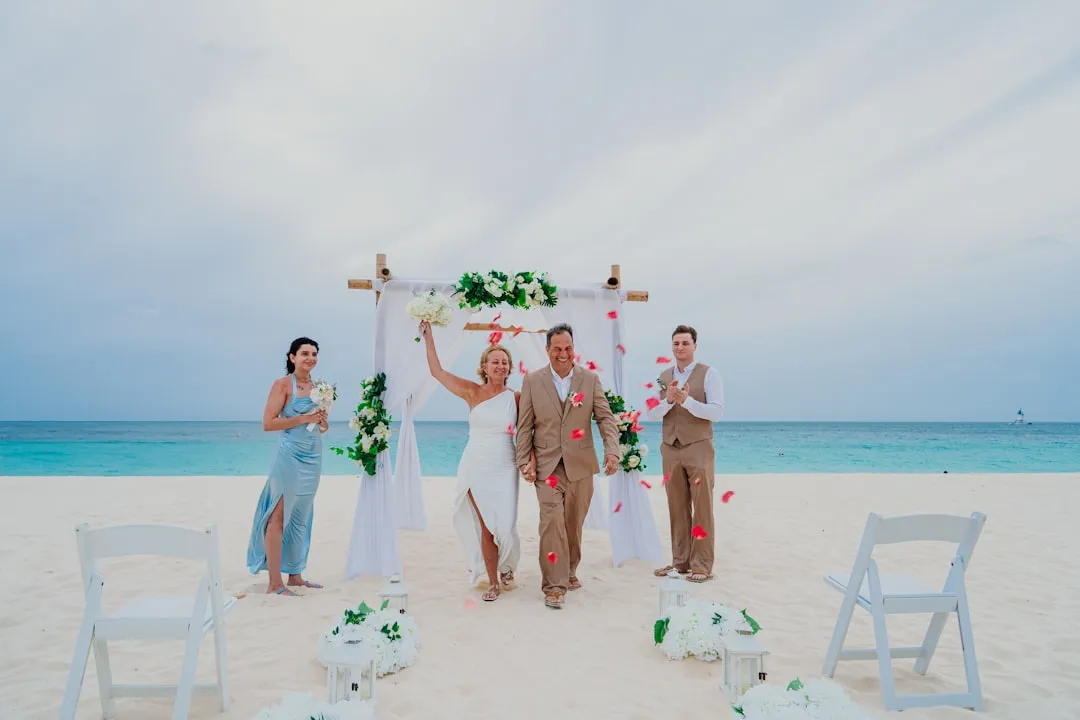
While hometown weddings call for one big day, in a special destination couples can spend multiple days in a scenic location with their closest loved ones, kicking off festivities with welcome cocktail parties, special group dinners, and more. The structure of a destination wedding is inherently more layered than a traditional one.
Gone are the days of traditional rehearsal dinners. Couples are now opting for unique welcome parties and farewell events that set the tone for the entire wedding experience. A gentle farewell brunch or an upbeat post-wedding pool party creates the perfect ending, giving everyone a chance to linger just a little longer before heading home. These moments, informal and unhurried, are ones that guests remember long after the wedding photos have faded from their social feeds.
The Honeymoon Is Already Built In
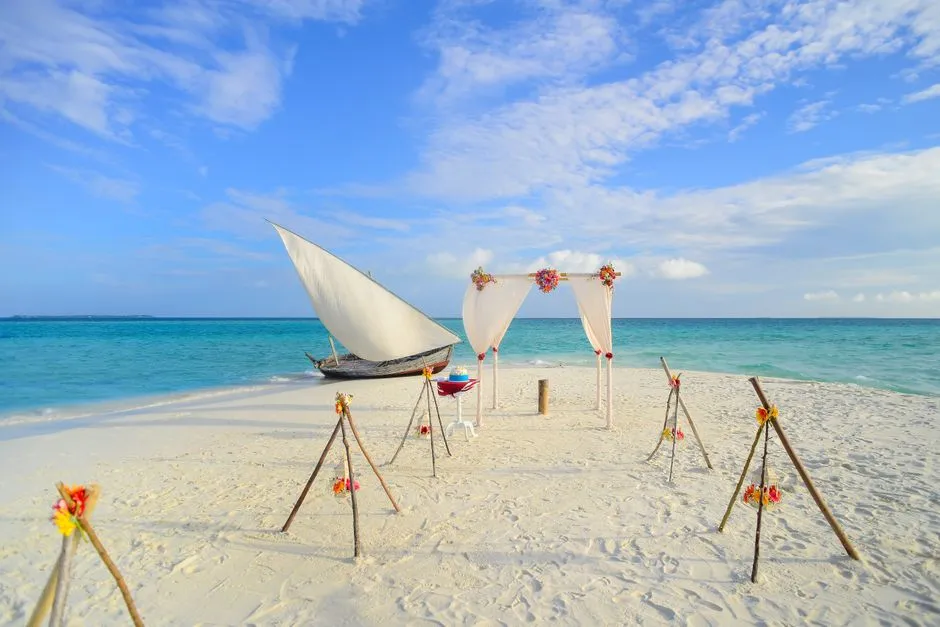
Destination weddings unlock the combined wedding and honeymoon experience. There is no second trip to book, because the couple is already at the destination. This convenience carries real financial weight, since a separate honeymoon adds thousands more to an already stretched post-wedding budget.
Some resort brands offer complimentary wedding ceremonies with qualifying stays, effectively reducing the ceremony cost to zero. Couples who plan carefully can leverage this kind of arrangement to dramatically reduce their total spend while still enjoying a luxurious setting. The honeymoon, in effect, funds itself.
Where Couples Are Actually Going

Mexico’s continued dominance as a destination wedding location is not accidental. Its Caribbean and Pacific coasts are filled with hundreds of all-inclusive resorts, most major U.S. cities offer direct flights, and its wedding packages remain some of the most competitively priced in the world. Cancun and the Riviera Maya consistently top booking lists for North American couples.
Weddings in the Dominican Republic and Jamaica really picked up in popularity in 2025, as couples explored destinations outside of Mexico. In Europe, countries like Greece and Italy attract predominantly international couples for destination weddings, drawing those who want historic architecture, local wine, and a slower, more romantic pace. Couples are increasingly opting for offbeat and unconventional locations such as ancient castles, vineyards, national parks, and private islands as well, reflecting a broader appetite for uniqueness.
Sustainability Is Becoming a Deciding Factor
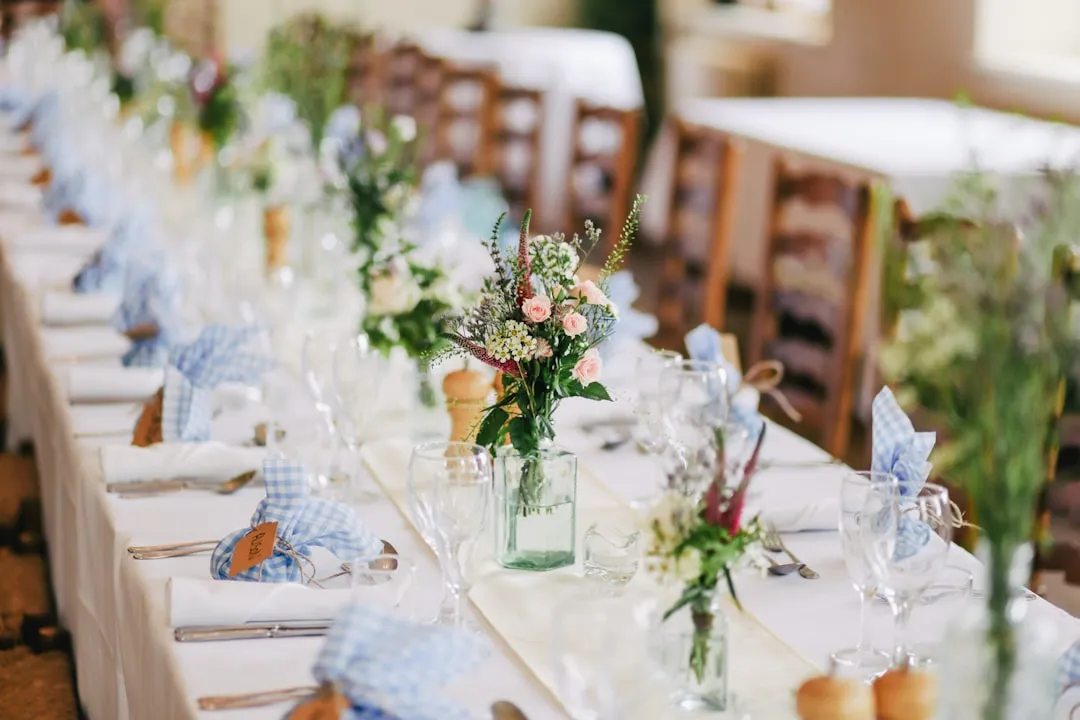
More than half of couples planning destination weddings are now prioritizing sustainability when choosing their venue and vendors. This is no longer a niche concern. It has moved toward the center of the planning conversation, especially among younger couples.
For Gen Z couples, sustainability is no longer regarded as an added extra but as a basic expectation. More than 60% now consider sustainability when selecting a venue, encouraging resorts to adopt locally sourced menus, eco-friendly decor, and zero-waste practices as standard rather than optional. Eco-friendly weddings are becoming more popular as couples strive to be more environmentally conscious throughout every element of the planning process, from catering choices to floral design.
Social Media and the Visual Power of a Destination Backdrop
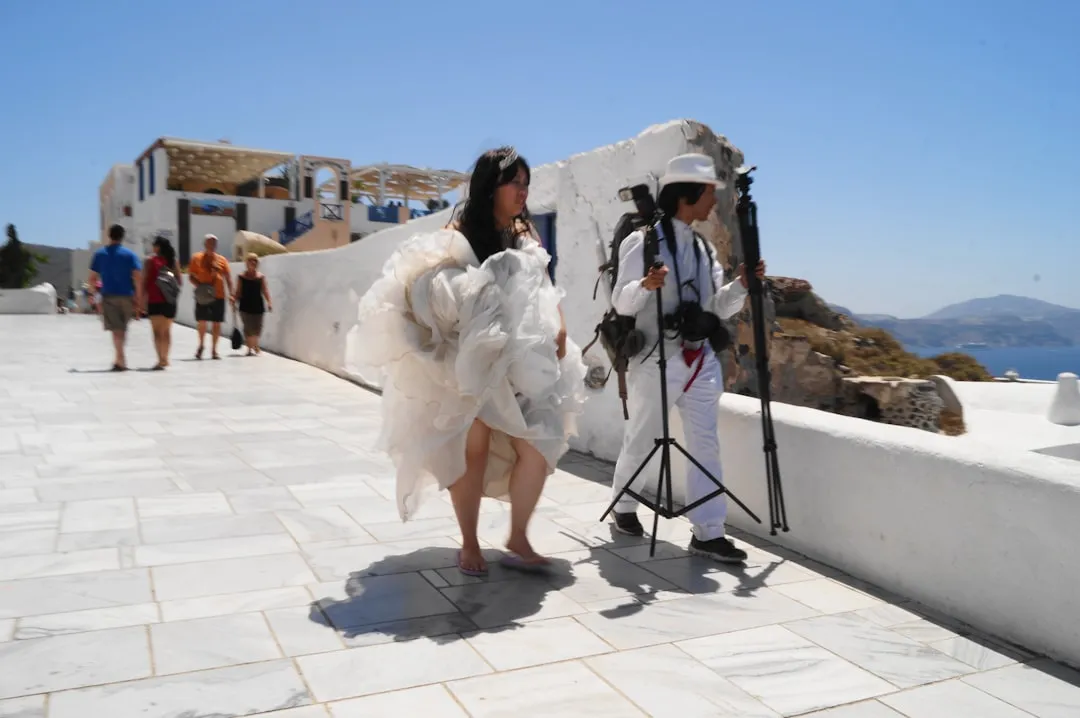
The growth of destination weddings in the historic period can be attributed to a desire for unique experiences, increased affordability of travel, social media influence, the rise in wedding tourism, and cultural and exotic appeal. The visual dimension matters enormously in how couples make decisions today.
Couples are increasingly using social media platforms to share their wedding planning process and experiences, and a cliffside ceremony in Santorini or a beach vow exchange at sunset generates a very different kind of content than a hotel ballroom reception. Turquoise Caribbean water, white sand beaches, tropical gardens, and sunset-lit resort terraces produce wedding photographs that no local venue can replicate at any budget. That reality carries weight in a visually-driven culture.
The Guest Experience Reframe
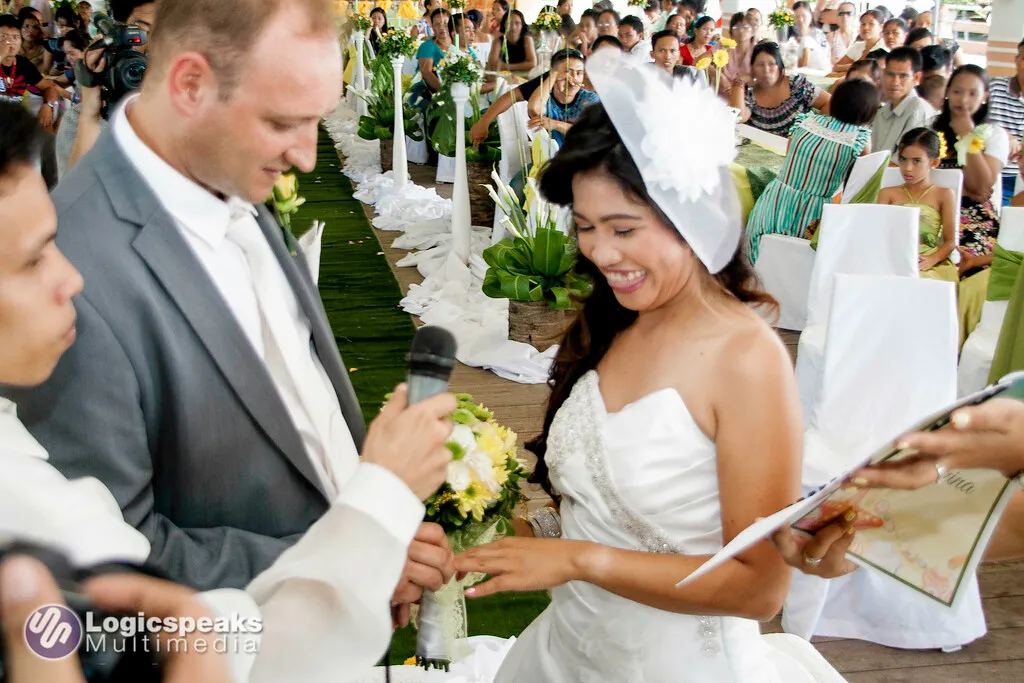
Average resort costs for destination wedding guests cover accommodation, all meals, drinks, and non-motorized resort activities for the trip. Destination wedding guests spend more to attend than traditional wedding guests, but they receive a vacation in return, with five nights at an all-inclusive resort with meals, drinks, beach, pool, and entertainment all included. Most guests view it as a group trip they would want to take anyway.
Destination wedding guests spend more to attend, but they receive a four to five day all-inclusive vacation in return. Many guests report that a destination wedding is one of the best holidays they have ever had. That reframe, from obligation to shared adventure, changes the entire social dynamic of the event. Most couples find that a smaller, more intimate celebration is exactly what they actually wanted.
The Takeaway
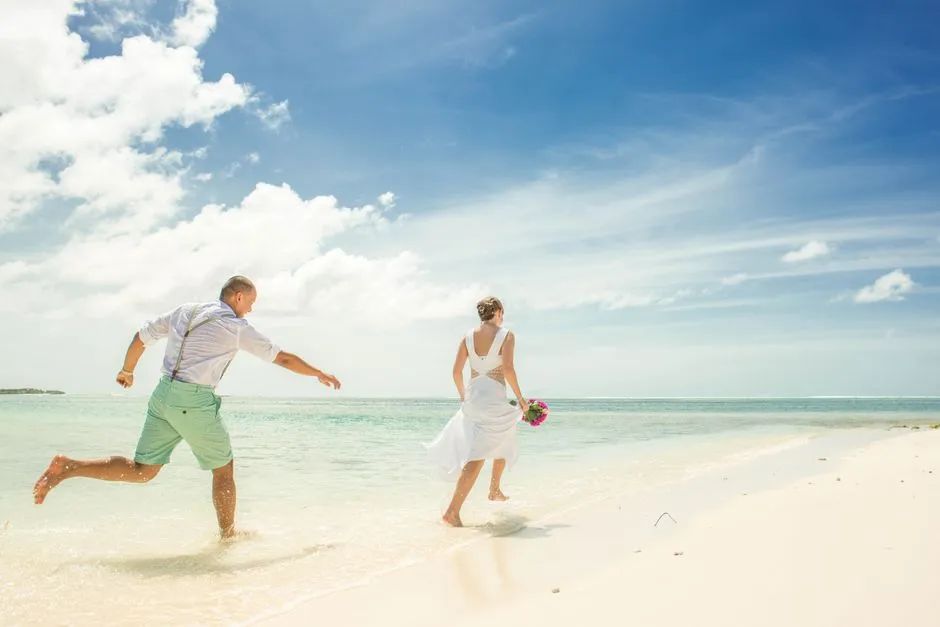
The weeklong destination wedding is not a luxury trend reserved for the wealthy. It is increasingly the practical, personal, and purposeful choice for couples who want their wedding to feel like more than a single expensive evening. The data backs this up, the industry is responding to it, and the couples who have done it rarely look back.
What this shift really reflects is a deeper change in values: a preference for presence over performance, for depth over spectacle, and for shared experience over choreographed display. Growth in the destination wedding market reflects an increasing preference for unique wedding experiences as couples seek personalized ceremonies that combine travel, cultural experiences, and intimate celebrations. The venue is beautiful, yes. The week together, though, is what people actually remember.
AI Disclaimer: This article was created with the assistance of AI tools and reviewed by a human editor.