

On the morning of August 9, 2024, National Park Service rangers arrived at Rock Creek Bay in Utah’s Glen Canyon National Recreation Area to find that something was simply gone. A beloved stone arch, one that millions of people had photographed, jumped from, and pointed to on maps for decades, had crumbled into the water below overnight. No warning. No witnesses. Just rubble where a landmark used to be.
The story of the Double Arch is one part geology, one part human relationship with wild places, and a quiet reminder that the natural world runs on its own timeline, not ours.
The Landmark That Vanished: Introducing the Double Arch
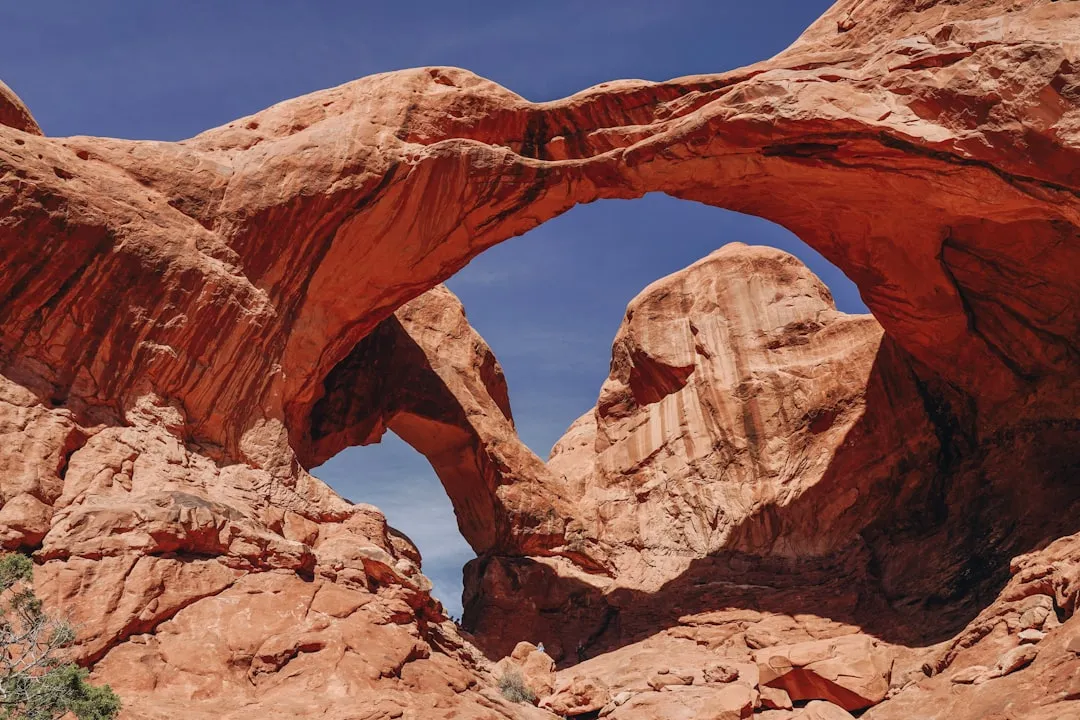
The Double Arch, also nicknamed the “Crescent Pool,” the “Hole in the Roof,” and, less poetically, the “Toilet Bowl,” was a favorite of visitors to Glen Canyon National Recreation Area in northern Arizona and southern Utah. It was one of those formations that felt permanent. Visitors had been using it as a backdrop for photographs and adventure for generations.
National Park Service Rangers confirmed the collapse of the frequently visited arch in Rock Creek Bay in Glen Canyon National Recreation Area, Utah, which had been formally known as the “Double Arch” geologic feature but carried several affectionate nicknames. Its sudden disappearance shocked the outdoor community and made national headlines almost immediately.
When Exactly Did It Fall?
No injuries were reported resulting from the collapse, which occurred on August 8, 2024. The arch came down quietly, at some point during the day or night, with no recorded eyewitnesses to the moment itself.
On that Thursday, the life of a natural stone arch came to an end, according to a press release from the National Park Service. Rangers discovered the remains the following morning and issued an official statement on August 9th, confirming what visitors and locals had feared when they first saw the aerial photographs.
190 Million Years of History Gone in an Instant
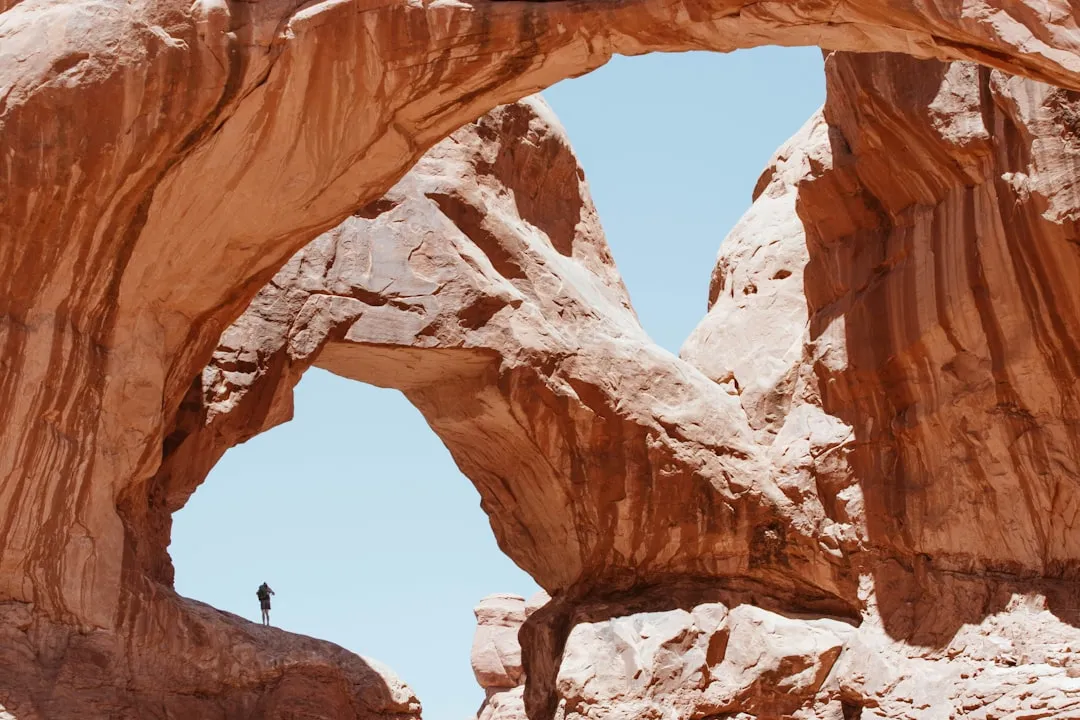
Double Arch was formed from 190-million-year-old Navajo sandstone originating in the late Triassic to early Jurassic periods. To put that in perspective, this stone was being shaped when dinosaurs were first beginning to walk the earth. It survived ice ages, floods, and tectonic shifts before falling without ceremony on an August afternoon.
Since its formation, this fine-grained sand feature had been subject to spalling and erosion from weather, wind, and rain. The arch was not weakening overnight. It had been giving way in tiny, invisible increments for an almost incomprehensible stretch of time. That context makes the loss both understandable and still somehow startling.
What the Park Service Said About the Cause
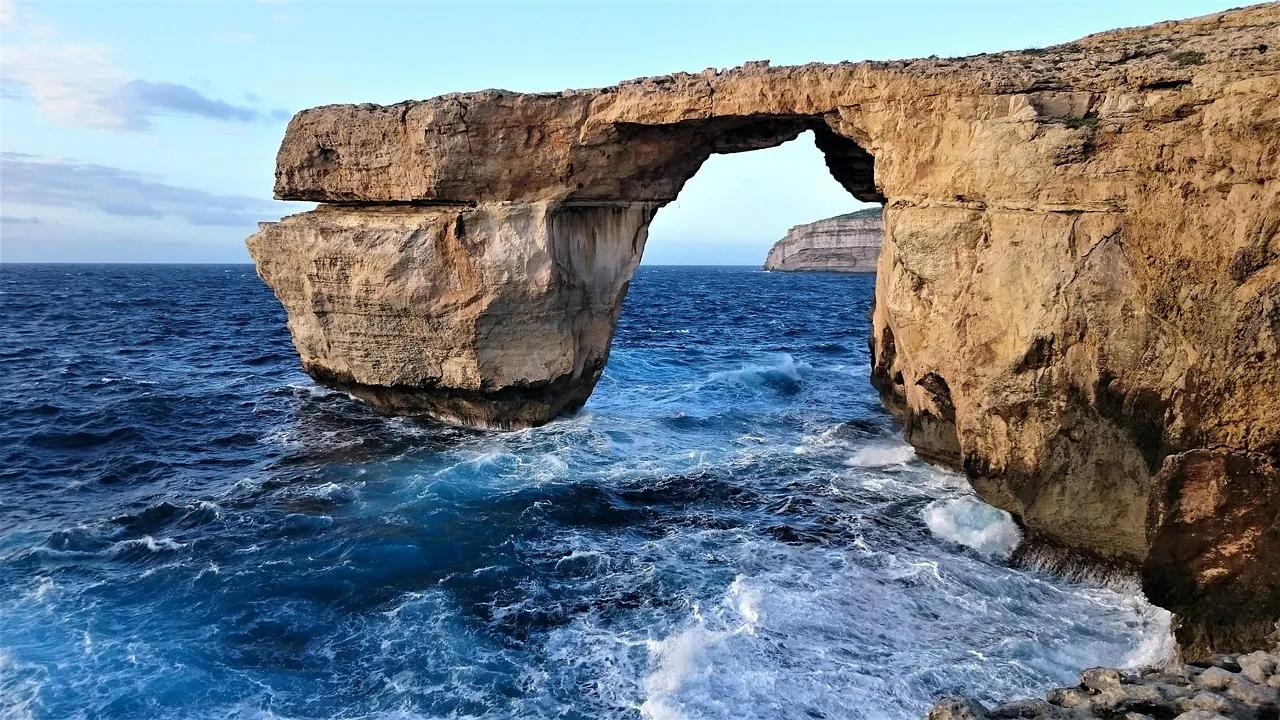
National Park Service officials said harsh weather, including wind and rain, have led to erosion and spalling, which occurs when fragments of stone chip or break off. That slow-motion process is what geologists call the inevitable fate of sandstone arches. They are born from erosion and they die from it too.
NPS officials said erosion from waves and changing water levels of Lake Powell could also have led to the eventual destruction of the arch. The NPS was careful not to assign a single definitive cause. The superintendent noted that while the exact cause of the collapse remained unknown, the NPS would continue resource protection efforts on Lake Powell for future generations.
The Role of Lake Powell’s Fluctuating Water Levels
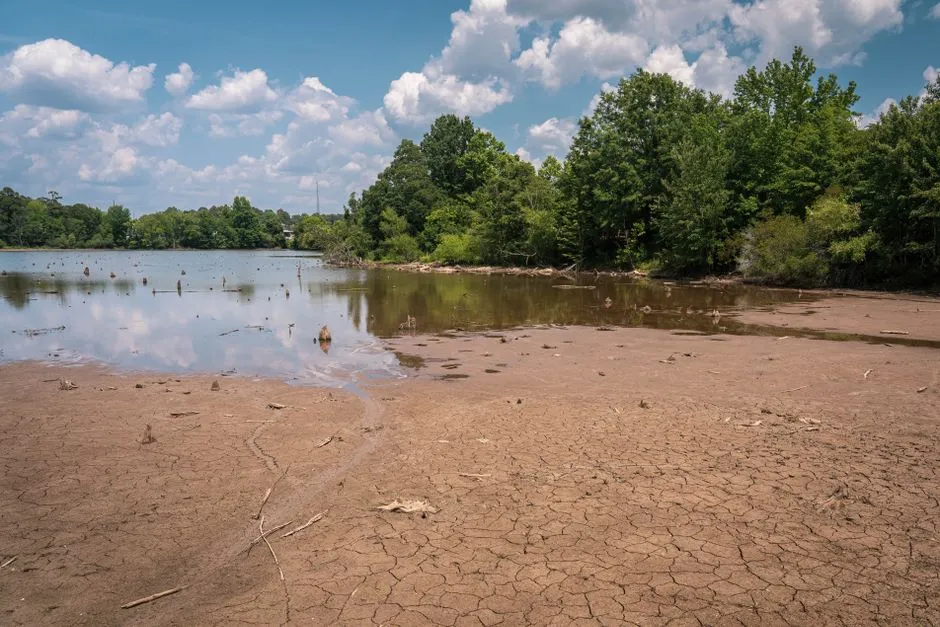
Changing water levels and erosion from wave action is suspected of contributing to the ultimate collapse of the arch. Lake Powell is a reservoir, not a natural lake, which means its water levels are subject to human decisions about water management as well as years of drought across the Colorado River Basin. That reality adds a layer of complexity to what might otherwise look like a purely natural event.
The feature was subject to natural erosion from weather, wind, and rain, but diminishing water levels could have played a role in the collapse. When water levels fall, previously submerged rock becomes exposed to temperature extremes, drying, and the mechanical stress of suddenly bearing its own weight differently. The arch may have simply been caught in that transition.
A Beloved Spot for Daring Visitors
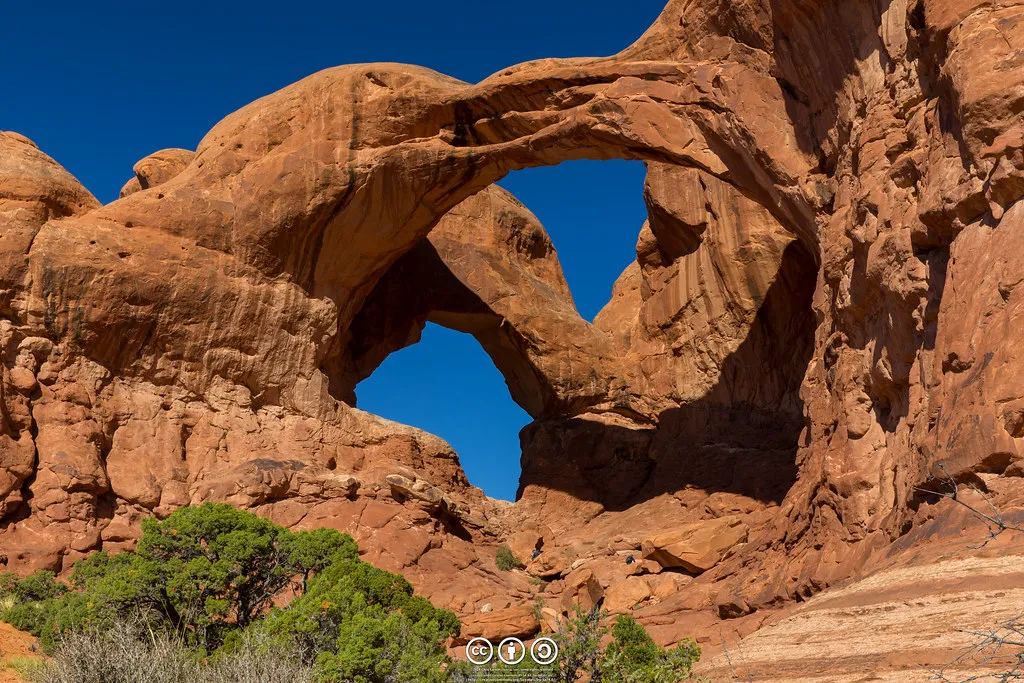
Recently, the arch had acted as a circular red-rock platform, and Lake Powell visitors often jumped through the arch’s opening into the lake below. That tradition made the Double Arch something more than a geological specimen. It was a place people associated with summer trips, heat, and the particular joy of leaping off something ancient into cold water.
Glen Canyon NRA spreads out over 1.25 million acres in Arizona and Utah, and it had more than 5.2 million recreational visitors in 2023 to enjoy popular attractions such as Lake Powell and Horseshoe Bend. The Double Arch was one of many reasons people returned year after year to this stretch of canyon country.
Are Other Famous Arches Now at Risk?
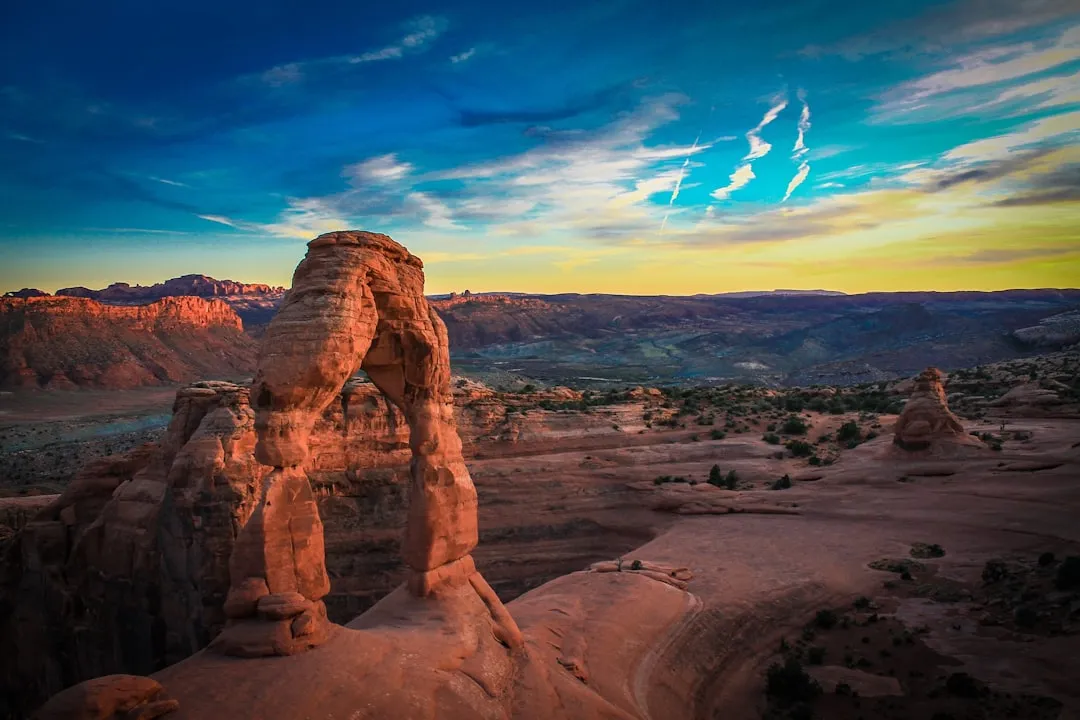
A common line of questions emerged from visitors to Utah’s Arches National Park in the week since the iconic rock arch at Lake Powell collapsed. Are these arches also at risk of falling soon? What are being done to prevent their collapse? The honest answers from park officials were not especially reassuring, though they were frank.
The answers, according to Karen Garthwait, spokesperson for Arches and Canyonlands national parks, were that the arches might be at risk and that nothing could be done to prevent it. “Our mission is not to freeze time and preserve these structures exactly as they are,” she said. “Our mission is to preserve the natural processes that create these structures, which of course, is the same process that will eventually undo them as well.”
Arches National Park, located in southeastern Utah, has more than 2,000 natural stone arches. Not all of them are equally vulnerable, but none of them are truly permanent. The Double Arch’s collapse was a vivid reminder of that.
The Broader Pattern: This Has Happened Before
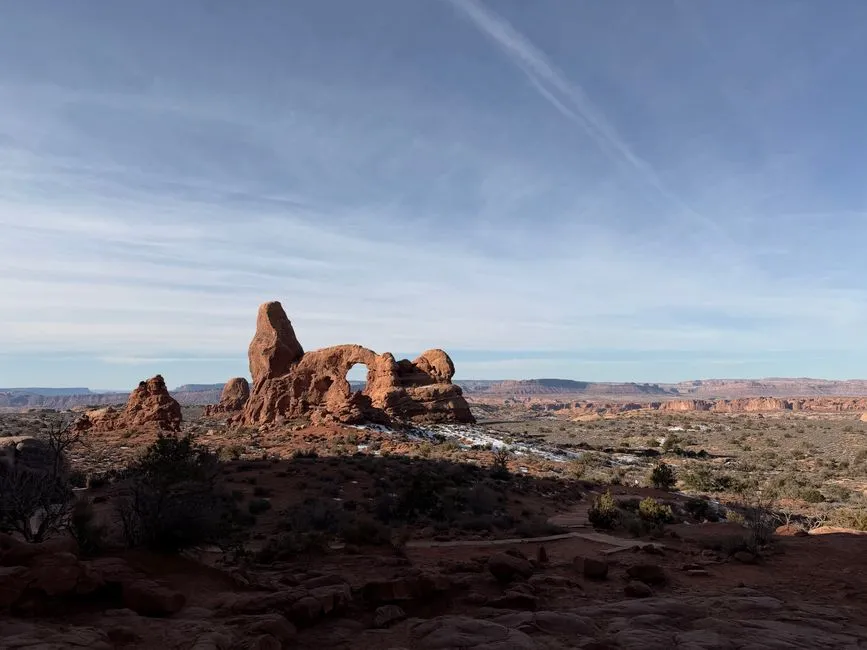
Collapses of strange, seemingly sturdy rock features popular with tourists do occur from time to time. The Double Arch is not the first beloved formation to simply cease to exist, and it will not be the last. When the remains of Wall Arch were found resting on the Devils Garden hiking trail one morning, the question everyone asked was “Why?” One answer was fairly straightforward: erosion and gravity reign supreme over sandstone. For countless eons, rain, ice, and groundwater slowly but relentlessly ate away at the natural calcium “cement” holding the arch’s sand grains together.
Wall Arch at Arches National Park had collapsed years earlier under identical conditions, and the pattern is consistent. These formations follow a life cycle that began long before humans arrived and continues on schedule regardless of how attached we become to them.
What Human Intervention May or May Not Have Contributed
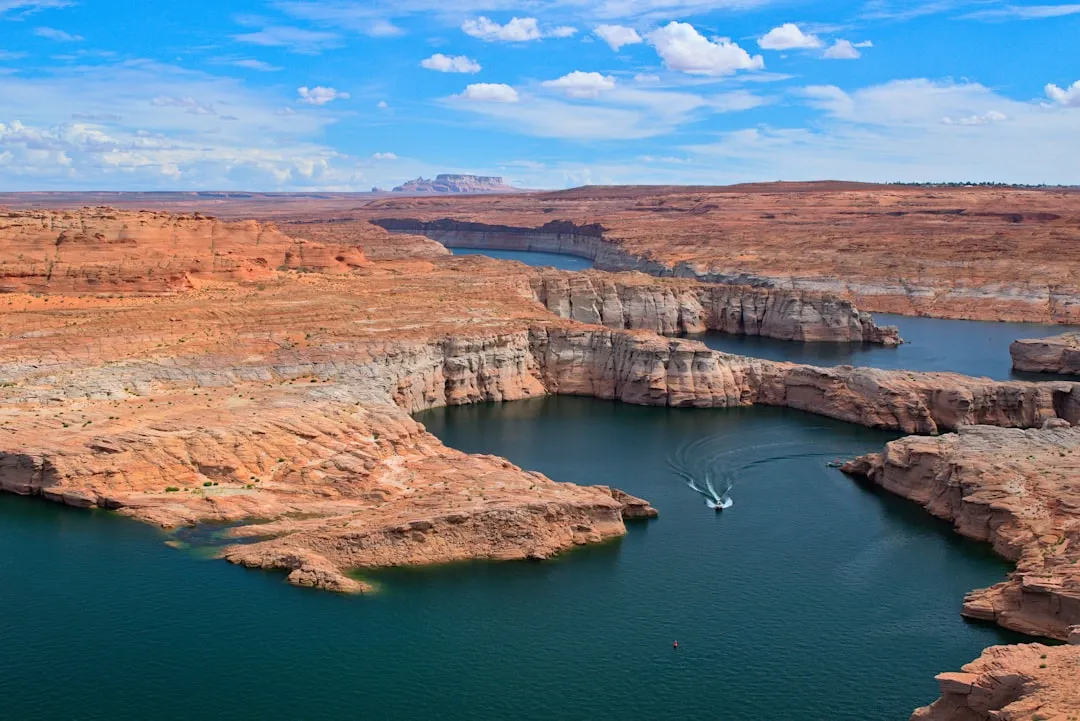
Glen Canyon superintendent Michelle Kerns stated that “these features have a life span that can be influenced or damaged by manmade interventions.” The remark was measured and careful. It did not assign blame but it did acknowledge that human activity around Lake Powell, from motorboat wave action to the management of water levels in the reservoir itself, exists within the same environment as these fragile structures.
Since it was formed, the fine-grained sand feature had been subject to spalling and erosion caused by the onslaught of wind and rain, and the NPS said that water level changes and pounding waves are suspected of contributing to the arch’s collapse. The intersection of geology and human land use is difficult to untangle cleanly, and the NPS chose transparency over overstatement.
What Remains and What Comes Next
Beyond the sadness or sense of loss that the collapse might evoke, there is a realization that something will eventually fill the void where the arch once stood. Simply put, another answer to the question of “Why?” is: “So nature can make room for something else.” Geology is not a story of permanent things. It is a story of constant transformation, just at a pace we rarely get to witness.
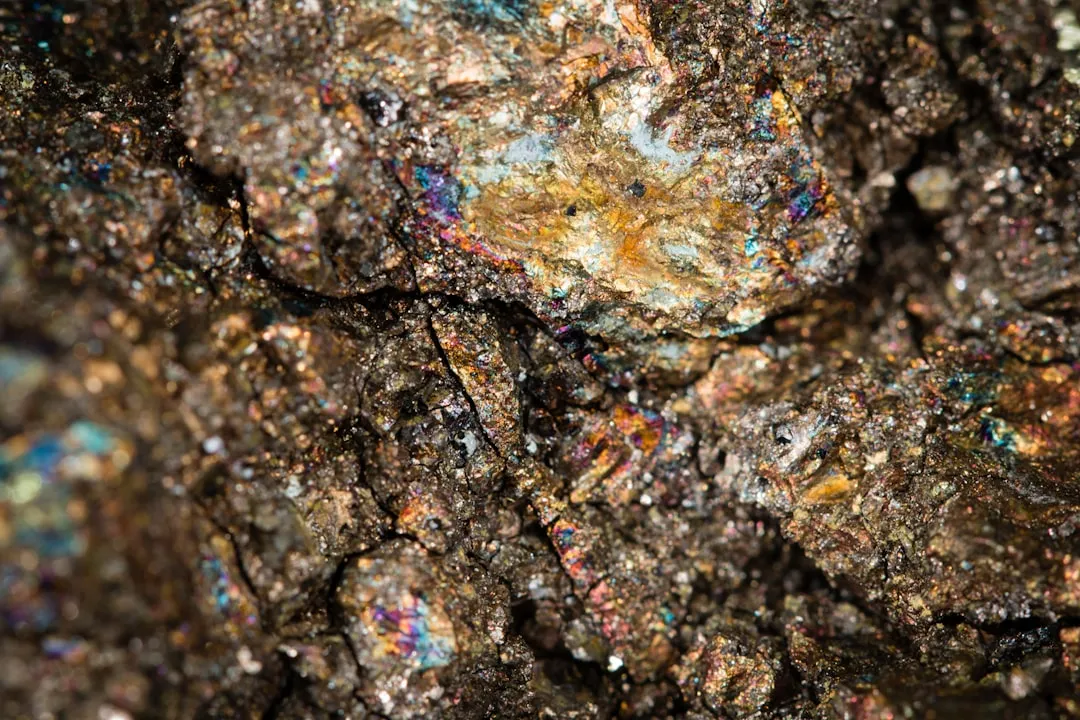
The area around Arches and Glen Canyon is a virtual layer cake of rock miles thick, a celebration of sandstones, mudstones, shales, salts, and limestones all stacked one upon another. Each layer represents a different environment that existed there in the past. The rubble of the Double Arch will, in its own time, become part of that story too.
What This Moment Asks of Visitors and Stewards
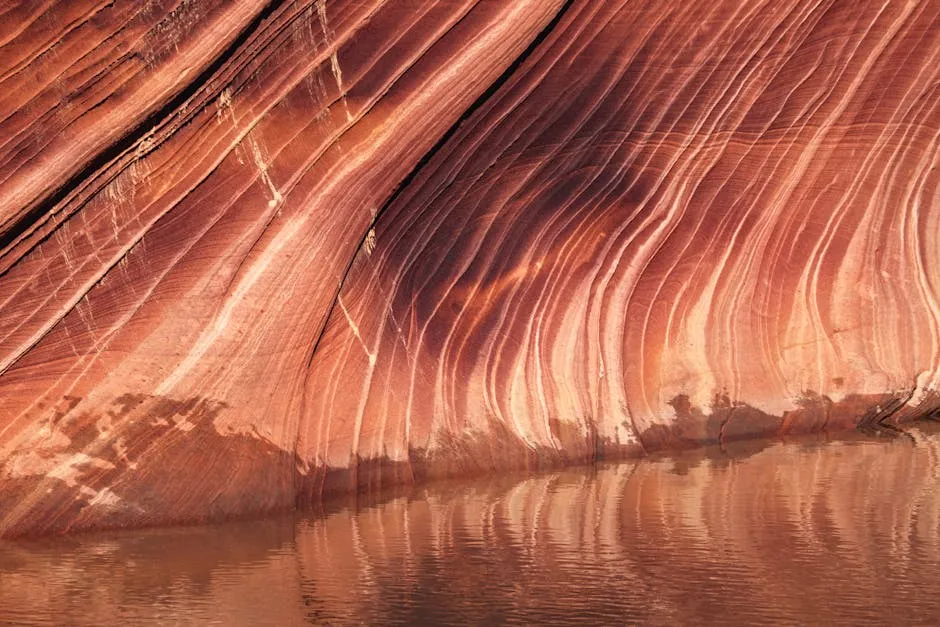
Glen Canyon superintendent Michelle Kerns stated: “This event serves as a reminder of our responsibility and need to protect the mineral resources surrounding Lake Powell.” That responsibility is not theoretical. Every motorboat, every fluctuation in reservoir policy, and every foot that lands on sandstone is a small vote for what these places will look like in another century.
The Double Arch held its shape for roughly 190 million years and fell in the summer of 2024. It carried no plaque, it posted no warning, and it left no forwarding address. What it did leave behind is a clearer sense of what we owe to the landscapes we visit, not the illusion that they’ll last forever, but the commitment to make sure we’re not the reason they disappear faster than they should.
AI Disclaimer: This article was created with the assistance of AI tools and reviewed by a human editor.