
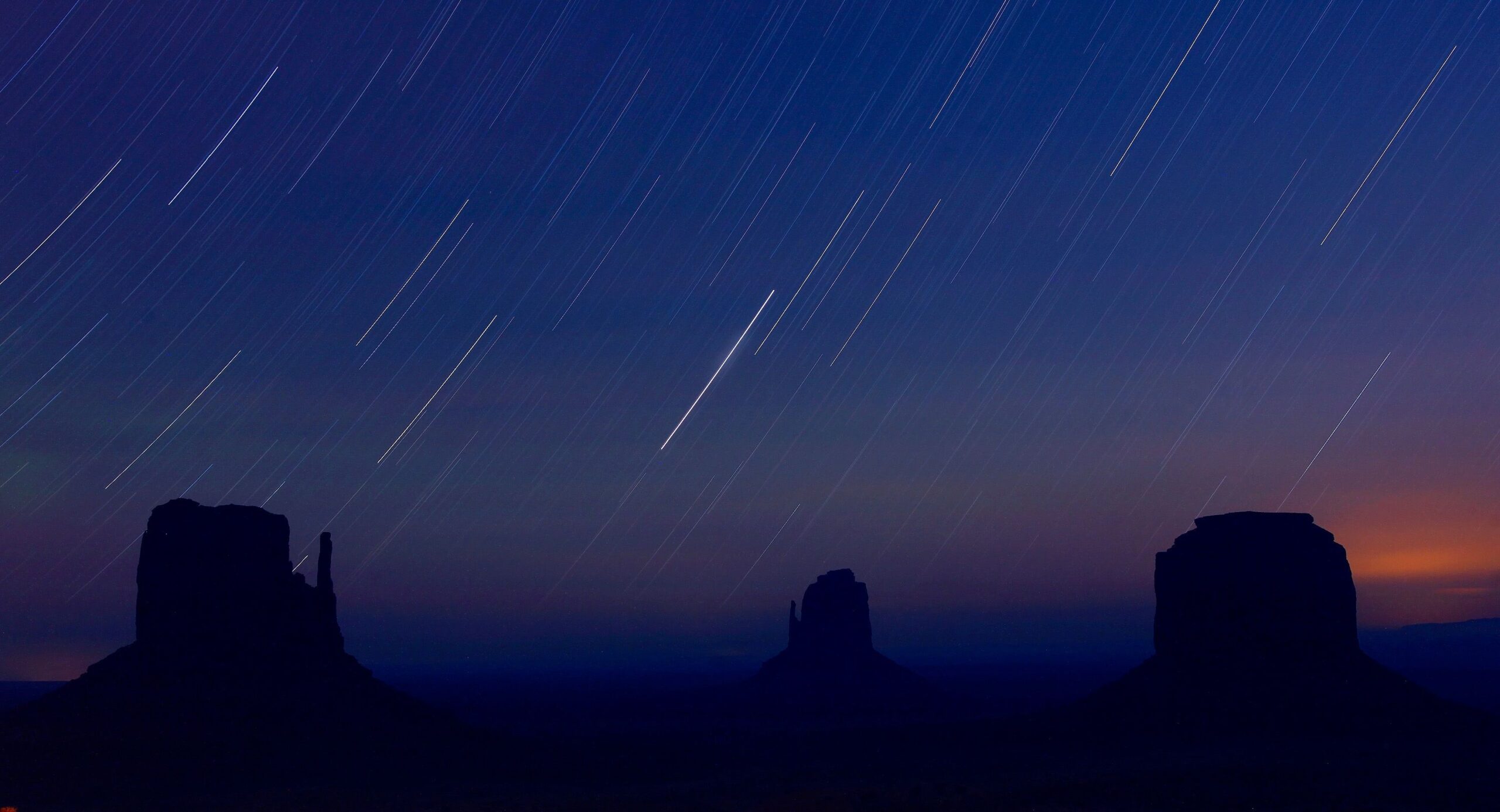

Something quietly significant is happening in the deserts of Arizona, Utah, and New Mexico. People are arriving without itineraries, parking their phones, and sitting still in landscapes that have humbled travelers for centuries. They’re not running from something so much as returning to themselves.
Disconnect tourism, broadly defined as intentional travel designed around reducing or eliminating screen time and digital engagement, has moved well beyond a niche wellness experiment. It’s now a measurable, commercially viable, and culturally resonant movement. The Southwest desert, with its vast silence, dark skies, and ancient terrain, sits at the center of it all.
A Market That’s Growing Fast and Has the Numbers to Prove It

The global digital detox tourism market reached USD 1.42 billion in 2024 and is projected to grow at a compound annual growth rate of 8.6% from 2025 to 2033, reaching approximately USD 2.93 billion by 2033. That kind of sustained trajectory isn’t a blip; it reflects a structural shift in how people think about rest and travel.
North America dominates this market, accounting for approximately USD 530 million in 2024, or about 37% of global revenue. The region’s leadership is supported by high disposable incomes, advanced wellness infrastructure, and a strong culture of health and self-improvement.
A standout data point from late 2024 showed a 228.4% surge in wellness tourism bookings compared to the previous year, underlining how rapidly the sector is accelerating. The Southwest is not just riding this wave; it’s become one of its defining destinations.
Screen Fatigue Is Real, and Travelers Are Acting on It

According to the 2025 Hilton Trends Report, 24% of 13,001 global travelers surveyed said they now power down and disconnect from social media during vacations more than in the past. That might sound modest, but the direction of the trend matters more than a single snapshot.
Research from It’s Time To Log Off found the average person spends one full day each week online. When that’s the rhythm of everyday life, the appeal of a landscape with no cell signal stops being eccentric and starts being essential.
Growing levels of stress, burnout, and digital fatigue are driving demand for wellness travel experiences focused on sleep recovery and nervous system restoration. Hotels, resorts, and wellness retreats are increasingly offering sleep-enhancement programs, meditation therapies, mindfulness sessions, and digital detox packages to improve mental wellbeing and cognitive performance.
Why the Southwest Desert Works as a Disconnection Landscape
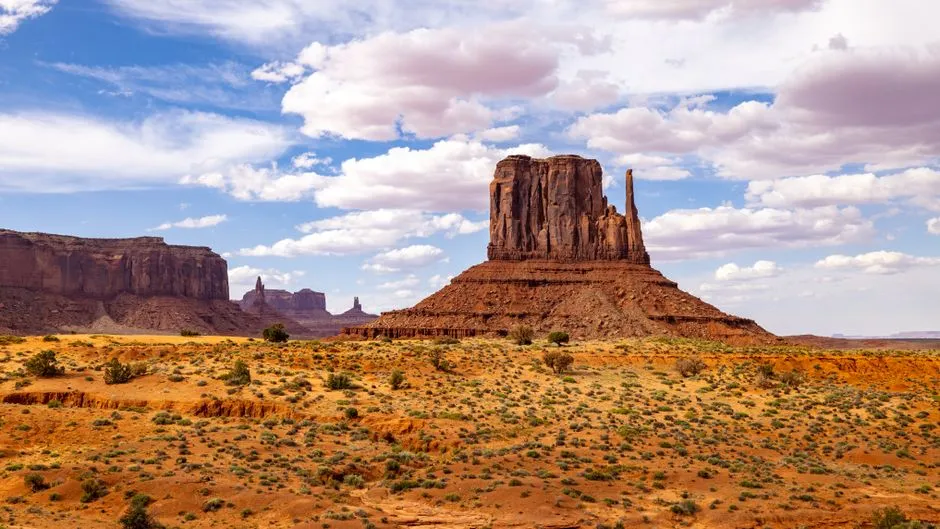
In the American Southwest, the combination of high elevation, dry air, vast public lands, and low population density creates some of the darkest and clearest skies in the world. These same qualities that make the region extraordinary for stargazing also make it genuinely effective for slowing down.
The dry, crisp air makes the skies clearer, since water particles that define humidity amplify light pollution. The long stretches of land with no urban development make the Southwest one of the best places for stargazing. That remoteness is, in itself, a form of disconnection.
If you want to see the night sky, there are few better places in the United States than the Southwest. Thanks to the National Park system and the arid desert climate of the region, major parts of California, Nevada, Utah, New Mexico, and Arizona are protected land, which has helped reduce urban development and light pollution.
Dark Sky Parks: The Southwest’s Quiet Infrastructure for Disconnection
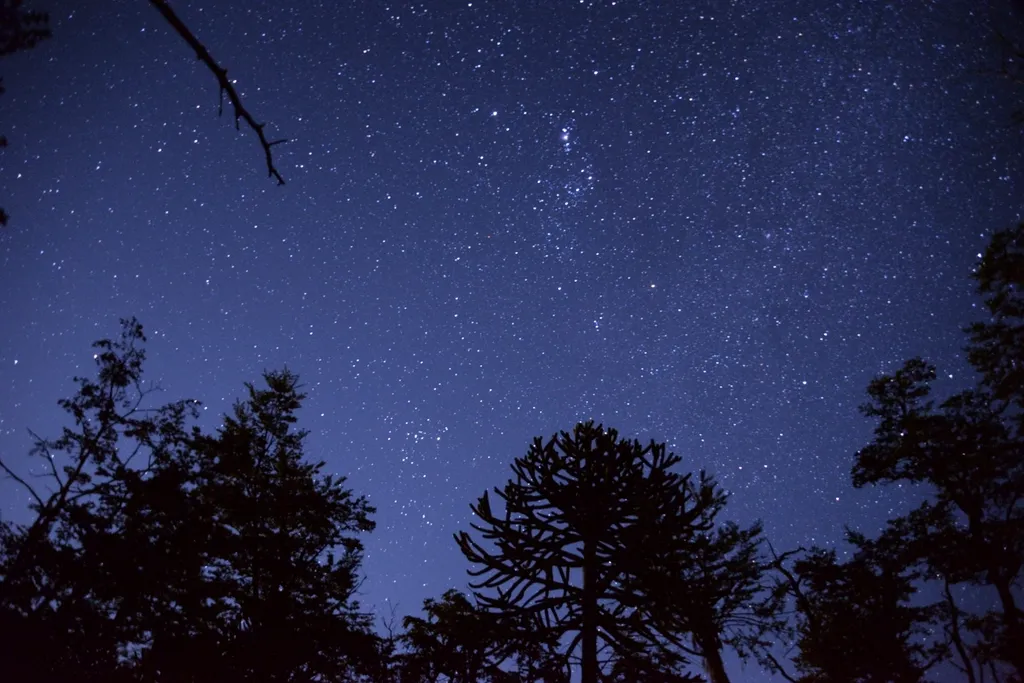
The United States is currently home to 135 dark sky reserves, with high concentrations in the desert Southwest. This isn’t accidental. It reflects decades of conservation effort, lighting ordinances, and a growing recognition that darkness is itself a natural resource worth protecting.
Utah has more IDA-certified Dark Sky Parks than any other state, and many of the most famous ones sit right in or near Moab, making it one of the top astronomy tourism destinations in the world. Places like Arches, Canyonlands, and Natural Bridges offer landscapes that feel genuinely removed from modern life.
Natural Bridges holds the distinction of being the world’s first designated Dark Sky Park. Immense sandstone bridges frame the heavens, creating natural windows to the cosmos. Visitors often describe the experience as quietly disorienting, in the best possible way.
Arizona’s Stargazing Economy Is Expanding Rapidly
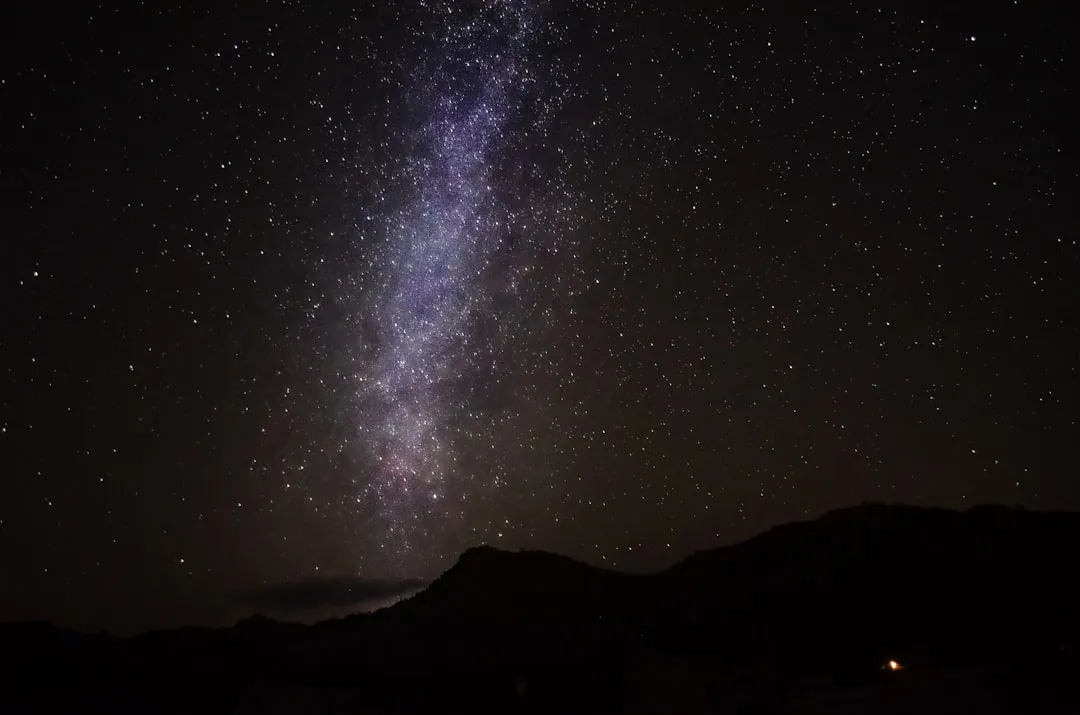
Travelers increasingly choose evening desert tours, moonlight hiking, and luxury stargazing resorts across the Southwest. Lowell Observatory recently expanded with the USD 53.4 million Marley Foundation Astronomy Discovery Center, strengthening Arizona’s science tourism economy.
Arizona offers more than 300 clear nights per year, a figure that gives disconnect travelers a reliable window that few other regions can match. Flagstaff, in particular, carries a distinction that makes it especially meaningful for responsible travelers.
Flagstaff is the world’s first International Dark Sky City, a designation it received in October 2001. That commitment to protecting natural darkness has shaped the region’s tourism identity for more than two decades, long before disconnect tourism had a name.
The Wellness Travel Boom Is Fueling the Movement

Wellness tourism is booming, with the global market projected to reach nearly one trillion dollars in 2025 and continue growing at an annual rate of roughly 8.7%. This shift is driven by travelers prioritizing health, mental well-being, and personalized experiences.
According to the Global Wellness Institute Report 2024, wellness trips are predicted to see growth rates of 14.7% for wellness trips and 16.6% for wellness trip expenditures through 2027. These aren’t marginal numbers. They reflect a generation actively redirecting its spending toward experiences that restore rather than entertain.
Gen Z and millennials make up just over a third of the adult population in the United States but drive more than 41% of annual wellness spend. This demographic has grown up in the most digitally saturated environment in human history, which may explain, in part, why they’re among those most drawn to physically leaving it behind.
Glamping and Off-Grid Stays Are Meeting the Demand

Unplugged travel, meaning vacations built around surrendering your phone at check-in, is fast becoming one of the most-searched wellness trends of 2025, with major hotel groups and luxury rental platforms reporting a sharp uptick in demand for screen-free stays. Unplugged travel refers to vacations designed around disconnecting from phones, Wi-Fi, and screens, with high-end resorts and digital detox retreats asking guests to lock up or limit personal devices.
Under Canvas Grand Circle camps in Utah and Arizona are the world’s first DarkSky-certified resorts, recognized for their pristine skies and commitment to protecting and preserving the night. Offerings range from guided stargazing and star parties to celestial-themed experiences and campfire evenings.
The travel industry is adapting broadly, with dedicated detox retreats, hotels offering device-free zones, and incentives for longer stays at unplugged destinations. The Southwest’s existing landscape of national park-adjacent accommodations makes it a natural fit for this model.
The Night Sky as Cultural and Ecological Heritage

Disconnect tourism in the Southwest isn’t only about personal wellness. It connects visitors to something much older. The region’s Indigenous communities have observed and navigated by these skies for thousands of years, and that history gives a stargazing trip a dimension that no screen can replicate.
In the American Southwest, the night sky was a tool for keeping time, a way to access the spirit realm, and a constant companion for ancient peoples. Chacoan people were sophisticated astronomers, and their connections to the night sky are visible in the orientation of their buildings, which face sunrises and sunsets, and in their art.
Protecting the night sky is about more than beauty; it’s an environmental and cultural priority. By visiting Dark Sky Parks, travelers support the communities and conservation programs safeguarding these rare, pristine experiences. Intentional, ethical travel in these places means treading lightly and respecting the heritage they carry.
The Noctourism Shift Is Redefining Southwest Travel Strategy
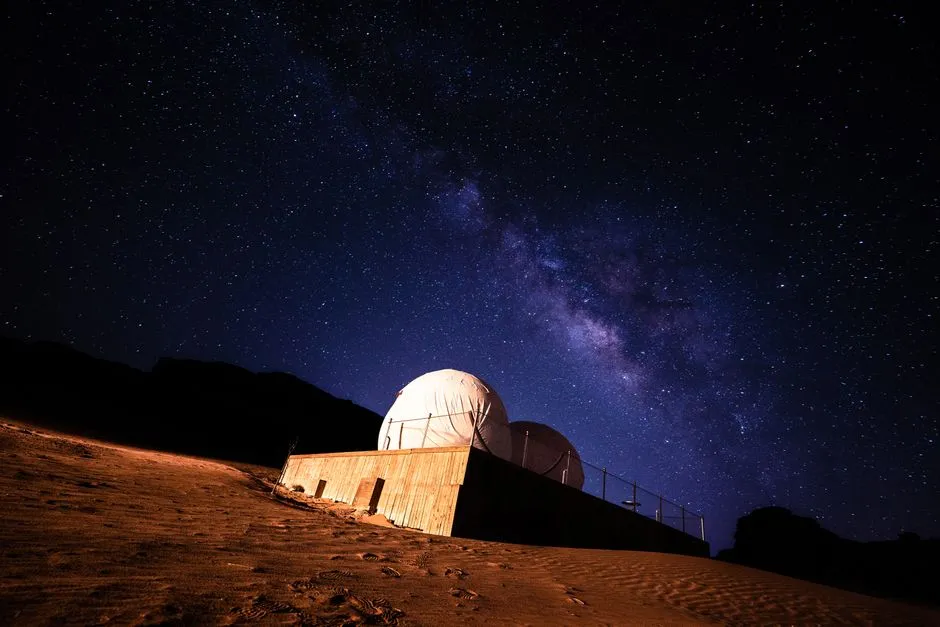
America’s dark-sky tourism economy is rapidly expanding beyond traditional nightlife as destinations increasingly monetize astronomy tourism, night hiking, moonlight wellness travel, and sustainable after-dark outdoor recreation. Rising temperatures across western U.S. states are pushing travelers toward cooler nighttime experiences, especially in desert and national park regions.
Arizona’s tourism strategy increasingly combines astronomy tourism, eco-tourism, and climate-adaptive travel into one high-growth visitor economy. This is a meaningful shift from promoting scenic views alone. It reflects a more nuanced understanding of what modern travelers actually need from a trip.
A study commissioned by Booking.com found that 60% of 27,713 respondents across 33 countries were considering visiting destinations with minimal light pollution to get a closer view of the cosmos. The Southwest, with its combination of accessible parks and genuine remoteness, is positioned better than almost anywhere else to welcome them.
Sustainable Travel Values Are Aligning With Disconnect Tourism
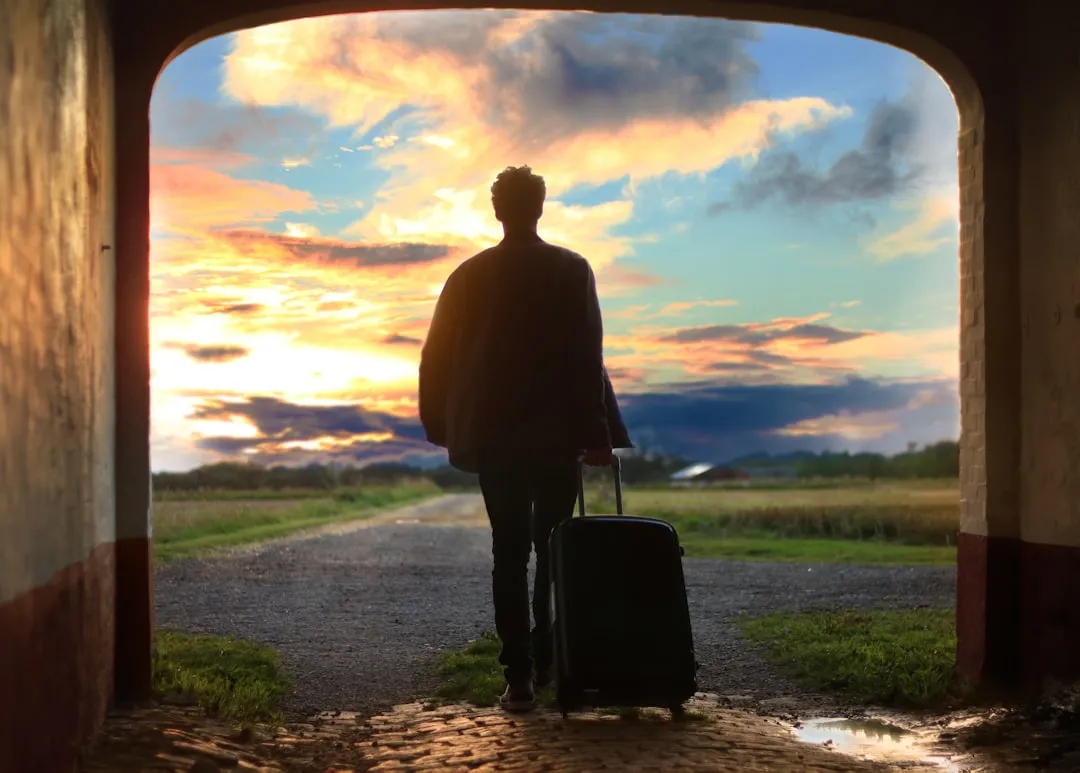
Sustainability remains important for 84% of global travelers in 2025, confirming that eco-conscious travel continues to be a key priority. This value overlaps naturally with disconnect tourism, which tends to favor low-impact stays, undeveloped landscapes, and experiences that leave little trace.
In 2024, 75% of worldwide travelers said they wanted to travel more sustainably over the next 12 months, and more than half said they plan to reduce their energy consumption on upcoming trips. Choosing a tent under the stars over a five-screen resort suite is, in its own quiet way, an act of environmental awareness.
Rural tourism communities increasingly view astrotourism as a long-term economic opportunity supporting sustainable tourism growth while preserving natural ecosystems and remote wilderness areas. For small desert towns that have long existed on the margins of the major park circuits, disconnect tourism represents real and lasting economic potential.
The Takeaway
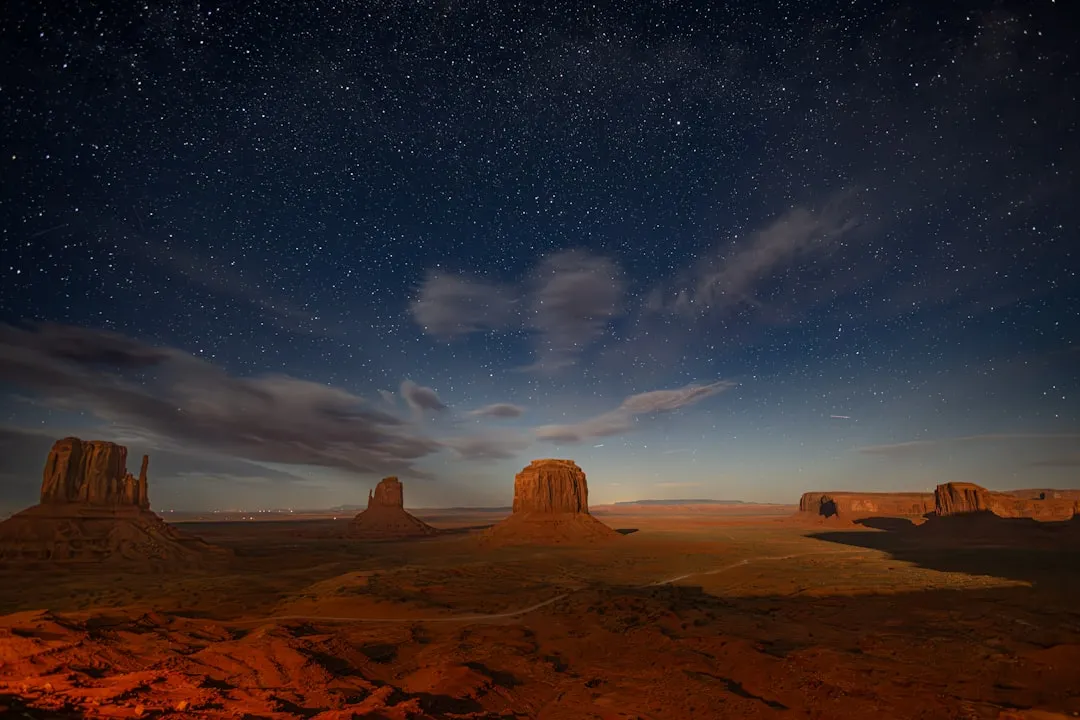
The Southwest desert has always been a place where scale shifts your perspective. Standing in a canyon or under a sky with no horizon glow has a way of making the ordinary concerns of the connected world feel genuinely distant. Disconnect tourism didn’t invent this feeling. It just gave people permission to seek it out intentionally.
The market data, the dark sky designations, the surging wellness bookings, and the expanding off-grid infrastructure all tell the same story: travelers are not simply tired of their devices. They’re recalibrating what rest, beauty, and experience actually mean.
The desert has been here, waiting, for a very long time. It turns out that what it offers, silence, darkness, scale, and stillness, is exactly what millions of people are beginning to look for.
AI Disclaimer: This article was created with the assistance of AI tools and reviewed by a human editor.