
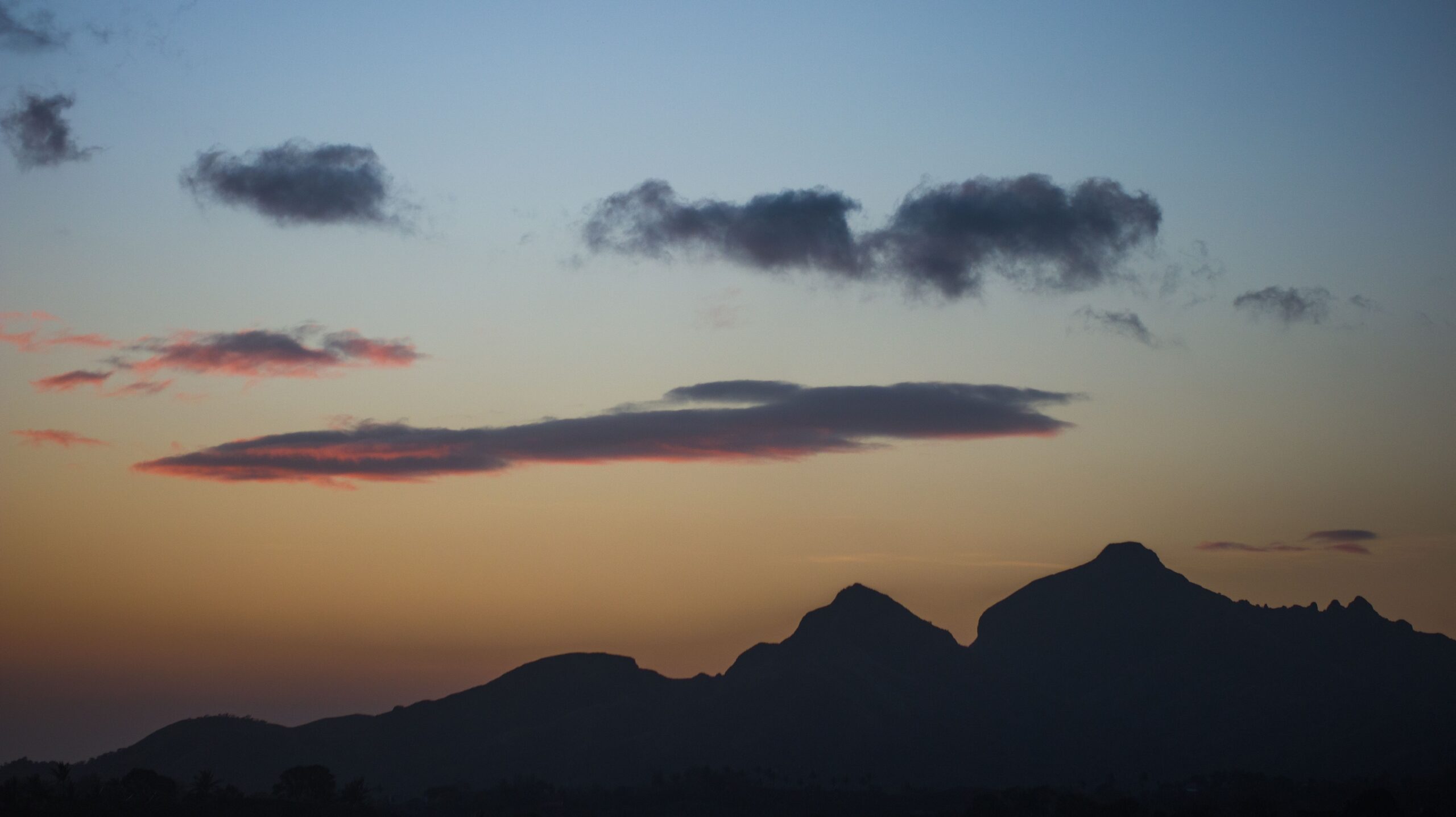

Stand at a viewpoint anywhere from the Appalachians to the Alps and you’ll notice something quietly remarkable. The mountains closest to you are vivid, textured, full of greens and grays. The ones farther back seem to dissolve into a soft, cool . It’s one of those natural effects so common that most people stop questioning it. They probably shouldn’t, because the explanation touches on physics, biology, and even the history of art.
The phenomenon isn’t a trick of imagination. It’s grounded in how light physically behaves as it moves through the atmosphere. Understanding it reveals something bigger about the world we see every day.
It Starts with Rayleigh Scattering
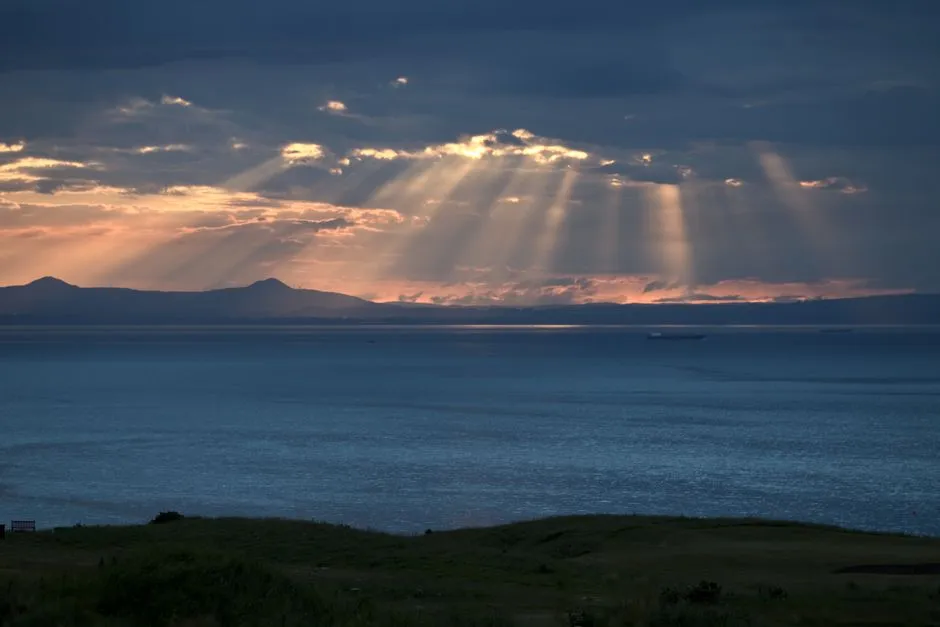
Distant mountains appear blue due to Rayleigh scattering, a phenomenon where shorter wavelengths of light, especially blue, scatter in the atmosphere more than longer wavelengths. This scattering doesn’t happen on the mountain’s surface itself. It happens in the column of air between your eyes and the mountain.
Rayleigh scattering refers to the scattering of light off of the molecules of the air, and can be extended to scattering from particles up to about a tenth of the wavelength of the light. The theory was first worked out mathematically by Lord Rayleigh in 1871, and it remains the foundation of how we understand sky color to this day.
The intensity of light scattered by a Rayleigh scatterer is inversely proportional to the fourth power of the wavelength. In plain terms, this means shorter wavelengths scatter dramatically more. Blue light, being short, gets scattered everywhere. Red light, being long, mostly passes straight through.
Why Blue and Not Violet?

Violet light actually has a shorter wavelength than blue, which raises a fair question. If shorter means more scattered, shouldn’t the sky and distant mountains look violet? Despite violet having even shorter wavelengths, human eyes detect blue more easily.
The human eye has three types of color-sensing cone cells, and they respond most strongly to red, green, and blue. Our visual system is simply wired to be more sensitive to blue than to violet. Even when violet is present in scattered light, our perception shifts the apparent color toward blue.
Distance Multiplies the Effect
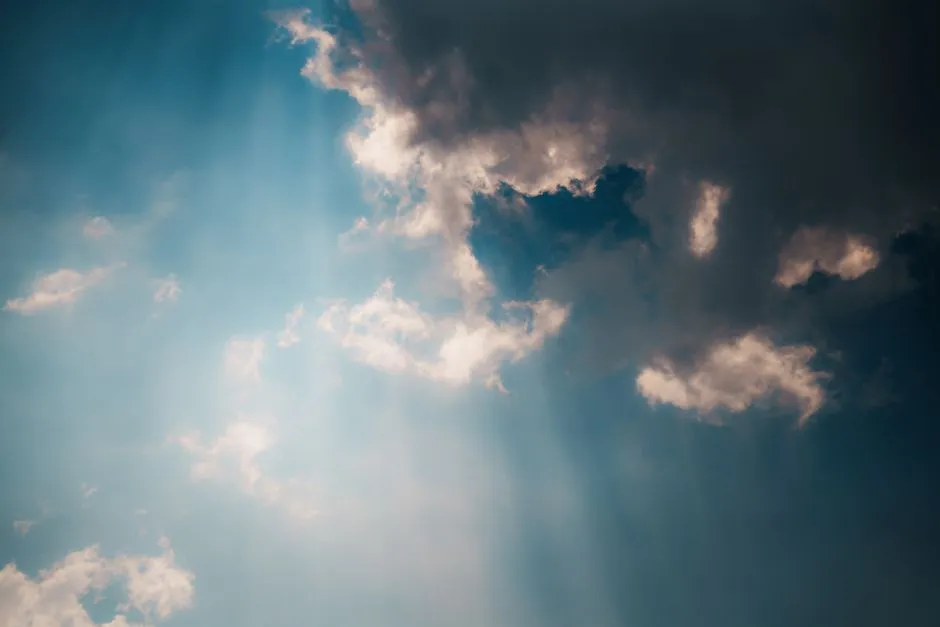
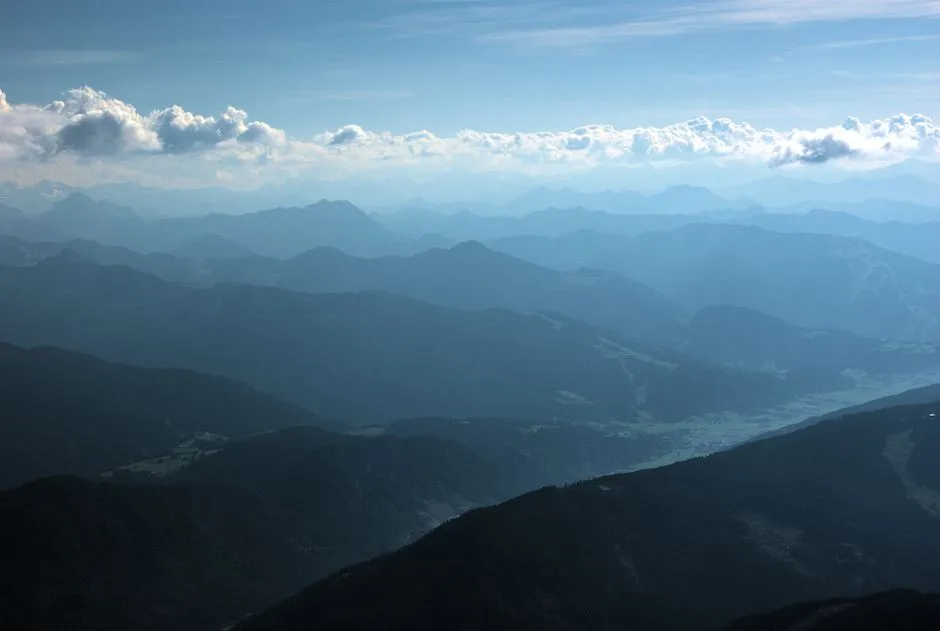
When you look at a far-off mountain peak, a significant amount of atmosphere lies between your eyes and the mountain itself. This atmospheric layer grows thicker with distance, increasing the number of air molecules and, consequently, the scattering of light. The more air you’re looking through, the more blue light gets redirected toward your eyes.
The further the light has to travel, the more this effect occurs, causing mountains in the distance to appear blue or purple. This is why nearby hills look mostly green or brown while a ridge twenty miles away might look almost entirely blue. The closer mountain hasn’t changed color. Your view of it has simply accumulated less atmospheric interference.
What Aerial Perspective Really Means

The phenomenon that makes distant mountains appear tinted blue is known as atmospheric perspective or aerial perspective. This effect is a visual trick, as the mountains themselves are not blue, but rather green, brown, or gray due to their natural coloration. The color is entirely in the intervening air column, not on the rocks or trees themselves.
The presence in the atmosphere of moisture and of tiny particles of dust and similar material causes a scattering of light as it passes through them, the degree of scattering being dependent on the wavelength of the light. Because light of short wavelength, blue light, is scattered most, the colours of all distant dark objects tend toward blue.
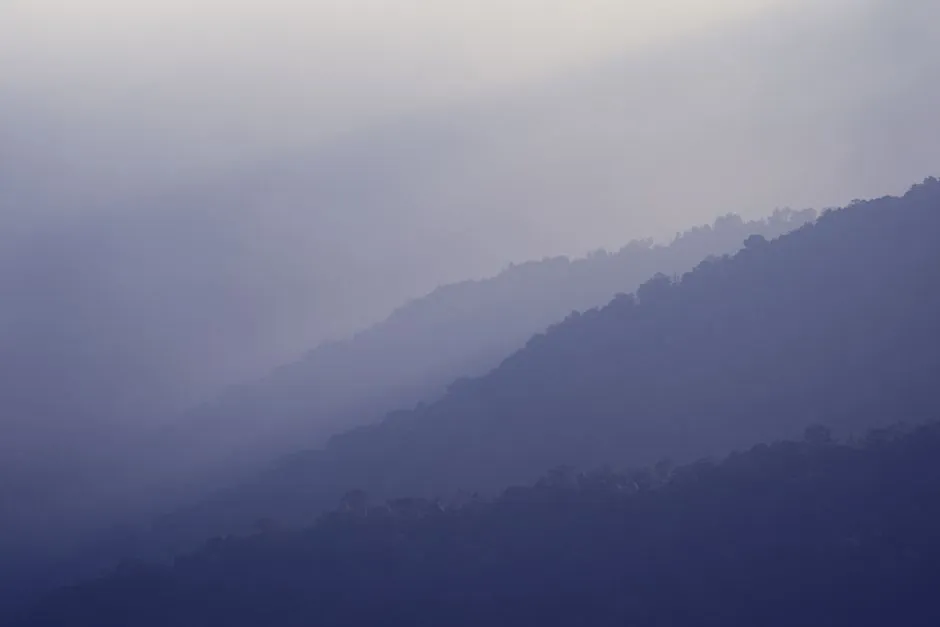
As distance increases, the atmospheric haze acts to brighten the shadows and darken the highlights, pulling both toward a middle gray or atmospheric tone, thereby flattening the overall contrast ratio and desaturating the colors. This is why very distant ranges look both blue and somewhat washed out at the same time.
Forests Add Their Own Haze
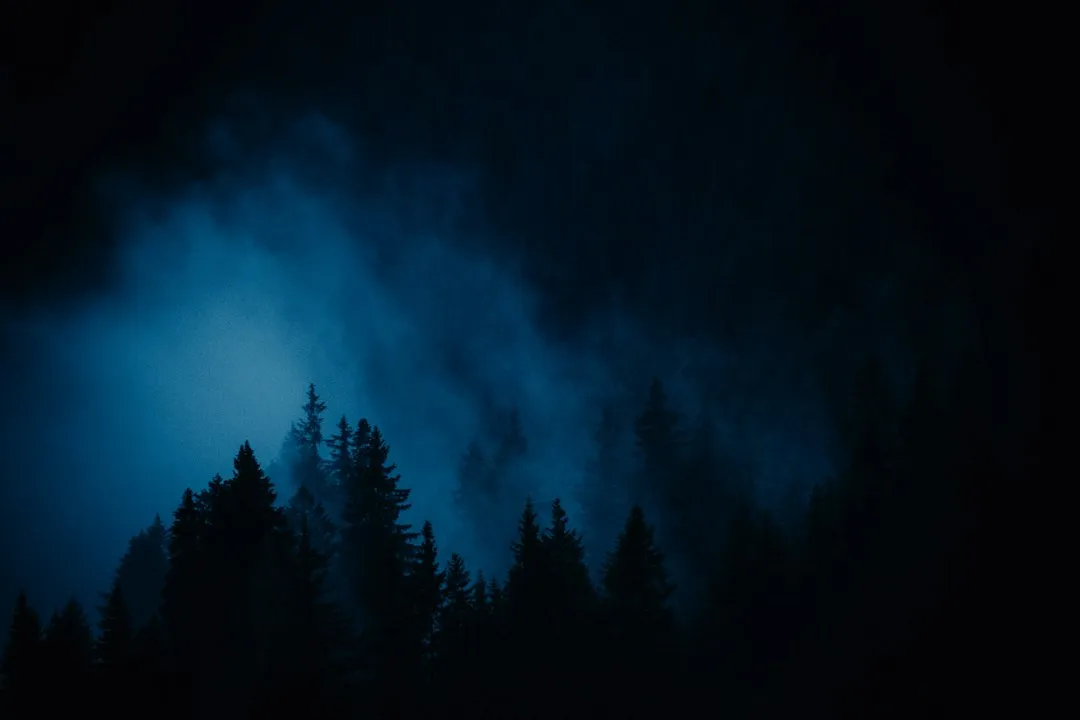
In many forested mountain ranges, such as the Blue Ridge Mountains, the effect is amplified by natural organic compounds. These natural aerosols contribute to the overall haze and the distinct blue appearance, giving rise to names like the “Smoky Mountains.”
Eucalyptus oil droplets emitted from the forests combine with dust particles and water vapour, scattering short wavelength rays of light which are predominantly blue in colour. This is specifically why Australia’s Blue Mountains carry that name. The effect there is partly atmospheric and partly botanical.
Estimates suggest that natural organic haze can be five to five hundred times more prevalent than anthropogenic (human-made) haze, though in industrial areas, human contributions can dominate. In forested mountain regions far from cities, the blue haze you see is almost entirely a natural production.
Aerosols and the Role of Mie Scattering
While Rayleigh scattering creates the blue color, other atmospheric elements, known as aerosols, intensify the hazy quality and reduce contrast. Aerosols are tiny particles suspended in the air, including dust, pollen, sea salt, and microscopic droplets of water or organic compounds.
The combined effect of blue light scattering from air molecules and the uniform, whitish scattering from aerosols creates the classic, hazy blue silhouette seen on remote mountains. The aerosols add a whitish component that softens the pure blue of Rayleigh scattering into something more milky and diffuse, which is why the effect looks like a gentle haze rather than a vivid blue tint.
Why Sunlight’s Angle Changes Everything
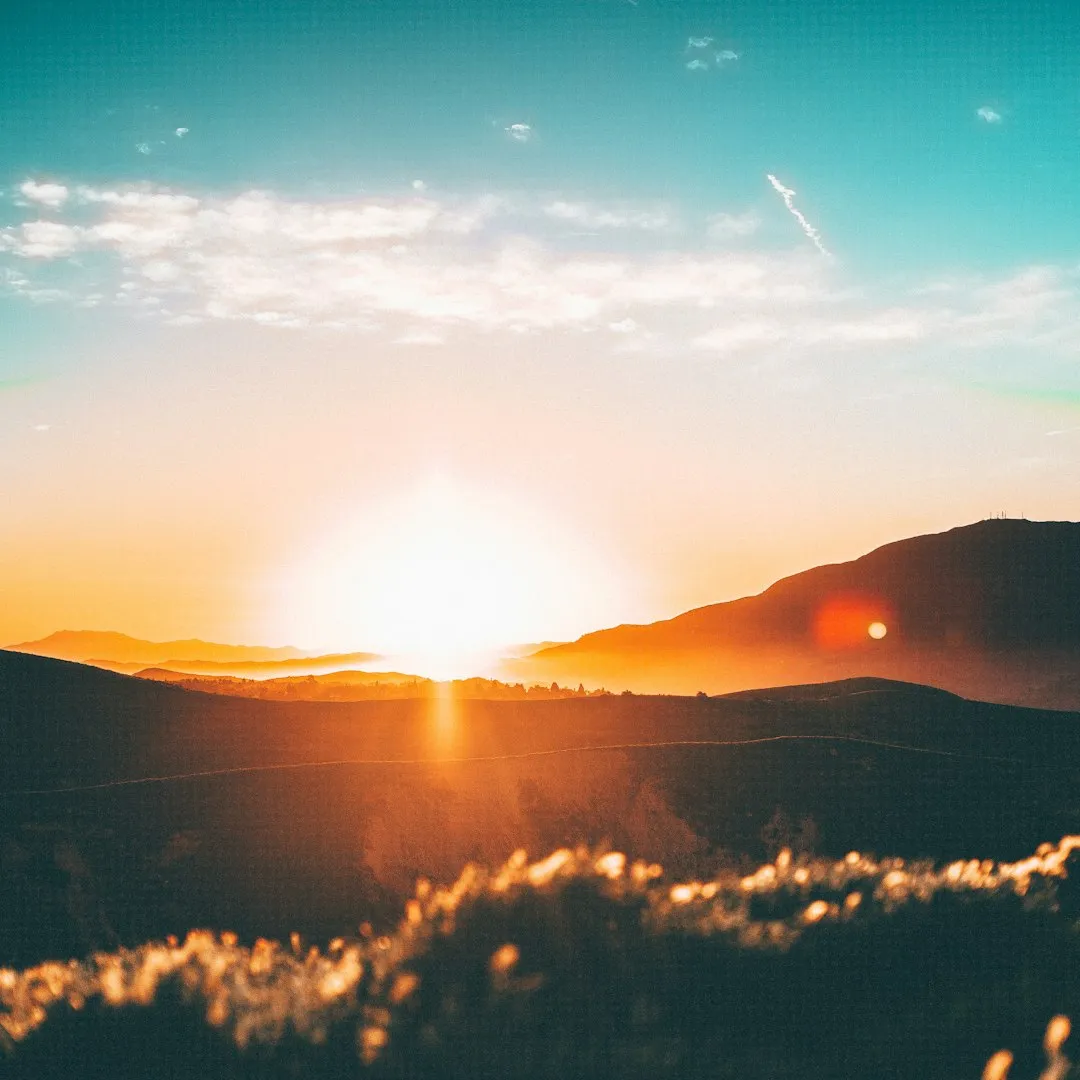
The sun plays a crucial role in the appearance of mountains. When it is rising or setting, its light travels through more of the atmosphere, scattering the blue hues and creating a reddish hue. On the other hand, when the sun is directly overhead during midday, there is less atmospheric scattering. At noon on a clear day, blue-tinted mountains often look their most vivid.
Mountains transition from a deep blue tint in the mid-distance to a paler tint in the far distance for the same reason that the sky is paler near the horizon. At sunrise and sunset, the same ranges that looked blue in the afternoon can shift toward purple or even a soft reddish-gray as the sun’s angle changes the composition of light being scattered.
Leonardo da Vinci Noticed This Centuries Ago
Aerial perspective is a method of creating the illusion of depth, or recession, in a painting or drawing by modulating colour to simulate changes effected by the atmosphere on the colours of things seen at a distance. Although the use of aerial perspective has been known since antiquity, Leonardo da Vinci first used the term in his Treatise on Painting, in which he wrote about colours becoming weaker in proportion to their distance from the person who is looking at them.
Leonardo didn’t have the physics vocabulary to explain Rayleigh scattering, but his observation was precise and correct. Artists across centuries, from Chinese landscape painters to Renaissance masters, encoded this atmospheric truth into their work intuitively. Netherlandish painters like Joachim Patinir built sweeping panoramas in the early 1500s using bands of green, brown, and pale blue to push mountains back into hazy distance.
How Clean Air Changes What You See
Not every day produces the same intensity of blue. Air quality matters significantly. Research has developed quantitative approaches for evaluating the influence of atmospheric aerosol pollution on the appearance of the sky. The color of the sky serves as a direct indicator of haze, while also exerting substantial influence on human physiological and psychological well-being, as well as the overall environmental scenery.
The scarcity of blue haze at higher latitudes can be attributed to cooler summer temperatures, which reduce the rate at which organic vapors are released from plants. In cold, dry Arctic or alpine environments, the blue haze effect may be significantly weaker. After rain, when the air is freshly washed clean of dust and aerosols, distant mountains can appear unusually crisp, almost stripped of their typical bluish softness.
Fading Color as a Depth Signal
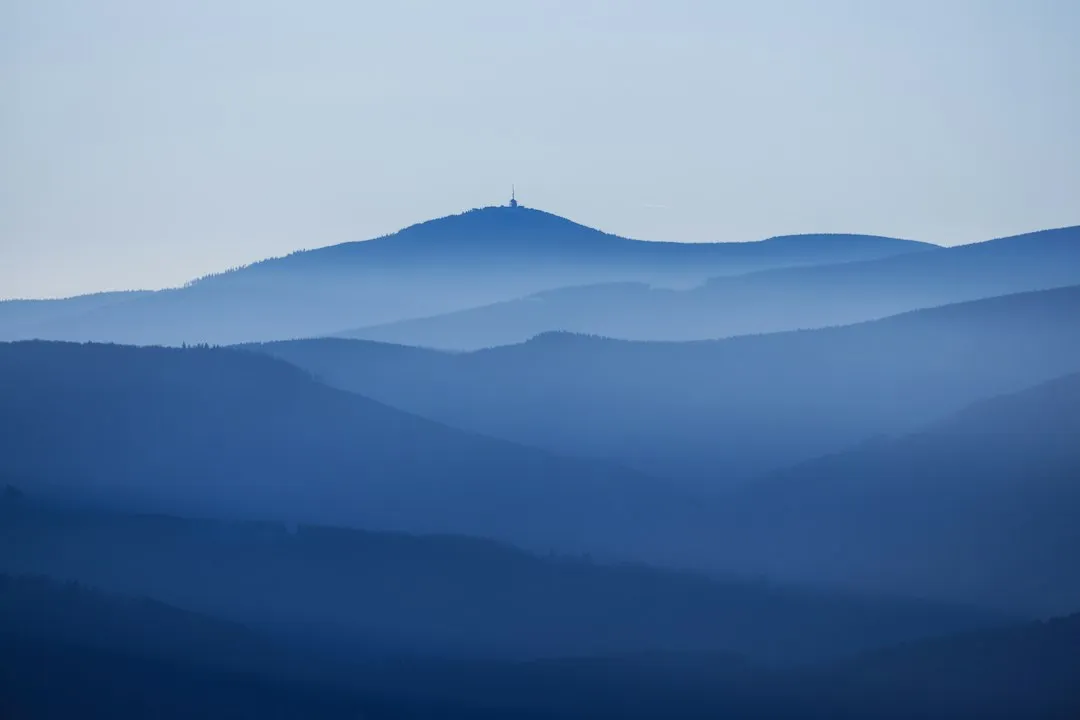
Aerial perspective, also known as atmospheric perspective, is a type of monocular cue in which the atmosphere causes distant objects to look hazy or blurry. From a neuroscience standpoint, the brain uses this gradual loss of color and contrast as reliable data about distance. Blue mountains signal depth the same way converging lines signal perspective.
The psychological importance of aerial perspective lies in its reliability as a depth cue. Unlike ambiguous cues, the atmospheric haze provides a quantitative gradient; the greater the haze, the further the distance is interpreted to be. We use this every time we look at a landscape, usually without thinking about it at all.
Objects at a distance lose detail and color intensity due to atmospheric particles scattering light, which diffuses finer details and diminishes color saturation, leaving a dominant blue tint. So the blue is not just a visual curiosity. It’s actively informing your sense of space and scale in real time.
The Takeaway
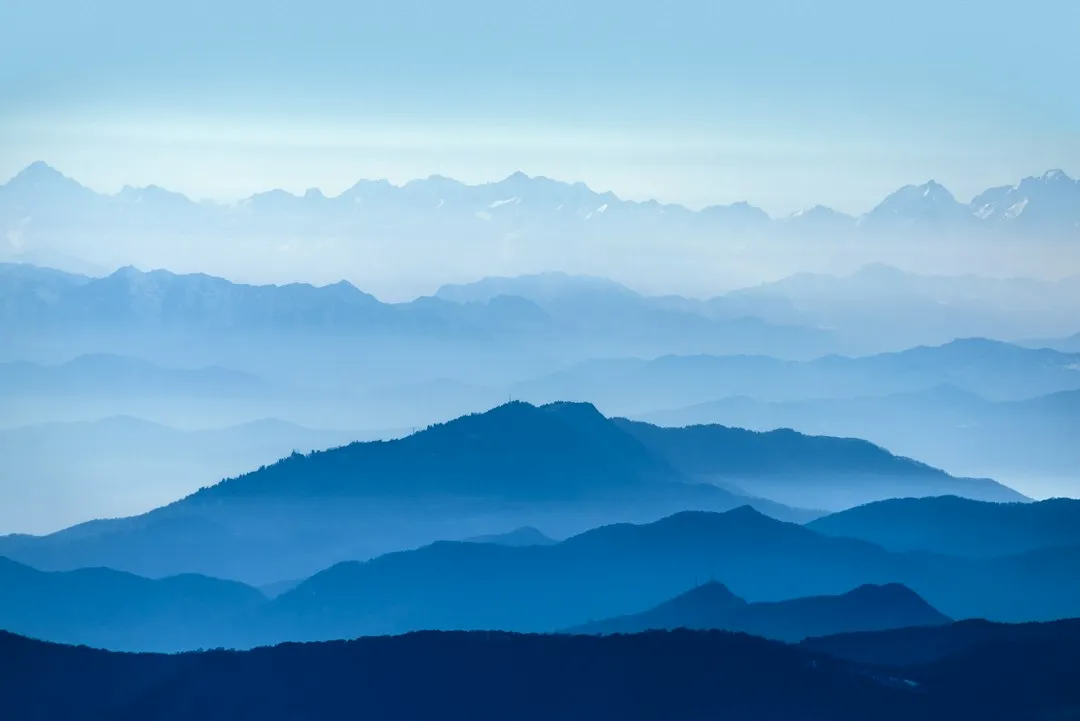
What makes the blue mountain effect so enduringly compelling is that it’s genuinely real, scientifically grounded, and yet still looks like something a painter invented. The mountains aren’t blue. The air between you and them is. That’s a subtle but meaningful distinction.
The same physics that explains a blue sky, a red sunset, and the hazy warmth of a forest-covered ridge all trace back to one elegant principle: light bends around tiny things, and blue bends most. This scattering produces a beautiful optical effect. The farther one stands from these mountains, the more distinctively blue they become.
Next time you’re scanning a distant ridgeline, you’re not just admiring scenery. You’re watching atmospheric physics work in real time, the same process Lord Rayleigh described in 1871, the same one Leonardo captured in paint four centuries before that.
AI Disclaimer: This article was created with the assistance of AI tools and reviewed by a human editor.