
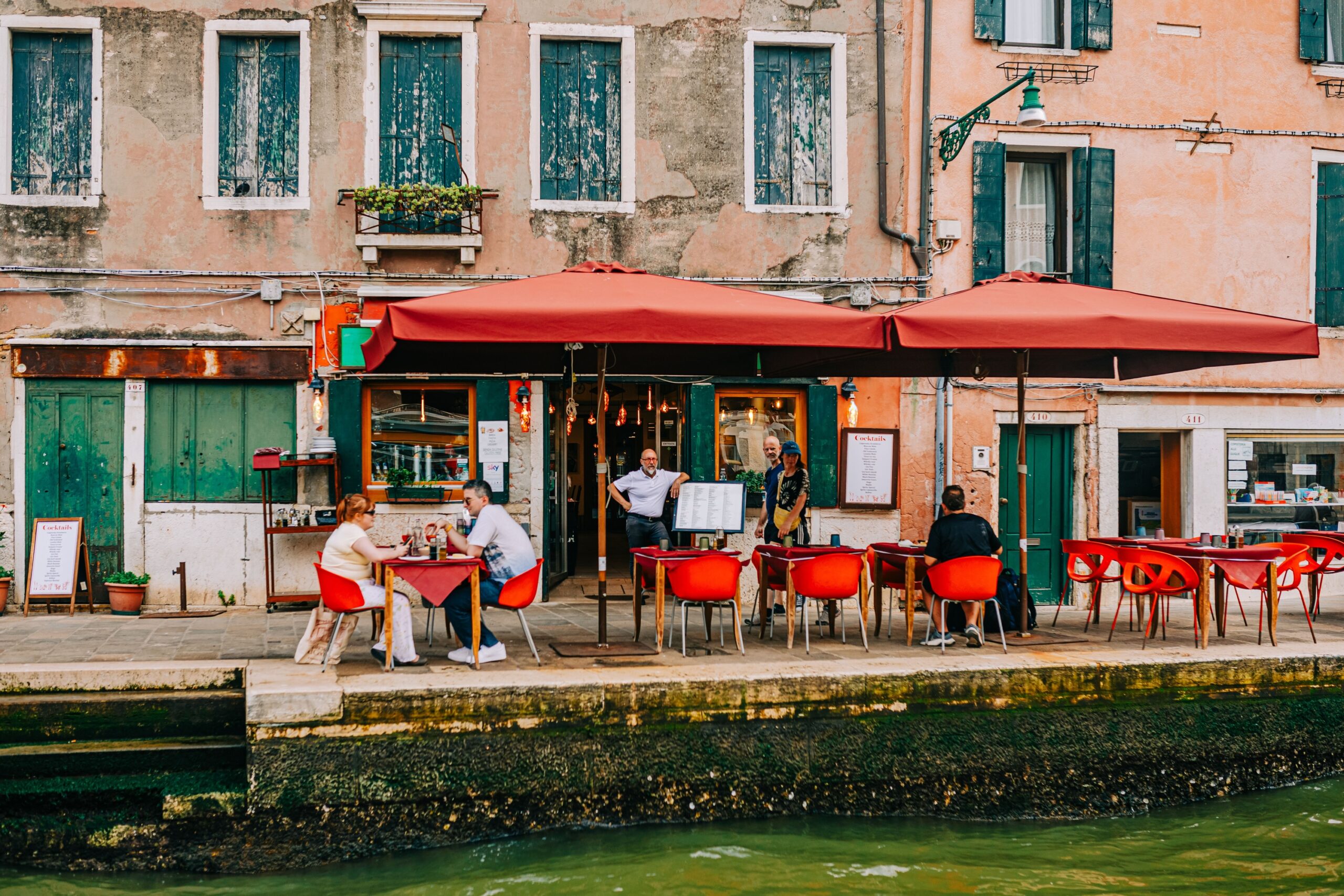
A Country That Genuinely Loves Its Dogs
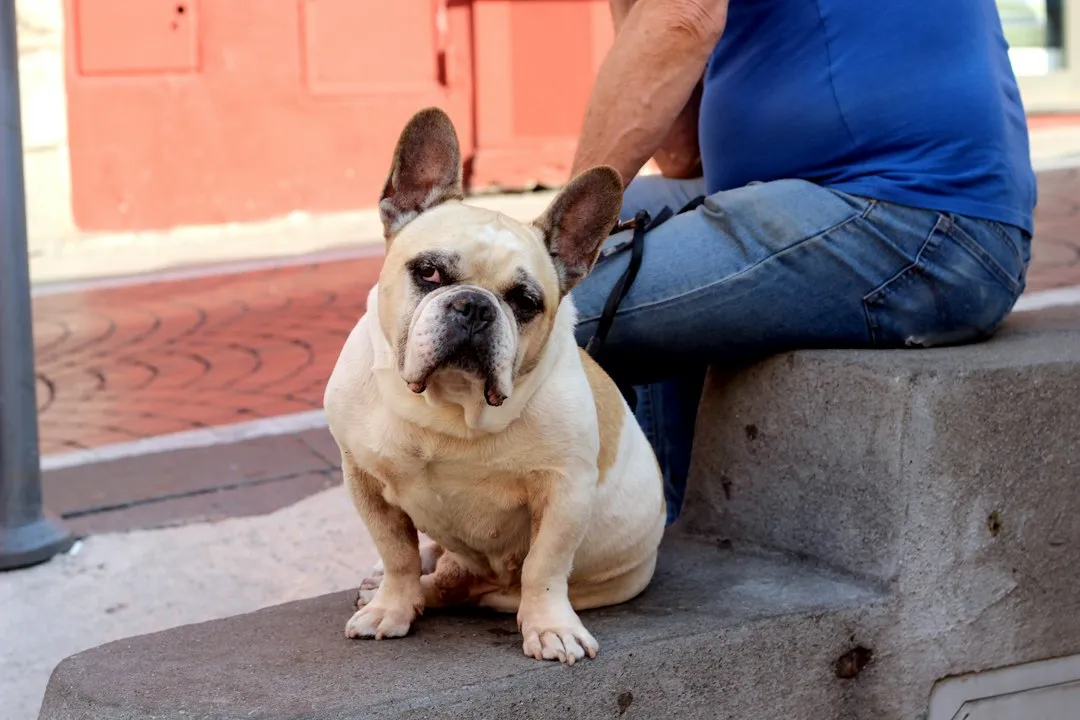
The numbers alone tell a clear story. According to a 2025 report from the Italian pet industry association Assalco, Italy’s total pet population stands at around 53.6 million. The dog population specifically grew from 8.8 million in 2023 to 9 million in 2024, a rise of 2.3%, with Assalco data showing that dog numbers have grown by 270,000 over the past four years.
More than one in two Italians own at least one pet, with 36% stating they have at least one dog and 33% stating they have at least one cat. That density of pet ownership creates a culture where encountering someone’s dog in public is simply an everyday experience, not an exception to be managed.
Dogs Are Treated as Family Members
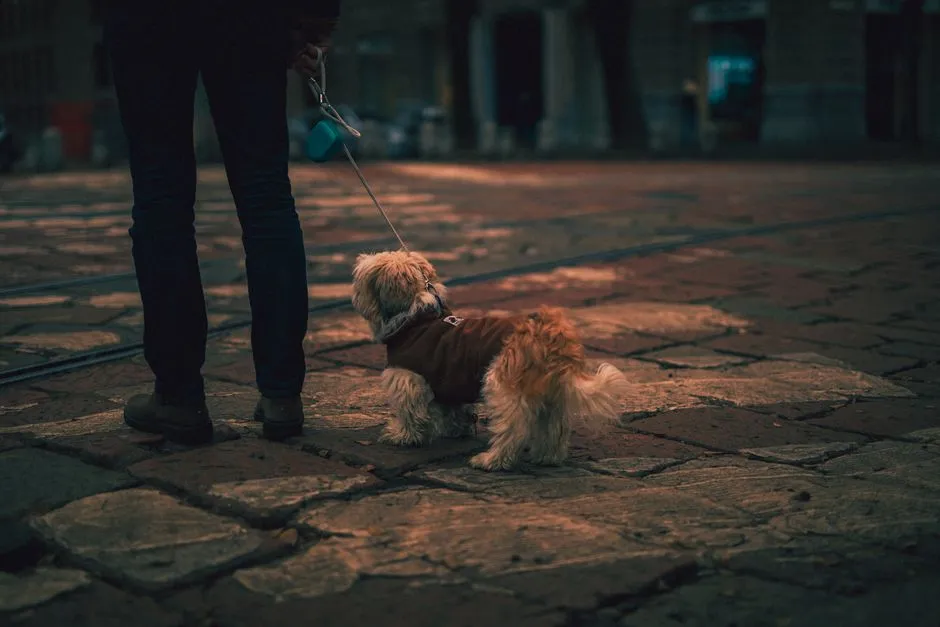
A 2024 report by Unipol and Ipsos found that 79% of Italian pet owners consider their animals to be members of the family. That single statistic explains a lot. When a dog is family, leaving it chained outside a café while you have coffee feels as strange to an Italian as it would feel to leave a child outside.
Italians treat dogs as family members, not just pets, which comes with high expectations for good behavior and responsible ownership. The warmth toward dogs in public spaces flows directly from this domestic philosophy: the dog goes where the family goes.
The Legal Framework That Backs It Up

In Italy, Legislative Decree No. 281/1991 lays down standards for the treatment of companion animals, stating that owners must register dogs, and anyone who abandons a dog, cat, or any other animal kept in their home will be punished with a fine. This foundational law set a tone of state-level care for animals that has shaped public culture for decades.
Italy has formally outlawed the euthanasia of healthy companion animals since 1991, a commitment that speaks to a broader moral stance. Additional regional laws continue to emphasize animal protection, education, and collaboration among various community groups. Taken together, the legal environment signals clearly that animals are not disposable.
No Single National Rule, But a Nationwide Norm
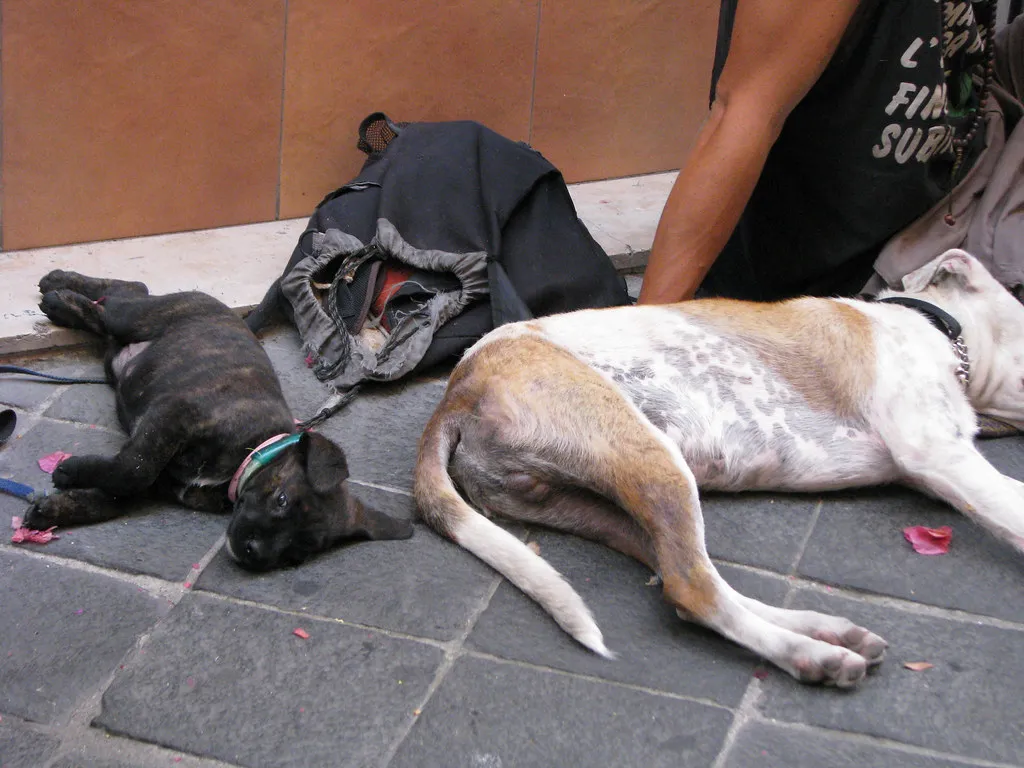
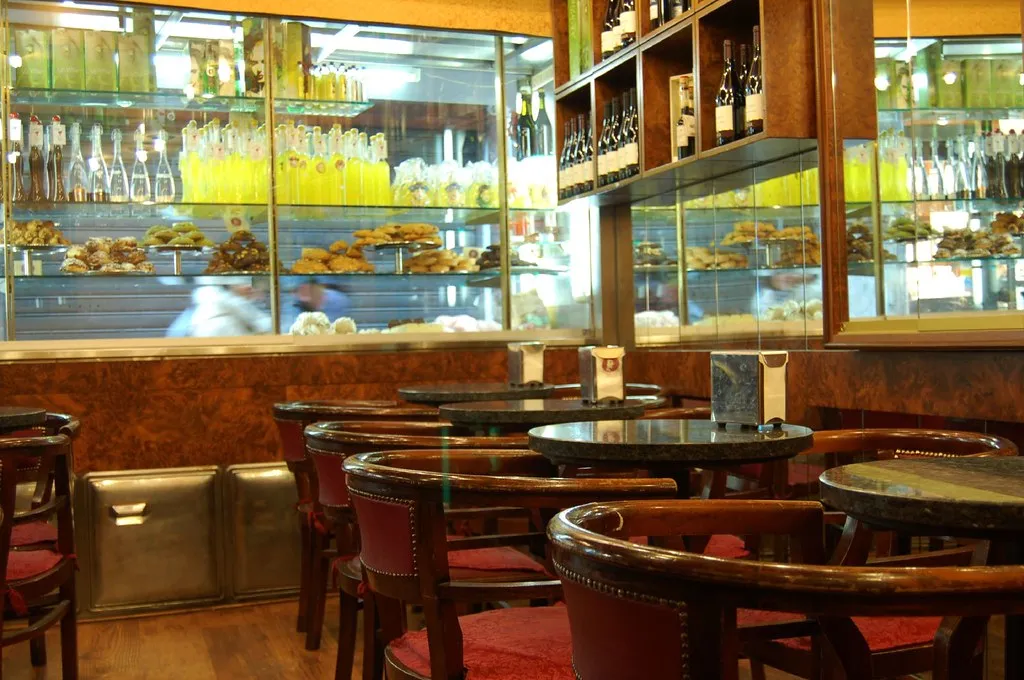
Cafes, restaurants, and small shops generally welcome dogs, though the decision to allow them indoors is left to each business owner rather than set by national law. This is an important nuance that surprises many travelers. There is no single blanket regulation that opens every door in Italy to every dog.
While there are no specific national regulations regarding dogs in restaurants in Italy, individual restaurants may have their own rules. What exists instead is a powerful cultural default: welcoming dogs is the norm, and turning them away is the exception that requires explanation.
The Ministry of Health’s Practical Guidance
The Italian Ministry of Health has clarified that retail food shops can set aside dedicated areas for customers’ pets, separate from where food is displayed or sold, so a dog waiting near the entrance of a small alimentari while its owner shops is a familiar sight rather than an exception. This guidance gives business owners a practical framework to follow without needing to ban dogs outright.
The approach is characteristically Italian in its pragmatism: find a sensible accommodation rather than a blanket prohibition. A small designated area near the entrance satisfies hygiene considerations while preserving the social norm of keeping the dog close.
Well-Behaved Dogs Are the Unspoken Requirement

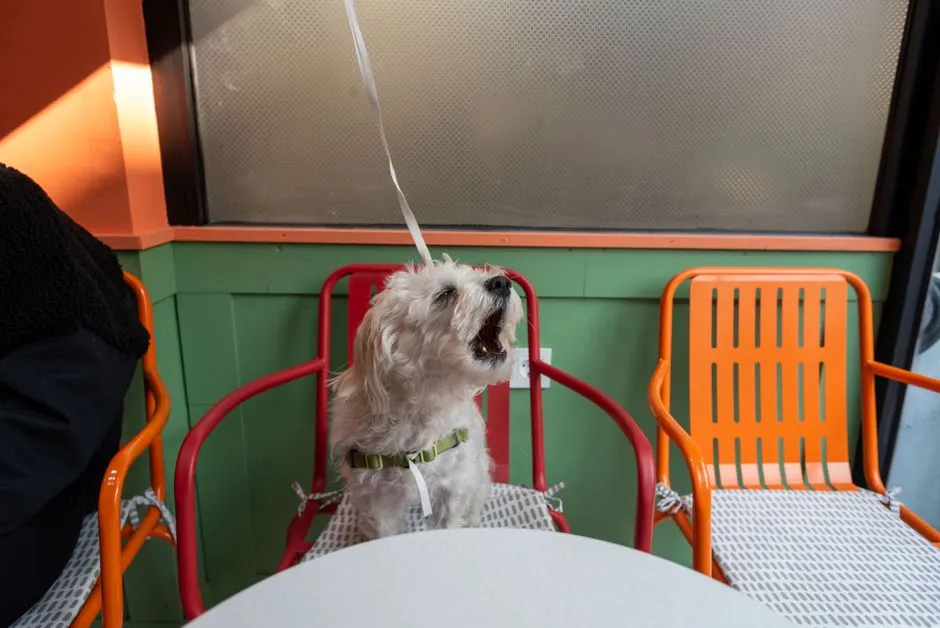
Italians expect dogs to be well-behaved, especially in public spaces. Excessive barking, jumping on people, or invading others’ space is frowned upon. The freedom dogs enjoy in Italian public life comes with a clear social contract: the dog earns its place by being calm, quiet, and unobtrusive.
Dogs are generally allowed in restaurants, cafes, and bars, as long as they are small and well-behaved. Size matters in practice too. A compact dog that sits quietly underfoot is a very different proposition from a large, restless one in a narrow trattoria. Most Italian dog owners understand and accept this distinction naturally.
What Visitors Actually Experience on the Ground

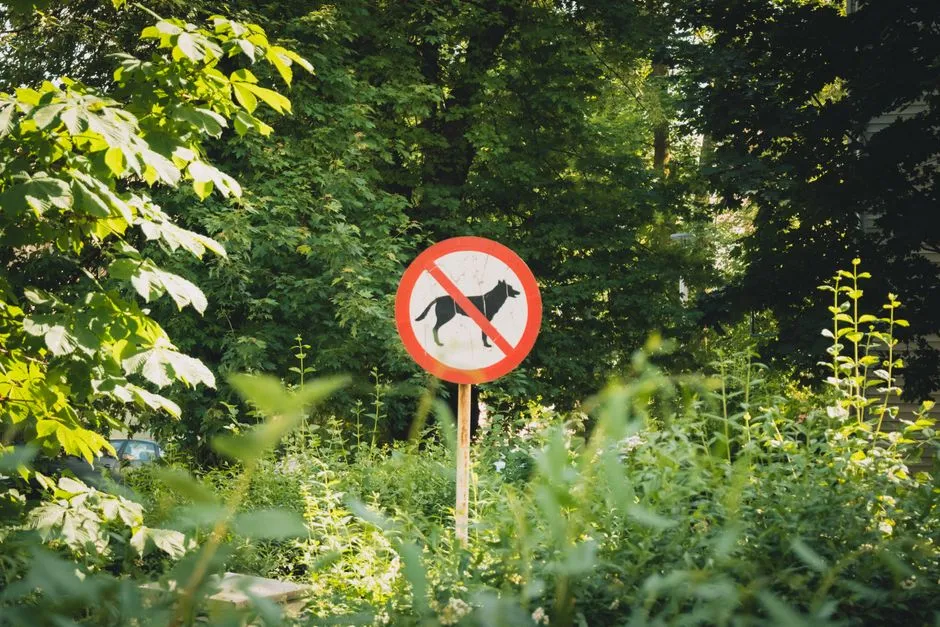
Most restaurants allow dogs inside, with “no dogs allowed” signs appearing only occasionally, most often on small bars or bakeries. Travelers who bring dogs to Italy typically report a level of easy acceptance that feels remarkable compared to their home countries. Some establishments even provide water bowls, treats, or dog menus.
Bowls are set outside almost every single restaurant and shop, and in the summer it is common that dogs will be offered water before their humans. That small detail says more about Italian dog culture than any law could. Hospitality, in Italy, extends naturally to whoever walks through the door.
How the Café Culture Plays a Role
Italian daily life is built around short, frequent stops: a morning espresso at the bar, a quick errand at the pharmacy, a stop at the butcher on the way home. These aren’t long, planned outings where a dog could be left at home. They are woven into the rhythm of the day.
The Italian embracement of having your dog join you on errands doesn’t end after morning coffee. Whether meeting friends for aperitivo or going out to dinner, it is rare for the dog not to be right there alongside its owner. When your daily social life happens in public spaces many times a day, leaving the dog home every single time simply isn’t how things work.
The Pet Industry Reflects This Deep Connection

Data from Assalco shows that the Italian pet industry is approaching €3 billion in yearly sales. The biggest contributors are cat and dog food and snack products, totaling €2.76 billion in sales, a 15% increase compared to 2021. A market of that scale doesn’t develop unless animals are genuinely central to daily life.
In 2025, Italian households owned an average of 1.2 dogs, and more than 15% of dog-owning households had multiple dogs. These aren’t households that keep a dog at arm’s length. They are households where the dog participates fully in domestic and social life, including the parts that happen outside the front door.
Italy’s Standing as Europe’s Most Dog-Friendly Country

Italy ranks first for being the most dog-friendly country in Europe, based on animal protection laws, the number of vets, and the availability of pet-friendly hotels and restaurants. That ranking reflects not one factor but a whole ecosystem of legal, commercial, and cultural elements working together.
Around 40% of Italian households own pets, dogs are welcome in most cafes and restaurants, and you’ll see them everywhere from shops to public transport. The consistency across so many different contexts is what makes Italy genuinely stand out. Dog-friendliness here isn’t a marketing tag applied to select venues. It is simply how things are.
The Takeaway
Italy’s openness to dogs in shops and restaurants isn’t a policy decision that someone made. It is the cumulative expression of how Italians understand their relationship with animals: close, respectful, familial, and woven into the ordinary texture of daily life. The laws reinforce it, the market reflects it, and the culture sustains it.
For visitors, the experience can feel like discovering something quietly radical. Dogs sitting under tables at dinner, waited on by attentive staff, completely at ease. It’s a small but telling reminder that how we treat animals in public spaces says something real about the kind of society we’ve built.
AI Disclaimer: This article was created with the assistance of AI tools and reviewed by a human editor.