

Britain’s Dog Population Has Never Been Bigger
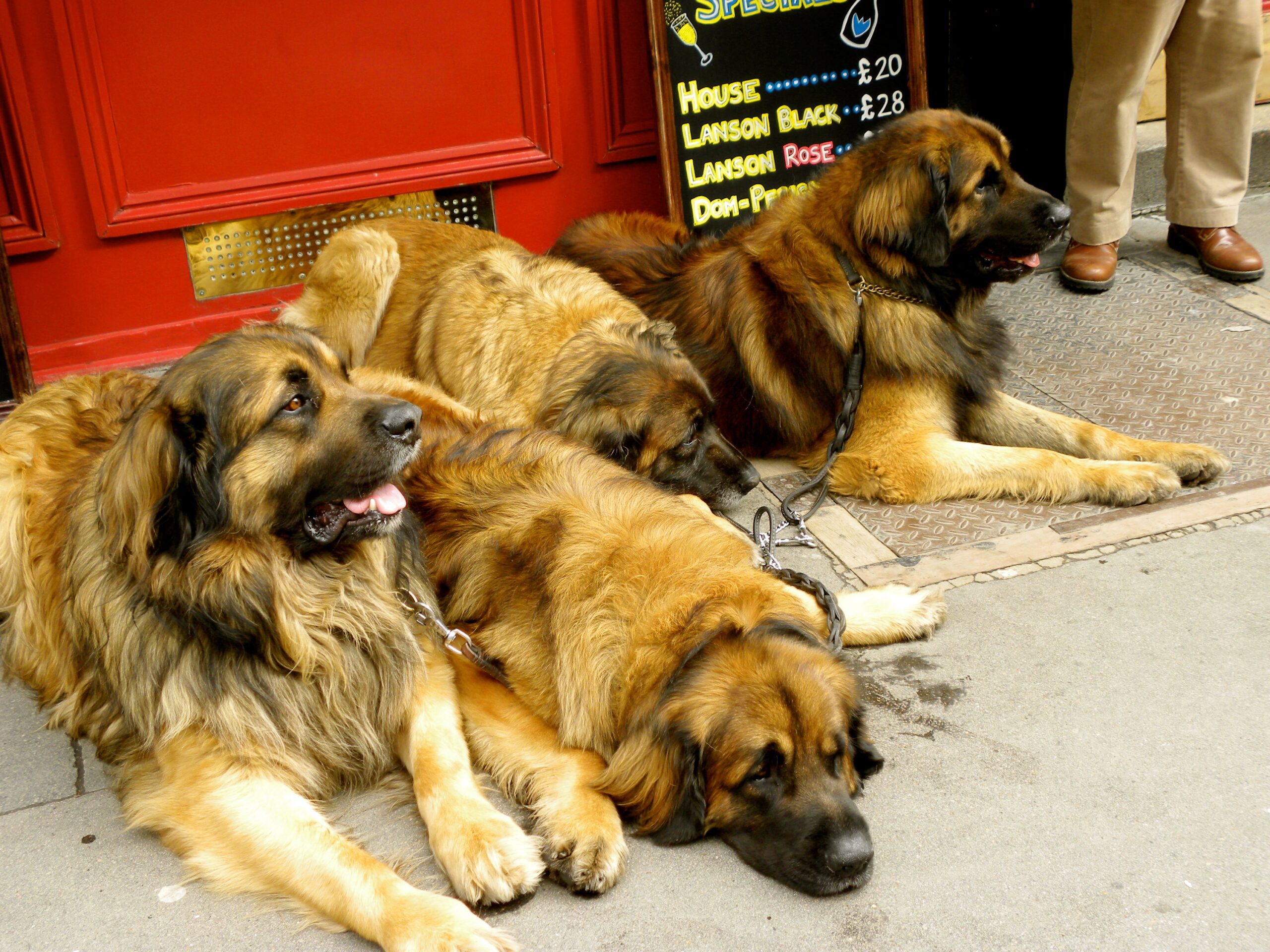
The sheer number of dogs in the UK goes a long way toward explaining why pubs have adapted. There are approximately 13.5 million dogs as pets in the UK, with roughly a third of all households owning at least one dog. That’s a vast and visible constituency of pet owners who want to go about their daily lives, including visiting the pub, with their animals.
Pet ownership levels peaked to an unprecedented high during the pandemic years, likely as a result of increased time spent at home. London felt that surge keenly. Since the COVID pandemic began, an estimated 3.2 million UK households have acquired a new pet. Many of those pets are dogs, and many of those owners live in urban neighborhoods within walking distance of a local pub.
London’s Pub Scene Is Unusually Dog-Friendly by Global Standards
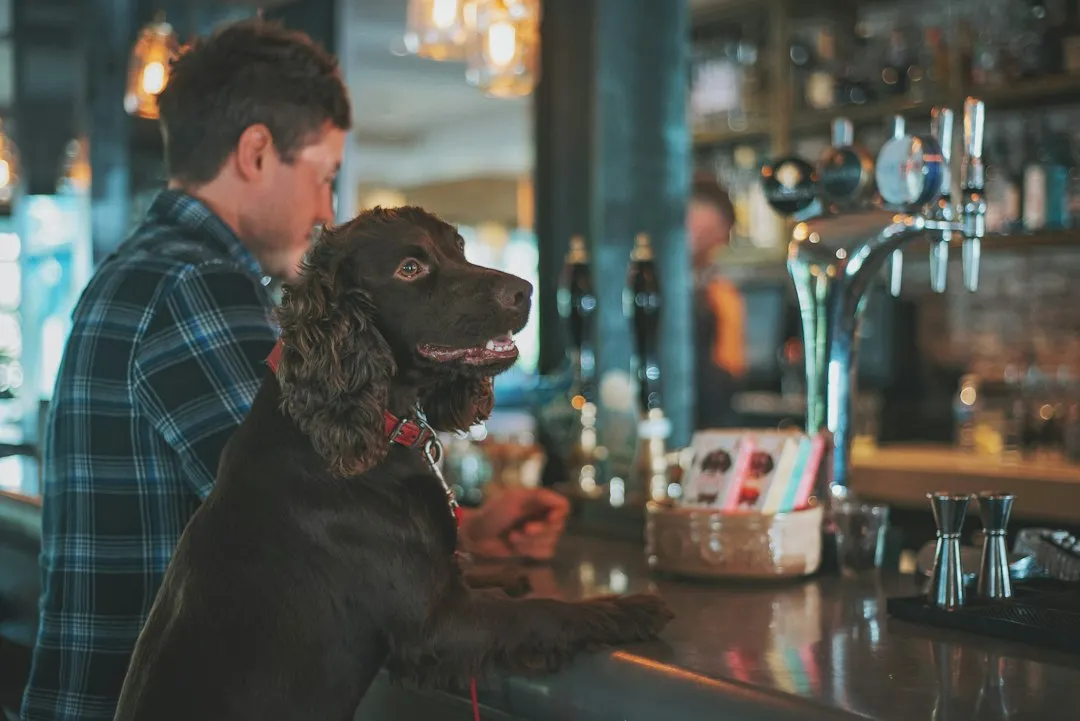
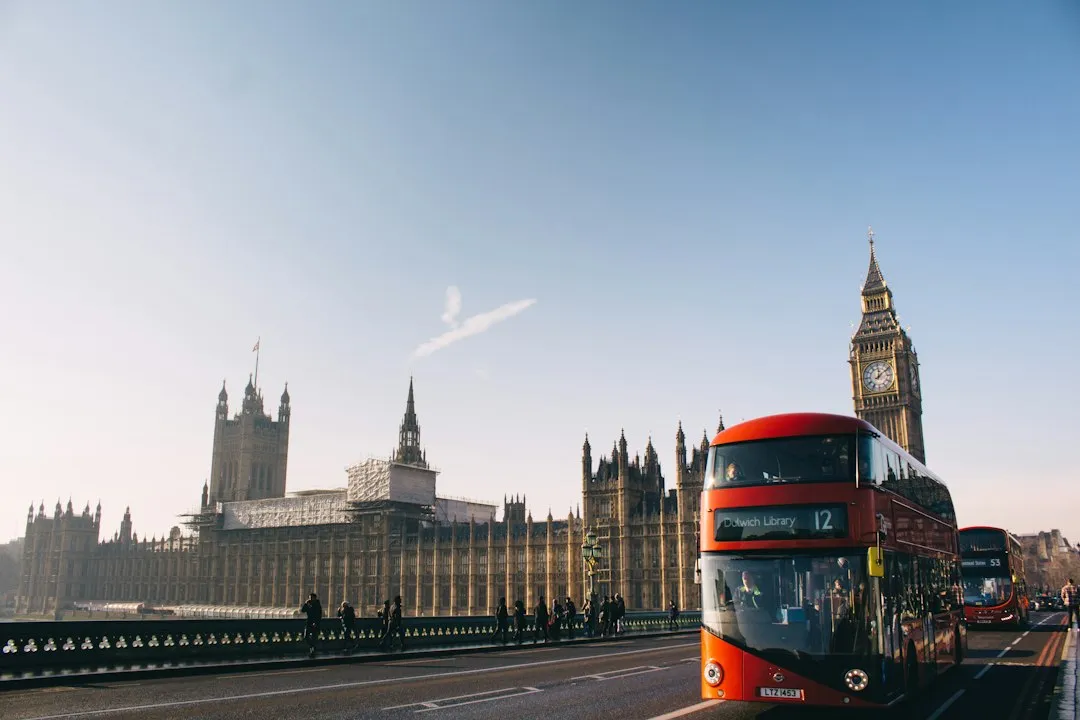
London’s pub scene is unusually friendly to dogs even by UK standards. Almost all traditional pubs welcome dogs in bar areas, and many keep treats and water bowls behind the bar as standard. This sets it apart from most major European cities, where dogs are often restricted to outdoor terraces.
Unlike many European countries where dogs are relegated to terraces, UK pubs typically roll out the red carpet for four-legged friends throughout the entire venue, including the bar, restaurant, and snug. For a city as cosmopolitan as London, this is a genuinely distinctive cultural trait. It has less to do with policy and more to do with habit built up across generations.
History and Architecture Play Their Part
Britain’s dog-friendly pub culture stems from a combination of historical architecture, where many pubs have large inglenook fireplaces where dogs would historically curl up, a deeply ingrained pub culture that treats the local as a community hub, and a population that genuinely loves dogs. The physical spaces of older London pubs were never designed to exclude animals.
Beer and dogs have had a long association in Britain. Many establishments reflect the partnership between man and dog in their pub names, from “The Dog and Gun” to “The Hare and Hounds” to “The Talbot.” These aren’t just marketing choices. They reflect a centuries-old understanding that the working dog and the local pub belonged to the same world.
It Makes Commercial Sense for Landlords
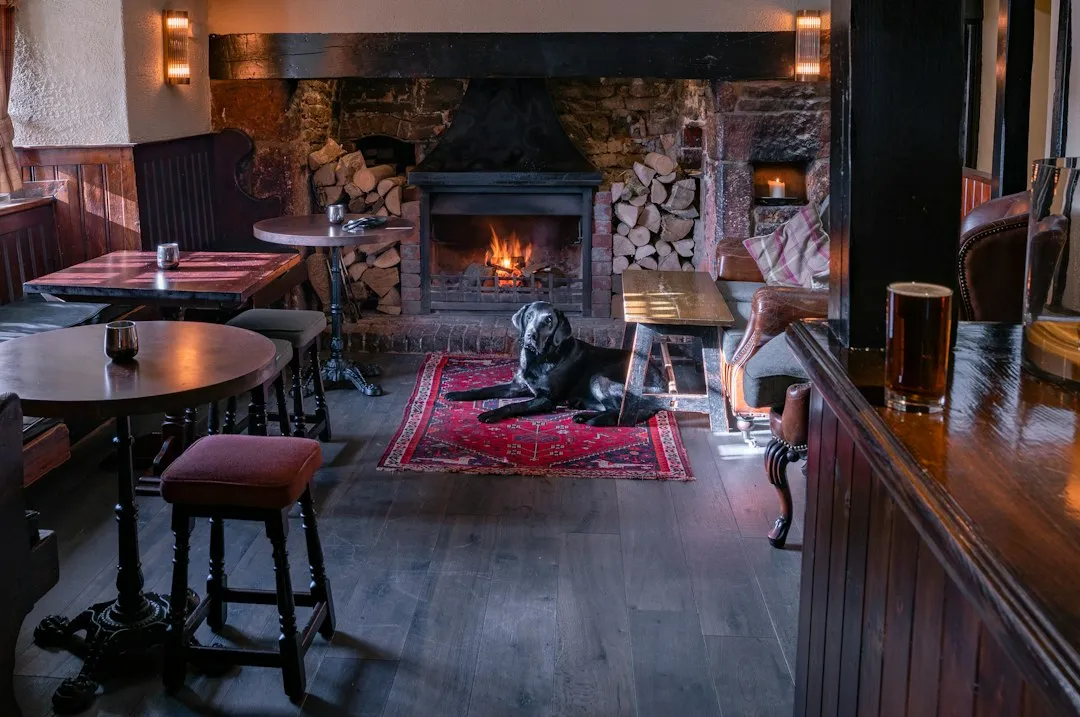
Pub landlords are not sentimental about this. Welcoming dogs is good for business, full stop. Almost all pub owners surveyed, around 98 percent, believe that a dog-friendly policy will improve their business. That’s a striking degree of consensus among people who understand their customers.
Pubs that let dogs in score an average of 4.26 stars in customer reviews, which is roughly 3.1 percent higher than the 4.13 stars managed by pubs that don’t allow dogs. A slight difference in ratings matters enormously in a competitive hospitality market. Dog-friendly venues attract not just dog owners but also their friends, families, and regular companions who appreciate a relaxed atmosphere.
London’s Infrastructure Supports Dog-Inclusive Outings
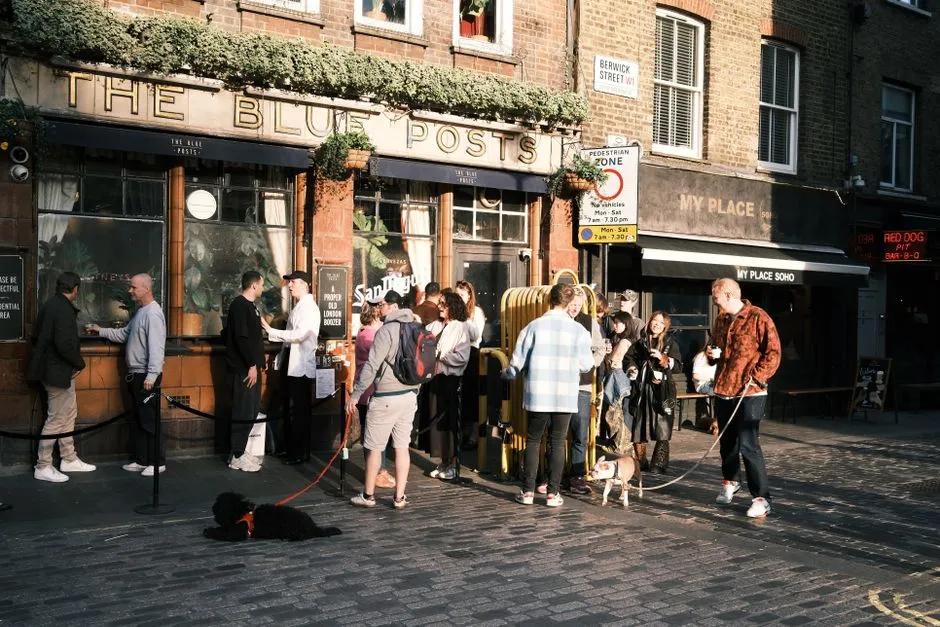
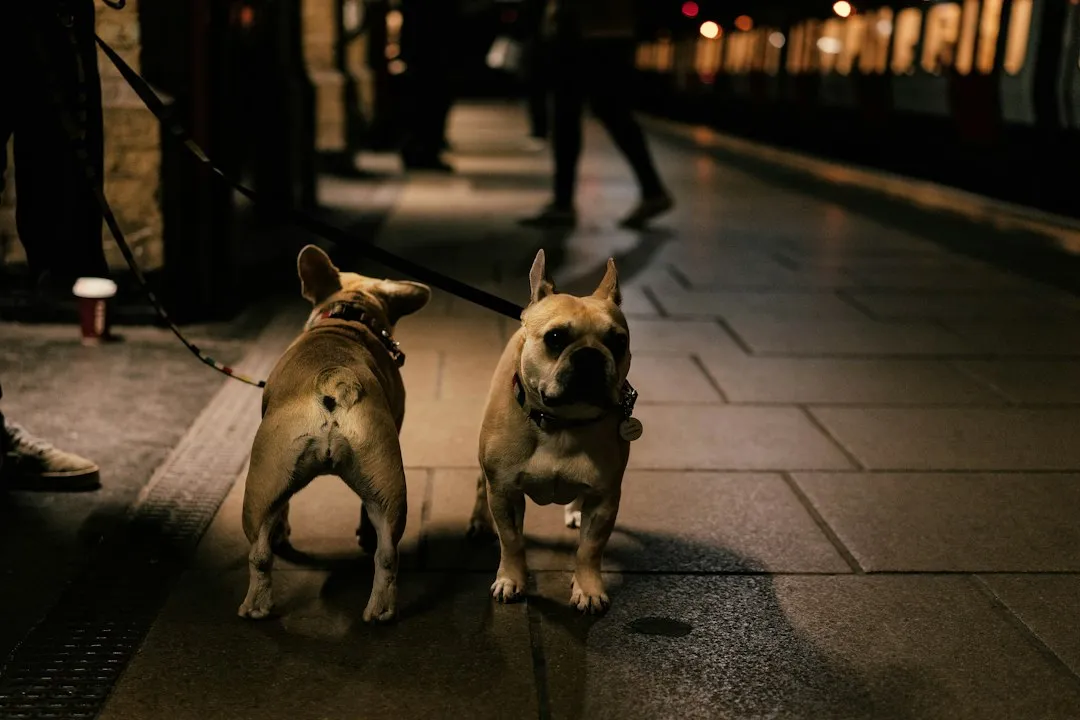
Part of why pub visits with dogs work so naturally in London is that the rest of the city accommodates the same idea. All eight Royal Parks, including Hyde, Regent’s, Greenwich, and Richmond, welcome dogs off-lead in most areas. Dogs also travel free on every Transport for London service, from the Tube to the Elizabeth line. A dog walk that ends at the pub is a seamless outing, not a logistical puzzle.
This infrastructure normalizes bringing dogs into social spaces. When a dog has traveled on the Underground without incident and roamed freely through a Royal Park, stopping into a pub feels like a natural continuation of the same day. The pub becomes the final, convivial stop on a very London kind of afternoon.
The Data Behind London’s Dog-Friendly Venues
The scale of dog-friendly provision in London is genuinely substantial. There are at least 134 verified dog-friendly pubs in London, of which 73 allow dogs inside rather than only at outdoor tables. That’s a meaningful number for a city where indoor access is particularly important given the reliability of English weather.
Across the UK as a whole, there are approximately 7,779 dog-welcoming venues, meaning most people are never far from a pub that will welcome their dog. London, as the country’s densest urban pub network, contributes significantly to that figure. London’s pubs, forming the densest urban pub network in the UK, are overwhelmingly dog-welcoming in bar areas, with growing numbers offering dog menus, water bowls, and treats.
Pub Groups Have Made Dog-Friendliness a Formal Policy
Several major pub groups have moved well beyond informal tolerance. Young’s pubs operate a group-wide dog-friendly policy where dog-welcoming rooms come with a bed or blanket, a bowl, and treats, and there is even an optional VIPup package at £25 a night for up to two dogs. That kind of formalized offering signals genuine investment, not just reluctant permission.
When a pub group codifies dog hospitality into its brand identity, it shifts the entire conversation. Other venues pay attention. What begins as a competitive differentiator can become a sector-wide expectation, and that’s broadly what has happened in London’s pub culture over the past decade.
Dogs Have Become Genuinely Social Regulars
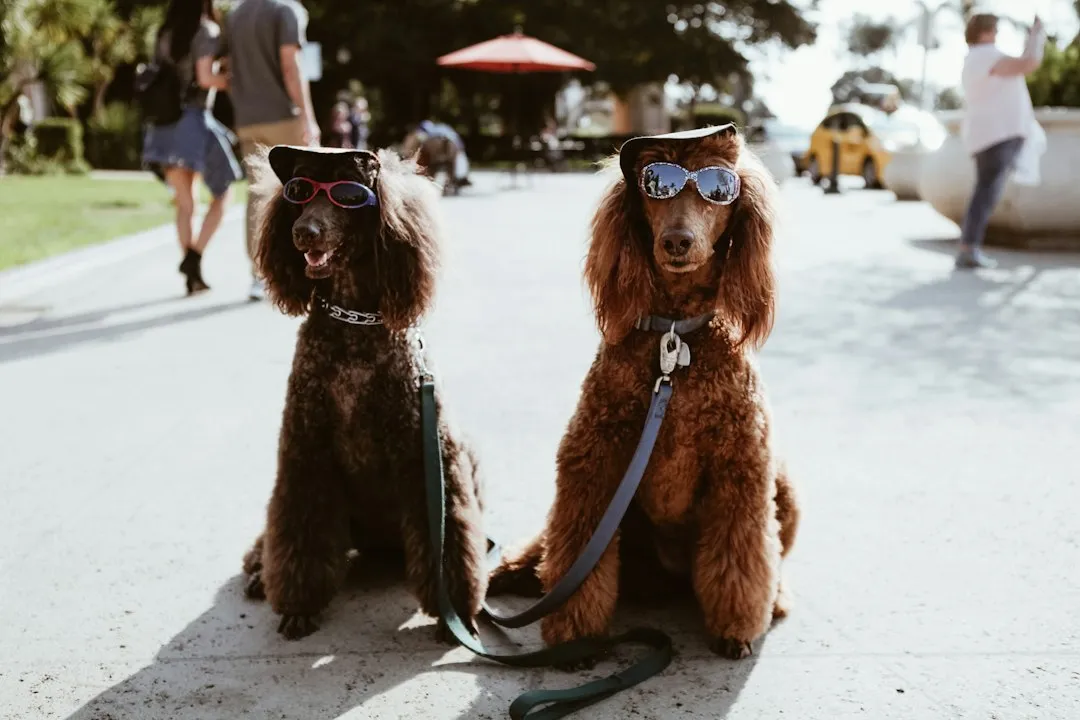
There’s a softer truth at the heart of all this: dogs are simply well-known at their local pubs. A survey of 2,000 dog owners conducted in May 2026 found that nearly half said their dog was on first-name terms with staff at their local pub. Around 44 percent said their dog was known by the landlord, while 43 percent said their pet was recognized by other regulars.
These aren’t numbers about animals being tolerated. They’re numbers about dogs being welcomed as part of the fabric of a regular local. The pub dog has become a community fixture, recognized and known by name, which says something meaningful about how deeply dogs have woven themselves into London’s social life.
The 2026 Dog-Friendly Pub Awards Reflect the Trend
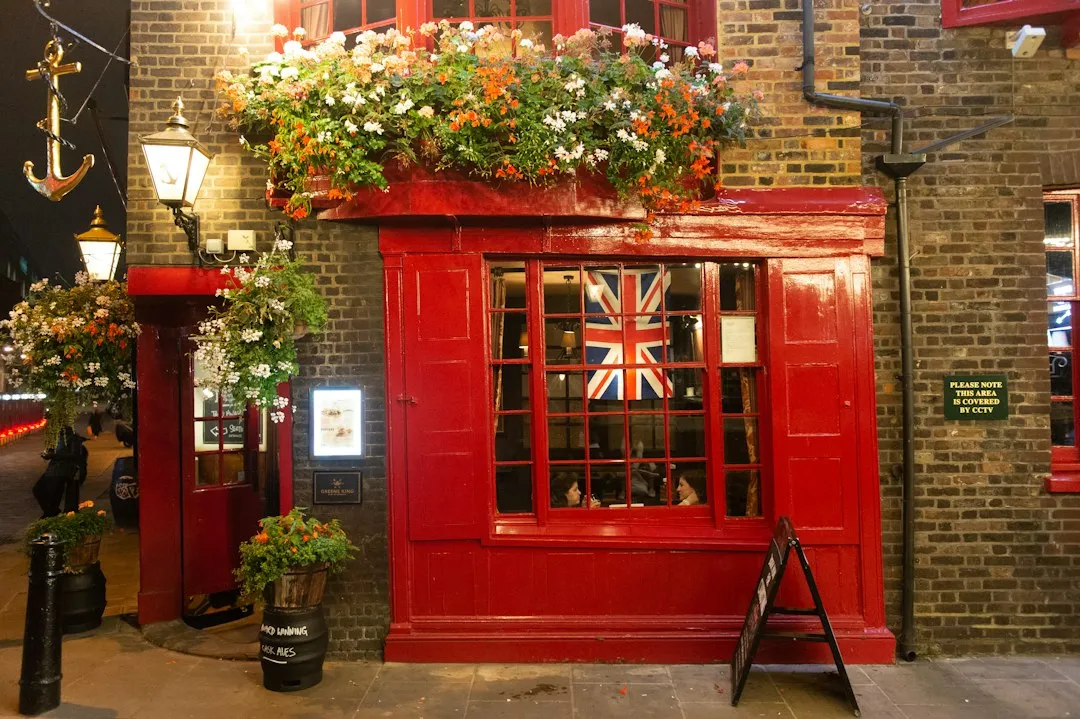
Recognition of dog-friendly excellence has become formalized enough to attract its own competitions. Rover’s Tavern Testers and their four-legged companions visited 110 pubs around the country to find the places offering the best experience for dogs and their owners. The criteria were detailed and specific.
Pubs were assessed on everything from how easy it was to visit with a dog to the welcome received once inside, with judges considering booking systems, accessibility for dogs, atmosphere, communication from staff, facilities, pet safety, and the overall experience. The Foxglove on Liverpool Road in Islington came out on top for London, with Rover officially naming it the capital’s regional winner for 2026.
The Hospitality Industry Now Treats Dogs as Guests, Not Exceptions

The language around dogs in pubs has shifted noticeably. Venues no longer simply “allow” dogs. They describe themselves as dog-obsessed, they stock dedicated dog snacks, they offer dedicated menus, and some even create a signature “dogtail” cocktail (non-alcoholic, of course) for visiting animals. Pub establishments are not just dog-friendly, but are increasingly catering to the canine palate.
Hospitality hotels in London have followed a similar trajectory. Some venues run canine packages complete with personalised welcome amenities, while others have dedicated pet-friendly rooms. The pub is simply the most accessible and democratic expression of the same instinct: dogs are guests, not problems to be managed.
The Bigger Picture: A City That Has Made Room for Dogs
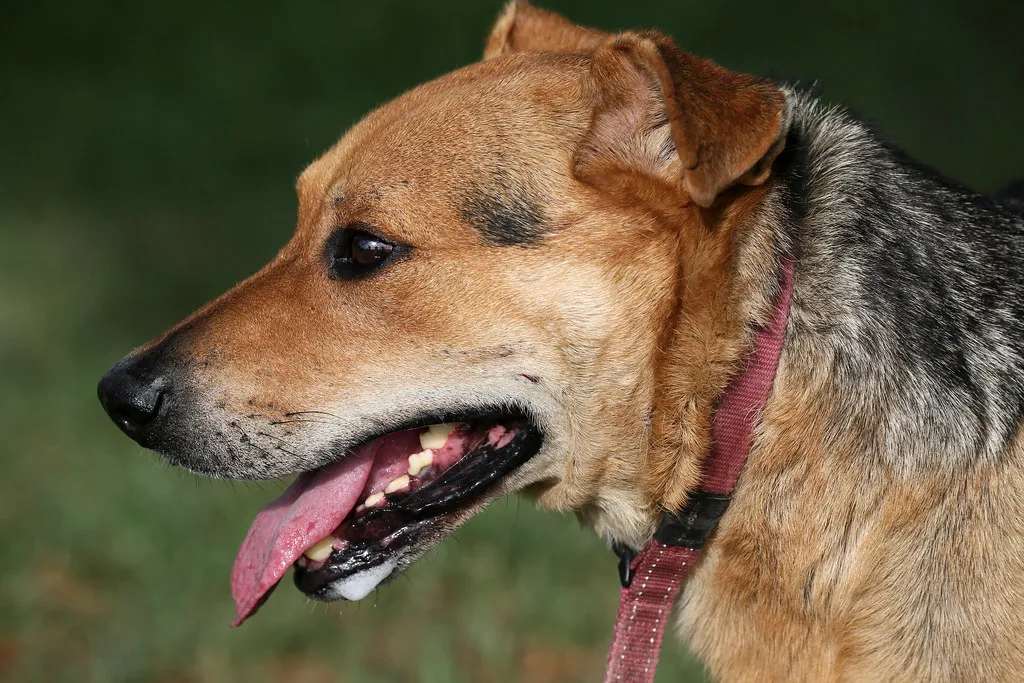
Research suggests dogs are increasingly becoming familiar faces at Britain’s pubs. In London, this trend reflects something broader than pub culture alone. It speaks to a city that has genuinely made room for dogs in its daily rhythms, from the parks to the transport network to the local bar on a Friday evening.
The reasons are overlapping and mutually reinforcing: historical architecture that was never hostile to animals, a booming dog population, commercial incentives for landlords, and a culture that treats a trip to the pub as a community activity rather than a formal dining event. None of these factors works in isolation. Together, they’ve produced something rather distinctive: a major world city where you can bring your dog to the pub, sit by the fire, and expect a warm welcome for both of you.
That’s not a small thing. In most places, it simply doesn’t exist. In London, it’s Tuesday.
AI Disclaimer: This article was created with the assistance of AI tools and reviewed by a human editor.