


There’s a common belief that travel means throwing all structure out the window. No alarm clocks, no fixed mealtimes, no morning rituals – just pure spontaneity. It sounds freeing, and for a few days, it often is.
The reality, though, is more interesting. A growing body of research suggests that certain rhythms and personal habits, kept alive even while you’re on the road, don’t restrict your experience. They may actually open it up. Here’s a closer look at why that’s true.
The Paradox of Pure Spontaneity
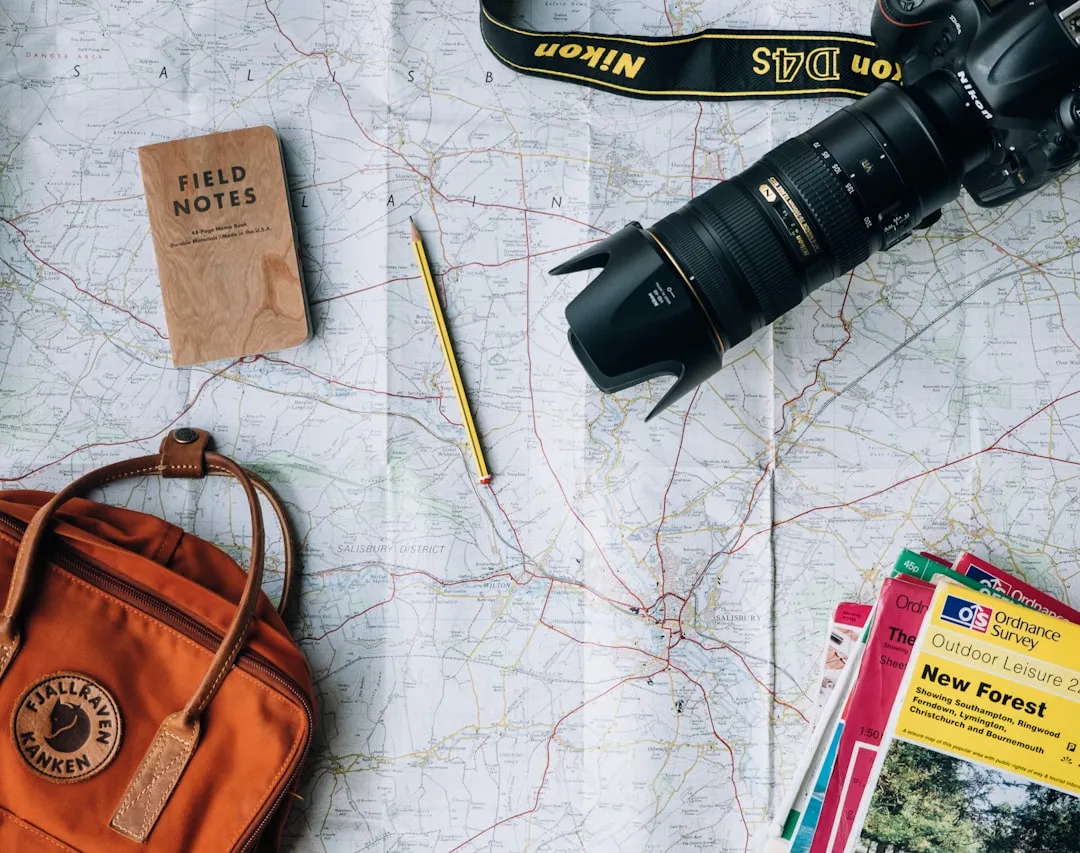
Escape motivation is consistently cited as a primary driver of travel – the need to create psychological distance from daily routines, obligations, and identity. That pull is completely real. Still, completely abandoning every rhythm you know doesn’t necessarily produce the richness people are chasing.
Escape alone doesn’t fully explain behavior. Paired with it almost universally is seeking – people escape from something, but they also travel toward something specific. When you have no anchor at all, it becomes harder to be present enough to notice what you’ve traveled toward.
Routine isn’t the enemy of discovery. It can be the quiet framework that makes discovery possible in the first place.
Sleep Consistency Is the Foundation of Any Great Trip

Sleep quality and tourist experience tend to be mutually influential – in general, good sleep leads to a satisfactory tourist experience. This seems obvious until you realize how many travelers systematically destroy their sleep schedules in the name of doing more.
Circadian rhythm theory focuses on the importance of biological clocks in regulating sleep-wake cycles and their impact on cognitive performance. Circadian rhythms govern numerous physiological processes, including hormone release, body temperature, and alertness. Disruptions in circadian rhythms, often caused by irregular sleep patterns or environmental influences, can lead to a misalignment between optimal cognitive performance periods.
Sleep is the foundation of any great vacation. Whether you spend your days unwinding at the spa or exploring city streets, those precious hours of rest shape your entire experience. Protecting a consistent sleep window, even in a different time zone, pays dividends you’ll feel in every waking hour.
A Morning Anchor Changes How You Process the Day

Evidence shows that circadian-aligned morning routines support cognitive performance and mood regulation by stabilizing sleep-wake rhythms and neurobiological processes. Carrying a lightweight version of your morning practice – whether that’s a short walk, coffee in silence, or a few minutes of journaling – can stabilize your mood for the hours ahead.
Key behaviors such as consistent wake-up times, physical activity, hydration, and mindfulness work synergistically to improve daily mental and emotional functioning. You don’t need your full home setup to benefit. The version that fits in a carry-on is enough.
There’s something worth noting about starting a travel day with intention rather than chaos. A quiet hour before the city wakes up – with coffee you actually taste – often produces more vivid memories than the rushed sprint to catch the next attraction.
Routine Lowers Cognitive Load, Freeing You for What Matters

Travel breaks the cycle of rumination – the repetitive negative thought patterns often associated with depression. By forcing the brain to engage with new environments and sensory inputs, travel boosts dopamine and serotonin levels. That neurological benefit is amplified, not reduced, when you’re not burning mental energy on basic logistics every single morning.
When you already know where you’ll have breakfast, what time you’ll head out, and roughly how the morning flows, your brain gets to spend its limited decision-making capacity on what’s actually in front of you. The street, the market, the stranger you started talking to.
The stressful parts of travel – like navigating a delayed flight or finding your way through a foreign transit system – are actually good for your cognitive health. These moments force us to practice problem-solving and emotional regulation in real-time. Routine buffers the noise so those genuinely useful challenges still land, without overwhelming you.
Slow Travel and Intentional Rhythms Go Hand in Hand

Unlike traditional travel, which often prioritizes speed and efficiency, slow tourism focuses on meaningful experiences, local connections, and a deeper appreciation for the places you visit. Routine is essentially the practical infrastructure of slow travel. They reinforce each other.
Slow tourism demonstrates that by mindfully decelerating our pace, we can actually advance toward our sustainability goals – and toward richer personal experiences. This mental and emotional deceleration is increasingly recognized as crucial for personal well-being and sustainable tourism practices.
While others might rush through ten attractions in two days, slow tourists might linger in a single location, savoring every moment. It’s not about doing less – it’s about doing things better, with intention and care. Routine is what makes that intention operational.
The Anticipation Effect: Planned Habits Enhance the Whole Trip
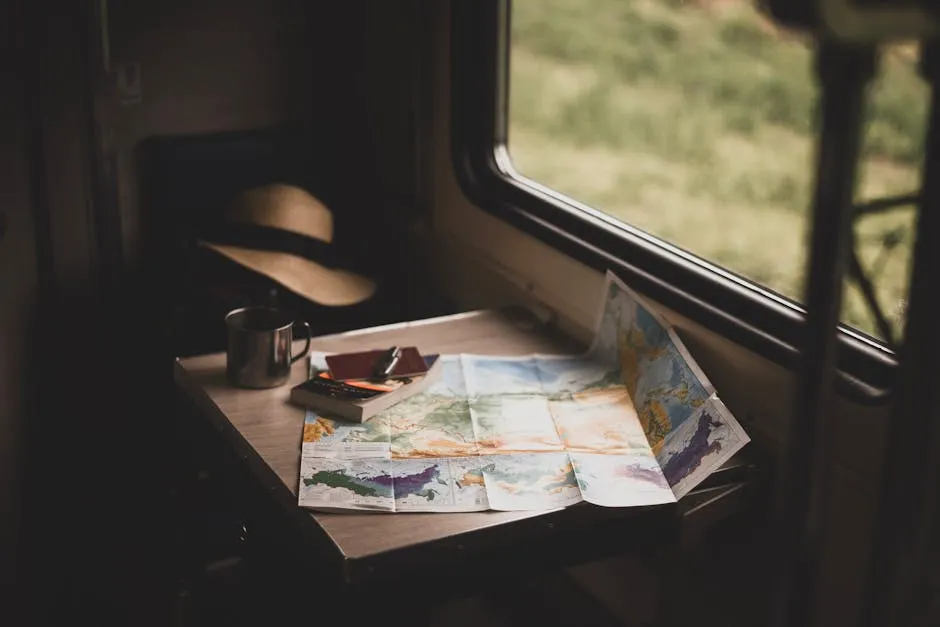
The anticipation of a trip alone produces measurable increases in positive affect. Some research suggests the planning phase generates as much wellbeing as the trip itself. This same psychological mechanism applies to routines you build into the trip.
Knowing you’ll walk to the same bakery each morning, or that evenings end with a slow dinner rather than frantic sightseeing, creates something to look forward to within the trip itself. It layers the experience with texture that pure unstructured time rarely provides.
Pre-trip planning is a psychologically active phase – not just logistical preparation. Anticipation generates genuine wellbeing, and research suggests it can rival the wellbeing generated by the trip itself. Embedding micro-rituals into your travel plans extends that positive effect across the entire journey.
Wellness Tourism Is Growing Precisely Because Travelers Want Structure
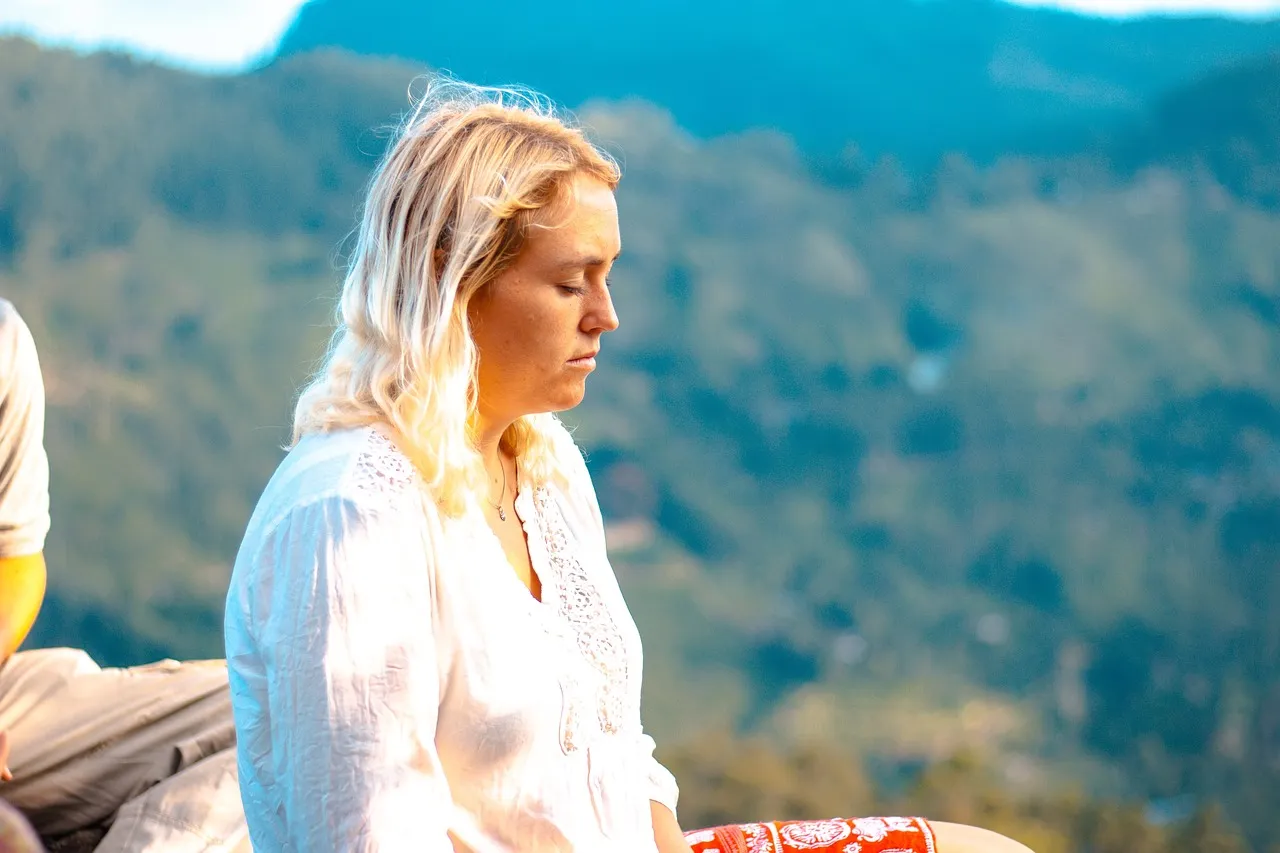
The wellness tourism market reached a staggering $894 billion in 2024. That’s not people fleeing routine – that’s people deliberately seeking a better version of it while away from home. This includes those whose entire trip is motivated by wellness, like a yoga retreat, and those who simply want to stay healthy while traveling for business or family.
Heading into recent travel seasons, travelers have been shifting away from adrenaline-fueled, fast-paced itineraries and increasingly looking for experiences that restore and revitalize. People want their trips to do more than tick items off their bucket list. They’re looking for deep rest, personal growth, and deeper connections with the places they visit.
That shift is cultural and it’s real. The most sought-after travel experiences right now aren’t the most chaotic. They’re the most considered.
Local Routines Become a Gateway Into Local Culture

One of the quieter benefits of building routine on the road is that it tends to pull you toward the rhythms of local life. When you go to the same corner café three mornings in a row, you start noticing who else comes in, how the staff talks to each other, what the neighborhood actually sounds like before tourists arrive.
Through meaningful interactions with local communities and immersive experiences in unfamiliar settings, cultural travel not only broadens our knowledge but also promotes mutual understanding and tolerance. That immersion rarely happens during a packed day-tour. It happens in the repeated, unhurried moments.
Spending more time in fewer places and fully immersing yourself in their culture and rhythms, engaging with locals, savoring regional cuisines, and participating in authentic experiences – all of this requires time and repetition, not just presence. Routine gives you both.
Psychological Resilience During Travel Is Built, Not Assumed

Psychological resilience can be defined as a personal resource used by individuals to maintain their well-being and adapt during stressful events. Of the psychological resources considered in broaden-and-build theory, resilience is a known driver of several positive outcomes, such as wellbeing and life satisfaction.
Travel can potentially provide different and enriching experiences that broaden individuals’ mindsets through positive emotions and improved wellbeing, suggesting that increased leisure travel could enhance quality of life. Routine, in this context, acts as an emotional base camp – a stable point from which you can take on the unfamiliar without depleting your reserves.
Breaking a routine fosters adaptability. When things don’t go according to plan, we build self-confidence by proving to ourselves that we can handle the unexpected. Routines make that contrast meaningful. Without any anchor, every moment is equally destabilizing.
Memorable Experiences Require Enough Clarity to Actually Register Them

Memorable tourism is considered an effective psychological intervention, helping individuals attain psychological growth and life meaning. The operative word here is memorable. A blur of overstimulation and sleep deprivation rarely produces strong, lasting memories – even if the itinerary looked impressive on paper.
Surveys show that the vast majority of travelers – nearly all, in fact – believe travel is good for their mental health. That benefit depends on quality of attention. You can be somewhere extraordinary and barely register it because you’re running on fumes and decision fatigue.
Experiences that are mindful can be considered meaningful – tourists are able to have a deeper understanding and appreciation of their experiences. Routine creates the conditions for that mindfulness to exist. It clears enough cognitive space for the experience to actually land.
Conclusion

The case for keeping some structure on the road isn’t about squeezing productivity out of your vacation. It’s about getting more out of where you are. A consistent sleep window, a quiet morning practice, a few reliable anchors in each day – these aren’t constraints. They’re the conditions under which attention deepens and places become real to you.
The research points in a clear direction: travelers who prioritize rest, rhythm, and intentional pacing tend to come home with richer experiences and stronger memories than those who simply packed the most in. That’s worth considering the next time you plan a trip.
Structure and freedom aren’t opposites on the road. Used well, one quietly enables the other.
AI Disclaimer: This article was created with the assistance of AI tools and reviewed by a human editor.