
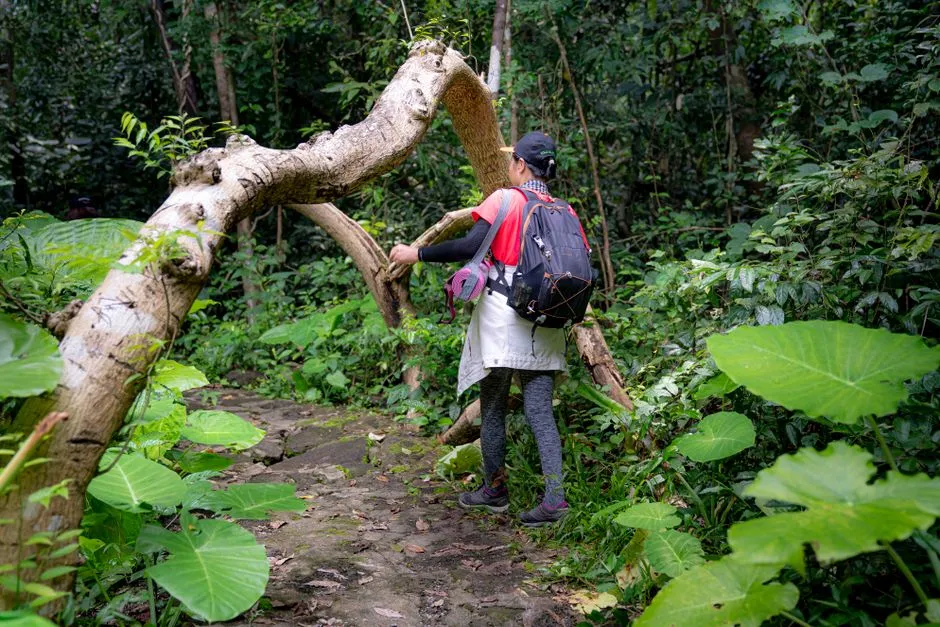

There’s something quietly magnetic about the idea of sleeping inside a forest that has stood for millions of years. No traffic, no city hum, just the percussion of rain on a canopy overhead and the distant call of something wild. For a growing number of travelers in 2026, that isn’t a fantasy. It’s a booked trip.
Tiny rainforest eco-lodges have moved from niche curiosity to genuine travel phenomenon. Glamping and eco-lodges have seen a remarkable increase of over two and a half times in bookings since 2019, with average daily rates climbing by roughly two fifths as demand outpaces supply. The word is spreading fast, and the reasons are more layered than you might expect.
A Market That’s Growing at a Pace Hard to Ignore
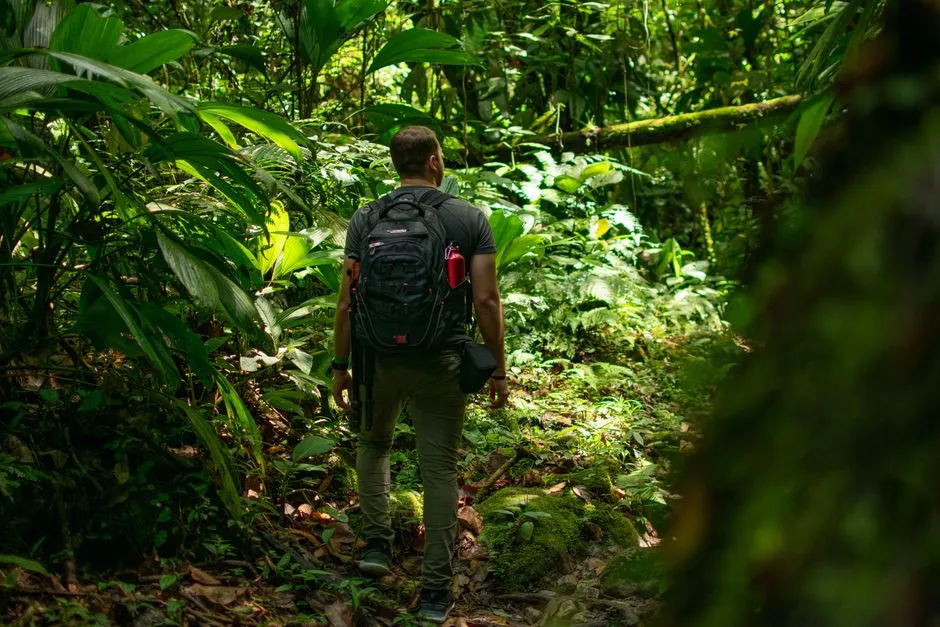
The numbers behind ecotourism’s rise are striking. The global ecotourism market was projected to grow to approximately $279 billion in 2025, an increase of over thirteen percent from the year prior. That kind of consistent momentum signals more than a travel fad.
The accommodation type segment within the ecotourism market is rapidly expanding, and eco-lodges are anticipated to play a significant role, leveraging their sustainable practices to attract eco-aware travelers. That means operators who get the model right are sitting on something with real staying power.
Eco-lodges are expected to capture a dominant portion of the ecotourism market share by 2026, providing sustainable accommodation options designed to minimize environmental impact while offering tourists comfortable, nature-integrated stays popular among travelers seeking environmentally responsible lodging with immersive experiences.
What Actually Makes a Rainforest Eco-Lodge Different
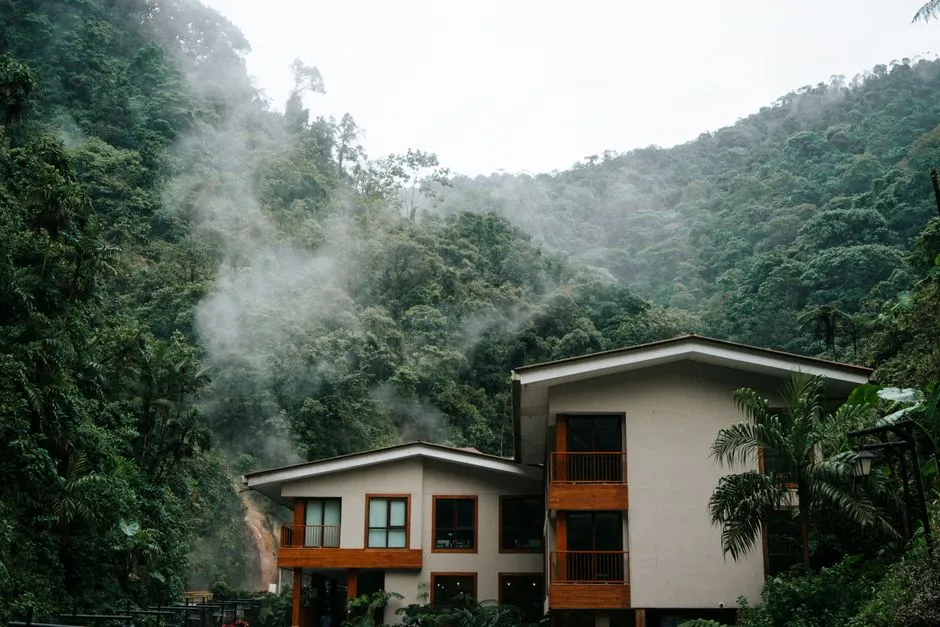
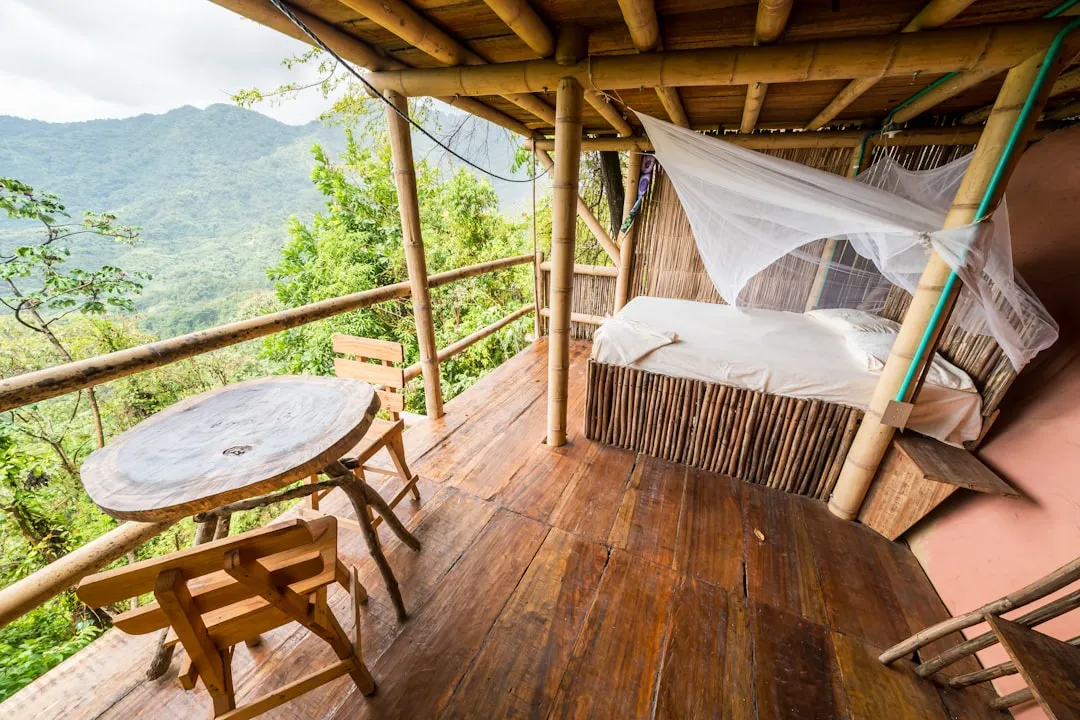
An eco-lodge is a form of accommodation that prioritizes sustainable practices to reduce environmental impact while offering immersive cultural and nature-focused experiences, often located in remote, scenic natural settings like forests, jungles, or mountains, designed to harmonize with their surroundings, with key features including eco-friendly building practices, conservation of resources, and support for local communities and economies.
That last part matters. These lodges aren’t just places to sleep surrounded by trees. Many also educate guests on sustainable tourism, local wildlife, and ecosystems, often allowing them to participate in community or conservation efforts. The experience is active, not passive.
The new generation of luxury eco-lodges offers exquisite stays that are truly regenerative, where a booking directly supports the conservation and community programs that protect the forest around the guest. That sense of contribution is part of what travelers are paying for, and genuinely valuing.
The Traveler Shift Driving All of This
A sizeable majority of travelers say that traveling more sustainably is important to them, and over half of global travelers say they are looking for accommodation that combines comfort with innovative sustainability features. The demand is broad, not niche.
Ecotourism continues to gain traction globally, driven by rising environmental awareness and ethical travel practices, with tourists increasingly seeking immersive experiences that align with their values, creating new opportunities for destinations that embrace sustainability.
Three quarters of travelers in 2024 said they planned to travel more sustainably over the next year, and more than half wanted to reduce their energy consumption on upcoming trips. The rainforest eco-lodge, tucked quietly in the canopy, sits right at the intersection of all those intentions.
Conservation That Actually Works
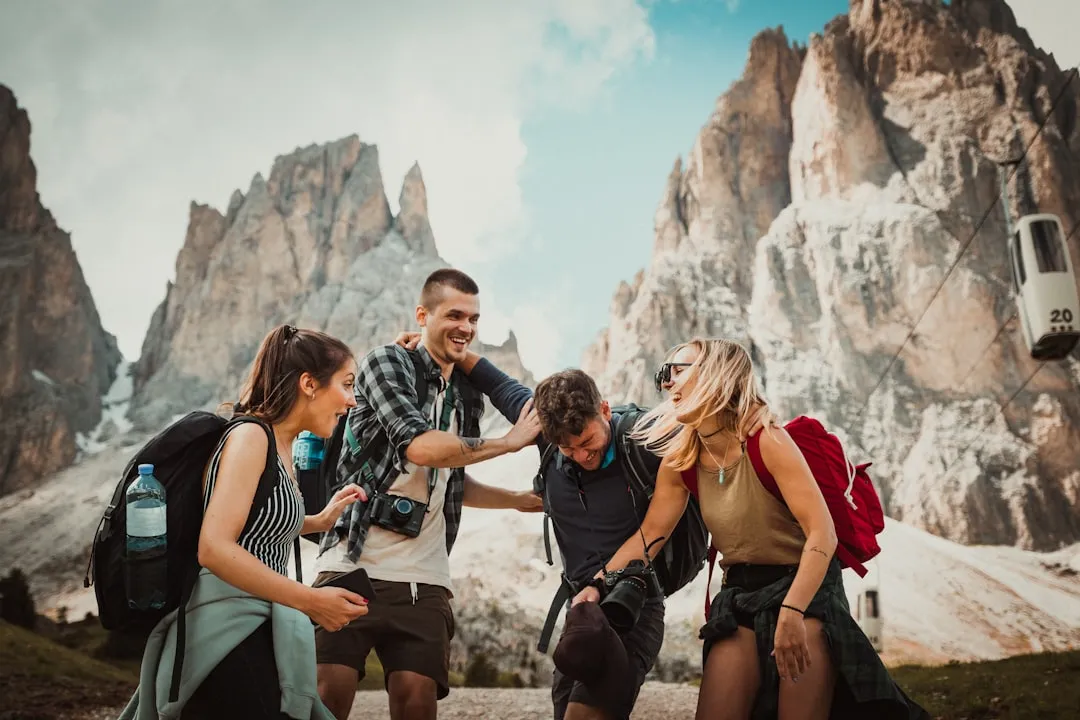
One of the most persuasive arguments for these properties isn’t the comfort. It’s the impact. Sustainable tourism and regenerative tourism projects protect approximately twelve million hectares of forests globally, sequestering an estimated 5.9 million tons of CO2 annually, which is equivalent to taking roughly 1.3 million cars off the road.
Ecotourism is credited with helping to preserve over one million acres of rainforest across Latin America, and ecotourism activities have increased wildlife populations in protected areas by fourteen percent over a ten-year period. Those aren’t minor footnotes. They’re the core justification for the entire model.
Protected areas supported by ecotourism store around fifteen percent of the world’s terrestrial carbon stock, making them crucial carbon sinks. A stay at a responsible rainforest lodge is, in a measurable sense, a contribution to keeping those carbon stores intact.
Costa Rica: The Gold Standard for Rainforest Eco-Lodging
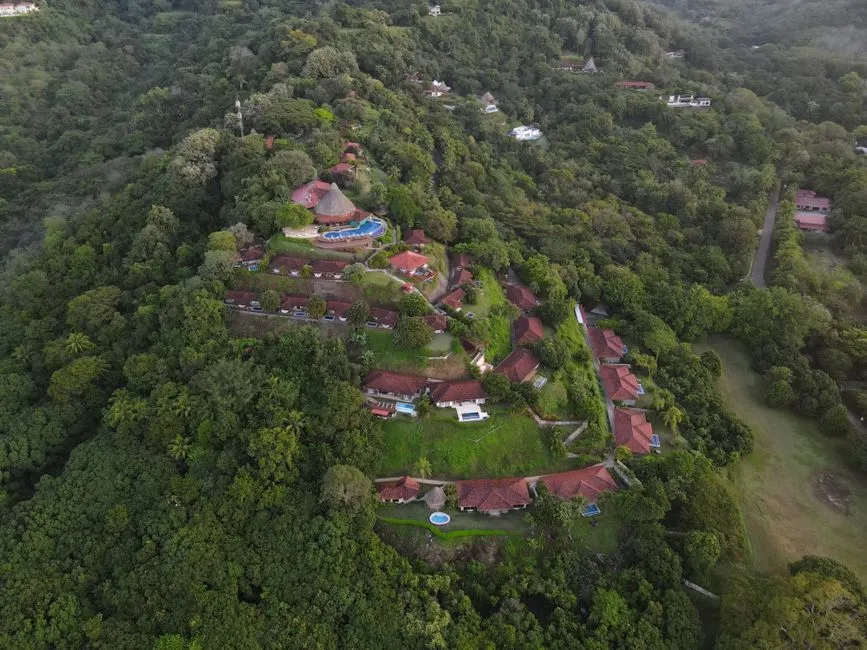
Costa Rica is a pioneer in ecotourism, with initiatives that combine environmental preservation and community empowerment, and the country’s extensive network of national parks, renewable energy programs, and eco-lodges serve as a model for sustainable travel.
Costa Rica leads the Americas in ecolodge density, with over 300 certified sustainable lodges across the country, and their occupancy rates average around eighty-five percent during peak season, compared to seventy-five percent for traditional hotels. That gap in occupancy isn’t accidental.
Costa Rica has long been synonymous with ecotourism, boasting lush rainforests, diverse wildlife, and stunning beaches, and the country’s commitment to becoming carbon-neutral by 2050 and its protected areas, which cover over a quarter of the nation, exemplify its dedication to conservation.
What Happens Inside the Forest: The Guest Experience
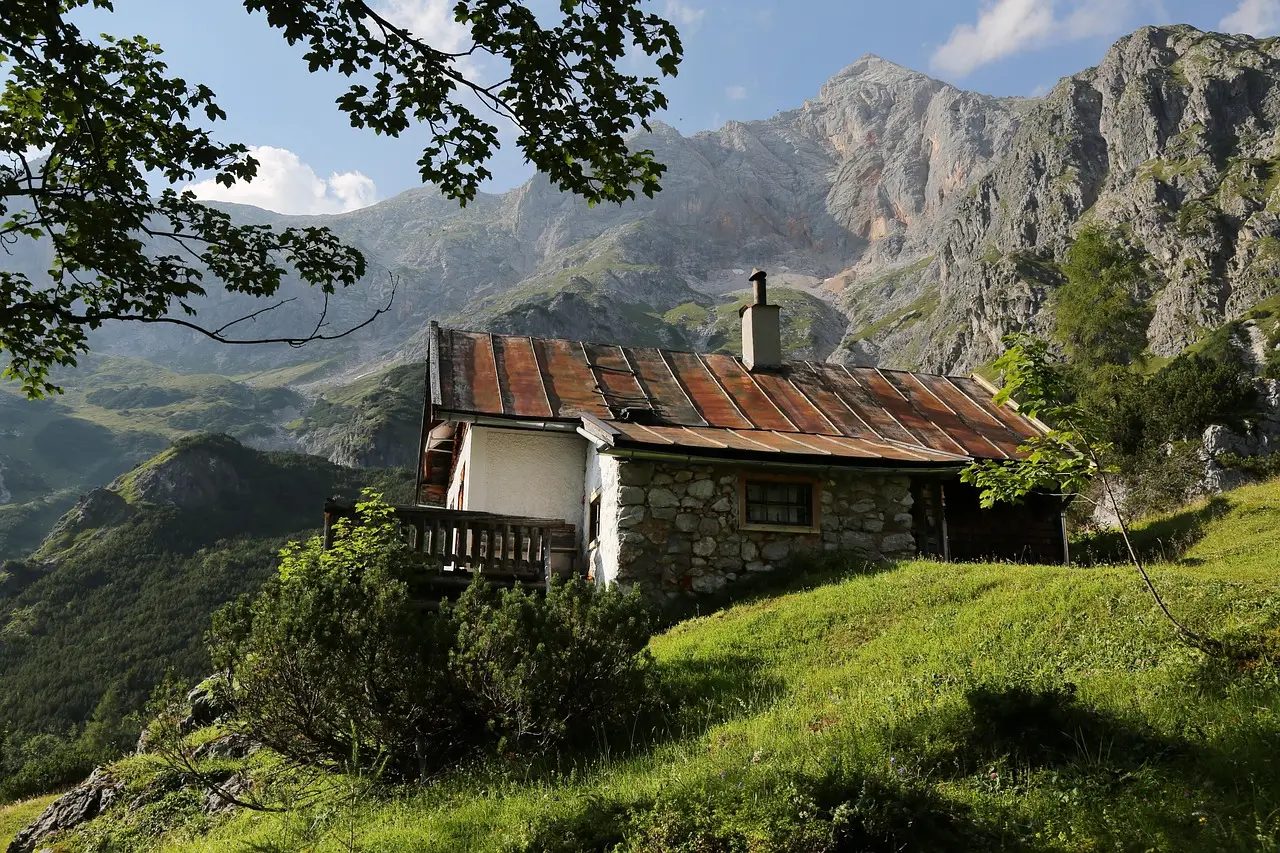
The appeal of these properties goes well beyond the marketing. At lodges like Lapa Rios on Costa Rica’s Osa Peninsula, guests wander through a pristine ecosystem alive with vibrant frogs, scarlet macaws, endangered monkeys, sloths, and more than 300 species of birds, within a private reserve of 1,000 acres committed to conserving the last remaining tropical lowland rainforests in Central America.
Real immersion takes many forms. Guest activities at well-run rainforest eco-lodges include guided forest hikes, bamboo rafting, cycling, and dining at open-air restaurants with spectacular mountain views. The variety keeps even longer stays feeling full.
The best lodges actively contribute to local conservation efforts, employ community members, and source materials locally, while providing educational opportunities that deepen guests’ understanding of rainforest ecosystems. The education piece, often overlooked in travel marketing, is one of the things guests consistently remember.
How These Lodges Give Back to Local Communities
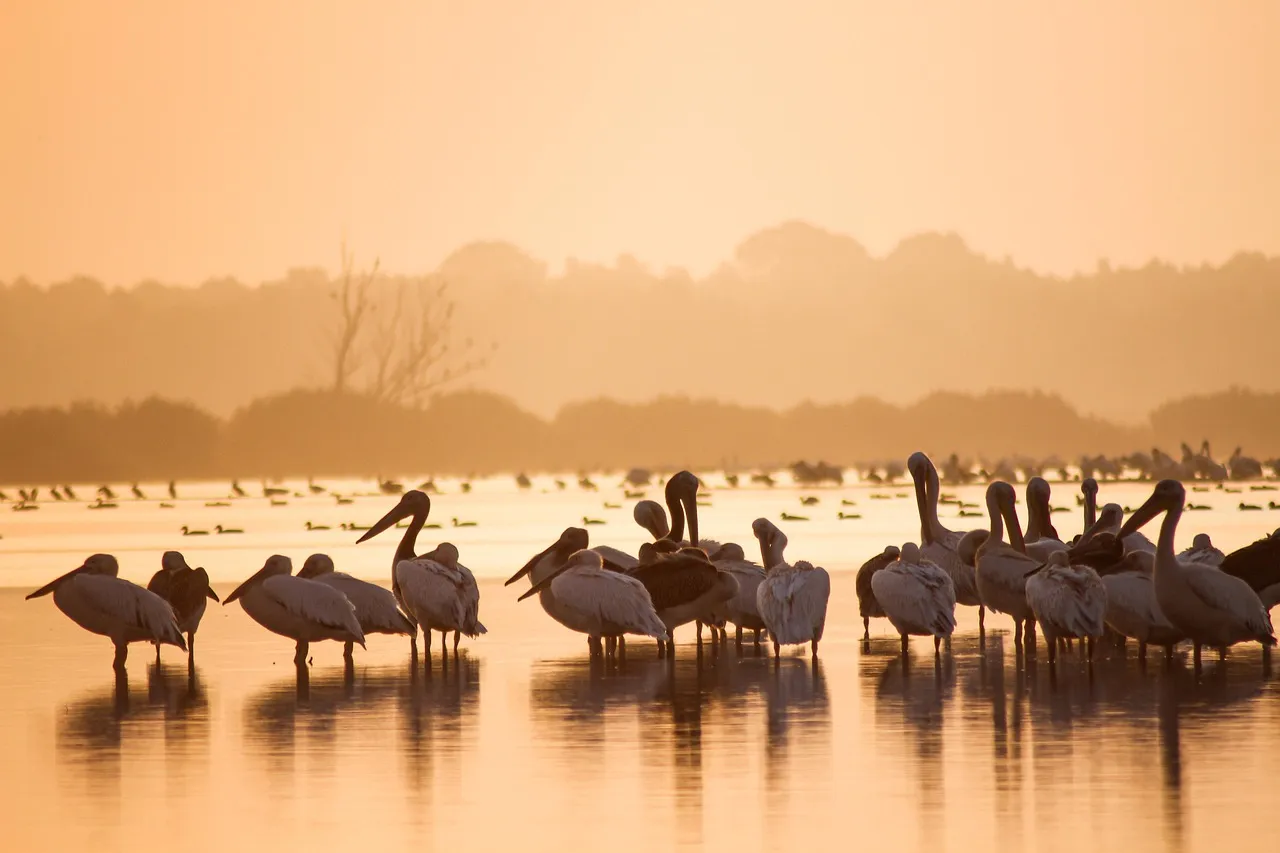
The relationship between a well-run eco-lodge and its surrounding community is one of the things that separates these properties from greenwashed alternatives. Sustainable tourism initiatives provide livelihoods for over ten million local residents in ecotourism-rich areas, and every pound spent on ecotourism generates the equivalent of over nine pounds in direct and indirect income for local communities.
UNCTAD’s 2024 investment guidance connects tourism to quality employment and local communities, and ecotourism works best when residents see direct economic value from it. A lodge that employs locals, sources food locally, and integrates indigenous knowledge into its programs creates a fundamentally different economic loop than a standard resort.
The ecotourism market encompasses travel experiences that prioritize environmental conservation, cultural preservation, and community engagement, promoting responsible travel practices that minimize negative impacts on natural habitats and local communities while supporting their economic development.
Sustainability in Practice: How These Lodges Actually Operate
It’s worth being precise about what sustainable operations look like on the ground, rather than taking marketing claims at face value. Anurak Community Lodge, a small nature-based eco-lodge located on the edge of Khao Sok National Park in southern Thailand, published its 2025 Impact Report outlining progress toward regenerative travel principles guided by the four pillars of conservation, community, culture, and commerce, a framework developed by sustainable tourism advocacy body The Long Run.
A key milestone in 2025 was the completion of a full year of consistent measurement of electricity, water, and waste, with plans in 2026 focused on improving soil moisture through drip irrigation and composting, expanding forest restoration efforts, and deepening both guest and community engagement.
Investment in eco-lodge development has grown by close to ninety percent since 2019, with particular focus on regenerative design properties that produce more energy than they consume. The industry is moving from simple energy-efficiency goals toward properties that actively restore their environments.
Investment and Supply: Why Getting a Room Isn’t Always Easy
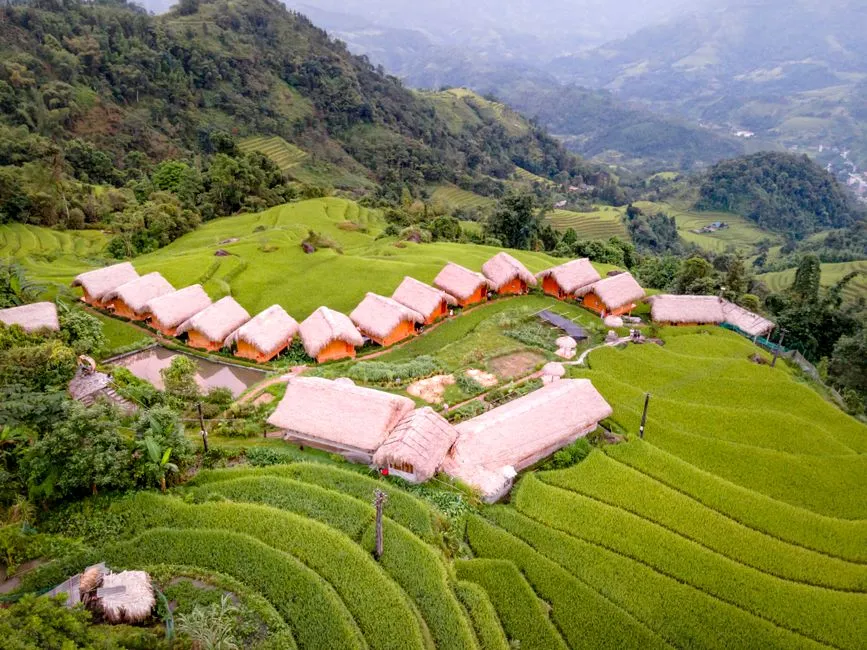
Demand is clearly running ahead of supply, and that has practical consequences for would-be visitors. In some high-demand segments, luxury sustainable lodges average thousands of dollars per night, and despite those prices, many are booked twelve to eighteen months in advance. Planning early isn’t optional. It’s the only strategy.
The number of eco-lodges worldwide has been growing at an annual rate of fifteen percent since 2004, indicating increasing demand for sustainable accommodations. That growth rate is steady, but it hasn’t closed the gap between travelers who want these experiences and the available room count in genuinely remote, well-managed properties.
Nature-based destinations face clear pressure, as more visitors can create income but also damage the places that attract them. This is the central tension every responsible eco-lodge has to navigate. The very popularity that funds conservation also threatens to erode what guests come to see.
The Bigger Picture: Why This Trend Feels Durable
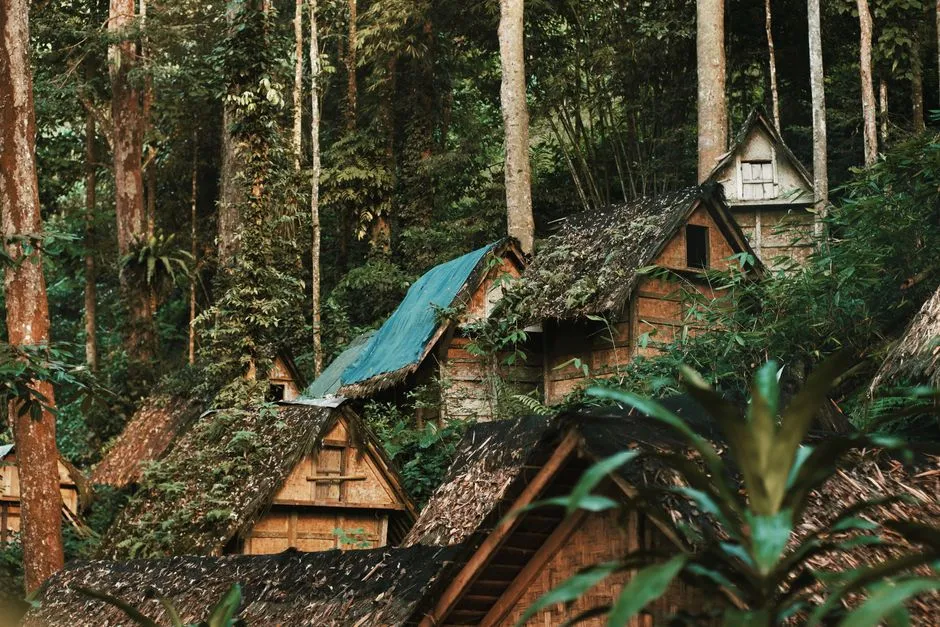
There’s a difference between a travel trend and a structural shift. Ecotourism is far more than a niche market or a passing trend, representing a powerful force for positive change that is reshaping the global travel landscape and redefining our relationship with the natural world.
The Global Sustainable Tourism Council’s December 2025 standards guidance shows why ecotourism is moving from loose green language to measurable criteria used for policy, evaluation, and certification. Guests can increasingly distinguish between lodges that perform sustainability and lodges that practice it. That accountability is raising the bar across the industry.
More travelers are seeking wellness and mental well-being through ecotourism-related retreats in natural settings, with retreats focused on holistic, integrative experiences set against scenic backdrops, blending relaxation with eco-lodging. The rainforest, it turns out, offers something no city hotel can replicate: genuine quiet, genuine wildness, and a genuine sense of being somewhere that matters.
The buzz around tiny rainforest eco-lodges isn’t hype chasing a trend. It’s travelers quietly recalibrating what a good trip actually means. The forest was always there. People are finally learning to listen to it.
AI Disclaimer: This article was created with the assistance of AI tools and reviewed by a human editor.