

Somewhere in the rolling hills of southwestern Arkansas, a small state park in Murfreesboro has become one of the most talked-about destinations on the internet. It doesn’t have towering resort infrastructure or celebrity endorsements. What it has is something rarer: actual buried treasure, and the very real possibility that you might find some.
Crater of Diamonds State Park is the only place in the world where the public can search for natural diamonds in their original volcanic source. That one fact alone would make it interesting. Combine it with TikTok livestreams, jaw-dropping real-world finds, and the universal appeal of a finders-keepers policy, and you have a viral destination that keeps feeding itself with new content.
A TikTok Livestream That Stunned the Internet

The story that lit up feeds across social media in early 2026 was almost too good to be scripted. Two visitors to Arkansas’ Crater of Diamonds State Park struck it big during a TikTok livestream, finding a 6.03-carat canary yellow diamond that park officials say ranks among the largest ever registered at the site.
Jack Pearadin, 35, of Nashville, Arkansas, was sifting through a bucket of gravel on TikTok Live on January 25 when he spotted what he first thought was a smaller stone shining from the center of a pile he had flipped. The moment was watched in real time by a live audience online, making it one of the more extraordinary park discoveries in recent memory.
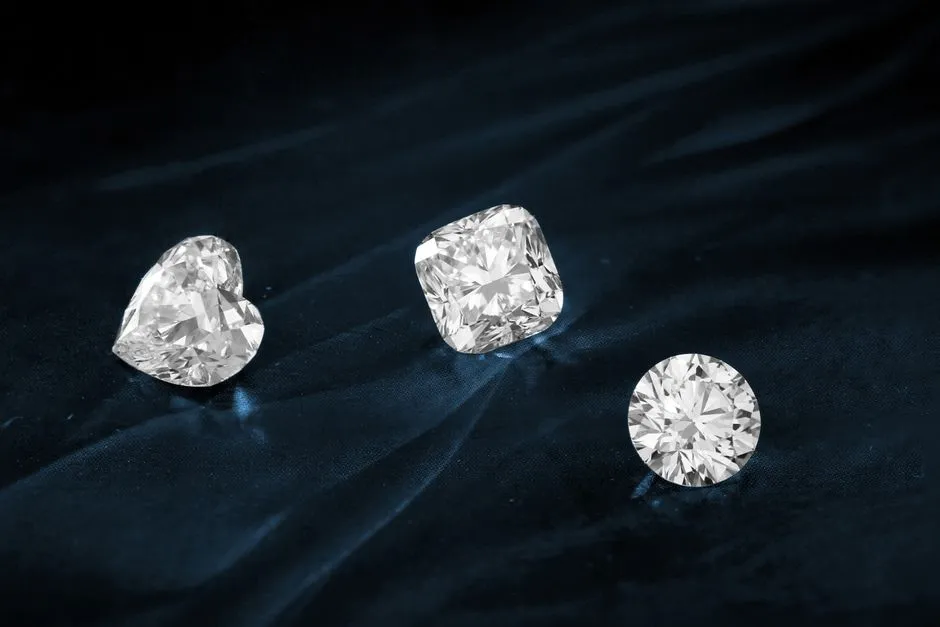
About the size of a gumdrop, the diamond is the fourth-largest yellow diamond and the 22nd-largest diamond of any color registered since Crater of Diamonds became an Arkansas state park in 1972. The clip spread fast, and the comments sections filled with people asking the same thing: can anyone actually go there and try this?
The Only Public Diamond Mine on Earth
The only place in the world where the public can search for natural diamonds in their original volcanic source, the park offers a one-of-a-kind experience that draws people from all over the world to Murfreesboro, Arkansas. Visitors search a 37-acre plowed field, the eroded surface of a volcanic crater, for a variety of rocks, minerals, and gemstones.
Visitors may keep any gemstone they find regardless of value. That finders-keepers rule is a large part of the magic. There’s no lottery, no auction, no corporate cut. Whatever you pull from the ground is yours to take home.
Diamonds have been discovered in the field continuously since 1906, including the graded-perfect Strawn-Wagner Diamond, found in 1990, and the Uncle Sam, found in 1924, which at over 40 carats is the largest diamond ever found in the United States.
More Than 75,000 Diamonds Found Since 1906
The scale of discovery at this park is something most people don’t immediately grasp. Over 75,000 diamonds have been found at the site since 1906, with the largest diamond ever found in the United States weighing 40.23 carats.
As of January 13, 2026, more than 37,377 diamonds have been found by park visitors since the Crater of Diamonds became an Arkansas state park in 1972. That count climbs steadily, and with each new high-profile find, more curious visitors show up to try their luck.
While not everyone will walk away with a diamond after their search, the park averages anywhere from 700 to 800 found diamonds a year. Those are real odds, from a real place, and that kind of concrete possibility drives engagement online in a way that generic travel content rarely does.
Google Named It One of the Most-Searched State Parks of 2025
The viral momentum wasn’t just happening on TikTok. Search engines told the same story. The year 2025 was almost over, and among the multitude of searches made on Google, the Crater of Diamonds State Park had become a popular trending topic. Google released its annual Year in Search, recapping the top trending queries entered into its search engine in 2025.
Under Google Maps in the United States under State Parks, Crater of Diamonds State Park in Arkansas ranked 10th. For a small park in rural Pike County, that kind of search visibility alongside much larger, better-funded parks is a real statement.
In 2025, state parks across the U.S. became the go-to destination for those looking to experience nature, history, and scenic beauty. Google Maps data shows that parks offering waterfalls, mountain views, and unique cultural landmarks are particularly appealing to those seeking both relaxation and adventure. Crater of Diamonds, with its singular hook, fit that trend perfectly.
The Wedding Ring Diamond That Went Viral

Not every story that spread online was about size. Some were about romance. In July 2025, Micherre Fox, a 31-year-old from Manhattan, traveled to Crater of Diamonds State Park and searched for diamonds for three weeks. On the very last day of her trip, she found a beautiful 2.30-carat diamond, which she then turned into her engagement ring.
That kind of story travels fast across Instagram and Pinterest, resonating with audiences far beyond the usual outdoors crowd. It turns an Arkansas state park into something cinematic without a single filter needed.
Earlier in 2024, the Carine Diamond, a 7.46-carat chocolate-colored stone and the eighth-largest diamond ever found in the United States, was discovered by Julien Navas, who was searching for a diamond to turn into a wedding ring for his fiancée, Carine Eizlini. The stone was ultimately named in her honor. Two love stories, two enormous diamonds, both from the same Arkansas field.
The “American Dream Diamond” and the Power of a Good Name
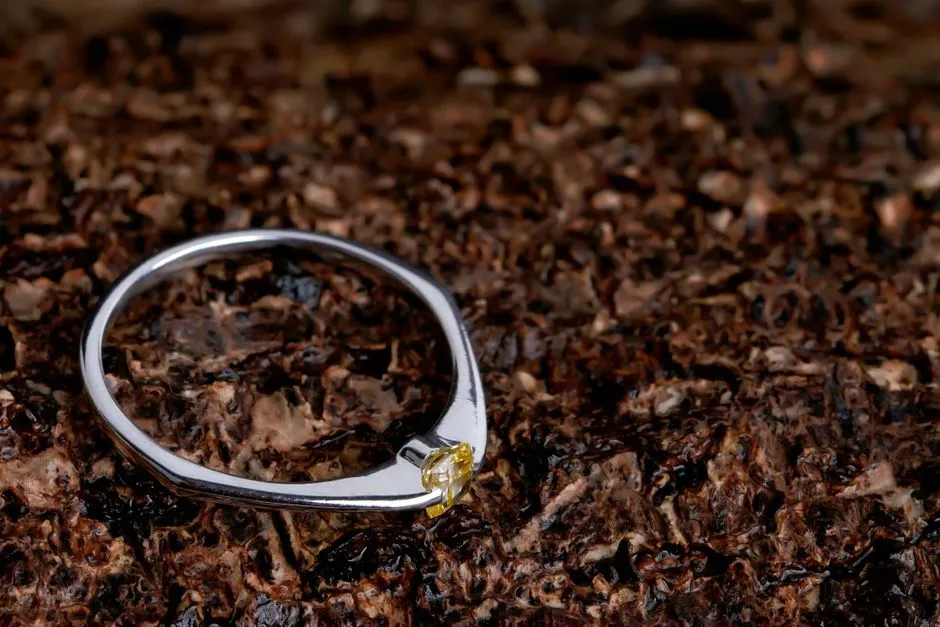
Part of what keeps the internet buzzing is that the stories don’t just end at discovery. They take on a life of their own. The friends who found the 6.03-carat yellow diamond in 2026 named their find the Pearadin Schumacher American Dream Diamond, inspired by the song “Sh-Boom (Life Could Be a Dream)” and the fact they found it during America’s 250th anniversary year.
Schumacher and Pearadin regularly live-stream their diamond hunting journey on TikTok, meaning they had an audience already primed for exactly this kind of payoff. When the find happened live, the reaction was immediate and enormous across platforms.
The narrative arc here is tailor-made for social media: two regular people, a cold January day, a bucket of frozen gravel, and a gem the size of a gumdrop glowing from a pile. It barely needs editing. It just needs sharing.
What the Volcanic Science Underneath Actually Looks Like
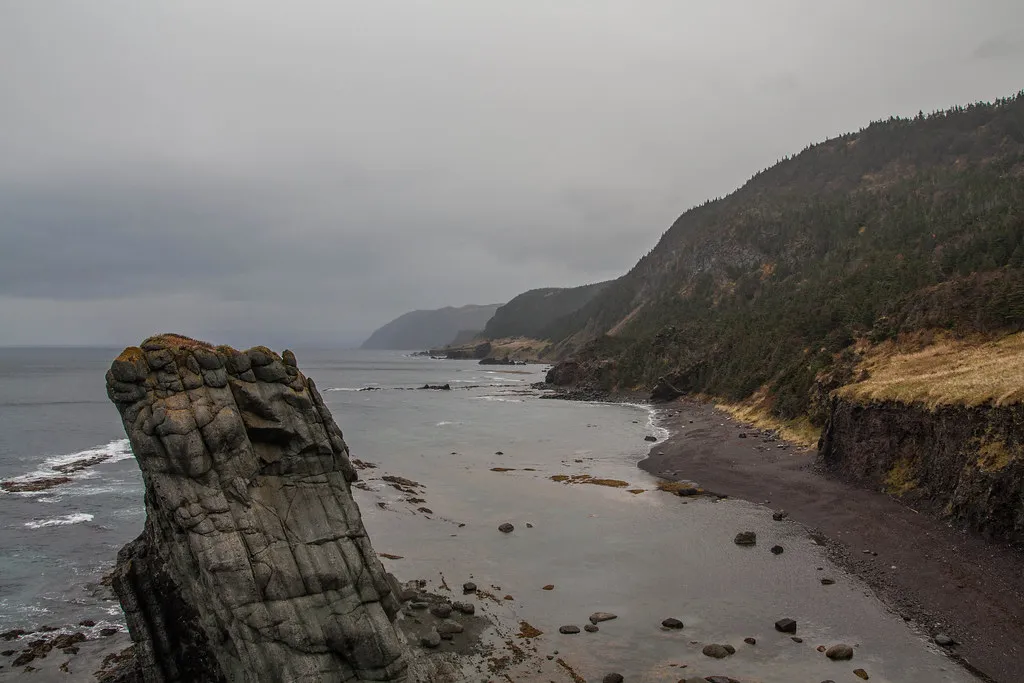
Crater of Diamonds State Park is situated over an eroded lamproite volcanic pipe. That geological foundation is part of what makes the place so unusual and, honestly, so photogenic. The dark, plowed field has a texture unlike anything most visitors have seen before.
The entire crater is more than 80 acres, but only 37.5 acres are diamond bearing. Most geologists believe that the first eruption out of this volcanic pipe was the largest and one that brought the most diamonds up with it.
The geology content alone drives a healthy share of educational posts and YouTube explainer videos about the park. Science communicators love it because the story of how diamonds form deep in the mantle and then get pushed to the surface through volcanic action is genuinely fascinating, and here you can hold the evidence in your hands.
What You’ll Actually Find Beyond Diamonds
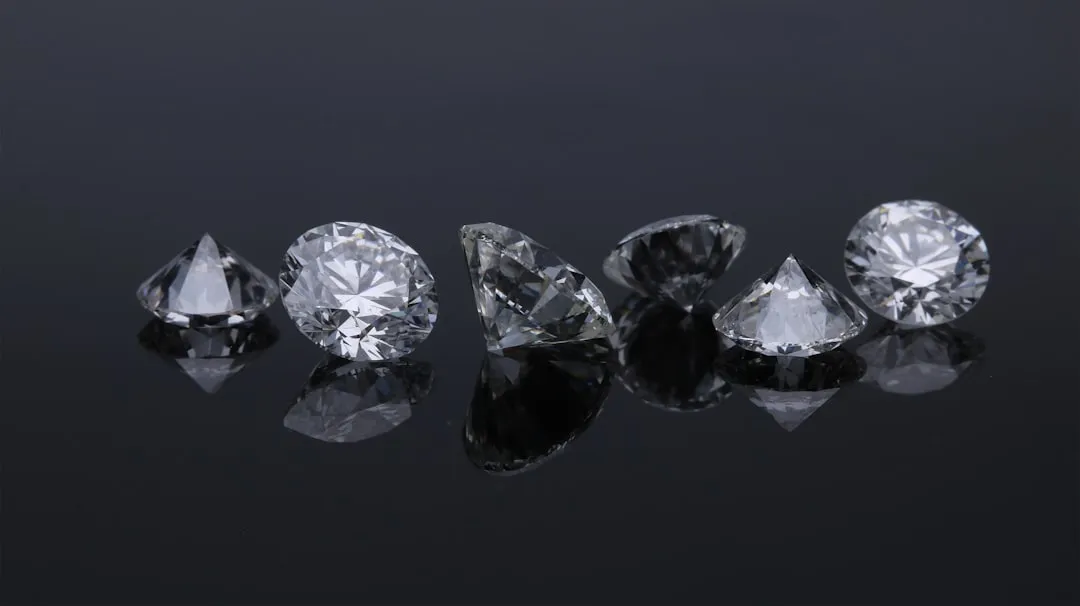
The diamonds get the headlines, but the park has more going on than most people realize. In addition to diamonds, visitors may find semi-precious gems such as amethyst, agate, and jasper, or approximately 40 other minerals such as garnet, phlogopite, quartz, baryte, and calcite.
Park staff provide complimentary identification of rocks and minerals found at the park, as well as diamond mining demonstrations and other interpretive programs. That free expert identification is a genuinely smart amenity, and it stops the common problem of visitors pocketing a piece of quartz and wondering for years whether it was worth something.
Other amenities include walking trails, picnic sites, 47 Class AAA campsites, walk-in tent sites, a gift shop, and Diamond Springs Water Park, which is a great place to cool off after a summer day of digging for diamonds. There’s enough here to fill a full weekend, even if your bucket comes up empty.
How Social Media Is Actively Changing Who Shows Up

Outdoor enthusiasts and conservationists say social media has contributed to “selfie tourism” and has endangered some natural sites. Crater of Diamonds sits in a different category, though. The search field is already plowed and managed specifically for public use, which gives it a degree of resilience that more fragile landscapes don’t have.
Influencers are broadcasting their park experiences to tens of thousands of followers, and at Crater of Diamonds, that broadcasting directly drives new visitors. The park welcomes it. Every shared video is essentially an invitation from a peer rather than a billboard from a tourism board.
The mix of audiences who now show up is noticeably broader than it was a decade ago. Rockhounds and geology enthusiasts still make up a core crowd, but now they’re joined by TikTok followers, romantically-inclined couples, and people who simply watched one too many compelling livestreams and decided to drive down to see what all the fuss was about.
Planning a Visit: What First-Timers Should Know
Visitors may bring their own mining equipment to search with, though no ladders, battery-operated, or motor-driven mining tools are allowed. Tools can also be rented from the park. Renting is a perfectly solid option for a first-time visitor who doesn’t want to haul gear across the state.
If you can visit after a rain, that’s a favorable time to look. Rain helps expose diamonds and gemstones that might otherwise remain covered. Early morning arrivals also tend to get their pick of spots in the search field before it gets busy in the warmer months.
The best time of year to visit Crater of Diamonds State Park is in the spring or fall when the weather is mild and the park is less crowded. Summer visits are possible, but Arkansas summers are genuinely hot, and spending several hours digging in an open field under July sun is a commitment that first-timers sometimes underestimate.
A Place That Earns Its Own Hype
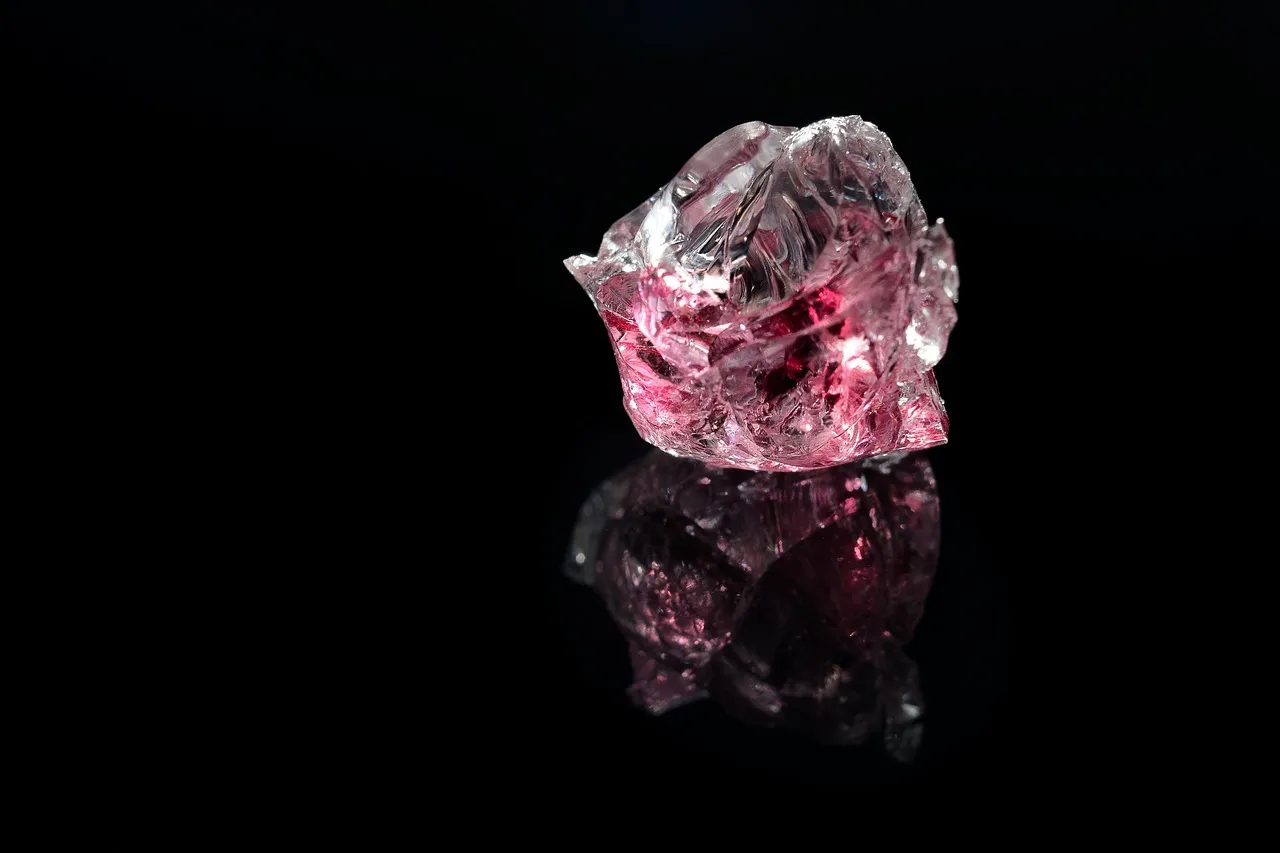
Most viral travel moments fade quickly. A waterfall looks exactly like every other waterfall once the filters come off. Crater of Diamonds State Park is different because the premise is interactive and the outcomes are genuinely unpredictable. Each year, the park hosts thousands of visitors and averages two diamonds found daily. That’s two real discoveries, two potential stories, every single day.
Anyone can go to a lake or a mountain, but there’s only one diamond mine, and that’s right here in Arkansas. That’s not marketing fluff. It’s a geographic fact, and facts like that have a long shelf life on social media.
Whether you end up with a diamond in your pocket or just a good story and a bucket of muddy quartz, this is one of the rare places where the experience fully matches what you saw online. That might be the most surprising thing about it.
AI Disclaimer: This article was created with the assistance of AI tools and reviewed by a human editor.