
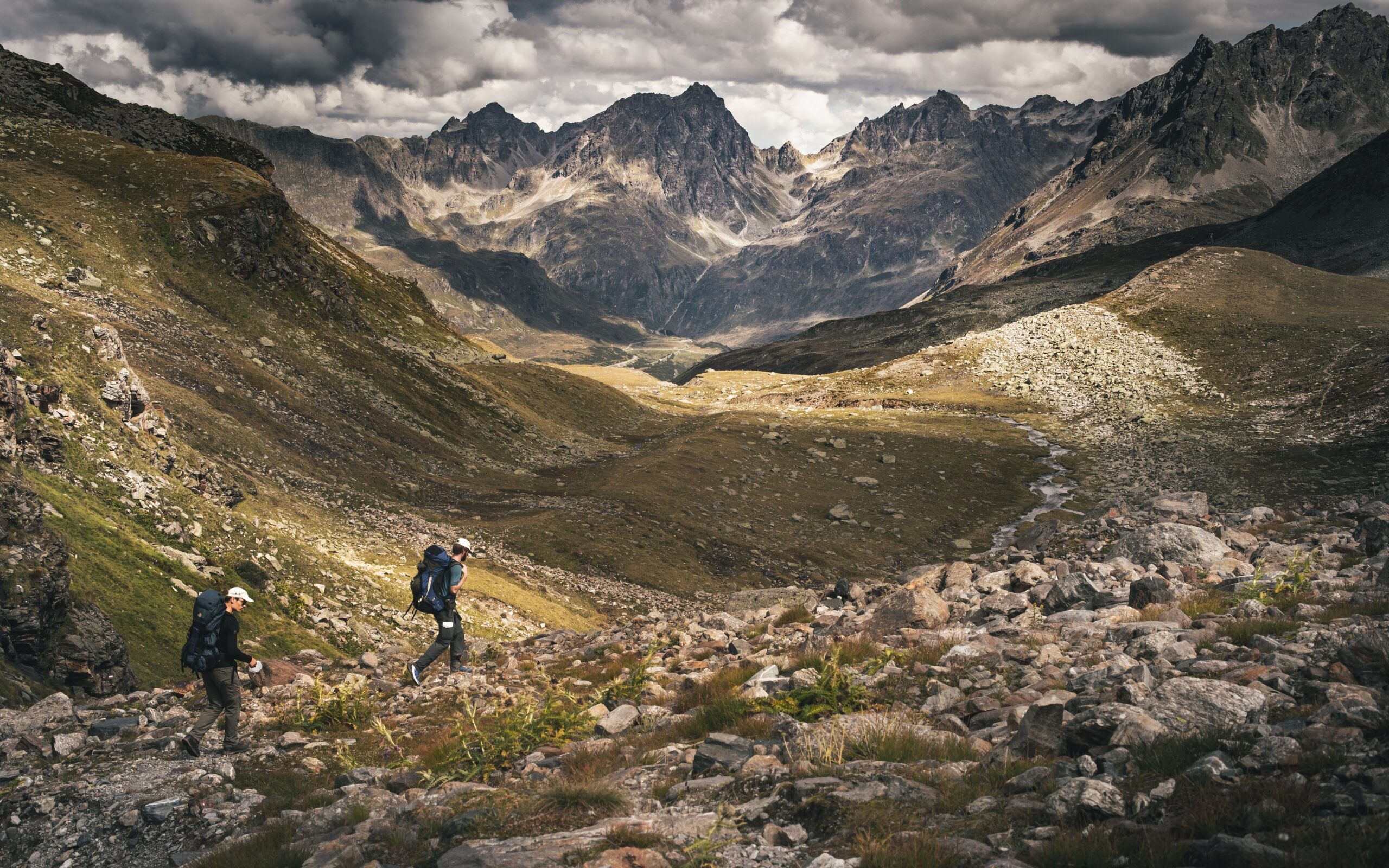
There’s a pattern you notice when you spend enough time around people who really know the mountains. Their packs always seem a little heavier than they need to be on a warm July morning. Ask them about it, and most will tell you the same thing: the extra weight isn’t about comfort, it’s about staying alive. What looks like over-preparation at the trailhead often becomes the most important thing in your bag by mile eight.
Seasoned hikers have learned, sometimes the hard way, that summer weather in the mountains plays by entirely different rules than the weather in town. The science behind why that matters is straightforward, even if the consequences of ignoring it are anything but.
The Mountain Is Not the Valley: How Altitude Changes Everything
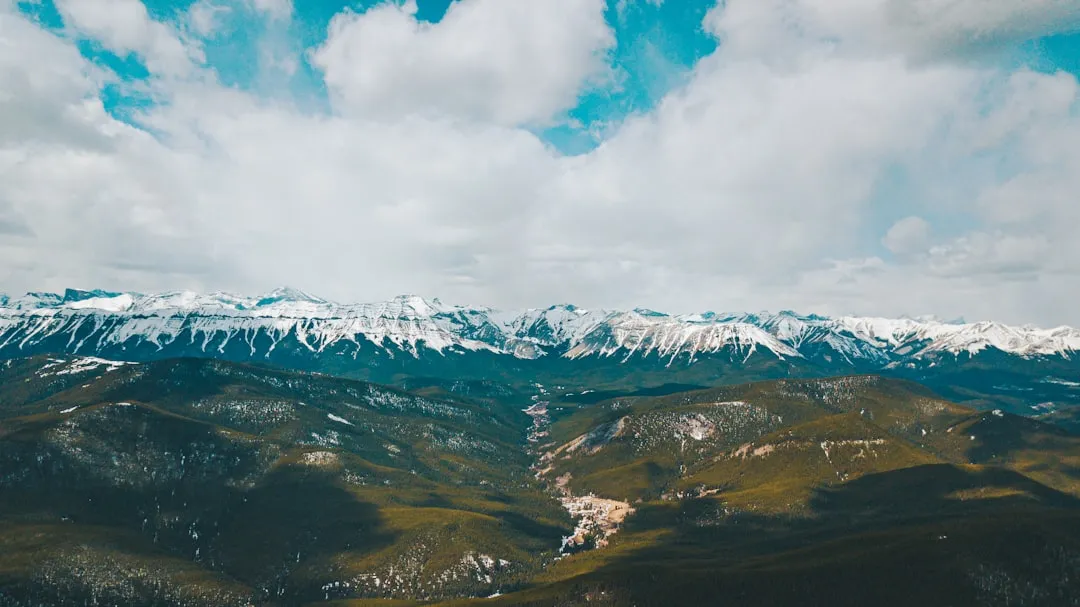
The gap between conditions at the trailhead and conditions at the summit is larger than most casual hikers realize. According to the National Weather Service, on a dry, sunny day, the temperature typically drops about 5.4 degrees Fahrenheit for every 1,000 feet in elevation gain. That’s a meaningful number. Climb a 4,000-foot peak on a 75-degree morning and you can expect summit temperatures somewhere in the mid-50s before wind is even factored in.
On average, the temperature drops by approximately 3.5 to 4.5 degrees Fahrenheit per 1,000 feet of altitude gain, though this varies depending on humidity and atmospheric conditions. Even at the lower end of that range, the arithmetic adds up fast. A pleasant hike that starts in warm sunshine can end in genuinely cold conditions within a few hours of vertical climbing.
Hypothermia Is Not Just a Winter Problem
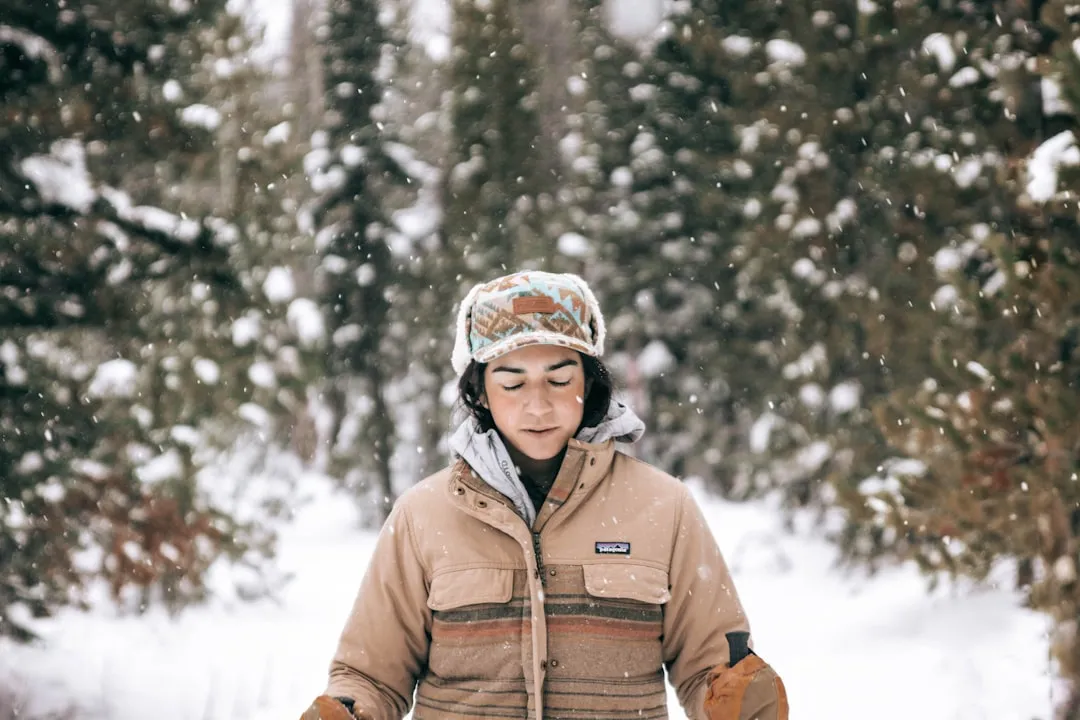
While hypothermia is an obvious threat in the dead of frigid winter, it happens perhaps more often on cool, windy days in spring and fall, and can certainly happen in the mountains in summer. This surprises people who associate the condition only with ice and snow. The reality is that the body loses heat efficiently under a far wider range of conditions than most assume.
Most people think hypothermia is only a risk in freezing conditions, but it can actually set in at temperatures as high as 10°C (50°F) if you’re wet and exposed to wind. According to the Centers for Disease Control, an average of 1,300 Americans die from hypothermia every year. The backcountry accounts for a fraction of those, but the risk among hikers is real and well-documented.
Sweat Is the Hidden Enemy on a Hot Day
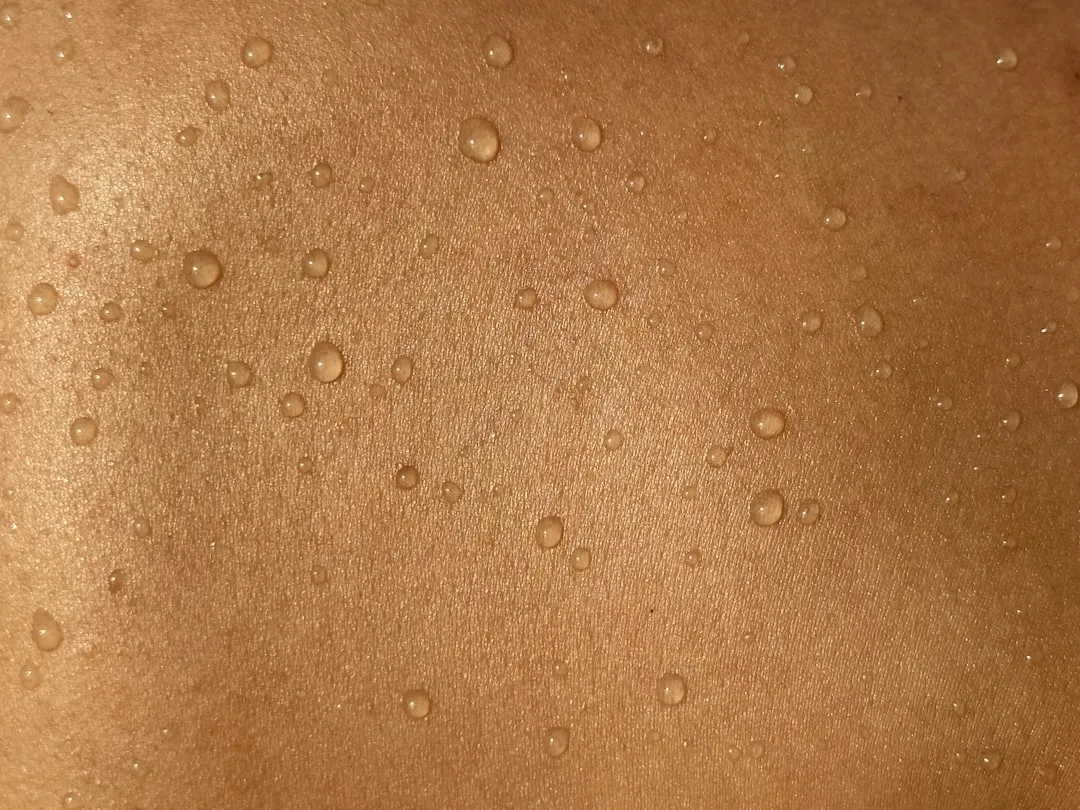
Here’s the irony that catches a lot of warm-weather hikers off guard: the very exertion that heats you up creates the moisture that can later put you in danger. Water conducts heat away from the body 25 times faster than air, making wet clothing a serious threat in cold environments, and even light perspiration can accelerate cooling once movement slows, as trapped moisture soaks insulation layers and renders them ineffective.
A damp base layer creates a lingering chilling effect, making it hard to stay warm when alternating between high activity and stillness, and sweat that can’t escape gets trapped in clothing, soaking insulation and rendering it useless – this can lead to a dangerous cycle where the body produces more heat to compensate, only to be cooled again as moisture remains trapped against the skin. An extra dry layer in your pack breaks this cycle. Without it, you have no practical way out.
Wind Chill: The Factor That Turns Cool into Dangerous
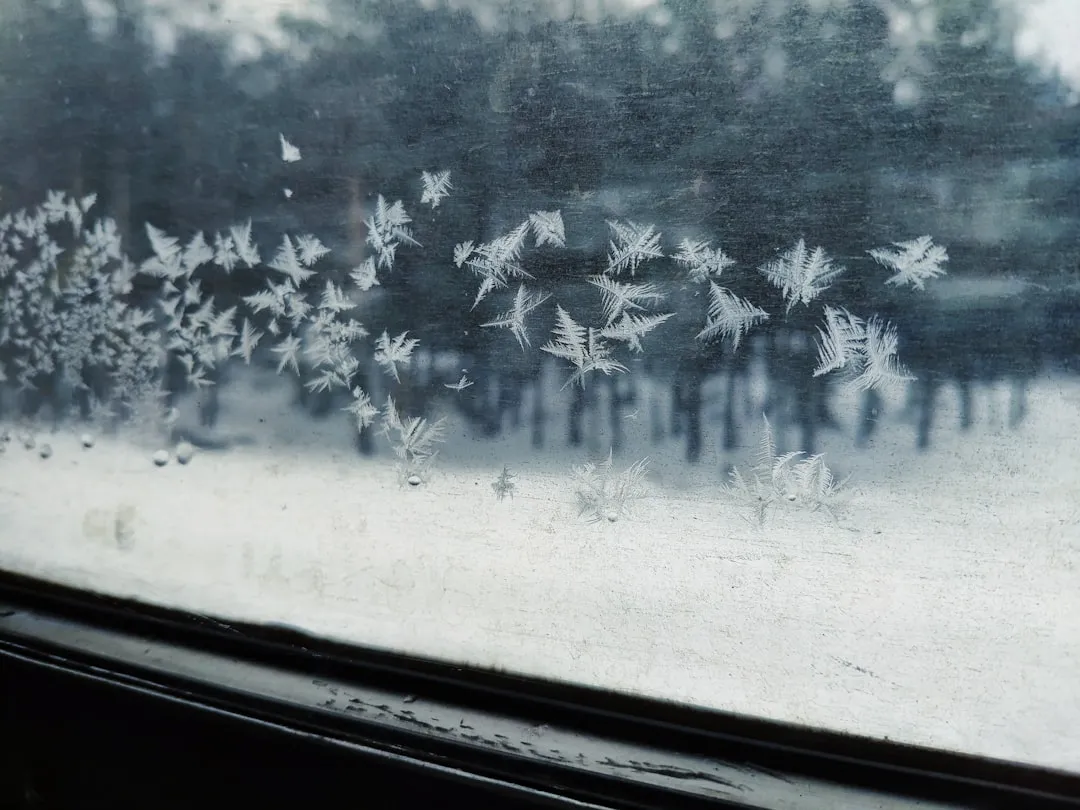
Temperature readings alone don’t tell the full story on exposed ridgelines. Wind chill is based on the rate of heat loss from exposed skin caused by wind and cold, and as the wind increases, it draws heat from the body, driving down skin temperature and eventually the internal body temperature – making it feel much colder than the actual air temperature.
The wind chill doesn’t just make you feel colder than the actual air temperature – the lower the wind chill temperature, the greater and faster the risk for developing frostbite and hypothermia. Even at 50 degrees with wind, somebody who is not prepared with extra layers can absolutely become a victim of hypothermia, according to New Hampshire Fish and Game. A lightweight wind shell weighing just a few ounces changes the equation completely.
Summer Afternoon Thunderstorms Move Fast
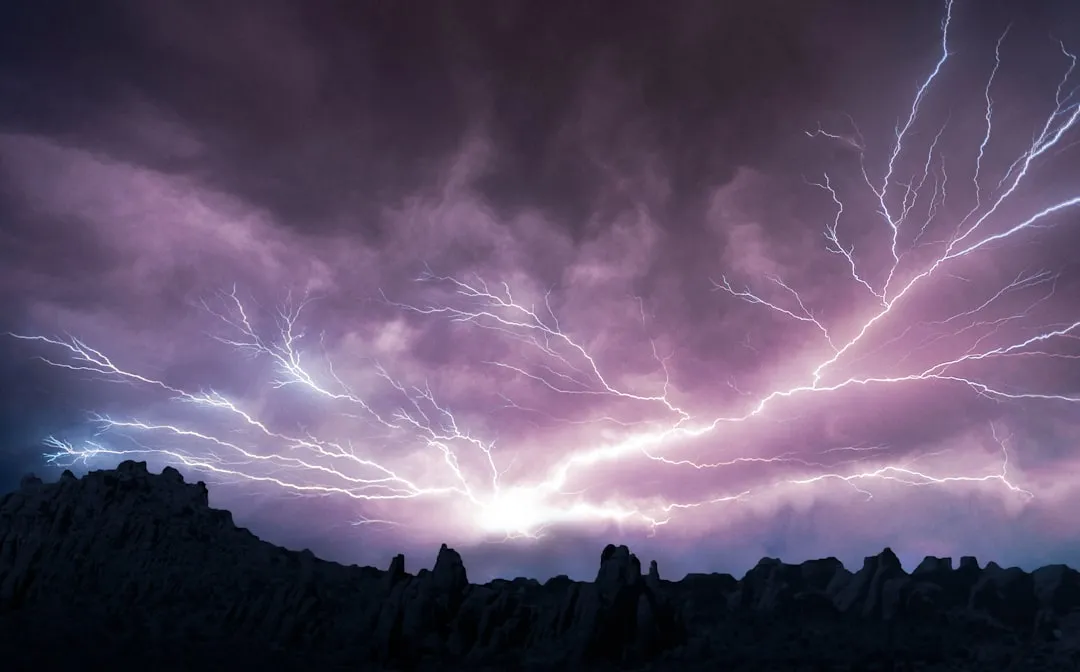
Lightning is one of the greatest hazards to outdoor recreation in the summer months, especially in mountain ranges such as the Rockies where thunderstorms are frequent and the terrain is often exposed. These storms are not just a lightning risk. They bring sudden temperature drops, rain, and wind that can transform a comfortable afternoon hike into a cold emergency within minutes.
In mountainous areas, thunderstorms typically develop in the early afternoon, so experienced hikers plan to be off exposed terrain and descending well before noon. In Colorado, afternoon storms are considered a near-guarantee throughout July and August’s monsoon season. When a thunderstorm rolls in at 11,000 feet, the temperature can plummet and winds pick up almost instantly – having a shell to trap body heat is what prevents a fun afternoon from turning into an emergency call.
Real Rescues Confirm What Statistics Can’t Fully Capture
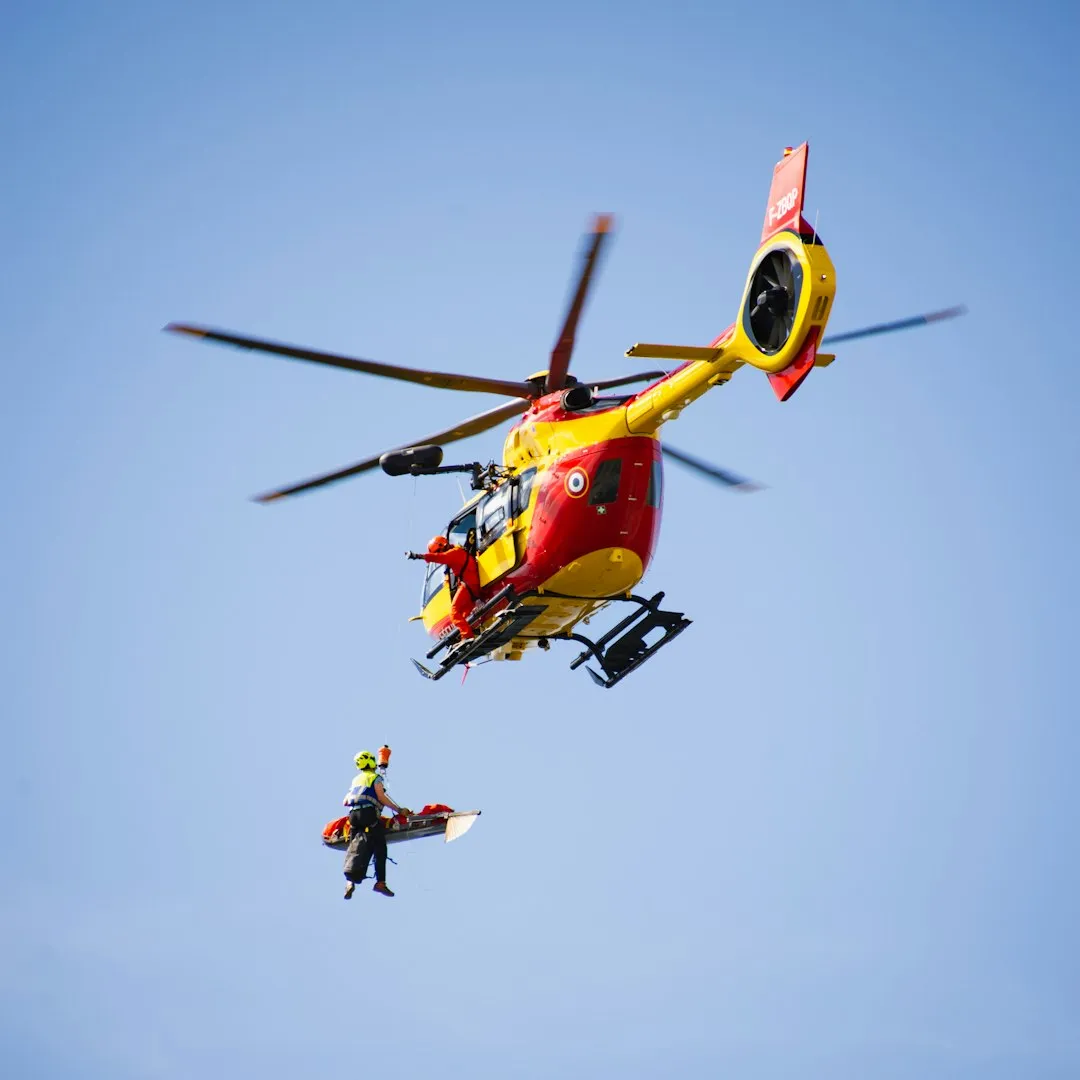
The data on mountain rescues tells a sobering story. In June 2025, New Hampshire Fish and Game received a call about two hypothermic hikers on the summit of 5,260-foot Mount Lafayette; the hikers had successfully reached the top but began to suffer symptoms of exposure, telling emergency services they had “no visibility, no lights, and no warm clothing” – despite the nearby town having recorded highs in the low 70s that same day, conditions near the summit involved cold rain, strong winds, and zero visibility.
Mount Lafayette is one of the most popular peaks in New Hampshire, but its exposed ridgeline and relatively high elevation can create dangerous conditions, and rapid weather changes make proper layers and emergency equipment essential even in summer. This rescue happened during a heatwave. The disconnect between valley temperatures and summit reality is not an edge case. It’s standard mountain behavior.
The Layering System Is a Technology, Not Just Clothing
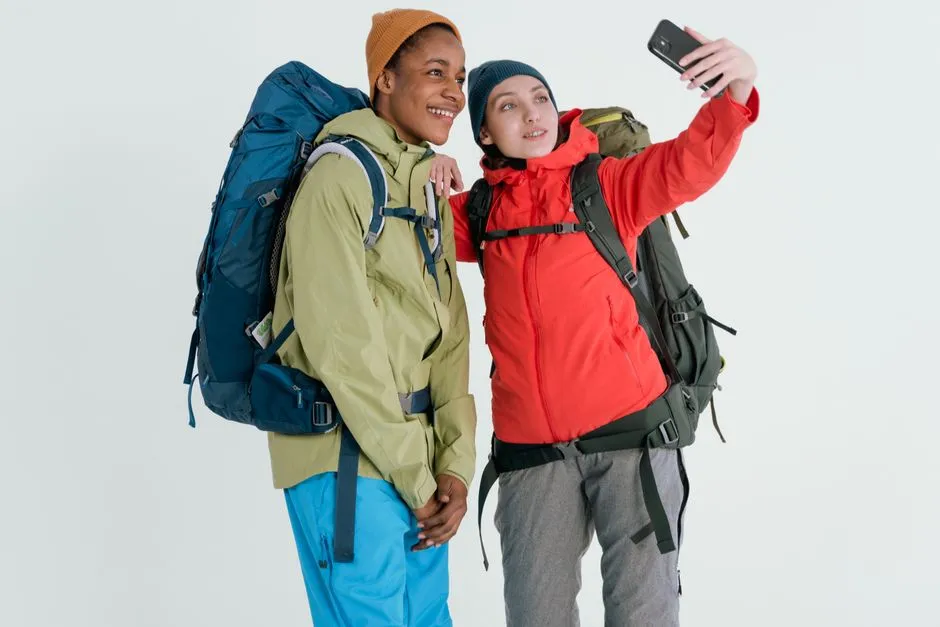
Experienced hikers don’t just throw a random fleece in their pack. They think in terms of a system: a moisture-wicking base layer to manage sweat, a mid-layer for insulation, and a wind and waterproof outer shell. A moisture-wicking base layer keeps sweat from becoming a liability, an insulation layer traps body heat and prevents rapid cooling, and a windproof and waterproof outer shell protects against external elements while allowing excess moisture to escape.
A key tactical point is to adjust layers before you start sweating, not afterward – opening ventilation zippers, removing an outer layer, or modifying insulation to avoid overheating, and then re-layering immediately when activity slows before the body starts to cool. This proactive approach is what separates hikers who manage temperature well from those who spend the whole descent shivering.
Wetness Amplifies Every Other Risk
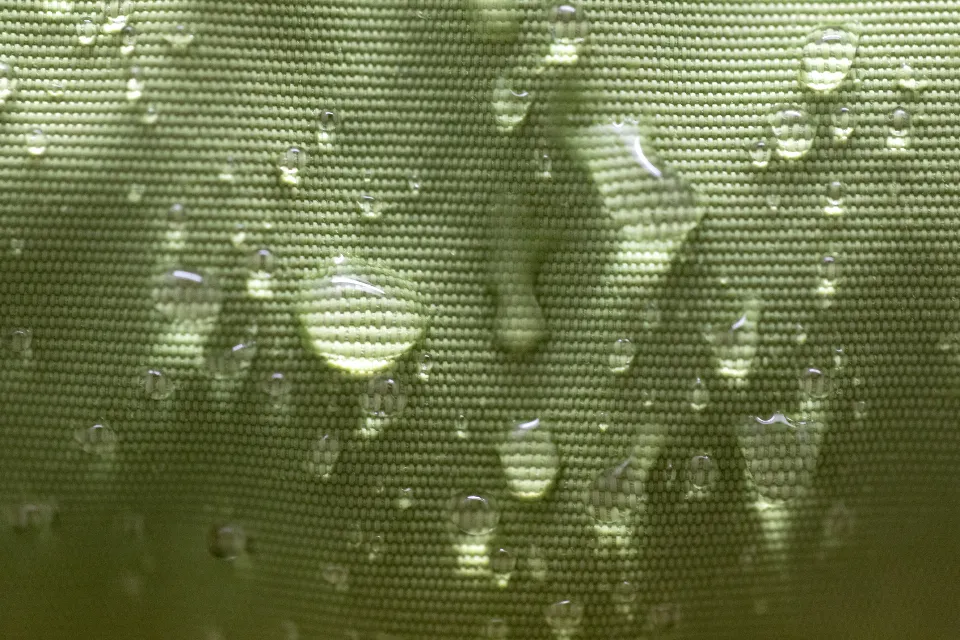
Once clothes and gear get wet on the trail, the body starts losing heat much faster than expected – wet clothing pulls warmth away from the skin, which can quickly lead to chilling even if the air temperature doesn’t seem that cold. A sudden summer rain shower that lasts twenty minutes can soak cotton clothing through completely, and that wet fabric works against you for the rest of the hike.
You can’t be warm unless you’re dry – no matter what layers are made of, they won’t help unless they’re dry, as New Hampshire Fish and Game puts it plainly. Hikers should store extra layers in waterproof material in case a pack gets dropped in a stream or drenched in heavy rain. A dry layer sealed inside a dry bag is a simple habit that costs almost nothing in weight and potentially everything in outcome.
Fatigue Lowers the Body’s Defenses Against Cold
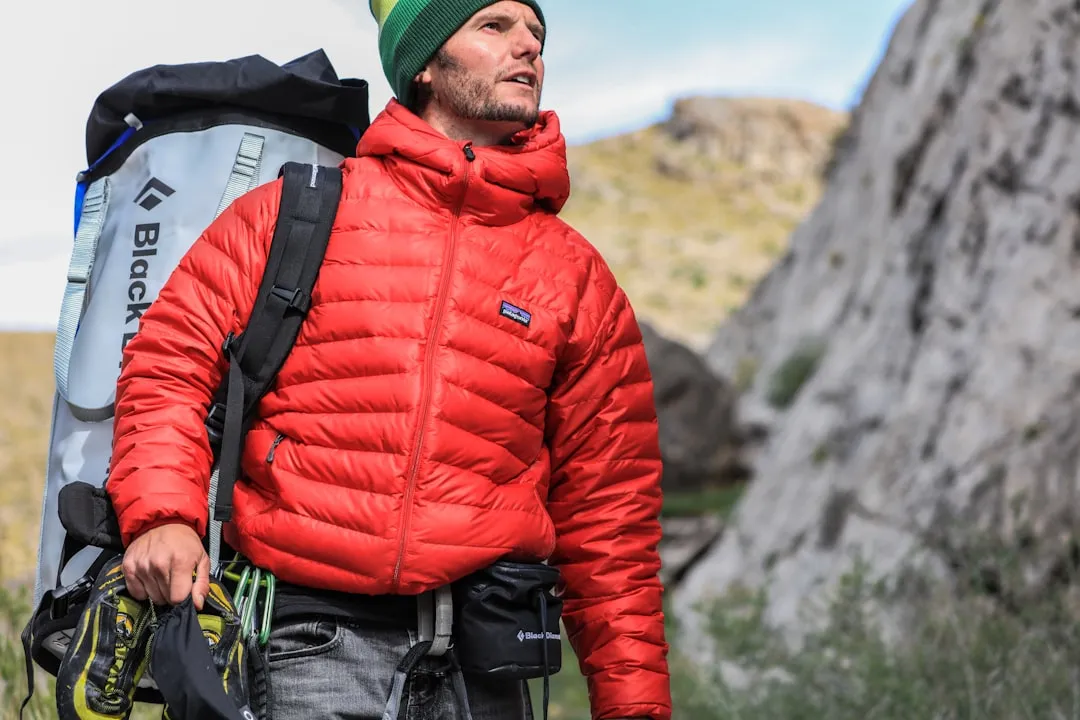
There’s another factor that rarely gets enough attention: physical tiredness makes hypothermia more likely, not just more dangerous. Fatigue from hiking without adequate calorie intake increases the risk of cold-related injury, because the body needs fuel to generate heat. A tired hiker moving slowly on a cold, wet descent is in a genuinely different physiological position than a fresh one who just stepped outside.
Many falls in the backcountry each year are likely precipitated by hypothermia, according to outdoor safety educators, because the early stages of the condition impair judgment and coordination before the person even realizes what’s happening. An extra insulating layer can slow that deterioration, buying time for better decisions and safer movement on technical terrain.
What Experienced Hikers Actually Carry
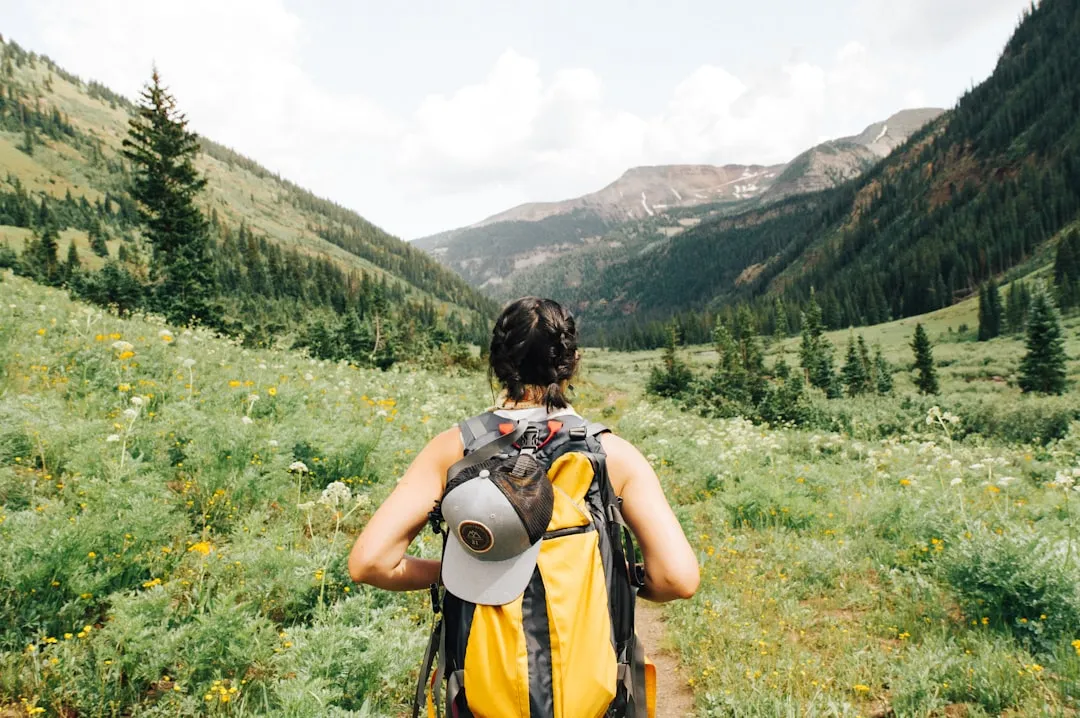
Research on hiking preparedness identifies appropriate clothing, maps, a compass, a first aid kit, extra food and water, good physical fitness, and outdoor-related skills as the crucial preparative measures for safe hiking. Within the clothing category, the extra layer consistently tops the list. It doesn’t have to be bulky. A packable down jacket or a lightweight wind shell fits in a fist-sized stuff sack.
New Hampshire Fish and Game consistently urges hikers to carry the ten essentials, including warm layers, a headlamp, navigation tools, extra food and water, and emergency supplies. These aren’t suggestions for extreme mountaineers. They’re the baseline for any serious trail, in any season. Adequate preparation and awareness are paramount in preventing hypothermia, and packing an extra layer is one of the simplest, most reliable forms that preparation takes.
The Takeaway
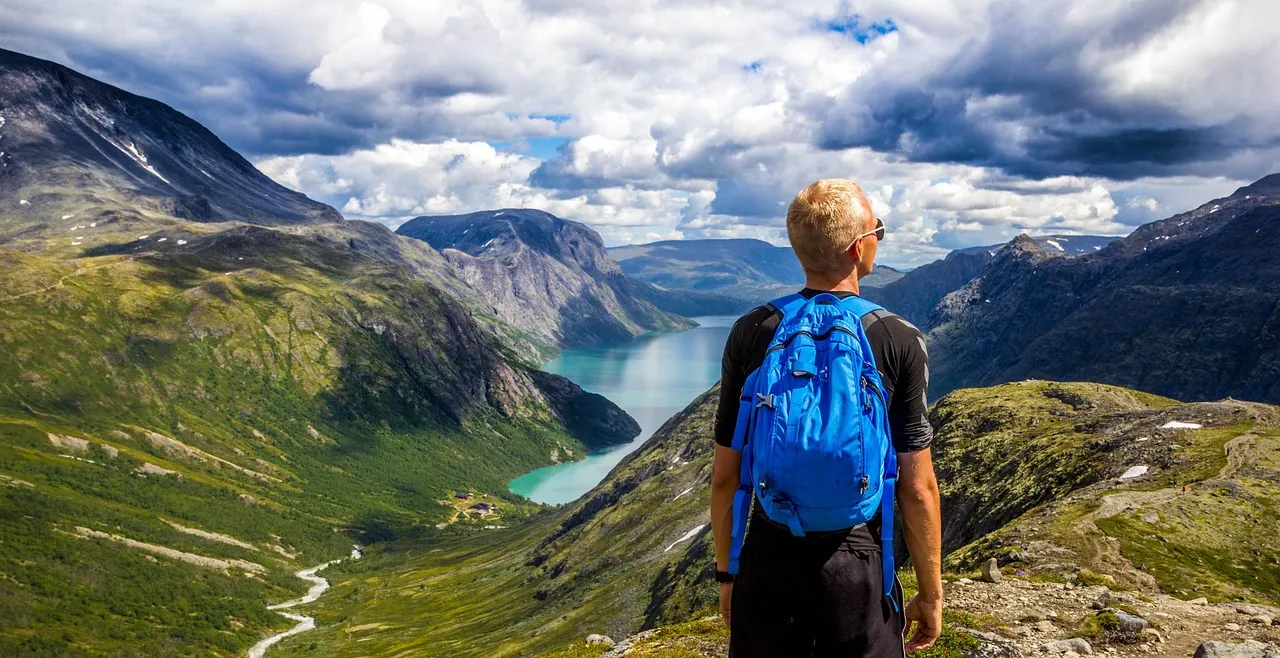
The extra layer at the bottom of a veteran hiker’s pack isn’t superstition or excessive caution. It’s the result of understanding, often accumulated over years, that mountains don’t care what month the calendar says. Temperature drops with every thousand feet of elevation. Sweat turns to cold. Wind strips heat from exposed skin. Storms arrive without ceremony.
The gap between a great summer day and a serious cold emergency in the mountains can close within the span of an hour. That folded shell or fleece weighs almost nothing on the way up, and on a bad day, it might be the most important thing you brought.
AI Disclaimer: This article was created with the assistance of AI tools and reviewed by a human editor.