


There’s a habit that almost every seasoned hiker shares, and it costs nothing, takes about five minutes, and can save a life. Before heading into the wilderness, they tell someone exactly where they’re going, how long they expect to be, and what to do if they don’t come back. It sounds almost too simple. Yet it remains one of the most consistently overlooked steps in trail safety, especially among people who are new to the backcountry or who underestimate how quickly conditions can change.
This practice isn’t just outdoor etiquette. It’s the first link in a chain of decisions that determines whether a lost or injured hiker is found in hours or days, or, in the worst cases, not at all.
The Numbers Behind the Danger
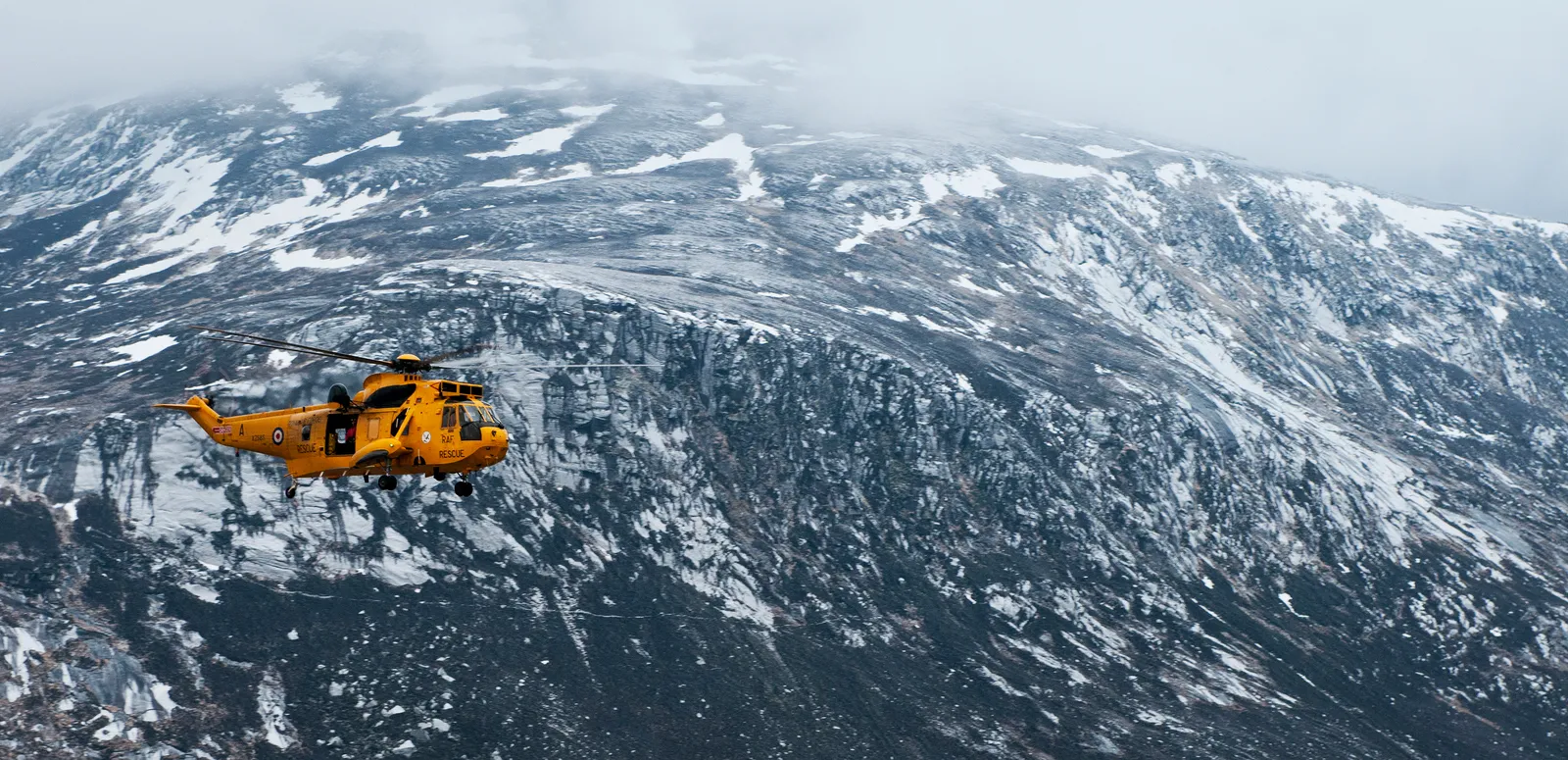
The scale of wilderness emergencies in the United States is genuinely striking. Nationwide, it’s estimated that roughly 50,000 search and rescue missions are conducted each year. That’s not a rare event. That’s a near-constant rotation of teams, volunteers, and helicopters deployed across the country’s backcountry areas every single day.
The activities with the highest rate of lost people are hikers, who account for nearly half of all cases, and boaters, who make up about a fifth. Hikers dominate the statistics not because they’re reckless, but because the nature of trail travel, following paths through changing terrain, creates unique conditions where disorientation happens to even careful people.
Each year, over 3,600 search and rescue operations take place in Colorado alone, and these missions often involve hikers who underestimated the challenges of the wilderness. One state. One year. More than ten operations every single day.
Day Hikers Are the Most Vulnerable Group
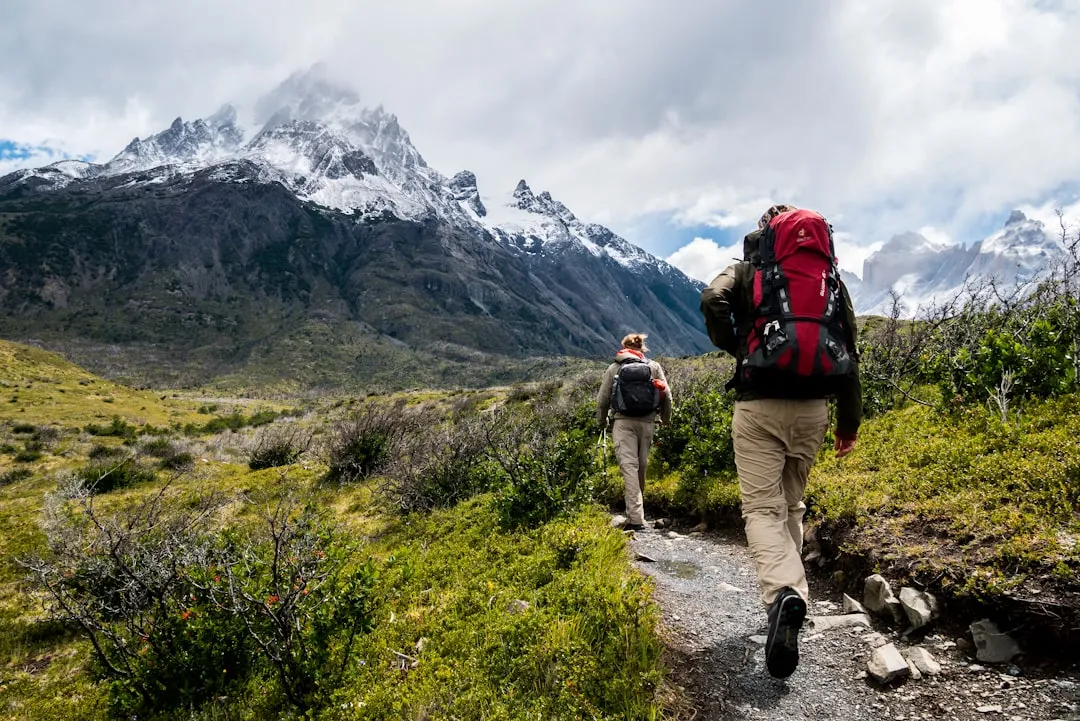
It’s tempting to assume that the people who most often need rescuing are those pushing the limits on extreme routes. The data says otherwise. At the Great Smoky Mountains National Park, roughly 90 percent of search and rescue incidents involve day hikers, and across all U.S. national parks from 2004 to 2014, day hikers comprised 42 percent of the 46,609 search and rescue cases, nearly four times the amount of the next closest group, overnight backpackers at 13 percent.
The research suggests that the most vulnerable group of hikers aren’t those going deep into the wilderness on backpacking expeditions, it’s day hikers. They typically carry less gear, have less margin for error if something goes wrong, and often haven’t left detailed plans with anyone because they assumed they’d be back by dinner.
Day hikers are more likely to bring a camera than extra clothes in a backpack. That lightness feels freeing until the weather turns or a twisted ankle turns a two-hour trail into an overnight ordeal.
Getting Lost Happens Closer to the Trailhead Than You’d Think
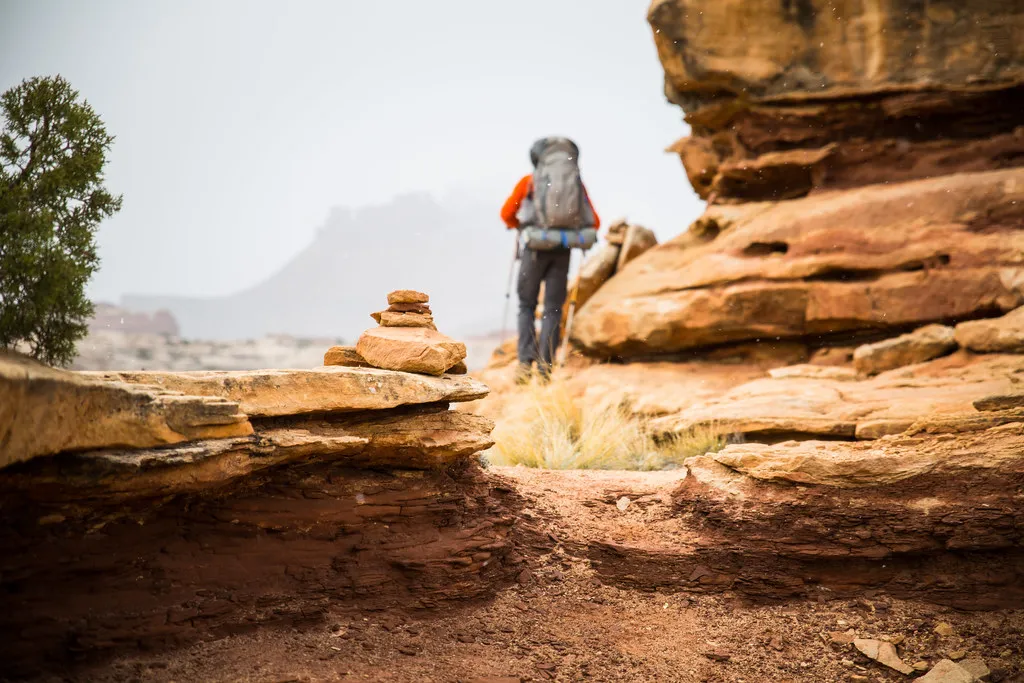
One of the most disorienting facts about wilderness emergencies is how close to civilization they tend to occur. The average lost individual was found just 1.8 kilometers from their starting point, which is less than a mile, and on average they were found only 58 meters from the nearest trail or road. People don’t vanish into the deep unknown. They lose the path close to where they started.
According to research, wandering off trail is the number one reason, ahead of injury and bad weather, that adult hikers require search and rescue. It happens at trail junctions, at informal social paths, at any moment of distraction or misread terrain.
Research revealed that 41 percent of hikers went missing because they accidentally veered away from the trail, either because they took the wrong path or made a slight deviation, maybe to take a picture or admire a view. A momentary choice. A permanent consequence without proper planning and a contact person who knows to raise the alarm.
What a Trail Plan Actually Needs to Include
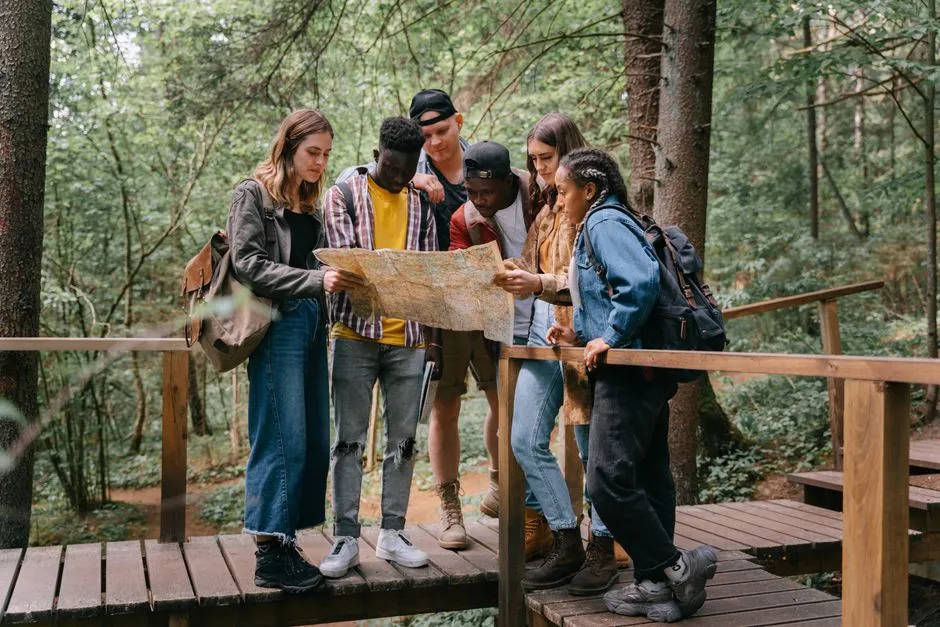
Experienced hikers don’t just say “I’m going to the mountains.” They leave what the trail community calls a trip plan, a structured document that gives a trusted person enough information to help rescuers locate them fast. This means telling someone where you are going, the trails you are hiking, when you will return, and your emergency plans.
Hikers should leave a trip plan and stick with it, and it should be a detailed itinerary telling loved ones exactly where and when the hiker will be reaching key points along their route. Including a vehicle description and trailhead parking location is equally useful, since rangers often begin a search by checking for cars left overnight.
The plan should also establish a clear trigger: if you haven’t heard from the hiker by a specific time, that’s when to consider them overdue and begin making calls. That agreed-upon threshold is what turns a delayed return from a family worry into an active rescue response.
Why Search and Rescue Experts Stress This Above All Else

Search and rescue experts say the most important thing hikers can do is tell two people their hiking plans in the event that they do not come back as intended. Not one person. Two. That redundancy matters when one contact is unreachable or uncertain about what to do.
If you’re lost off trail, you’re most likely going to have to spend the night, because search and rescue teams don’t want to create an incident within an incident by sending team members on an off-trail search at dark or near dark, and the standard protocol is to wait until morning. Hours matter enormously in cold weather, with an injury, or without adequate supplies.
This is precisely why a trail plan is so critical. When rescuers know where to look, those overnight hours are spent searching the right area instead of determining which of hundreds of possible trails to even begin checking.
The Real Cost of Not Leaving a Plan

Search and rescue operations are expensive, and the financial reality offers useful perspective. The average cost of a search and rescue operation is about $1,200, with helicopter rescues averaging $12,000. Extended multi-day searches push well beyond those figures.
The average search takes about 10 hours to find the individual, and on average they have been missing a total of 14 hours, with these nationwide efforts costing an estimated $5.1 million dollars each year. Resources spent on preventable rescues are resources that can’t be used elsewhere.
In some states, hikers deemed reckless or unprepared can face personal liability. In New Hampshire, for example, hikers and campers make up 62 percent of all rescues, and the average cost of each mission there has run around $1,635 per operation. Leaving a clear trail plan and sticking to it is, among other things, a safeguard against being classified as negligently unprepared.
When Seasoned Hikers Go Missing Too
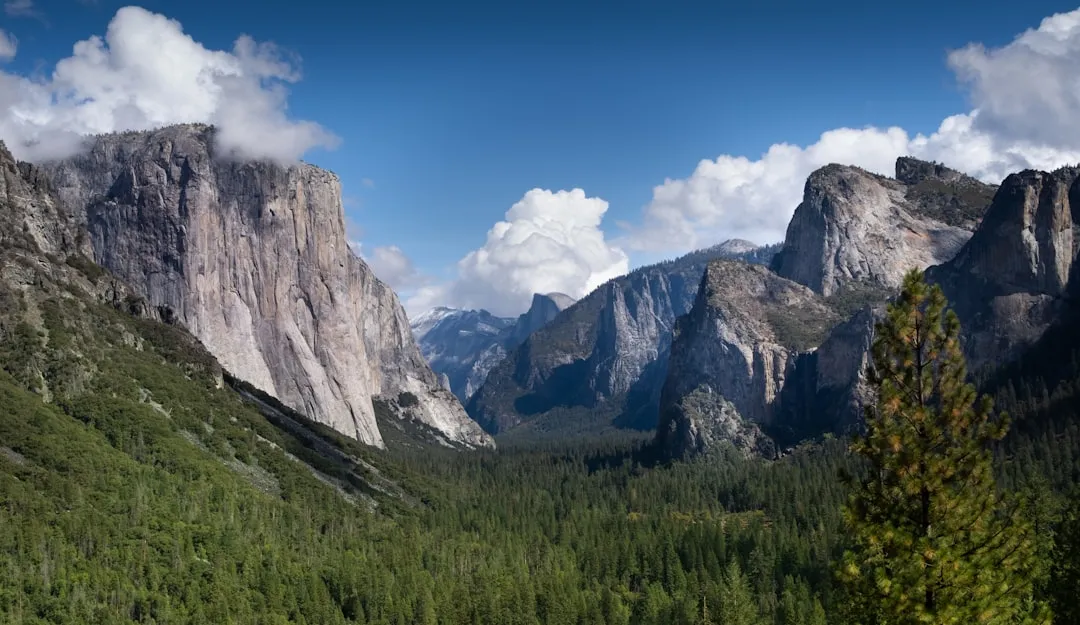
Experience on the trail provides real advantages, but it doesn’t eliminate risk. Conditions change. Health events happen. Navigation errors occur at every skill level. In 2024, the body of a 60-year-old former park ranger was found two days after Yosemite rangers discovered a note in his car describing his planned backpacking route, but by that time he was already two weeks overdue and was believed to have gotten lost.
The detail that stands out in that case is not the tragedy itself but what would have changed with a clear trail plan shared with a named contact. Two weeks is an enormous gap between departure and alarm. In 2024 alone, Yosemite Search and Rescue conducted 191 operations, with 90 classified as major, and the organization Friends of YOSAR reports that at least a dozen of those calls directly resulted in saved lives.
Every one of those saved lives benefited from someone, somewhere, knowing enough to call for help at the right time.
The Psychological Reality of Being Lost

Leaving a trail plan isn’t just about helping others locate you. It also shapes how you move and think when things go wrong. Getting lost is a high-stress situation known to trigger the fight-or-flight response, and lost hikers often keep moving when they should remain still, experience reduced cognitive function, lose the ability to recognize landmarks, and sometimes even run away from rescuers.
Knowing that someone at home has your itinerary and will sound the alarm at a specific time can reduce that panic. You can stay put with confidence that help is coming, rather than wandering further into trouble trying to self-rescue. The official advice for those who find themselves lost is to stay put, because someone will find you. That advice only holds if someone knows where to look.
Solo male hikers are the most likely to keep on walking until they are found, and therefore require a much bigger search area than any other demographic. Anchoring your behavior to a pre-shared plan, rather than instinct alone, is one of the quietest forms of wilderness preparedness there is.
Technology Helps, but It Doesn’t Replace a Human Contact
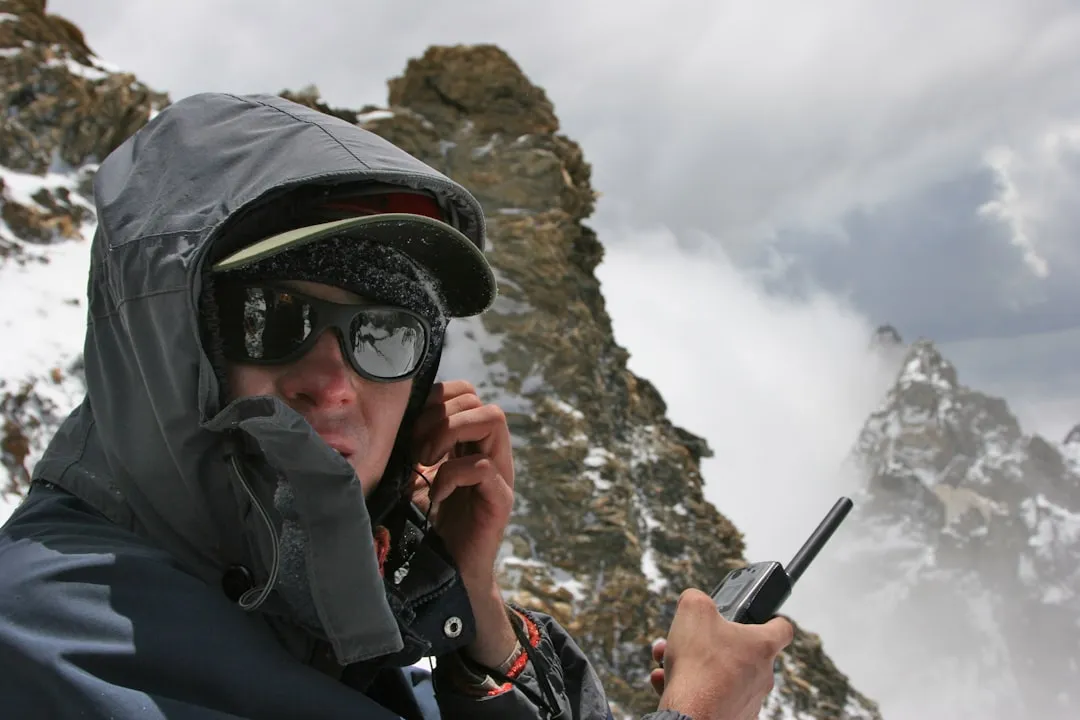
For at least the fourth year in a row, hikers and backpackers have made up a larger proportion of those calling for rescue than any other group. Despite improvements in GPS technology, satellite communicators, and emergency apps, the volume of rescue calls keeps climbing. Technology adds capability without replacing judgment or planning.
A combination of more people spending time outdoors and improved technology is driving the increase in rescue calls, and one official observed that whenever cell coverage improves, calls for service go up. The confidence that comes with a device in your pocket sometimes reduces the sense of urgency around older, simpler precautions like trail plans.
GPS-enabled safety devices provide real-time location tracking and emergency alerts, and these devices aim to reduce the time it takes for rescue operations to begin. They’re excellent tools. Still, a device with a dead battery or no satellite signal in a deep canyon offers nothing. A trusted person holding your written plan costs nothing and works regardless of coverage.
How to Make the Habit Stick
The practical barrier to leaving a trail plan is mostly habit. Experienced hikers build it into their pre-hike routine, right alongside packing food and checking the weather. The Green Mountain Club advises hikers to tell someone where they are going, the trails they are hiking, when they will return, and their emergency plans before every outing, not just for long backcountry trips.
You should know when to consider the hiker overdue. The conversation looks like: “I’m at a specific trailhead today and I will be back by Tuesday night at the latest. I’ll call you then. If you haven’t heard from me by Wednesday at noon, you should consider me overdue.” That specificity is what makes the plan useful when it matters most.
The contact person doesn’t need to be a wilderness expert. They need a copy of the route, the trailhead name and location, a vehicle description, expected return time, and a clear threshold for calling emergency services. Five pieces of information. Five minutes of preparation. That’s the full investment.
A Quiet Practice with Serious Stakes
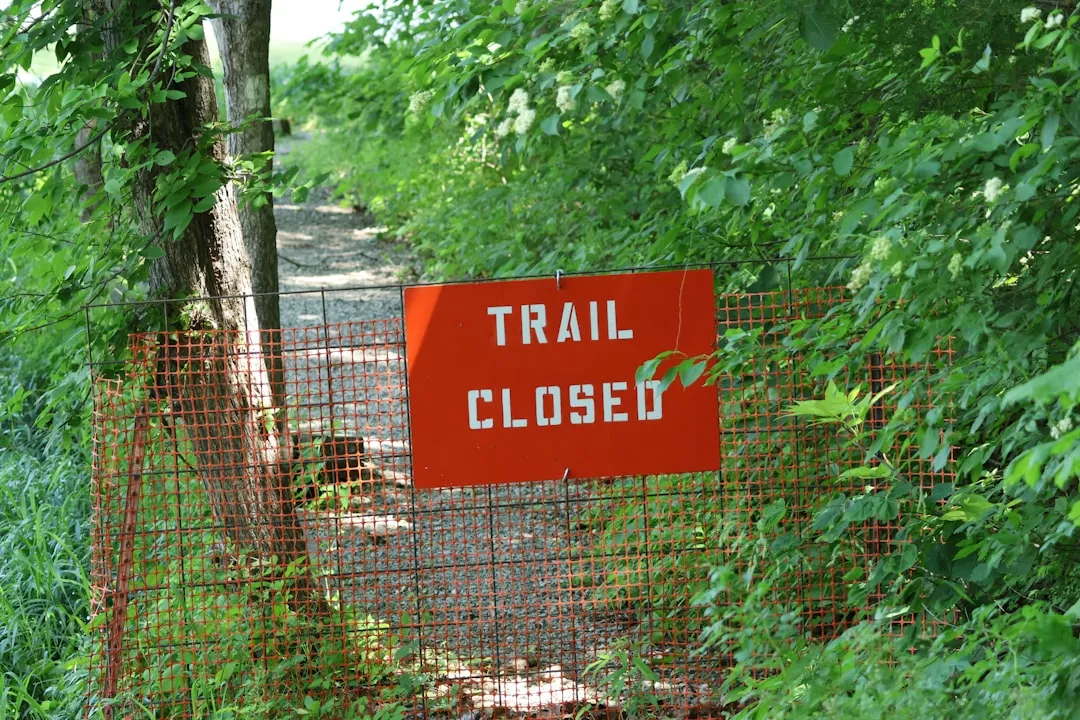
Trail plans don’t make for dramatic gear reviews or shareable trail photography. They don’t improve your fitness or your navigation skills. What they do is create a thread of accountability between the wilderness and the people who care about the person inside it. These incidents underscore the risks associated with hiking and trail running, especially in remote and rugged terrain, and highlight the importance of safety preparations and communication with others about travel plans.
Being prepared with backcountry knowledge and skills is more important than any piece of gear. That perspective, held by the Appalachian Trail Conservancy, captures something true about trail safety more broadly. The most important tools are often the simplest, and leaving a trail plan is about as simple as it gets.
Experienced hikers do it not because they expect something to go wrong, but because they understand the wilderness clearly enough to know that it sometimes does. That honesty, combined with a five-minute conversation before every hike, is what separates a good story told at dinner from a search and rescue operation launched at midnight.
AI Disclaimer: This article was created with the assistance of AI tools and reviewed by a human editor.