
Seasoned travelers develop certain habits that newer ones haven’t yet learned the hard way. One of the most consistent habits across the frequent traveler community is straightforward: before any trip, scan or photograph every critical document and store it somewhere accessible from anywhere in the world.
This isn’t paranoia. It’s a practical response to real events that happen to real people, every single year, in every corner of the globe. The scale of document loss during travel is much larger than most people assume, and the complications that follow can be deeply disruptive to a trip, and sometimes far beyond it.
The Scale of the Problem Is Hard to Ignore
According to the U.S. State Department, between 2024 and 2025, nearly 900,000 passports were reported as lost or stolen. That number is striking on its own. It means that roughly every 35 seconds, someone in the United States loses access to one of their most important travel documents.
Nearly 400,000 U.S., Canadian, and U.K. passports are lost or stolen annually, causing major travel disruptions, and countries like Spain, Italy, and France have notably high rates of petty theft against tourists. These are not rare edge cases. They are everyday occurrences in some of the most visited places on earth.
As travel frequency increases, so does the rate of document mishandling. The more trips you take, the more times you expose your documents to risk. Experienced travelers understand this arithmetic clearly.
Embassies and Consulates Move Faster When You Have Proof
When a passport goes missing abroad, the replacement process begins at the nearest embassy or consulate. The speed of that process depends heavily on what you can prove about your identity. Even if you cannot present all required documents, consular staff will do their best to help you get a new passport quickly, and if you have urgent travel, you can get a limited-validity emergency passport valid for up to one year.
The U.S. State Department encourages travelers to make a copy of their passport biographic page, U.S. visa, and admission stamp or paper Form I-94 as soon as possible after arrival. Having these copies accessible on your phone or in the cloud gives embassy staff the information they need to verify who you are and issue replacement documents far more efficiently.
Without any documentation at all, travelers can spend days or even weeks waiting for identity verification through alternative channels. A digital copy compresses that timeline significantly.
Petty Theft Follows Predictable Patterns

Thieves use distraction techniques such as Bump and Lift, Cut and Grab, and Distract and Swipe to target unsuspecting travelers. These methods are refined, practiced, and effective. They happen in busy train stations, at outdoor markets, near tourist landmarks, and on crowded public transit.
What makes them especially problematic is their speed. By the time you realize your bag or jacket has been accessed, the thief is long gone, along with your passport, travel insurance card, and any physical copies you were carrying. A digital backup stored separately from your physical belongings is entirely unaffected.
Expert travelers recommend splitting up valuables, keeping cash, credit cards, and identification in multiple places, and according to the Summer 2024 Global Rescue Traveler Sentiment and Safety Survey, roughly a quarter of male travelers and nearly a third of female travelers rely on this strategy. Digital copies are the logical extension of the same thinking.
Identity Theft Doesn’t Stop at the Airport
The Federal Trade Commission and affiliated agencies reported over 1.1 million identity theft complaints in 2024, reflecting a nearly ten percent increase from the previous year. Stolen travel documents contribute directly to this problem. A passport in the wrong hands isn’t just a travel inconvenience; it’s a gateway to fraud.
Identity theft caused losses of $12.5 billion in 2024. Travelers who keep digital copies can prove their own identity quickly after a theft, which is critical for disputing fraudulent activity and cooperating with investigators.
Experts estimate that identity theft happens every 22 seconds. When a document is stolen, the window for action matters enormously. Having a digital copy means you can immediately see exactly what information a thief now holds, and take steps to protect linked accounts and financial records.
INTERPOL’s Database Shows Just How Serious This Is Globally

INTERPOL’s Stolen and Lost Travel Document database is a searchable repository of information on passports, visas, and identity documents that have been reported stolen or lost, currently containing over 40 million records and available to police and border security authorities in 190 member countries. Forty million records is not a number that arrives by accident.
This database exists precisely because lost and stolen travel documents have become a serious global security concern. For travelers, the practical implication is that a stolen passport doesn’t just disrupt your trip; it enters a global law enforcement system and can complicate future border crossings if not properly reported.
Keeping a digital copy allows you to quickly retrieve your passport number, issue date, and country of issue, all the information required when making a report. Without that backup, you may not remember these details under stress.
The 3-2-1 Rule: A Framework Serious Travelers Adopt
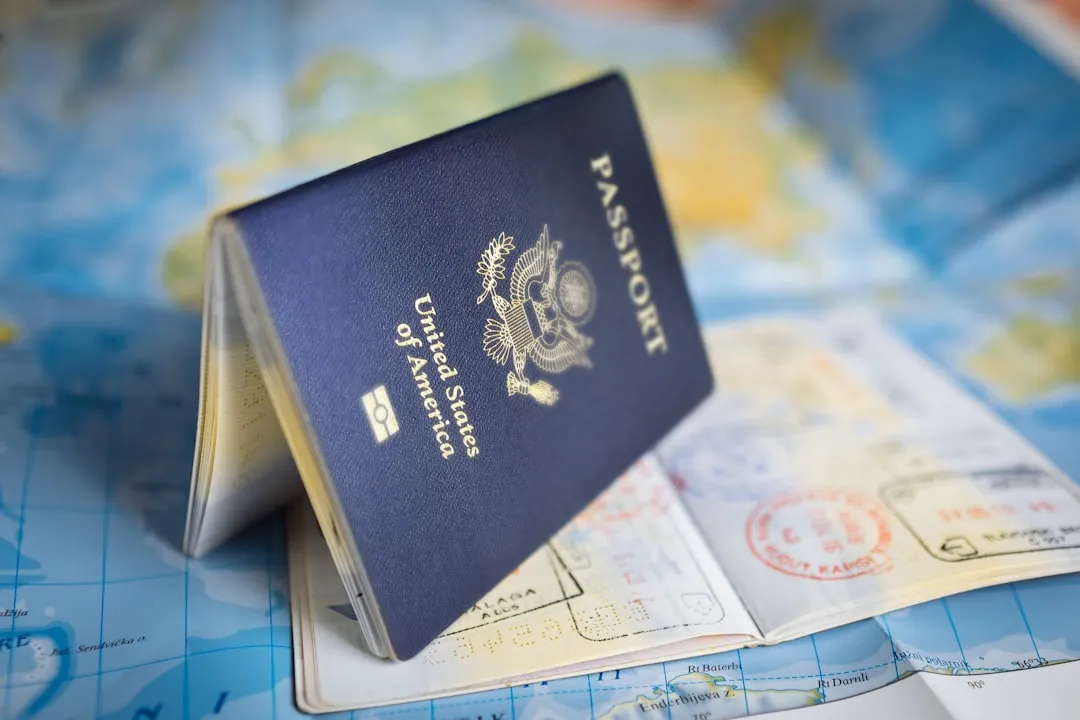
The most reliable approach to document backup follows a straightforward principle. Experts recommend keeping documents in at least three places: a physical copy in a fire-resistant safe, a digital copy in secure cloud storage, and another digital copy on an encrypted external drive, following the “3-2-1 backup rule” that protects against both physical disasters and digital threats.
Implementing multi-backup strategies, such as saving documents in Dropbox or Google Drive, offers increased safety during travel by providing access to critical information from multiple devices. The point isn’t to be excessive. It’s to ensure that no single event, a theft, a fire, a dead phone, can erase access to everything at once.
The U.S. State Department recommends that travelers keep two copies of their passports: one with them and one with a trusted friend or family member at home. Digital copies satisfy this recommendation in a modern, practical way.
Cloud Storage Security Has Matured Considerably

One hesitation some travelers have about storing documents digitally is the worry about security. Those concerns are reasonable, but the technology available in 2026 makes secure cloud storage far more reliable than leaving a physical document unattended in a hotel room.
End-to-end encryption ensures that data is protected both during transfer and in storage, and multi-factor authentication adds an extra layer of security by requiring more than one form of verification to access an account. These features are standard across most mainstream cloud platforms today.
Using multiple storage solutions rather than relying solely on one cloud service, and considering backups on physical drives or another cloud provider, adds further protection. The layered approach is exactly what document security professionals recommend. No single point of failure should be able to take everything down.
Tech Disruptions Reinforce the Need for Offline Backups Too
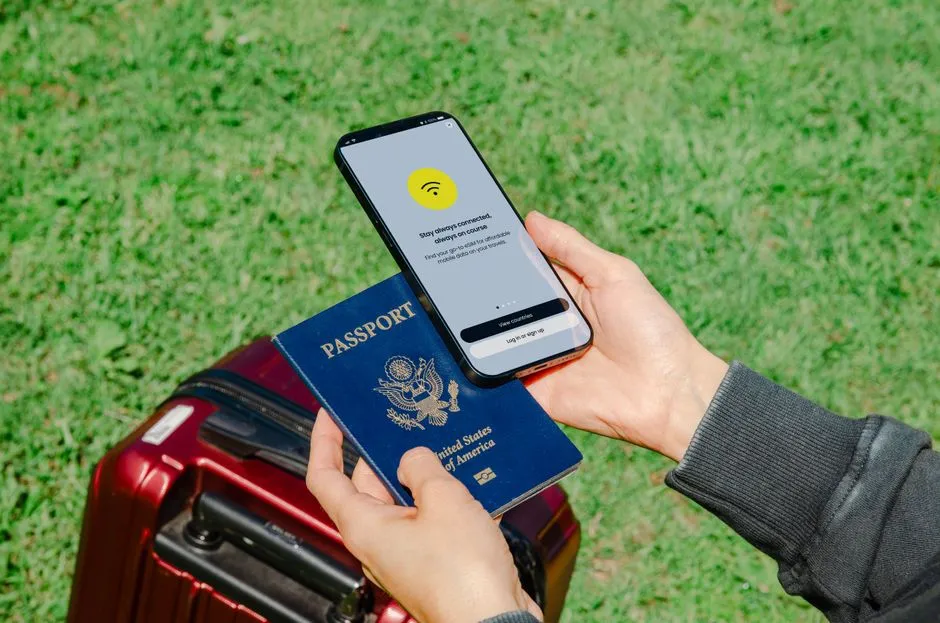
Digital backups don’t only protect against theft. They also protect against the unexpected failure of digital systems themselves. A multi-layered approach to document management prepares travelers for those inevitable moments when digital systems falter, and the increasing reliance on exclusively digital travel management has proven problematic during airline tech disruptions.
This redundancy can save a trip if a phone or digital devices are compromised, or if internet disruptions occur in remote areas. Having screenshots of booking confirmations, travel insurance documents, and hotel reservations stored offline on a device means that a Wi-Fi outage doesn’t also become a travel crisis.
Creating a designated folder on a phone to collect all travel documents digitally, and utilizing note-taking apps to store confirmation numbers and essential details, further streamlines access especially when offline. This takes perhaps twenty minutes to set up before any trip.
What Documents Actually Belong in That Digital Folder
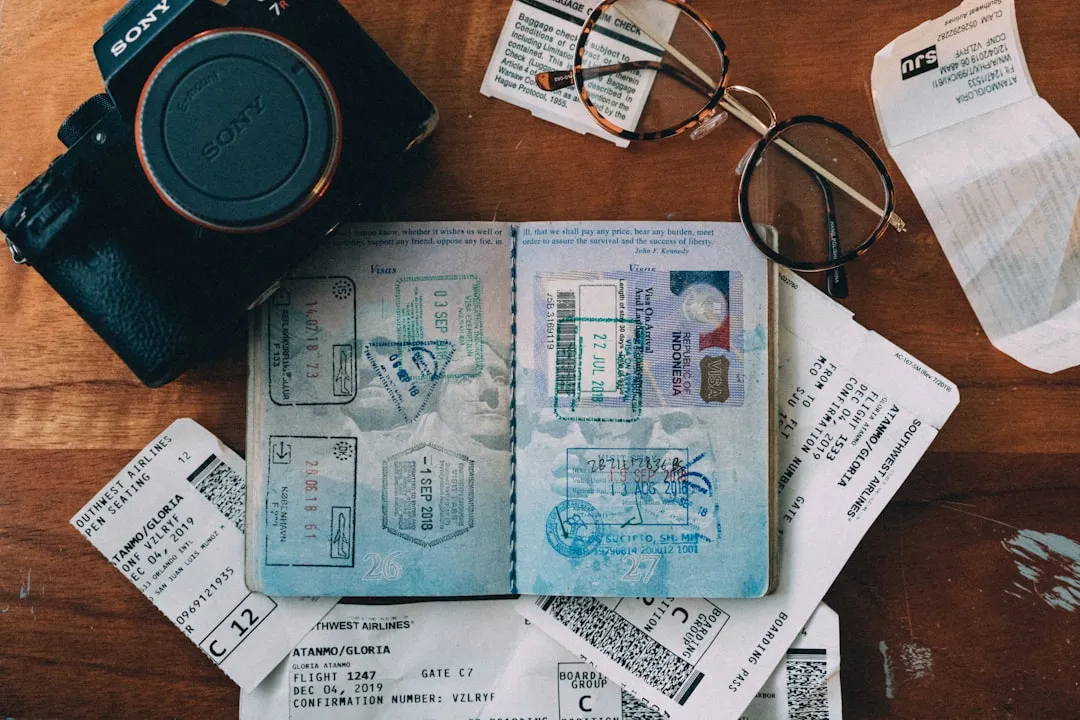
Experienced travelers tend to agree on a core set of documents that should always be backed up digitally before departure. It is recommended to make photocopies or digital copies of important documents like passports, visas, travel insurance, and contact information. These four categories cover most emergency situations a traveler is likely to face.
Beyond those basics, seasoned travelers also back up their driver’s license, credit card details and emergency contact numbers for each card, the address and phone number of their home country’s nearest embassy at their destination, and any prescriptions or medical documentation they carry. Making physical and virtual copies of a passport and storing them in an accessible and secure place, while also saving the relevant embassy’s location and contact information, is strongly advised.
Storing scans of a passport, ID, and credit card information in secure cloud storage can facilitate quick replacements. The key word there is quick. Speed matters enormously when something goes wrong in an unfamiliar place.
The Psychological Benefit Is Real and Underappreciated

There’s a quieter argument for digital document backups that doesn’t get mentioned enough: the effect it has on how you actually experience travel. Knowing that a digital backup exists changes how you move through the world when you’re abroad.
Prioritizing digital security for travel documents can enhance a trip by offering greater peace of mind, reduced stress, and a chance to truly focus on enjoying the journey. That’s not a minor benefit. Anxiety about losing a passport or being unable to prove your identity is a real background tension for many travelers, particularly in unfamiliar countries.
It’s not just about preventing theft or loss; it’s about handling the complexities of travel in a way that mitigates stress and enhances preparedness. Experienced travelers have figured this out. The habit costs almost nothing in time, and the return in confidence and resilience is significant.
A Simple Habit That Belongs in Every Pre-Trip Routine
The travelers who rarely get rattled by travel disruptions tend to share certain pre-departure habits. Scanning documents, uploading them to a secure cloud folder, and sharing access with one trusted person at home is now as standard for many frequent travelers as booking a flight or packing a bag.
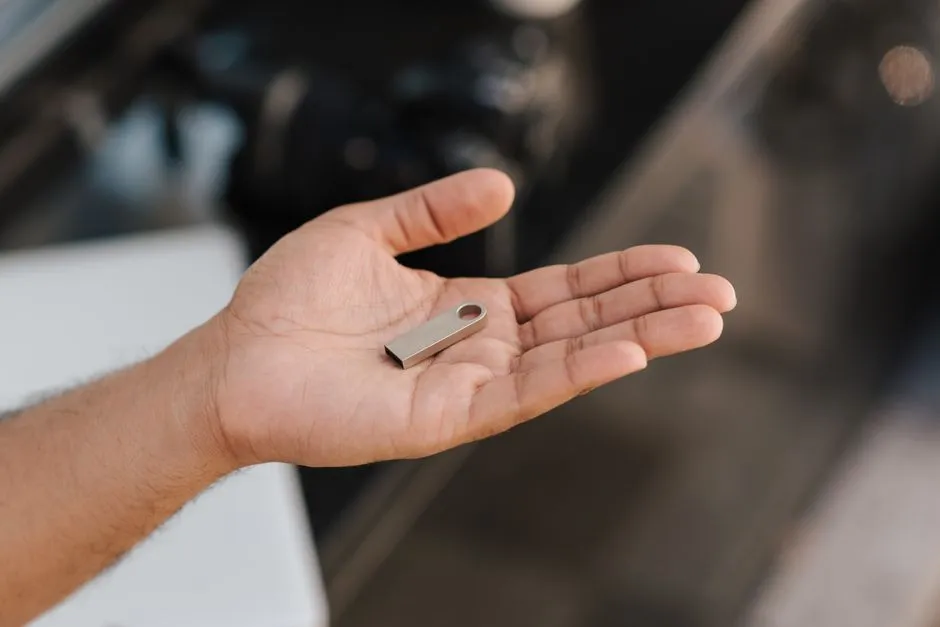
Storing digital copies of travel documents on encrypted drives is a smart move to protect against the hassle of losing or having them stolen while away, and having encrypted backups readily accessible makes it easier to replace lost items or confirm identity if needed, best paired with physical backups kept in a secure place.
The takeaway is simple, even if it’s easy to overlook before a trip. Documents can disappear in seconds. Recovering without a backup can take days or weeks. Experienced travelers have done the mental math on this one, and the answer is always the same: scan everything, store it securely, and travel with far less to worry about.
AI Disclaimer: This article was created with the assistance of AI tools and reviewed by a human editor.