


Most seasoned travelers have a small arsenal of packing tricks that never make the glossy packing guides. The is one of them. It sits quietly at the bottom of a bag, takes up almost no space, and tends to get noticed only when someone else spots it and asks why on earth you brought it.
The honest answer is that experienced travelers have learned, sometimes through uncomfortable first-hand moments, that hotel security is more uneven than the star ratings suggest. A simple wedge of rubber can close the gap rather quickly.
Hotel Locks Are Less Reliable Than You Think
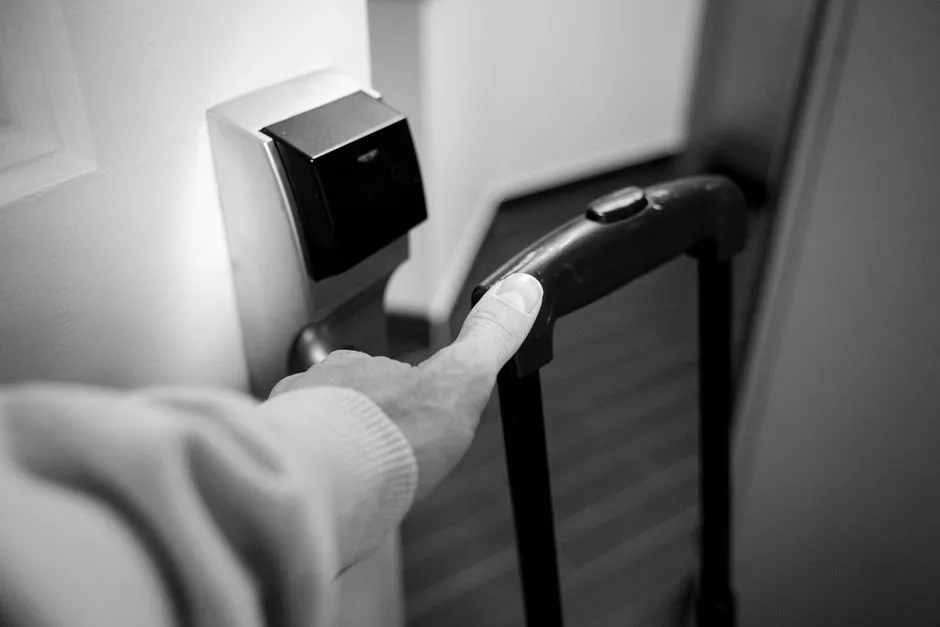
In 2024, security researchers revealed a vulnerability, dubbed “Unsaflok,” in a popular brand of keycard locks. Starting from a single ordinary key card, researchers could forge cards that opened any room in a building. Around three million doors at roughly 13,000 properties were affected.
Security specialists also cite a lack of secondary door locks, outdated key-card systems, insecure windows, and visible gaps in door frames as ongoing vulnerabilities. Even at well-regarded properties, the hardware securing your room may not be as formidable as the lobby suggests.
Theft and burglary remain the most common hotel crimes, and most issues trace back to door hardware failures, lapses in process, or negligence such as leaving doors ajar. Travelers must take a hands-on approach, as hotel staff may not always catch a lock malfunction or attempted intrusion in time.
The Numbers Behind Hotel Room Theft
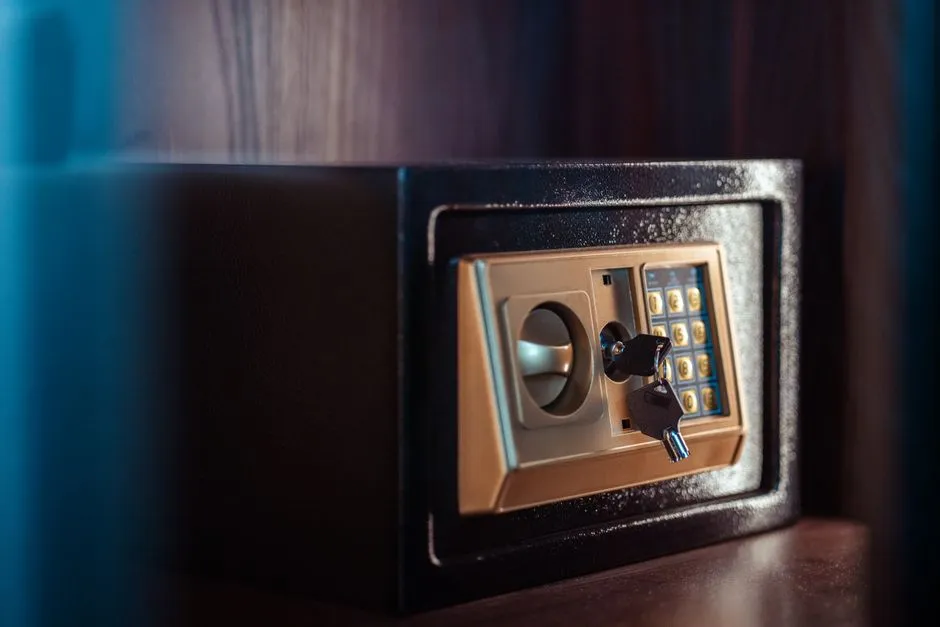
According to a SafeWise survey, roughly one in four Americans have had items stolen from a hotel room. That is not a fringe concern. It is a genuinely common experience that many travelers have simply absorbed as the cost of moving around the world.
Safety is the number one concern for business travelers, according to a survey by the Global Business Travel Association. Experts note there has been a similar rise in concern among leisure travelers as well.
Notably, more than one in five travelers have already placed a chair or other obstacle against their hotel room door for added security, and roughly one in five say they have used a doorstop alarm on their hotel room door. The rubber doorstop, in other words, is not an eccentric habit. It is a natural evolution of instincts travelers already have.
It Weighs Almost Nothing
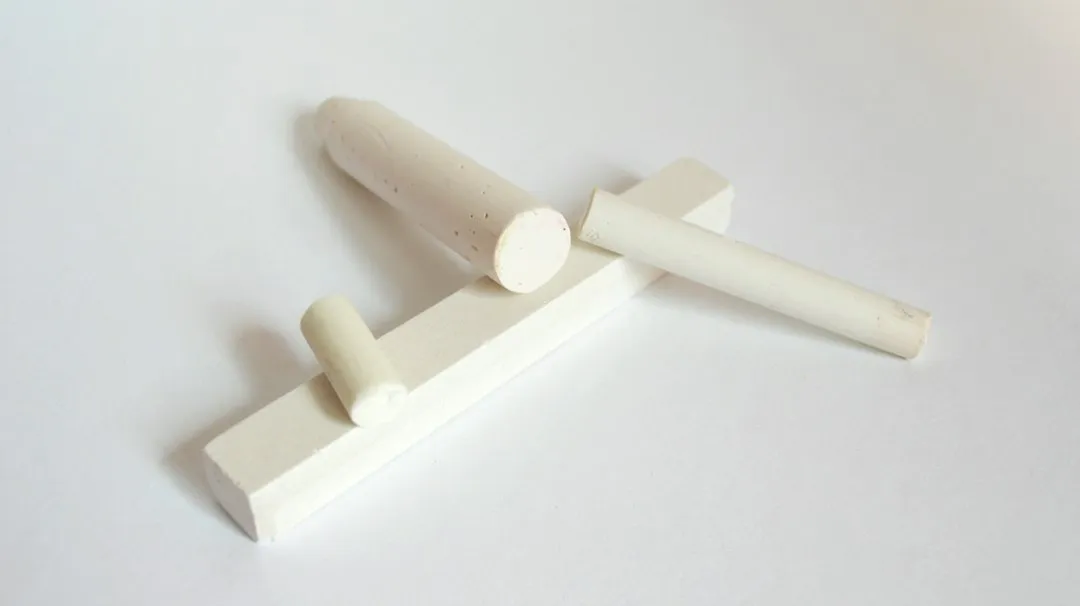
One of the strongest arguments for packing a rubber doorstop is how little you are actually committing to. A small rubber doorstop, pushed firmly under the door from the inside, adds a physical barrier that cannot be picked or opened with a spare key. It weighs only a few grams and takes up less room than a sock.
Basic rubber travel doorstops typically weigh under 50 grams, which is roughly the weight of a few coins. They fit without effort into the outer pocket of any bag or the corner of a wash kit. The tradeoff between that negligible weight and the reassurance it provides is straightforward once you think it through.
A simple rubber door wedge or portable lock costs under fifteen dollars and can instantly reinforce virtually any hotel room door within seconds, especially useful if the hotel lock seems weak or unreliable.
It Works When the Built-In Locks Don’t
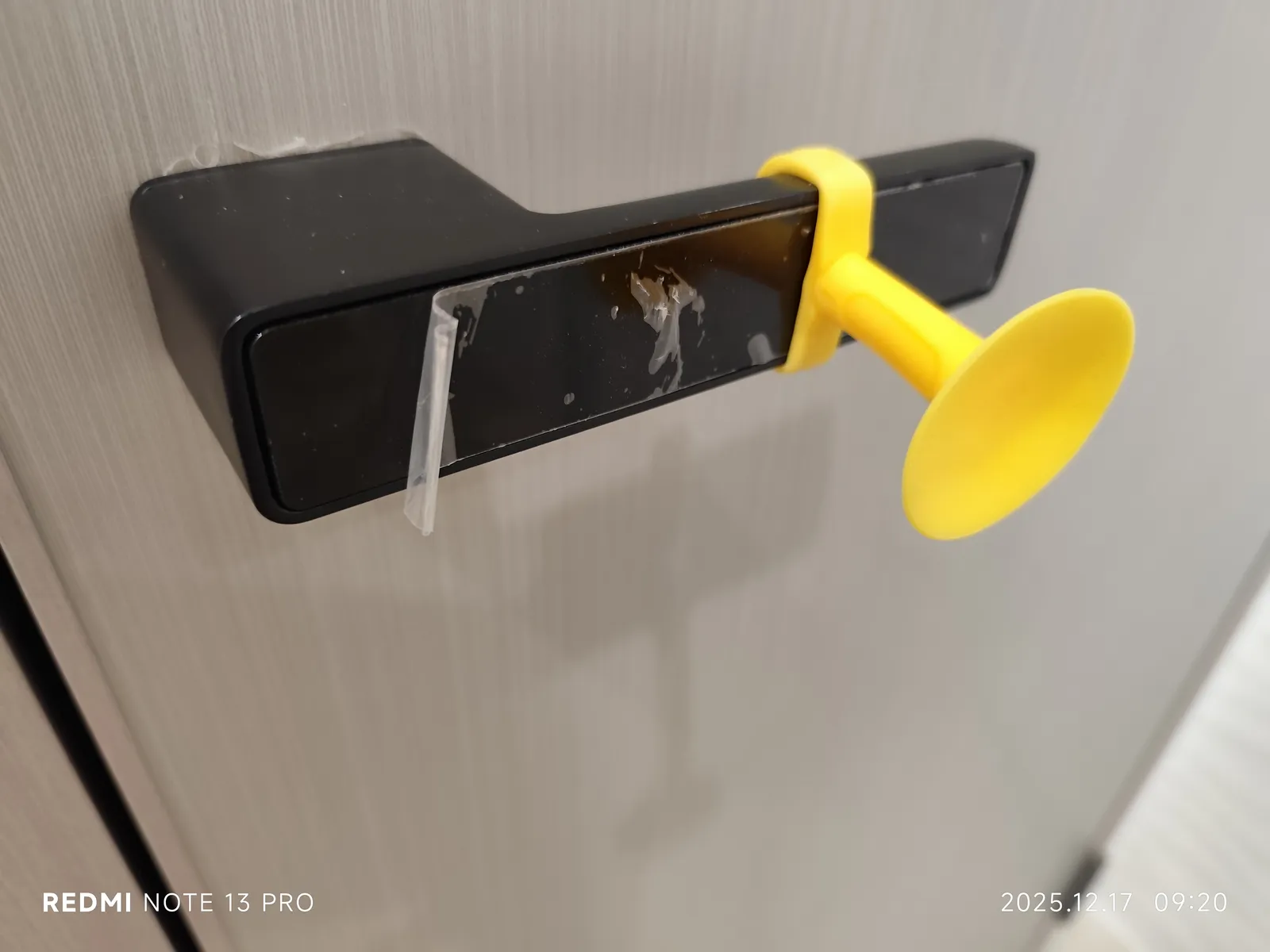
Not every hotel room comes with a deadbolt, a swing bar, and a functioning chain latch. Budget properties, older guesthouses, and accommodations in some regions frequently have nothing more than a standard spring latch on the door. Budget single rooms and older guesthouses sometimes have lightweight internal doors with simple latches that do not inspire much confidence, and a small rubber doorstop pushed firmly under the door from the inside adds a physical barrier that cannot be picked or opened with a spare key.
Wedging a rubber or wooden doorstop under a hotel room door prevents intruders from entering in the same way stacking luggage or a chair in front of the door alerts someone if another person tries to enter. The doorstop, though, is quieter, more reliable, and far less awkward to explain at checkout.
Security experts recommend using every available locking mechanism once inside a room: “the deadbolt, chain and even a portable door lock or rubber doorstop if you carry one.” The wedge simply becomes another layer in that routine, the one that requires no installation and no instructions.
It Went Viral for a Reason
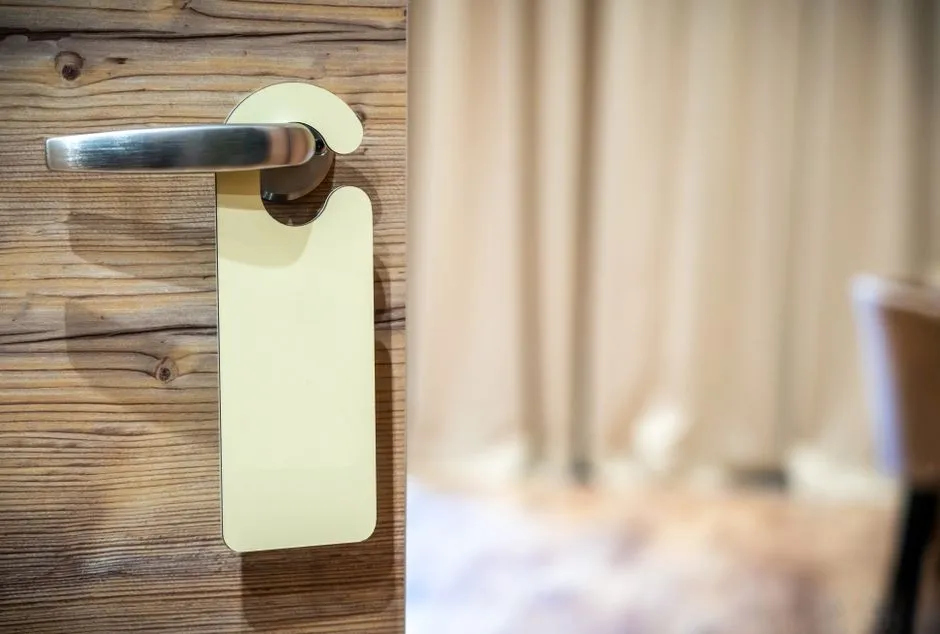
The rubber doorstop method went viral on social media after flight attendants shared it as a go-to hotel safety hack. Flight attendants spend more nights in hotel rooms than almost any other professional group, and their collective endorsement carries a certain weight of practical experience behind it.
Travel writer Ulrike Lemmin-Woolfrey, who spends about 75 nights a year in hotel rooms, recommends always keeping a rubber doorstop in your suitcase. This kind of consistent, real-world endorsement from people who actually live out of hotel rooms is worth paying attention to.
The trend has not faded. If anything, it has grown as more travelers share safety setups online, and the rubber doorstop appears again and again as the simplest item on every seasoned packer’s list.
It’s Especially Useful for Solo Travelers

Solo travel involves a different kind of situational awareness than group travel. There is no one else in the room to hear an unexpected noise, no second person to hold the door while you think. A rubber door wedge or doorstop is considered a great piece of travel safety kit by many solo travelers. These can be bought cheaply and are lightweight to carry. Some experts recommend using one with a built-in alarm for added protection and peace of mind.
In research communities for solo travelers, a portable door lock is frequently suggested as a packing list essential, particularly for solo women travelers. The doorstop is often the first recommendation given because it needs no setup, no key, and no instruction booklet.
The peace of mind it provides during night hours is genuinely disproportionate to its size. You wedge it in, and that is the end of the thought process for the night.
Upgraded Versions Include an Alarm
The original rubber wedge has evolved quietly. Many travelers now carry doorstop versions that include a built-in alarm, which activates the moment the door is pushed from the outside. These updated versions work on any floor surface and activate a 120-decibel alarm upon intrusion, with an adjustable sensitivity switch to prevent accidental triggering.
A 120-decibel alarm is roughly as loud as a power drill from close range. It will wake most people from deep sleep, and it is loud enough to be heard through a closed door from the hallway. The deterrent effect alone may be the more important feature.
Security-focused travelers recommend using one with an alarm for added protection and peace of mind, noting that it is reassuring to know that if someone opens the door in the night, the alarm will sound immediately.
It Works Beyond Hotels
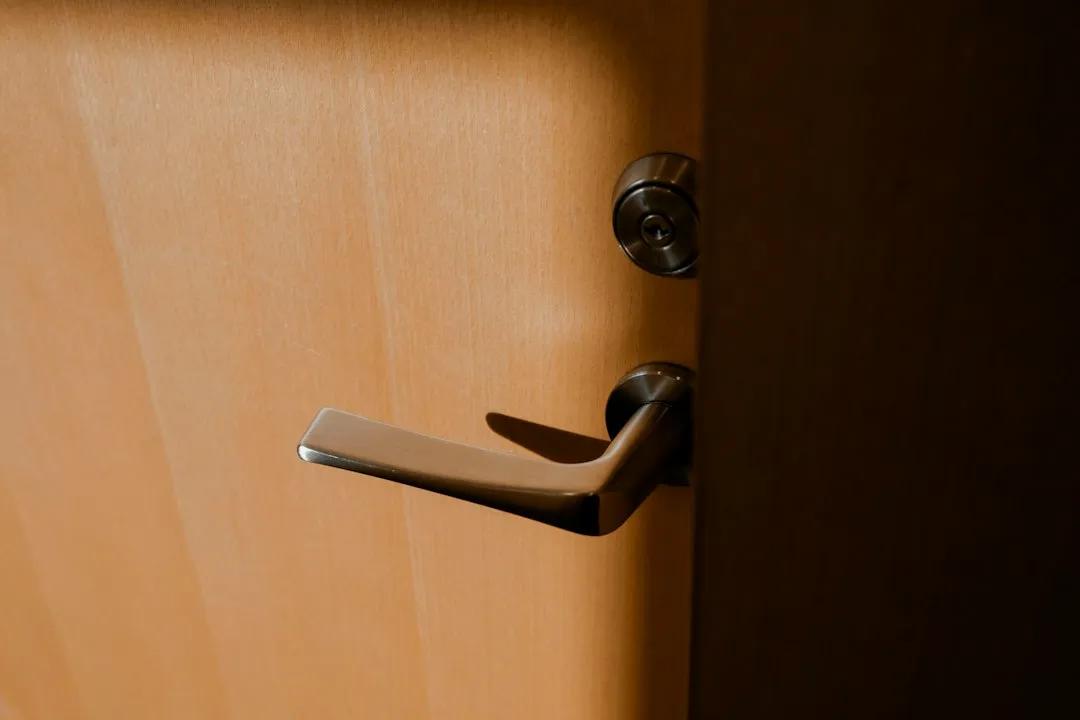
The rubber doorstop’s usefulness does not stop at hotel check-in desks. The same logic applies to Airbnb rentals, guesthouses, hostel private rooms, and short-term rental apartments. Whether staying in a hotel, Airbnb, or temporary housing, the security of an unfamiliar room is never certain.
Rental properties present a particular grey area because previous guests may have made copies of keys, and not every host updates their locks between bookings. A doorstop adds a layer of physical reassurance that works independently of any key system entirely.
These devices are described as perfect for hotel stays, traveling, unsafe areas, and living or working alone. The range of contexts shows how broadly the simple wedge principle applies once you start thinking about unfamiliar spaces.
Know Its Limitations

A rubber doorstop is a genuinely useful tool, but it performs best on certain surfaces and door configurations. If a hotel room has carpet, it is worth looking for a wedge with a grip strip or textured bottom surface to prevent sliding. A smooth wedge on deep carpet will not hold well, which is worth knowing before you depend on it.
Some very old or outward-opening doors may not be compatible with a standard rubber wedge. It is worth testing the doorstop at check-in and traveling with a backup option just in case. Outward-opening doors, though uncommon in most hotels, do exist in some older European properties and certain budget accommodations.
The doorstop works best as part of a broader routine rather than as a standalone solution. Always engaging every built-in lock on a hotel room door the moment you step inside, including the deadbolt, the security chain or swing bar latch, and the privacy lock on the handle, remains the essential first step. The wedge reinforces what is already in place.
What Security Professionals Actually Recommend
Travel safety expert Philip Farina has noted that “sometimes, the simplest products can go a long way towards hardening your hotel room against criminals.” That observation cuts to the heart of why the doorstop has endured as a recommendation from professionals and frequent travelers alike.
The University of Texas at Dallas travel safety guidelines specifically recommend considering packing a small rubber doorstop to use in cases where hotel room doors do not have a deadbolt. When institutional safety guides and solo travel forums reach the same conclusion, that tends to be meaningful.
Higher spending on accommodation does not always equal less risk; sometimes the basics like locking your bag or using a doorstop matter most. A portable doorstop or lock costs under fifteen dollars and can make any hotel room feel much safer, regardless of budget.
A Small Object With a Clear Purpose

There is something quietly reassuring about a tool that does exactly one thing and does it well. The rubber doorstop has no app, no subscription, and no pairing process. You wedge it under the door, and the door becomes meaningfully harder to push open from the outside. That simplicity is part of its appeal to experienced travelers who have learned to value things that work reliably in unfamiliar environments.
Hotel room security will continue to evolve, with smarter locks, better key card systems, and improved hardware. The global hotel door lock security market reached nearly three billion dollars in 2024 and is projected to grow significantly through the coming decade, driven by rising security concerns and increased adoption of smart lock systems. Still, software can be hacked and hardware can fail.
A wedge of rubber under a door cannot be remotely unlocked. For the travelers who think about these things, that remains the point.
AI Disclaimer: This article was created with the assistance of AI tools and reviewed by a human editor.