
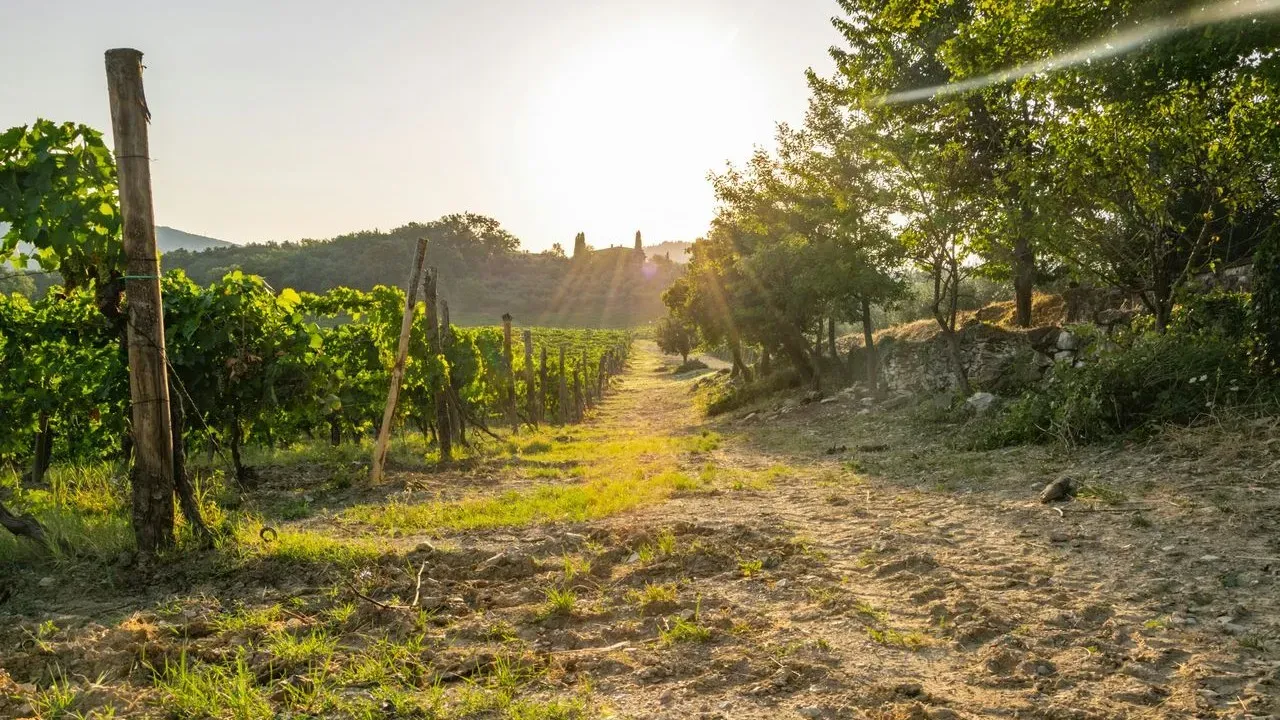

A noticeable shift is underway in how many Americans plan their time away from daily routines. Rather than defaulting to familiar resort settings, growing numbers are turning toward working farms for stays that emphasize direct involvement with the land and its rhythms. Recent surveys indicate that 84 percent of travelers express interest in lodging on or near a farm, reflecting a broader desire for experiences rooted in place and purpose.
The Practical Drivers Behind the Interest
Travelers often cite a wish to slow down and engage with tangible activities as a primary motivation. Farm stays provide opportunities to participate in seasonal tasks, observe livestock, or learn about crop cycles in real time. This approach appeals particularly to those balancing demanding urban schedules who seek measurable contrast during their time off.
Rural operators have responded by expanding lodging options that integrate comfortably with ongoing farm operations. Properties range from renovated barns and guest cottages to dedicated cabins, each designed to accommodate visitors while preserving the working character of the land. The result is a form of tourism that generates direct revenue for local families and supports the continuation of agricultural practices.
What a Typical Stay Involves
Guests frequently begin the day with early chores or guided walks through fields and pastures. Afternoons may include workshops on cheese making, beekeeping, or sustainable gardening, depending on the season and the farm’s specialties. Evenings often center on shared meals prepared with ingredients harvested on site, creating natural opportunities for conversation with hosts and other visitors.
These activities are presented as optional, allowing participants to choose their level of involvement. Some travelers prefer quiet observation from a porch or trail, while others value the chance to contribute labor alongside experienced farmers. The flexibility helps ensure the experience remains restorative rather than prescriptive.
Economic and Community Benefits
Farm stays contribute measurable support to rural economies that rely heavily on agriculture. Revenue from lodging and related activities helps offset fluctuating commodity prices and provides a buffer during challenging growing seasons. In many regions, this additional income stream has encouraged younger family members to remain involved in operations they might otherwise have left.
Local businesses also see indirect gains when visitors purchase supplies, dine at nearby establishments, or attend regional events. The model encourages longer stays than typical weekend getaways, spreading economic activity more evenly across communities. Travelers benefit from authentic interactions that standard lodging rarely offers.
Planning Considerations for Interested Guests
Prospective visitors are advised to research farms that align with their interests and comfort levels. Many properties maintain detailed websites outlining available activities, dietary options, and accessibility features. Booking well in advance is common, especially during peak harvest periods when demand rises.
Clear communication with hosts beforehand helps set expectations around participation, noise from animals, and the pace of rural life. Those new to the concept often start with shorter stays to gauge their response before committing to longer visits. This measured approach supports positive experiences for both guests and operators.
The trend points to a lasting preference among travelers for vacations that combine rest with meaningful engagement. As more farms refine their hospitality offerings, the option continues to attract those who value direct connection to the landscapes and communities that sustain them.
AI Disclaimer: This article was created with the assistance of AI tools and reviewed by a human editor.