

The Moment the Ban Took Effect
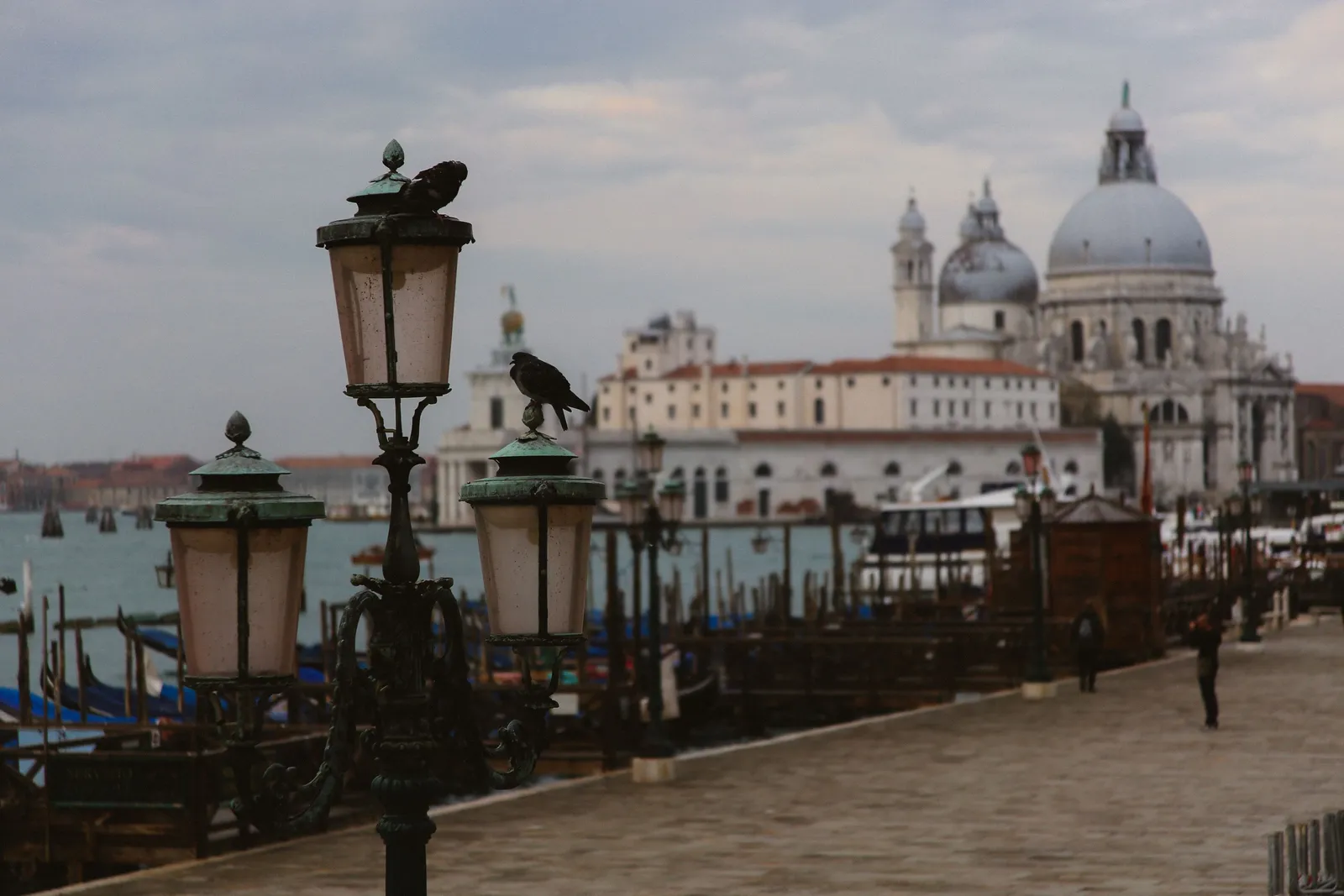
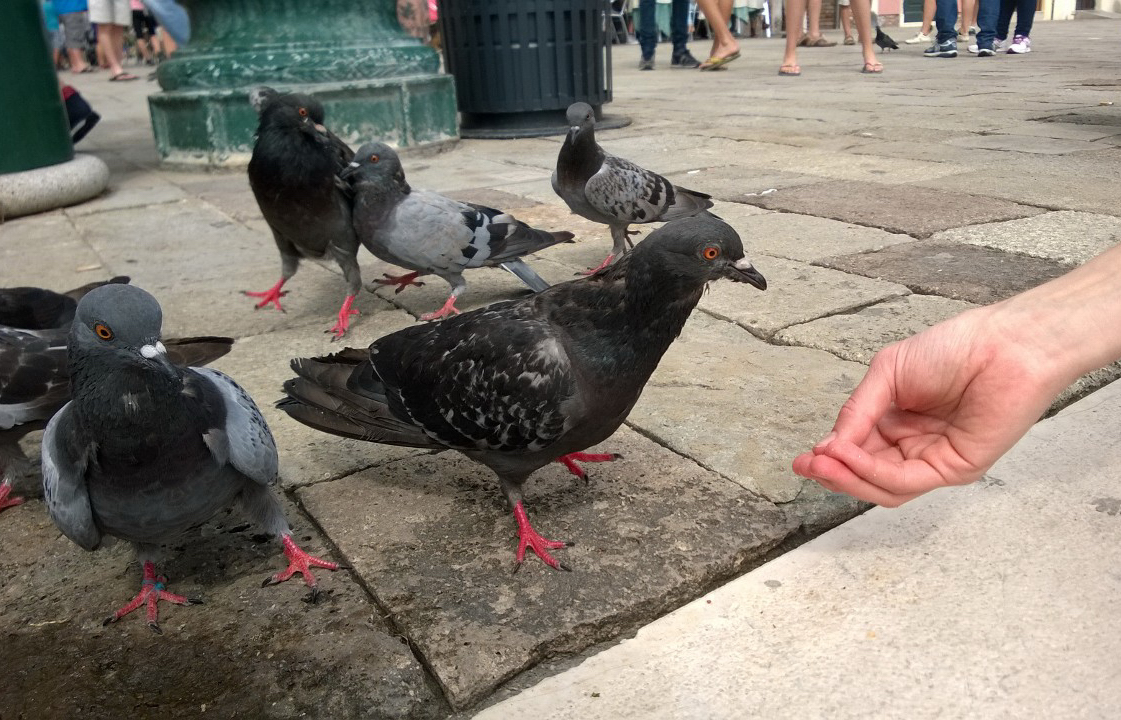
In 2008, tossing bread crumbs to the pigeons that gathered in Venice’s most iconic square became illegal. The law didn’t arrive quietly. A ban on feeding Venice’s famed flocks of pigeons took effect, and nineteen pigeon-feed sellers on St. Mark’s Square immediately went out of business – vendors who had long been granted licenses to sell packages of dried corn to tourists wanting snapshots of themselves covered with the birds.
Although feeding the pigeons had long been outlawed in other parts of the lagoon city, Mayor Massimo Cacciari won his battle to extend the ban city-wide and force the square’s licensed birdseed sellers to shut up shop. It was a definitive, city-wide shift – not just a tweak to an existing rule.
How Overcrowded the Square Had Become
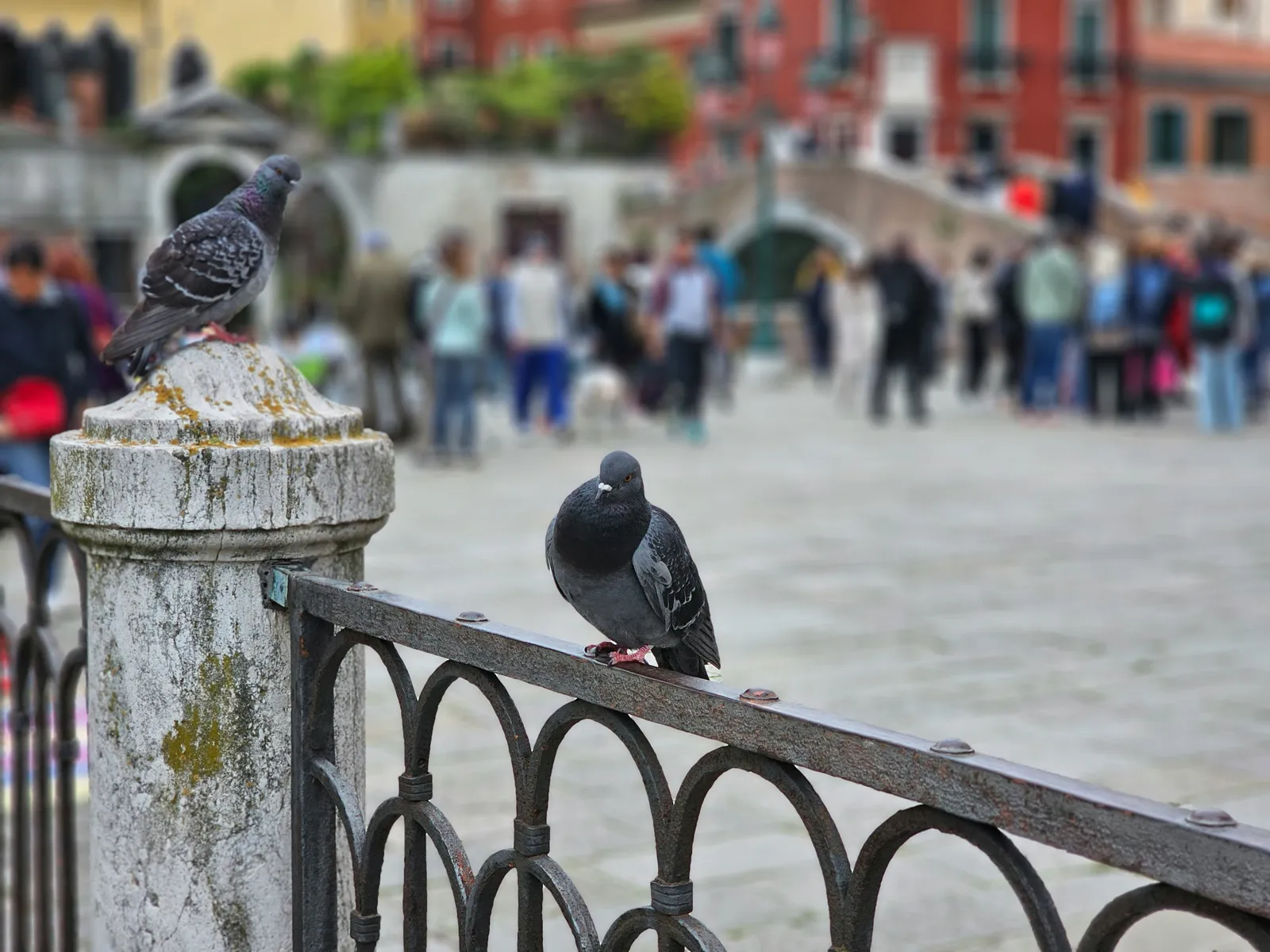
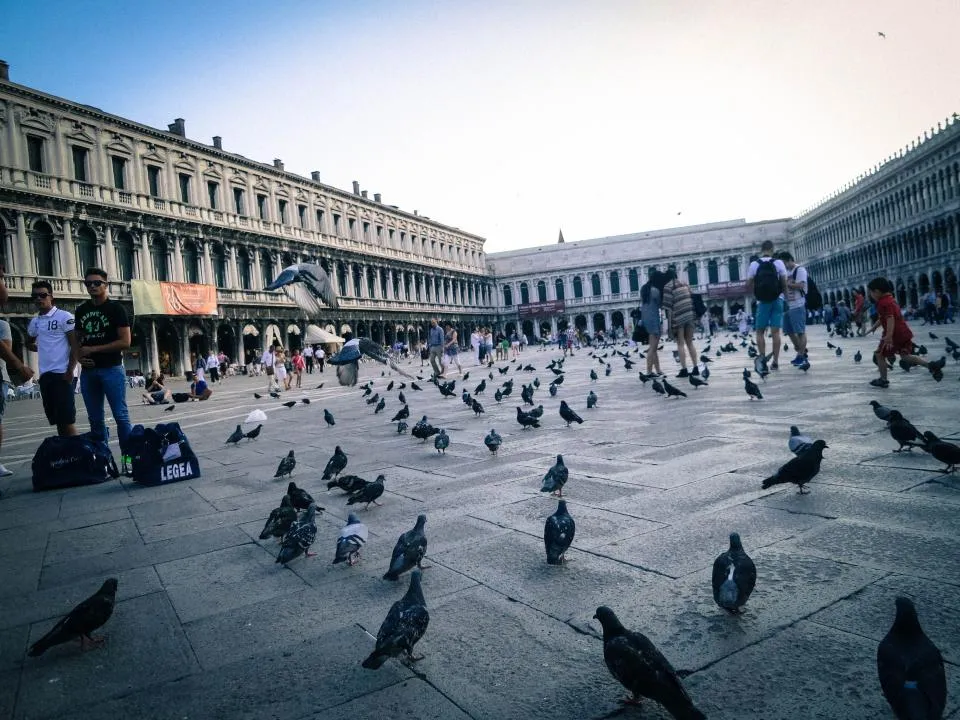
No one knows for sure how many pigeons live in Venice’s 2.5 square miles, but the city estimated around 40,000. About one-third of them passed through St. Mark’s Square on any given day, according to environmental officials. That’s a staggering concentration of birds in one open space.
City officials were frustrated that the pigeon population had ballooned well beyond what the city could reasonably accommodate. For context, the city’s own estimates at one point put the figure at 120,000 pigeons across Venice, with pigeons outnumbering Venetians two to one. The sheer density was the root of almost every problem that followed.
The Devastating Effect on Historic Architecture
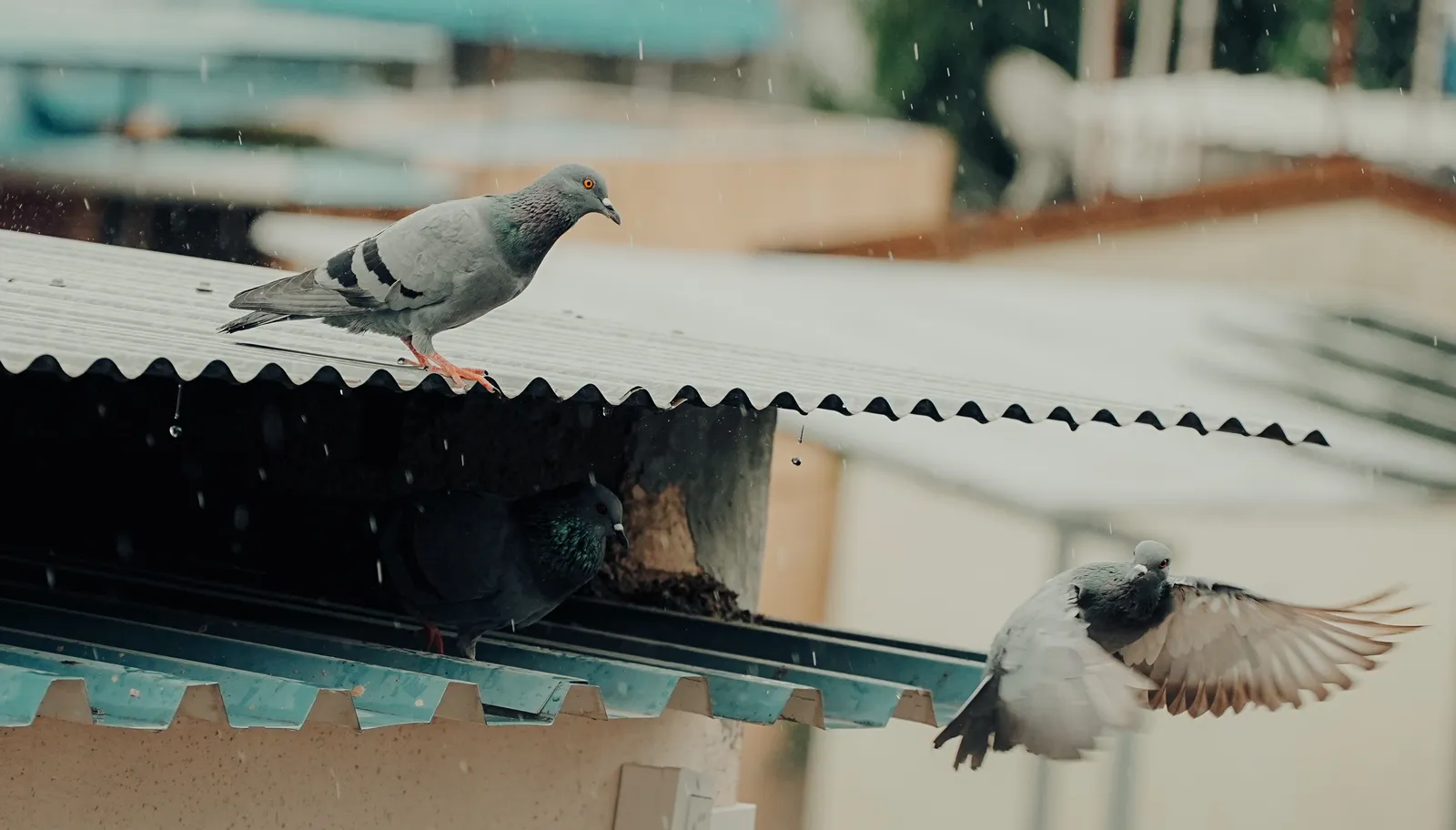
The excrement the birds leave behind is acidic, and it can damage the mosaics on the historic buildings that surround the piazza. This isn’t gradual, negligible wear. Pigeons were blamed for damaging art and architecture, with their highly acidic droppings causing structural damage as the substance seeped into fissures, while their constant scratching and pecking damaged marble monuments.
The pigeons scratch monuments with their claws and peck at stone in order to get the calcium they need to digest their food. According to the science faculty at Venice University, pigeon droppings also attract sulphur-based bacteria that attack marble, as well as lichen and fungi that eat away at it. The damage compounds quietly, year after year, in ways that are genuinely difficult to reverse.
The Financial Cost to Every Venetian Resident
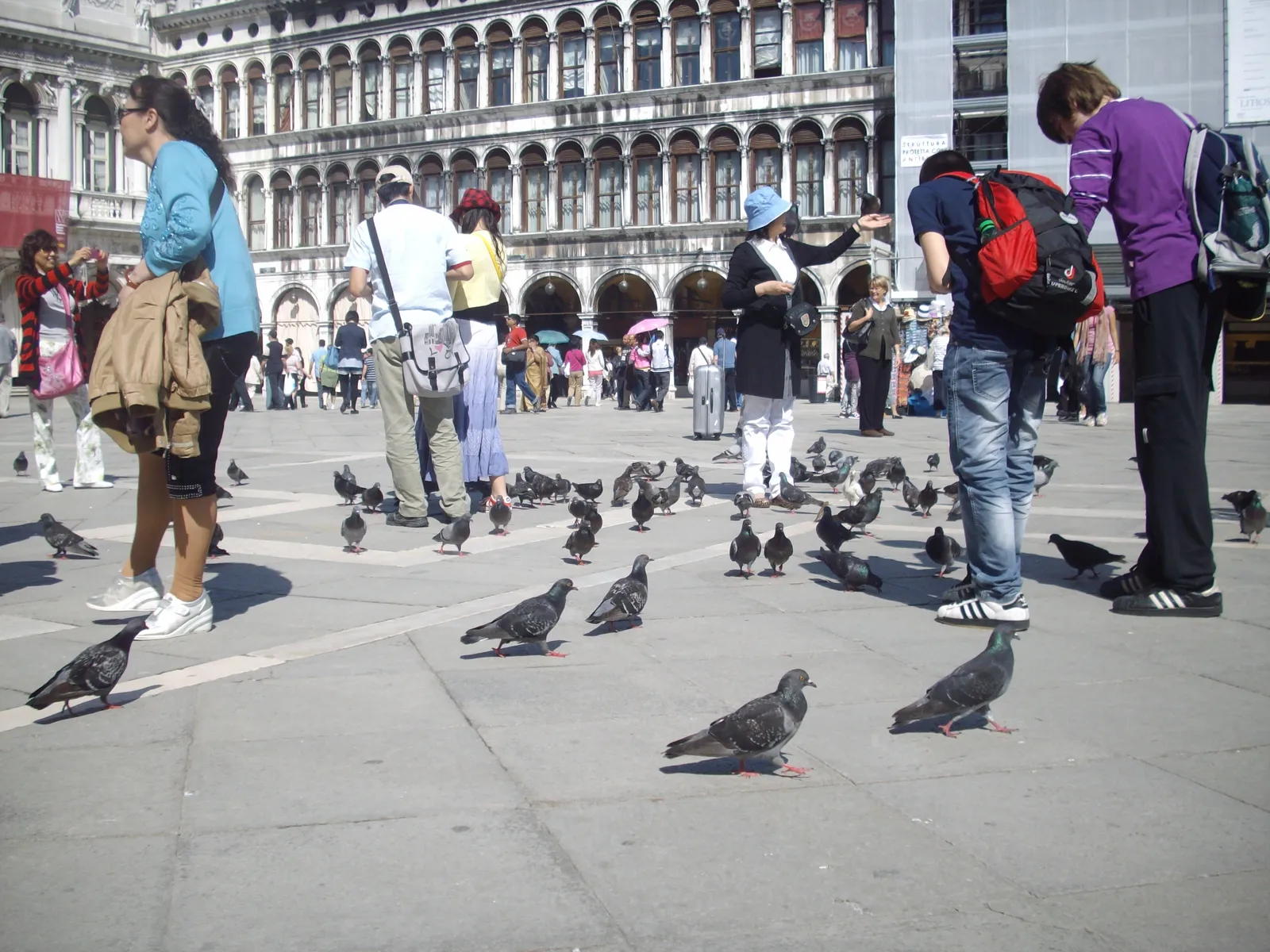
Local people became less sympathetic to the plight of both vendors and birds after a report by the Nomisma research group found that the presence of pigeons in Venice costs each resident around 275 euros a year to clean up the mess and damage. That’s a real, recurring financial burden placed on the shoulders of ordinary residents.
Every year around 20,000 pigeons were being removed, at a collective cost of 850,000 euros. These were not abstract budget lines. They represented money that could have been directed toward conservation, infrastructure, or community services in a city that already faces enormous preservation costs.
The Public Health Argument
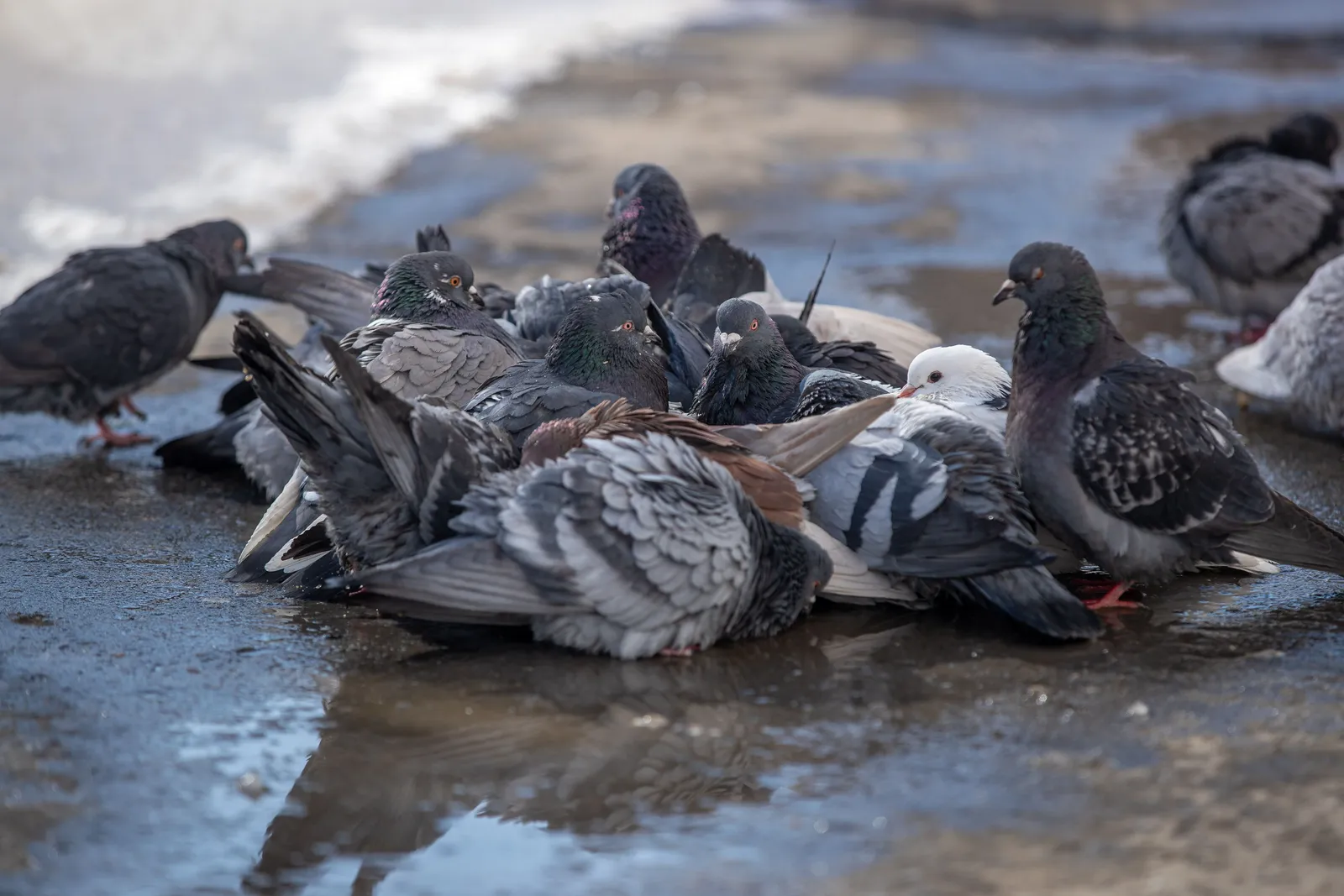
A health report highlighted the extremely elevated concentration of pigeons in the historic square, noting that it was there that the birds entered into direct and prolonged contact with human beings, something which immeasurably multiplied the risk factors. The birds were also found to carry ticks and nits.
While many visitors to the lagoon city found the soaring flocks charming, the council described them as a public health menace and a nuisance, eroding the city’s historic facades and statues with their highly acidic guano. The combination of scale, close human contact, and unsanitary conditions made the public health case genuinely difficult to dismiss.
A Century-Long Tradition That Fed the Problem
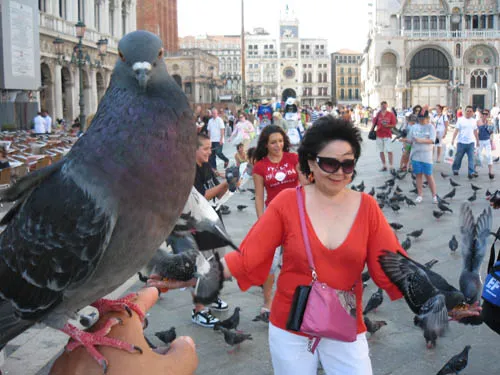
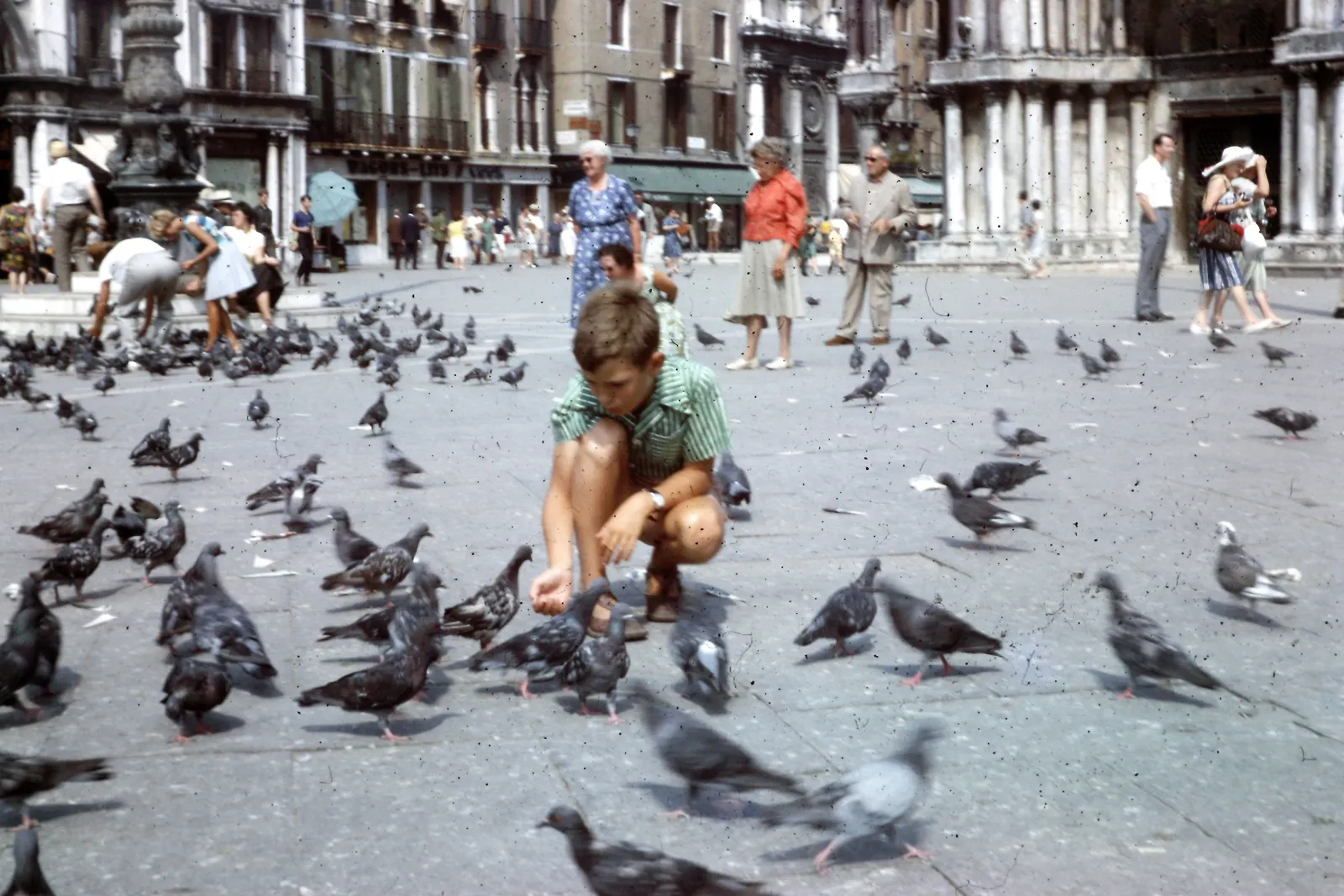
The sellers argued that feeding the pigeons had been a top tourist attraction on the square for more than 100 years. That long cultural history is real and worth acknowledging. Until the feeding ban, a photo in a sea of pigeons was considered a must when visiting Venice, and with millions of tourists a year, the pigeons were so well fed that they multiplied massively, causing damage to the historic buildings.
The tradition fed the problem quite literally. The more tourists fed the birds, the more birds arrived, the more damage accumulated, and the harder population management became. What had started as a charming local custom had grown into a structural urban crisis.
The Fines and How They’re Enforced
Feeding pigeons in Venice is strictly prohibited under municipal regulations. Violators face administrative fines ranging from 25 to 500 euros, as outlined in Article 24 of the city’s Urban Veterinary Hygiene and Animal Welfare rules. The legal basis is specific and codified, not just a general ordinance.
Security officials are on the lookout for tourists who attract pigeons and could issue anything from a verbal warning to a 700-euro fine for violators. Enforcement is strict: municipal police can issue fines on the spot, and repeat offenders risk higher penalties. This isn’t symbolic legislation – it’s actively applied to maintain public health and safeguard monuments.
The Pushback from Vendors and Animal Rights Groups
The pigeon-feed sellers, who said they had been selling their wares on St. Mark’s Square for a century, remained up in arms and protested the ban with placards on their booths aimed at the mayor. The human dimension of the ban was real. These were livelihoods built over generations, not just a commercial inconvenience.
Animal rights campaigners in Venice crossed swords with the city council after distributing 30 kilos of birdseed to flocks of pigeons in St. Mark’s Square in the days immediately following the ban. The controversy reflected a genuine tension between preservation priorities, economic interests, and ethical questions about how cities manage wildlife.
What Changed After the Ban
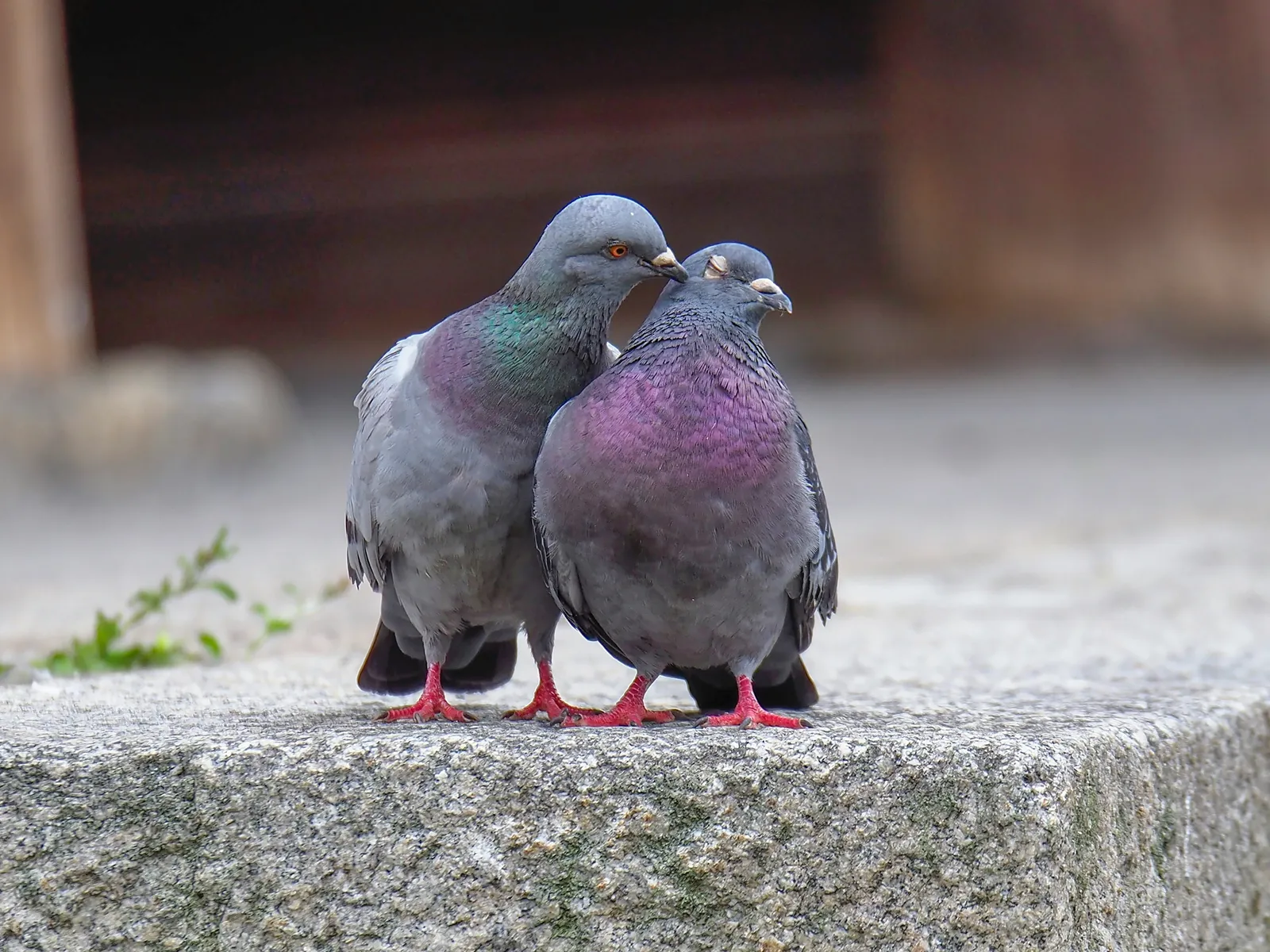
The ban reportedly led to a 50 percent decline in the pigeon population, according to the Agenzia Nazionale Stampa Associata, Italy’s national news cooperative. That’s a meaningful, measurable outcome. Still, the birds did not simply disappear.
Ten years after the ban was placed on public feeding, the pigeons at St. Mark’s Square were not ready to migrate. Mass colonies of pigeons continue to reside at the Piazza San Marco. The ban reduced the population significantly but did not eliminate the challenge, and enforcement remains an ongoing effort rather than a solved problem.
Venice’s Broader Commitment to Preservation
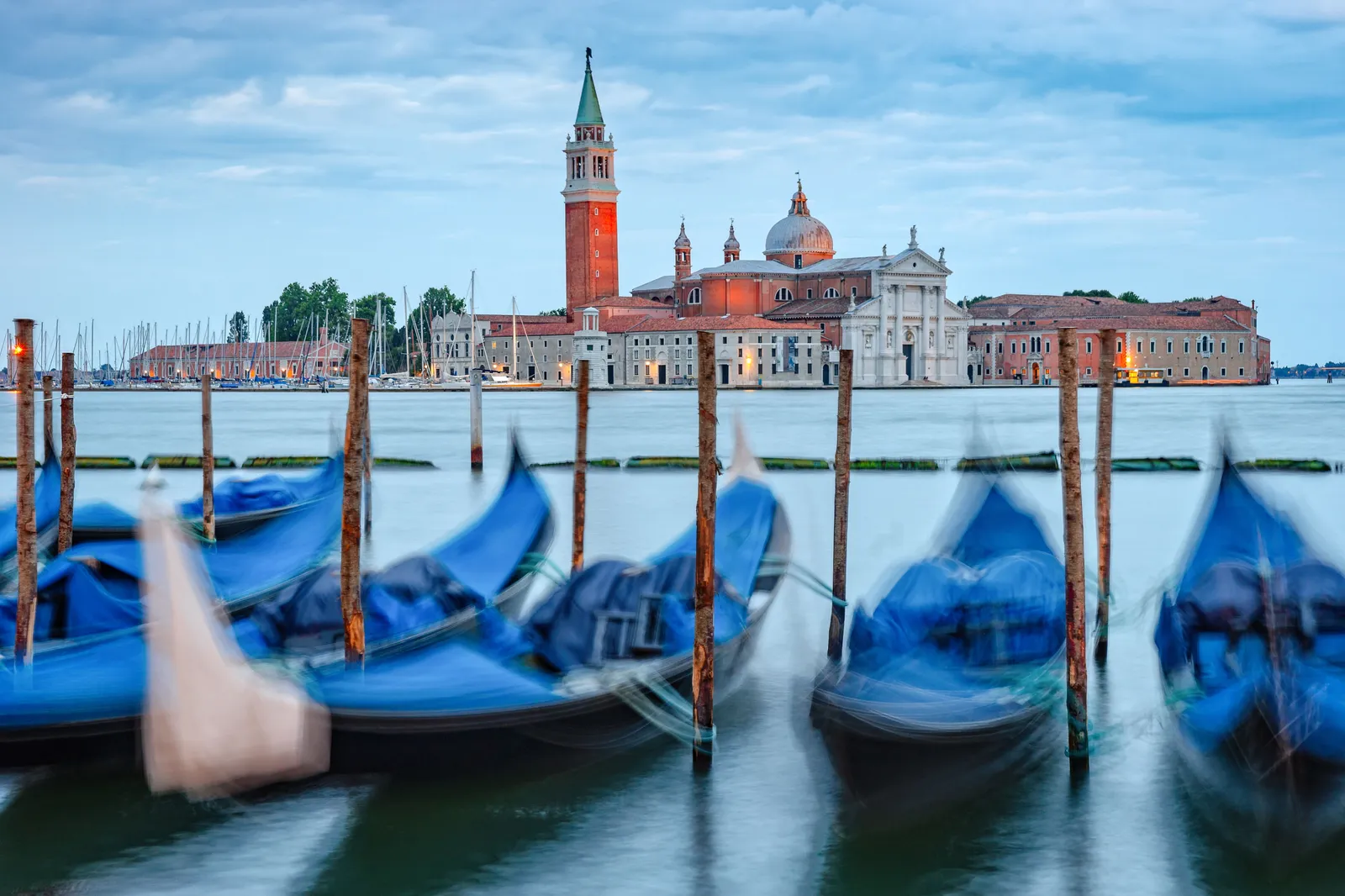
Venice’s stance on pigeons is part of a larger strategy to manage overtourism and protect its delicate ecosystem. The pigeon ban sits alongside a growing list of regulations designed to keep the city viable. Between April and July 2024, the municipality introduced a five-euro ticket that daily tourists had to purchase before entering Venice, with the objective of controlling the flow of tourism.
Despite being its largest economic resource, tourism has gradually become one of the greatest threats to Venice’s survival. Less than 50,000 people reside in the historical city center, which was visited by almost six million tourists in 2023. Every preservation measure the city introduces, including the pigeon ban, reflects the weight of that imbalance.
What This Means for Visitors Today
The bird-feeding ban extends to all public areas of the city, including its squares and canals. If you’re caught feeding pigeons or seagulls that also frequent the area, you can expect a fine between 50 and 200 euros. This applies whether you’re offering leftover bread, corn, or anything else.
Respecting the rule isn’t just about avoiding a fine. It’s about understanding that what seems like a small, kind gesture on a sunny afternoon in the piazza carries a genuine cumulative cost, borne by the stones, the mosaics, the residents, and the city’s ability to endure. Venice still welcomes wonder. It simply asks that visitors bring it carefully.
The Takeaway
The pigeon feeding ban is one of those decisions that looks obvious in retrospect and was genuinely difficult in practice. It ended a century-old tourist ritual, put two dozen vendors out of work, and provoked real protest. It also responded to documented scientific, financial, and public health evidence that the status quo was unsustainable.
Venice is a city that has survived floods, plagues, and centuries of change through determined adaptation. The pigeon ban is, in its own modest way, part of that same instinct: the recognition that loving a place sometimes means making uncomfortable choices to protect what makes it worth loving in the first place.
AI Disclaimer: This article was created with the assistance of AI tools and reviewed by a human editor.