

Most people picture skydiving as one defining moment: the door opens, the wind hits you, and gravity does the rest. That image is real, vivid, and absolutely unforgettable. But spend five minutes talking to someone who has just landed after their first tandem jump, and a different story tends to emerge.
The jump itself is rarely the part they can’t stop talking about. It’s everything surrounding it, the hours of waiting, the person attached to their back, the briefing they almost dismissed as formality. That buildup, it turns out, shapes the entire experience in ways the freefall simply can’t.
The Tandem Instructor Is the Whole Experience
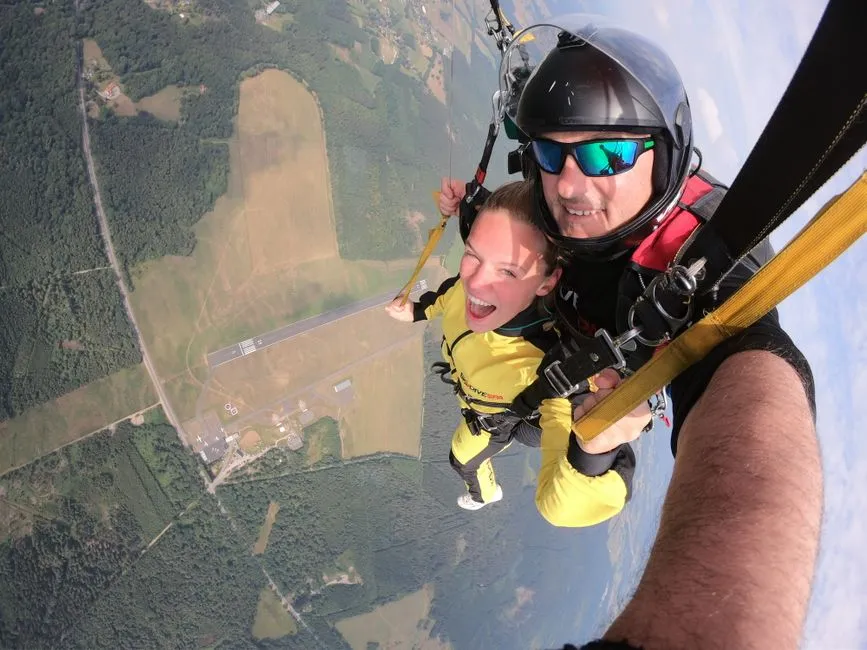
Perhaps the most important tandem skydiving safety measure for a tandem student to consider is the quality of their instructor. This is more than a safety technicality. Your instructor sets the emotional temperature of the entire day. Skydiving is an incredible and awe-inspiring experience that presents a million points of stimulation to your brain all at once, and the first time you skydive, you’re immersed in a lot of unknowns.
Tandem instructors do what they do because they love sharing the sport with newcomers. That genuine enthusiasm, or the absence of it, lands directly on the student. A calm, communicative instructor transforms what could be a moment of paralysis into one of pure excitement. Nervousness is completely normal, but trusting your instructor and focusing on the excitement can make the experience a lot less anxiety-inducing.
The Pre-Jump Briefing Is Not Just Paperwork
Before boarding the aircraft, your instructor will walk you through a short training session. This is not a test and you’re not expected to memorize complex procedures. Still, first-timers who pay close attention during this window consistently report feeling far more grounded during the actual jump. This briefing usually takes ten to twenty minutes and is designed to make you feel informed, not overwhelmed. Questions are encouraged.
The primary focus of the pre-jump briefing is to go over the “arch” body position for freefall and how to lift your legs in the air for landing. These are simple physical cues, but knowing them removes a layer of uncertainty at the exact moment you need your mind clearest. Before you jump, you’ll undergo a thorough briefing covering the basic techniques you’ll need to know and safety protocols to follow. It’s essential to pay attention, as your instructor will guide you through the entire process and ensure you’re prepared.
The Wait Is Often Harder Than the Fall
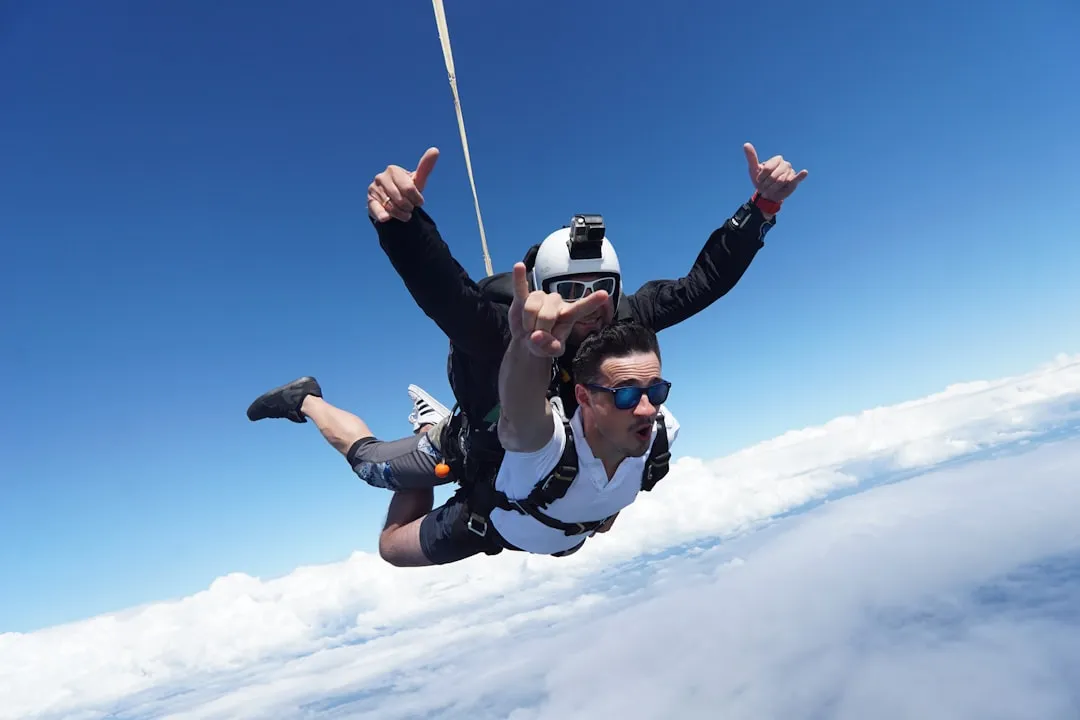
Your stomach doesn’t drop like on a roller coaster, it’s not painful, and the scariest part is often just waiting for the jump. This surprises almost every newcomer. The imagination fills those waiting hours with scenarios the actual jump never delivers. It’s completely normal to experience increased heart rate, sweating, and butterflies in your stomach before jumping.
Most first-time skydivers do a tandem jump paired with a professional instructor, which typically takes two to four hours on weekdays or four to six hours on busy weekends. That is a long time to sit with your thoughts. How a dropzone manages that waiting period, and how your instructor checks in with you during it, shapes your mental state long before the plane climbs to altitude.
Instructor Qualifications Run Much Deeper Than You’d Think
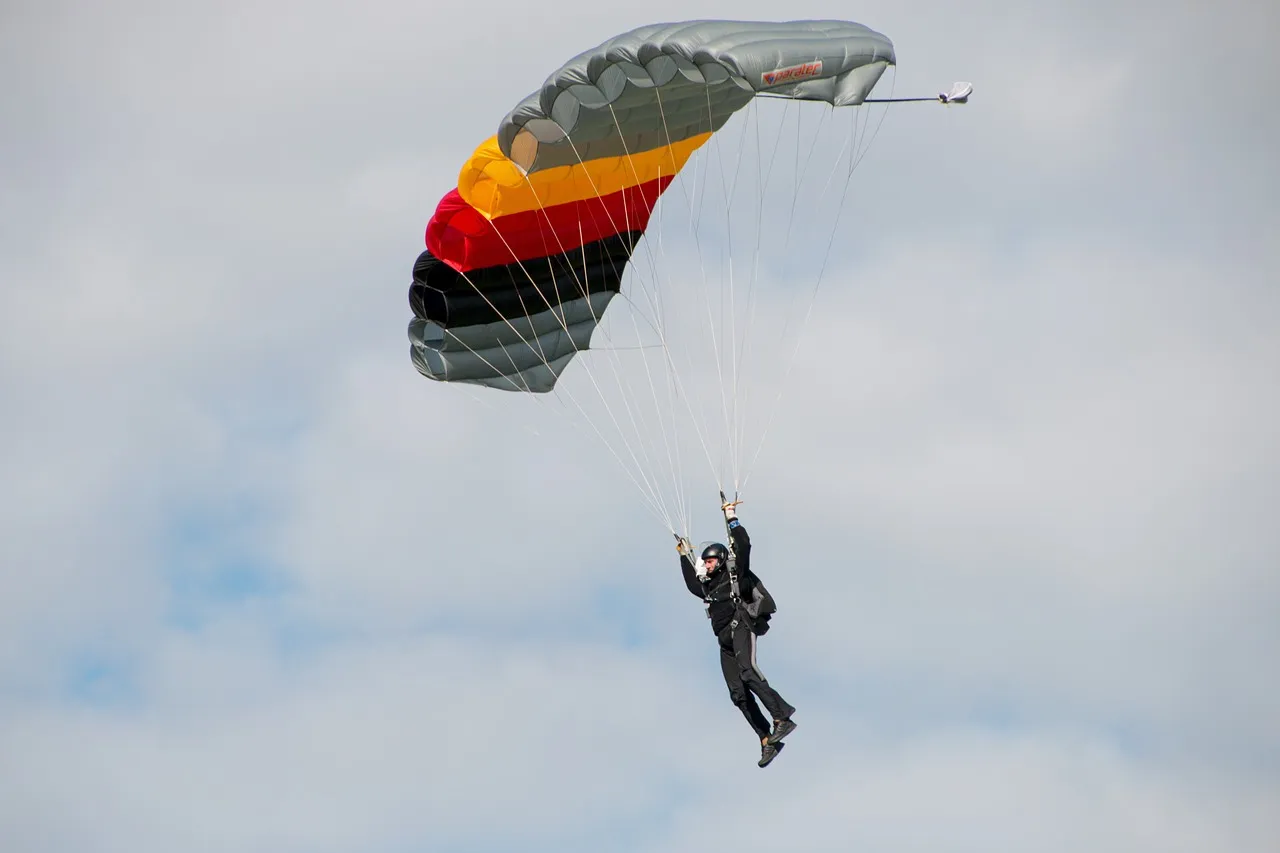
To even apply to get a tandem rating, the jumper must have verifiably done at least 100 skydives in the last 12 months. That’s just the minimum entry point for the application process, not for earning the rating itself. Tandem instructors are highly trained and experienced, starting with at least 500 jumps.
A skydiving rating school for tandem instructors serves the purpose of demonstrating that the tandem instructor can efficiently avoid and safely get out of unwanted situations that may occur. This training is intense, scenario-based, and ongoing. USPA-rated tandem instructors are required to meet various expectations and qualifications, like obtaining an FAA Class-III Medical Certification. The person strapped to your back has earned that position through a serious and verifiable process.
The Safety Numbers Are More Reassuring Than Most People Realize
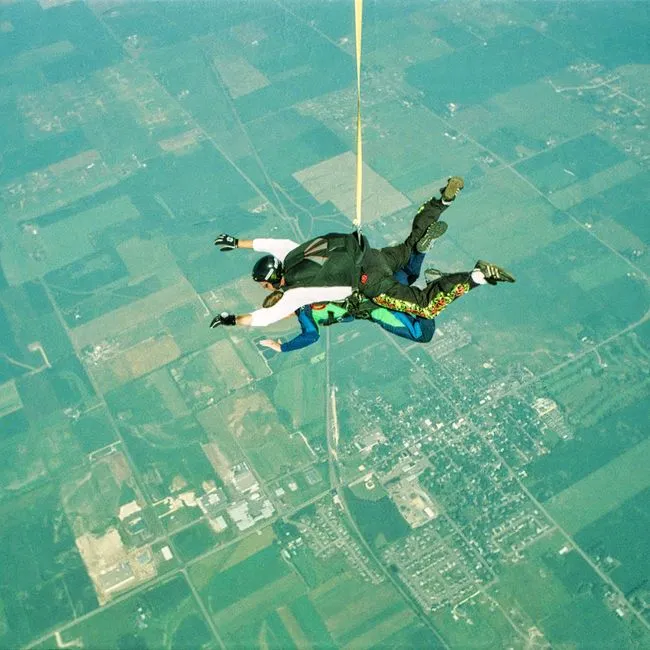
Over the past decade, tandem skydiving has seen an average of one student fatality per 500,000 jumps. In 2023, there were zero tandem skydiving fatalities in the United States. Those numbers carry real weight. According to the United States Parachute Association, in 2024, USPA members reported making 3.88 million skydives, and in the same year, there were a total of nine civilian skydiving fatalities in the United States.
The majority of skydiving accidents are due to experienced jumpers pushing their limits, not tandem students. This context matters because it reframes the risk conversation entirely. It’s more probable you’ll get into a fatal car accident on your way to the dropzone than to be hurt on your tandem skydive. Knowing that before you board the plane changes how you carry yourself on jump day.
The Plane Ride Up Is When It Gets Real
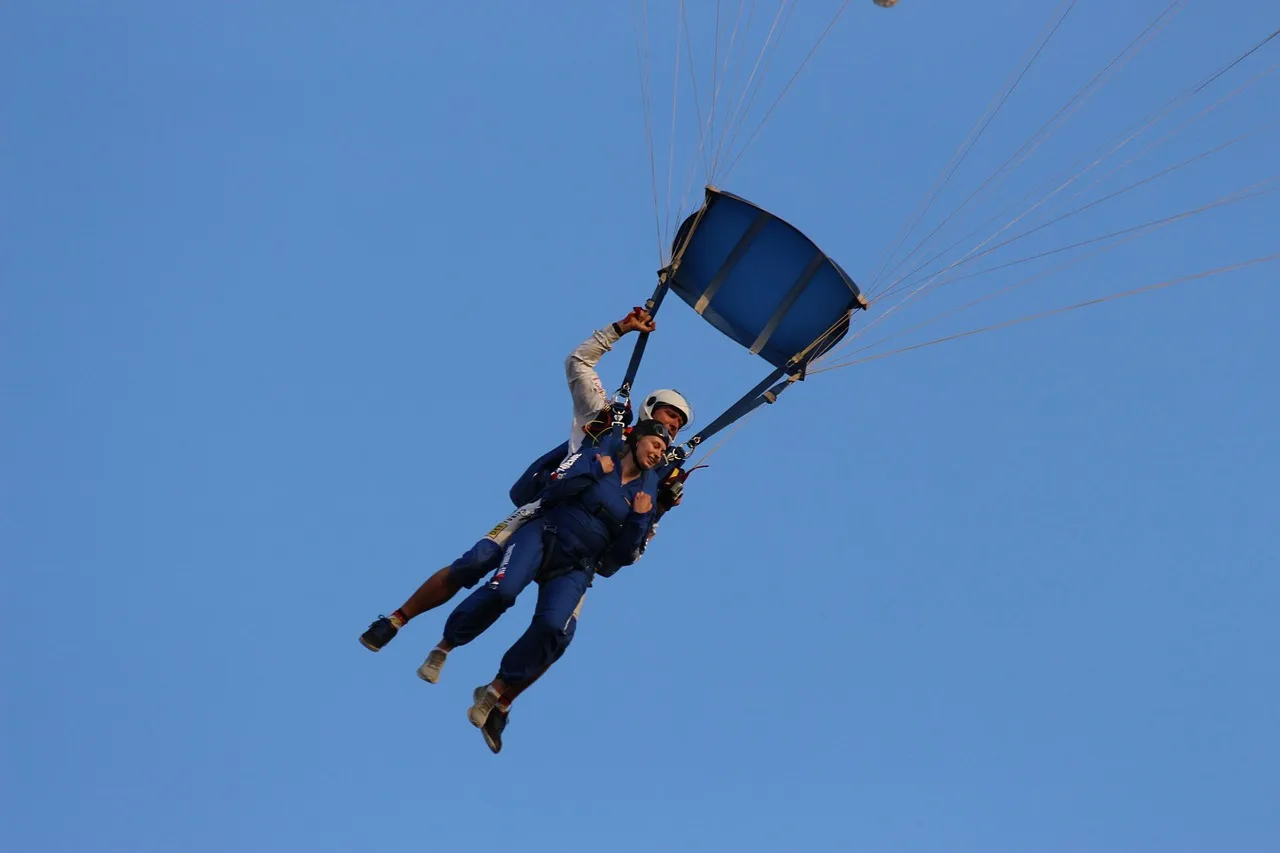
The climb to jump altitude usually takes about fifteen minutes. During the ride, your instructor will review the exit, answer any last-minute questions, and point out local landmarks. Many jumpers say this is when the excitement really starts to build. The view from the window, the sound of the engine, the sight of the horizon flattening out, these are the sensory details that get burned into memory.
The plane will ascend to an altitude of around 10,000 to 14,000 feet. The higher the altitude, the longer your freefall. Those fifteen minutes in the aircraft are not simply transit time. For most first-timers, this is the moment when every conversation, every briefing, and every reassurance from their instructor either lands or doesn’t. It’s where trust is either confirmed or quietly doubted.
Freefall Feels Nothing Like People Expect
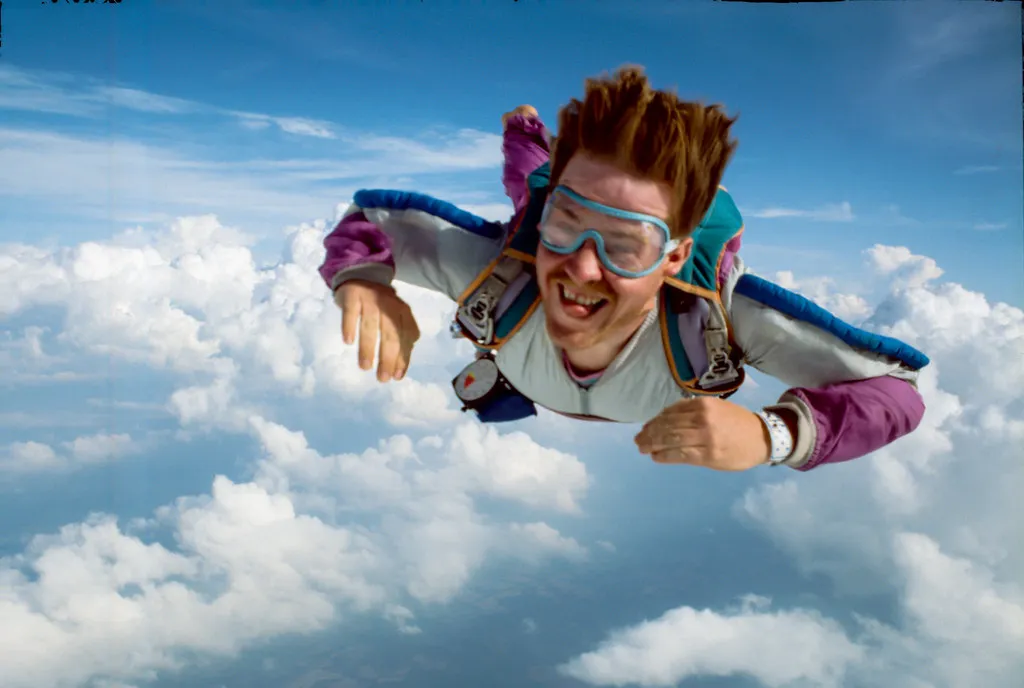
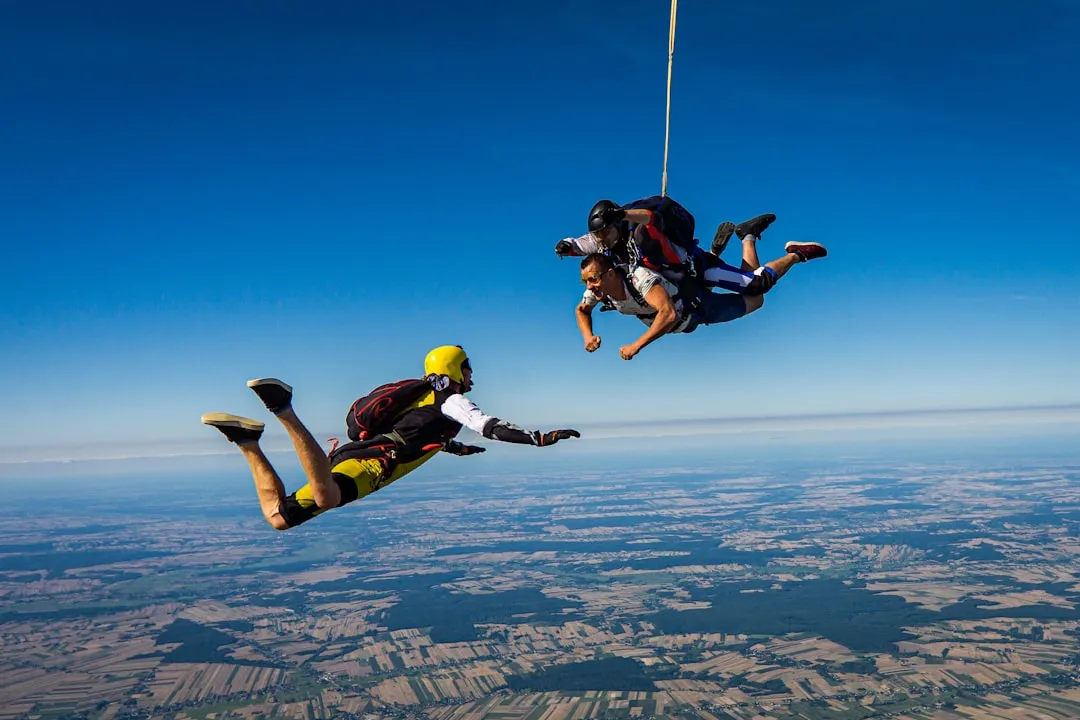
One of the biggest surprises for first-time skydiving participants is that freefall doesn’t feel like the stomach-dropping sensation of a roller coaster. The brain has no reference point for falling from that altitude, so the sensation reads more like rushing wind and weightlessness than a drop. Skydiving feels exhilarating and surprisingly natural, more like floating than falling. From the moment you check in at the dropzone to the rush of freefall at 120 mph and the peaceful parachute ride back to earth, the experience is a mix of adrenaline, awe, and accomplishment.
For roughly 45 seconds, depending on altitude, you’ll travel toward Earth at speeds of 120 mph or more. This sensation is often described as a mix of weightlessness and an adrenaline rush. Your heart races, your mind buzzes, and you feel like you’re flying. The gap between what people imagine and what they actually feel is one of the sport’s most consistent surprises.
The Canopy Ride Is the Part People Remember Most
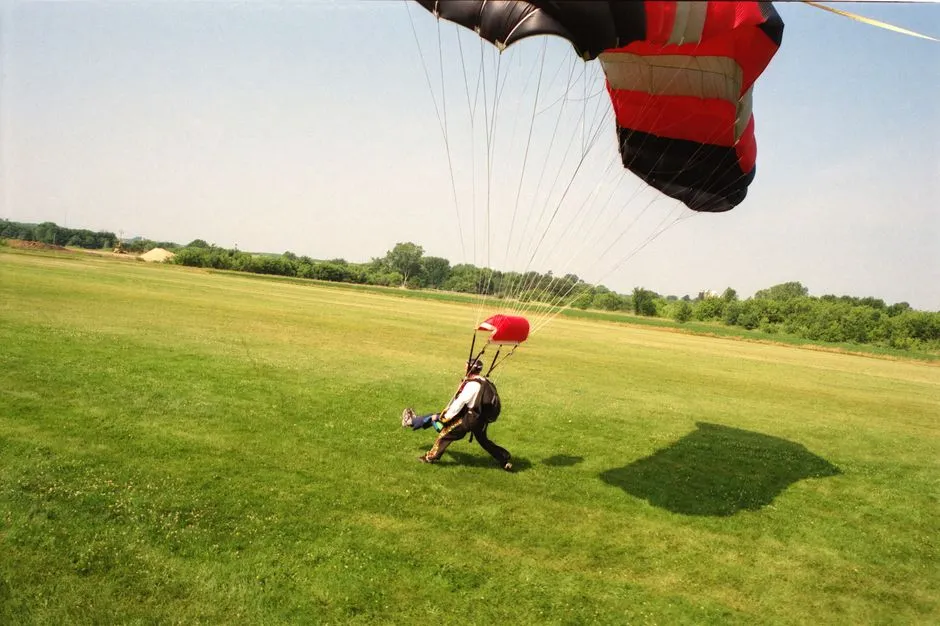
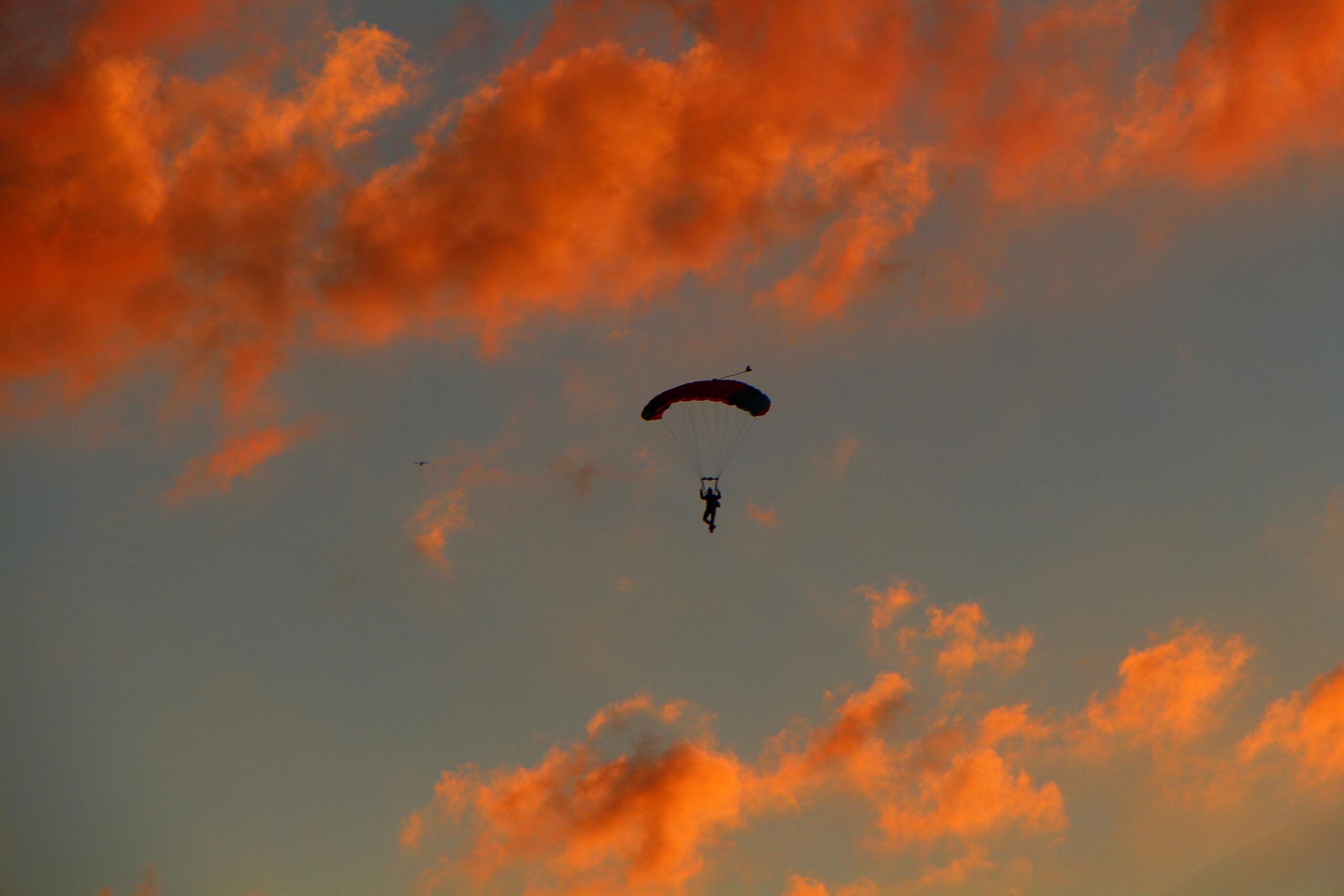
Canopy flight lasts several minutes, giving you time to look around, feel the air, and process what just happened. Your instructor may even let you steer the parachute briefly. This is often the part people remember most vividly. The freefall is intense and fast, but the parachute descent is where the experience settles into something quieter and more personal.
As you approach the ground, your instructor will guide you into a comfortable landing position. Most tandem landings involve lifting your feet slightly while the instructor lands. Landings are typically smooth and controlled. Many people are surprised by how gentle it feels. After the roar of freefall, touching down can feel almost anticlimactic in the best possible way.
What Happens After the Landing Is Its Own Chapter
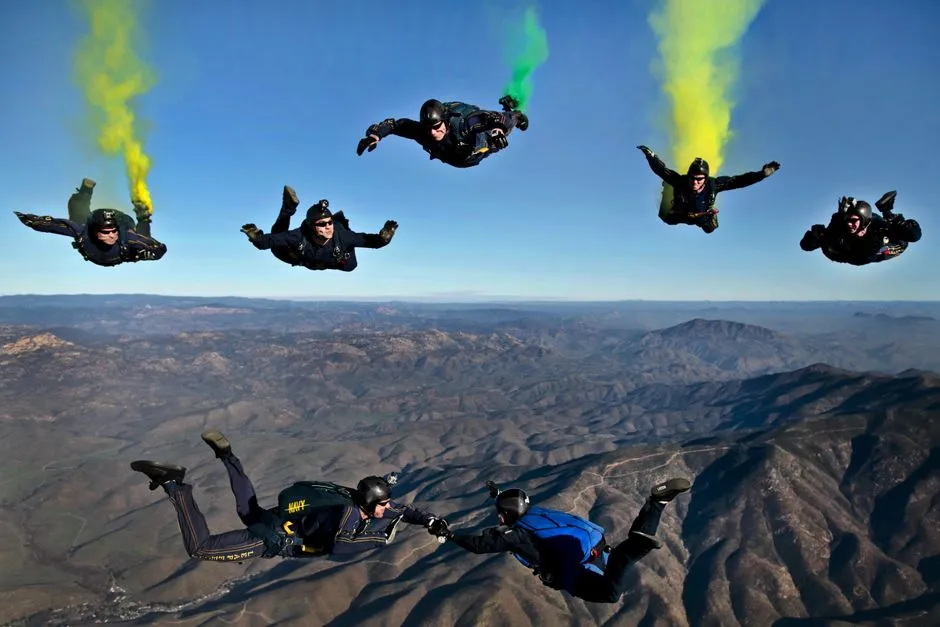
A smile you can’t seem to turn off, happy tears, whoops and hollers, and all the celebratory things are common after-effects of a jump. Completing a skydive gives you emotions of empowerment, accomplishment, and genuine gratitude for the ability to experience it. These aren’t exaggerations. The post-jump emotional state is physiologically distinct from almost any other common experience.
Adrenaline effects can last several hours post-jump, including elevated energy, slight shakiness, or difficulty sleeping that night, all normal responses to the incredible rush of skydiving for the first time. Many first-timers are caught off guard by how long the emotional residue lingers. The benefits of skydiving extend far beyond the jump itself, building confidence, helping you break through mental barriers, and giving you a new perspective on life.
Choosing the Right Dropzone Changes Everything
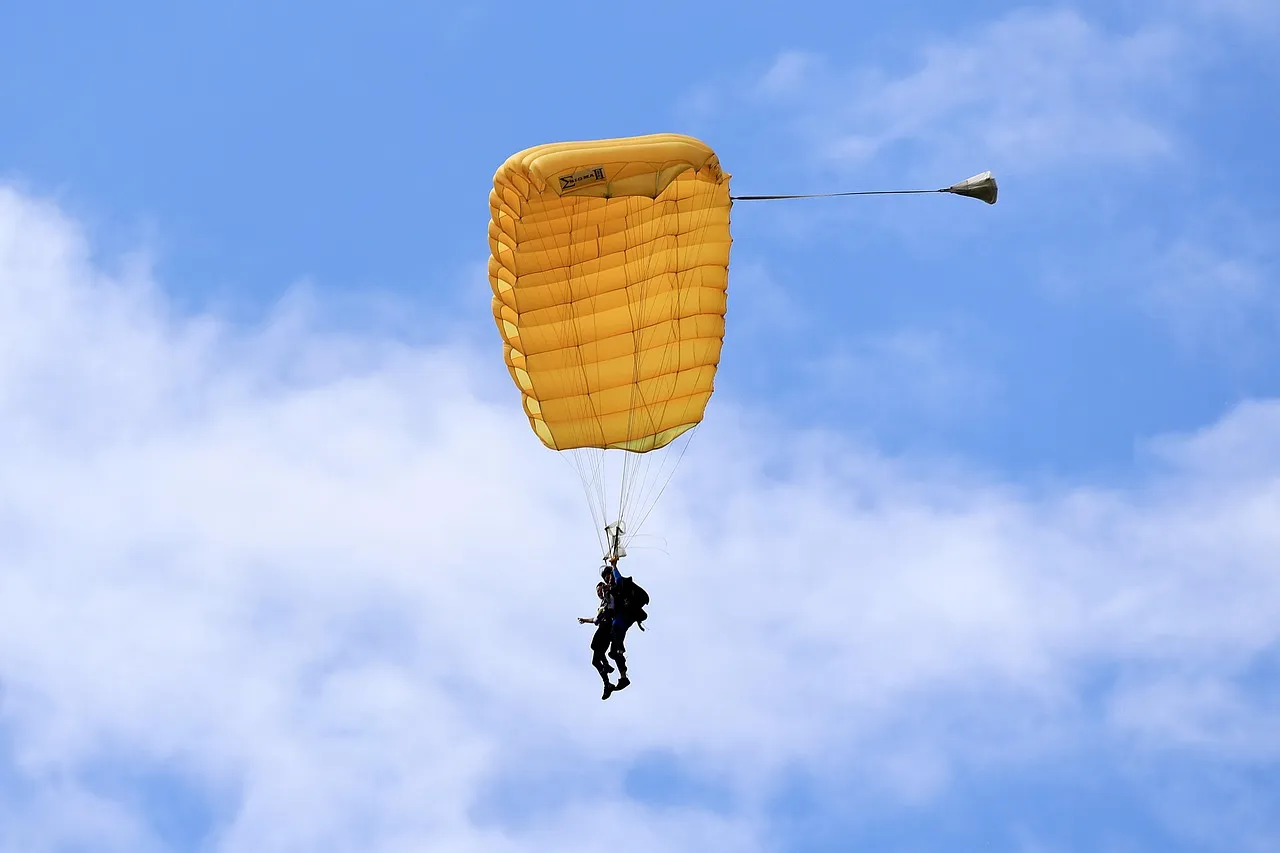
Tandem skydiving safety is paramount in the skydiving community. One of the biggest fear factors of being a tandem student is placing your trust in someone else. This is why it is so critical to choose a dropzone that is reputable for your first jump and any subsequent jumps. A reputable facility isn’t just about modern equipment; it’s about culture, communication, and how they treat nervous newcomers from the moment they arrive.
Improvements in safety statistics over time have everything to do with standardization and ongoing improvements in training, advancements in skydiving gear and technology, and an industry-wide focus on safety. Researching a dropzone’s USPA affiliation, reading recent reviews, and asking direct questions before booking are all steps that meaningfully improve your experience. The United States Parachute Association requires all tandem jumps be conducted with a certified instructor as the pilot in command. That regulatory backbone exists for good reason, and a trustworthy dropzone will point you toward it without hesitation.
The Takeaway
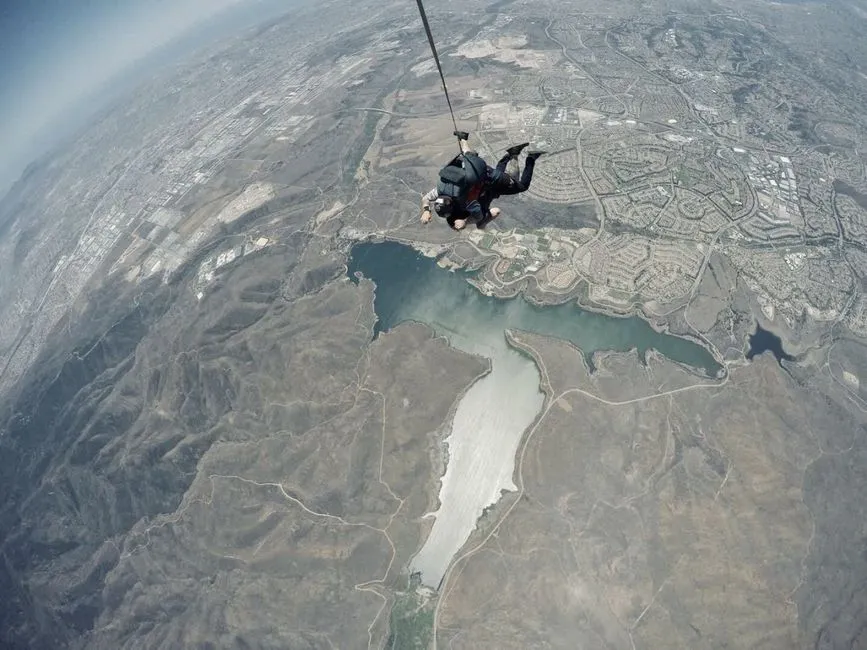
The jump itself lasts about a minute of freefall. The rest of the day, and honestly, the rest of the memory, is built on everything else: the instructor’s steadiness, the briefing you paid attention to, the nervous wait, the plane ride, the canopy drift, and the quiet walk back across the grass after landing.
First-time skydivers who reflect honestly on their experience tend to agree that the jump was the catalyst, not the content. What they actually carry home is the feeling of being genuinely prepared, genuinely trusted, and genuinely seen by the person who jumped with them. That’s the detail that outlasts the adrenaline.
AI Disclaimer: This article was created with the assistance of AI tools and reviewed by a human editor.