

The Button Was Built for Service, Not Just Emergencies
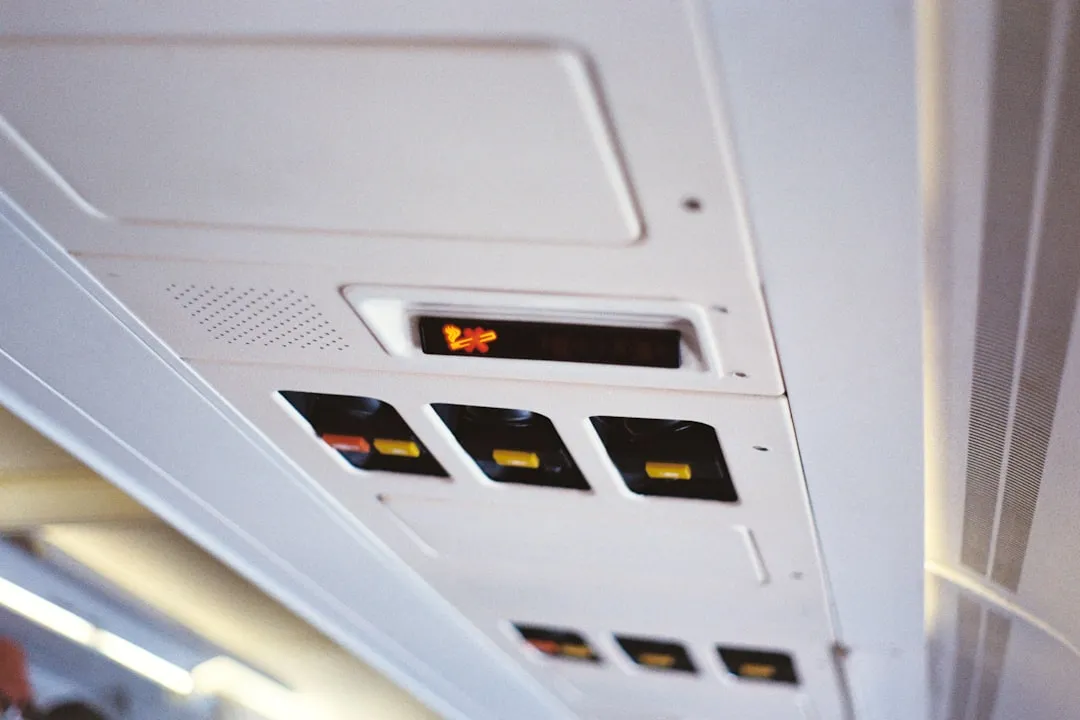
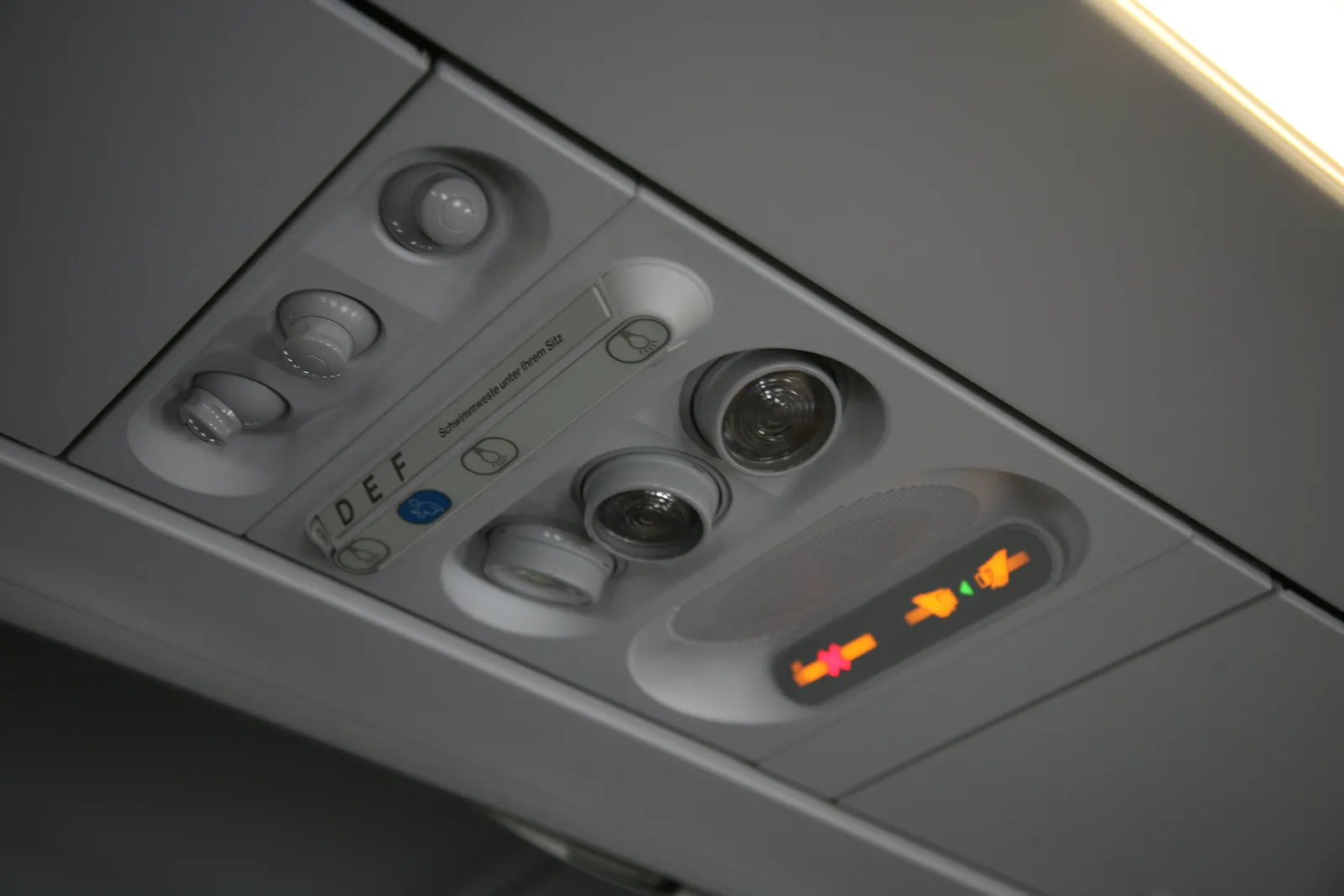
Every airplane seat has a flight attendant call button, typically in the overhead console right by the reading light, and as its name suggests, it’s a way to call a flight attendant to your seat. The icon on the button typically depicts a person with a tray, suggesting it was designed for service. All over airplanes, the words “emergency use only” label life vest compartments and door levers, but there’s no such warning on the call button itself.
It is not called an “emergency button.” It’s called a call button, and if you need a drink, the best way to ask for one is to let a crew member know you need one. The confusion over its purpose isn’t accidental. It’s the product of two very different service cultures that have quietly clashed for decades inside the American aviation industry.
Why So Many U.S. Flight Attendants Have Made It a No-Go Zone
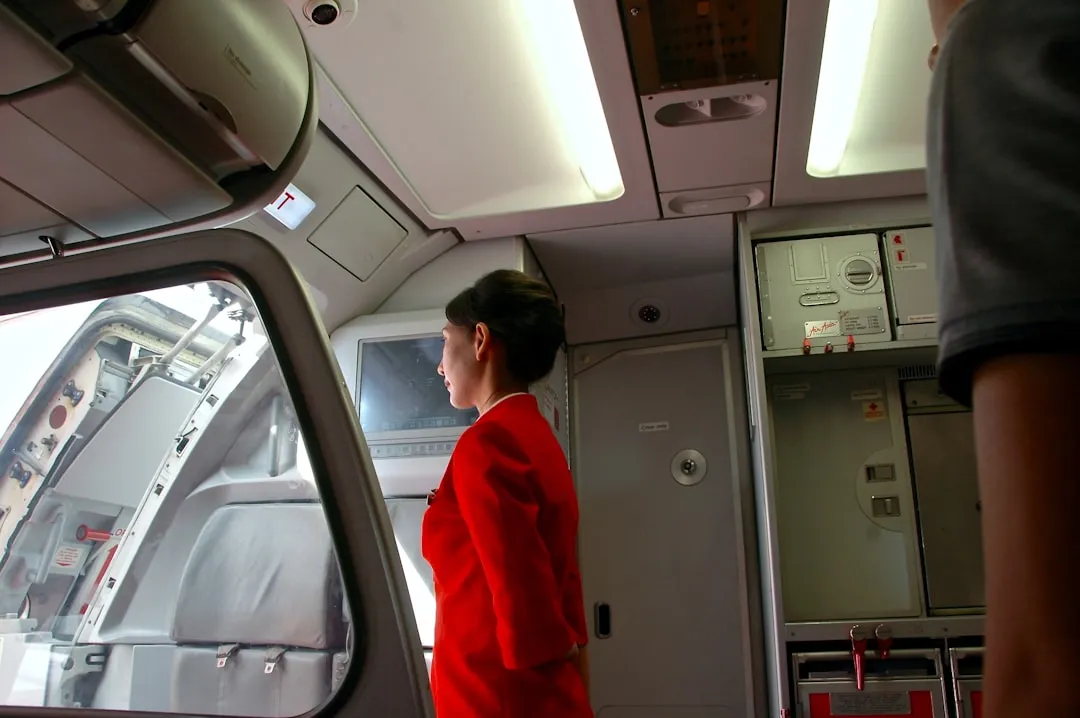
In the United States, several flight attendants have been known to announce that the call button is in fact the “emergency flight attendant call button,” advising passengers to only use it if absolutely necessary. This kind of announcement is not approved by any airline.
While the button is taken for granted and even encouraged in much of the world, it remains vexing in the USA. The problem, as many travelers note, is that you just don’t know whether to use it. There are even documented cases of a Delta Air Lines flight attendant warning a passenger not to press the button again after they’d used it to request a drink. That kind of reaction, however extreme, reflects a broader cultural current among some American crews.
The Real Frustration: Bad Timing and Disrupted Workflow
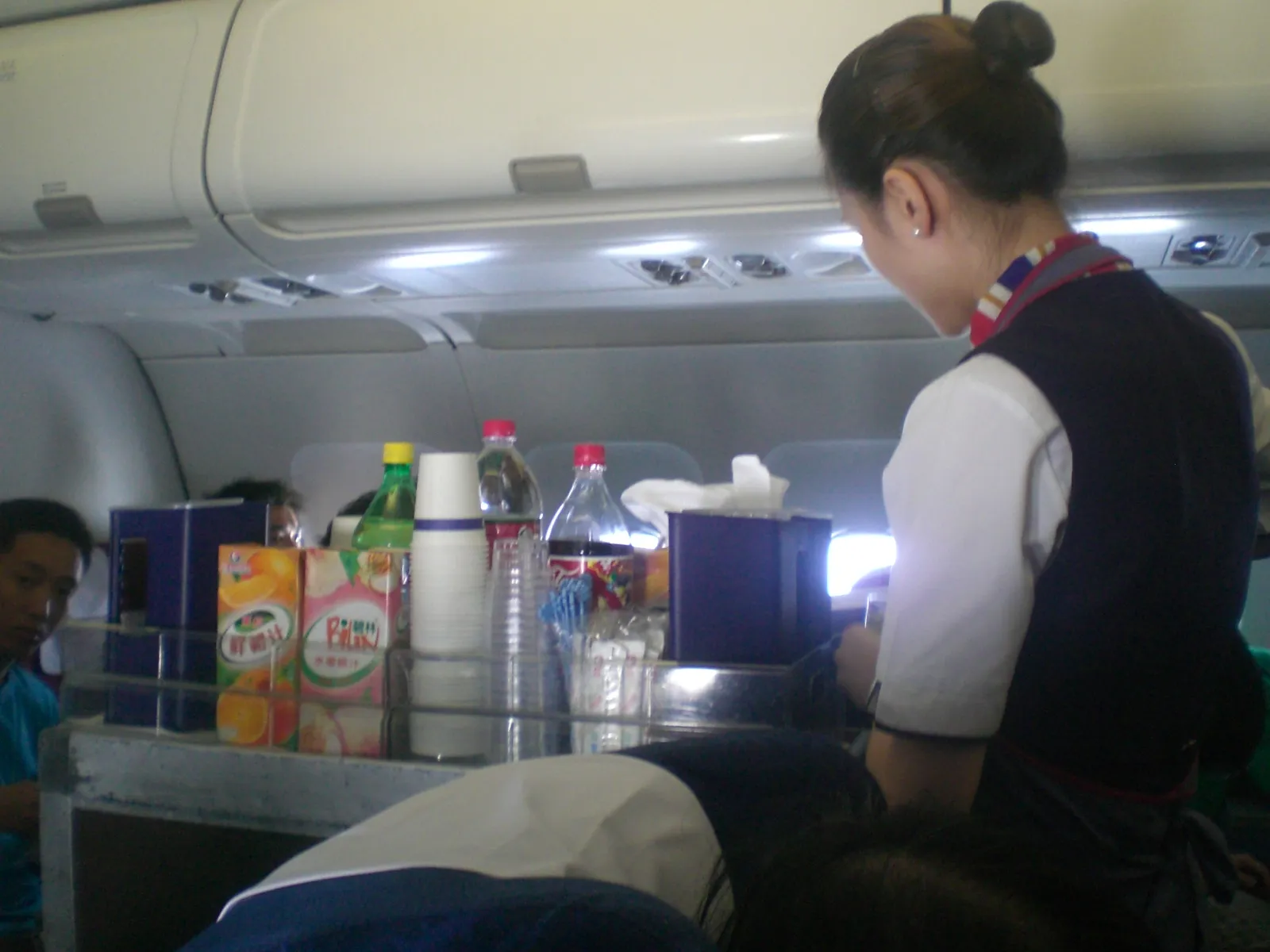
Frequent and unnecessary use of the button can disrupt the cabin crew’s workflow, especially during crucial moments in the flight. The context matters enormously. A United Airlines flight attendant explained it plainly: “We don’t like when you use it after we’ve just walked through the aisle. This happens all the time. We’ve just walked through three times picking up trash, and I’m barely back to the galley, and I hear ‘ding dong,’ and you just want to hand me your trash.”
One flight attendant put it even more candidly: “Nothing burns my polyester uniform britches more than a passenger pressing the bell for a service request when they can see me a few rows ahead attending to everyone. There is usually one crew member for every 50 passengers, and the vast majority of them are hungry and thirsty.” That ratio is worth sitting with. One person managing the needs of up to 50 passengers is a real operational constraint, not an excuse.
What the FAA Actually Requires: The 50-to-1 Rule
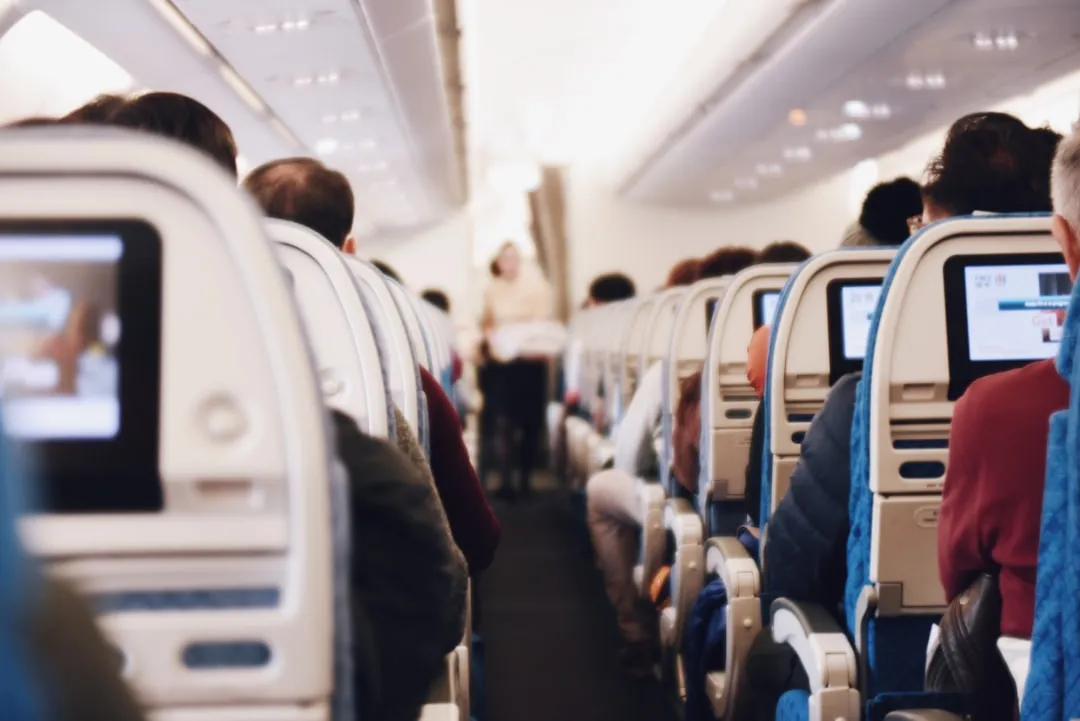
FAA regulations dictate that there must be a minimum of one flight attendant for every 50 passengers. Under 14 CFR § 121.391, both the FAA and EASA mandate a strict staffing formula based entirely on the number of installed seats, not the actual headcount of passengers on board.
The ultimate goal behind this rule is to allow an aircraft to be evacuated by the cabin crew within the required 90 seconds. The role of flight crew on passenger flights is much more than conducting safety briefings and handing out food and beverages. Flight attendants ensure many aspects of a safe flight, including safety and well-being of passengers, security of the aircraft, cleanliness, communication, and planning. The call button, for many crews, sits in tension with those primary responsibilities.
Takeoff and Landing: The Times to Keep Your Finger Off
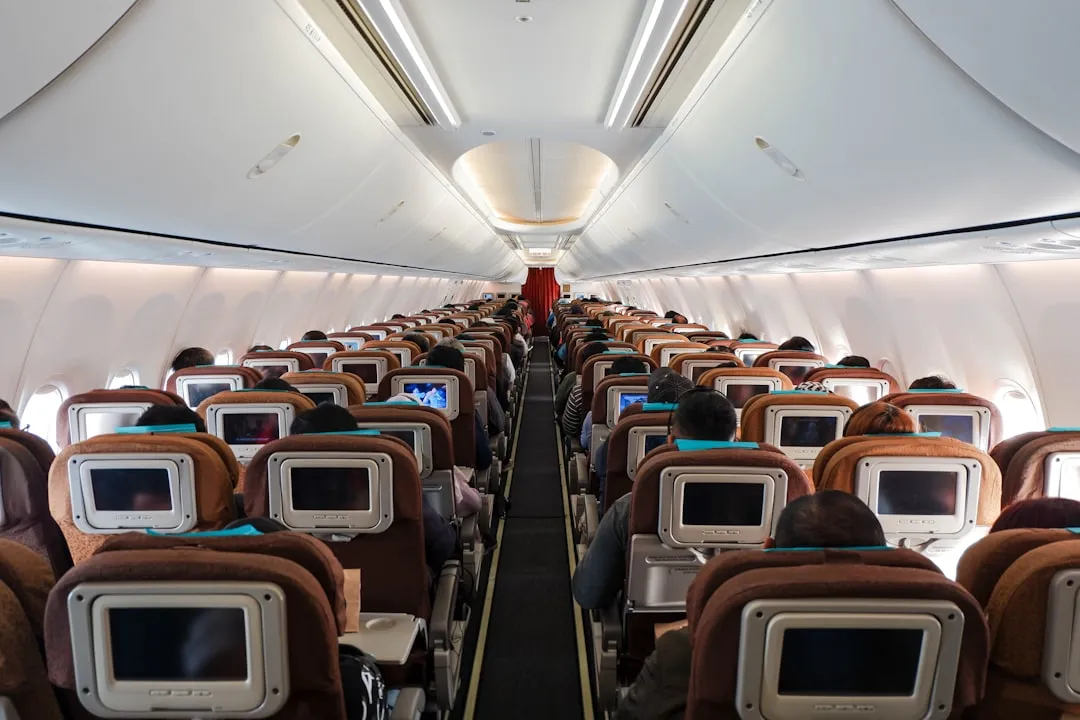
In critical phases of flight, such as takeoff, landing, or turbulence, flight attendants need to remain seated, just like passengers, for their safety and for ours. During this time, the call button should only be used for real emergencies, not to ask for a pillow or a glass of Coke.
Using the call button for minor requests like drinks or pillows during these phases can distract the flight crew from their most important tasks, especially when safety is paramount. Safety rules mandate that both passengers and crew stay seated during these delicate moments, and unnecessary distractions can increase danger during naturally risky times. This is the one scenario where almost every flight attendant, regardless of nationality or airline culture, draws the same firm line.
The Passenger-to-Crew Ratio Makes Everything Harder
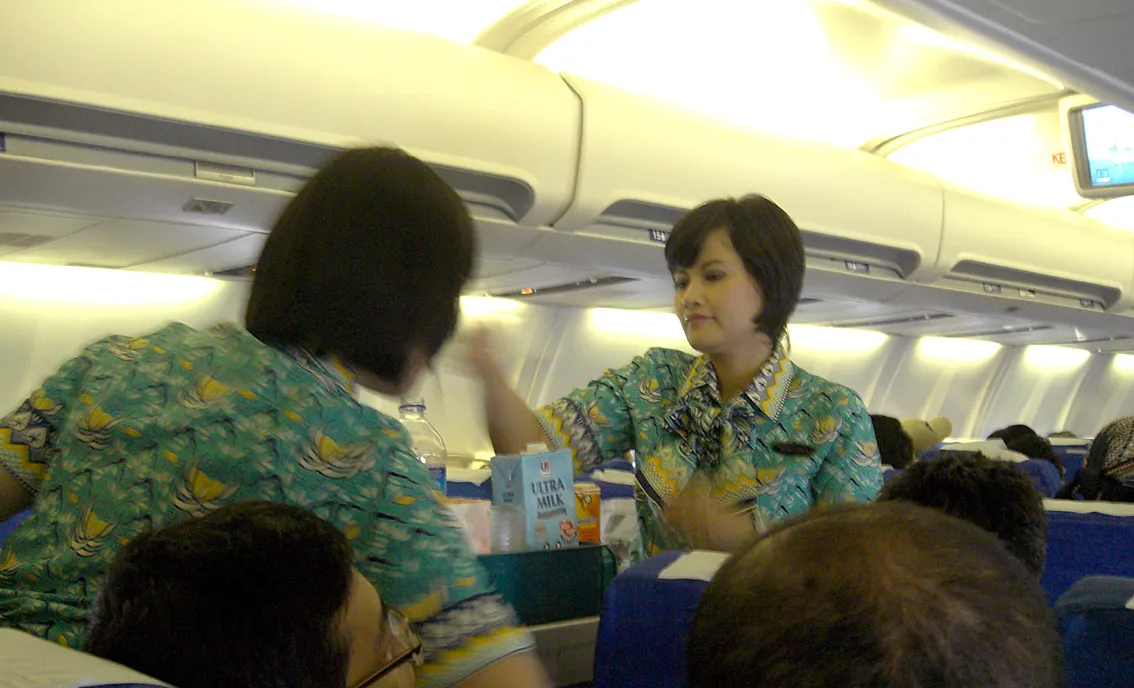
The FAA requires by federal statute that airplanes have at least one flight attendant per 50 passengers. This means that on a typical short-haul aircraft in the U.S., you’ll find three to four flight attendants, medium-haul aircraft will have five to six, and a large long-haul aircraft will have around eight to twelve.
If an airline is flying an aircraft with 197 physical seats but only 20 revenue passengers show up, the airline is still legally mandated to staff and pay four flight attendants. Low-cost carriers operate on razor-thin margins, meaning their business models are hyper-sensitive to cost per available seat mile. In practice, this means that during a busy service window, one crew member might be managing meals, trash, turbulence check-ins, and a call button all at once.
Around the World, the Button Works Differently
In the United States, some flight attendants seem to think these buttons are just for emergencies, while outside the United States there are consistently no issues with using them for service. Which airline you fly matters enormously. It’s perfectly fine with an Asian or Middle Eastern carrier, while U.S.-based flight attendants often resent it.
Jay Robert, a lead cabin crew member with experience across the USA, Asia, the Middle East, and Europe, grew up around U.S. airlines where the button was strictly for emergencies. When he later worked for Emirates, he was surprised by the volume of call bells the crew received. On flights to India, requests before takeoff alone could number around 75. That contrast tells you how deeply cultural norms shape what’s considered normal in the cabin.
A YouGov Survey Reveals What Passengers Actually Think
Most Americans who fly say it’s acceptable to push the call button to ask for refreshments, according to a YouGov survey that reveals what Americans think about airplane etiquette. While most agree that asking for additional items using the button is acceptable, roughly one in six of those surveyed do not agree with using the call button at all.
That divide within the passenger community mirrors the one that already exists among crew. There is no universal social contract here, and that ambiguity is precisely what fuels the friction. Passengers aren’t being oblivious by pressing it. Many simply don’t know they’ve crossed an invisible line.
When You Should Absolutely Use It, Without Hesitation
It is absolutely appropriate to use the call button if you believe you or another passenger is having a medical emergency. There is no reason to hesitate if someone onboard is in a state of physical distress. Don’t hesitate to use the call bell if you’re facing a genuine emergency involving yourself, other passengers, or even the aircraft. Crew members notice when the bell rings repeatedly and suspect something isn’t right. If it’s a real emergency, press the bell and keep pressing it until help arrives.
Window seat passengers, according to experienced cabin crew, always get a free pass when using the call button. If the people beside you are asleep and you genuinely need something, that small button is exactly what it’s there for. Using the call button in response to a personal request from a flight attendant is also completely fine. If a flight attendant uses the intercom to announce a lost item, you can press the button to indicate your position on the plane as the owner so they can come directly to you.
Business Class and International Flights: Press Away
Broadly speaking, it’s always appropriate to use the flight attendant call button for service in first and business class, especially on international airlines. You’re paying a premium for more service, and having an extra request on a long-haul flight isn’t unreasonable.
At top international airlines, crews generally prefer that you push the call button rather than going to the galley with your request. Many foreign carriers have thick curtains between the galley and cabin, and you generally shouldn’t try to enter the flight attendant’s space without permission. They’d much rather come to you. At Emirates first class, passengers can even voice or video call the crew with any request without the crew having to come to the seat at all.
The Etiquette Test: Ask Yourself One Simple Question
National etiquette expert Diane Gottsman, author of “Modern Etiquette for a Better Life” and founder of The Protocol School of Texas, suggests that travelers ask themselves: “Is it something I can do myself, or do I need assistance?” That’s the litmus test.
Flight attendants themselves often prefer a polite “Excuse me” or the call button over physical contact to get their attention. Some airlines are experimenting with smartphone apps that would allow passengers to request help without relying on the call button at all. Such innovations could change how in-flight services are delivered. For now, though, that small button above your seat remains the primary tool, and understanding its unwritten rules makes everyone’s flight go a little smoother.
The Takeaway
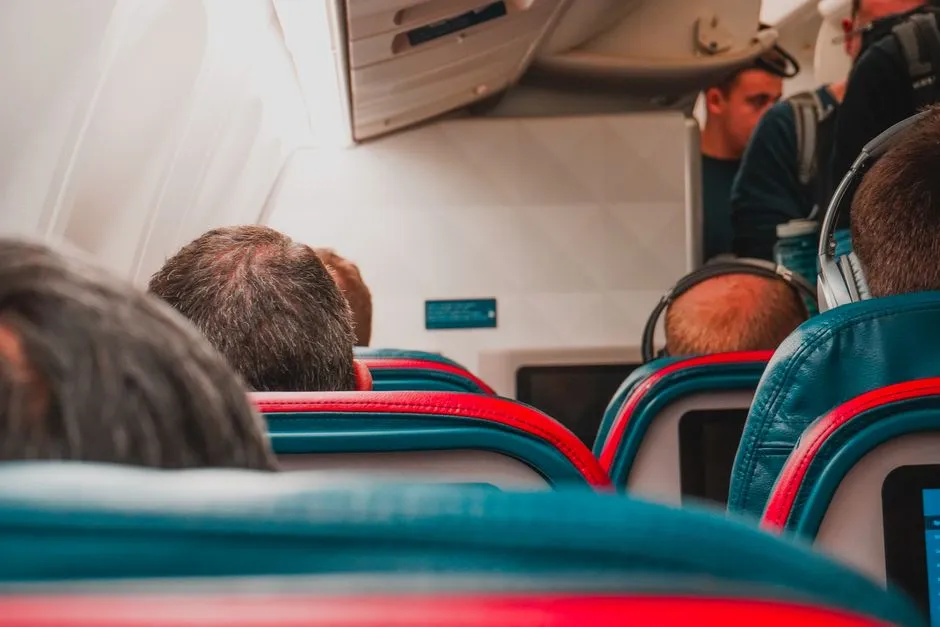
The call button was never meant to be controversial. It’s a direct line between a passenger and the people responsible for their safety and comfort. The friction around it comes from mismatched expectations, staffing realities, and genuine cultural differences in how service is understood at altitude.
Use it for genuine needs, real medical concerns, window-seat situations where you genuinely can’t get out, and on international or premium services where it’s actively welcomed. Skip it right after a service run, during takeoff and landing, and when the galley is clearly in full swing. That single distinction, knowing the difference between a need and a preference, is enough to make you one of the passengers the crew genuinely enjoys serving.
AI Disclaimer: This article was created with the assistance of AI tools and reviewed by a human editor.