

Ask a dozen Floridians where they go to actually unwind, and you’ll get a dozen answers that skip right past the postcard destinations. The beaches everyone else knows about aren’t always the ones locals return to year after year. Sometimes the real favorite sits at the end of a two lane highway, past four low bridges, in a place most visitors never think to look for.
A Fishing Village Time Mostly Forgot
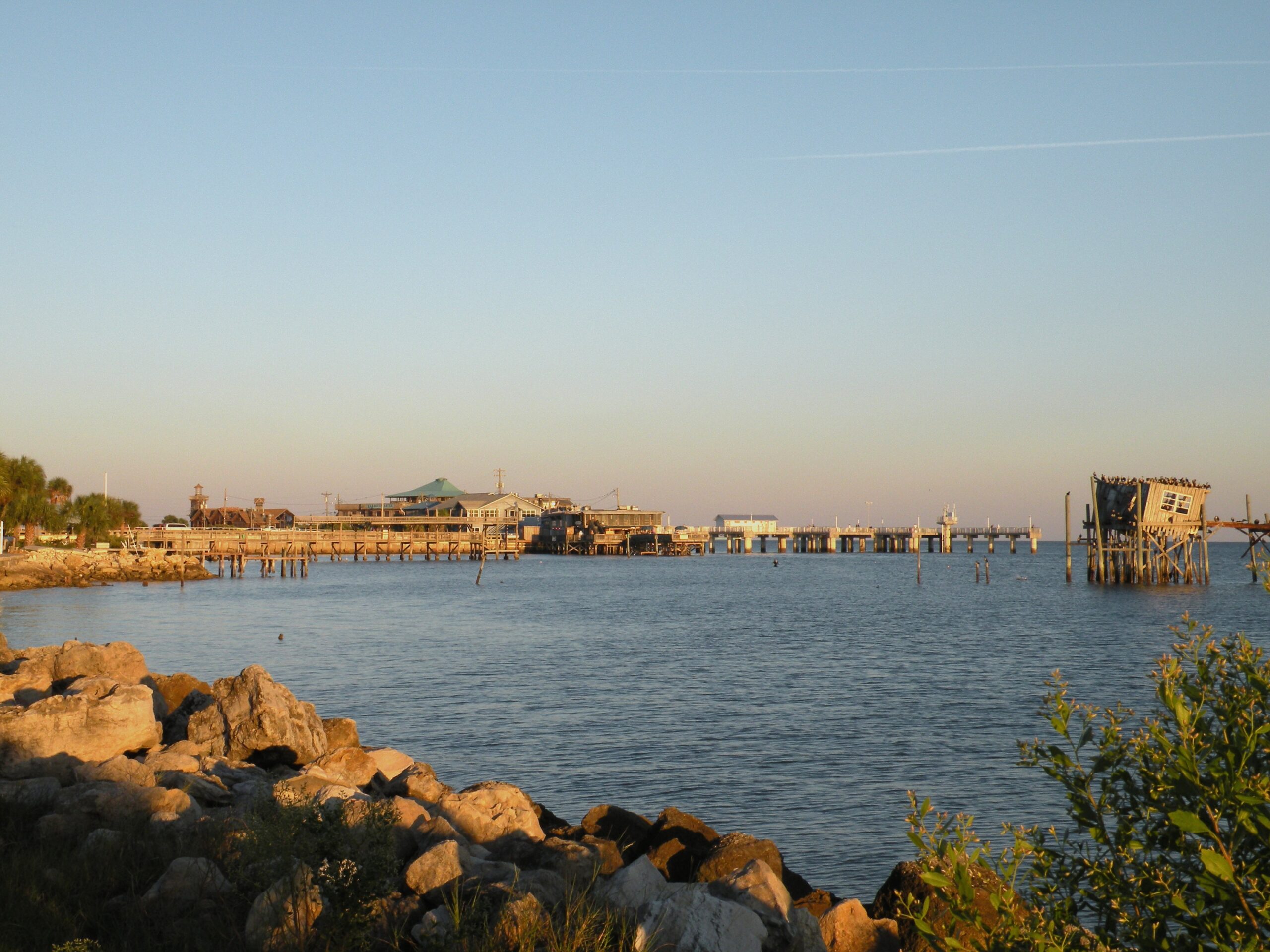
Cedar Key sits on a cluster of small islands about three miles off Florida’s Gulf Coast in Levy County, a spot the state’s tourism machine has largely left alone. Part of the town is built out over the water, with homes and businesses standing on wooden stilts above the tide. It has that rare quality of feeling suspended between eras, neither fully modern nor stuck in the past, just quietly itself.
Visitors who make the drive out often describe the same sensation, a kind of decompression that starts somewhere around the second bridge. There are no high rises here, no crowded boardwalks competing for attention. It’s the sort of place that rewards patience rather than itinerary planning.
Four Bridges and No Traffic Lights
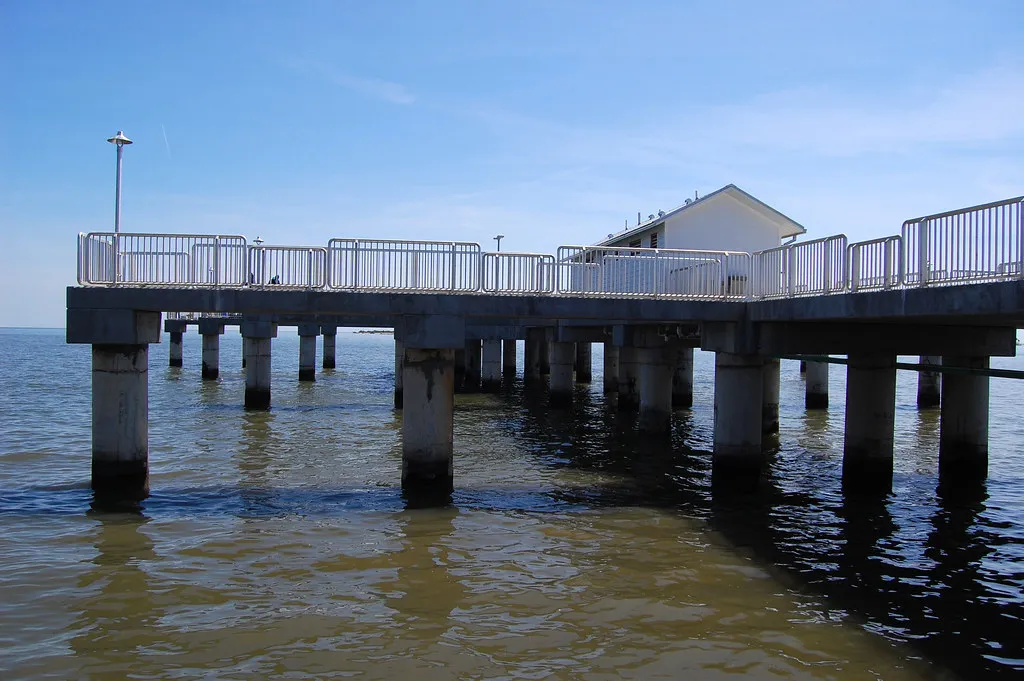
Getting to Cedar Key is part of the experience, not an obstacle to it. Highway 24 is the only route that comes into town, crossing over the salt marshes via four small bridges. There’s no shortcut, no back road, just one narrow ribbon of asphalt threading through open marsh.
That isolation has shaped everything about the town’s character. Many people have discovered Cedar Key only by chance after turning off the highway in the hopes of finally discovering what was at the end of the road, finding one of the few sleepy and rustic hidden gems left in Florida, with no traffic lights and no franchise chains. For a state so often defined by strip malls and theme parks, that absence feels almost radical.
A History Built on Cedar, Salt, and Pencils
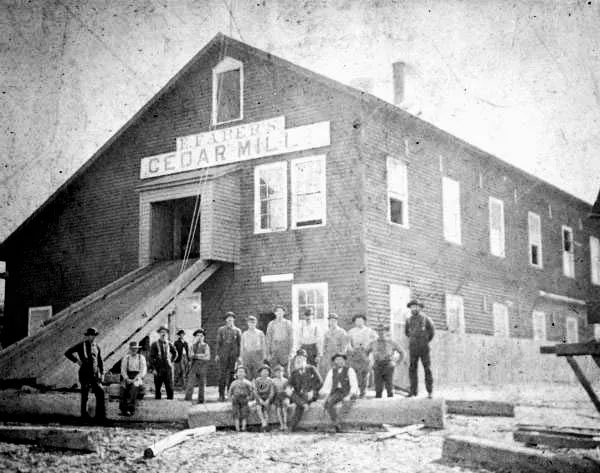
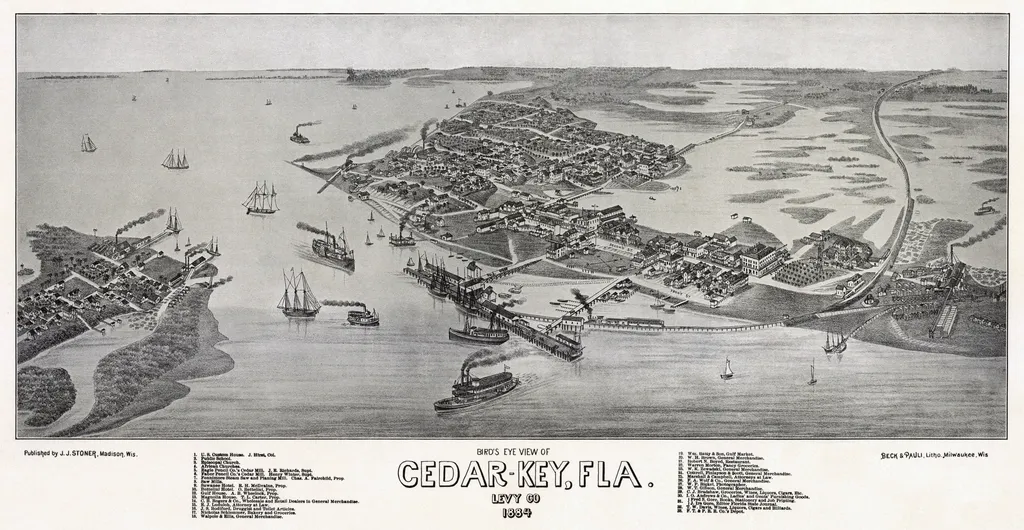
The town’s name comes honestly. The first pencil mills opened in Cedar Key in 1865, creating a temporary boom in the economy that peaked in the 1880s, while the salt trade had become important during the Civil War, supplying Confederate soldiers, and Cedar Key became the westernmost stop of the Florida Railroad line in 1860, contributing to the town’s growing fortunes. For a brief stretch, this tiny island was a genuine industrial hub.
Nature had other plans. A Category 3 hurricane struck on September 28, 1896, obliterating Atsena Otie Key, with winds up to 100 mph destroying homes, the pencil mill, and businesses. The naturalist John Muir passed through decades earlier, and recovering from malaria at a local home in 1867, his writings later immortalized the islands’ beauty and helped inspire the Sierra Club. History here isn’t a museum piece. It’s woven into the storm shutters and the street names.
From Net Fishing to Clam Farming
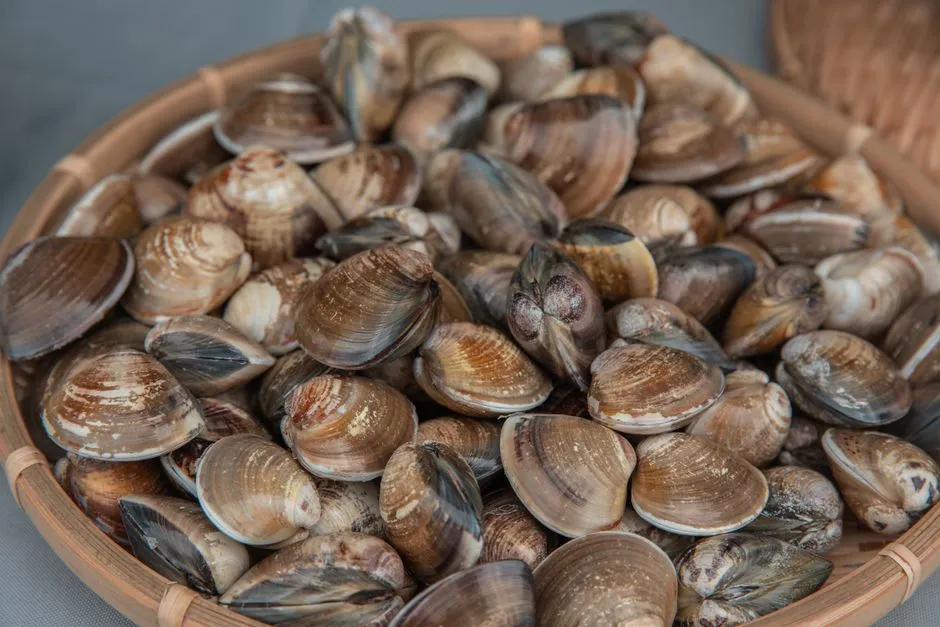
Cedar Key’s modern economy tells a story of adaptation. Local businesses contribute to the production of more than 90% of Florida’s clams, and since a statewide net ban in 1994, the area of Levy County once known for fishing has transitioned and become Florida’s largest aquaculture town, supporting over 500 of the industry’s jobs. That shift wasn’t easy or quick, but it kept generations of fishing families working on the water they’d always known.
The scale is genuinely impressive for such a small place. About 200 million clams are harvested annually, and the shellfish industry supports over 500 jobs in the area while fueling the city’s economy by an estimated $45 million a year. It’s a rare example of a coastal town finding a sustainable second act after its original industry disappeared.
A Sanctuary for Birds and Quiet Wanderers
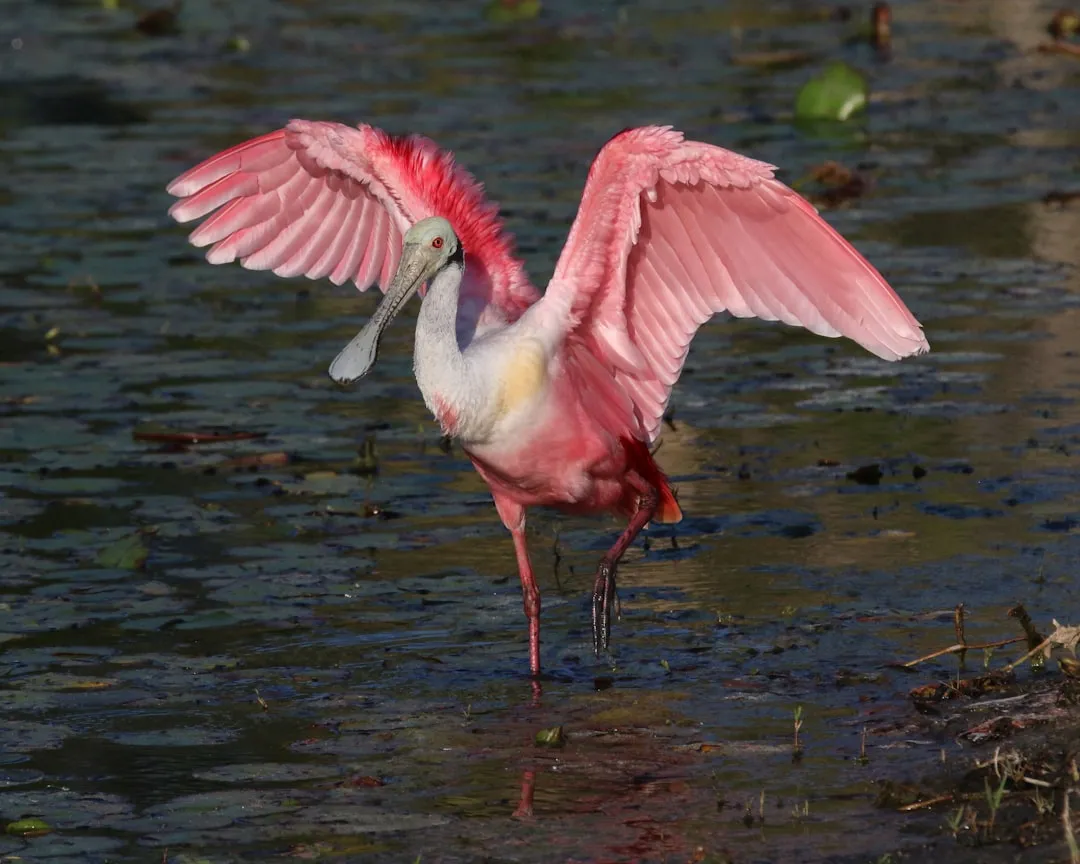
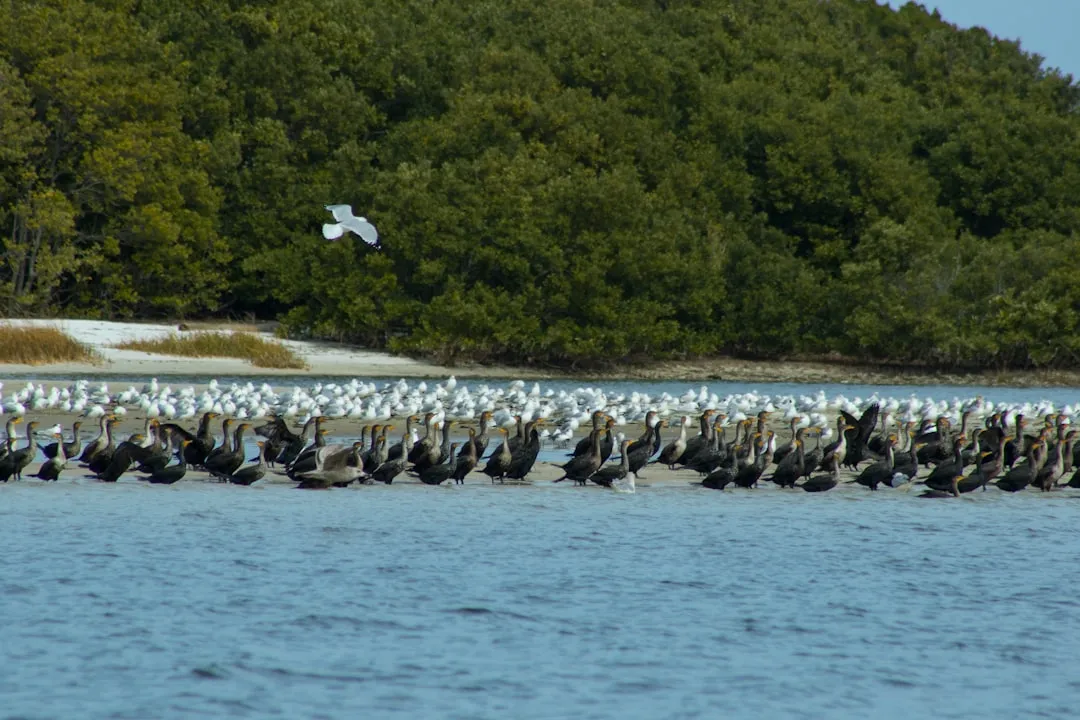
Conservation runs deep in Cedar Key’s identity, and it long predates the current wave of interest in eco tourism. Conservation peaked in 1929 when President Herbert Hoover created the Cedar Keys National Wildlife Refuge, one of the first for colonial nesting birds like pelicans, ibis, and roseate spoonbill. That early protection helped preserve the very landscape people now travel to see.
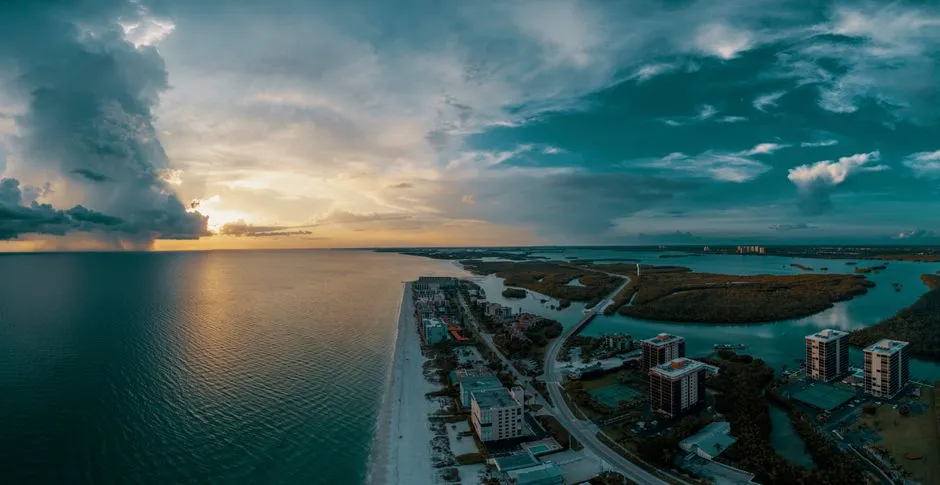
The refuge itself spans a scattered archipelago just offshore. The town is surrounded by the Cedar Key Wildlife Refuge and its 13 islands, several within sight of the mainland, which helps make Cedar Key one of the best places for aquaculture in Florida by protecting local waters from the intense development that occurs around much of the state. Kayakers and birders alike find the same reward here, a coastline that still looks mostly the way it did a century ago.
Dock Street, Fresh Seafood, and Small Festivals
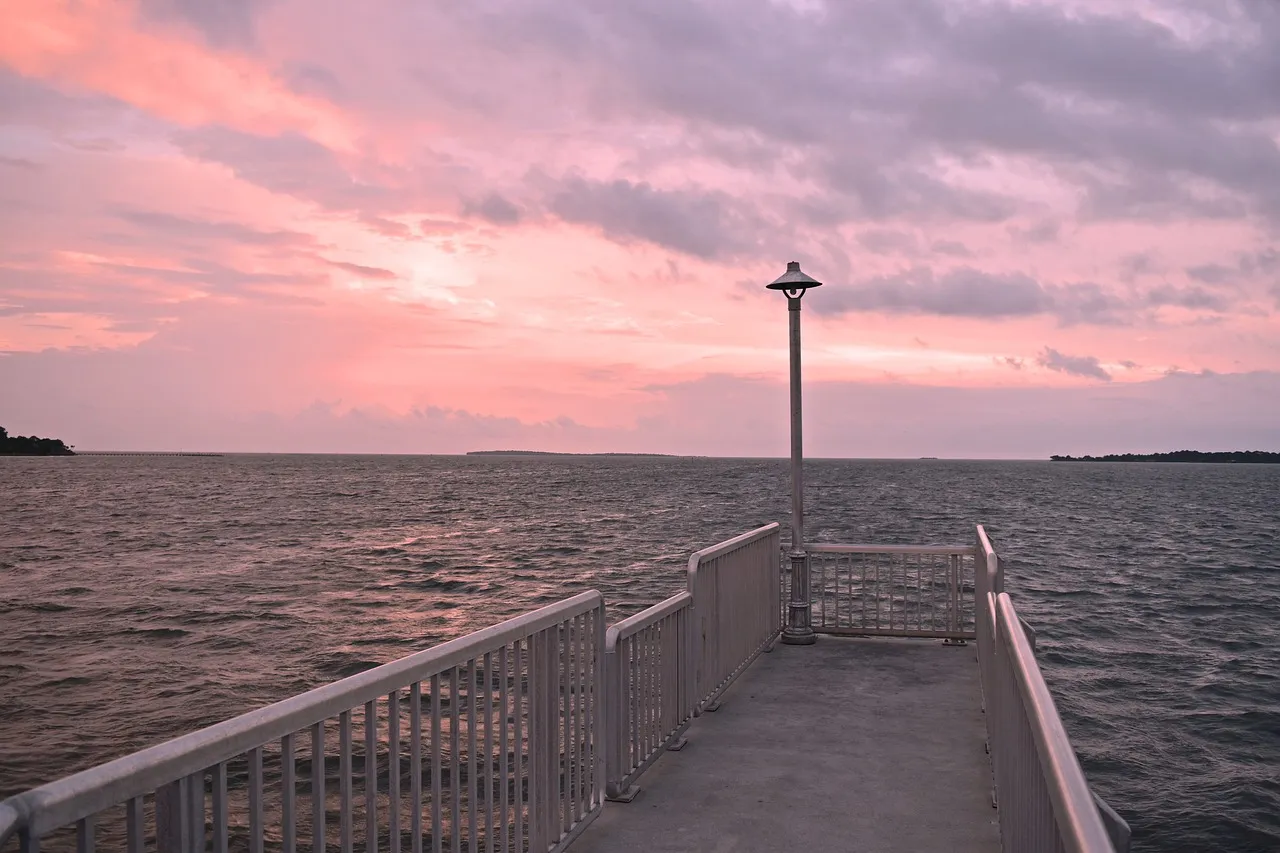
Downtown Cedar Key centers on Dock Street and Second Street, a compact stretch where fishing boats, art galleries, and seafood shacks sit shoulder to shoulder. Cedar Key is known for its many fine seafood restaurants, most of them serving clams and oysters pulled from waters just beyond the porch. There’s no pretense to the menus, just fresh catch prepared simply and served with a view.
Twice a year, the town opens itself up a little wider. The village holds two festivals a year, the Spring Sidewalk Art Festival and the Fall Seafood Festival, that each attract thousands of visitors to the area. For a few days, the sleepy pace picks up, then settles right back down once the crowds head home.
A Community Small Enough to Know Itself
Cedar Key’s population has always been modest, and that’s precisely the point for many who live there. The town is a working waterfront community, rich in small town flavor with fewer than 800 residents. Everyone tends to know everyone, which shapes a different kind of hospitality than you’d find in a resort town built for anonymous crowds.
That intimacy matters even more during hard times. As one local news account put it, for nearly 700 Floridians, Cedar Key is home. It’s a number small enough that a single storm can touch nearly every household on the island, and large enough to form a community that shows up for its neighbors.
Weathering Three Hurricanes in One Season
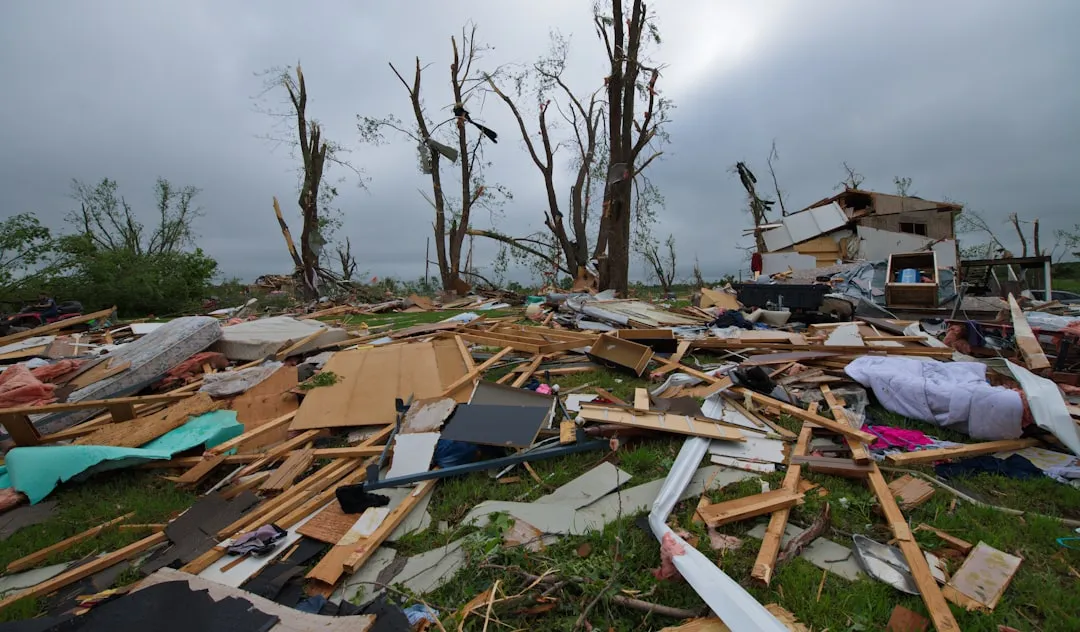
Cedar Key’s recent years have tested that community spirit directly. In 2024, the town experienced three hurricanes in the span of two months, Debby, Idalia, and Helene, and the storms knocked out homes and businesses, altering the lives of everyone on the island. Hurricane Helene proved especially destructive, with building structures ripped apart by 84 mph wind gusts and a 10 foot storm surge, surpassing the previous record set by Idalia of a 7 foot storm surge.
The scale of the damage led to national recognition of what was at stake. Cedar Key was named to the National Trust’s 11 Most Endangered Historic Places list for 2025. Recovery has been slow and uneven, and it would be dishonest to pretend otherwise, but the island’s residents have largely chosen to rebuild rather than walk away.
Why Locals Keep Coming Back Anyway
Despite the setbacks, or maybe partly because of them, Floridians haven’t stopped returning. Filled with good fishing spots, spectacular natural preserves, and lush beaches, Cedar Key might be a small town, but it is a much loved getaway destination for Floridians. For many families in North Central Florida, it functions less like a tourist stop and more like an extension of home, a place tied to childhood memories and repeat visits across generations.
Local officials have been candid about the balance they’re trying to strike, encouraging visitors while giving businesses room to heal. The mayor has emphasized that the city will continue efforts to expand tourism beyond peak months while allowing businesses time to recover and rebuild. That kind of patient, community first approach is part of what keeps loyal visitors coming back rather than drifting toward flashier destinations.
A Model for Traveling with Care
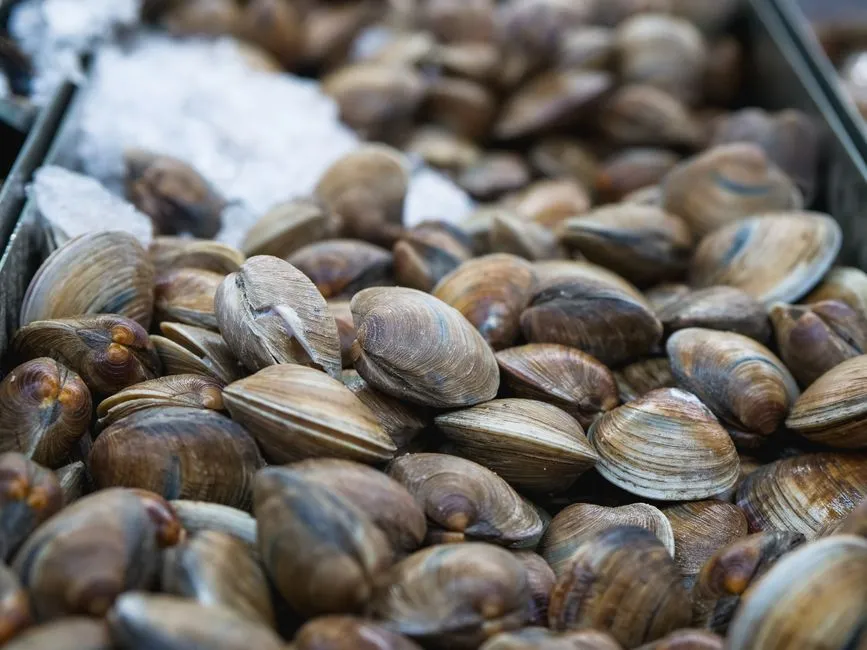
Cedar Key’s relationship with its own water offers a quiet lesson in sustainability. A single clam can clean over 10 gallons of water a day, and a small, 2 acre clam farm filters over 9 million gallons a year, according to the Cedar Key Aquaculture Association. The town has taken concrete steps to protect that resource, including efforts to remove septic tanks from the island to prevent contamination and refurbish its storm water draining system to treat rainwater runoff.
Visiting Cedar Key thoughtfully means understanding that its beauty and its economy are inseparable from its water quality and its working waterfront traditions. Choosing local seafood, supporting small businesses still rebuilding, and treating the wildlife refuge with the respect it deserves all matter here more than in places built purely for tourism. It’s not a destination that asks for much, just a willingness to slow down and pay attention.
Cedar Key won’t ever compete with Florida’s bigger beach towns for name recognition, and that seems to suit the people who love it just fine. What draws Floridians back isn’t spectacle but familiarity, the kind that survives hurricanes, industry shifts, and a century and a half of quiet change. Some places earn their reputation as a secret simply by staying exactly what they’ve always been.
AI Disclaimer: This article was created with the assistance of AI tools and reviewed by a human editor.