
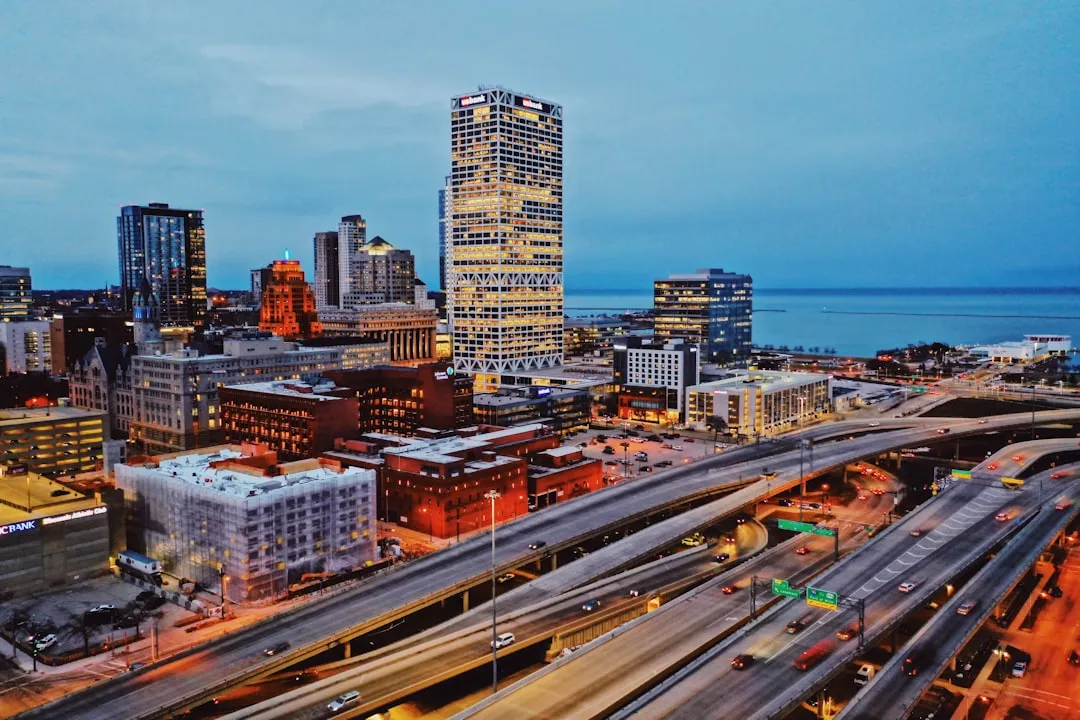

There’s a particular kind of food destination that earns its reputation slowly, through word of mouth, through chefs who stay rather than leave, through farmers who’ve been on the same land for generations. Wisconsin, and its cultural and culinary anchor of Milwaukee, is exactly that place.
It hasn’t been shouted about on the cover of every food magazine. The obsession is quieter than that. Seasoned travelers and serious food enthusiasts have been making their way to this corner of the Midwest, building itineraries around cheese caves, buzzing neighborhood restaurants, and farmers’ markets that the world’s top culinary judges openly admire.
A City That Keeps Earning Its Place at the Table
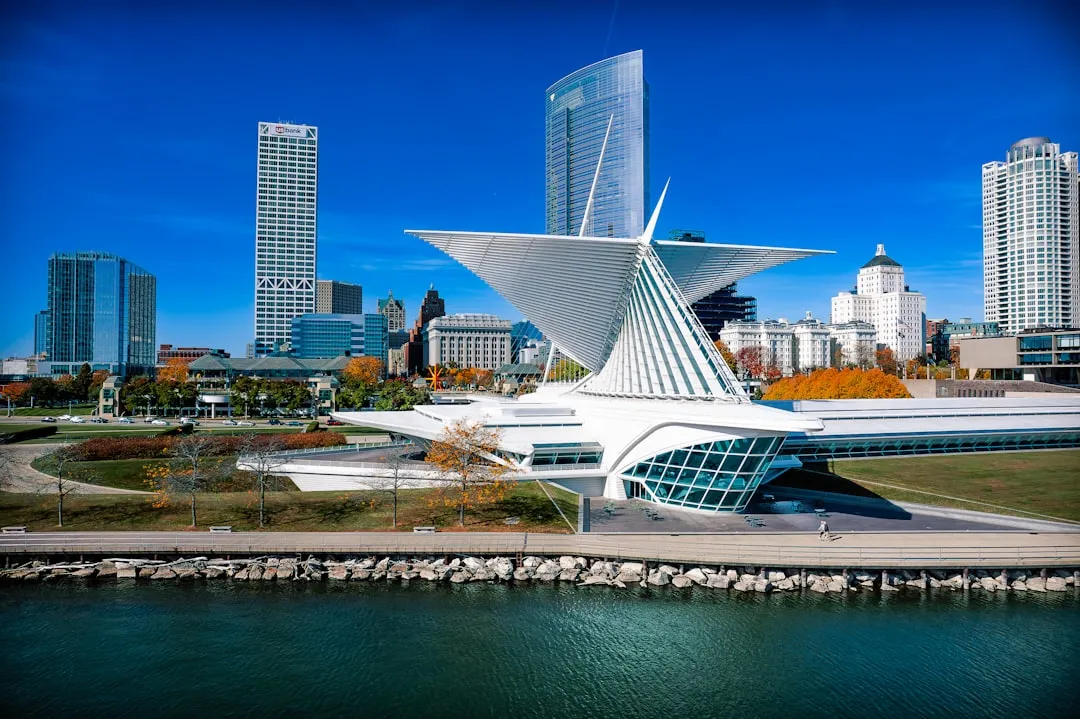
Milwaukee isn’t trying to catch up to the nation’s top food cities. It’s claiming its place among them, with James Beard-caliber chefs, award-winning restaurants, and culinary creativity drawing national acclaim.
In January 2026, the James Beard Foundation announced its semifinalists, and Milwaukee had many reasons to be proud. That year’s semifinalist list included candidates for three National awards.
Those included Vanessa Rose of Mother’s, who was honored as a semifinalist for Emerging Chef; 1033 Omakase, described as the hottest ticket of the year in Milwaukee, with a semifinalist nomination for Best New Restaurant; and the Bay View cocktail bar The Mothership, honored with a nod for Outstanding Bar.
James Beard Recognition That Just Won’t Stop
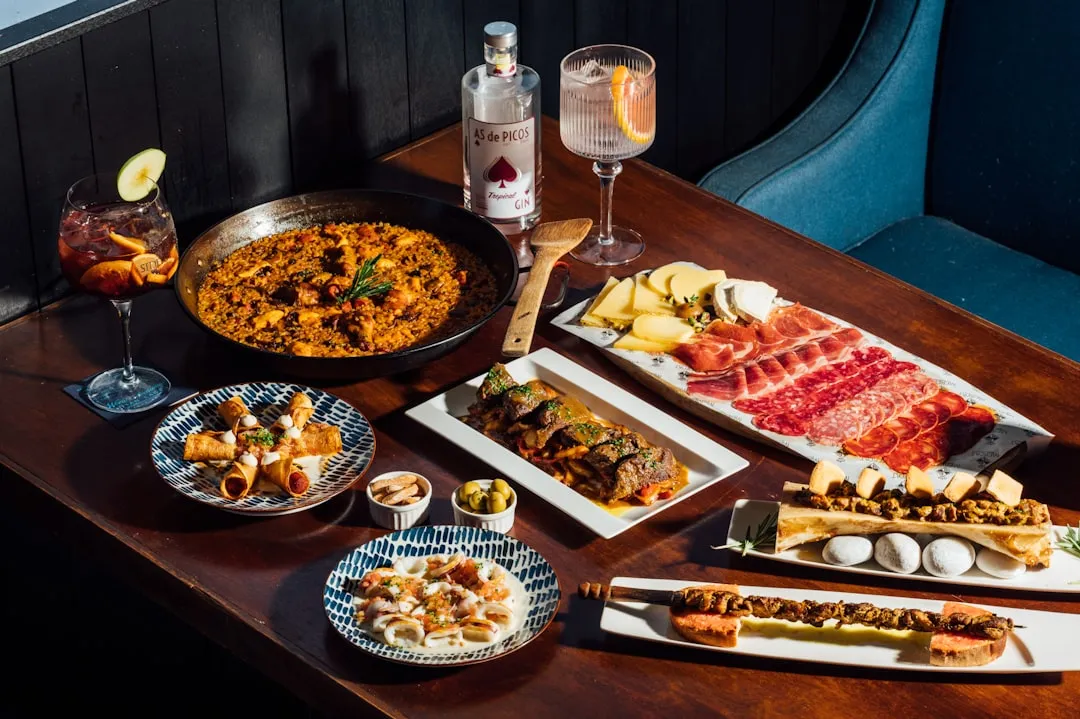
In 2025, Milwaukee’s James Beard semifinalists for Best Chef Midwest included Ross Bachhuber and Samuel Ek of Odd Duck, Daniel Jacobs and Dan Van Rite of EsterEv, and Kyle Knall of Birch, who was also named as a semifinalist for Outstanding Chef in 2022.
Gregory León, owner and executive chef at Amilinda, was one of 20 nominees for Outstanding Chef nationally, a category that recognizes individuals who set high culinary standards. León, who celebrated 30 years in the restaurant industry, has led Amilinda for more than a decade, offering a seasonal menu inspired by Spanish and Portuguese flavors.
Agency cocktail bar made history as the first bar in Wisconsin to be honored with a James Beard nomination. That kind of milestone doesn’t happen by accident. It reflects a city that has quietly been building world-class depth, block by block.
The Omakase Moment That Surprised Everyone
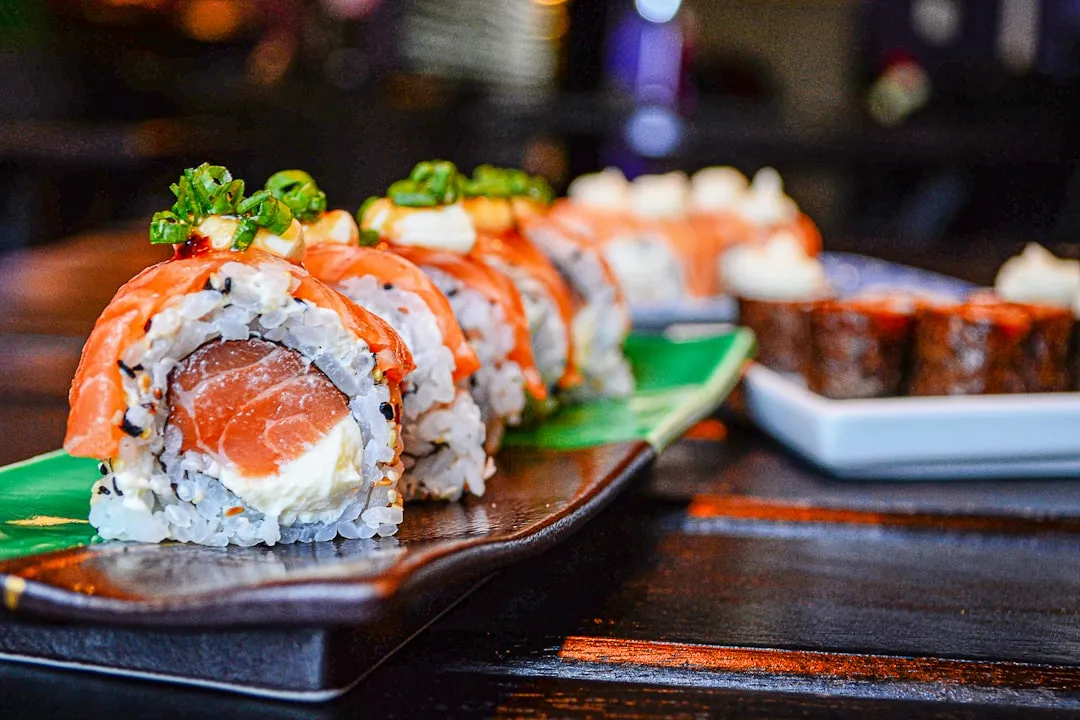
1033 Omakase, which opened in late 2024, is Milwaukee’s first restaurant to serve exclusively an omakase experience, a chef-curated surprise multi-course meal featuring sushi and other elements of Japanese cuisine.
This intimate omakase experience opened in December 2024 in Walker’s Point and had already earned a coveted spot among the country’s best new restaurants, a remarkable achievement in just over a year of operation.
That kind of recognition for a debut restaurant in the Midwest sends a clear message. The region isn’t mimicking coastal dining trends. It’s generating its own.
Wood-Fired Menus and the Agricultural Backbone Behind Them
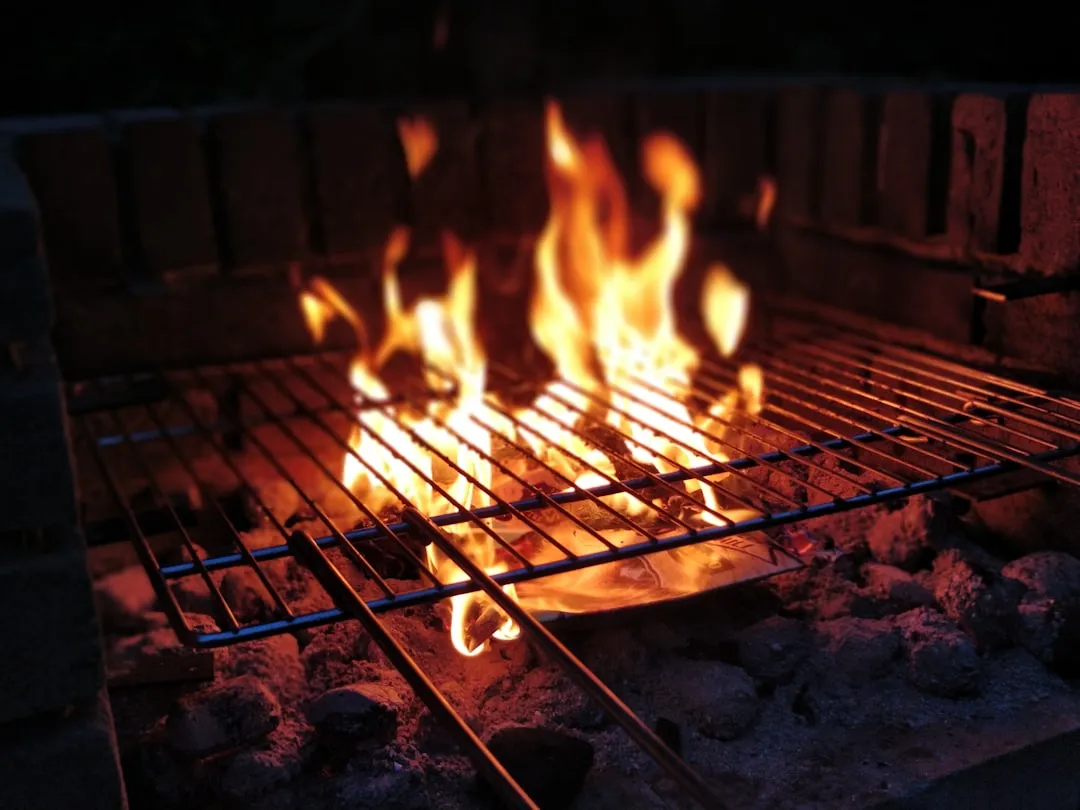
At Birch, Chef Kyle Knall draws on his fine-dining background and the bounty of Wisconsin’s agricultural landscape to deliver wood-fired menus that are both rustic and refined.
David Swanson, chef and owner of Braise in Walker’s Point, has earned multiple James Beard semifinalist recognitions. The restaurant sources ingredients from over 40 Wisconsin farms for its rotating seasonal menu.
Wisconsin is home to more than 64,000 farms, according to the U.S. Department of Agriculture. While many of those farms ship their products out across the country, plenty also keep their products local, some selling them straight to restaurants, which sustains the state’s lively farm-to-table movement.
The Cheese Culture Is Its Own Culinary Universe
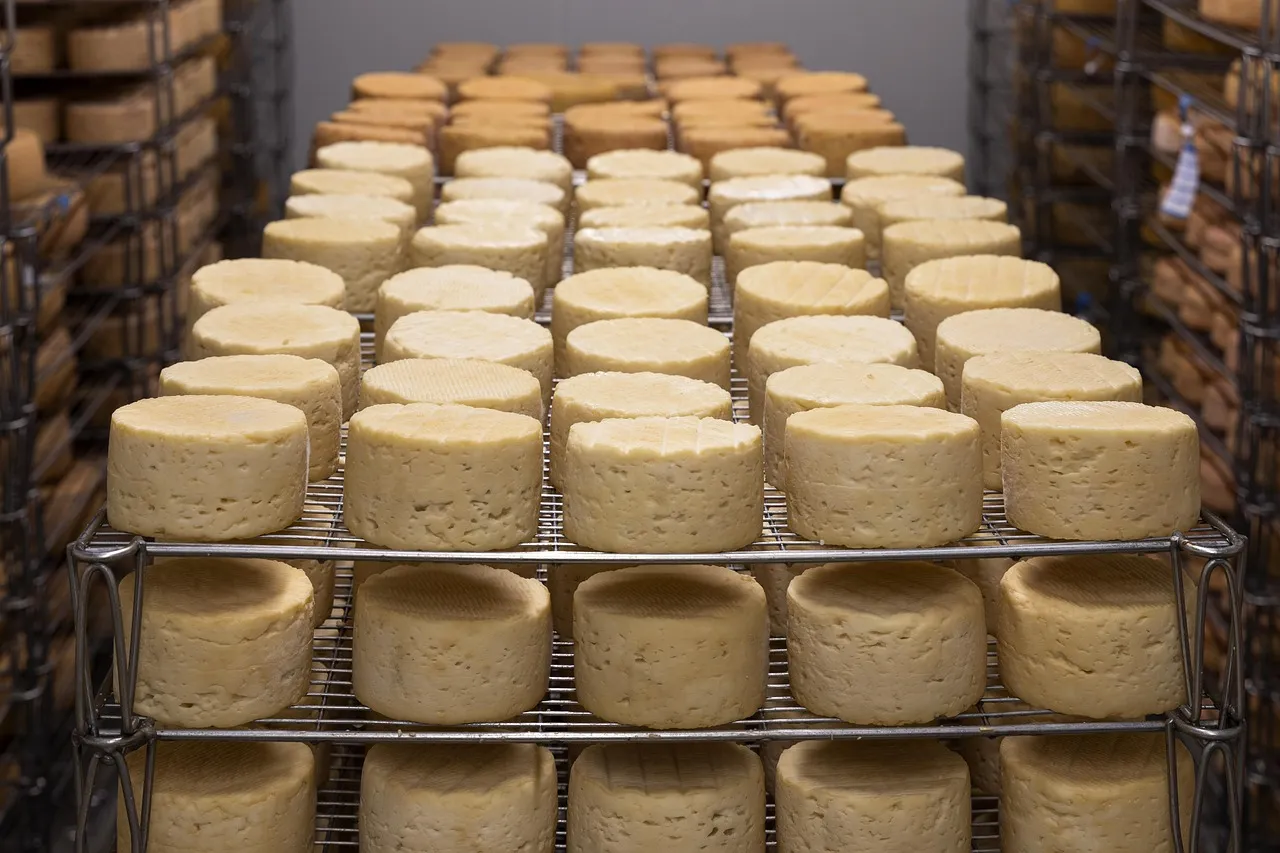
Wisconsin churns out enormous quantities of milk every year, most from family farms. About 90 percent of that milk turns into cheese, at least 600 kinds of it, and Wisconsin cheesemakers routinely win more national and international awards than those of any other state.
States like Wisconsin and Illinois have long boasted a deep and genuine love for cheese and bratwurst. In Wisconsin’s case, that love has matured into a serious artisan culture with legions of small producers and regional varieties that chefs across the country now seek out.
Henning’s Wisconsin Cheese, a fourth-generation cheese factory near Kiel, has been in business since 1914. On weekday mornings, visitors can watch cheesemakers tend to their massive stainless steel vats, with a full range of products from cheddar to squeaky cheese curds.
The Farmers’ Market That Top Chefs Travel to See
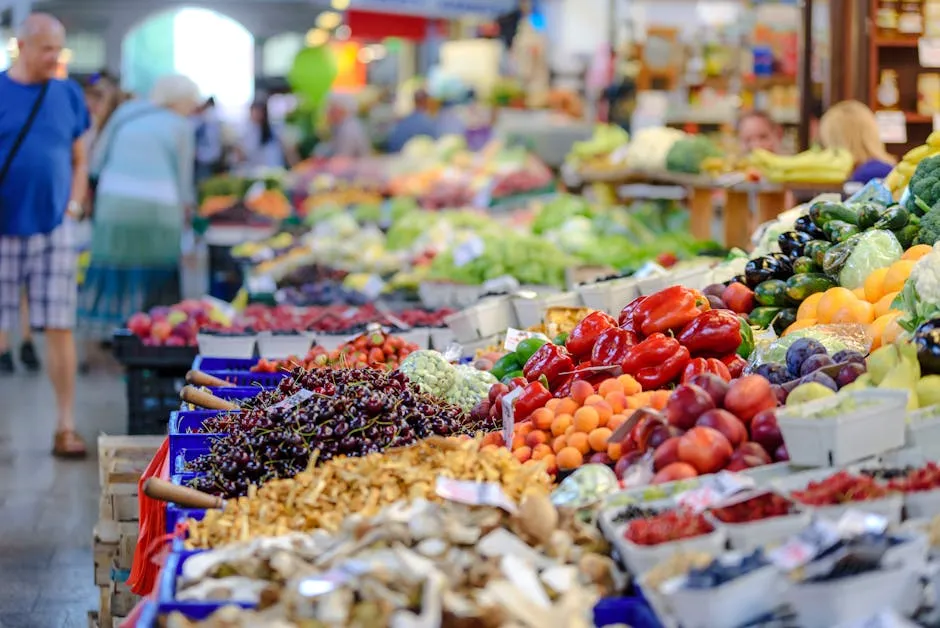
The Dane County Farmers’ Market in Madison is the largest producers-only farmers’ market in the U.S., with nearly 300 vendors selling everything from vegetables and meat to honey and hot sauce. Top Chef head judge Tom Colicchio called it “one of the best farmers’ markets in the world.”
The market is held on the Capitol Square every Saturday from mid-April through early November. Chefs, home cooks, and food travelers show up together. There’s a democratic, community-rooted energy there that you don’t easily find.
While the state has long been serving up delicious dishes, the culinary scene has been heating up in recent years and the world has taken notice. Many Wisconsin chefs and restaurants have been named James Beard semifinalists, and a growing number of farm-to-table establishments have been showcasing the bounty from Wisconsin farms.
Farm-to-Table Dining Done With Real Intention
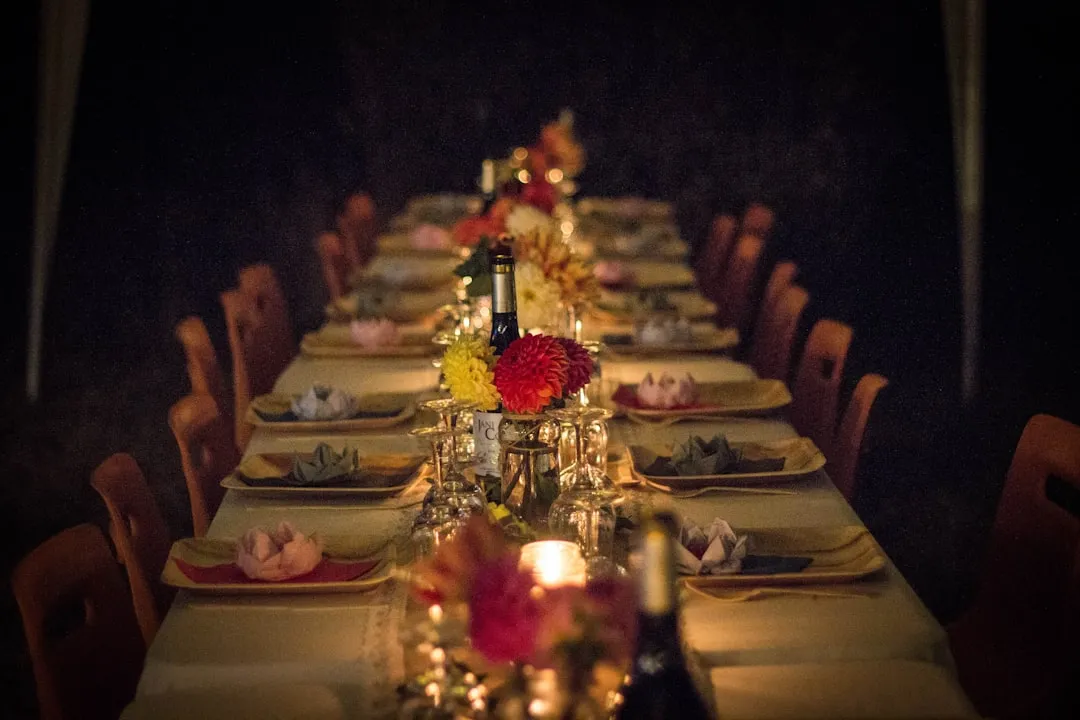
Wisconsin Farm to Table is a nonprofit event organization established in 2013 to offer an on-farm experience, with a farm tour, elegant dinner, and dialogue between those interested in agriculture and where their food originates.
Guests explore the taste of Wisconsin’s agricultural diversity, from prestigious cheeses, meats, and vegetables. The organization brings an elegant dining experience to working dairy farms.
Wisconsin’s farm-to-table restaurants are covering the gamut of cuisine, from innovative New American restaurants to Italian joints, even pizza places serving locally sourced food. It’s not a single-style movement. It’s woven into the region’s entire culinary identity.
A Cocktail Scene That Now Stands on Its Own
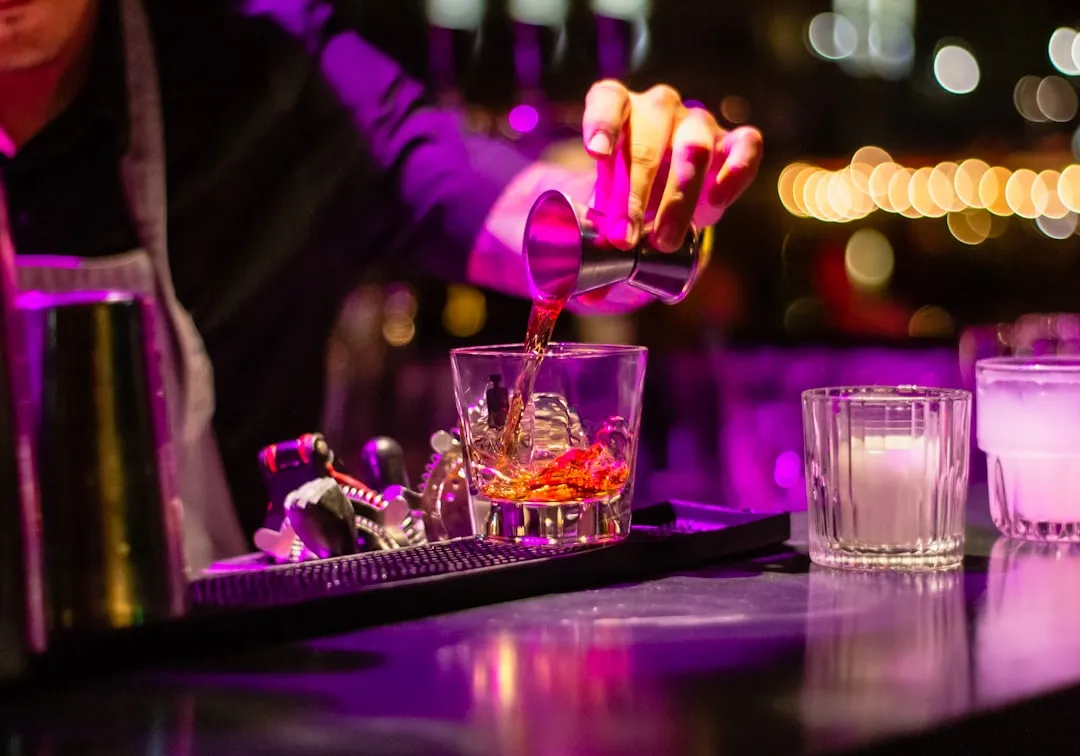
Agency, a recent addition to Milwaukee, was nominated for Best New Bar in 2025, a category that highlights establishments demonstrating excellence in beverages. As one of the nation’s first fully hybrid cocktail bars featuring nearly identical menus of traditional and non-alcoholic drinks, Agency excels on both fronts.
Solly’s Grille has been perfecting the Wisconsin butter burger since 1936 and was named an America’s Classics winner in 2022, its indulgent ground sirloin patty topped with stewed onions and a generous dollop of Wisconsin butter.
Goodkind’s co-owner Katie Rose is the driving force behind the bar’s expertise at pairing the perfect cocktail with seasonal Americana cuisine. Bryant’s Cocktail Lounge, which opened its doors in 1938, has also gained a national reputation for its classic combination of atmosphere and mixology. The depth of the drinks culture here runs generationally deep.
Comfort Food Reinvented, Not Abandoned
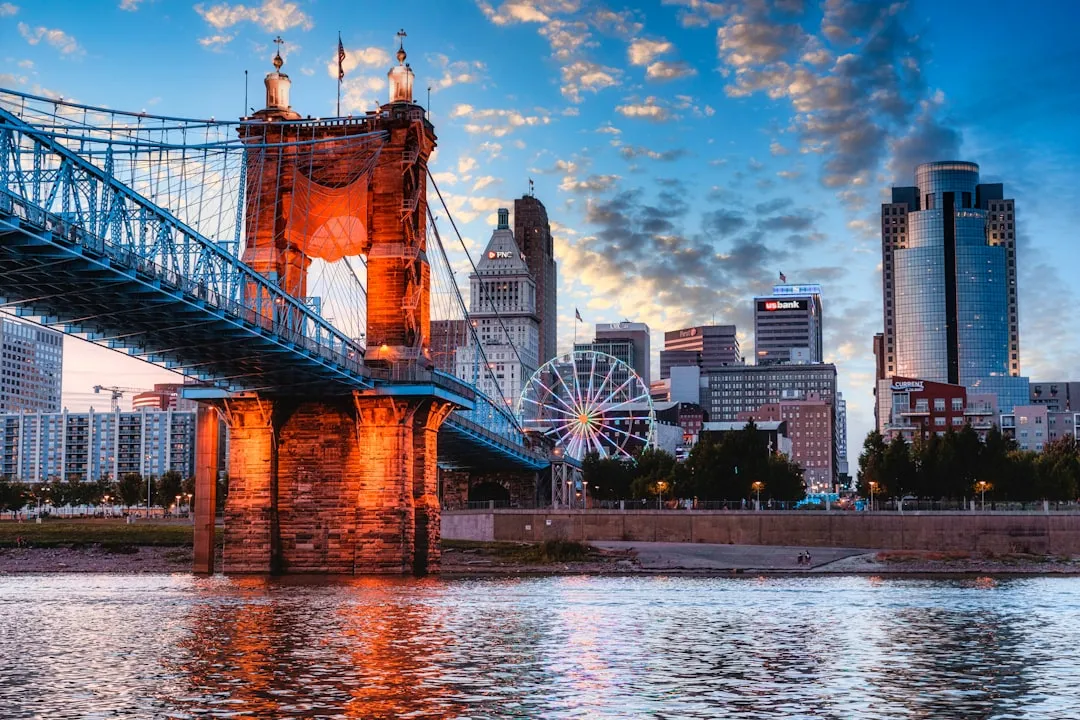
The Midwest remains deeply rooted in comfort classics that evoke warmth through hearty meals shared among loved ones. Chefs here are taking beloved staples and creatively reimagining them using unique flavor profiles sourced from around the globe. This resonates well given Midwesterners’ affinity toward familiar tastes coupled with adventurous exploration via modern techniques.
Cincinnati chili, for example, was first dreamed up by Greek brothers in the 1920s, who blended their cherished Mediterranean cuisine with American chili variations. The result is a silky, semi-sweet sauce with cinnamon, allspice, and sometimes even a hint of chocolate.
The tradition of building on what came before rather than erasing it is part of what makes this region distinct. There’s no performance of newness for its own sake. The food has roots and it shows.
Why the Rest of the Country Is Quietly Paying Attention
There’s a distinct difference between visiting a place with only information gleaned from remote research and visiting with a local who knows which chefs are pushing the culinary envelope and which vineyard offers a true connection to the land. The Midwest has no shortage of such voices, including Top Chef finalists, James Beard-nominated chefs, and winery owners whose recommendations vary widely but share a common thread: a deep, abiding love for the flavors of their communities.
From buzzy Bay View newcomers to Wauwatosa fine dining gems, Wisconsin’s semifinalist list for major culinary awards features fresh faces alongside familiar names, signaling an exciting new chapter for the state’s growing reputation as a serious food destination.
Food trends in the Midwest are evolving alongside national currents, while still honoring tradition. In doing so, the region proves it can influence the broader American food conversation as much as any coastal hub.
The quiet obsession makes sense once you see it up close. This is a region that feeds the country, then turns around and feeds itself remarkably well. The chefs here aren’t chasing a trend. They’re building something that lasts, and that’s precisely what serious food lovers have always found worth traveling for.
AI Disclaimer: This article was created with the assistance of AI tools and reviewed by a human editor.