
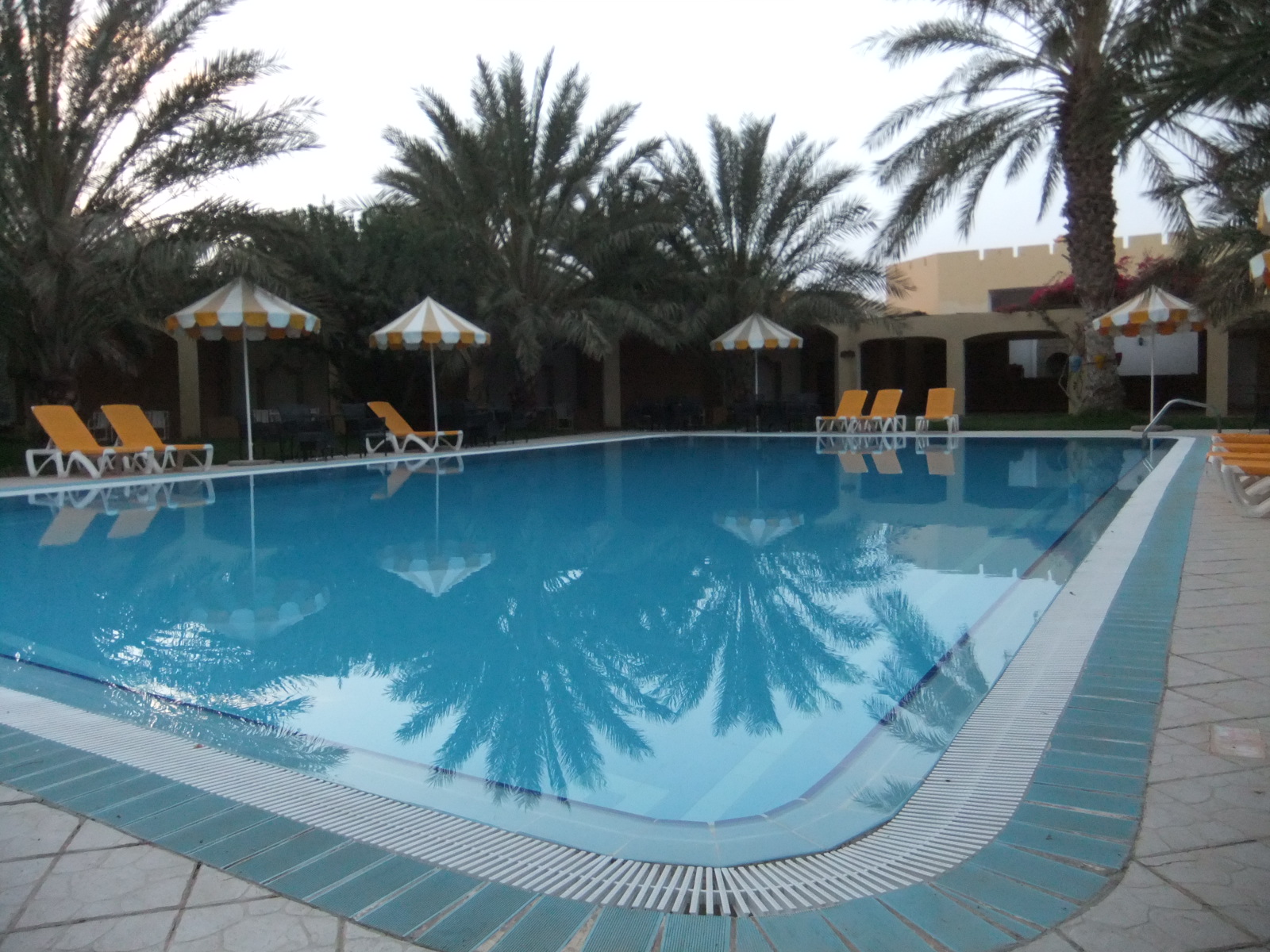

A Rule That Goes Back More Than a Century
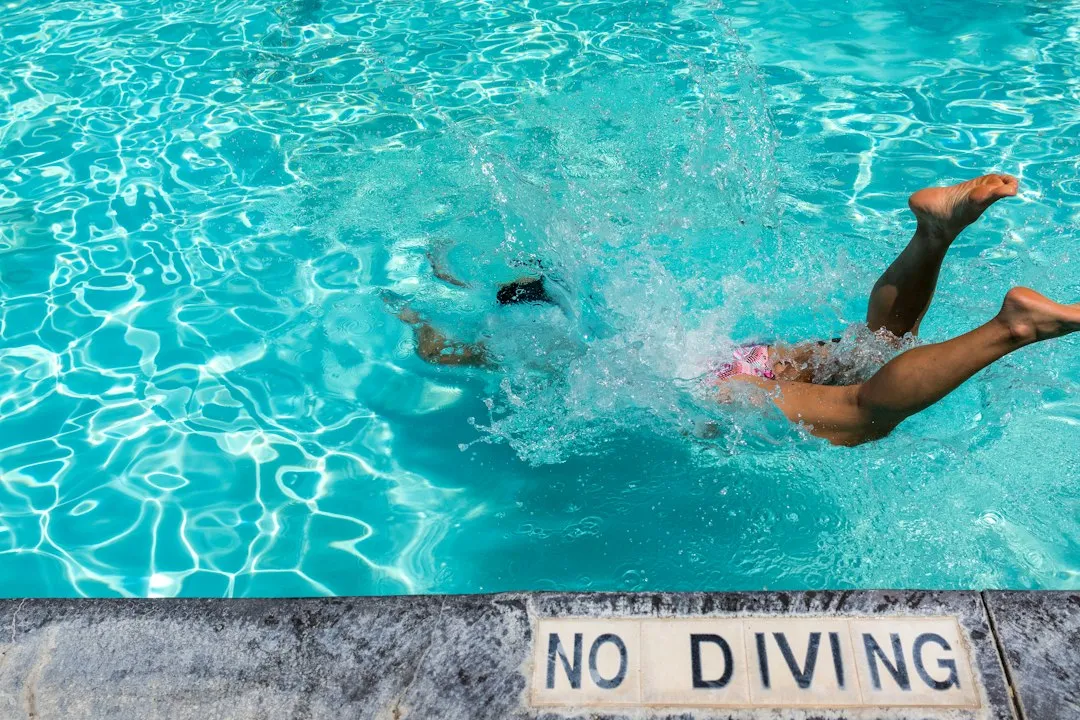
The rule prohibiting men from wearing wide swim shorts in public swimming pools, campsites, hotel pools, or water parks dates back to 1903, and it is still in force today. This is a rule with roots in the early days of public bathing and public hygiene, not a modern invention.
Some sources note the proscription against swim shorts dates back to an archaic rule from 1903, a claim that seems to have its roots in a 2015 article in Esquire suggesting that swim shorts were banned on hygiene grounds in the early twentieth century. Whatever the precise legislative origin, the enforcement has been consistent enough that pool operators across France treat it as settled practice.
Hygiene Is the Core Argument
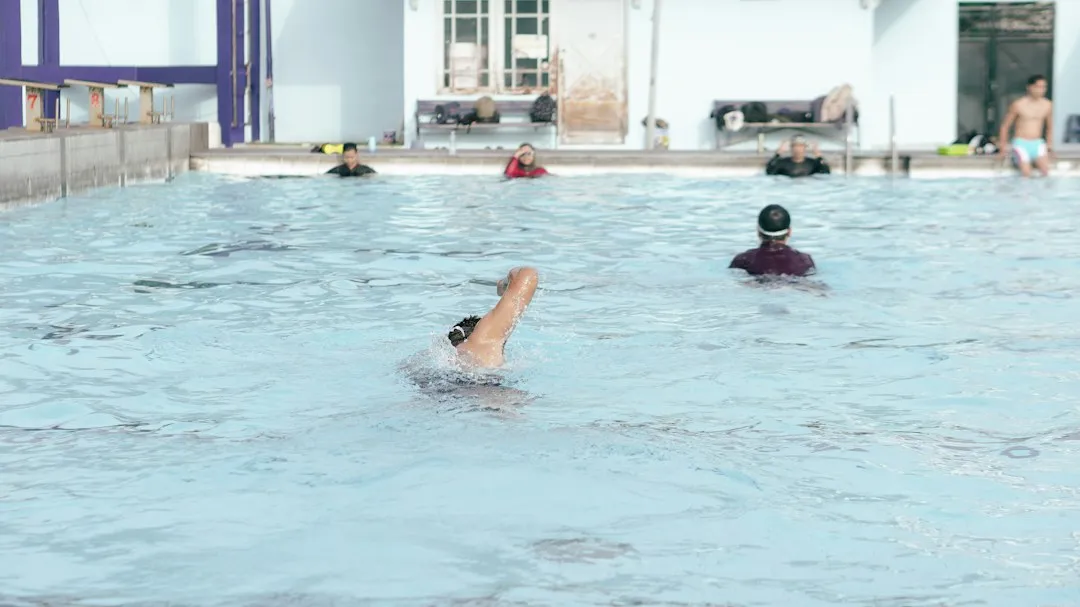
The French pools guide lists “hygiene and public welfare” as the reason for the strict guidelines on appropriate poolwear. The logic is fairly intuitive once you hear it: board shorts do double duty as everyday clothing, and that dual purpose is exactly the problem.
In France, loose swim shorts are considered “streetwear.” People often wear them outside the pool – while walking, playing sports, or sitting in cafés – before jumping into the water. They pick up dust, dirt, and bacteria, which then end up in the pool.
The main reason for banning this type of clothing is to reduce pollution of the pools (hair, sweat, urine residue, etc.) in order to preserve the quality of the water. From a public-health standpoint, shared pool water is a common resource, and French authorities have consistently framed its protection as a collective responsibility.
What Pool Attendants Actually Say

“Small, tight trunks can only be used for swimming. Bermudas or bigger swimming shorts can be worn elsewhere all day, so could bring in sand, dust or other matter, disturbing the water quality,” Emmanuel Dormois, a head pool attendant in Paris’ 11th arrondissement, told The Guardian.
It’s a straightforward distinction. A Speedo lives in a swim bag. Board shorts might have been worn to the market that morning. If a swimmer then wears those same shorts into the pool, all of that outside matter goes into the shared water. As one Paris pool official explained, small tight trunks are only ever used for swimming, while larger shorts get worn elsewhere and carry in outside matter.
The Pocket Problem Nobody Talks About
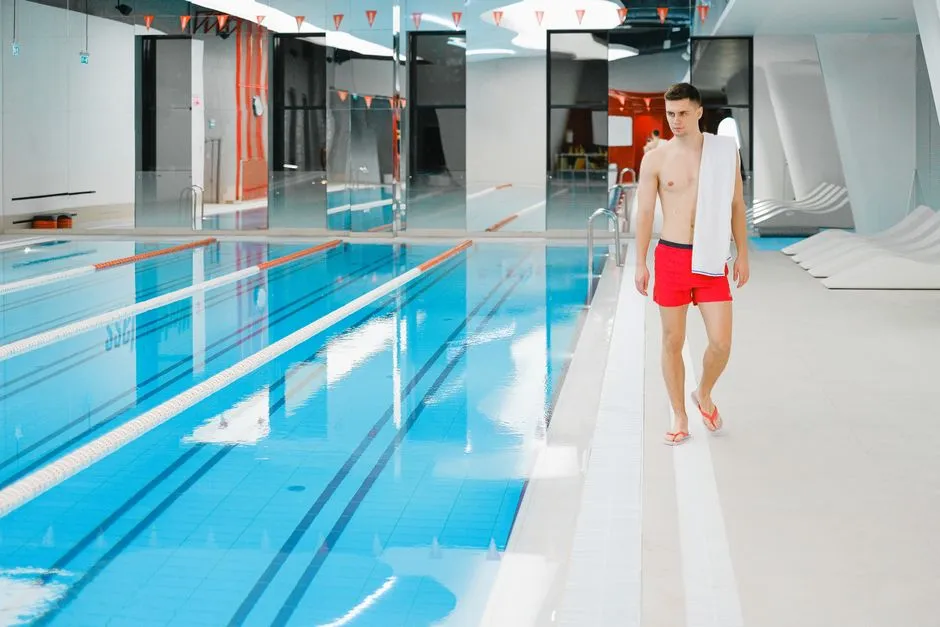
The French pools guide notes that “swimming trunks, as well as Bermuda shorts or boardshorts, can be worn all day long. Moreover, long shorts are loose fitting and often have pockets.” These objects have no business being in the pool and can end up floating on the surface of the water.
Pockets are genuinely a practical hazard. Loose change, receipts, keys, and other small items become unintended additions to the water. It’s a mundane detail, but it reflects the thoroughness of France’s approach to pool hygiene.
Safety on the Pool Deck

Hygiene isn’t the only justification. There’s a safety dimension that often gets overlooked in the conversation. There is a safety angle, too. Loose shorts absorb a lot of water, making them heavier and posing a drowning risk. Dripping shorts also create slippery surfaces around the pool deck.
Additionally, wet shorts drip large amounts of water when swimmers exit the pool. The excess water creates slippery surfaces, increasing the risk of accidents. Tight swimwear helps prevent such hazards because it holds less water and dries faster.
The Filtration System Factor

There is also concern that fibers – especially from cotton shorts – can break off in the water and burden the filtration systems. This is an operational cost that pool managers take seriously. Filters are expensive to maintain and replace.
The more water is dragged out of the pool through clothing, the more often it needs to be replaced or filtered. Swimwear made for swimming is constructed from synthetic fabric that dries fast, holds its shape when wet, and does not shed fibres into the water. Cotton soaks up water and gets heavy, sheds lint that clogs filters, and often carries dirt, sweat, and washing powder from the street.
T-Shirts and Other Clothing Are Banned Too

This is also why many French pools ban swimming in a t-shirt. What remains off-limits is anything loose and multi-purpose: board shorts, Bermuda-length shorts, baggy lined trunks, and swimming in a t-shirt.
Many pools do not allow swimmers to wear t-shirts, even for sun protection, as fabric can trap bacteria and affect water quality. Regular cotton shorts or tank tops are generally banned due to their absorbent nature and potential to release fibers into the water. The rule, in other words, is about garment function rather than any specific shape or brand.
Swim Caps Follow the Same Logic

Hygiene is also given as the reason for compulsory swimming caps – they prevent hair shedding into the pool where it pollutes the water and clogs up the filters. It’s not just certain swim briefs that are mandated in France. Wearing a swim cap is also required in many swimming pools, for both women and men.
The swim-shorts rule is of a piece with the swim-cap requirements many pools also impose, and with the insistence on showering before entering: all of them subordinate personal preference to the cleanliness of the common water. There’s a consistent philosophy running through all these rules, one that treats the shared pool as a commons worth protecting.
Where the Rule Applies – and Where It Doesn’t

The rule applies to all public swimming pools, hotel pools, campsites with pools, and water parks. The rules apply only to local-authority run pools; private pools can set their own rules, while beaches allow a variety of different clothing.
The tight-swimwear requirement applies to public swimming pools and similar controlled facilities, not to France’s beaches, where the usual relaxed swimwear rules apply and board shorts are perfectly fine. So if you’re heading to the Côte d’Azur and want to wear board shorts, the shoreline is entirely welcoming. It’s the indoor pool where the rules change.
What to Do If You Arrive Unprepared
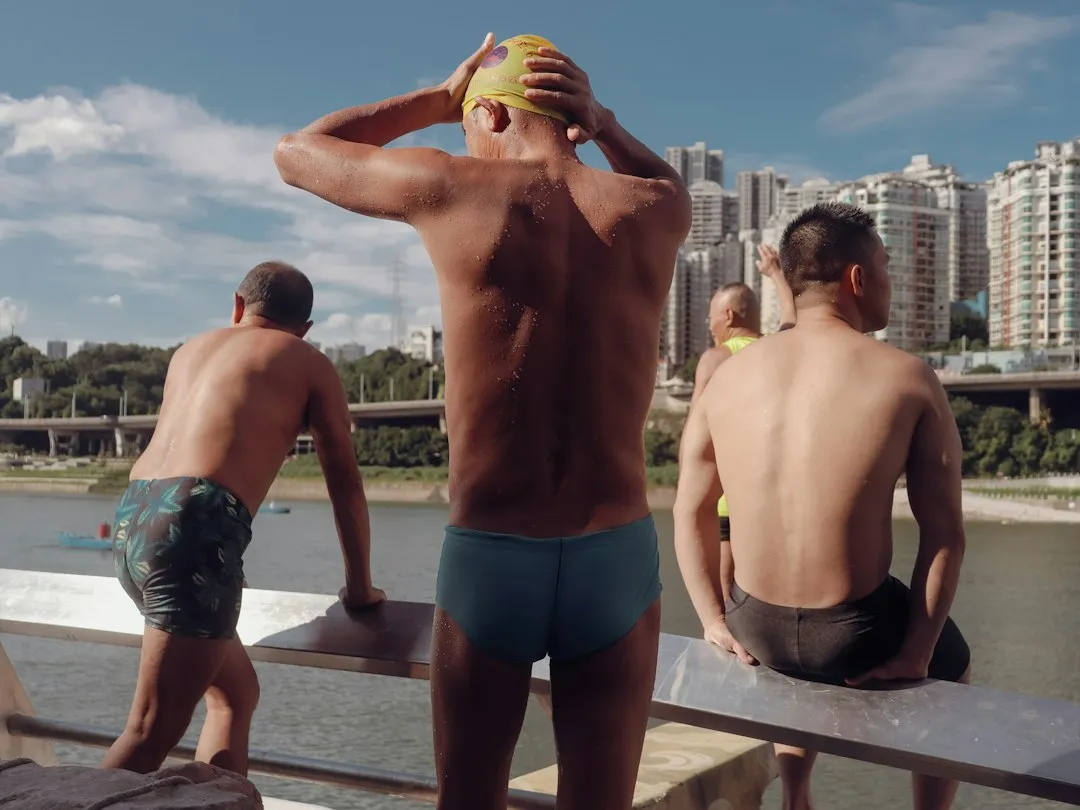
Many public pools have vending machines near the entrance selling the tiny approved trunks, along with swim caps and goggles, precisely because so many people arrive not knowing the rule. It’s a genuinely practical solution, and a small sign that the French pool system is well aware this rule surprises visitors.
Men are required to don either un slip de bain (trunks) or un boxer (tight shorts), while some places have made it compulsory to wear swimming caps. Not all French pools are strict sticklers, though. It’s up to the discretion of the establishment what rules they’ll ask their patrons to follow, so if you insist on wearing baggy shorts, you can ask around for establishments that allow them.
A Broader Philosophy of Shared Spaces

France has a long tradition of treating public facilities as genuinely communal, with rules designed to protect the shared resource rather than the individual’s convenience. That’s not a small cultural detail. It’s the entire foundation of why the rule exists and why it has endured for so long despite efforts to change it.
The French national government rejected moves to remove the hygiene rule, keeping it in place, and pools across the country continue to enforce it. The resistance to change isn’t stubbornness for its own sake. It reflects a genuine and consistent position: that everyone who enters a public pool should do so having made a small but meaningful concession to collective cleanliness.
The Takeaway for Travellers
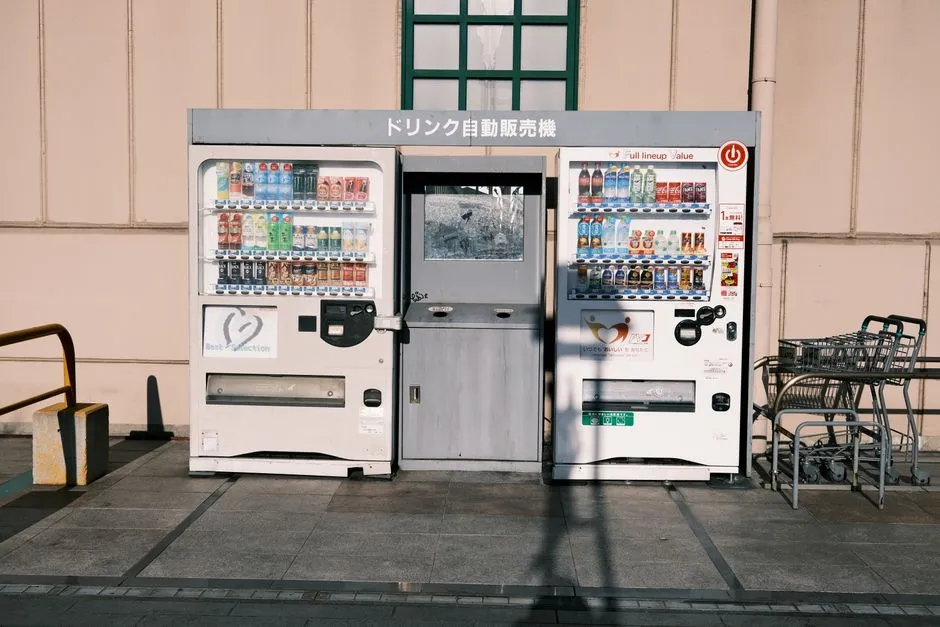
Pack a slip de bain before your trip, or be prepared to buy one at the pool entrance. The rule isn’t designed to embarrass you – it’s designed to protect the water everyone shares. In the end, the tight-suit rule is exactly what it appears to be: a genuine, enforced, century-old French requirement that men wear close-fitting swimwear in public pools.
Once you understand the reasoning, it’s hard to argue with the underlying idea. Shared water deserves a bit of shared responsibility. France has just been unusually consistent about codifying that into policy – and enforcing it at the gate with a vending machine of Speedos standing by, just in case.
AI Disclaimer: This article was created with the assistance of AI tools and reviewed by a human editor.