

The Body’s Survival Trick That Works Against You
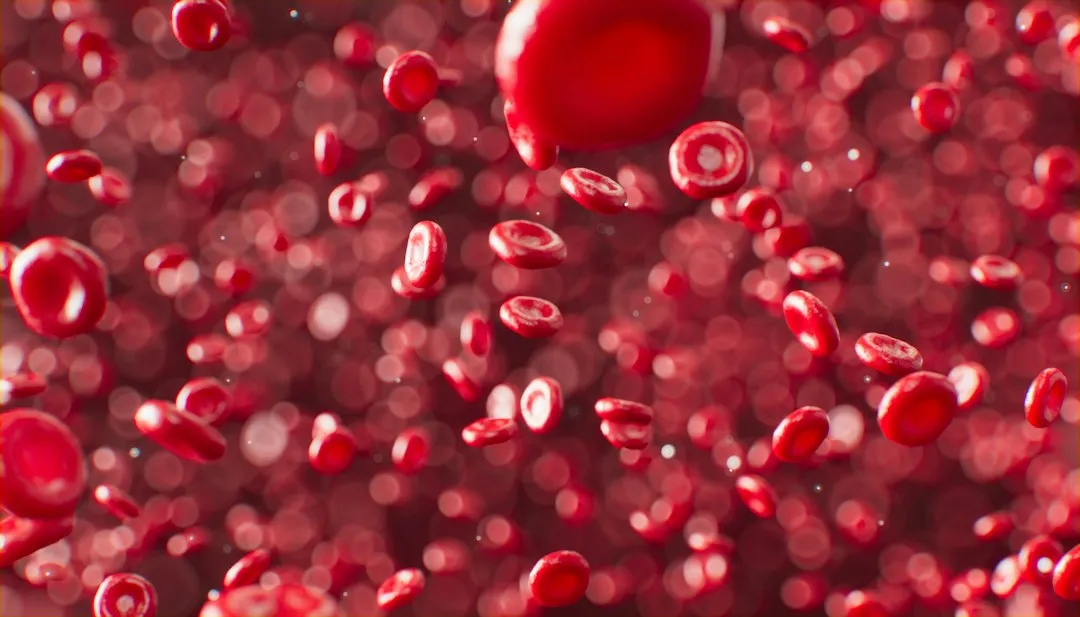
When temperatures drop, your body does something remarkably intelligent: it redirects blood flow away from the skin and extremities to protect the heart, lungs, and brain. When exposed to freezing temperatures, the body sends signals to blood vessels in the extremities, telling them to constrict and narrow, and by slowing blood flow to the skin, it can send more blood to the vital organs, supplying them with needed nutrients and oxygen.
This response is called vasoconstriction, and it is the first link in a chain that leads toward frostbite. The first line of defense against cold exposure is vasoconstriction, which limits blood flow to the extremities so the body can focus on keeping the core warm and ensuring that vital organs continue to function. The problem is what happens next, once circulation drops and the tissue is left without enough warmth to stay safe.
Numbness Is Not Relief – It Is a Red Flag
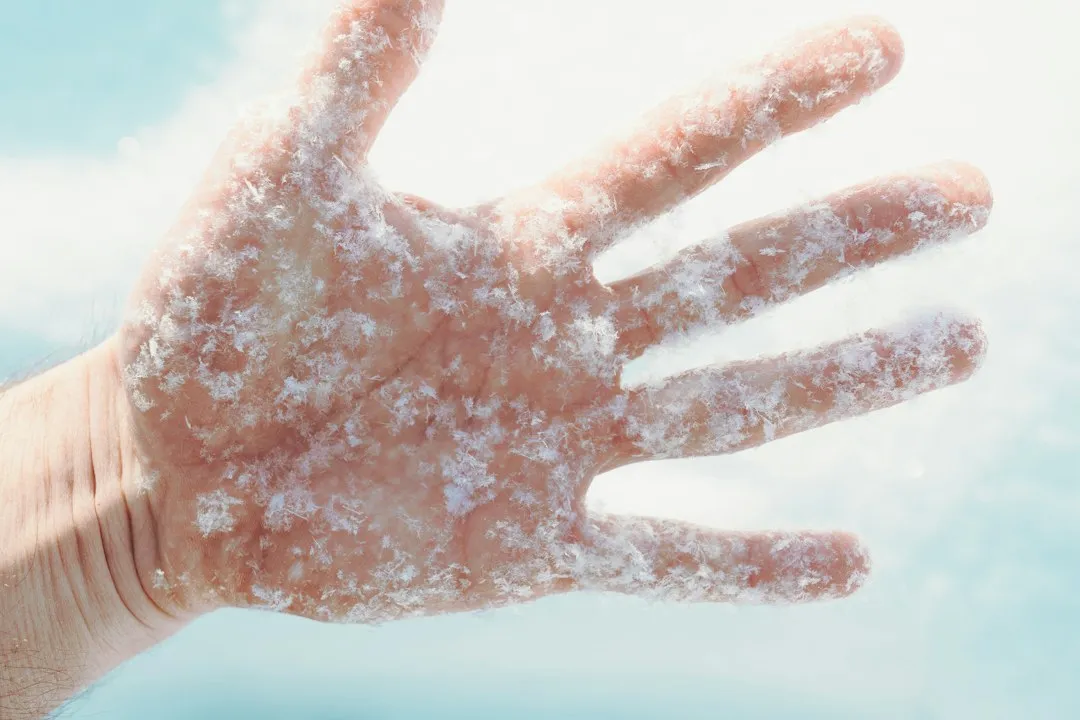
Many people experience numbness in cold weather and interpret it as their body simply “adjusting.” This is a dangerous misread. The problem with frostbite is that we begin experiencing normal numbness, which is a typical response to being in the cold, but then the tissues continue to get colder and colder, and we’ve already lost sensation there.
That loss of sensation is precisely why the injury progresses silently. In most cases, the person is unaware of frostbite because the frozen tissues are numb. Once sensation is gone, there is no pain signal to pull you indoors. The tissue simply continues to freeze while your mind registers nothing unusual.
The Exact Temperature When Sensation Disappears
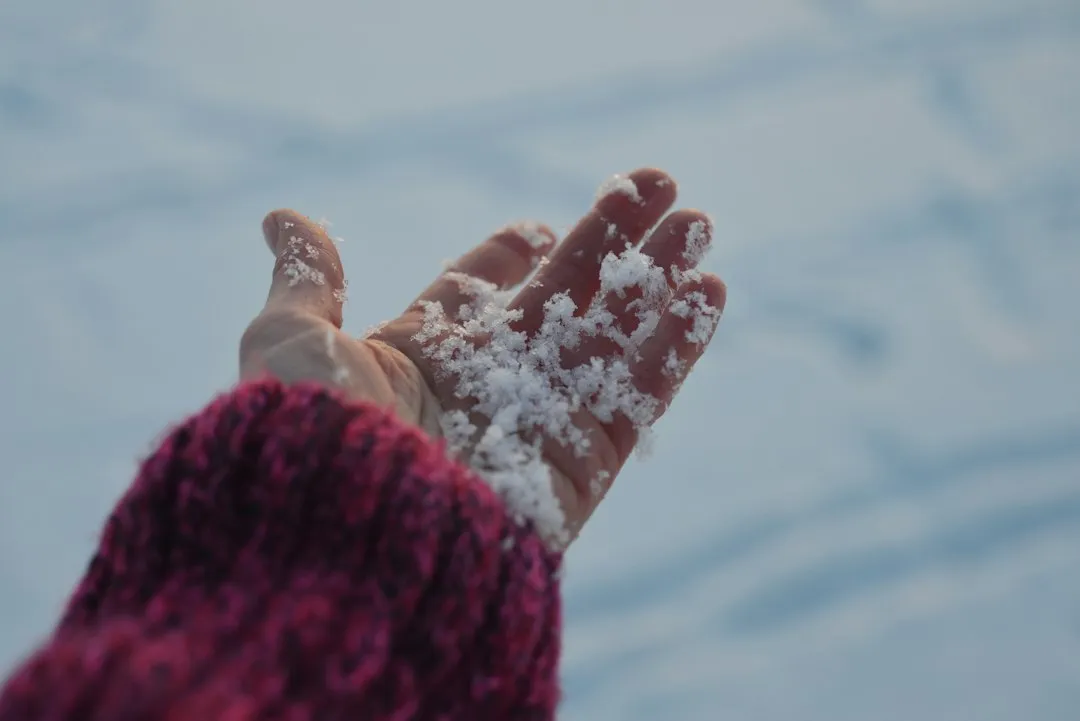
The physiology of cold-related nerve loss is more precise than most people realize. At 10°C, neurapraxia occurs, resulting in loss of cutaneous sensation, and below 0°C, negligible cutaneous blood flow allows the skin to freeze, with skin temperature dropping at a rate exceeding 0.5°C per minute.
This means that by the time outdoor temperatures are well above freezing, the skin surface on exposed fingers or ears can already be approaching the critical threshold where sensation cuts out. Smaller blood vessels freeze before larger ones, and the venous system freezes before the arterial system because of lower flow rates. The microvasculature fails first, quietly, and without warning.
Wind Chill Changes Everything
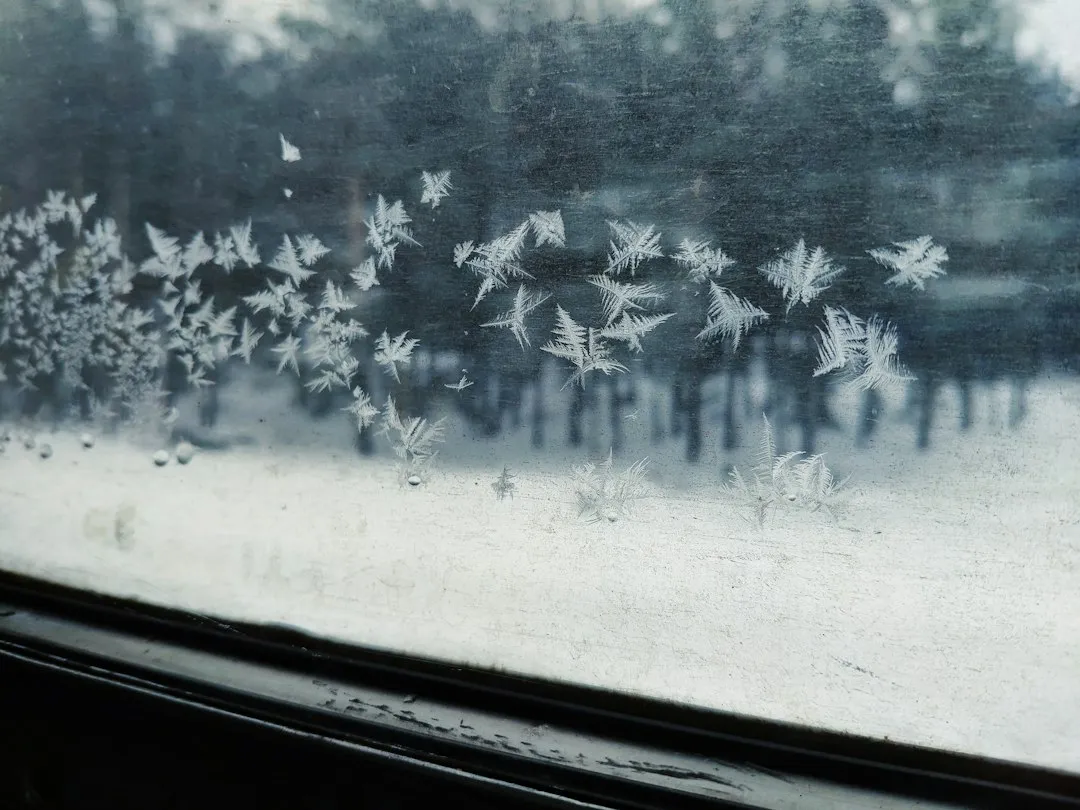
Temperature alone does not tell the full story of frostbite risk. Wind strips heat from the skin’s surface far faster than still air at the same temperature. A temperature of 5°C with a wind speed of 50 km/h can create a wind chill effect that makes it feel like -5°C, greatly heightening the risk of frostbite.
The timeline for tissue damage compresses sharply as wind increases. You can get frostbite in 30 minutes or less when the wind chill is -15°F (-26°C) or lower. For travelers accustomed to checking the temperature but not the wind forecast, this is a gap in awareness that carries real consequences.
Frostnip: The Stage You Are Probably Missing

Before frostbite sets in, there is an earlier, reversible warning stage known as frostnip. Frostnip is a nonfreezing tissue injury, often a precursor to frostbite, involving numbness and pallor of exposed skin. It does not cause permanent damage on its own, but left unaddressed it transitions into something far more serious.
During frostnip, the affected skin may appear red to purple or lighter than natural skin tone, and the skin may feel cold, slightly painful, and tingly. Frostnip is the warning stage when skin damage is just temporary. The trouble is that many travelers dismiss these sensations as ordinary cold discomfort and continue their activity, unknowingly crossing into deeper injury territory.
The Stages That Follow Are Far Less Forgiving
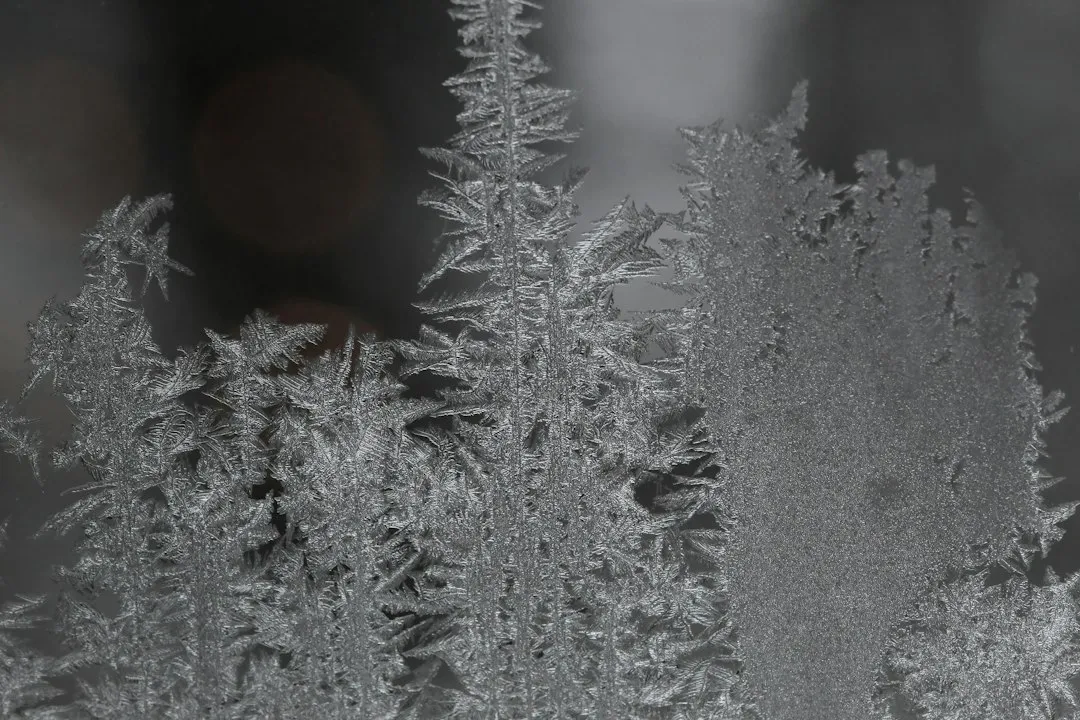
Once frostnip is ignored, the progression to superficial and then deep frostbite can happen faster than most people expect. Superficial frostbite is the second stage and requires medical treatment; the skin might feel warm, but the water in the skin is slowly freezing into ice crystals. That deceptive warmth is another sensory trap – the skin feels like it is recovering when in fact it is worsening.
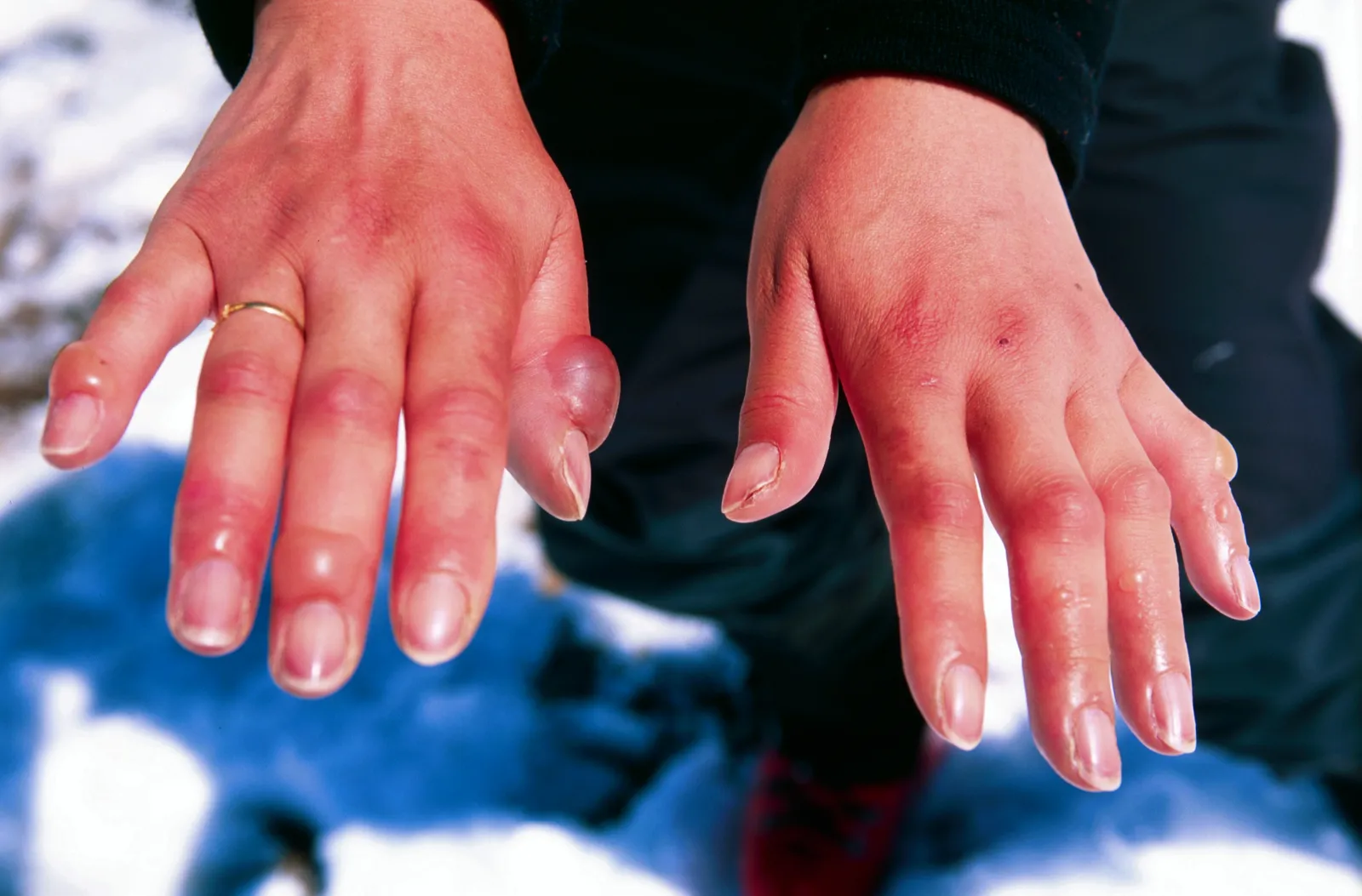
In the third stage, severe deep frostbite, the lower layers of skin and subcutaneous tissue freeze and total numbness sets in, and it can be difficult or impossible to move the affected area normally. At this stage, the window for avoiding permanent damage has largely closed. Studies show that about a fifth of patients with more severe frostbite lose at least some tissue, and sometimes entire feet or hands.
Who Is Most at Risk Among Travelers

Winter travelers are not a homogenous group when it comes to frostbite risk, and some face significantly greater danger than others. Increased incidence of cases has been noted in individuals who participate in winter recreational activities, especially mountaineering, and several physical, behavioral, and environmental risk factors contribute, including inadequate clothing, high altitude, dehydration, and alcohol or tobacco use.
Inappropriate clothing, lack or incorrect use of equipment, and lack of knowledge of how to deal with cold and severe weather were claimed to be the main reasons for frostbite injury among mountaineers. Everyday travelers are not immune either. Everyone is at risk of developing frostbite, even people who have been living in cold climates for most of their lives. Familiarity with cold weather does not grant immunity.
What Happens to Tissue at the Cellular Level

The injury that frostbite causes is not just about frozen skin. At the cellular level, the damage is structural and chemical. Direct cell damage from ice crystals includes protein and lipid disruption and electrolyte shifts, alongside indirect cell damage from intracellular dehydration caused by the presence of extracellular ice crystals.
Rewarming then triggers a second wave of injury. When frostbitten limbs warm up again, blood rushes back into the tissue, bringing compounds such as histamines that mediate inflammation; the tissue swells, which can compress blood vessels; small clots often form, and as they cut off the oxygen supply, tissue dies and turns black. The severity of the outcome is often only visible days or even weeks after the original cold exposure.
The Broader Toll of Cold Injury Is Real and Growing
Frostbite is not a fringe medical concern. According to the Centers for Disease Control and Prevention, more than 1,300 people die each year in the United States from cold-related causes, with hypothermia accounting for a significant share of those deaths. Frostbite injuries contribute substantially to the broader burden of cold-weather harm.
Almost 90% of cold-related injury cases in Canada occur during winter months from November through March, and among these cases, the most common injury is frostbite. The 2024 update to the Wilderness Medical Society Clinical Practice Guidelines on frostbite reflects how seriously the medical community now treats this issue, with updated protocols for prevention and treatment published in the peer-reviewed journal Wilderness and Environmental Medicine. The National Weather Service warns that frostbite can occur in as little as 30 minutes during extreme cold and high winds, conditions that can develop rapidly during winter storms.
What Responsible Winter Travelers Should Actually Do
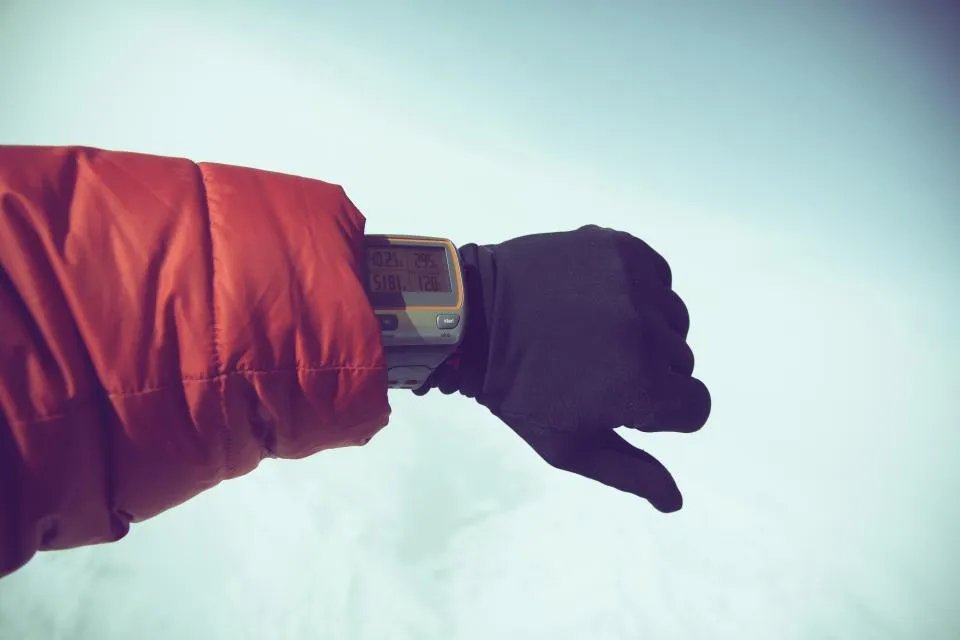
The most effective protection against frostbite starts before you leave the accommodation. Check not just the temperature but the wind chill forecast. The severity of frostbite symptoms depends on air temperature, length of time in the cold, wind chill, dampness, and type of clothing worn. Each of those variables needs its own answer before stepping outside.
Cover all exposed skin, take regular warming breaks, and watch for the earliest signals of frostnip. Early signs of frostbite include numbness, tingling, stinging, or pain in areas most exposed to the cold, and if you detect those symptoms, seek medical care immediately. If rewarming is needed and medical help is not immediately available, gently rewarm the affected areas by soaking them in warm, not hot, water for 30 minutes or using warm, dry compresses. Never rub the skin, and never use direct heat sources like heating pads.
The Takeaway for Winter Travel
Frostbite is uniquely deceptive because its earliest stages arrive quietly, without pain, and without any sensation at all. That silence is the risk. The body’s own protective mechanisms, designed to preserve core temperature, are also the reason your fingers or toes can be freezing while you feel perfectly fine.
The most useful shift any winter traveler can make is to stop treating cold discomfort as the primary warning signal. By the time it hurts, the process may already be well underway. The severity of frostbite is often apparent only after days or even weeks. Staying genuinely safe in cold environments means trusting the science of what’s happening in your tissue, not just what your nerve endings are telling you in the moment.
AI Disclaimer: This article was created with the assistance of AI tools and reviewed by a human editor.