


Most of us plan our trips down to the hour. We map routes, pre-book restaurants, read reviews, and fill every slot with something optimized. It feels responsible, even smart. Yet somewhere between the curated highlight and the scheduled sunset tour, travel quietly stops surprising us.
There’s a growing body of evidence suggesting that the detours, dead ends, and unscripted wanderings carry something the itinerary never could. Getting deliberately lost, it turns out, might be the most productive thing you do on your trip.
The Brain Actually Rewards Unfamiliarity
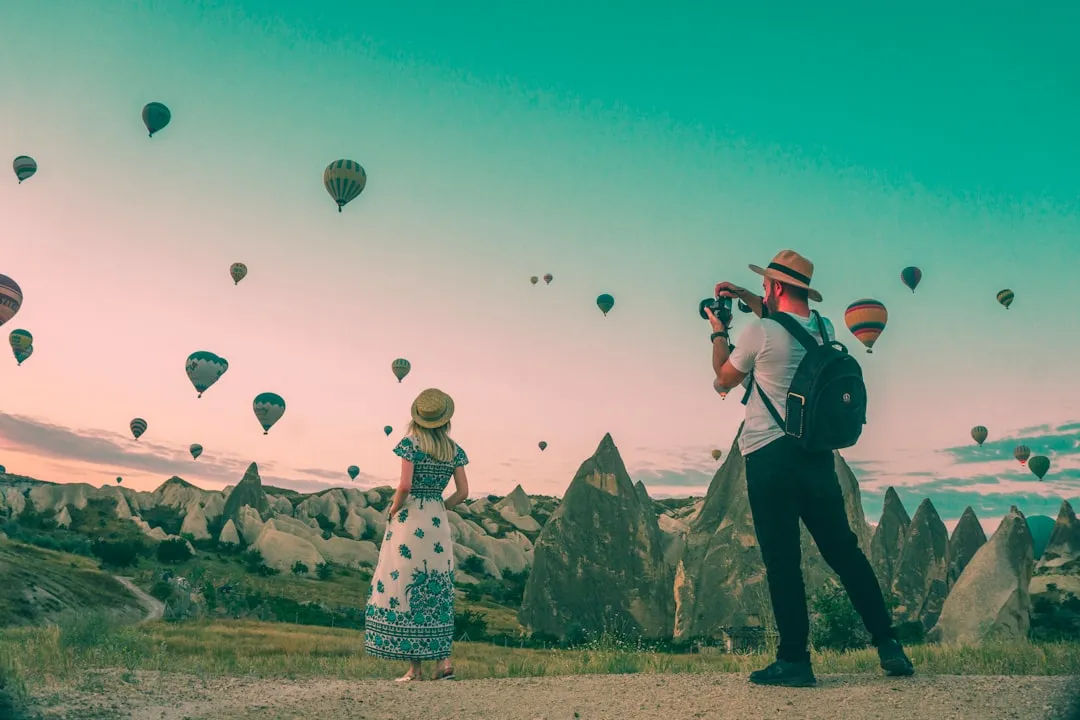
When you step into an unfamiliar place with no map and no plan, your brain doesn’t panic quite as quickly as you’d expect. New environments trigger the brain to switch out of autopilot. In a familiar setting, your brain takes shortcuts, predicts, fills in gaps, and saves energy. Step into a new place, and suddenly everything matters.
Travel activates the hippocampus, the brain region associated with learning, memory, and spatial navigation. When the hippocampus is stimulated, it increases dopamine, the neurotransmitter responsible for pleasure, motivation, and reward. Dopamine, in turn, enhances divergent thinking, the very skill associated with generating new ideas and solutions. In other words, wandering without purpose isn’t wasted time. It’s your brain running at a higher register.
Spontaneous Travel Is More Common Than You Think
According to the 2024 Global Travel Trends Report by American Express, roughly three quarters of millennials and Gen Z have booked a last-minute trip, compared to about two thirds of Gen X and just over half of baby boomers. The shift is real and it’s generational.
More than three in five Americans feel the best trips are spontaneous trips. That’s according to a survey of over two thousand adults with travel plans, where about two thirds said they enjoy trips more if they happen on a whim. Almost three quarters said they would be willing to take a trip to a surprise destination, and three quarters agreed that when traveling, the journey is just as much fun as the actual destination.
Getting Lost Opens the Door to Authentic Local Life

When you step off the scheduled path, new opportunities appear. You might join a local festival you never knew existed or meet fellow travelers at a roadside café. These unplanned interactions can lead to shared meals, hidden viewpoints, or invitations to community events. Each chance meeting adds a layer of discovery that no guidebook can offer.
Without a fixed agenda, you have room to explore side streets and family-run shops. A spontaneous detour into a neighborhood market can reveal regional ingredients or traditional crafts. These are the moments that tend to linger longest in memory, not the famous monuments, but the unexpected Tuesday afternoon you accidentally stumbled into something real.
It Rewires Your Brain for Creative Thinking
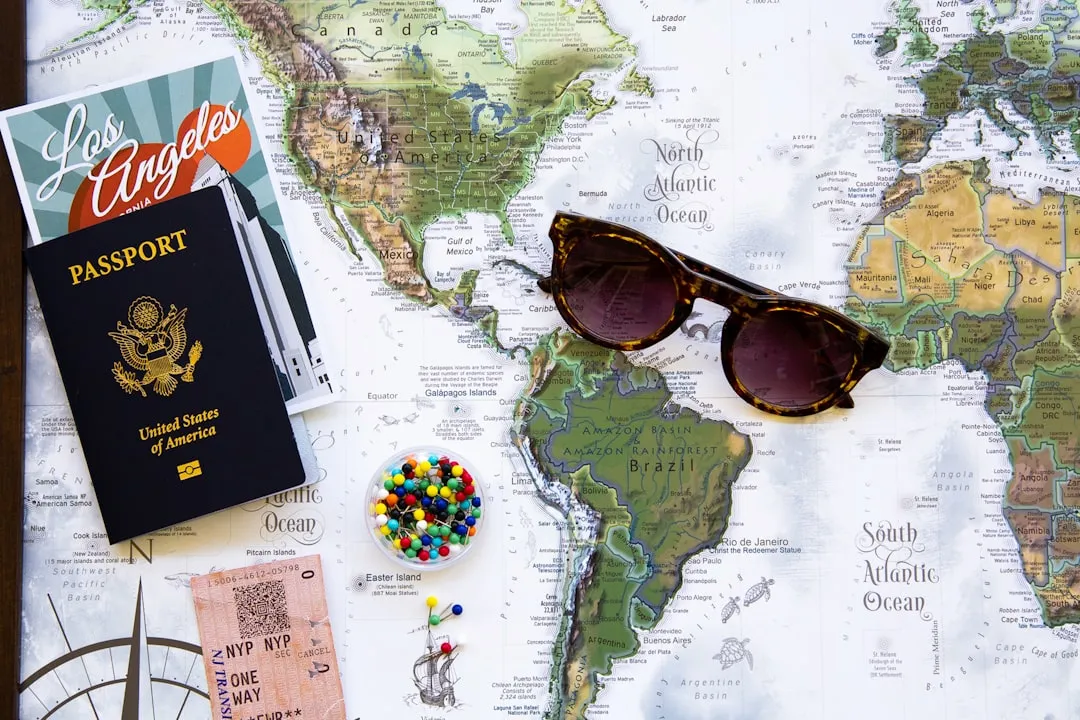
Travelling to new destinations challenges your brain to adapt and solve novel problems, thereby strengthening neural circuits associated with creativity and flexible thinking. Unplanned trips can stimulate creativity and divergent thinking. The unpredictability of spontaneous travel forces the brain to adapt, which can boost innovation and problem-solving skills.
When you navigate unfamiliar transportation systems, decode foreign customs, or simply figure out how to order coffee in a new language, you’re forcing your brain to create new neural pathways. This mental flexibility doesn’t switch off when you return home; it carries over into creative problem-solving in all areas of life. Getting lost, in that sense, is genuinely good for your career.
It Reduces Stress in Ways That Planned Trips Sometimes Don’t

Research demonstrates significant improvements in psychological well-being immediately after travel, with psychological distress dropping significantly post-travel. Findings include evidence that travel reduces both perceived and actual stresses and that taking more vacations has the ability to make people healthier.
One study found that even taking a short, four-day vacation led to decreased stress for at least five weeks. The same study also found that vacations and traveling were the best way to protect middle management’s mental health. Releasing yourself from a tightly packed itinerary appears to compound these benefits further, since the planning process itself carries its own cognitive load.
Wandering Without a Map Builds Real-World Resilience

When travelling you have no choice but to adapt and plough on. Resilience can wax and wane as it depends on your physical and mental condition at any given time, the challenging situation you find yourself in, the support available, and your prior experience of dealing with a similar challenging situation.
For some people, breaking routine through travel builds flexibility and toughness in ways that stick. Unlike passive rest, travel requires active cognitive and emotional engagement, navigating new spaces, adapting to unfamiliar cultural cues, and making decisions on the go, which fosters a deeper psychological reset. Each small navigation challenge you solve alone quietly raises your confidence ceiling.
The Science Behind the Mood Boost of Novelty

Trying something new, like savouring a foreign dish or listening to an unfamiliar language, is a delightful experience. Your brain responds by releasing dopamine, that chemical associated with rewards and motivation. This feel-good signal not only sparks your curiosity and keeps you alert, but it also aids in retaining new information more effectively.
Embracing curiosity and navigating uncertainty can also trigger dopamine and give our brain a nice little workout. Letting yourself get lost can give you a mental boost and lead to delicious restaurants, cool attractions away from the typical tourist track, and perhaps best of all, interesting interactions. The biology here is clear: novelty is genuinely pleasurable, not just conceptually, but chemically.
It Shifts Your Travel Mindset From Consumption to Experience

Breaking free from a preset agenda opens space for personal growth and authentic experiences. Unplanned travel shifts the focus from checking boxes to savoring each moment. That distinction matters more than it might initially sound. A box-checking trip leaves you with photographs. A wandering trip leaves you with a story.
Spontaneous travel flips the script, allowing people to follow their mood, explore at their own pace and remain open to the unexpected. Spontaneous travelers don’t wake up to an alarm to catch a sunrise tour or rush across town for a reservation they made six months ago. They keep their options open, following their instincts and saying yes to detours that lead to unexpected discoveries.
Unplanned Travel Is Gaining Ground Globally
The China Travel Consumption Trends White Paper published by Tencent Marketing Insight and Tongcheng indicates that nearly two thirds of consumers do not plan their entire trip in advance, and a similar proportion prefer not to fill their daily schedule. On one major travel platform, only about one in eight users book flights more than seven days ahead, while roughly half opt to arrange accommodation after arriving at their destination. This reflects a growing trend where travelers make spontaneous decisions during their journey, suggesting a shift from meticulously planned trips to more flexible travel experiences.
A survey conducted by Skyscanner revealed that more than half of American respondents have booked trips to destinations they know nothing about. Still more striking is the discovery that over half of U.S. participants have actually arrived at the airport with no destination in mind. What once seemed reckless is looking increasingly like a deliberate, informed choice.
How to Get Intentionally Lost Without Getting Actually Stuck

There’s a meaningful difference between unplanned and unprepared. Getting lost intentionally means leaving room for surprise while keeping a loose sense of safety net. Spontaneous trips ease planning stress and boost resilience. Embracing flexibility builds confidence and sharpens decision-making on the go.
If you’re traveling solo, even microconnections, like chatting with a shopkeeper, can alleviate loneliness. Even if you have a trip scheduled, going in without every second spoken for can be a liberating, refreshing, and inspiring experience. You don’t have to throw the map away entirely. You just have to stop treating it like a script.
The best travel memories rarely come from the places you researched. They come from the turn you almost didn’t take, the neighborhood you wandered into by accident, the meal you ordered without knowing what it was. Getting lost, done thoughtfully, isn’t a failure of planning. It’s planning for the things that can’t be planned.
AI Disclaimer: This article was created with the assistance of AI tools and reviewed by a human editor.