

Archimedes’ Principle: The Foundation of It All
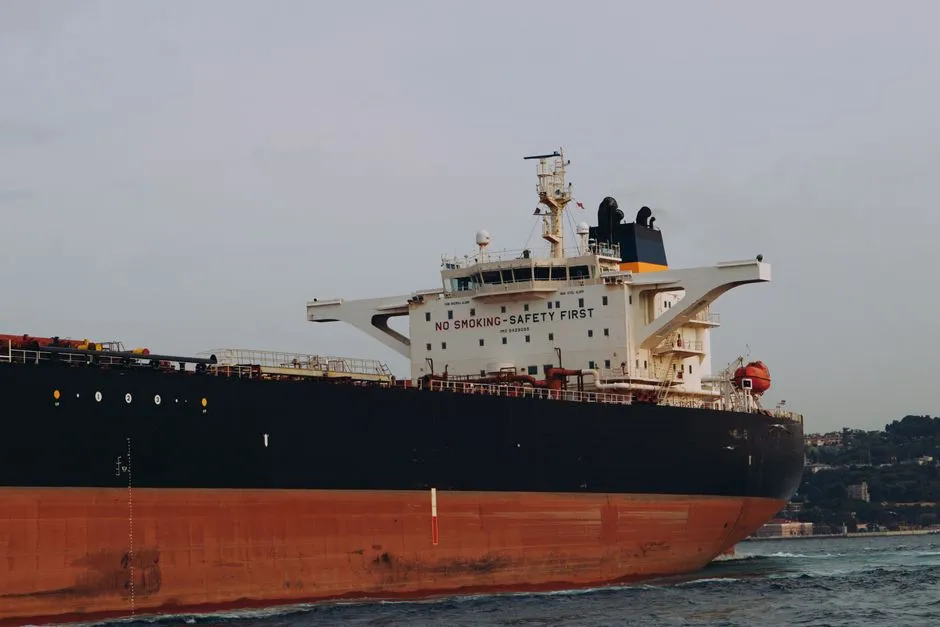
Every conversation about ship stability starts with the same ancient idea. Cruise ships stay afloat because they have a U-shaped hull that displaces water outwards and downwards. As the water tries to fill this space, the energy pushes the ship upwards – a law of physics known as Archimedes’ principle.
Even a large mass like a cruise ship will stay afloat due to the principle of buoyancy, where the mass is equal to the upward pressure of the water. What’s remarkable is that this basic principle, observed more than two thousand years ago, underpins the engineering of some of the most complex vessels ever built. The hull doesn’t need to be solid; it just needs to displace enough water to generate an upward force greater than the ship’s total weight.
The Low Center of Gravity: Keeping the Weight Down Below
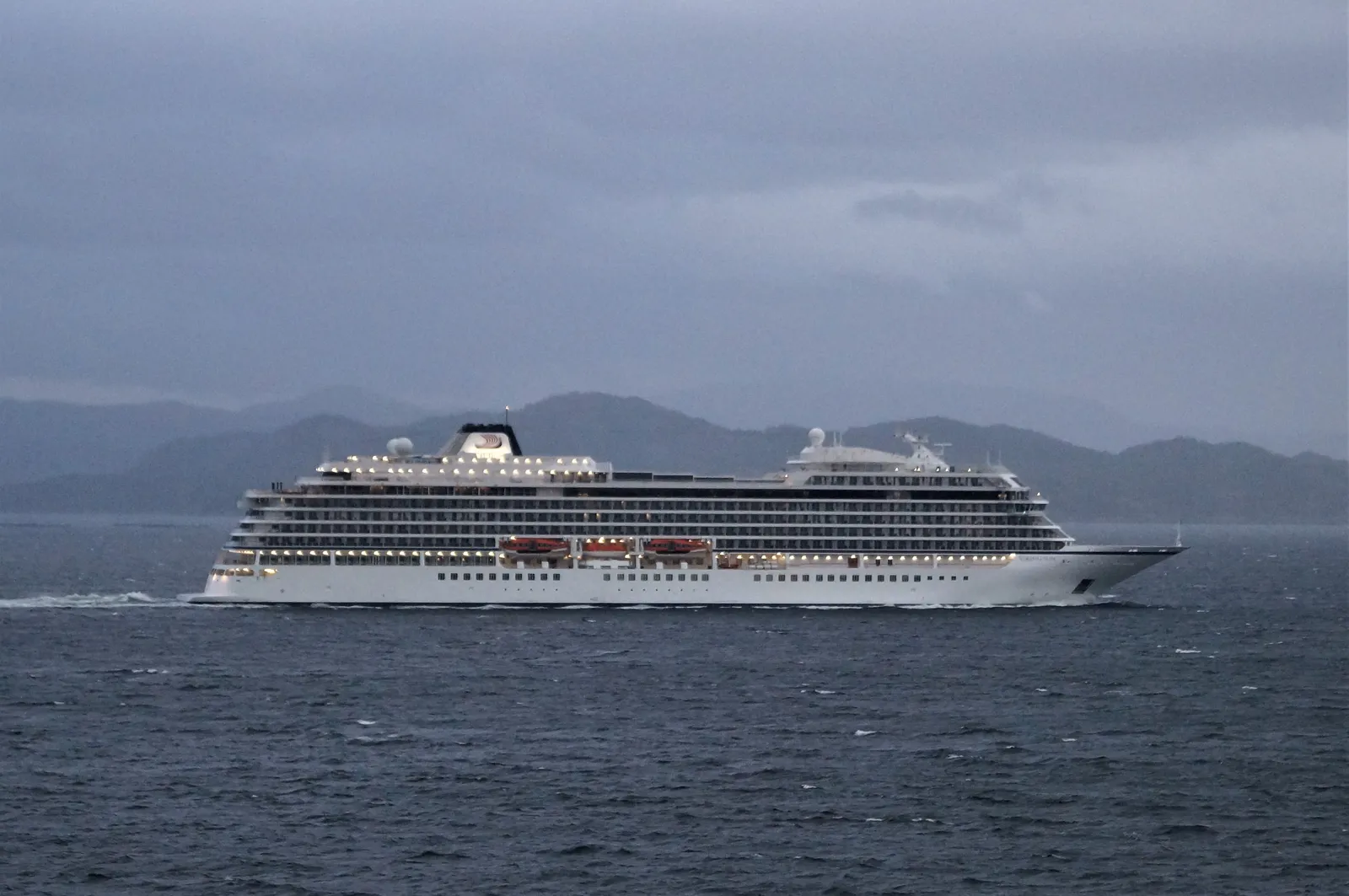
The key to stability is keeping weight down low. Despite the tall decks you see, a cruise ship’s heaviest components – the engines, fuel, water tanks, and machinery – are packed into the lowest levels of the hull, below the waterline.
To ensure that a cruise ship’s center of gravity is stable, the heaviest equipment is below the lower deck, including the engines, fuel tanks, waste tanks, and the tanks containing drinking water. This deliberate placement of mass near the keel is one of the oldest and most reliable tricks in naval engineering.
That low concentration of weight gives the ship a low center of gravity. When a wave tips the ship to one side, the buoyancy of the submerged hull combined with that low weight creates a “righting moment” that rotates the ship back to level. The further it leans, the harder it pushes back upright.
The Hull Shape: Why Width Matters More Than You’d Think
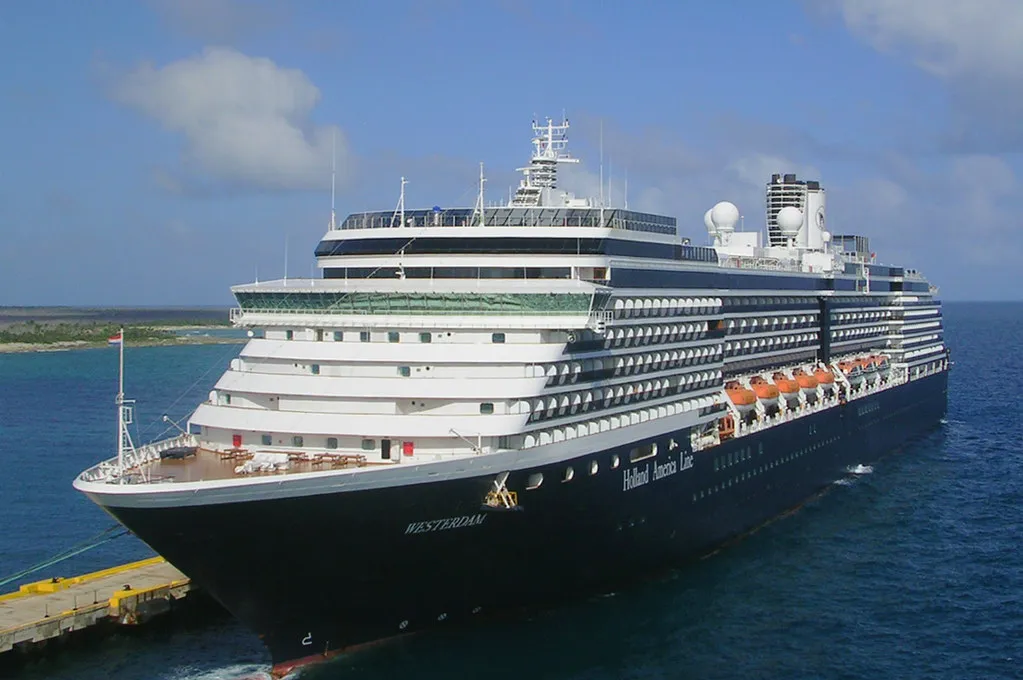
Cruise ships are designed with a U-shaped hull for stability, known as a displacement hull. This shape isn’t just practical for floating – it actively resists tipping. A wider hull spreads the ship’s footprint across a larger surface area of water, which significantly increases resistance to rolling.
A wide beam increases the ship’s righting moment, which is the force that returns the ship to an upright position after tilting. The hull is generally wider at the waterline and tapers toward the bottom to increase buoyancy and reduce resistance through water. Think of it like a wine glass versus a flat-bottomed tumbler. The tumbler is just harder to knock over.
Ballast Tanks: The Ship’s Built-In Weight Adjustment System
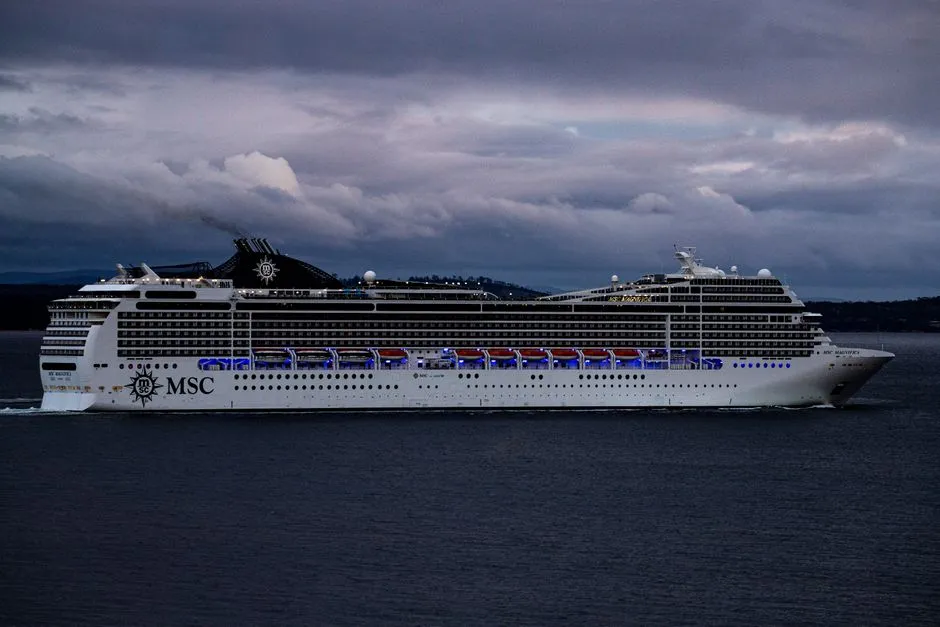
Ships carry ballast tanks that can be filled with seawater to fine-tune balance and weight. Crews adjust ballast to keep the ship even from side to side and to compensate as fuel and water are used up during a voyage.
To stabilize the ship, there are ballast tanks below deck. These contain water that can be pumped from both ends of the ship as needed to maintain its overall stability. These ballast tanks allow the weight of the ship to be controlled and stabilized. It’s a remarkably elegant solution: the ship essentially drinks seawater to stay balanced, then releases it when conditions change.
A cruise ship’s center of gravity can be moved up or down by adjusting weights within the vessel – the most obvious being ballast water and fuel. This gives the crew real-time control over something as fundamental as the ship’s balance.
Stabilizer Fins: The Underwater Wings
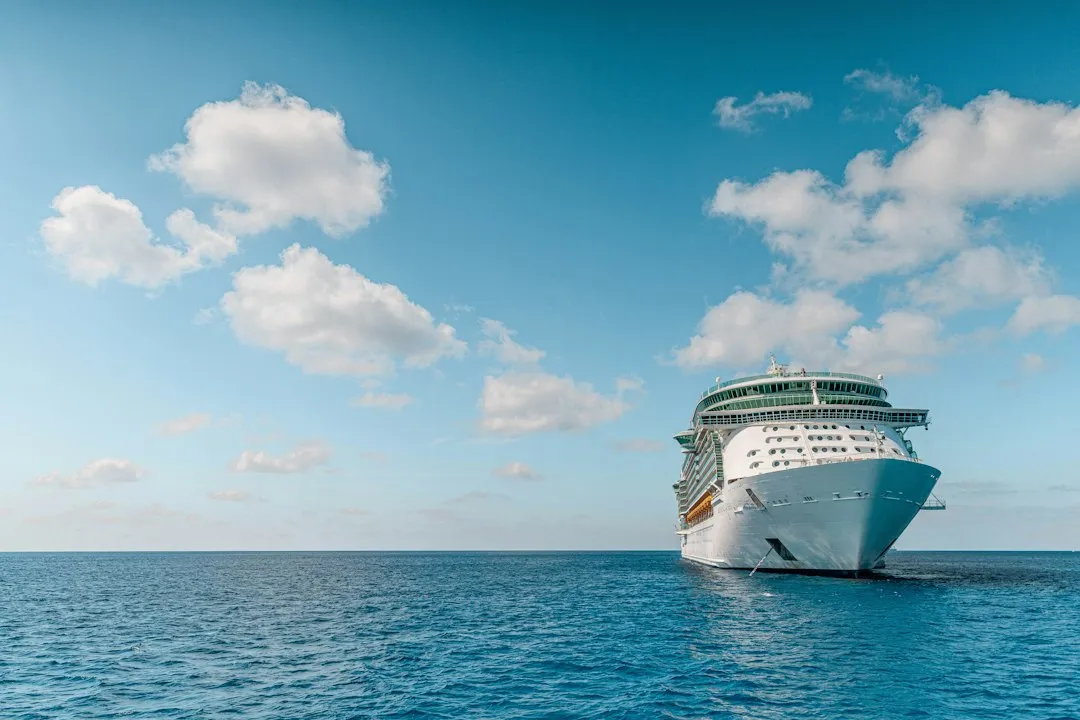
Modern cruise ships are equipped with retractable stabilizer fins located beneath the waterline. These fins adjust automatically based on sea conditions, counteracting waves and minimizing rolling motion – especially helpful in open ocean crossings.
Active fin stabilizers reduce the roll a vessel experiences while underway. They extend beyond the vessel’s hull below the waterline and alter their angle of attack depending on heel angle and the vessel’s rate of roll, operating similarly to airplane ailerons.
Advanced sensors continuously monitor wave patterns and the ship’s movement. These sensors can detect the ship’s roll almost instantly, allowing the stabilizers to respond rapidly. Once the sensors detect any rolling, the stabilizers are automatically adjusted, with the fins rotating and changing their angle depending on the severity of the waves. It’s a real-time feedback loop operating constantly, even when passengers are fast asleep.
The Metacentric Height: The Science of “Snap-Back”
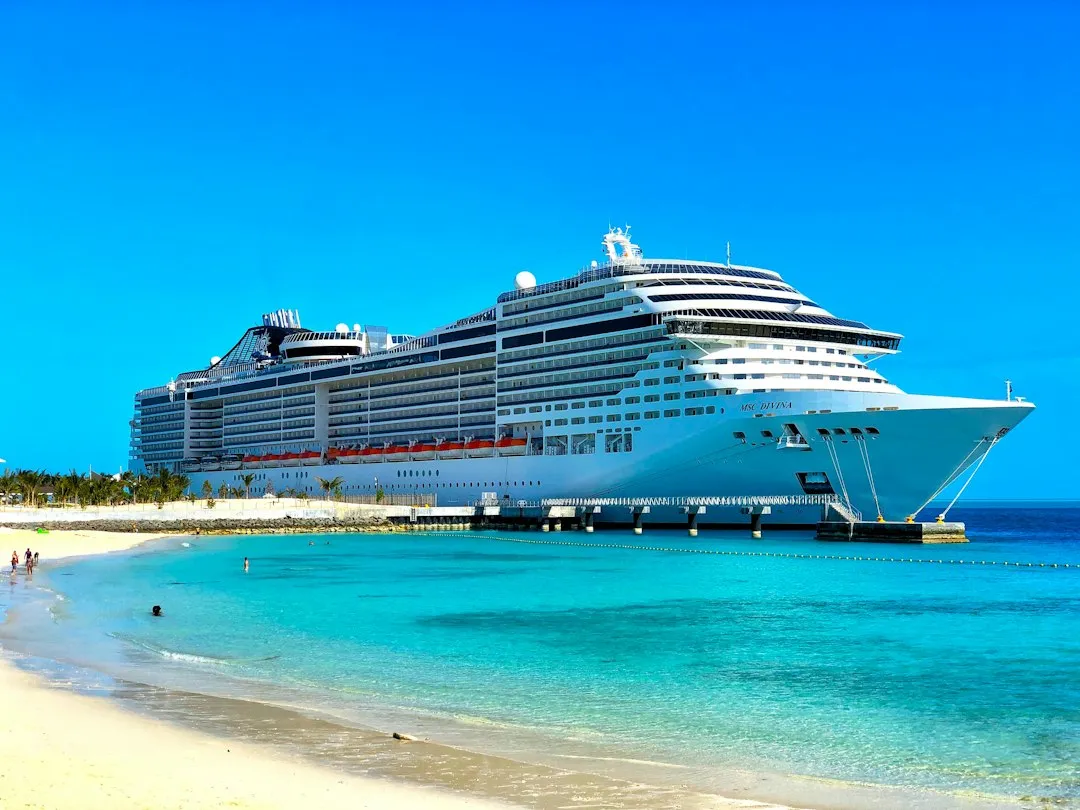
In order for a cruise ship to stay upright, its center of gravity must be lower than its metacentric height. This ensures that the ship has enough stability to roll in the waves without tipping over.
The initial metacentric height, or GM, is the distance between the center of gravity and the metacenter when the ship is upright. A higher GM indicates greater initial stability, but too high a value can make the ship uncomfortably stiff, causing rapid rolling. Naval architects walk a careful line: too stable and the ride is brutal; not stable enough and the risk of capsizing rises.
The distance GM for positive stability, known as the metacentric height, is taken as one index of the degree of metacentric stability. The other is the range of stability, or the angle of inclination at which the metacentric height diminishes to zero. Engineers spend enormous effort making sure that number stays safely in the positive range under every loading condition imaginable.
The Righting Moment: Physics That Works Against Capsizing
If the ship lists to one side, the buoyant force shifts, creating a lever arm that pushes the ship back upright. The ship’s design maximizes this effect to ensure stability under various conditions.
When the ship tilts due to waves or wind, the shape of the hull and the distribution of weight create a righting lever – a force that works to bring the ship back to equilibrium. The wider and heavier-bottomed the ship, the more powerful this restoring force becomes. It’s a self-correcting system built into the very geometry of the vessel.
How Engineers Design and Test for Stability
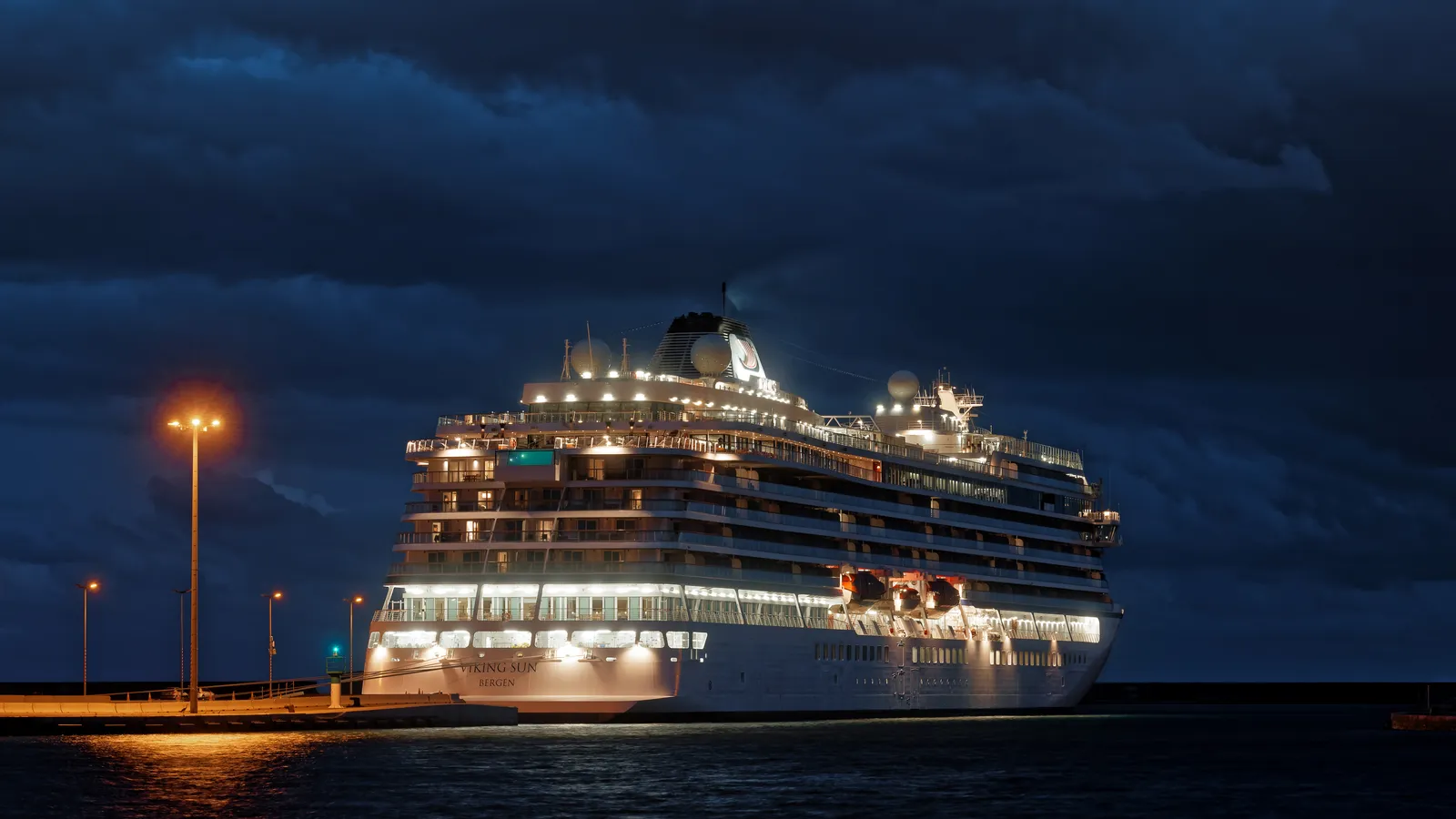
Cruise ships are designed to prevent tipping over through a complex engineering process, wherein designers consider factors such as the ship’s hull design, stability calculations, and angle of heel. The hull design is important because it affects the ship’s center of gravity. Stability calculations take into consideration how a ship will shift its weight when waves hit it.
A lot goes into building a single cruise ship – hundreds of thousands of parts, hundreds of subcontractors and suppliers, and roughly one and a half million hours of physical labor. These vessels are carefully put together piece by piece, with the entire process often spanning twelve to eighteen months.
Every passenger ship, regardless of size, must be inclined upon its completion – a formal physical test that verifies all the stability calculations made on paper. At periodic intervals not exceeding five years, a lightweight survey is carried out on all passenger ships to verify any changes in lightship displacement and center of gravity. Stability isn’t a one-time certification; it’s an ongoing obligation.
International Safety Regulations That Set the Standard
Amendments to the SOLAS Convention and associated mandatory codes have entered into force on January 1, 2024. These updates reflect a four-year amendment cycle and address critical safety, operational, and technological advancements.
The Intact Stability Code includes fundamental principles such as general precautions against capsizing, with criteria regarding metacentric height and righting lever, as well as a weather criterion covering severe wind and rolling. SOLAS requirements for passenger vessels exceed cargo vessel standards due to life safety considerations and evacuation time requirements.
Regulatory standards specify that the initial transverse metacentric height should be at least 0.15 meters, and the righting moment arm must be at least 0.20 meters at a heel angle of thirty degrees or more. These aren’t suggestions – they are mandatory international minimums, enforced on every passenger ship operating globally.
Weather Routing and Operational Intelligence
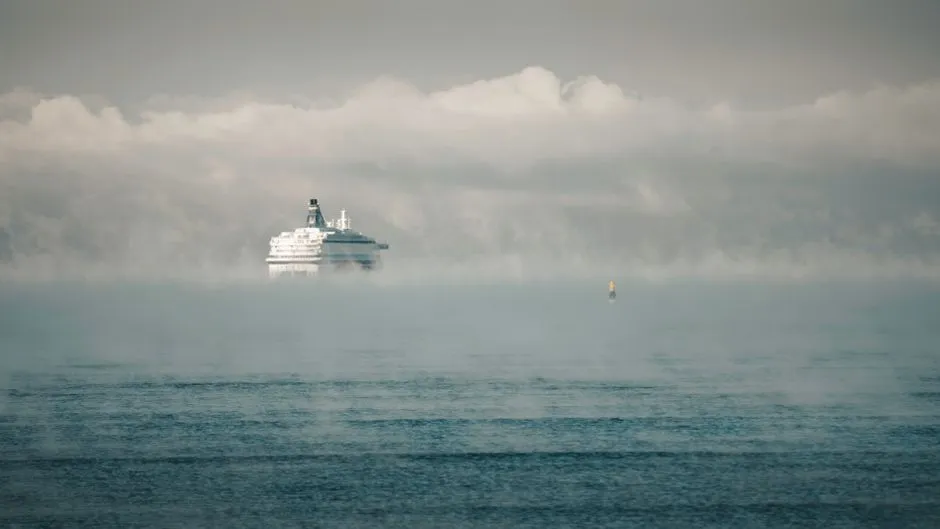
Because of weather-related threats, cruise ships are outfitted with weather routing services, ensuring that they avoid any potential rough weather or circumstances that might threaten their stability. Modern ships don’t just endure the ocean – they navigate it intelligently, often rerouting entire itineraries to skirt dangerous storm systems.
Avoiding severe weather and large waves reduces the risk of excessive rolling. Navigating at optimal speeds and angles relative to waves minimizes rolling and pitching motions. The angle at which a ship meets a wave, known as the heading, can make an enormous difference to how much the ship moves.
Modern cruise ships are designed to withstand rough weather conditions, including rogue waves, which happen from time to time. Cruise ships are built with stabilizing systems that help to keep them upright during storms. Even so, captains and navigation teams treat severe weather avoidance as the first line of defense, long before the engineering systems need to do their work.
The Takeaway
A giant cruise ship staying upright isn’t magic, luck, or simply a matter of being heavy. It’s the result of physics that has been understood for centuries, combined with engineering precision that has been refined over decades. The hull shape, the low center of gravity, the ballast tanks, the stabilizer fins, and the strict international regulations all lock together into a system that is, by design, extremely difficult to defeat.
What makes it genuinely impressive is how seamlessly it all works. Passengers walk the deck, sip coffee, and watch the horizon without thinking about the constant, invisible mechanical and computational effort keeping the ship level beneath their feet. That quiet competence – reliable, rigorous, and mostly unseen – is what responsible engineering looks like at its best.
AI Disclaimer: This article was created with the assistance of AI tools and reviewed by a human editor.