

The Pacific Plate: Earth’s Largest Moving Floor
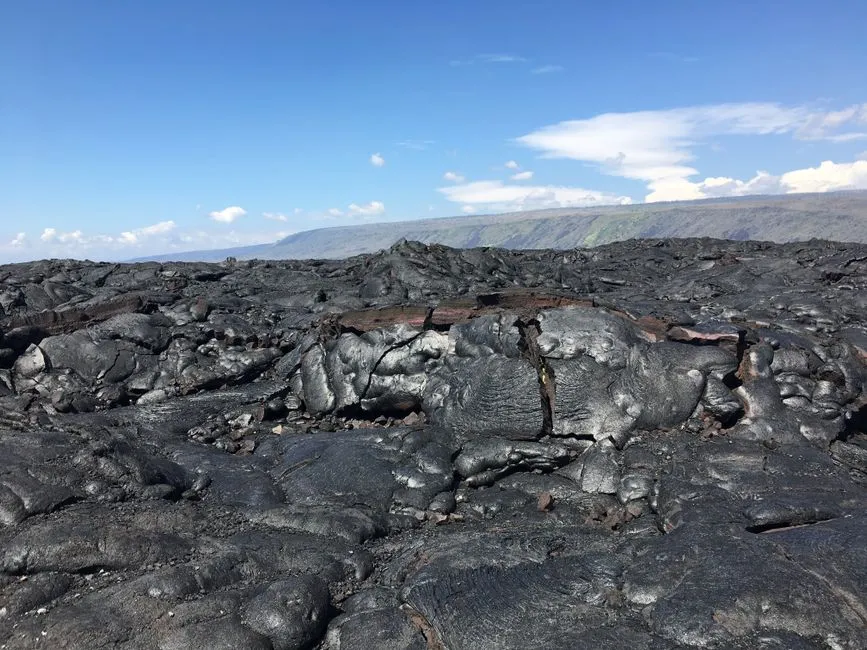
The Hawaiian archipelago sits on the Pacific tectonic plate, the largest of Earth’s tectonic divisions. The Pacific Plate is the largest of the seven major tectonic boundaries, with a size of over 102 million square kilometers – more than double the size of the South American Plate.
It is generally considered the fastest major plate, composed primarily of oceanic crust. Relative to the African Plate, the Pacific Plate moves northwest at a speed of roughly 56 to 102 millimeters per year.
How Fast Is Hawaii Actually Moving?
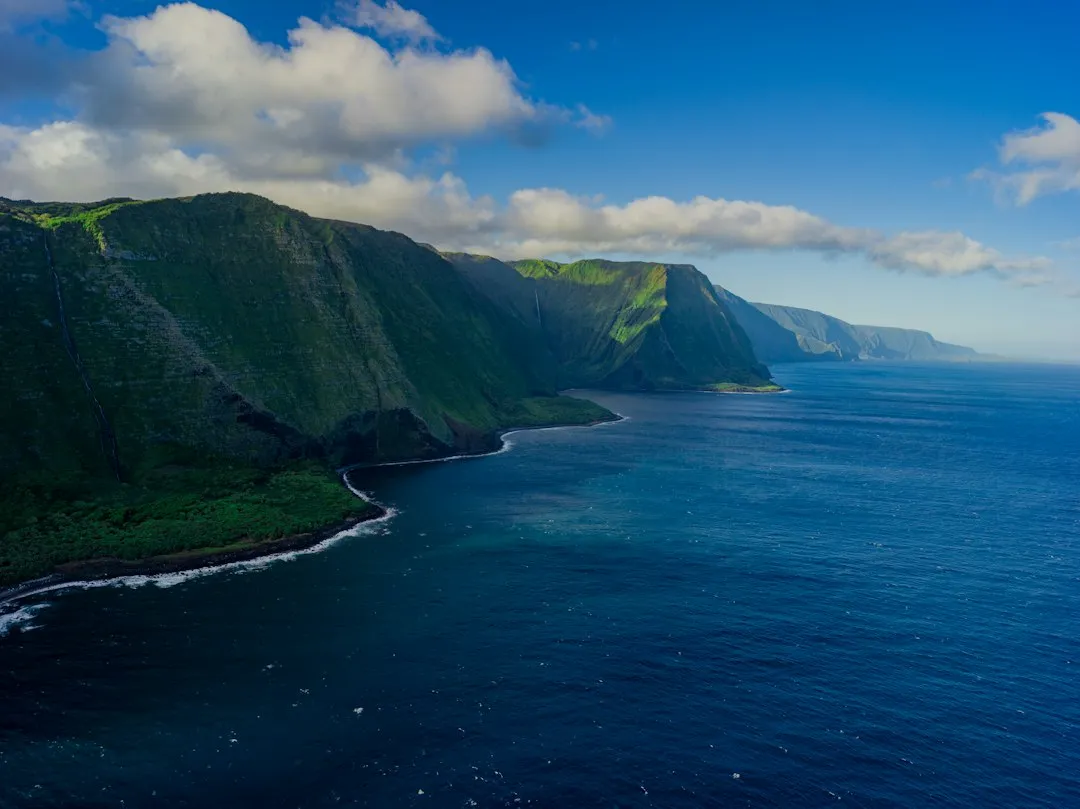
The Pacific tectonic plate, which Hawaii sits on, is shifting in a northwestward direction at a rate of about four inches every year, gradually carrying Hawaii closer to the Japanese island chain.
Based on GPS and tectonic data, Hawaii is drifting northwest toward Japan at roughly 4 inches, or 10 centimeters, per year. GPS satellite technology tracks this real-time plate motion with high precision, and data confirms the Pacific Plate moves approximately 8 centimeters per year near Hawaii.
While the distance between the islands is gradually shrinking, the situation simplifies complex plate dynamics, as both regions are moving and long-term shifts in direction and plate behavior could alter that trend.
The Hotspot That Stays Still While Hawaii Moves Away
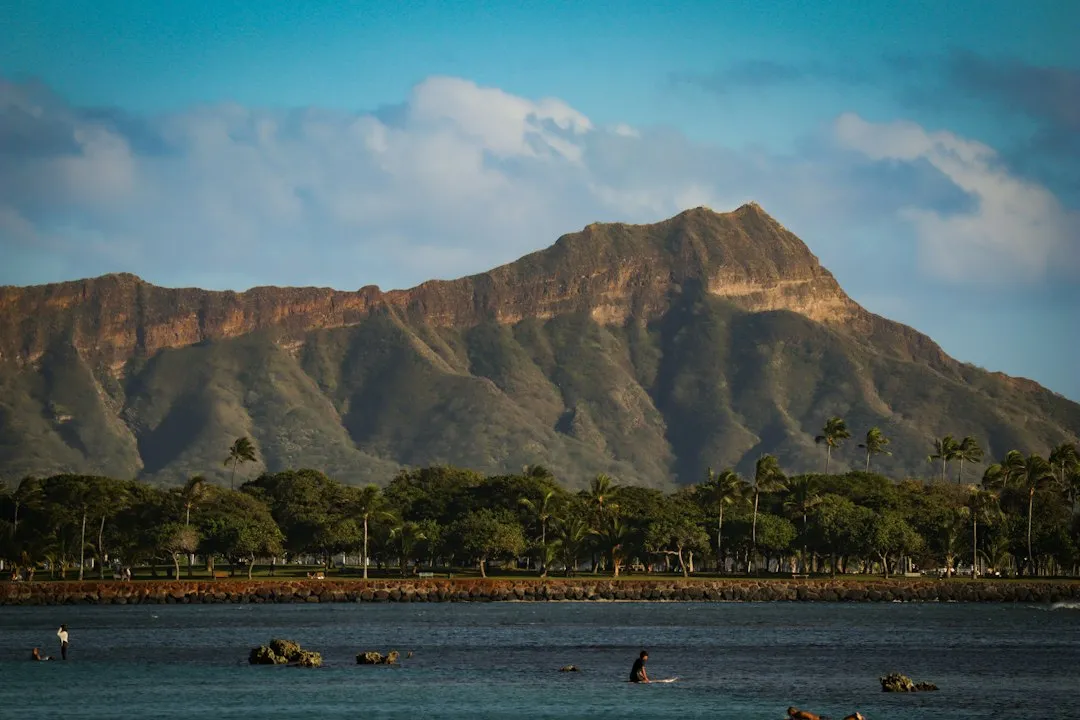
The Hawaiian Islands were formed by a hot spot occurring in the middle of the Pacific Plate. While the hot spot itself is fixed, the plate is moving – and as the plate moved over the hot spot, the string of islands that make up the Hawaiian chain were formed.
The local tectonic plate gradually passes over the hotspot, carrying its old volcanoes along without affecting the plume underneath. As the plate slides, another island will eventually rise from the sea to take its place. The Big Island of Hawaii is the youngest expression of this process, and it is still actively growing today.
A Chain of Islands Pointing Toward Japan
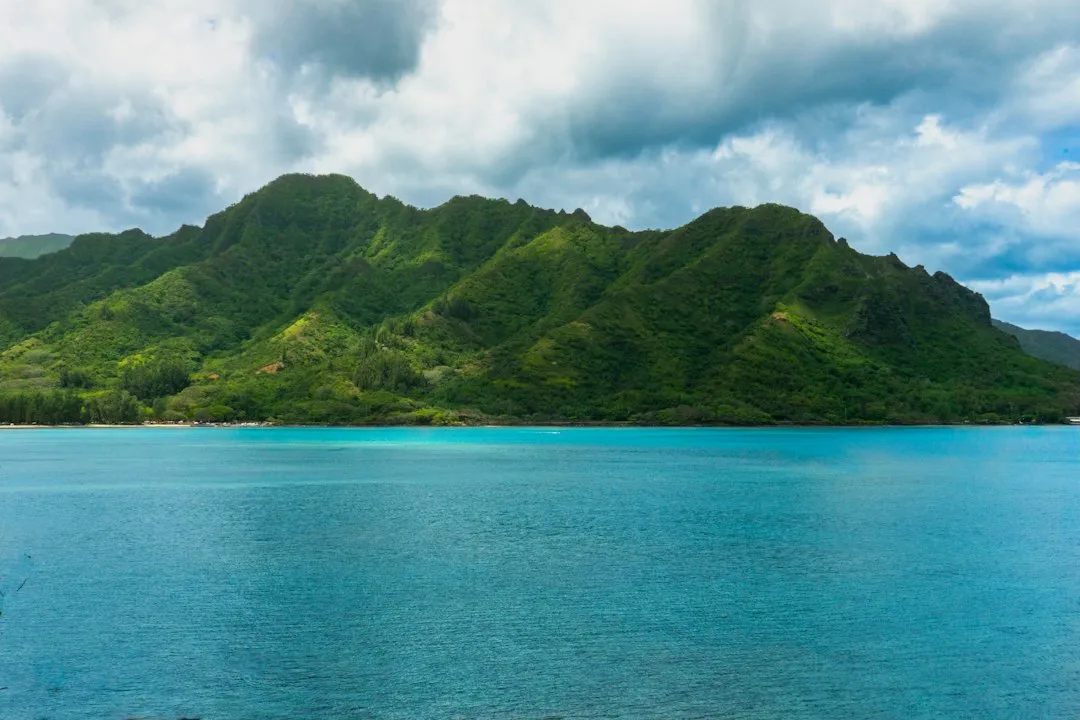
The seamount chain, with over 80 identified undersea volcanoes, stretches over 5,800 kilometers from the Aleutian Trench in the far northwest Pacific to the Loʻihi seamount, the youngest volcano in the chain.
The Hawaiian Emperor seamount chain is a well-known example of a large seamount and island chain created by hot-spot volcanism, with each island or submerged seamount in the chain successively older toward the northwest. Near Hawaii, the age progression from island to island can be used to calculate the motion of the Pacific Oceanic plate.
Over 70 million years, this process has produced the 6,000-kilometer-long Hawaiian–Emperor seamount chain. It is, essentially, a geological arrow pointing from where Hawaii was to where it is going.
The Emperor Seamounts: Hawaii’s Ancient Future
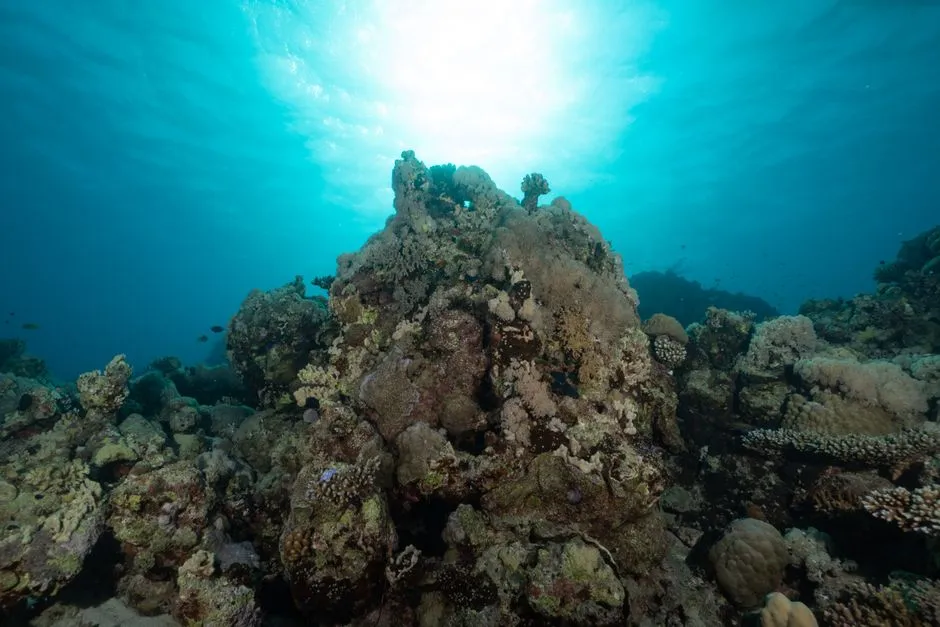
The oldest and most heavily eroded part of the chain are the Emperor seamounts, with the oldest confirmed age of 81 million years. These submerged mountains are what becomes of Hawaiian-style islands after millions of years of drift and erosion – sunken, flattened, and silent.
Meiji Seamount, the oldest in the Hawaiian-Emperor seamount chain with an estimated age of 82 million years, was formed by Hawaii hotspot volcanism, grew to become an island, and has since subsided below sea level, all while being carried northwest by the motion of the Pacific Plate.
Some of the Emperor Seamounts are even named after Japanese emperors – Koko, Meiji, and others – a quiet, almost poetic fact that speaks to how close this geological journey really comes to Japan’s shores.
The Sharp Bend in the Chain
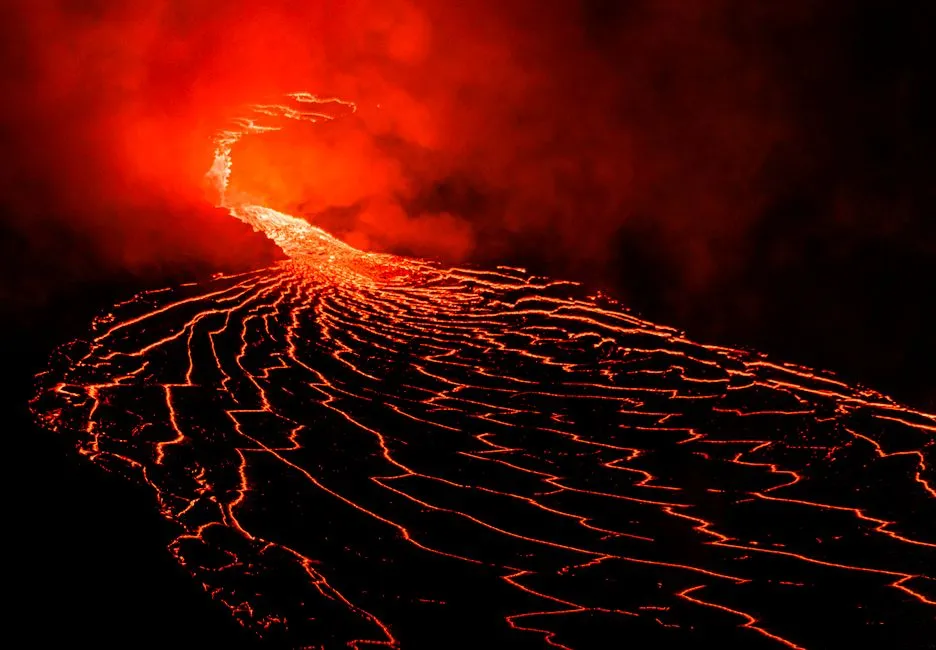
The nearly 60-degree bend in the chain was caused by a shift in the direction of movement of the Pacific Plate 47 million years ago, due to differential subduction rates, breaking off of subducting slabs, and drag forces.
In 2003, a study proposed the mobile hotspot hypothesis, suggesting that hotspots are prone to movement rather than being fixed, and that the bend was caused by a shift in the hotspot’s motion rather than the plate’s. Scientists are still debating which explanation is more accurate, and the answer may turn out to be a combination of both.
Japan’s Side of the Story
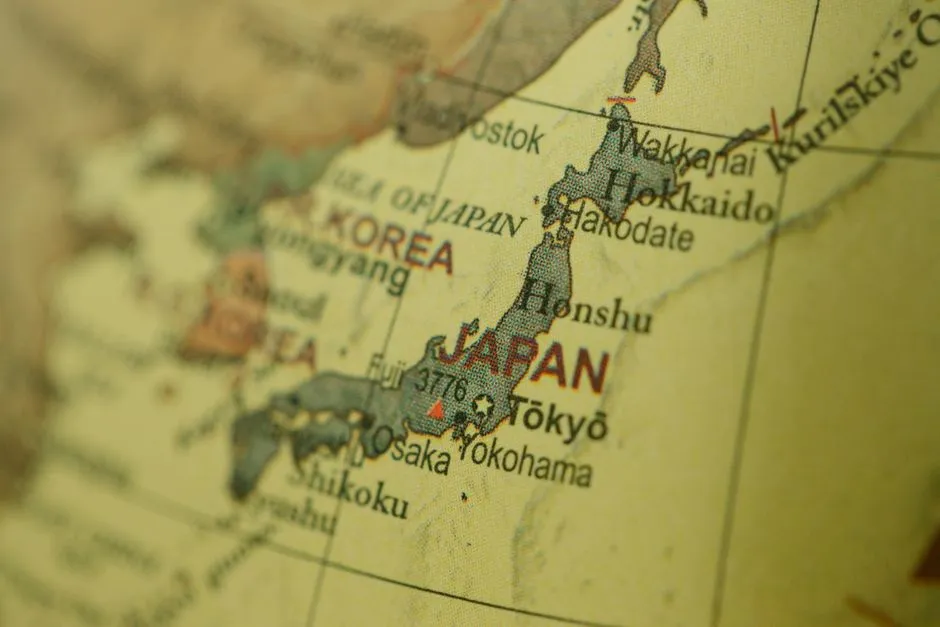
Japan sits at the crossing among the Eurasian, Philippine, and Pacific plates, and is the scene of important subduction processes. The Pacific Plate is moving in a roughly northwestward direction at about 80 millimeters per year and is subducting beneath the northern half of Japan.
This means Japan is not simply a passive target. It sits on one of the most geologically active zones on Earth, where multiple plates converge, grind, and dive beneath one another. Japan is situated at a complex junction involving the North American plate, the Pacific plate, and the Philippine Plate.
How Long Until They Actually Meet?
This is the question most people ask, and the honest answer is: an almost incomprehensible amount of time. Hawaii won’t reach Japan for another roughly 63 million years. While the Pacific Plate’s movement remains consistent, the vast distance between Hawaii and Japan means this process will take an enormous amount of time.
For perspective, 63 million years ago, non-avian dinosaurs had only just gone extinct. The continents looked recognizably similar to today’s, yet no human being, or anything close to one, existed yet. The geology of our planet operates on timescales that dwarf all of recorded history many times over.
What GPS Tells Us That Rock Records Cannot
GPS satellites allow scientists to track real-time plate motion with high precision. This has transformed what was once inferred from ancient rock ages and magnetic signatures into something that can be measured live, year by year. The movement is no longer a theory extrapolated from fossils – it’s a measurable, ongoing fact.
By studying how plates like the Pacific Plate move, geologists gain valuable insights into future seismic risks and volcanic behavior, especially in high-risk zones like Hawaii. The practical value of this research extends well beyond pure geology, informing hazard planning for millions of people across the Pacific region.
A New Island Already Forming Offshore
Kamaʻehuakanaloa Seamount continues to grow offshore of Hawaiʻi island, and is the only known volcano in the chain currently in the submarine pre-shield stage. This seamount, rising from the ocean floor southeast of the Big Island, is essentially the next Hawaiian island in the making.
The youngest seamount of the Hawaiian chain, Loihi, is presently erupting from its summit at a depth of 1,000 meters. Long before it breaks the surface, the current Big Island will have drifted further northwest, continuing its slow journey toward the Japanese archipelago. The cycle, incredibly, never stops.
The Takeaway
There’s something grounding about the fact that the Earth moves beneath us without any of us noticing – not in a single lifetime, not even in a thousand years. The idea that Hawaii is moving closer to Japan is the result of the slow, continuous movement of the Earth’s tectonic plates. It is not a quirk or an exception. It is how our planet works.
The Hawaiian Islands are, in a sense, travelers – born from fire, carried by an ocean floor in slow motion, and headed toward a rendezvous that won’t happen for tens of millions of years. The chain of seamounts stretching toward Japan is the trail they’ve already left behind. It’s one of the most elegant long stories geology has to tell, and it’s still being written.
AI Disclaimer: This article was created with the assistance of AI tools and reviewed by a human editor.