

There’s a moment most visitors to Hawaii share: looking up mid-morning, coffee in hand, and watching a full arc of color stretch across a green valley like it’s just a normal part of the day. For locals, it often is. Hawaii isn’t just a beautiful place with the occasional rainbow. It’s a place where rainbows happen so reliably, so brilliantly, and in such variety that scientists have formal explanations for why.
The case has been made in peer-reviewed literature. A paper published in the Bulletin of the American Meteorological Society makes a case for why Hawaii is the rainbow capital of the world. What follows is a closer look at every layer of that case, from basic physics to cultural memory.
The Simple Physics Behind Every Rainbow
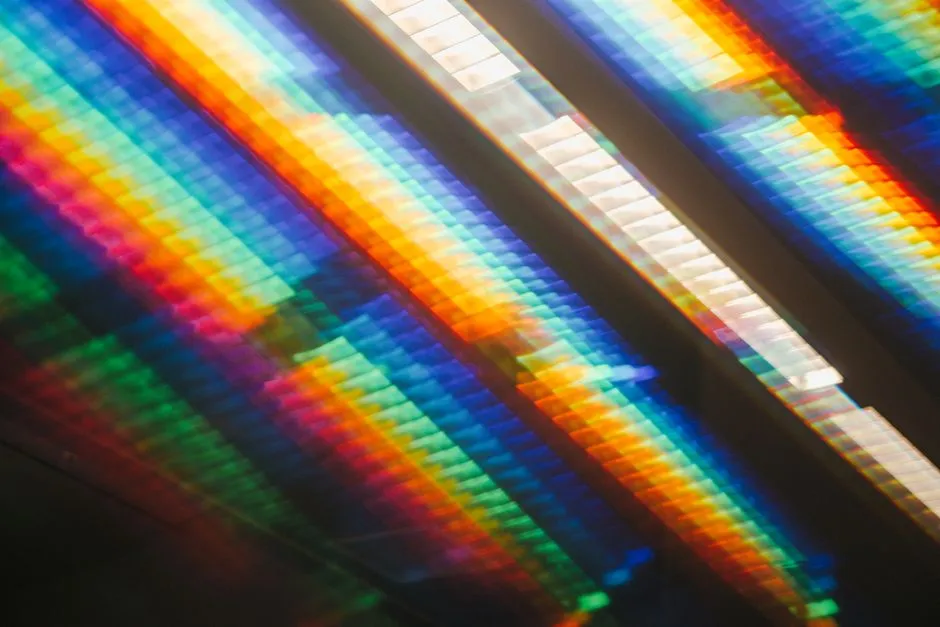
Rainbows are multicolored meteorological phenomena caused by reflection, refraction, and dispersion of light in water droplets, resulting in a spectrum of light appearing in the sky in a circular arc. The geometry is surprisingly precise. The refraction and reflection of light results in a 42-degree angle. If the sun is at your back, and you look at the shadow of your head, the rainbow is 42 degrees above that point.
Billions of raindrops distributed along a cone at the correct viewing angles contribute to the phenomenon we perceive as a primary rainbow. The quality of the droplets matters too. The more uniform the raindrops are in size, the more brilliant the rainbow, where the colors are more distinct. Hawaii’s particular rainfall patterns produce exactly these conditions, which is part of why its rainbows tend to look so vivid.
Hawaii’s Location in the Subtropical Pacific
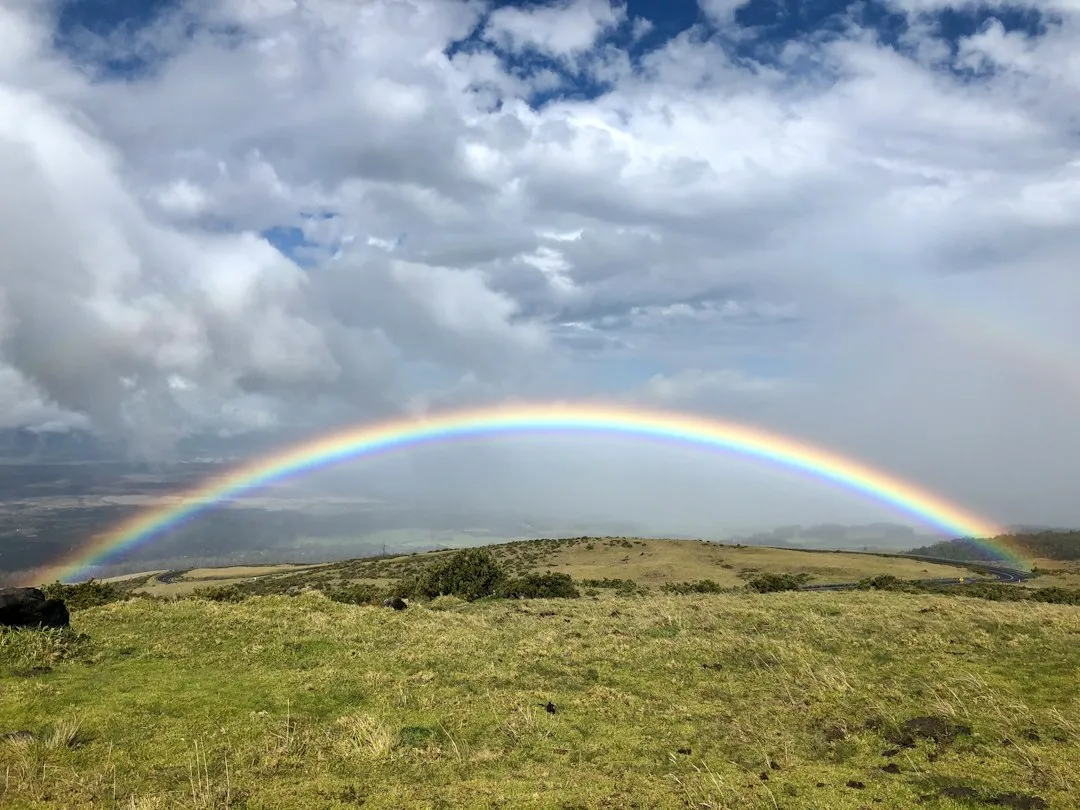
Hawaii is located at approximately 20 degrees north latitude in a region of the subtropics that is dominated by the Hadley cell, which results in subsidence and generally clear skies over Hawaii and produces prevailing northeast trade winds. This positioning is not incidental. It’s one of the foundational reasons the islands see so many rainbows so consistently.
Hawaii’s location in the subtropical Pacific means the overall weather pattern is dominated by trade winds, with frequent rain showers and clear skies between the showers, the perfect conditions for rainbow formation. The showers are short and scattered, not the prolonged overcast days that block sun in other rainy climates. That spacing is everything when it comes to letting sunlight reach falling rain at exactly the right angle.
The Trade Winds That Make It All Possible
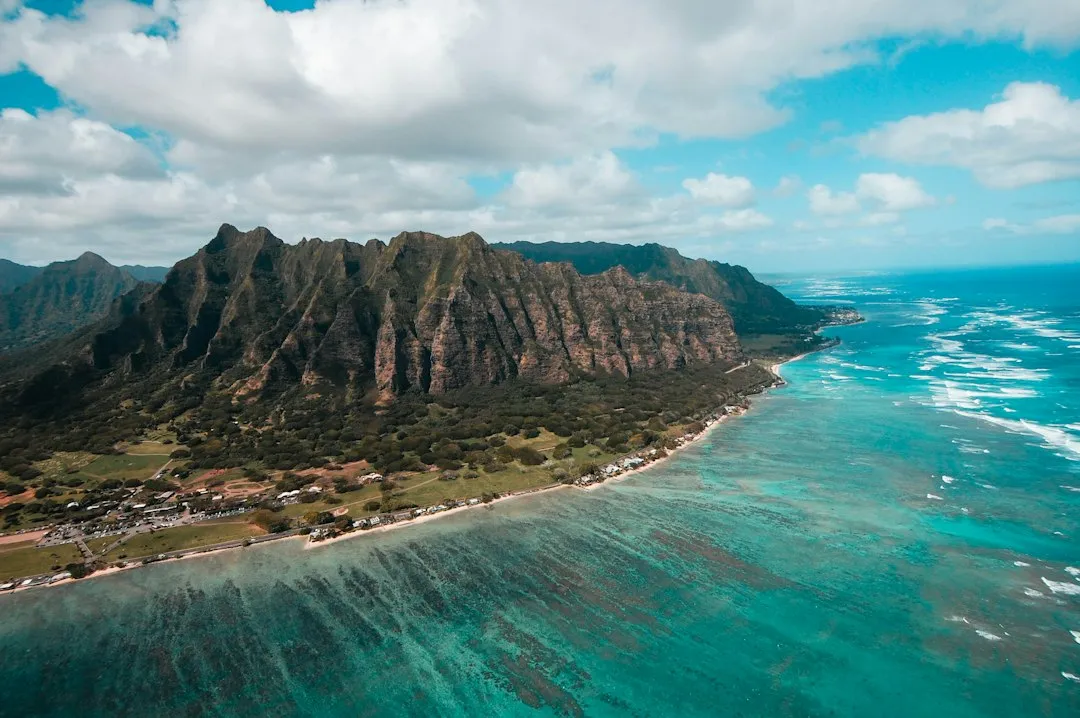
Hawaii’s weather is heavily influenced by northeast trade winds, which appear nine days out of ten during the summer, and six of ten days during the winter months. Few places on Earth enjoy such consistent airflow, and that consistency drives the predictable patterns of brief showers followed by open sky. Rain showers are frequent in this climate, with clear skies appearing during the intervals.
These northeasterly trade winds transport low-level moisture from off the West Coast of the U.S. to Hawaii. As it reaches Hawaii, this more uniform low-level moisture and cloud deck becomes more convective in nature, creating passing showers followed by sunny intervals, which are the perfect ingredients for producing rainbows. It’s a natural delivery system, working day after day without interruption.
The Mountains: Hawaii’s Secret Rainbow Factories
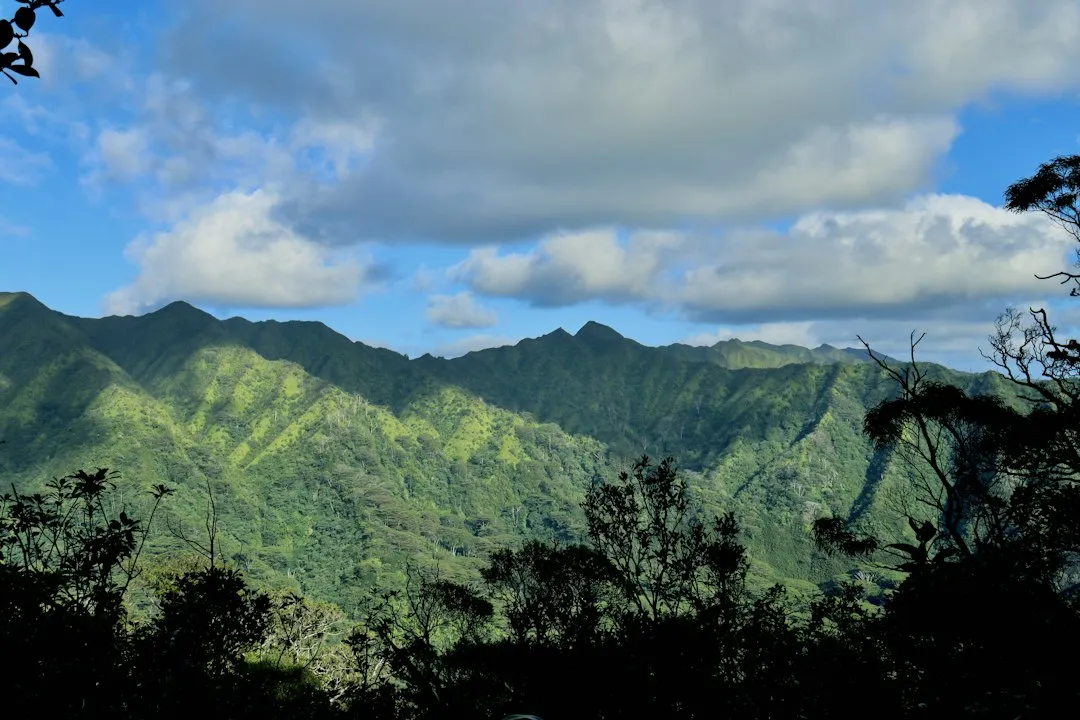
A major factor in creating Hawaii’s rainbows is its topography. The lush green mountains of the Hawaiian Islands work to lift the incoming moist air and produce orographic rain. Without its mountains, Hawaii would only average 17 inches of rain per year. The mountains effectively multiply the islands’ rainfall far beyond what their latitude and location alone would produce.
A critical factor in producing frequent rainbows is the mountainous character of the Hawaiian Islands. Although each Hawaiian island has unique topography and attendant orographic effects, in every case the mountains produce sharp gradients in clouds and rainfall that are key to abundant rainbow sightings. Rain falls on the windward slopes while the leeward side stays drier and sunnier, creating the precise contrast a rainbow needs: moisture in one place, direct sunlight in another.
Morning Rainbows and the Ocean’s Overnight Heat
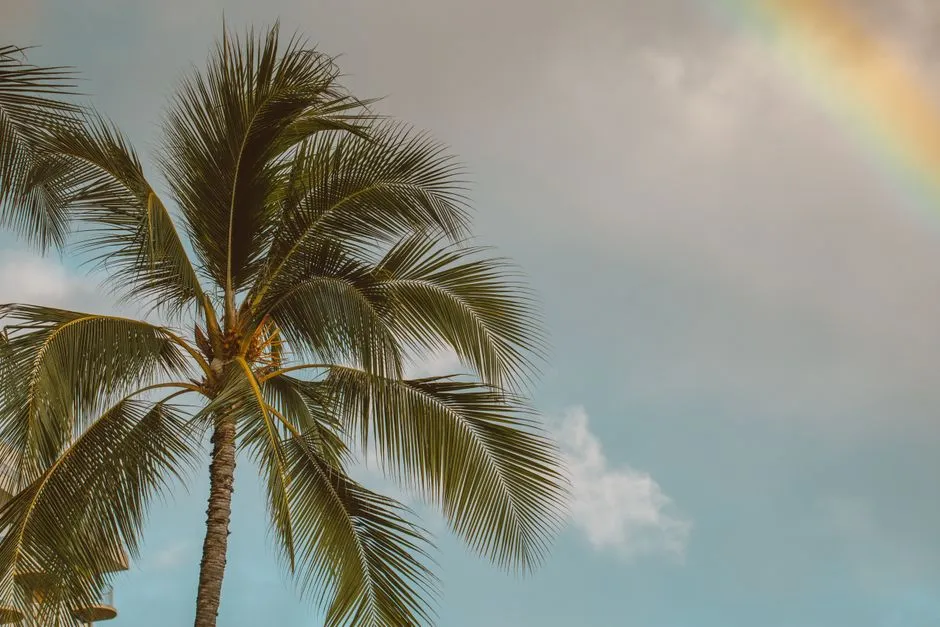
Hawaii’s mornings are particularly prolific for rainbow sightings, and the reason comes down to a nighttime thermodynamic process most visitors never think about. Warm sea surface temperatures heat the air close to the surface, while radiation to space cools cloud tops, resulting in deeper rain showers in the morning. The instability this creates triggers convective showers right around sunrise.
During the morning as the Sun rises in the sky, the height of possible rainbows shrinks, while the reverse happens during the afternoon, with the tallest rainbows appearing before sunset. So the islands actually offer two prime windows each day. The windward side of Oahu experiences this morning phenomenon most reliably, with stations near the Ko’olau Mountains recording rainfall frequencies of 25 to 50 percent during early morning hours on strong trade wind days.
Exceptionally Clean Air Amplifies the Colors
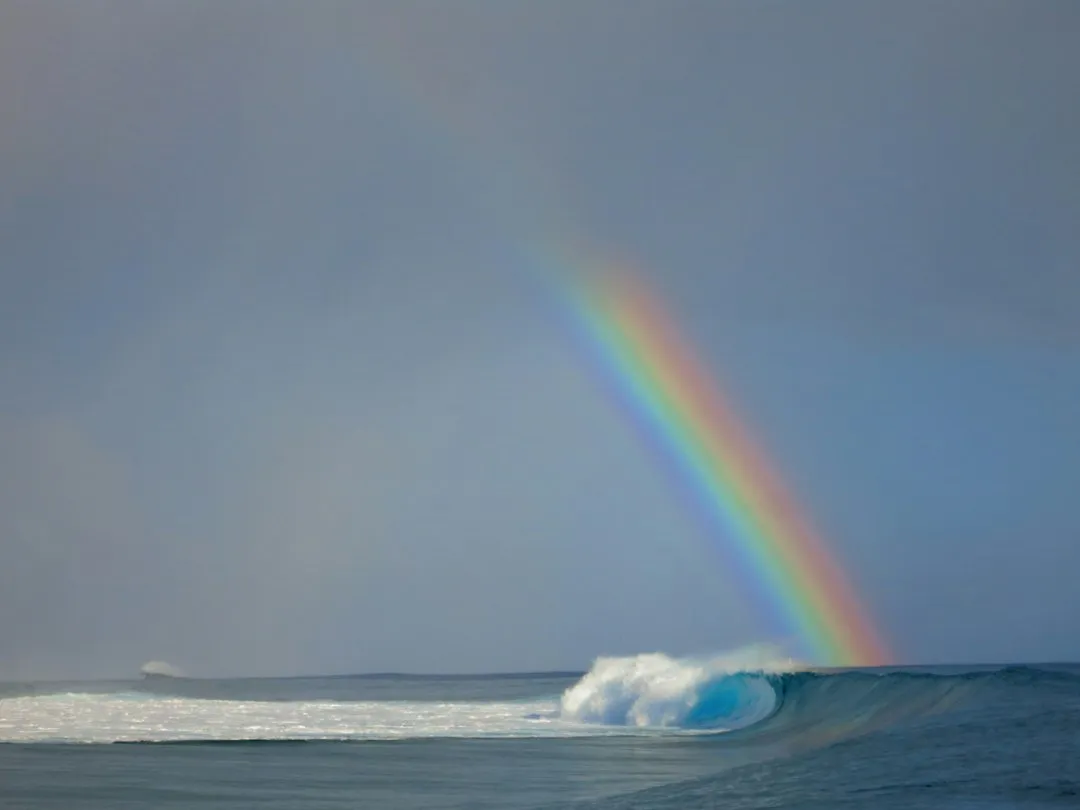
One factor that separates Hawaii from other rainy tropical places is something invisible: the air itself. Due to the remoteness of the Hawaiian Islands, the air is exceptionally clean and free of pollution, continental dust, and pollen. This is a factor that contributes to the numerous bright rainbows with the full spectrum of colors. The purity of the atmosphere means sunlight loses almost none of its spectral range before hitting those water droplets.
Hawaii is known as one of the most remote island chains on Earth. As a consequence, there is less scattering of sunlight by aerosol, and the sunlight contains the full spectrum of colors even at low angles when the sun is close to setting. For a rainbow, low-angle sunlight at dusk or dawn produces the most dramatic arcs. Clean air ensures those arcs arrive fully saturated with color rather than washed out by pollution particles.
Daytime Heating and Island-Scale Circulations
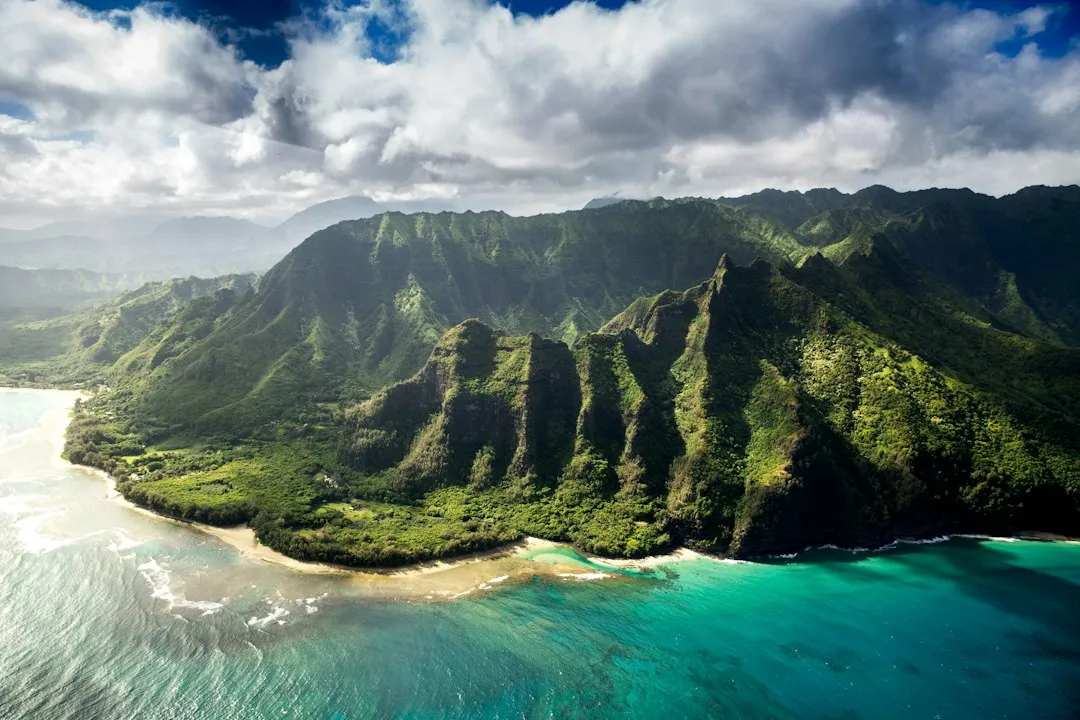
Beyond the trade winds and the mountains, a third atmospheric process adds even more rainbow opportunities throughout the day. A factor conducive to rainbow sightings is daytime heating, which drives island-scale circulations. During periods of lighter winds, showers form over the ridge crests over Oahu and Kauai in the afternoon, resulting in prolific rainbows as the sun sets.
This means that even on days when the trade winds ease off, the islands don’t simply go rainbow-quiet. The sun heating the land triggers its own localized circulation, pulling moisture upward over the ridges and producing fresh afternoon showers. The result is a backup system of rainbow formation that kicks in precisely when the primary driver pauses.
Rainbows in Native Hawaiian Culture and Language
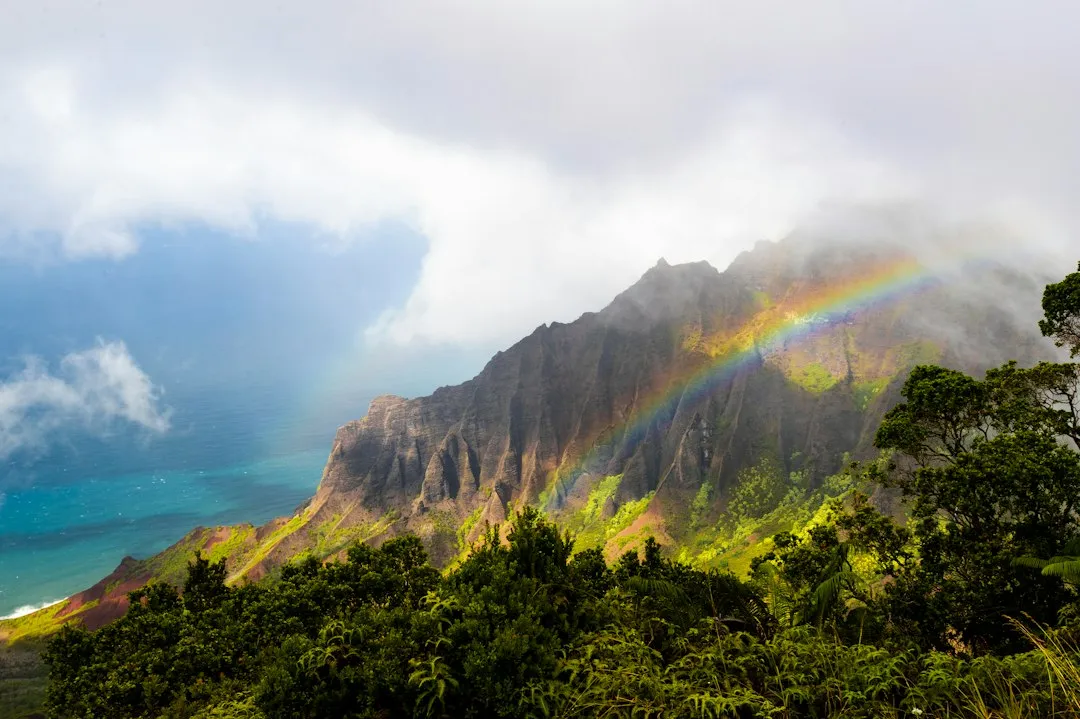
The science of Hawaiian rainbows is only half the story. Their presence in the islands long predates meteorology, woven deeply into Indigenous Hawaiian tradition, language, and spiritual understanding. Rainbows are so prevalent that there are about 20 names for them in the Hawaiian language, including distinct words for rainbow fragments and those that sit low on the horizon.
There are words for Earth-clinging rainbows (uakoko), standing rainbow shafts (kāhili), barely visible rainbows (punakea), and moonbows (ānuenue kau pō). This linguistic specificity reflects centuries of careful observation. Rainbows are considered a symbol of Kane, one of the four main gods in Hawaiian tradition. Traditionally, the closer one got to a rainbow, the more likely they were to encounter a supernatural force, or an extremely powerful or chiefly person.
Moonbows, Double Rainbows, and Rare Optical Phenomena
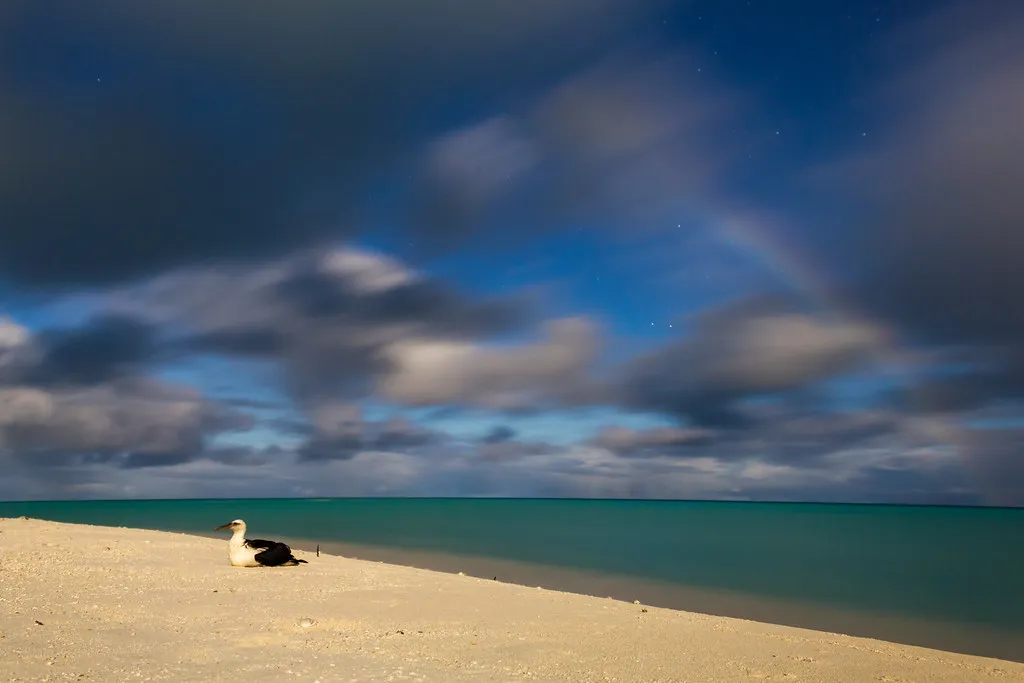
Hawaii’s rainbow diversity goes beyond the standard daytime arc. The same atmospheric conditions that produce ordinary rainbows also enable rarer optical phenomena with remarkable regularity. Moonbows, which are nighttime rainbows formed by moonlight rather than sunlight, are far more commonly observed in Hawaii than in most other places on Earth.
When soaring high above a rainbow in an aircraft, sometimes you can see a rainbow in its entirety as a 360-degree ring of color. This complete circular rainbow is something most people never see from the ground, because the horizon always cuts the arc. There are rainbows happening all the time all around the Earth, but a lot of these rainbows we can’t see, because the angle is such that the rainbow is actually below the horizon. That’s why in Hawaii, it’s fun to go up in a small plane or helicopter and shoot the rainbows from the air.
Rainbows Woven Into Everyday Island Life
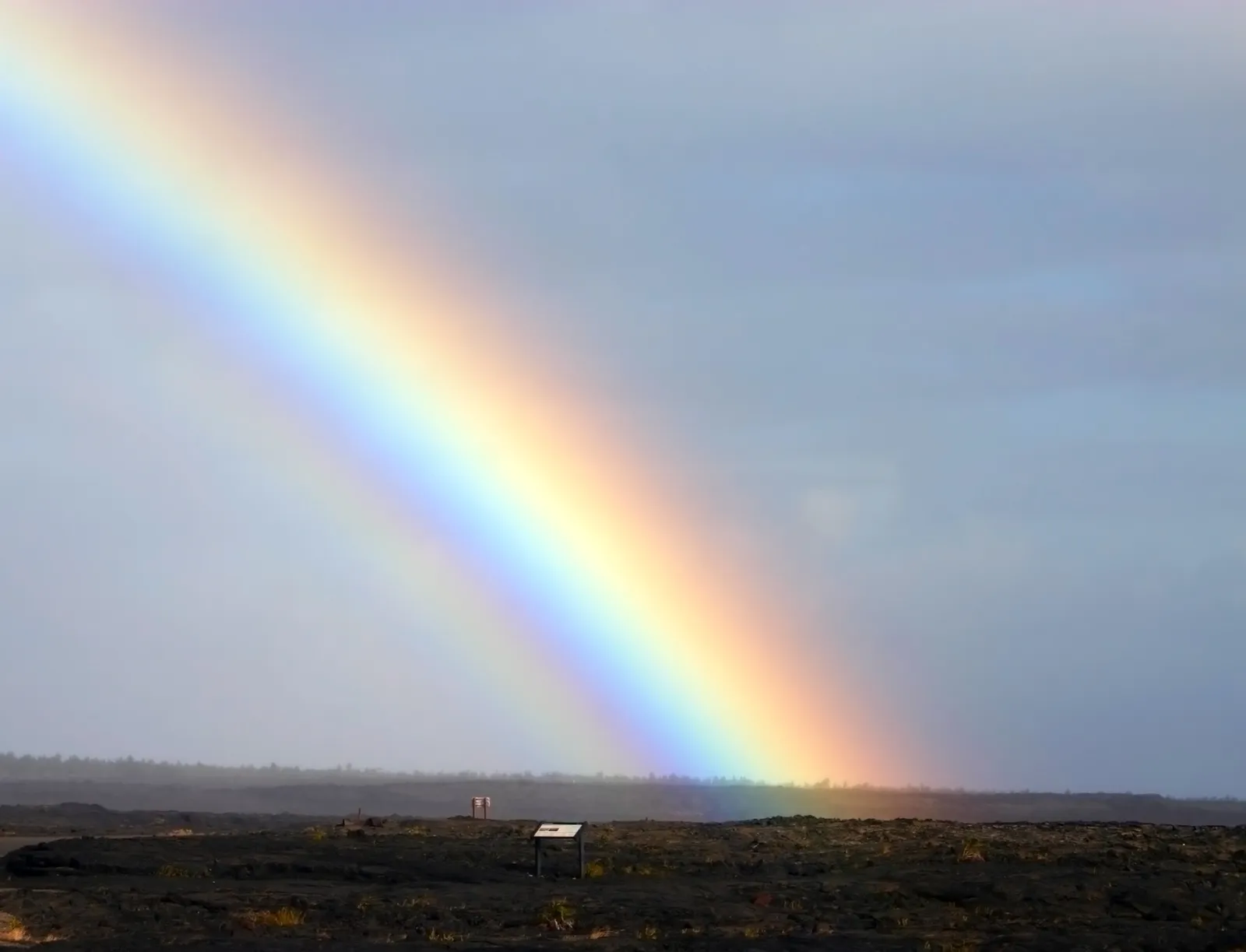
Rainbows emerge so often in Hawaii they’ve become popular symbols of island life. Pictures of them adorn buildings, the sides of public buses, and appear on standard vehicle license plates. University of Hawaii sports teams are even named after rainbows. This level of civic integration is unusual anywhere in the world and reflects just how much of daily life these arcs actually touch.
Professor Businger created an app called RainbowChase to help people find rainbows in Hawaii. The fact that such an app is both useful and popular says something about how frequently the conditions align. Meanwhile, as climate change and pollution affect rainfall and air quality, the future of Hawaiian rainbows may be at stake. Rainbows require clean air to refract off water droplets suspended in the air after a rain shower, something that pollution can diminish. As planetary temperatures rise, it’s predicted that the islands will experience more dry spells, meaning fewer misty days in general.
The Takeaway
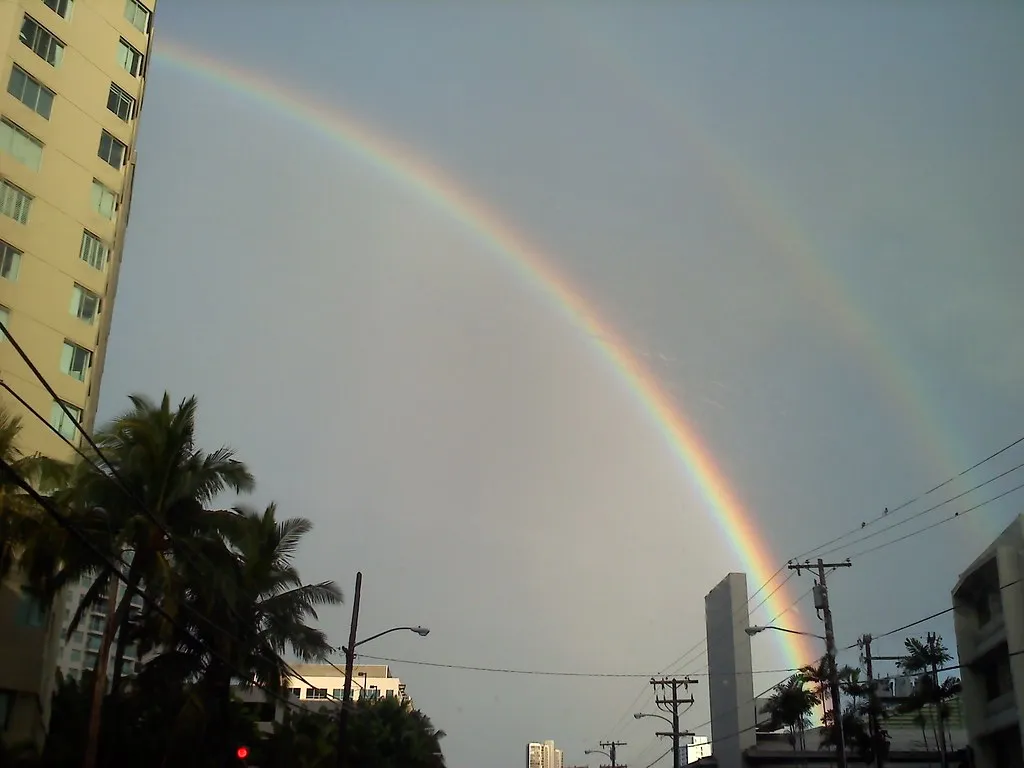
Hawaii’s extraordinary rainbow frequency isn’t luck, and it isn’t just tropical aesthetics. It’s the convergence of geography, ocean temperature, mountain topography, trade wind patterns, and some of the cleanest air on the planet, all arriving at the same place at the same time, day after day. The combination of trade winds, cumulus cloud coverage, mountainous terrain, and clean air all contribute to rainbow sightings on the Hawaiian Islands.
What makes this especially worth appreciating is that the rainbows visible in Hawaii aren’t simply pretty backdrops. They’re the product of a finely tuned atmospheric system that took millennia to encode into the islands’ culture, mythology, and even its vocabulary. In Hawaiian mythology the rainbow is a symbol of transformation and a pathway between dimensions, and those who can freely travel between the upper world and the lower reaches live like gods among humans, enjoying earthly prosperity and abundance. The science and the spirit, it turns out, have always been pointing at the same thing.
AI Disclaimer: This article was created with the assistance of AI tools and reviewed by a human editor.