

It’s a Cleanliness Signal, Not a Design Choice
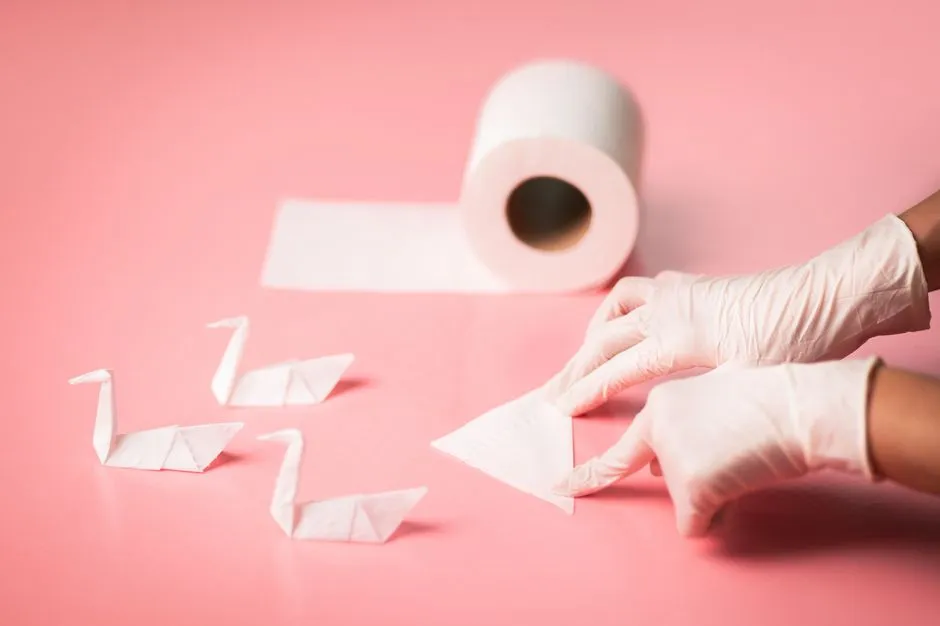
The fold acts as proof that the bathroom has been cleaned and prepared for the next guest – in other words, it informs you that no one has used the toilet since housekeeping last cleaned the room. It’s a silent form of communication that requires no signage, no note, and no explanation.
That triangular fold at the end of a hotel toilet paper roll is more than a simple vanity project. It is a visual signal, a silent handshake between housekeeping staff and the weary traveler. This practice, widely known as “toilegami” or “toilet paper origami,” confirms the space has been serviced since the last guest departed.
The Practice Has Deep Roots in Hospitality Culture
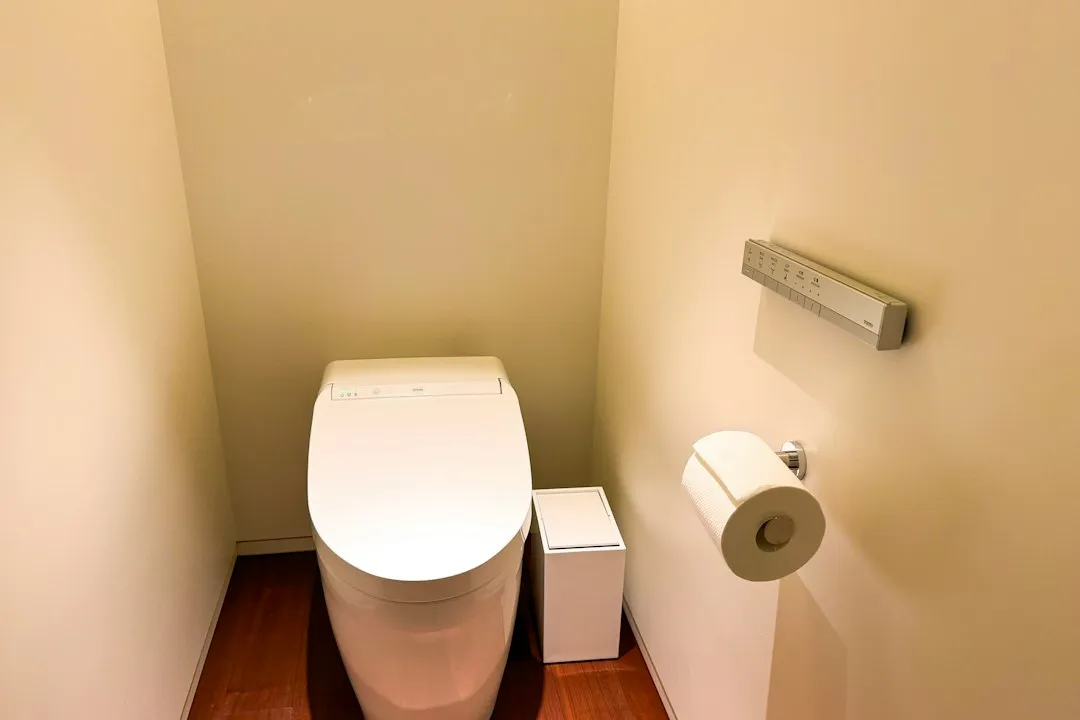
The practice of folding the leading end of toilet paper into a triangle is commonly associated with Japanese culture, where it expresses kokorozukai (thoughtfulness) and aligns with values of omotenashi (selfless hospitality). This technique, intended to make the paper easier to grasp and add visual appeal, is prevalent in Japanese public facilities, restrooms, private homes, and traditional ryokans (inns), serving as a gesture of cleanliness and care.
One of the main reasons why the toilet paper is folded is as a sign that the cleaning of the toilet is over. This custom apparently began in hotels – once the staff cleaned the room and toilet, the toilet paper was folded so that the next guest would know that no one had used the room after cleaning and before check-in.
No One Knows Exactly Who Started It
Nobody knows exactly who first folded a hotel toilet roll into a triangle. The practice evolved organically across the hospitality industry over decades, adopted and passed along through the quiet rhythms of daily housekeeping work.
It is not a universal requirement, but rather a practice that has spread through cultural transmission in the hospitality industry, where staff members learn and adopt the habit from their peers. That’s precisely what makes it fascinating: a globe-spanning standard with no single author.
The Psychology Behind a Tiny Fold
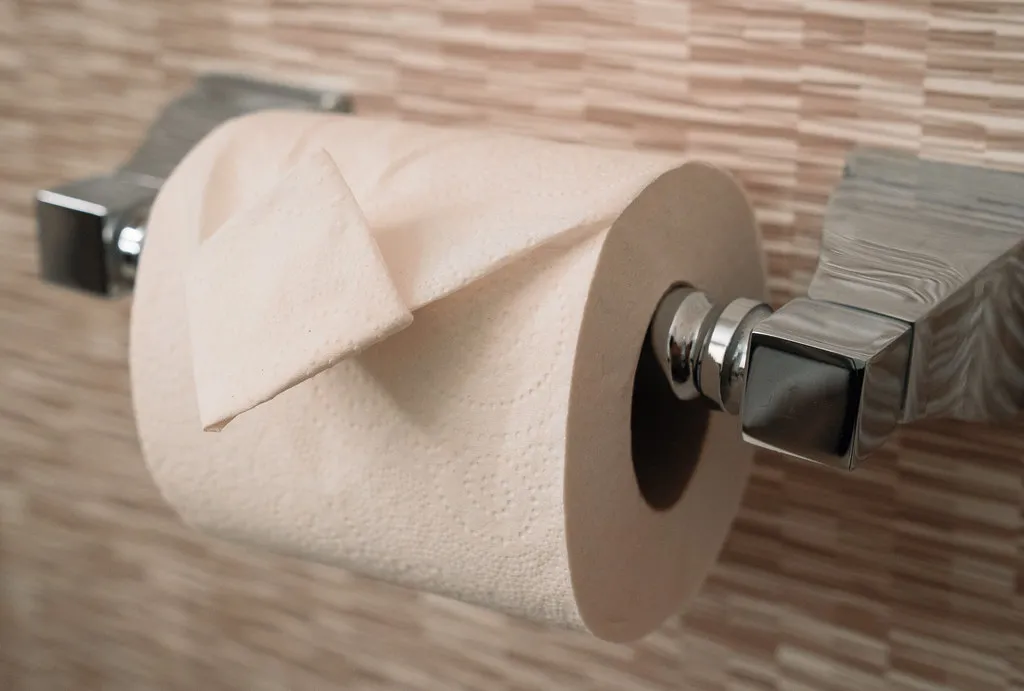
There’s a psychological element to consider. You’re entering a space that was previously used by others, which means you’re placing considerable trust in those responsible for cleaning it. Modest details, like the folded toilet paper, help build confidence in cleanliness without saying a word.
According to modern hospitality research, the triangular folding of toilet paper significantly enhances guests’ perception of cleanliness. Guests tend to believe that the hotel maintains high cleanliness standards when they see neatly folded paper. It’s a small cue that quietly anchors trust in the whole room.
It Spread Like a Cultural Meme – Literally
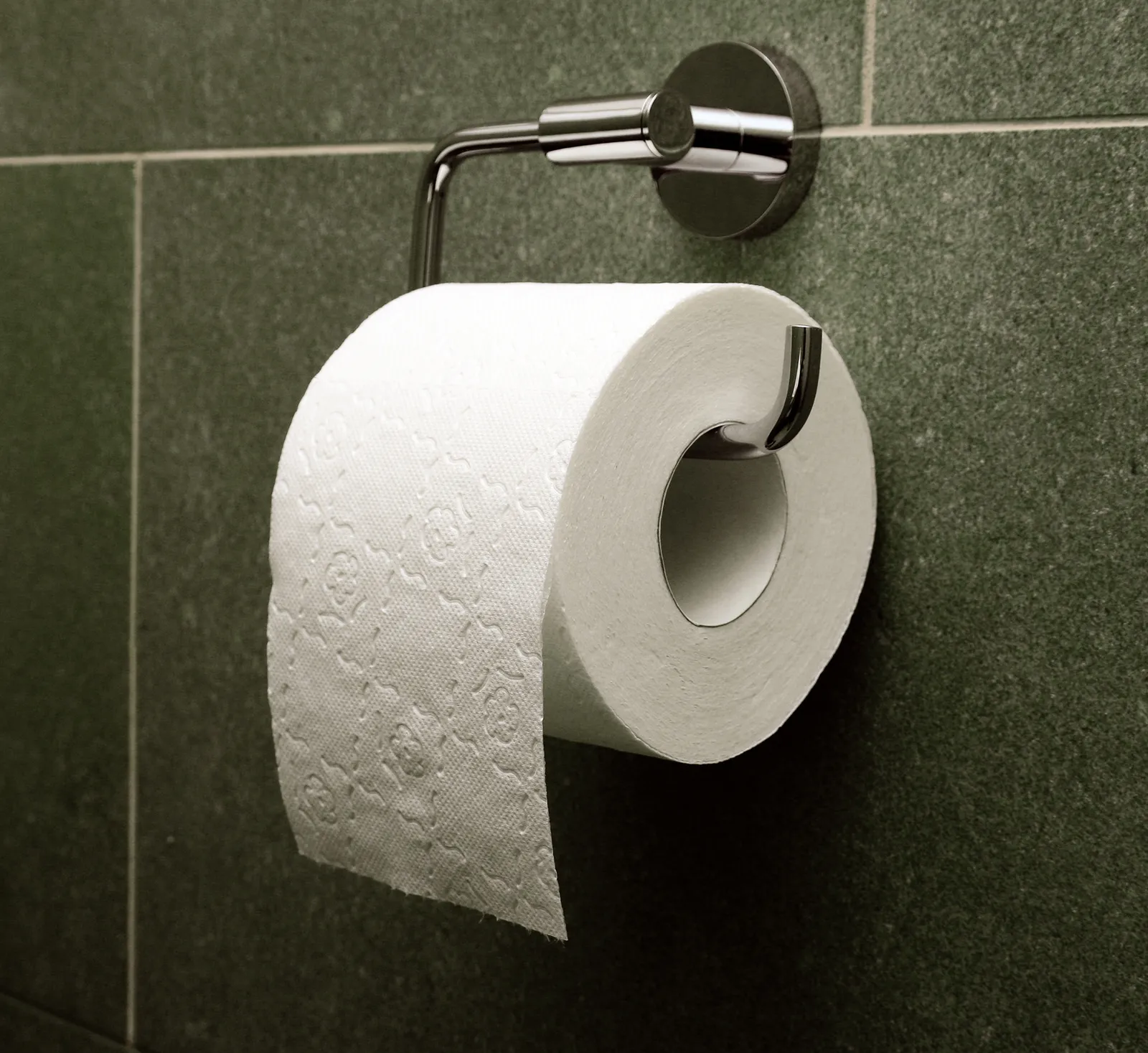
Susan Blackmore, a visiting professor at the University of Plymouth’s School of Psychology, suggests the answer lies in “memes.” Drawing on Richard Dawkins’ theory, Blackmore posits that this is a form of cultural transmission. One housekeeper watches another, copies the gesture, and the habit spreads.
Blackmore pointed out in the 2006 Darwin Day Lecture before the British Humanist Association that even a remote guesthouse she visited in rural Assam in India folded the first sheet on its rolls of toilet paper. That detail alone speaks to how thoroughly the practice has traveled.
The World Collectively Spends Millions of Hours Doing This
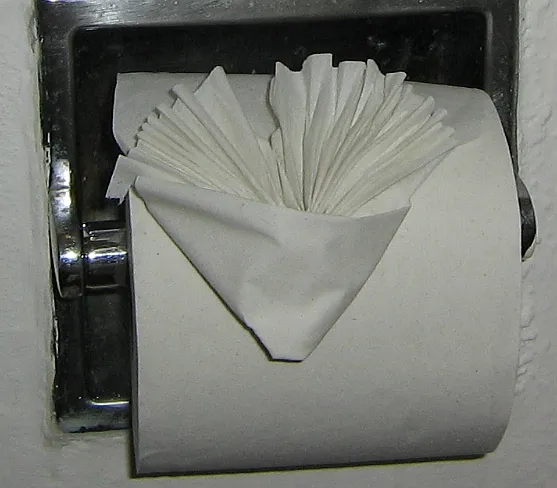
Assuming an extra 10 seconds spent on folding toilet paper, approximately 10 million hours are globally spent on folding toilet paper every year. That figure comes from a peer-reviewed study published in Springer, where researchers timed 60 individual folding events to reach their estimate.
In a hotel with yearly full coverage of 200 beds, skipping folding the toilet paper corresponds to around 200 hours of time that could be spent elsewhere. Whether that trade-off is worth it is a question the hospitality industry has quietly answered – by continuing to fold.
Japan Even Invented a Machine for It
Folding toilet paper into a triangle is so prevalent that an elderly Japanese gentleman invented an automated toilet paper folding machine called the “Meruboa.” With the push of a lever, Meruboa will fold the first sheet of toilet paper into a perfect triangle.
Some commentators have linked the practice in Japan to ideas of meticulous hospitality and attention to detail, and the country even produced a toilet-paper folding device. The existence of a dedicated machine is, in its own way, the clearest possible proof of how seriously this tiny ritual is taken.
Some Hotels Take It Much Further Than a Triangle
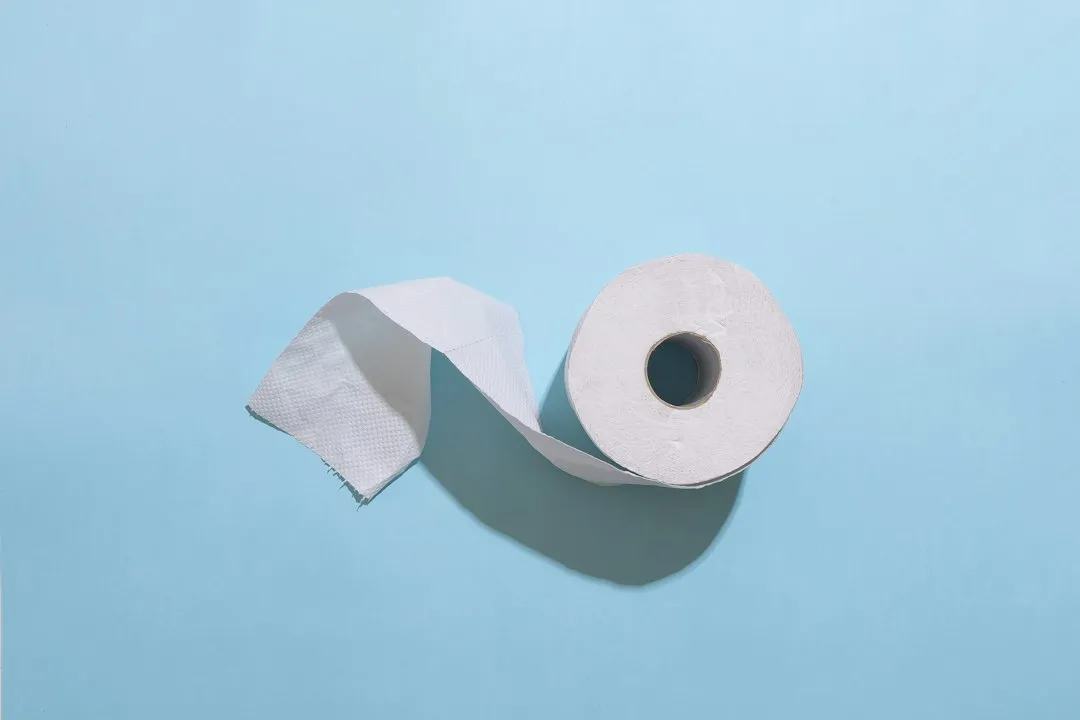
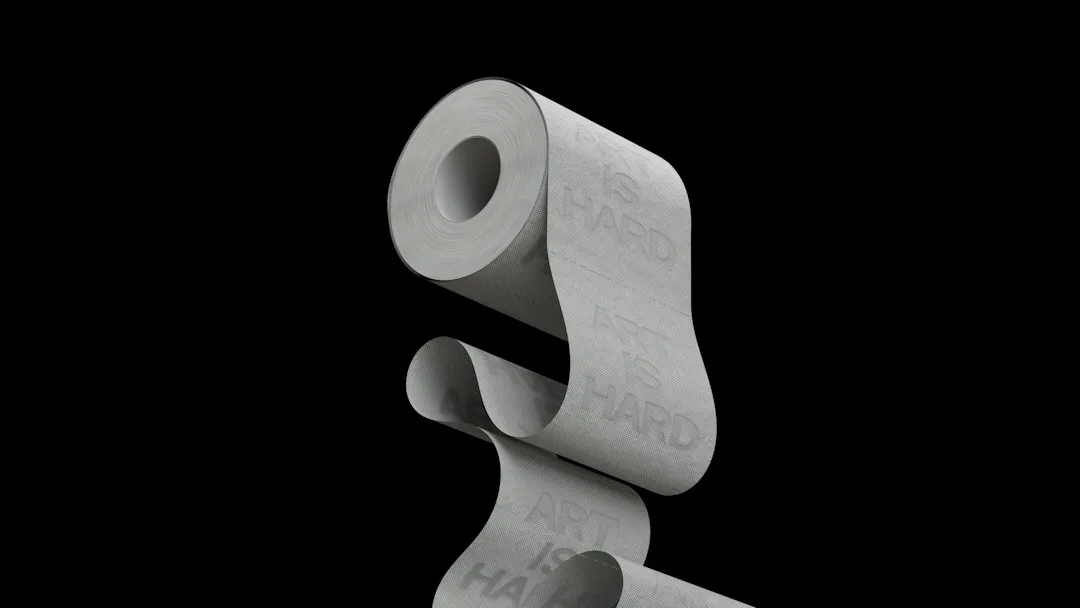
NPR noted that some housekeepers will go beyond the basic triangle, converting toilet paper into decorative shapes, fans, flowers, and other intricate designs. At that point, it stops being a hygiene signal and becomes something closer to small-scale art.
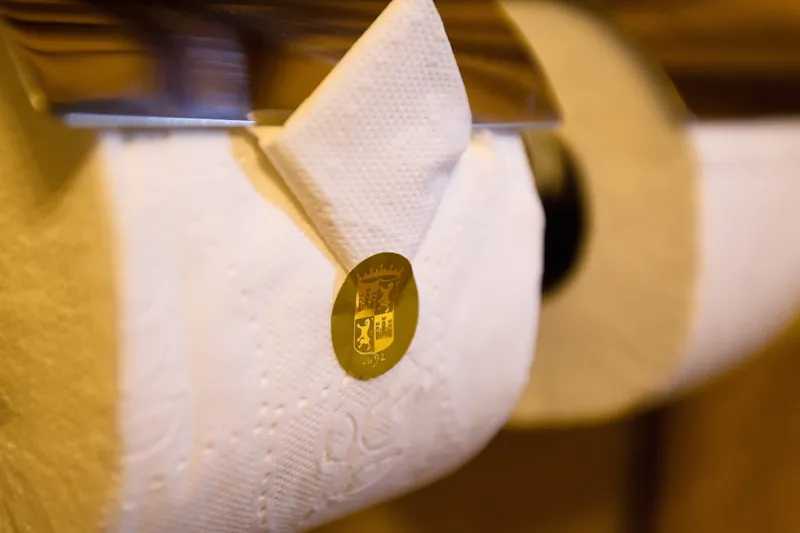
Some hotels provide more elaborate flourishes: some apply a sticker attaching the folded end to the roll; others wrap spare rolls with a ribbon; Thompson Hotels imprint their logo on the first square. The triangle, it turns out, is just the beginning of what’s possible with a roll of paper and a little creativity.
It Reflects the Invisible Labor of Housekeeping
This is what hotel workers do every day. “All over the planet,” says photographer Stephen Gill, “there must be thousands of people – chambermaids and cleaners – folding toilet paper for guests,” a huge labor expense. The fold is fleeting from the guest’s perspective, lasting only seconds before it’s undone. For housekeeping staff, it’s a consistent, practiced gesture repeated dozens of times per shift.
Gill found differences in the style and care of folding between hotels. The neatness of the crease, the sharpness of the point, the symmetry of the finished fold – all of these small variations reflect the individual behind the work. As Gill himself observed, the neatly made bed and the folded toilet paper “symbolise attention and love.”
It Has Quietly Become a Quality Control Tool
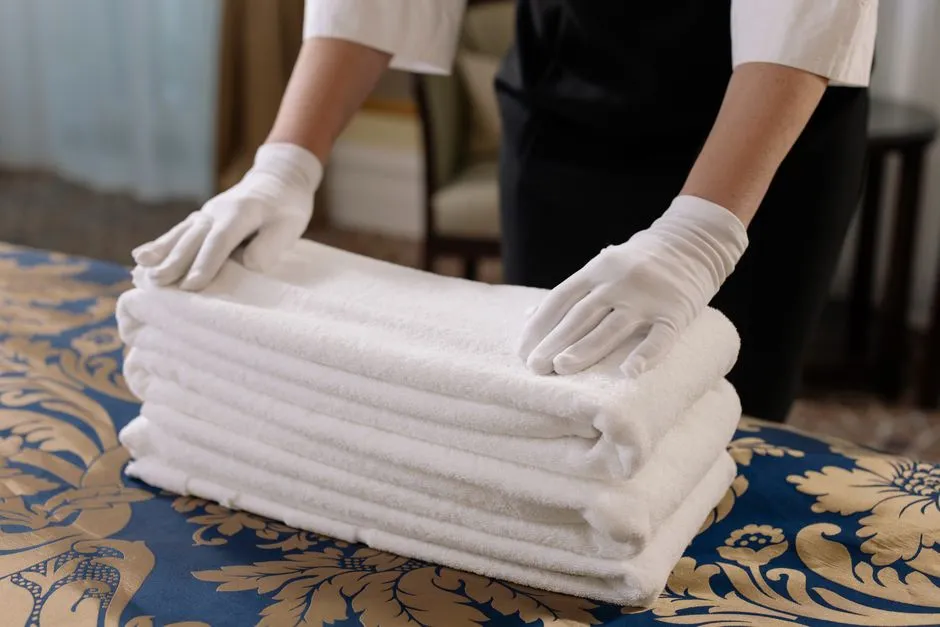
In modern hotel management, triangle folding has also become part of quality control systems. Supervisors checking completed rooms use the fold as one visual marker among many to verify that a bathroom has been properly serviced. It functions less like a decoration and more like a checkbox you can see without reading a list.
Surveys show that over 85% of guests prioritize cleanliness as a key factor in their stay evaluations, where visual signals like the fold contribute to favorable impressions. For hotels, that makes even a small, effortless gesture carry real weight in terms of guest satisfaction and reviews.
The Takeaway
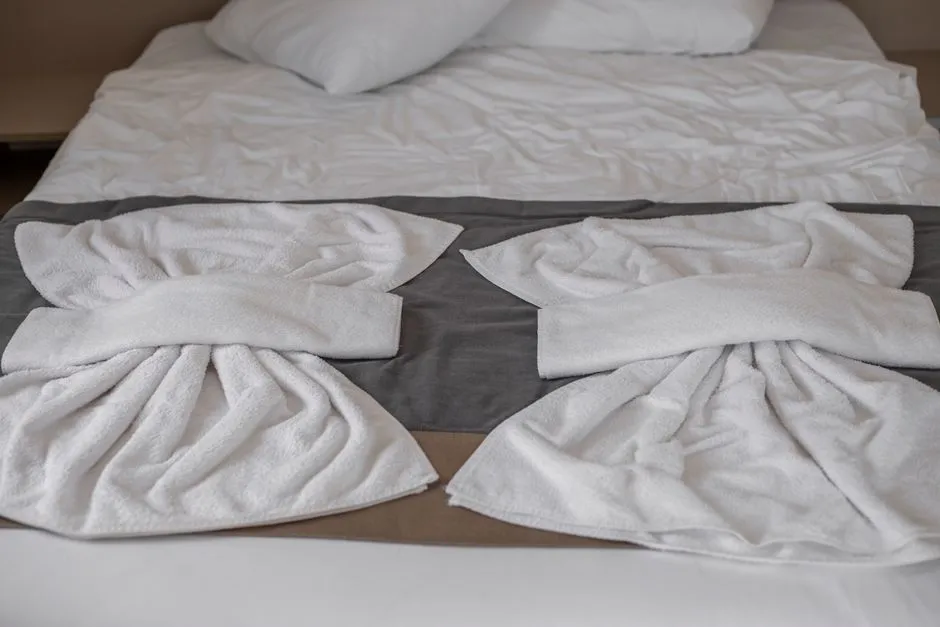
Few things in travel are quite as universal as this tiny, wordless ritual. No branding campaign created it. No global standard mandated it. It spread through imitation, through the quiet professionalism of people who take care of spaces for strangers every single day. It’s hospitality reduced to a simple visual symbol.
The next time you check into a hotel and see that neatly folded triangle, it’s worth pausing for half a second before you reach for it. Someone folded that for you. That’s the whole point.
AI Disclaimer: This article was created with the assistance of AI tools and reviewed by a human editor.