


Barcelona, one of Europe’s most photogenic and culturally magnetic cities, is facing a strange kind of reckoning. Visitors have long flocked to its coastline, Gothic Quarter, and Gaudí landmarks with near-religious devotion. Yet something shifted between 2024 and 2026 that has travelers pausing, reconsidering, and in many cases quietly redirecting their itineraries.
The story isn’t about the city losing its charm. It’s about what happens when a destination reaches a breaking point – and what that means for the millions of people planning to visit.
Streets That Pushed Back
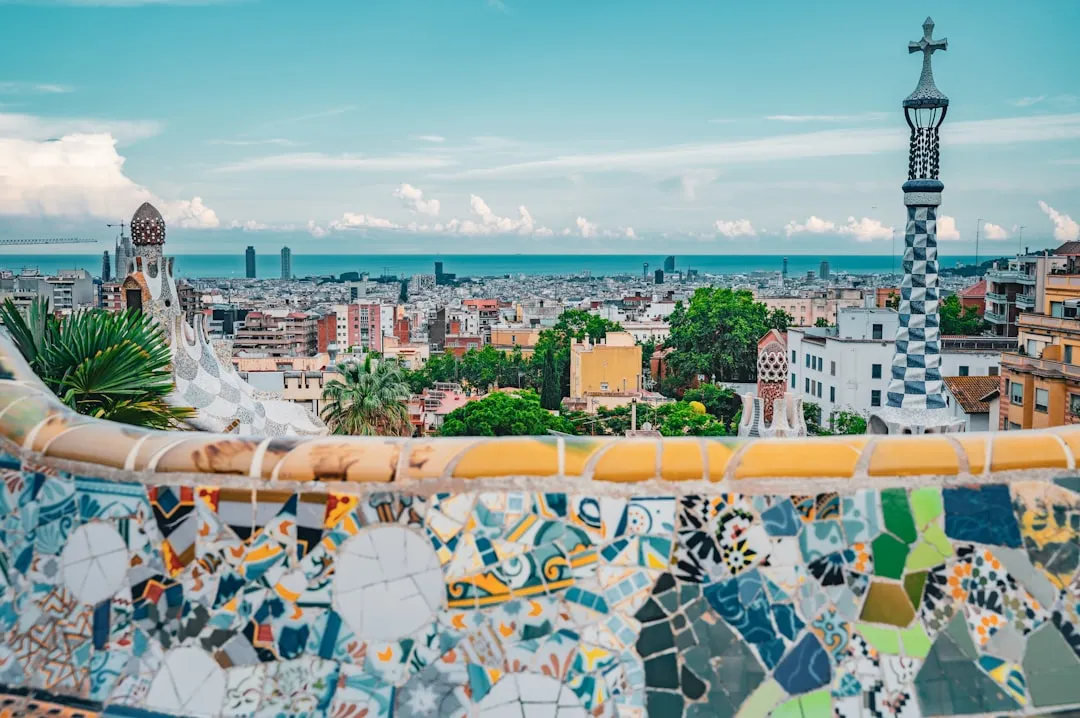
Most travelers expect to be ignored, maybe occasionally overcharged. Few expect to be sprayed with a water gun. On June 15, 2025, protesters in Barcelona were seen spraying tourists and buildings with water guns and pistols during a demonstration against mass tourism. The images went global within hours. Many locals took to the streets chanting “go home” at tourists, and a left-wing activist group even stopped a tour bus with their water guns, which the Associated Press called “a symbol of Barcelona’s anti-tourism movement.”
Other protesters taped off hotel entrances and set off smoke bombs close to luxury stores, including Louis Vuitton. Local protesters began calling it an “invasion” rather than tourism, dubbing Barcelona as “Carcelona,” derived from the Spanish term “cárcel,” meaning “prison.” Whatever one makes of the tactics, the message landed with remarkable clarity in international travel feeds.
The Numbers Behind the Backlash

In 2024, a record 747 million international travelers visited Europe, mostly throughout the southern and western regions. Barcelona absorbed a significant portion of that wave. In 2025, Spain peaked at a new record of 96.8 million tourist visits, according to data released by the National Statistics Institute.
The Barcelona Tourism Management reported that Barcelona alone recorded 16 million visitors in 2025, a 2.9% increase from 2024. Including those who stayed with friends and family, the total reached 26 million. For a city of 1.7 million residents, those numbers are not abstract: they are felt in every queue, every café, and every housing contract.
A Housing Crisis With Tourism’s Fingerprints
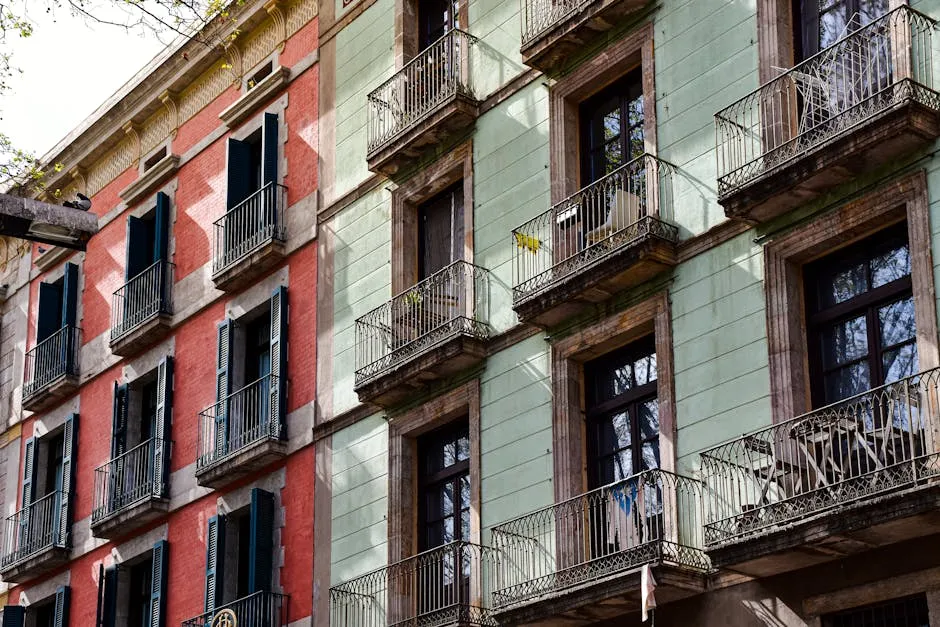
Overtourism has pushed Barcelona’s housing costs out of reach, and locals can no longer afford them. In Barcelona, increasingly more apartments have shifted to the Airbnb model, whereby they’re marketed not to residents but to short-term vacationing stays. This structural shift has driven up rents across entire neighborhoods, not just in tourist corridors.
One resident reported that his rent rose over 30% as more apartments in his neighborhood were rented to tourists for short-term stays. Spain’s government ordered Airbnb to take down almost 66,000 properties it said had violated local rules, while Barcelona announced a plan to phase out all 10,000 apartments licensed in the city as short-term rentals by 2028. That’s one of the most aggressive housing interventions any European city has attempted.
Tourist Taxes Are Rising, Fast
Barcelona, one of Europe’s most visited cities, has introduced significantly higher tourism charges in 2026, with the Catalan government raising the overnight visitor tax, bringing fees among the highest in Europe. As of 2026, guests staying in hotels can expect to pay between approximately €10 and €15 per night, depending on accommodation category, up from roughly €5 to €7.50 previously.
As of May 2025, tourists aged 16 and over already had to pay €6 to €11 per person, per night. Tourist tax revenues have become the third-largest source of income for the city, reaching €106.5 million in 2024. These revenues are being channeled into community infrastructure projects, but many visitors are recalculating whether a Barcelona trip still makes financial sense.
Venice Is Charging Just to Walk Through the Door
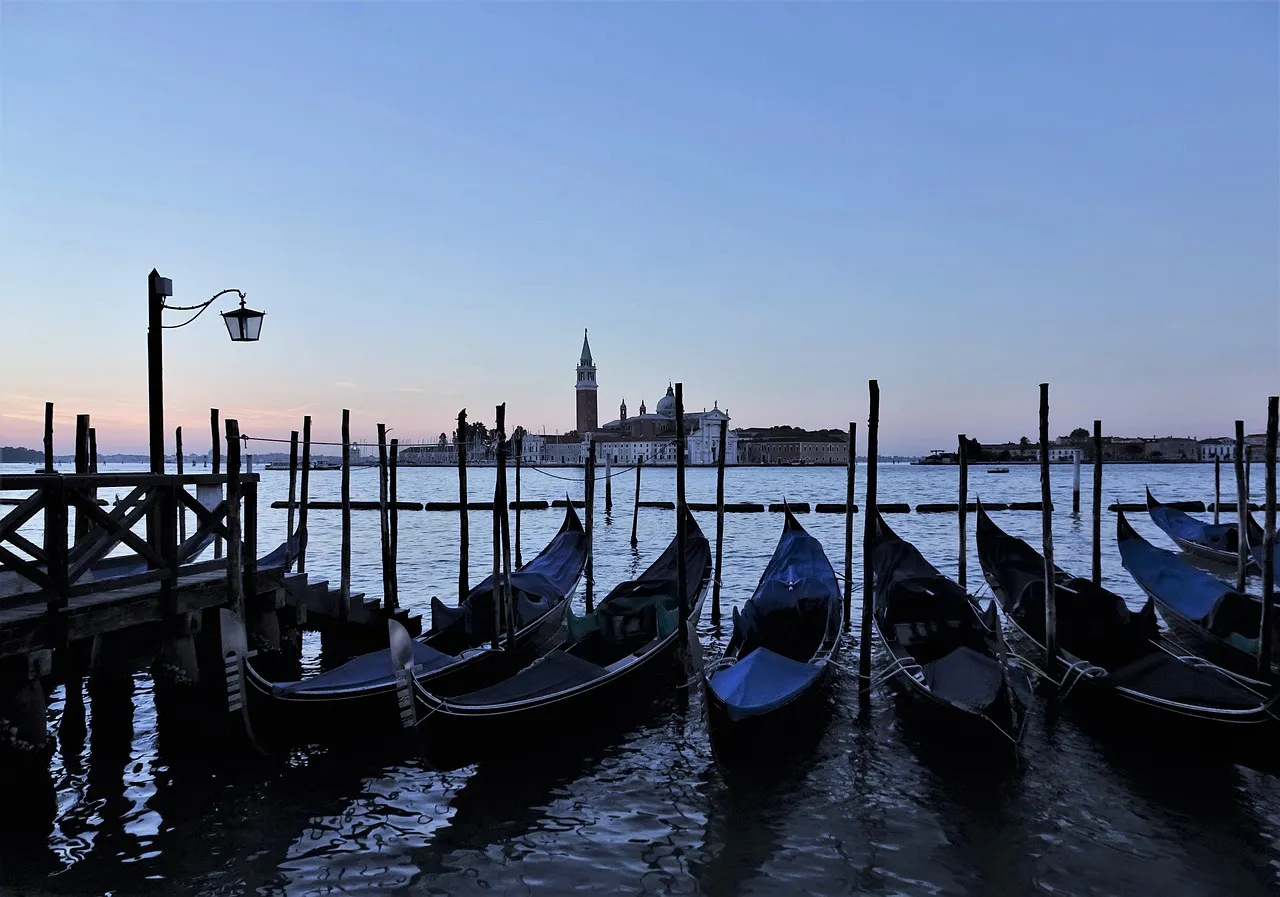
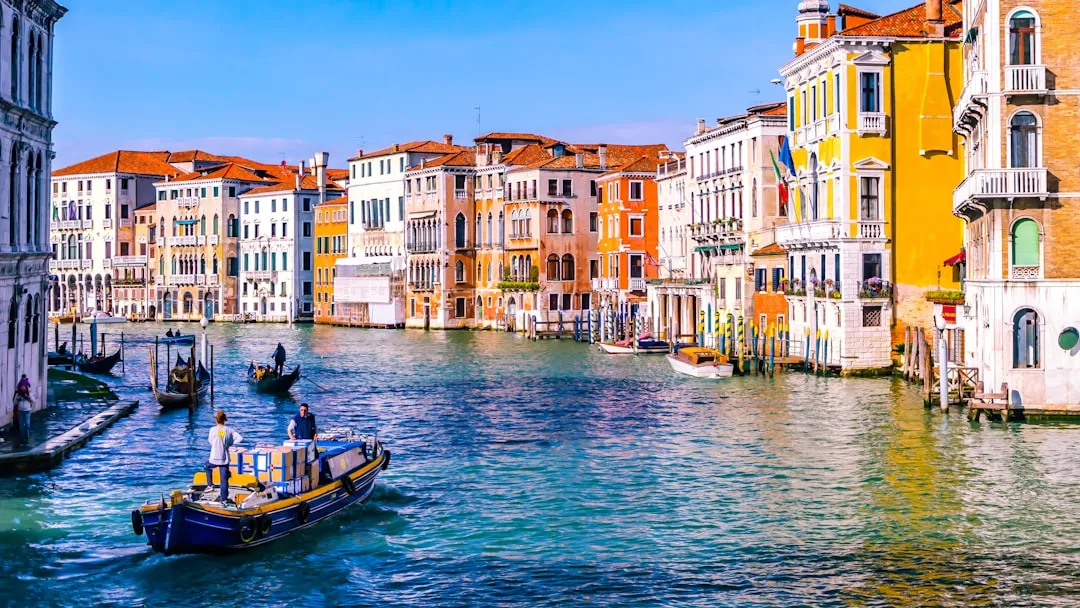
Barcelona is not alone. Venice went a step further, becoming the first city in the world to charge day visitors simply for entering. In 2025, a total of 723,497 visitors paid Venice’s day-tripper fee, resulting in revenue of €5,421,425 – nearly double the figures from 2024, when 485,062 payments totaling €2,400,000 were recorded.
On the busiest single day, Friday May 2nd, 24,951 visitors paid the day-tripper fee – a number equivalent to over half the city’s resident population. Yet local critics labeled the trial a “failure” that “hasn’t led to any significant reduction” in crowds. The streets remained packed. The revenue helped, the congestion did not meaningfully ease.
The Louvre Shut Its Doors in Protest
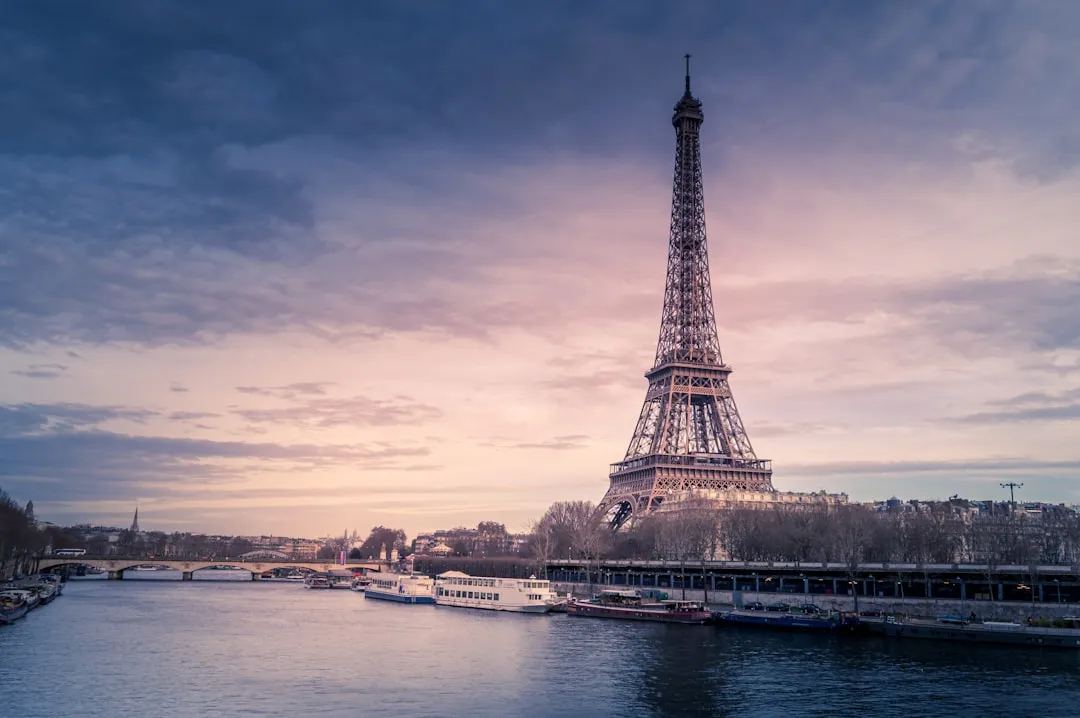
Paris, long assumed to be in a different tourism league, discovered that no city is immune. In France, the Louvre, the world’s most-visited museum, shut down when its staff went on strike, warning that the facility was crumbling beneath the weight of overtourism, stranding thousands of ticketed visitors lined up under the baking sun.
Although not always at the top of overtourism lists, major capitals like Paris encounter significant tourism-related challenges, with museums, transport networks, and public attractions becoming crowded especially during peak travel seasons. Worker strikes over overcrowded conditions at major sites have highlighted operational strains and the need for improved tourism management policies. For travelers, it was a stark reminder that even the most iconic destinations have a threshold.
The Whole Southern European Network Is Organizing
What makes the current moment different from past cycles of complaint is the coordination. Over the weekend of April 27, 2025, the Southern Europe Against Touristification Network gathered in Barcelona to agree on a shared political agenda, and they convened a coordinated demonstration across multiple cities in Southern Europe for June 15, 2025.
Demonstrations occurred in Palma de Mallorca, Ibiza, San Sebastián, and Granada, where residents voiced concerns that excessive tourism was driving up housing costs. Protesters in these cities joined broader actions in Portugal and Italy, arguing for stricter regulation of tourism levels and greater protections for affordable housing and community life. This is no longer a local complaint – it’s a regional movement with a coordinated political voice.
What the Data Says About Traveler Confidence
Tourism inflation, meaning the increase in prices for travel-related goods and services, stayed high at 6.8%. That’s lower than 8% in 2024 but still above the overall inflation rate of 4.3%. UN Tourism says that high transport and accommodation costs are the biggest barriers to international travel, and in response, travelers are taking shorter trips, staying closer to home, or cutting back on spending.
Tourism inflation is expected to fall from 8% in 2024 to 6.8% in 2025, still significantly above the overall inflation rate, and economic uncertainty and geopolitical tensions are also weighing on travel confidence. Taken together, the atmosphere is pushing a segment of travelers to opt out of the most congested destinations, even when they could afford them.
Cities Are Trying to Attract Fewer, Better Visitors

Recent EU studies highlight the need for tailored, evidence-based responses, including new indicators to monitor tourism pressures and early-warning systems at the local level. Solutions focus on spreading demand geographically and seasonally, improving quality over quantity, and aligning tourism policies with broader goals like climate neutrality and cultural preservation.
The European Commission and city networks are investing in “smart tourism,” which uses technology to track, manage, and spread out visitor traffic. In Barcelona, sensors and mobile apps provide real-time data that help officials monitor crowd levels and adjust transport routes. To align the EU’s many national policies, the European Commission is developing its first common strategy for sustainable tourism, set to launch in early 2026, aimed at making the sector more competitive, adaptable, and environmentally responsible.
What This Means If You’re Still Planning to Go
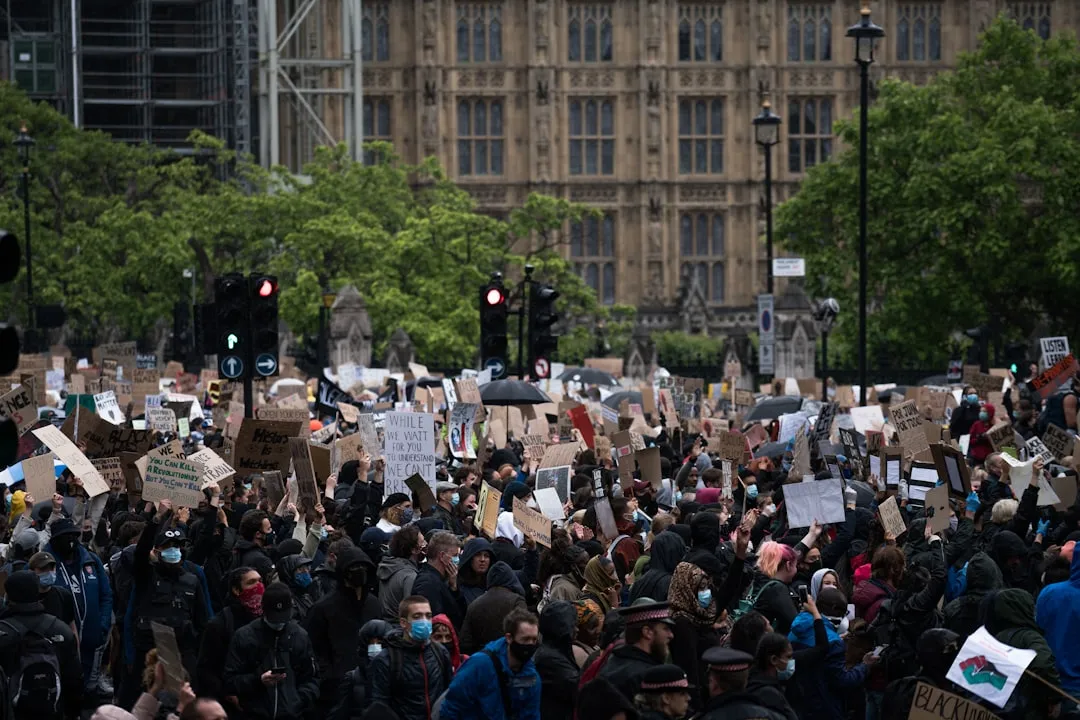
Spanish anti-tourism activist group Menys Turisme, Mes Vida (Less Tourism, More Life) from the Balearic Islands told traveling Britons to expect a “hostile atmosphere” in the coming months, while protest networks across southern Europe continue organizing demonstrations. That language, however heated, reflects a real shift in how some residents interact with tourists in certain neighborhoods.
For visitors planning trips to Europe in 2026, awareness of overtourism dynamics encourages more informed travel choices. Considering alternate destinations, visiting outside peak periods, respecting local norms, supporting sustainable businesses, and understanding local regulations can enrich travel experiences while contributing positively to host communities. The welcome isn’t gone. It’s just become conditional on how you show up.
A Turning Point, Not an Ending
Some of what we see today can be explained by tourist study models, such as the Irritation Index (or “Irridex”), in which locals’ attitudes toward tourism change gradually as the number of visitors increases, diminishing the quality of life. Barcelona and cities like it have moved well along that scale. The question now is whether policy and behavioral change can reverse the trajectory before deeper damage sets in.
In 2026, overtourism remains a significant concern in many European cities. Famous destinations like Dubrovnik, Venice, Barcelona, and Heraklion illustrate how visitor overload can challenge infrastructure, local life, and cultural preservation – and their future health as destinations depends on sustainable tourism practices and more balanced travel behavior.
The cities themselves aren’t disappearing. Gaudí’s work still stands. The canals of Venice still shimmer. The question is whether a future visit will feel like discovery or like something quietly being used up – and that’s a question worth sitting with before you book.
AI Disclaimer: This article was created with the assistance of AI tools and reviewed by a human editor.