
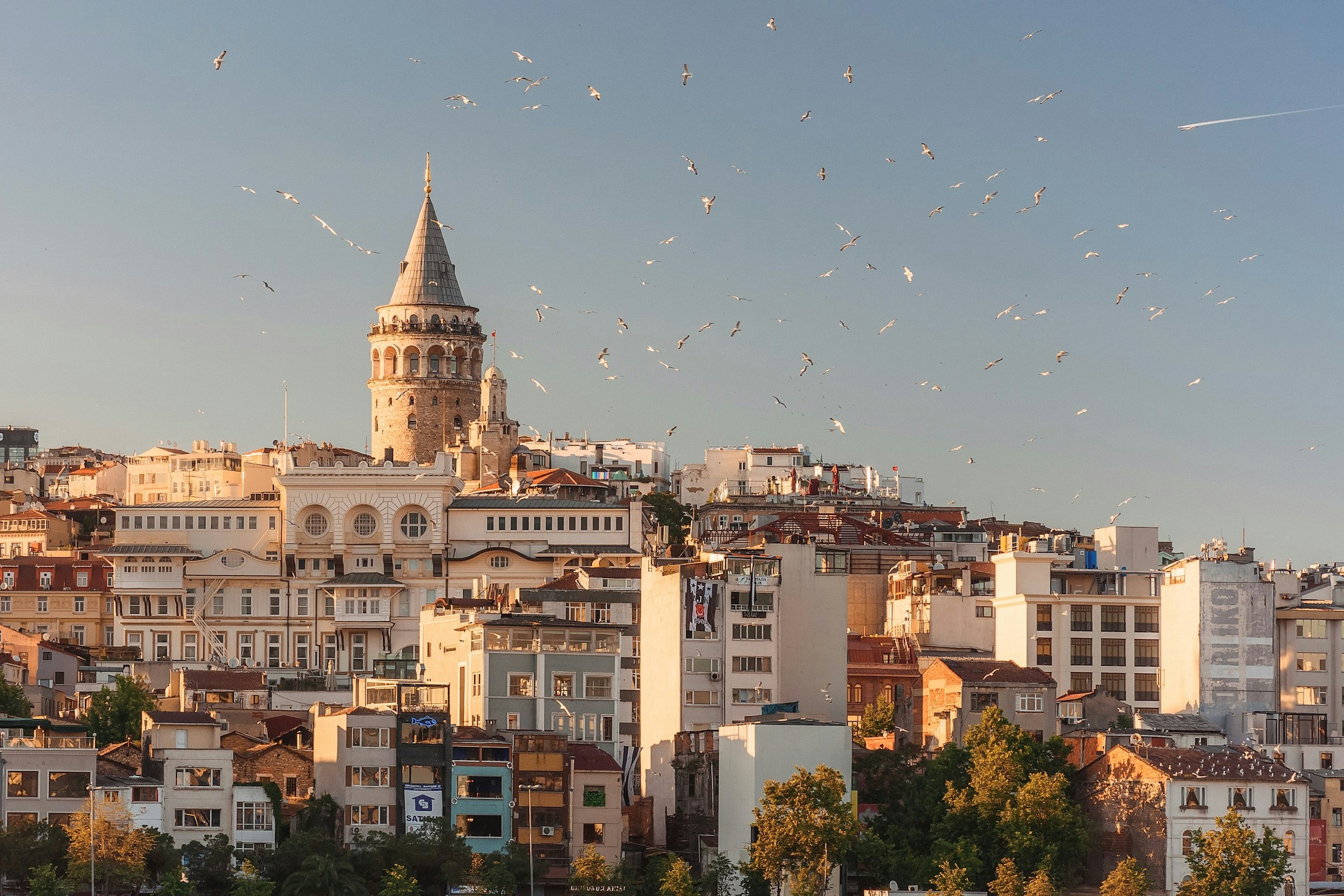

A City That Belongs to Everyone, Including the Cats
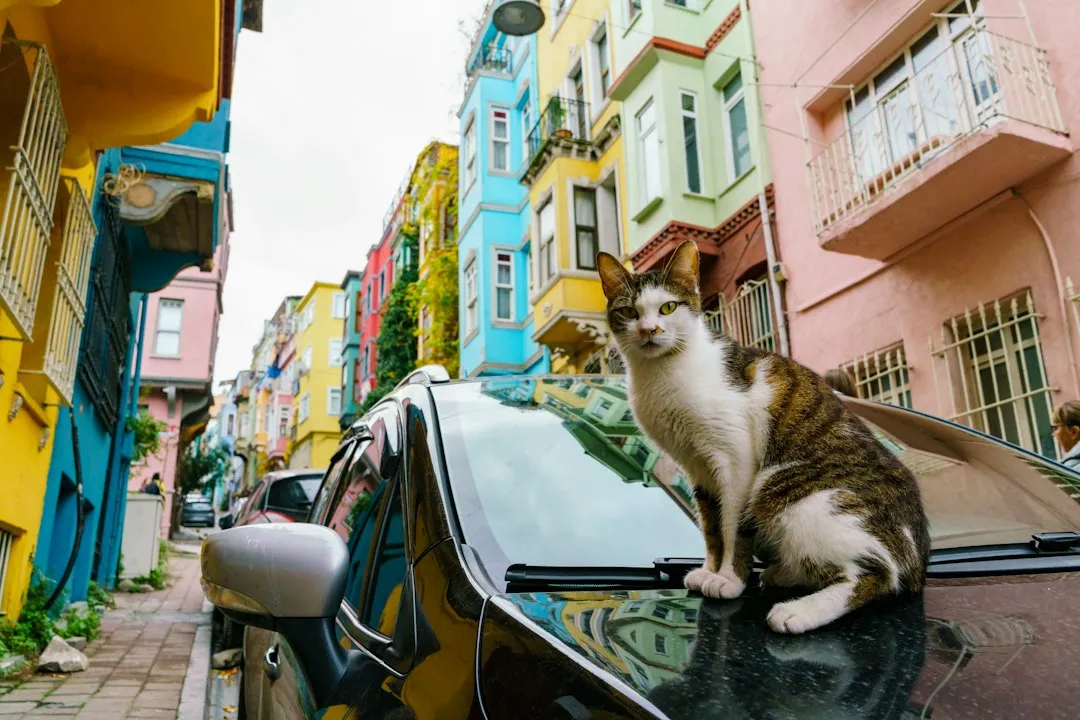
According to the Istanbul Metropolitan Municipality, more than 160,000 cats live on the city’s streets, and in 2025 the municipality sterilized more than 43,000 of them, twelve times the figure for 2015. These aren’t strays in the way the word usually implies. They are known, named, fed, and mourned when they disappear.
No one officially owns these cats, but somehow, they are adopted by everyone. Istanbul has a specific Turkish term for this reality: Turkish marks the difference with sokak kedisi, meaning “street cat,” and sahipsiz hayvan, an animal without an owner. A street cat here is not ownerless. It belongs to the street itself, and by extension, to everyone on it.
The Ottoman Empire Set the Tone
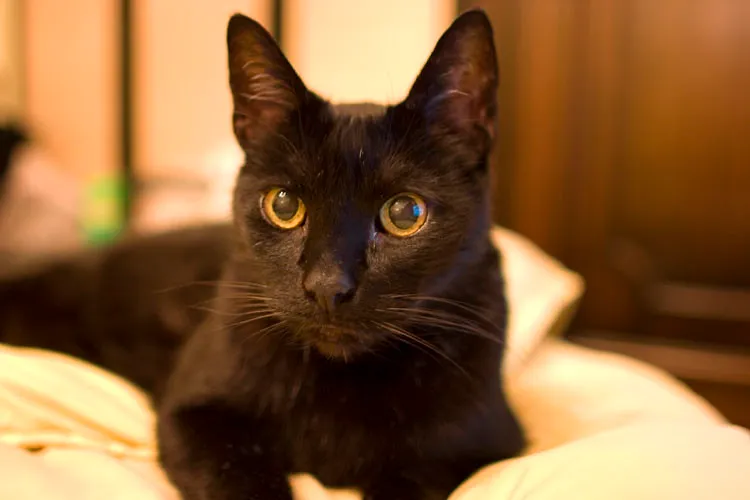
The Ottoman Empire was heavily involved in fostering this relationship with cats, especially at a time when most of the city’s buildings were made of wood, making them ideal breeding grounds for rats. This made the presence of cats essential for the city. Animals generally held great importance in Ottoman and Islamic culture, in which stray animals were protected and people were encouraged to form friendly relationships with them.
The Ottoman love for cats reached extraordinary heights under Sultan Abdülhamid II, who ruled from 1876 to 1909. Historical accounts describe him as deeply devoted to animals, particularly cats. According to Heinrich Schaefer, who cared for the Sultan’s animals, approximately 1,500 cats of various breeds lived at Yıldız Palace, Abdülhamid’s primary residence.
In Topkapı Palace, the administrative heart of the Ottoman Empire, cats roamed freely through kitchens, archives, and libraries. The palace even had special “cat doors” built into the Harem quarters. Tolerance for cats was not a quirk of individual affection. It was institutional.
Port City, Merchant Ships, and the Original Rodent Patrol
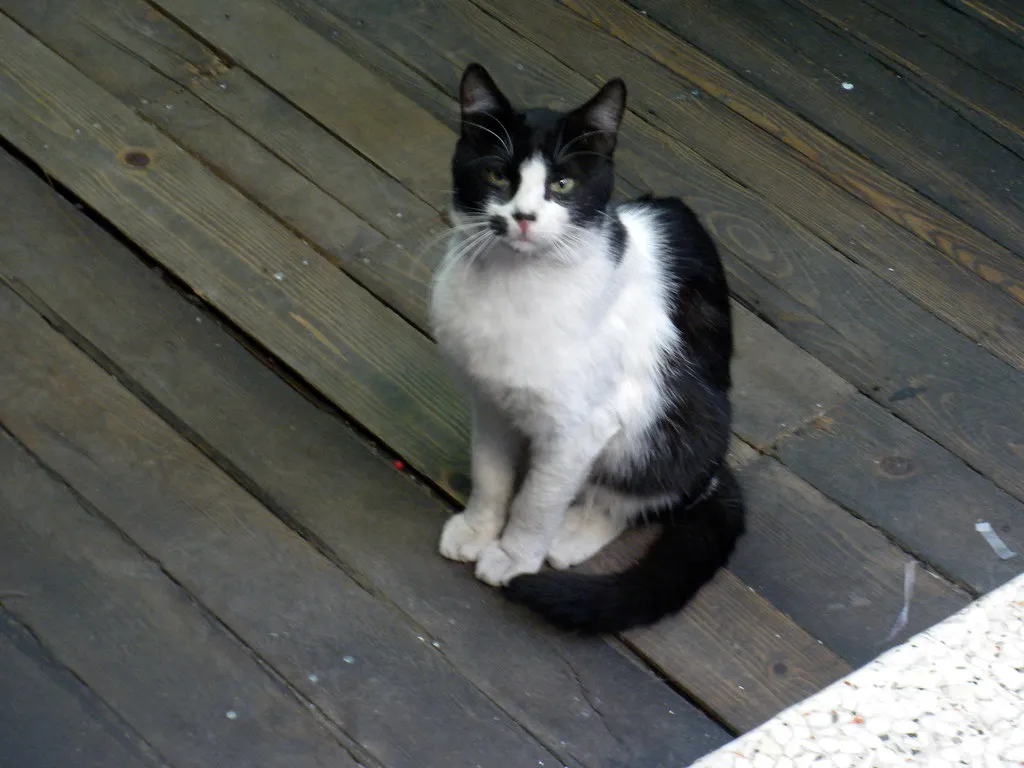
Istanbul has been a port city for most of its history, and ships carried cats to protect their cargo from rats. Over centuries, this practical partnership deepened into something far more cultural. Cats that arrived on vessels stayed, bred, and integrated into the city’s rhythms.
As a port city of wooden houses and warehouses, Istanbul needed rodent-catchers, and a long tradition of feeding street animals kept them in neighborhood life. The cats earned their place honestly, and the city never forgot it. That sense of earned belonging has persisted well beyond the wooden houses themselves.
The Mancacı: Istanbul’s Original Cat Caretakers
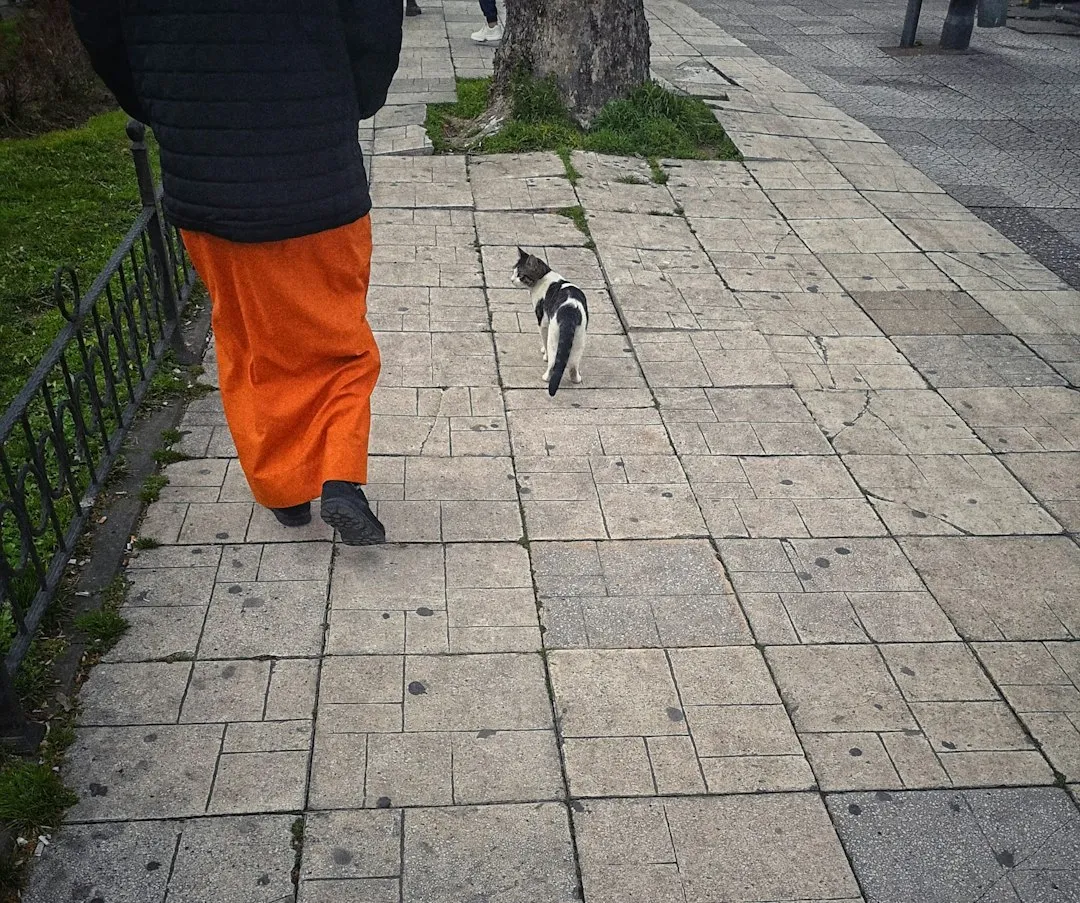
In Ottoman Istanbul, men known as mancacı walked the streets carrying liver and offal. These street vendors were paid by residents to feed neighborhood cats and dogs. The practice institutionalized communal care in a way that still echoes today in the food bowls left outside apartment buildings and corner shops.
In the Ottoman city, residents paid liver sellers called mancacı to feed them, and Islamic tradition, which condemns cruelty to animals and regards cats as clean, gave that care a moral frame. What looks spontaneous today has centuries of organized precedent behind it.
Islam, Compassion, and a Cat’s Ritual Cleanliness
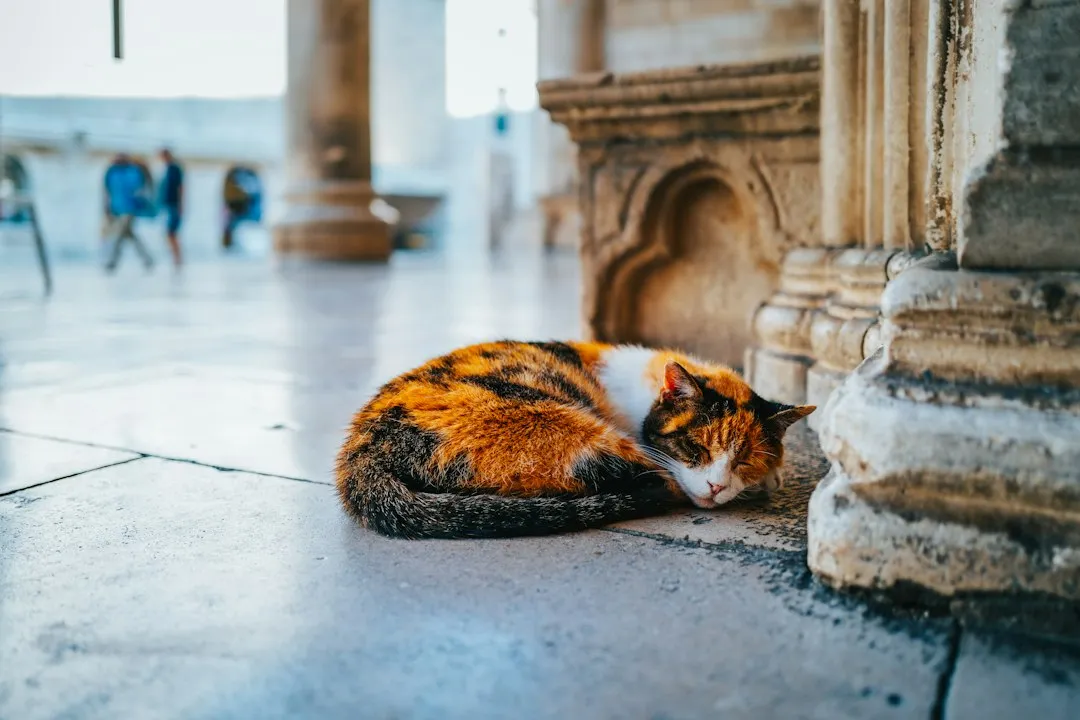
The history of cats in Turkey is connected to Islam and their practical role during the Ottoman Empire. In Islamic culture, cats hold a special status as ritually clean animals, with Hadith stories highlighting Prophet Mohammed’s affection for these creatures. This religious dimension is not ceremonial. It shapes daily behavior in a city where faith and street life are genuinely intertwined.
In Islam, cats are cherished companions; the Prophet Muhammad is said to have once cut off part of his robe rather than wake a sleeping cat. Ottoman-era mosques open seamlessly to courtyards where birds, trees, and cats live among worshipers. Entering a mosque courtyard and finding a cat asleep near the fountain is not unusual. It is expected.
Tombili: The Cat Who Got a Statue
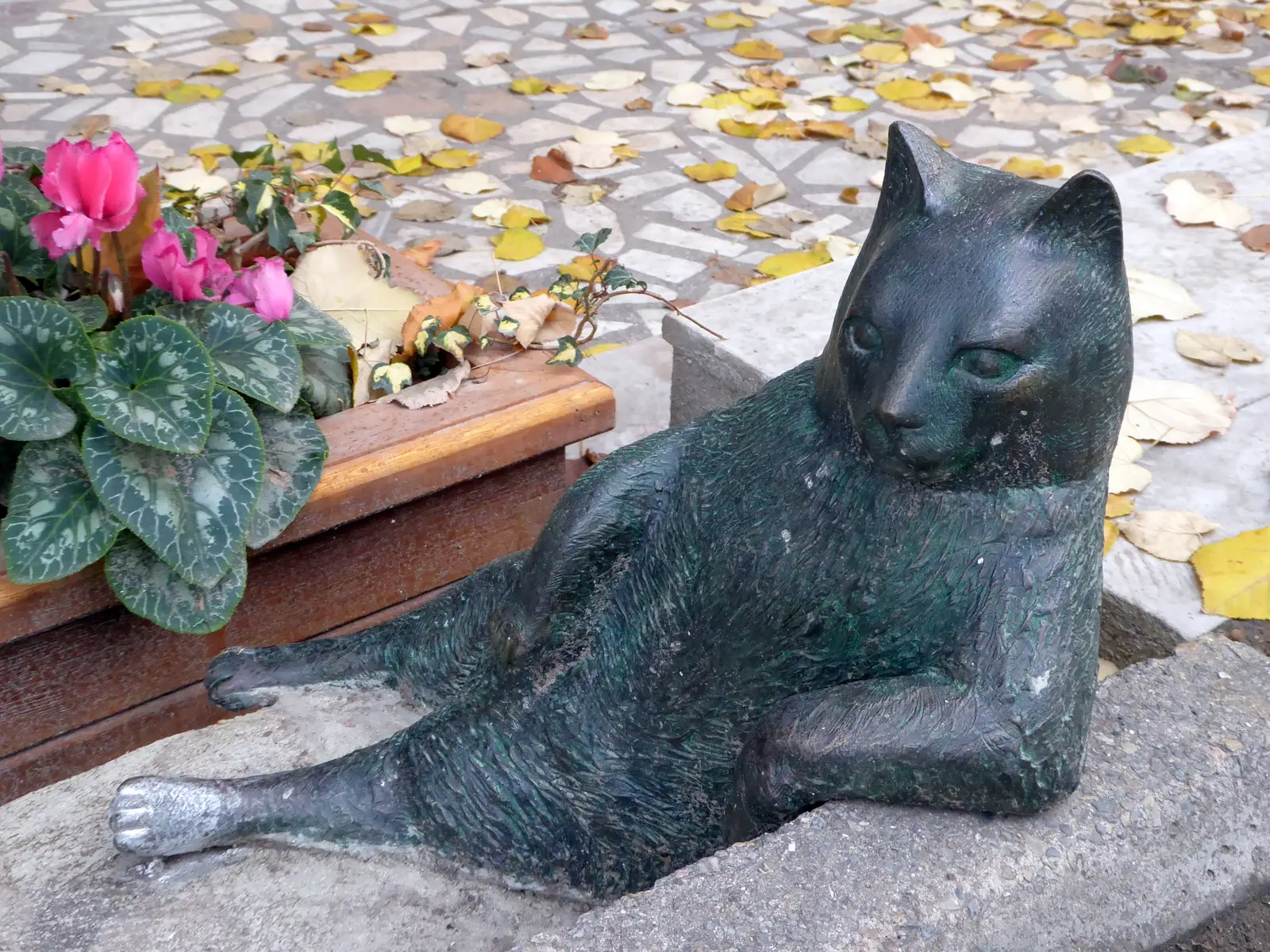
Tombili, a well-known cat from the Kadıköy district, gained fame after a photo of her casually reclining against steps in front of a kebab shop sign went viral. After her death in 2016, a statue was erected in her iconic sitting pose in the spot she used to sit in. The statue was sculpted by Seval Şahin and unveiled on World Animal Day.
When the statue was stolen, the thieves couldn’t handle the backlash and returned it within a week. The neighborhood likes to think Tombili’s spirit still roams the area, enjoying the offerings left at her statue. A city that mounts a public outcry over a stolen cat statue is one that has genuinely absorbed these animals into its sense of identity.
Kedi: When the World Finally Noticed
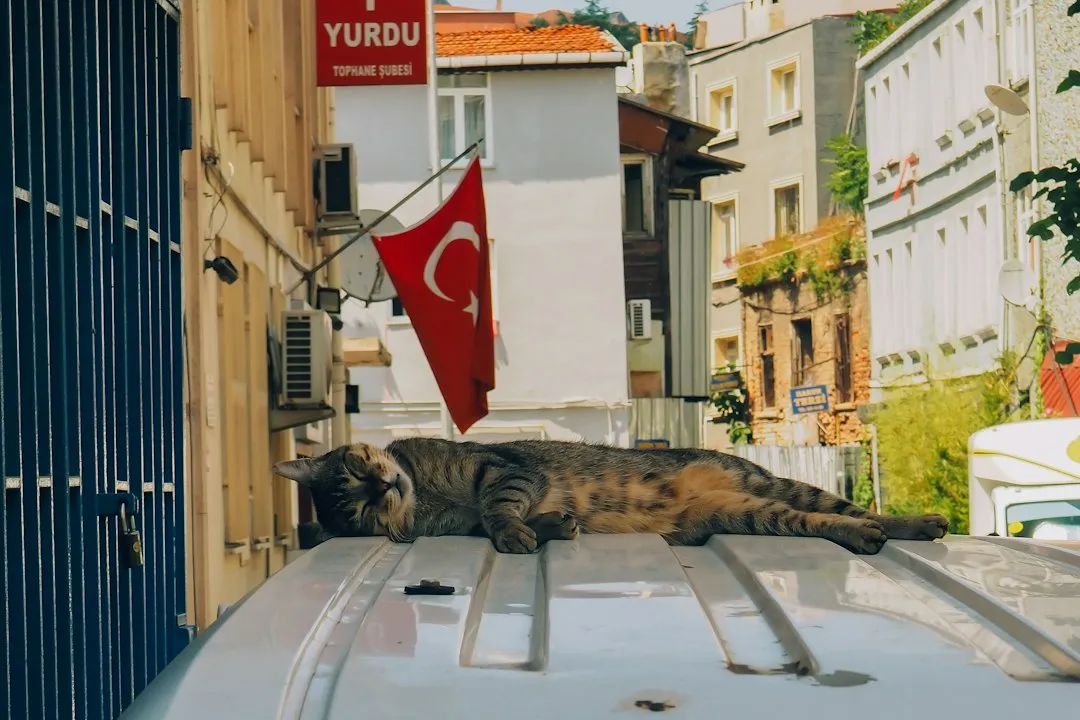
The documentary Kedi (2016), directed by Ceyda Torun, follows seven of these cats across Istanbul’s neighborhoods. It became something of an international phenomenon, earning a Critics’ Choice Documentary Award and reaching audiences far beyond Turkey. The documentary grossed five million dollars.
In Ceyda Torun’s Kedi, Istanbul’s vast stray-cat population becomes a prism through which to glimpse the hopes and dreams of the city at large. The film did something rare: it used cats to tell a story about human longing, community, and belonging. For viewers who had never set foot in Turkey, it made the city feel knowable through its animals.
Sokak Kedisi: A Community, Not a Herd
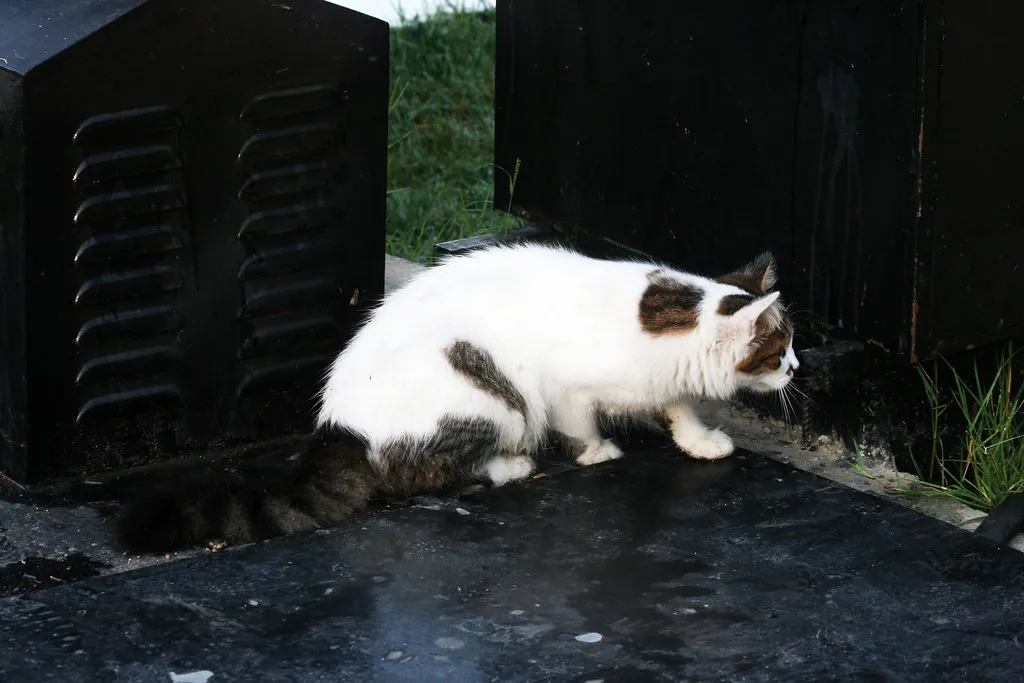
Istanbul’s cats accept care without becoming anyone’s property, and the people who feed them accept that arrangement. Cats seem to understand that closeness and ownership are different things, and they act accordingly. This mutual understanding is not romanticized in the abstract. You see it in how a cat will sit beside a tea-glass, not on the table, close enough to be companionable, far enough to be its own.
Several households may care for a mahalle kedisi, a neighborhood cat, without any one of them owning it. The responsibility is shared and unspoken. There’s no schedule, no roster, and no coordinator. It simply functions, day after day, across thousands of streets.
Municipal Programs and the Push Toward Humane Management
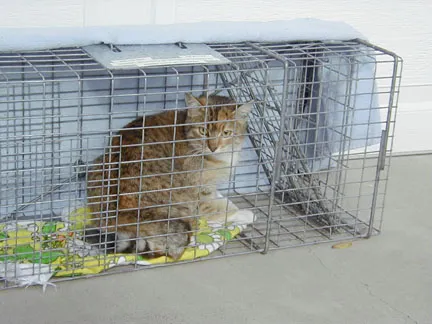
Many municipalities, animal welfare groups, and volunteers run trap-neuter-return (TNR) programs to control population growth humanely. TNR involves trapping cats, sterilizing them, and returning them to their colonies. It is widely regarded by vets and animal welfare organizations as the most ethical and effective long-term solution for managing stray cat populations in urban settings.
This approach allows stray cats to live without the threat of euthanasia, encouraging their population to grow. This lack of a kill policy, combined with cultural acceptance, plays a significant role in maintaining the vibrant cat population in Istanbul. It reflects a broader civic philosophy: that public space is shared with animals, not cleared of them.
When Istanbul Protests for a Cat
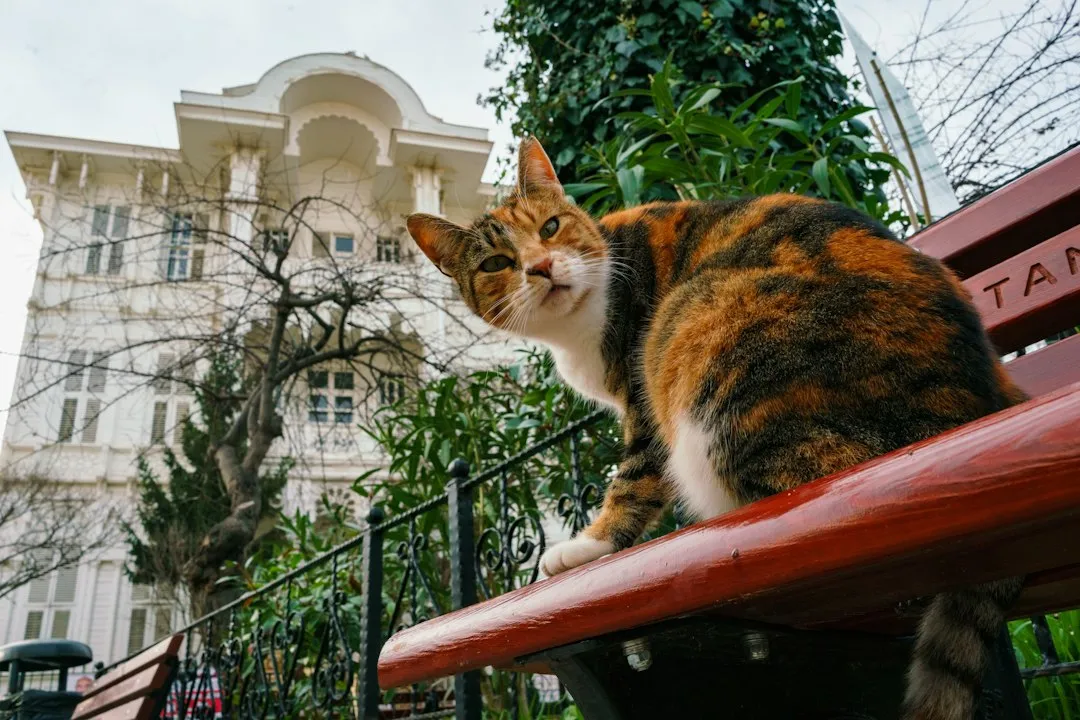
Eros was a stray tabby cat who lived in a housing complex in Başakşehir, Istanbul. On 1 January 2024, İbrahim Keloğlan encountered Eros in the elevator of their apartment building and killed him. The public response was swift and furious.
The first nationwide protests, triggered by Eros’ killing, began on 13 February 2024 at the complex where he lived and died. In the Karşıyaka district of İzmir, a group of animal lovers gathered to protest and demand a prison sentence. Activists in Ankara’s Çankaya district also gathered to demonstrate for Eros and all animals subjected to torture and killing by humans. The resulting petition garnered approximately 250,000 signatures in its first week. A street cat’s death brought people into the streets of multiple cities. That is not a casual relationship between a culture and its animals.
The Deeper Truth Behind the Food Bowls
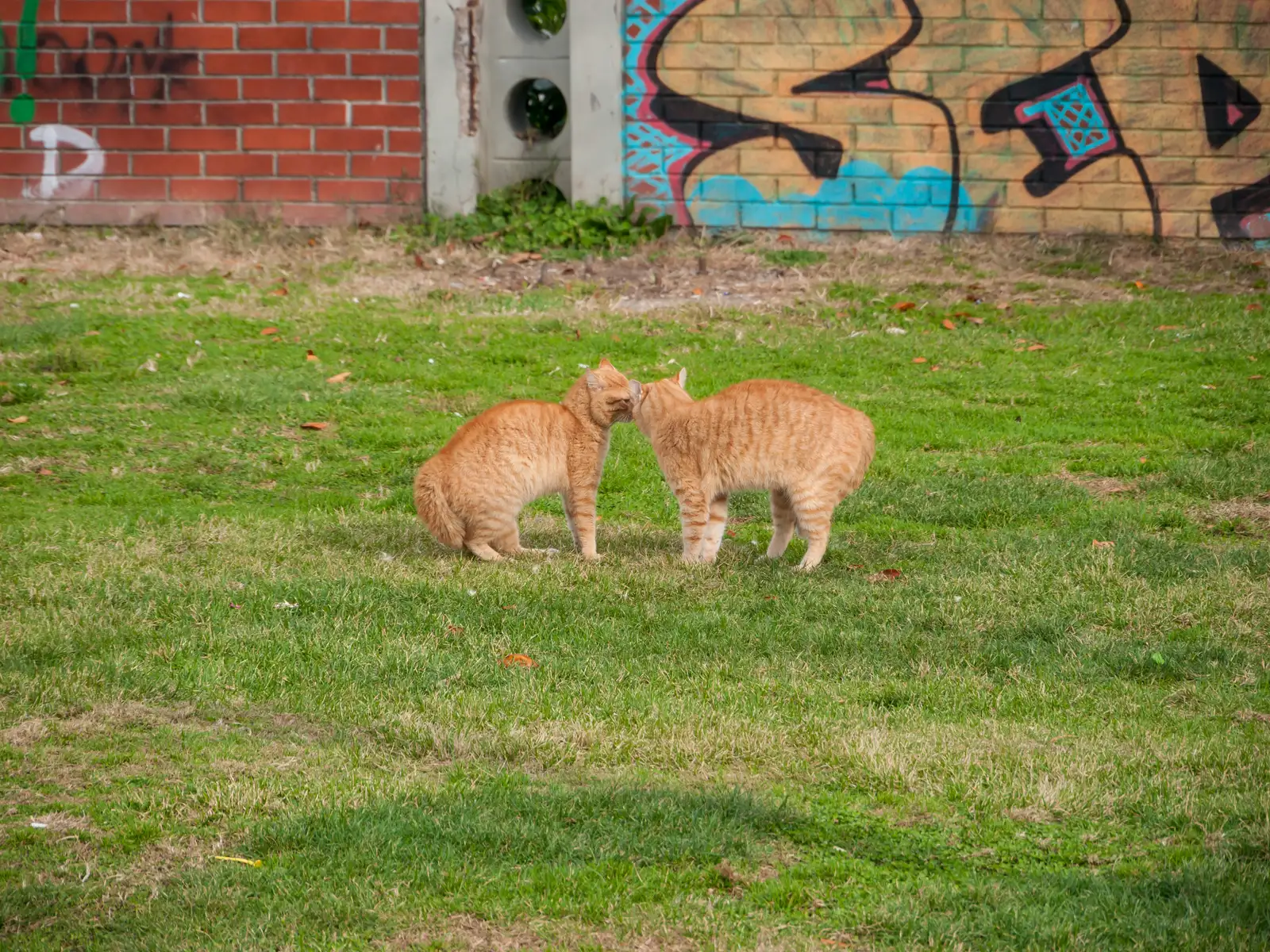
There’s a temptation to frame all of this as charming local color, a quirk that makes Istanbul picturesque for visitors. But the reality is more substantive than that. These cats are living connections to Ottoman history, embodiments of Islamic principles of compassion, and daily reminders of a different way of organizing urban life, one where humans don’t dominate nature but share space with it.
The feline inhabitants of Istanbul’s streets are more than just stray cats. They are living symbols of a unique communal pet culture and an enduring bond between humans and their beloved communal pets, intertwined with the nation’s history, religion, and politics. They are, in the truest sense of the phrase, part of the neighborhood.
Final Thoughts
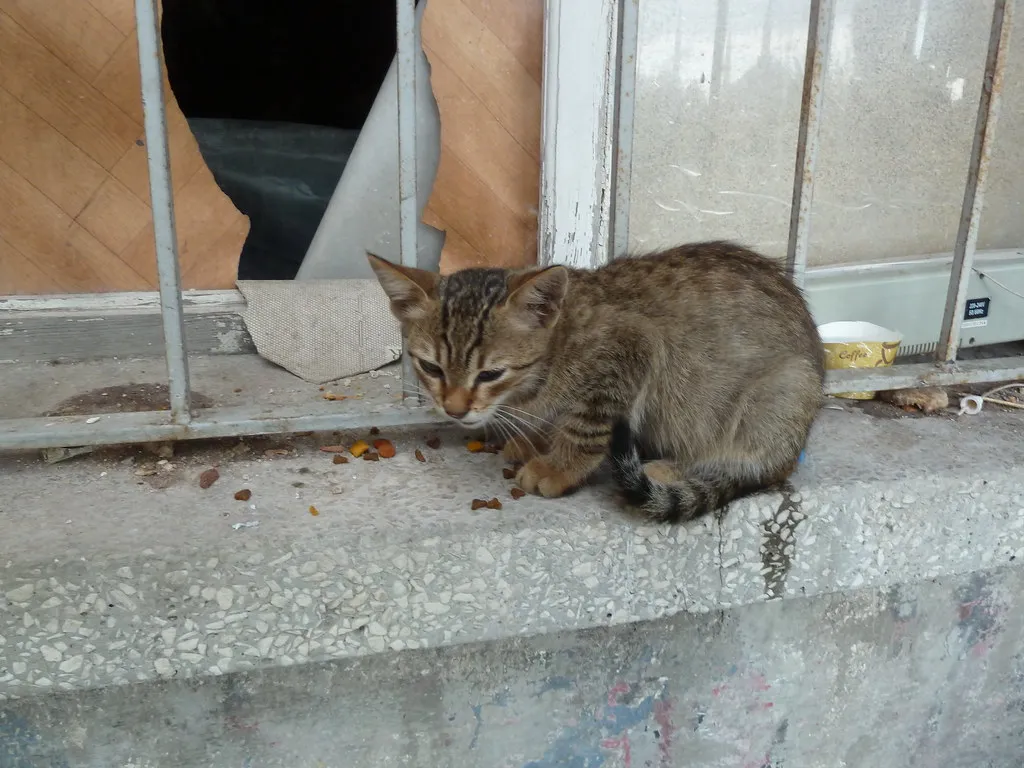
Istanbul’s relationship with its cats isn’t the result of a municipal policy or a tourism campaign. It grew slowly, over centuries, out of practical need, religious conviction, shared habit, and something harder to define: a collective sense that care given freely to a creature that can’t repay it says something important about the people giving it.
The food bowls appear each morning without being asked for. The shelters go up without a planning permit. A cat leans against a stranger’s leg outside a mosque, and the stranger lets it. In a city as layered and complicated as Istanbul, that quiet, unremarkable moment might be one of the most honest things you’ll witness.
AI Disclaimer: This article was created with the assistance of AI tools and reviewed by a human editor.