


There’s something quietly radical about pressing play on a cassette tape in 2026. No algorithm. No shuffle. No recommendations from a machine that’s been studying your listening habits. Just a sequence of songs someone chose, in an order they carefully considered, recorded in real time with intention and a little bit of held breath.
The 1980s road trip mix tape wasn’t just a playlist. It was a physical act of care, creativity, and curation. In a world where music has become frictionless and largely invisible, there’s a growing case for bringing this small ritual back. The numbers, the neuroscience, and the culture all point the same direction.
The Cassette Is Having a Genuine Moment
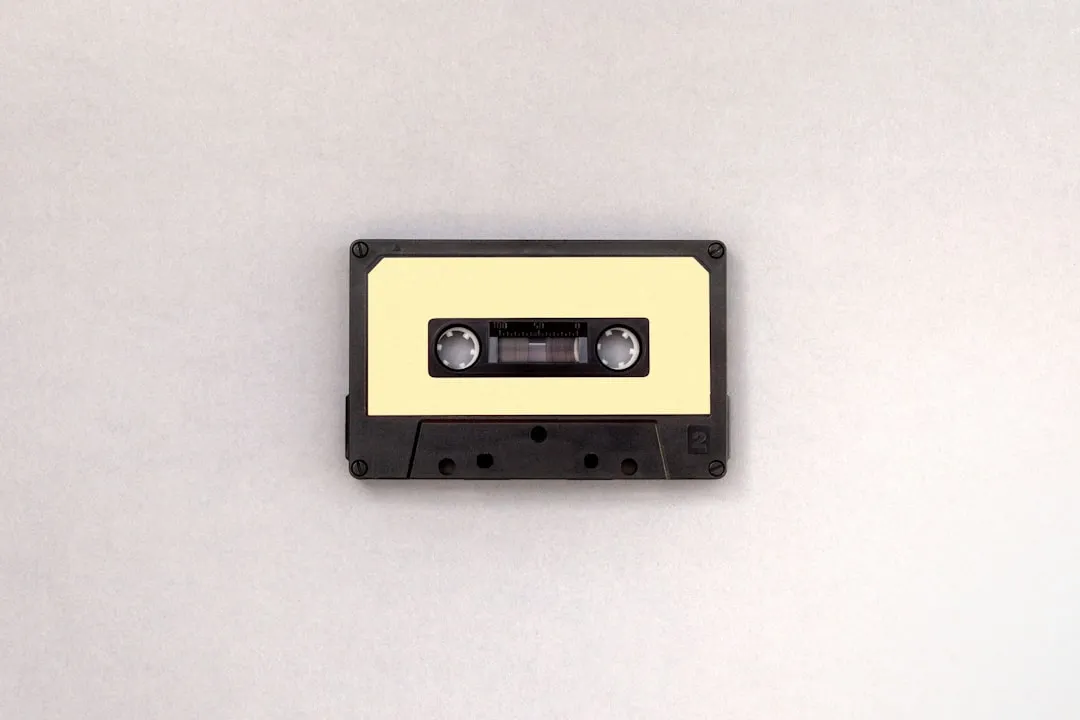
Before you dismiss this as pure nostalgia, consider what’s actually happening in the music market right now. U.S. cassette sales more than doubled in the first quarter of 2025 and are projected to exceed 600,000 copies by the end of the year. That isn’t a blip. It’s a trend that’s been building steadily for years.
From 2015 to 2022, sales of the cassette tape increased 443 percent. Meanwhile, searches for “cassette” and all related search words increased by 53 percent in 2024, compared to 2023, according to Catawiki data.
In Q1 2025, physical media sales rose 5.7 percent overall, beating the previous year’s 2.4 percent. 2024 was the first year in two decades where physical sales, including vinyl, CD, and cassette, saw year-over-year growth. The format that was supposed to be dead is quietly thriving.
Why Streaming Made the Mix Tape Meaningful Again
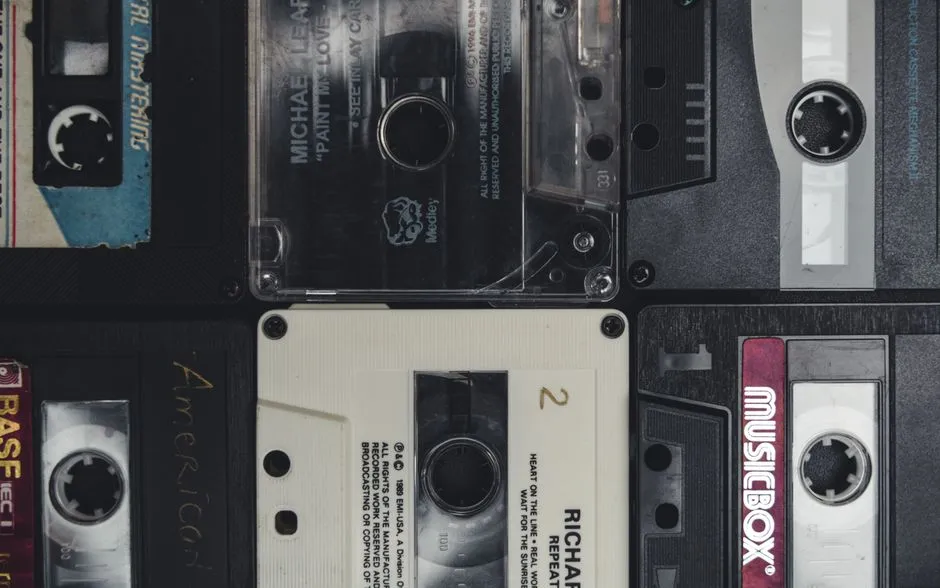
Ironically, the very thing that replaced the cassette is part of why people are returning to it. One factor boosting the cassette’s popularity is streaming itself. Young people are feeling jaded or cheated by the way streaming works, according to music journalist Marc Masters, author of High Bias: The Distorted History of the Cassette Tape.
To many, this resurgence is about returning to a cherished era, one that might feel more relevant than our current one. It’s a physical reminder of a particular approach to music, one where we value and hold it, which is a million miles away from Spotify.
Cassette tapes are coming back, not as a universal standard, but as a niche movement – a badge of authenticity, intimacy, and creative expression. A mix tape handed to someone is something streaming simply cannot replicate.
The Neuroscience Behind Why Road Trip Music Hits Different
There’s actual brain science behind why a well-curated road trip tape can feel so powerful. When you hear a song from your youth, you’re not just reminiscing. You’re lighting up key regions of your brain. A study led by Assal Habibi of the Brain and Creativity Institute at USC Dornsife found that nostalgic music engages both the brain’s default mode network, linked to memory and self-reflection, and its reward circuitry.
Researchers found that nostalgic music not only improves your mood but also increases feelings of optimism and life satisfaction, and this effect is particularly pronounced during challenging times.
Studies show that music-evoked nostalgia acts as a form of self-regulation, offering emotional comfort and buffering against stress and challenging emotions like sadness. On a long drive, that matters more than most people realize.
The Art of Curation: What Made the 80s Mix Tape Special
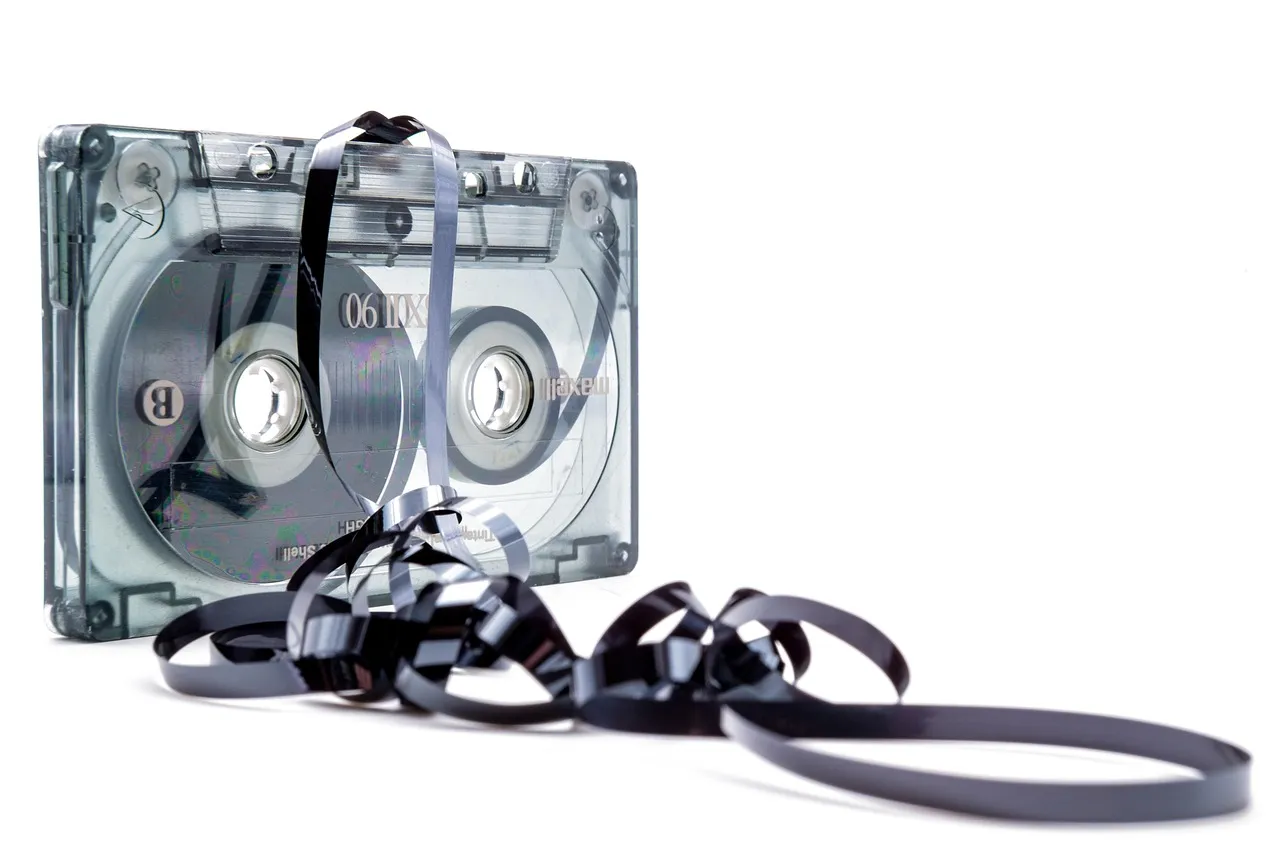
Long before the streaming playlist rose to power, the mix tape reigned supreme. Curating the right songs, recording them to cassette, and lining them up just right was a true labor of love. The effort itself communicated something that no auto-generated playlist can.
It takes a few hours to make one, but it’s hard to argue with the humanity found in the tangible mix tape. Like most creative endeavors, making a truly memorable mix tape is an art form refined over time.
The constraint of two physical sides forced you to make real choices. You couldn’t just add everything. The 45-minute limit per side was a creative boundary that produced better results, not worse ones. That discipline is the thing worth recovering.
What You Actually Need to Get Started
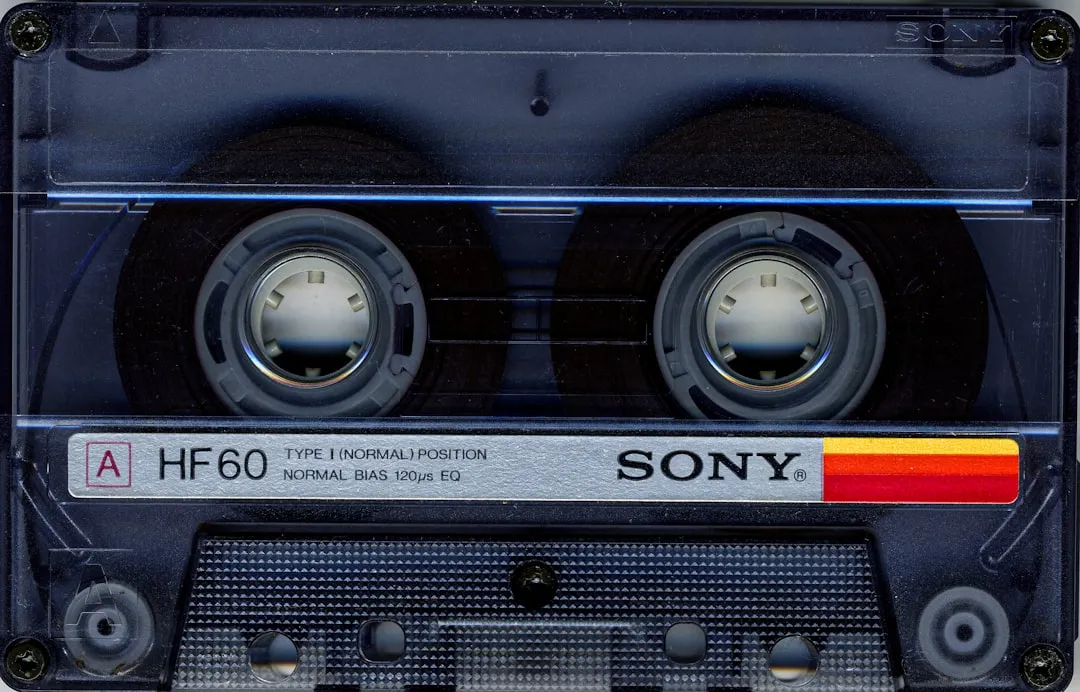
Modern mix tape creation on a cassette eliminates the necessity of a complete 1980s hi-fi setup but does demand some fundamental components, starting with a cassette deck with a record function. Look for Tascam or TEAC models, or explore secondhand options.
Blank cassette tapes come in Type I and Type II, where the choice depends on whether you want warmth or clarity of sound. Your audio source can be a laptop, phone, vinyl player, or CD deck. Most cassette decks require RCA inputs, so you’ll need a 3.5mm adapter to link contemporary devices.
If you’re looking for a portable player rather than a full deck, by 2023 and 2024, businesses had taken note of the unusual rise in cassette music sales and responded by releasing new devices, including the FiiO CP13, which is praised for its high-quality sound transmission within its class. The hardware barrier is genuinely lower than you’d expect.
How to Sequence a Road Trip Tape Like a Pro

A mix tape should function as a brief cinematic experience. Think about whether you want it to tell a story or simply create a vibe. For a road trip specifically, the arc of the journey matters enormously.
Breaking any themed playlist into chapters depending on the mood of the drive is a smart strategy. Starting mellow and reflective as the sun comes up, shifting into high-energy tracks when you hit open roads, and ending with soulful anthems that make the whole car sing is a time-tested approach.
A 90-minute tape gives you two 45-minute sides. Side A can carry the early miles, building slowly from calm to energized. Side B earns the long stretches, holding the anthems and the songs people know by heart. The flip of the tape itself becomes a natural intermission, a small ritual within a larger one.
The Science of Music and Driving: Choose Wisely

A good road trip tape isn’t just emotionally thoughtful, it’s practically sound. More than 80 percent of drivers listen to music on most trips. The type of music you choose, though, genuinely affects how you drive.
Familiar or preferred music tends to maintain mood and reduce stress without adding as much mental load. That’s exactly the argument for a personally curated tape over an algorithm-generated playlist of unfamiliar tracks.
Research has consistently shown that music affects our emotional state in profound ways. According to the American Psychological Association, listening to music can reduce stress, lower blood pressure, and even decrease road rage incidents. A well-paced tape, one that doesn’t spike constantly into high-energy moments, is the smart choice for long drives.
The Cover Art and Liner Notes Still Matter
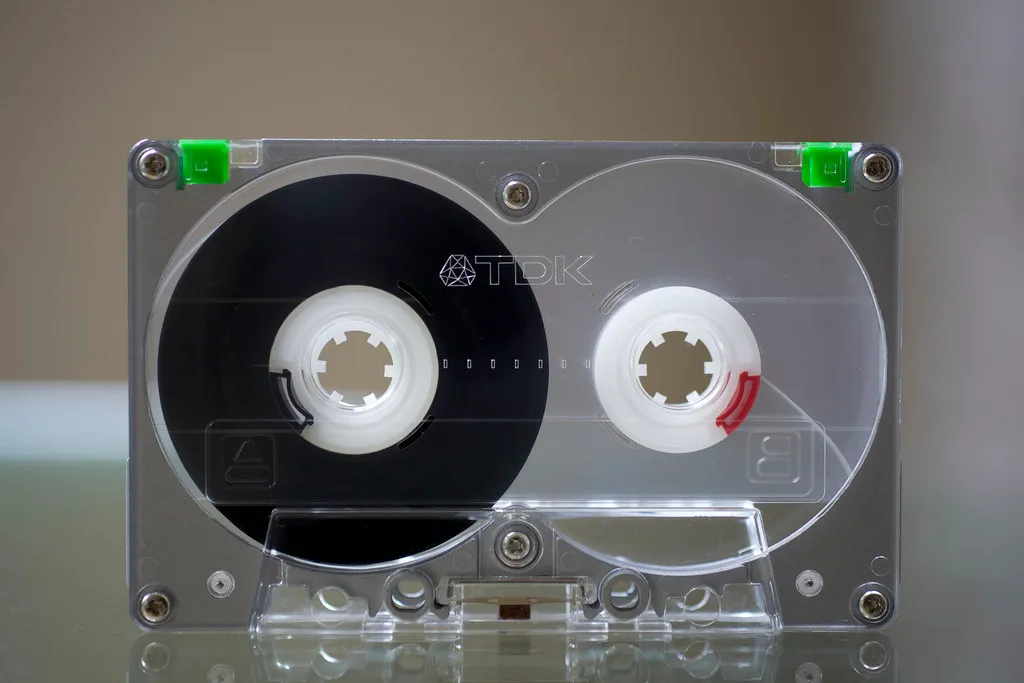
The physical object was always part of the experience. For the more ambitious mix tape maker, the job was not complete until each cassette had cover art that matched the sonic brilliance within. That handmade quality is exactly what makes a tape feel like a gift rather than a task.
After recording your own mix tape, you can design the packaging in any way you want. You can buy j-cards and cassette cases and use acrylic paint, stickers, washi tape, and colored markers. The more personal, the better.
Analog formats such as cassettes and vinyl are not prized for their sound, but for the tactility and sense of connection they provide. The liner notes, the handwritten track list, and the small artwork on the j-card all communicate that someone spent real time on this. In 2026, that is genuinely rare.
Gen Z Is Already Doing This – and They Didn’t Even Live Through It
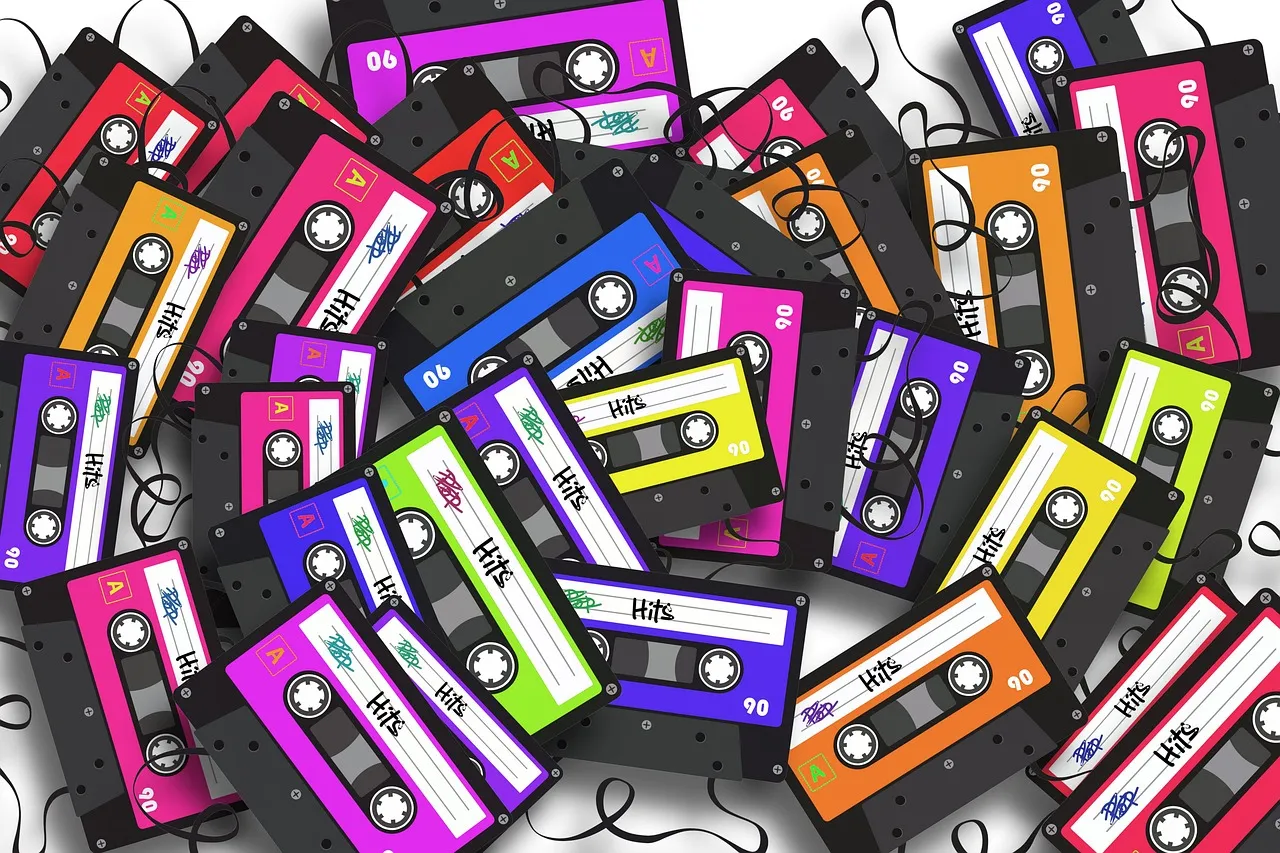
One of the more surprising parts of the cassette revival is who’s driving it. It’s mostly young people buying and listening to music on cassettes. Research conducted by Key Production, a British manufacturer, revealed that an estimated 59 percent of individuals aged 18 to 24 are actively consuming music through physical media, including compact cassettes.
Market analysts point to several key reasons behind the growing popularity of cassettes, including a longing for the analog era. Members of Generation Z, who barely experienced the era themselves, feel a sense of nostalgia for everything warm and vintage.
Cassette sales have exploded in 2025, big-name artists are releasing new albums on tape, and Gen Z is treating mix tapes like the new love language. If anyone tells you this is a fad, the numbers are not in their favor.
The Hybrid Approach: Analog Feeling, Modern Convenience
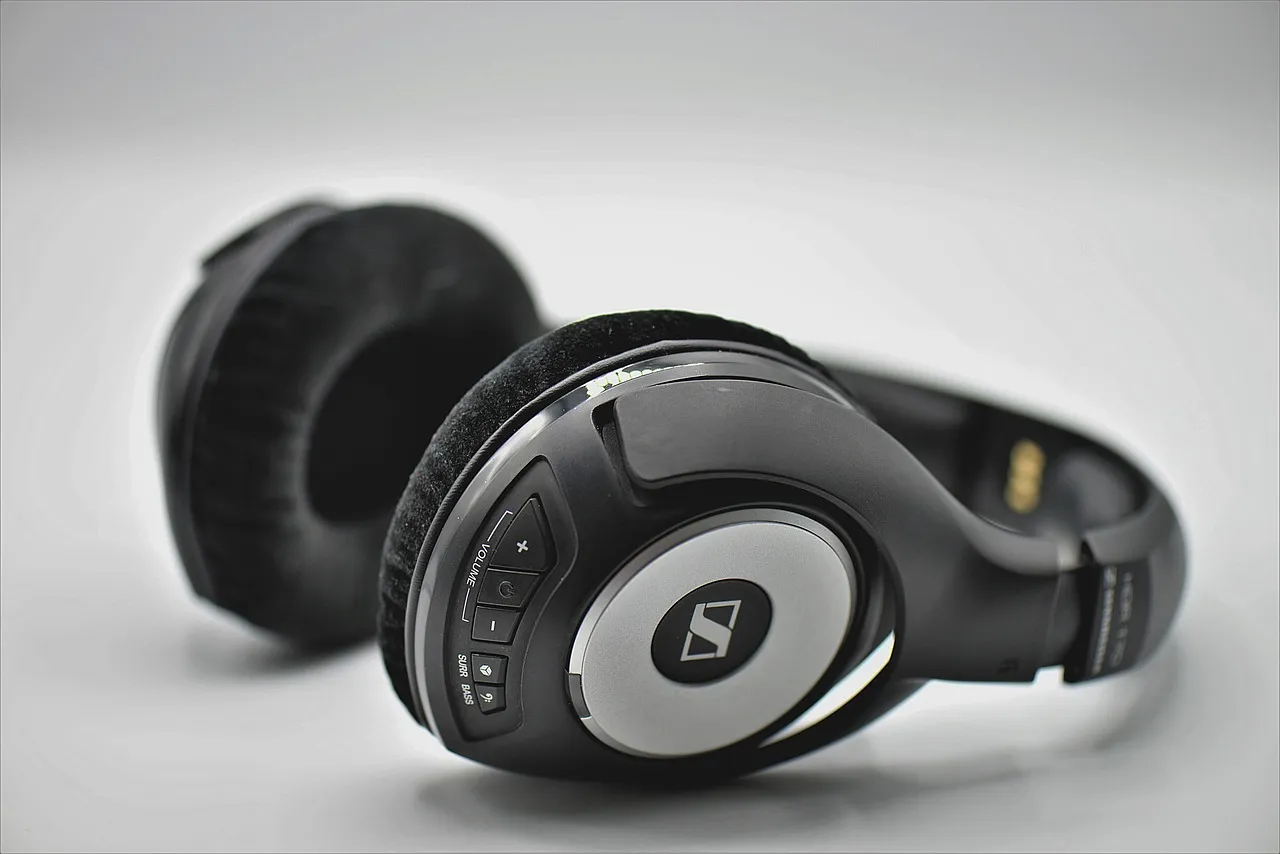
You don’t have to choose between the romance of a cassette and the practicality of the modern world. Modern cassette players combine vintage aesthetics with contemporary technology. Bluetooth-enabled cassette players now allow users to enjoy the analog charm of tapes while connecting wirelessly to headphones or speakers, blending retro appeal with modern convenience.
In 2026, a new generation of devices combines retro charm with modern technology. Two categories stand out: Bluetooth boomboxes for home and cassette players for on-the-go listening. The French brand We Are Rewind has made a strong impression with its Blaster Curtis GB-001, a neo-retro boombox packed with a cassette player, Bluetooth 5.4, and backlit VU meters.
If your car doesn’t have a tape deck, newer adapter technology lets you stream directly from a cassette deck to your car’s Bluetooth system with no converters or ripping software needed. The analog spirit and the digital road are no longer mutually exclusive.
The Takeaway
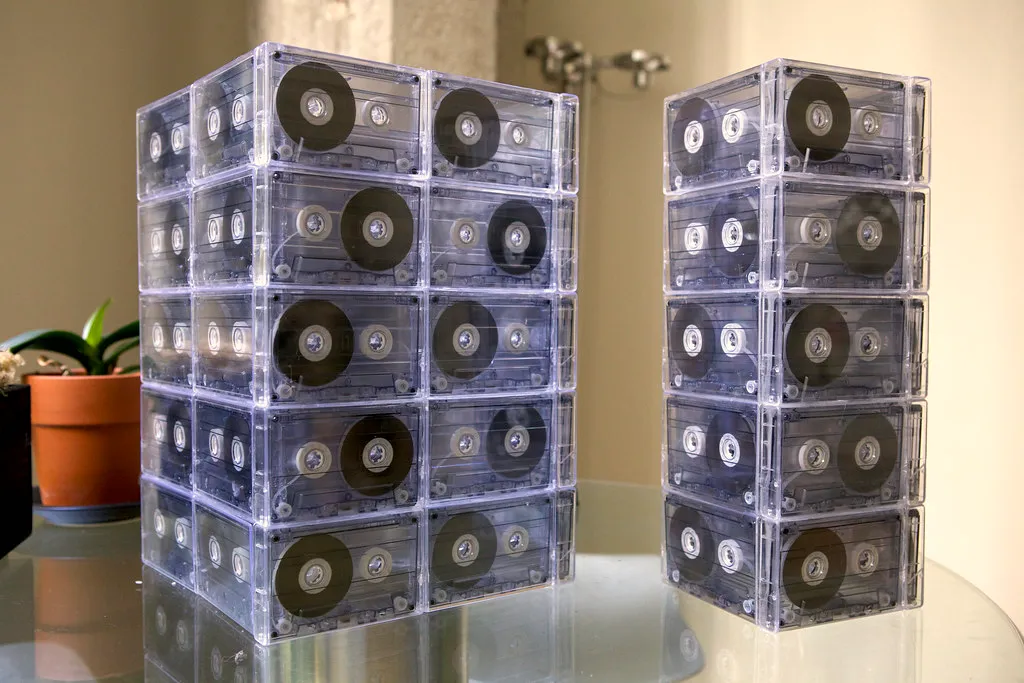
The 1980s road trip mix tape was never really about the cassette format. It was about attention, intention, and the idea that the music accompanying a journey deserves as much thought as the route itself. Those things haven’t aged at all.
The data supports the revival. The neuroscience explains why it works. The equipment is available, and the culture is already moving in this direction. All that’s left is the actual sitting down to do it – choosing the first song, deciding what comes next, and committing to a sequence that tells someone something true.
Pull out the blank tape. The open road is patient.
AI Disclaimer: This article was created with the assistance of AI tools and reviewed by a human editor.