

Somewhere between Tokyo and Osaka, a train carrying hundreds of passengers glides to a halt at the exact second it was scheduled to arrive – not within a few minutes, not “close enough,” but precisely on time. This is not an accident or a stroke of luck. It happens roughly 130,000 times a year on the Tokaido Shinkansen alone.
The Shinkansen’s near-perfect punctuality has fascinated travelers and transport experts for decades. What makes it so reliable isn’t a single magic ingredient – it’s a carefully layered combination of engineering, culture, training, and obsessive operational discipline. Here’s what actually goes on behind the scenes.
The Numbers Are Almost Unbelievable
Japan’s bullet train network, the Shinkansen, is renowned for an average delay of just 54 seconds per train – including delays caused by natural disasters. Some years are even more impressive. In Japanese Fiscal Year 2019, an average of 378 trains operated daily on the Tokaido Shinkansen with an average delay of just 12 seconds.
To put that in perspective, consider what other rail networks define as “on time.” The UK’s National Rail system recorded 86.8% of trains arriving within 5 to 10 minutes of schedule in the first quarter of 2025, while Amtrak in the United States reported roughly 72% on-time performance across all lines in 2024. The Shinkansen is measuring delays in seconds. Everyone else is measuring in minutes.
Dedicated Tracks Change Everything
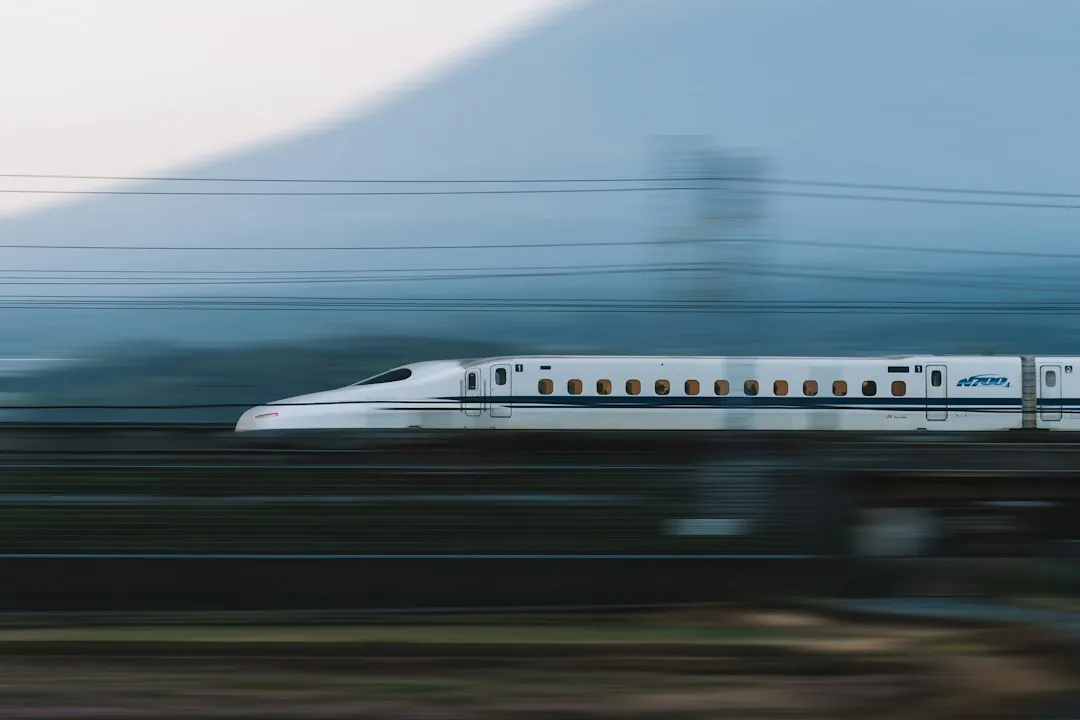
The Shinkansen runs on its own standard-gauge lines, entirely separate from the narrow-gauge network used by local and freight trains. This one decision, taken in the 1950s, removes the most common source of delay on European and American networks.
Shinkansen lines operate on completely separate tracks without level crossings, removing many of the collision risks found in conventional rail systems worldwide. When a train doesn’t have to share its corridor with slower local services, freight cargo, or road traffic, the schedule becomes genuinely controllable. The infrastructure itself does much of the work.
Timetabling Is a Science, Not a Spreadsheet
The timetable planners – known as sujigaya – work in 15-second increments, and for the Shinkansen the operational plan accounts for the time it takes passengers to board, the acceleration curve of a specific train type, and the gradient of a specific section of track. Nothing is approximated. Every station stop, every curve, every climb is built into the schedule with mathematical precision.
Watch a Shinkansen departure closely and you’ll see a fixed sequence performed identically every time: doors close at a set number of seconds before departure, the conductor checks the platform, points at the signal and the clock, and the train moves at the scheduled second. It’s closer to a choreographed routine than a train departure.
The Seven-Minute Miracle at the Platform
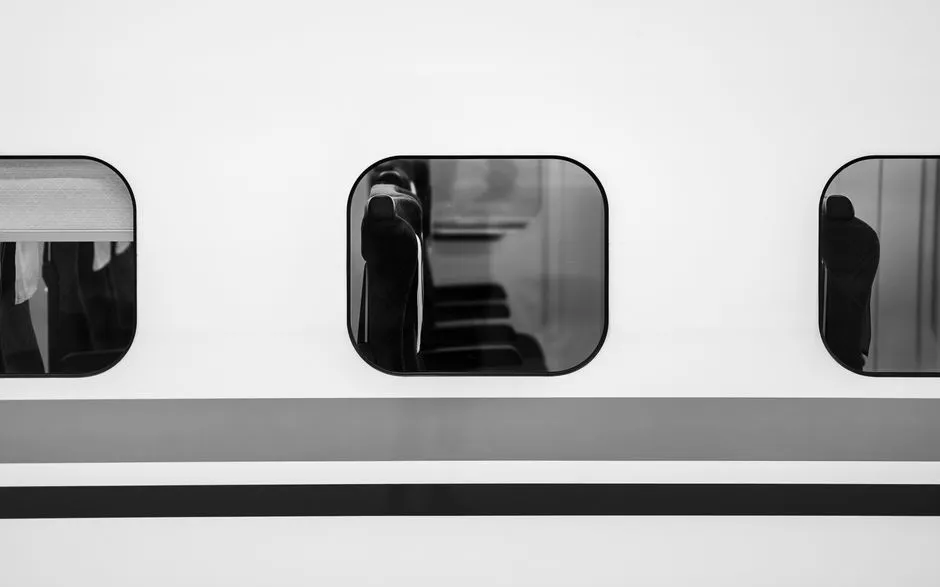
A striking example of the efficiency in the Japanese rail system is the famed “Seven-Minute Miracle” – a term that refers to the rapid cleaning process performed on the Shinkansen trains. When a train pulls into Tokyo Station, a team of cleaners boards, rotates every seat to face the direction of travel, wipes all surfaces, and exits – all before the next boarding call begins.
This cleaning feat is not only a testament to the efficiency and dedication of the cleaning staff but also plays a critical role in maintaining the train schedules. A dirty or unready train means boarding delays, and boarding delays compound down the line. The seven-minute turnaround makes sure the next departure is never held back by the previous journey.
Drivers Who Talk to Themselves – On Purpose
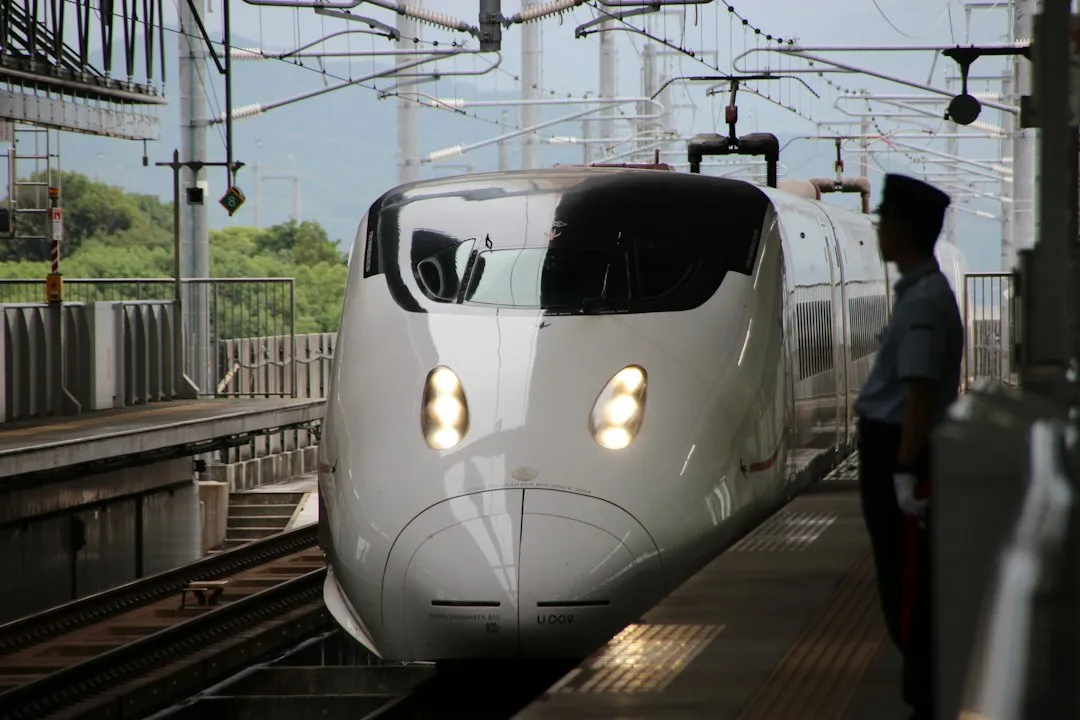
Shinkansen drivers are trained to talk to themselves throughout their journey, continually logging how they are performing to schedule. This practice, called “pointing and calling,” involves verbalizing each action and check out loud. It sounds unusual, but research consistently shows it dramatically reduces human error on the job.
The average delay is less than 60 seconds, and any longer means the driver has to file a formal report. That accountability isn’t punitive – it feeds into a continuous data loop where every delay, however brief, is analyzed so the system can learn and improve.
The Technology Running Beneath the Surface
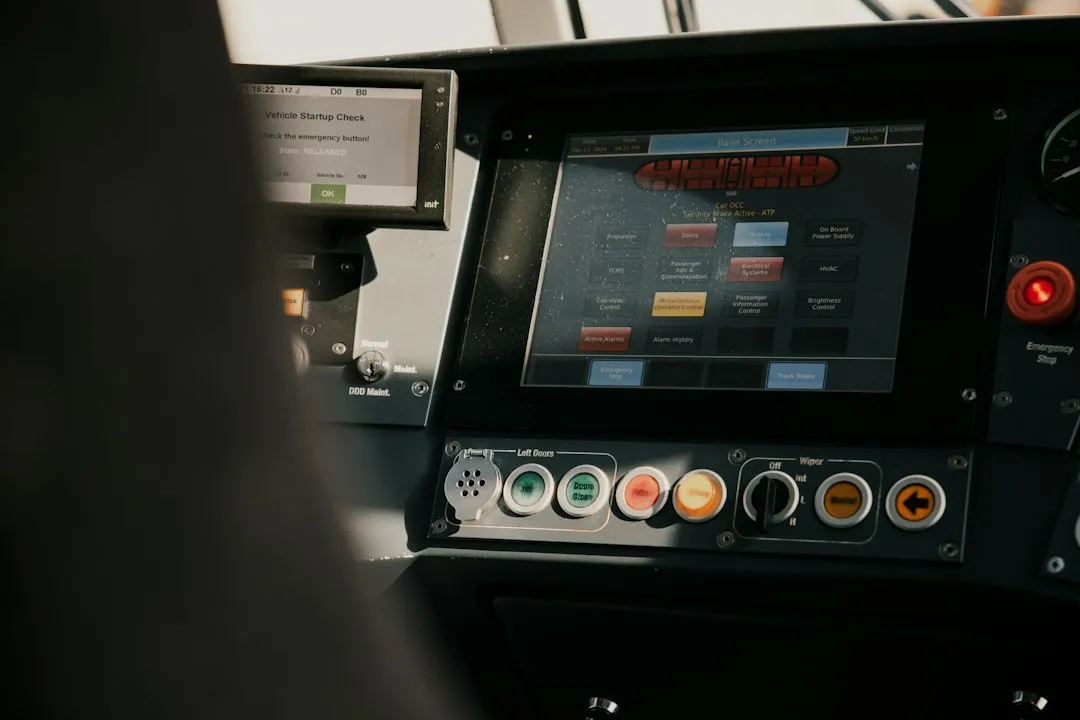
The Computerized Safety, Maintenance, and Operation Systems of Shinkansen – known as COSMOS – manages all aspects of Shinkansen operations comprehensively, encompassing the scheduling of train timetables, train traffic management, and the oversight, control, and maintenance of equipment. This is the central nervous system of the whole operation, tracking every train in real time.
Automatic train control technology regulates train speeds and ensures safe distances between trains, significantly aiding in adherence to schedules. When a train is running slightly behind, the system can authorize a controlled speed increase to recover lost time – without the driver having to make that judgment call alone.
Earthquakes Don’t Ground the System for Long
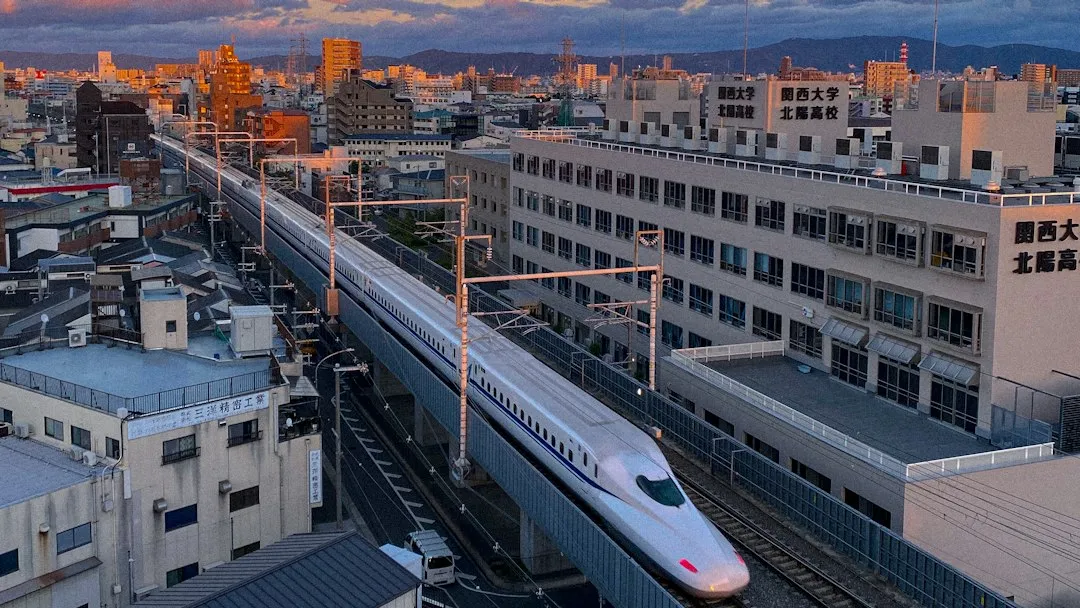
Japan sits on one of the most seismically active zones on Earth, so the Shinkansen’s designers have had to solve a problem no other high-speed rail network faces quite so regularly. Sensors placed along the tracks detect seismic activity and automatically trigger emergency braking before the strongest shaking arrives – a system known as UrEDAS, refined over decades and proven effective during major events such as the 2011 Tohoku earthquake.
When an earthquake occurs, the earthquake-disaster-prevention system automatically analyzes the seismic motion, assesses the impact on the Shinkansen, and issues a warning to the necessary areas. Upon receiving this warning, the power supply to the Shinkansen is automatically stopped at the substations, and all trains within the affected area are halted. Services resume only after crews verify track alignment, overhead wiring, and signaling – safety first, every time.
Nightly Maintenance That Passengers Never See
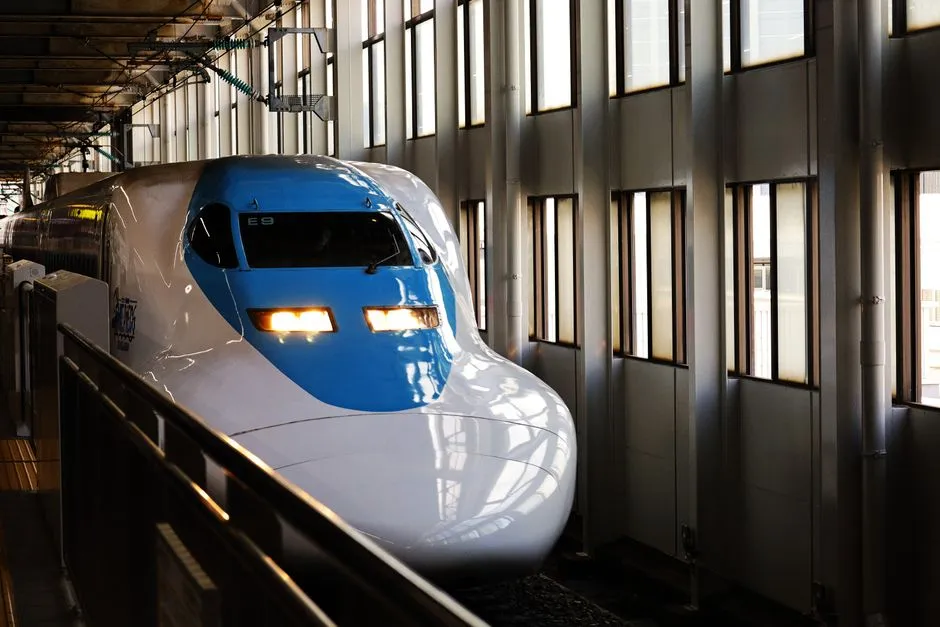
Infrastructure and rolling stock are inspected on strict schedules, with dedicated maintenance trains running nightly checks across networks such as the Tokaido Shinkansen during non-operating hours. The window between the last train and the first train of the morning is used with military efficiency – inspection vehicles roll through tunnels, crews check track geometry, and any fault is addressed before dawn.
Japanese rail companies continually analyze performance data to identify and mitigate potential causes of delays, constantly striving for even greater punctuality on Shinkansen trains. This ongoing analysis means the system is always improving, never coasting on its own reputation.
A Safety Record That Stands Alone
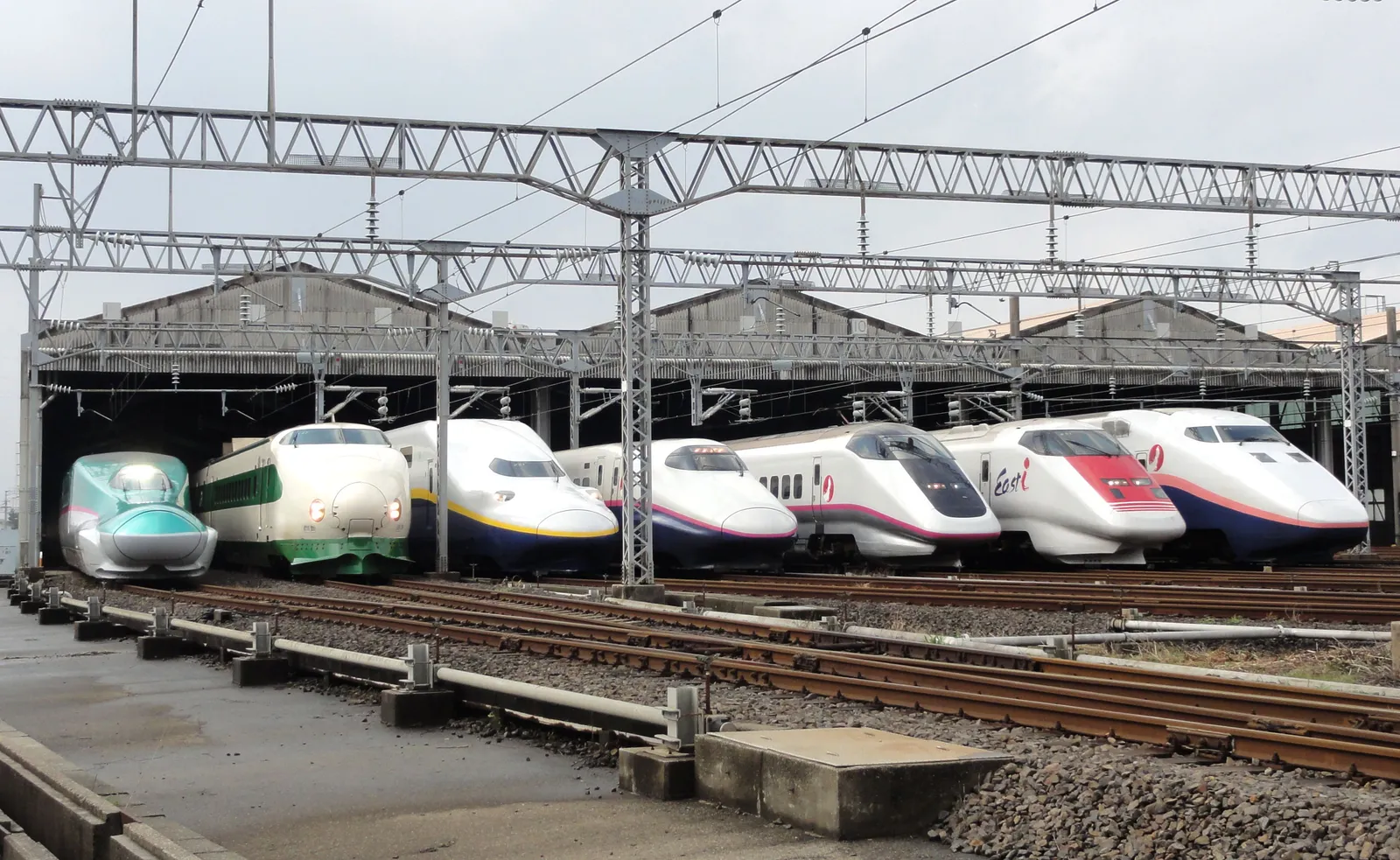
Japan’s bullet trains have recorded zero passenger fatalities in their 60 years of operation. That’s an extraordinary achievement for any form of transport, let alone one traveling at speeds of up to 320 kilometers per hour. The Shinkansen has maintained this exceptional safety record through earthquake detection systems, dedicated tracks, and strict maintenance, despite occasional derailments during major seismic events.
Punctuality and safety are deeply connected here. A network that is rigorously maintained, carefully monitored, and conservatively operated in difficult conditions is also one that is far less likely to suffer the mechanical failures that cause delays. The two goals reinforce each other.
Scale That Makes the Achievement Even More Impressive
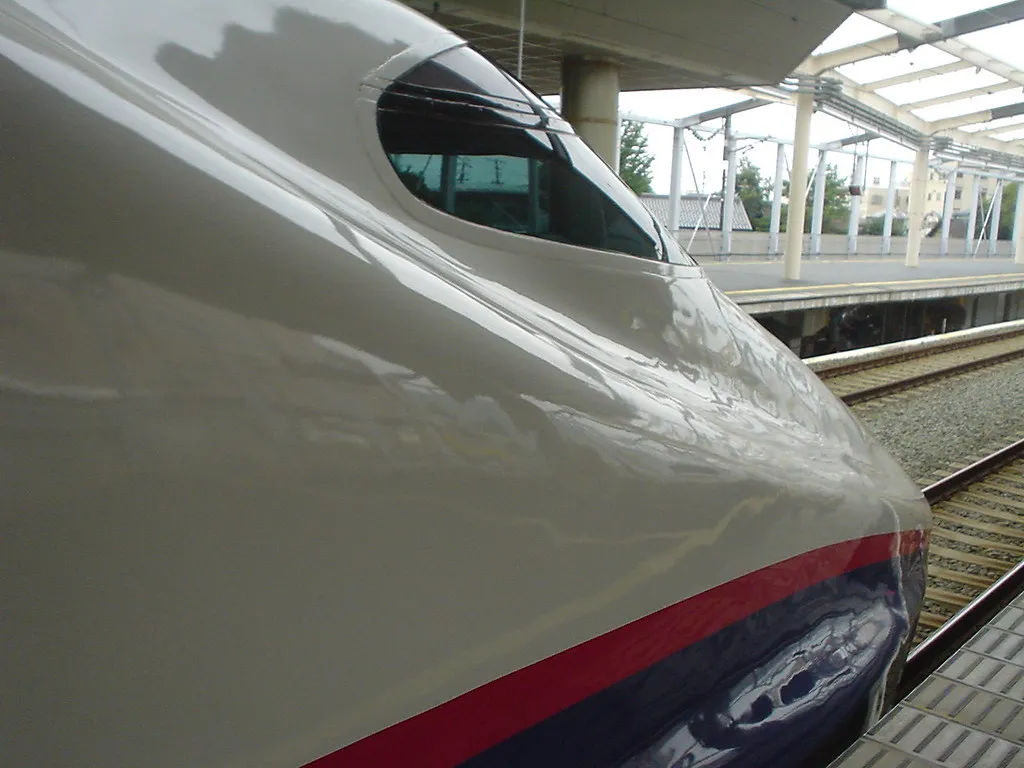
The wider Shinkansen network now carries close to a million passengers on an average day, handling several hundred services daily on the Tokaido corridor alone during peak travel periods. The Tokaido Shinkansen handles over 150 million passengers per year. Managing that volume while still delivering second-level punctuality is remarkable by any measure.
Statistics from the OECD showed that 28% of passenger kilometers in Japan were traveled by rail, compared to just 0.25% in the United States and 5% in the United Kingdom. Rail isn’t a niche option in Japan – it’s the backbone of daily life for tens of millions of people, which means the pressure to perform is constant and unrelenting.
The Takeaway
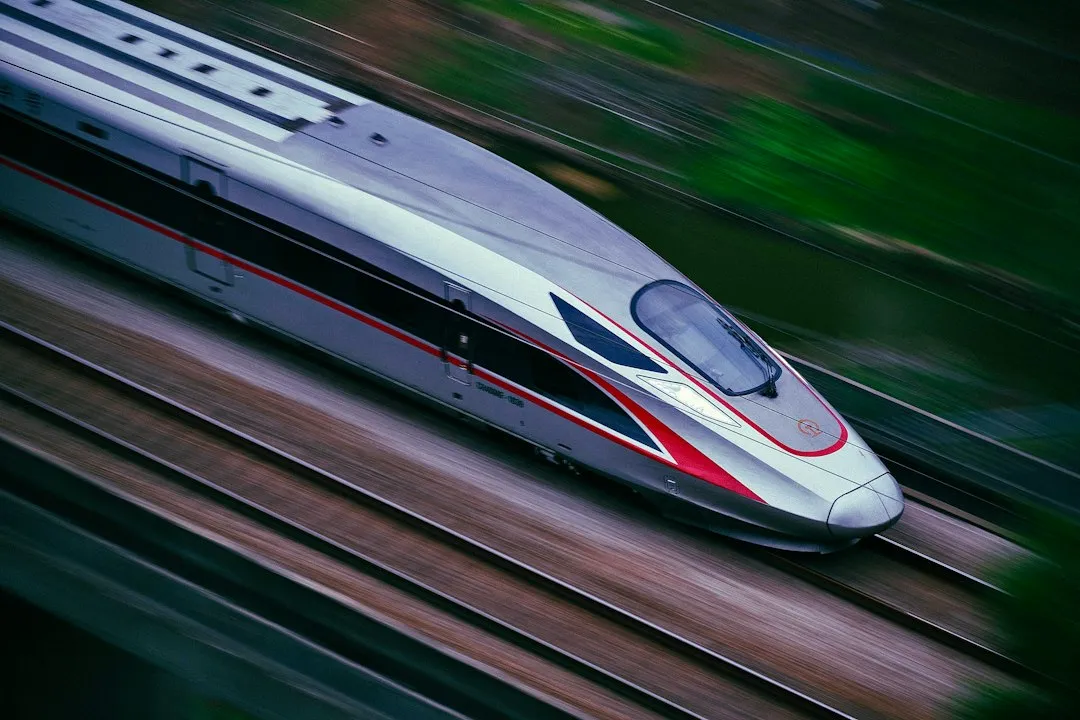
Japan’s bullet trains are almost never late because almost nothing about their operation is left to chance. The tracks are exclusive, the technology is layered, the timetabling is surgical, and the people involved – from drivers to cleaning crews to control-room operators – treat precision as a professional standard, not an aspiration.
In international comparisons, the Shinkansen is often cited as a benchmark for timetable reliability, especially when contrasted with long-distance rail performance in Europe and North America. Other countries have studied the Shinkansen for years and taken notes. The core lesson is straightforward: punctuality at this level isn’t a cultural accident. It’s a choice – made in the design, the training, the maintenance schedules, and the organizational culture, every single day.
AI Disclaimer: This article was created with the assistance of AI tools and reviewed by a human editor.