
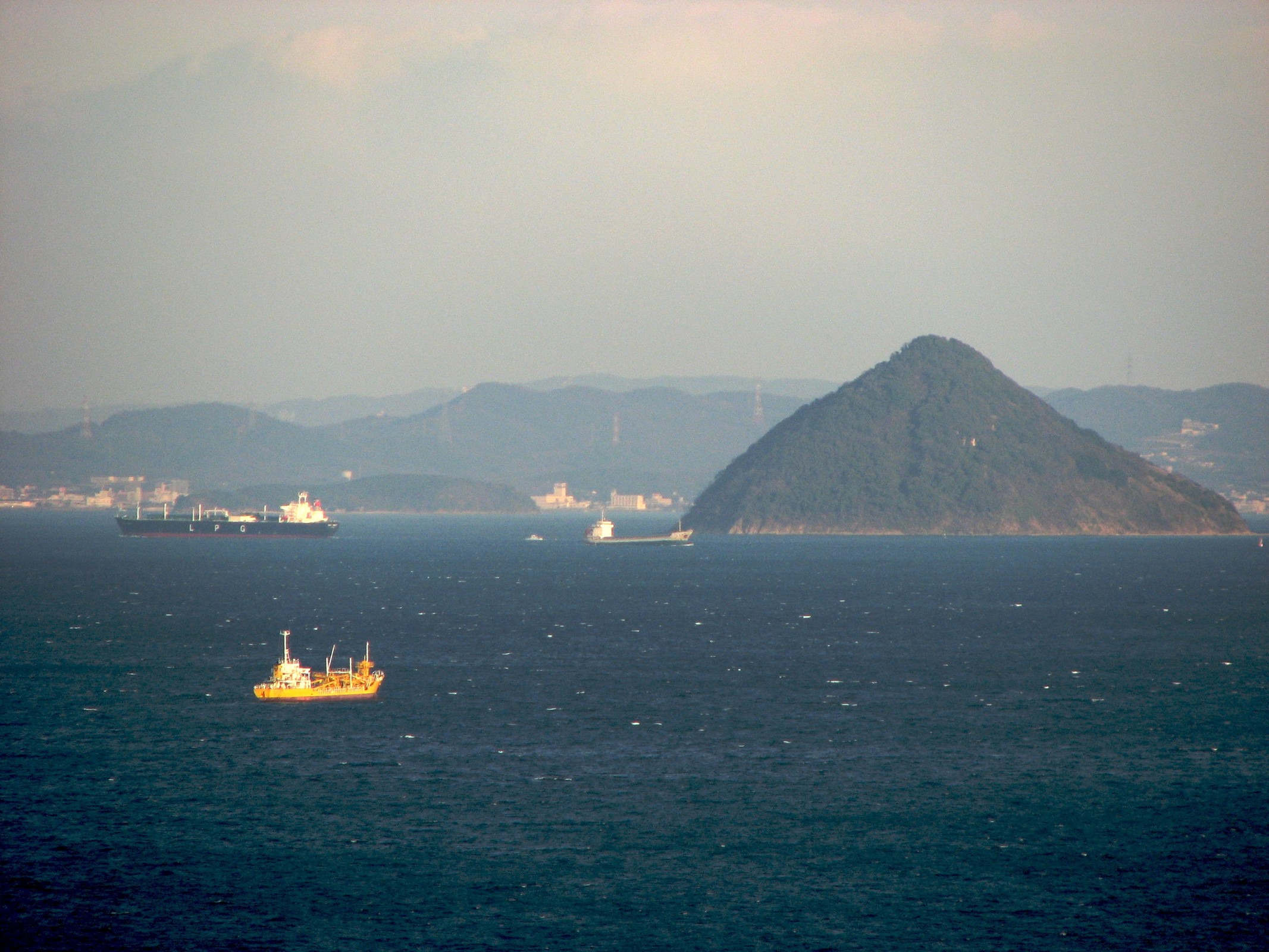
There is a particular quality to mornings on the Seto Inland Sea. The light comes in softly off the water, fishing boats sit quiet at the dock, and nobody seems to be in a hurry. For travelers worn out by the rush of Tokyo or Kyoto’s peak-season crowds, this corner of Japan feels almost like a different country.
The Seto Inland Sea lies between Honshu, Shikoku, and Kyushu, three of Japan’s main islands, and is renowned for its mild climate, scenic coastlines, and rich history. It offers a slower, more contemplative landscape compared to the big cities, with a wealth of cultural attractions ranging from world-class art venues to ancient temples, and thousands of islands and islets to explore. The Setouchi region, as it’s broadly known, doesn’t demand anything of you. It simply invites you to stay a while.
A Sea of More Than 700 Islands
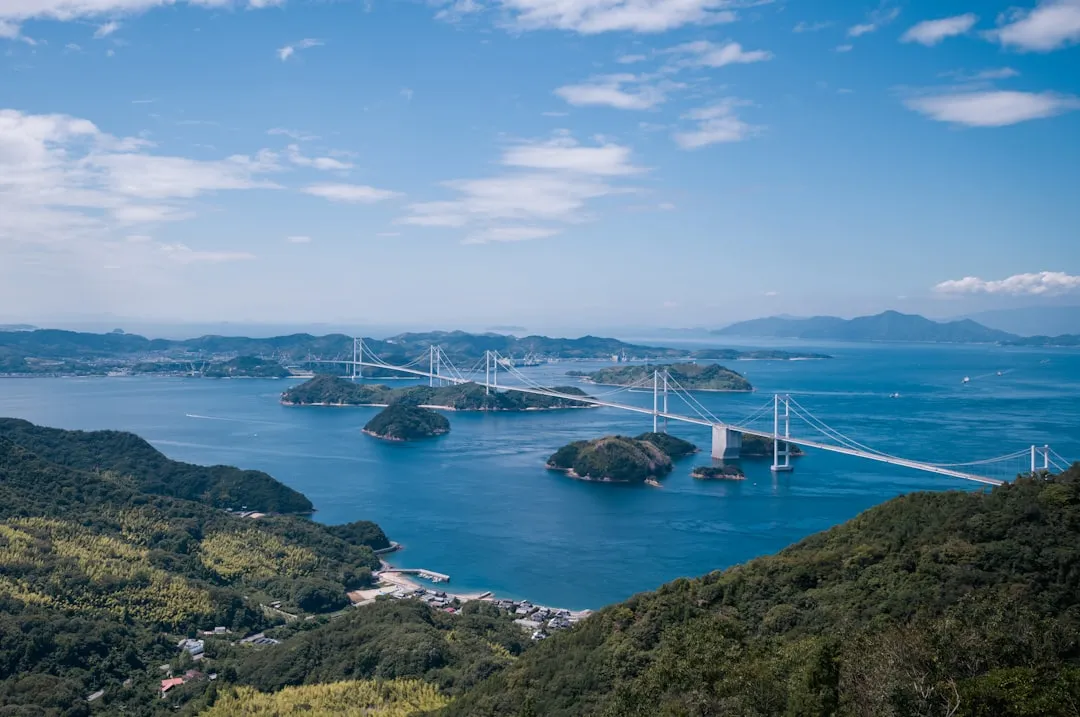
Bordered by the islands of Honshu, Shikoku, and Kyushu, the Seto Inland Sea is the largest inland sea in Japan, with mild waters home to more than 700 islands, large and small, and natural beauty that makes it a regular entry on travel magazine must-visit lists.
The sea spans approximately 270 miles, or 440 kilometers, from east to west, composed of five distinct areas interconnected by channels. That scale is part of what makes this place feel endlessly explorable. Most visitors only scratch the surface, and that is, in a way, the whole point.
The Seto Inland Sea has served as a vital transportation and trade route for centuries, with ancient ships carrying goods and people between the Japanese archipelago and the Asian mainland, particularly China and Korea. The layers of history here run very deep.
The Mediterranean of Japan
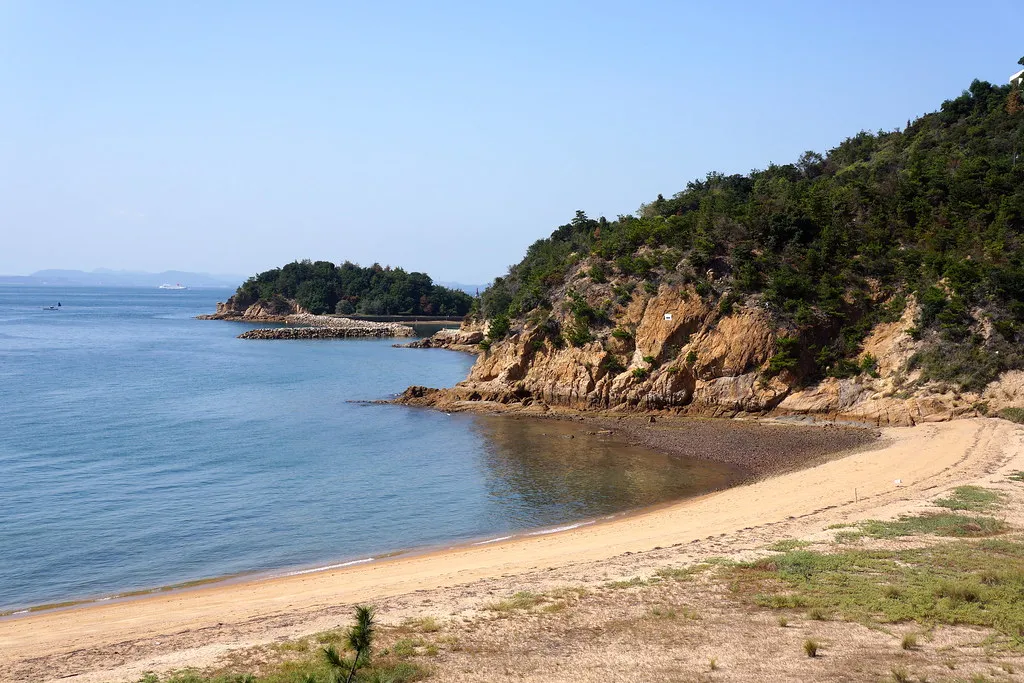
The region is sometimes called the Mediterranean of Japan, a comparison earned through its mild climate and scenic, island-dotted coastlines. The Setouchi region stretches across parts of Hyogo, Okayama, Hiroshima, Yamaguchi, Kagawa, Tokushima, and Ehime.
Travelers around the world are increasingly seeking experiences that slow the pace and reconnect them with culture, nature, and a sense of presence, and Japan’s Setouchi region is drawing attention for its blend of onsen traditions, contemporary art, and restorative landscapes that invite visitors to pause and unwind.
According to the Setouchi Tourism Authority, these elements reflect growing global interest in mindful journeys that go beyond sightseeing to encourage reflection, creativity, and emotional rejuvenation. It’s a remarkably honest pitch for a travel destination: come here and feel something, rather than photograph everything.
Getting Here Is Part of the Experience
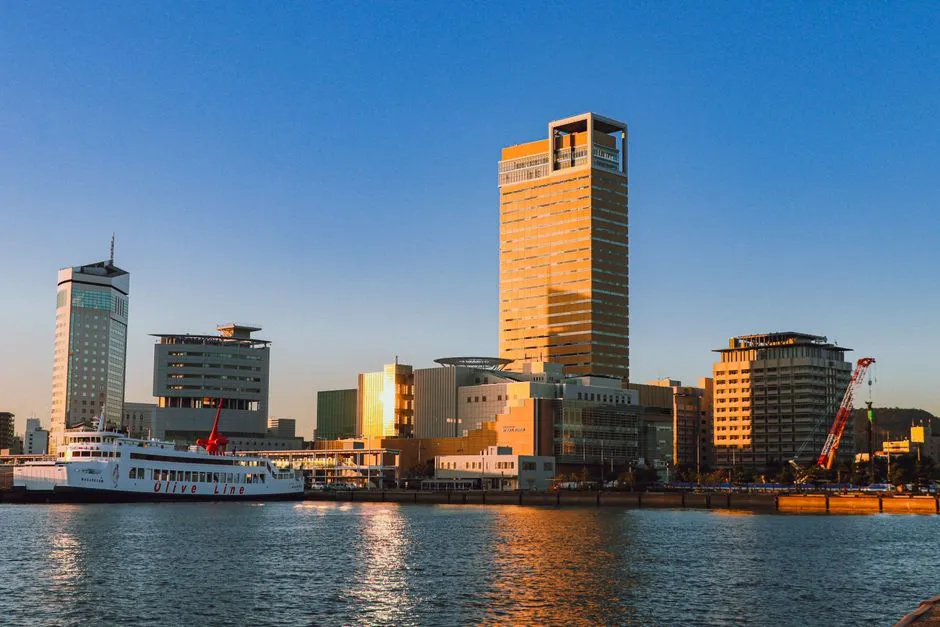
Japan’s Setouchi region is easy to reach and rewarding to explore, whether you’re flying in, riding the shinkansen, or island-hopping by ferry. Takamatsu Airport serves as the main gateway to Kagawa Prefecture and the art islands such as Naoshima and Teshima.
Island hopping is one of the best features of the Inland Sea, and boats are the major mode of transportation for getting around. One of the best cities to use as a base for island hopping is Takamatsu, situated on Shikoku Island.
While the high-speed shinkansen remains a symbol of efficiency, regional rail lines, local buses, and cycling routes are being promoted as ways to experience the scenery at a more relaxed tempo. There’s a real pleasure in arriving somewhere by slow boat, watching the island grow larger on the horizon.
The Setouchi Triennale and the Power of Art in Place
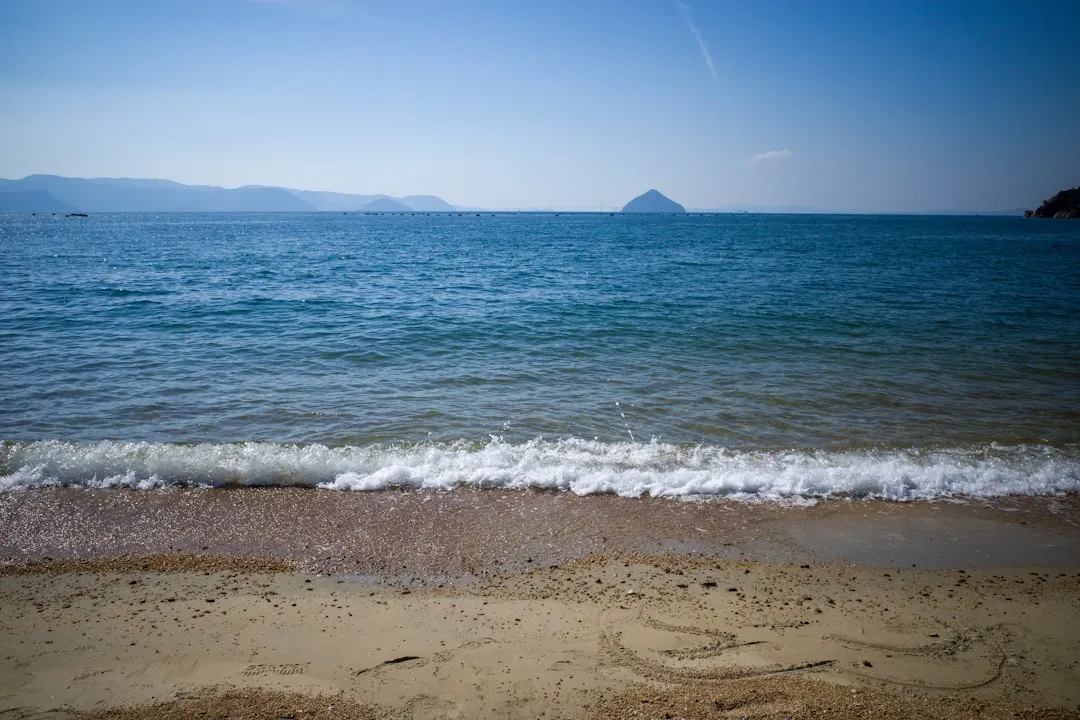
The Setouchi Triennale art festival has taken place on the islands of the Seto Inland Sea every three years since 2010, and in 2025, the sixth edition drew visitors from across Japan and beyond to admire site-specific artworks executed with the assistance of local residents.
In 2025, the festival’s spring, summer, and autumn sessions covered about 100 days in total, with 222 artists and groups from 37 countries participating and 255 works of art displayed at 17 locations scattered across the islands. The most-visited Setouchi Triennale to date remains the 2019 festival, which attracted roughly 1.18 million visitors, with about a quarter of them from outside Japan.
The works on display highlight the region’s natural beauty, local industries, history, and way of life, encouraging visitors to interact with artists and island residents, and this deep connection between art and community has garnered the Triennale international recognition as a groundbreaking approach to tourism and regional revitalization.
Naoshima: Where Contemporary Art Meets Quiet Island Life
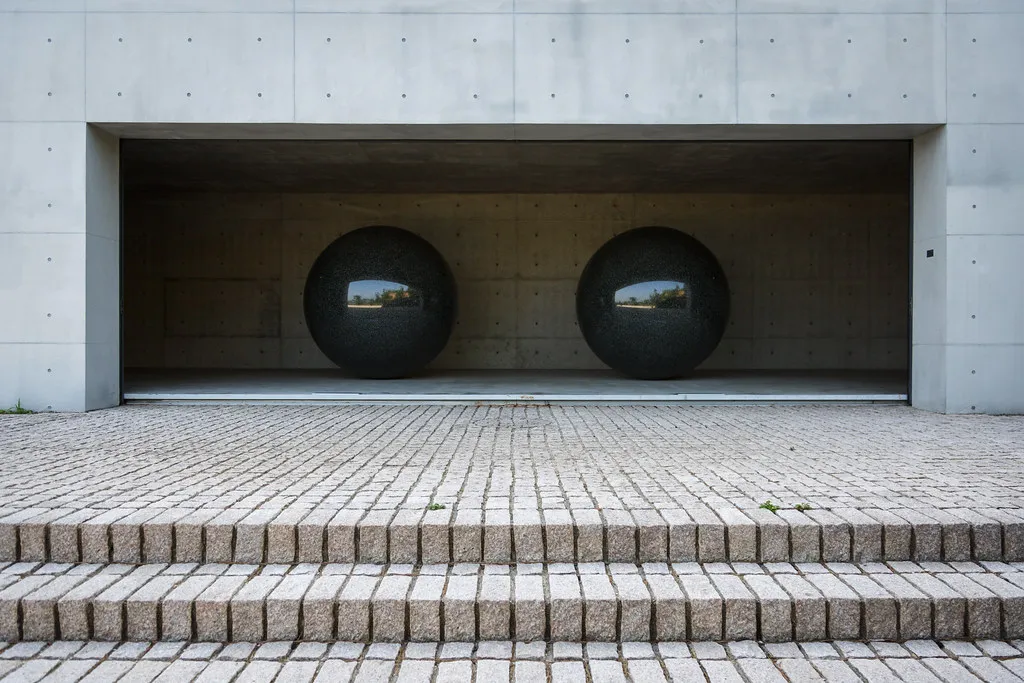
Among all the Seto Inland Sea islands, Naoshima is especially famous and is known as a “holy land” of contemporary art. It covers approximately eight square kilometers and has a population of around 3,000 people.
The Chichu Art Museum was constructed in 2004 as a site rethinking the relationship between nature and people, built mostly underground to avoid affecting the beautiful natural scenery of the Seto Inland Sea, with artworks by Claude Monet, James Turrell, and Walter De Maria on permanent display in a building designed by Tadao Ando.
The museum building, designed by Ando Tadao and itself considered a work of art, is mostly located underground and solely utilizes natural light to illuminate the artwork, creating a viewing experience that is heavily influenced by the surrounding natural environment. The Naoshima New Museum of Art, also designed by Tadao Ando and part of the Benesse Art Site, opened in May 2025.
Teshima: Listening to the Island
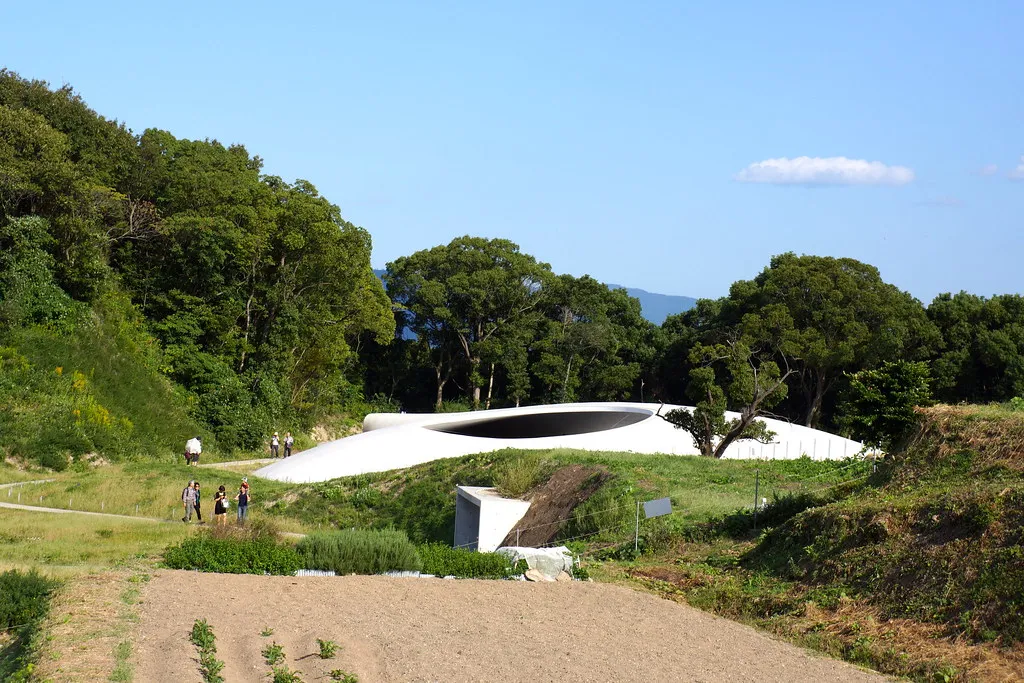
The droplet-shaped Teshima Art Museum stands over a hill in the Karato area, and sunlight, wind, raindrops, insects, and the voices of birds are led into the museum’s interior space through openings in its shell, with the appearance of the artwork inside changing constantly as time passes.
In the artwork Matrix, water springs from the ground in a daylong motion, and visitors are invited to experience the very beginning of this cycle as water starts trickling out, marking the beginning of a new day. This is exactly the kind of art that can’t be rushed. You have to sit with it.
Teshima is a small island with terraced rice paddies and an unhurried pace of daily life that complements the meditative quality of its art institutions perfectly. The island illustrates how the Triennale has used culture not just as attraction but as a way of re-anchoring communities.
Cycling the Shimanami Kaido
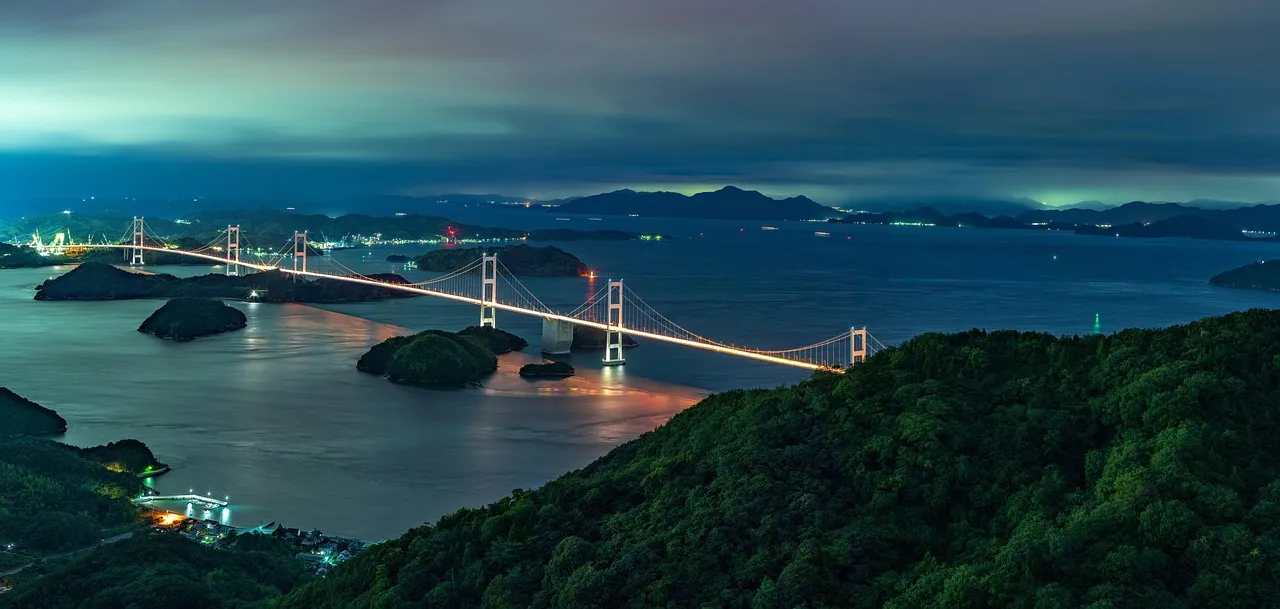
Via nine bridges, the 70-kilometer-long Shimanami Kaido cycling road connects islands in the Seto Inland Sea between Onomichi City in Hiroshima Prefecture and Imabari City in Ehime Prefecture. It is the only route in Japan that allows you to cross between the straits on foot or by bicycle, and it has been selected as one of the seven greatest cycling courses in the world by CNN.
Nicknamed the “cyclist’s holy land” by enthusiasts, the route offers a unique immersion in rural and maritime Japan, allowing travelers to contemplate breathtaking coastal landscapes, picturesque fishing villages, and abundant citrus orchards.
Visitor numbers along the route continue to grow, with around 173,000 public rental-cycle uses recorded in 2025, and 530,000 foreign visitors to Onomichi in 2024 compared with 340,000 in 2019. The route has clearly found its audience, not just among serious cyclists but among curious travelers who want to move through a landscape, not just observe it.
Food, Citrus, and the Taste of the Sea
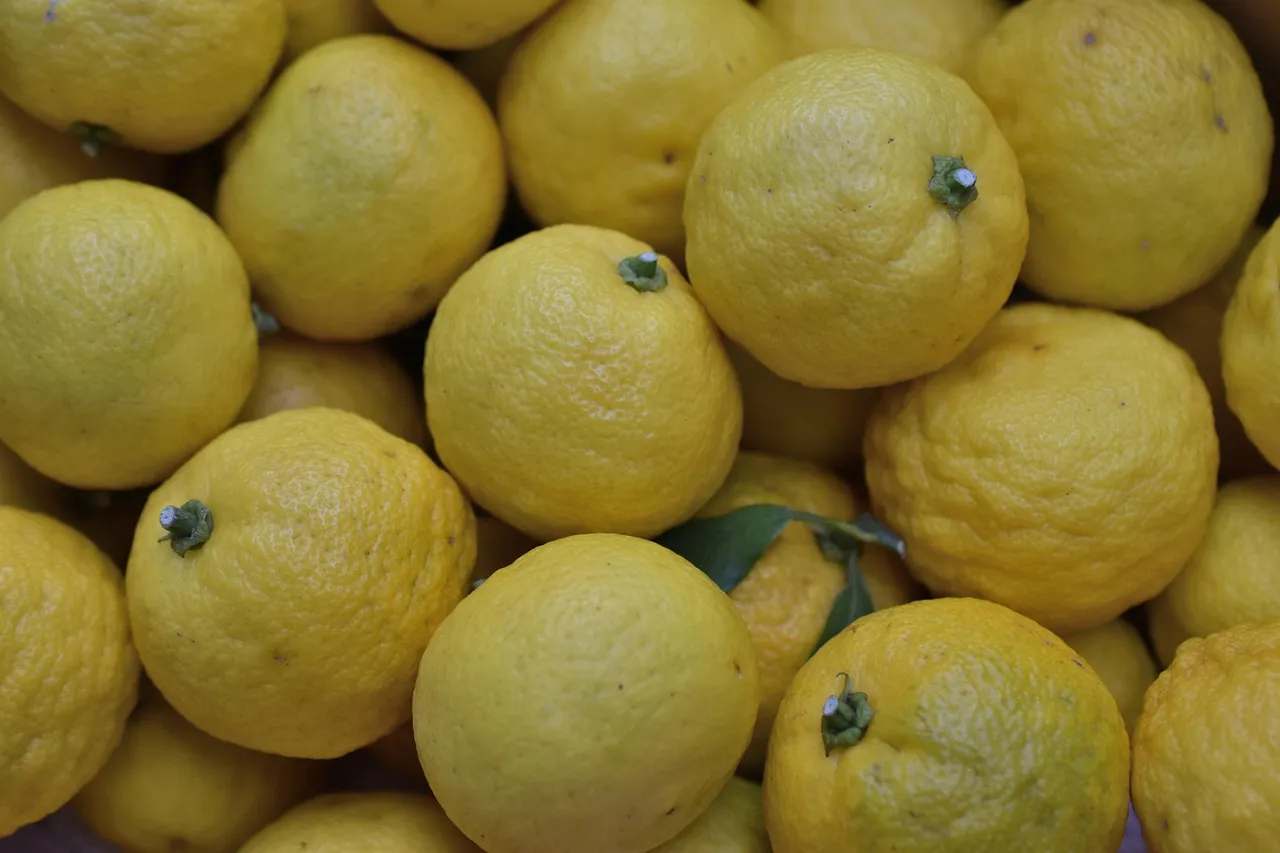
Omishima Island, part of the Shimanami Kaido cycling route, is dotted with shrines, citrus orchards, and small fishing villages. The Omishima Minnano Winery, literally “Everyone’s Winery,” was established in 2015, transforming abandoned citrus groves into productive vineyards and producing over 20 varieties of wine, each shaped by the island’s unique terroir, with a subtle saltiness that comes from proximity to the sea.
Many visitors enjoy taking the slow travel approach, visiting the various islands and spending time enjoying the beaches and tranquil seas, and supporting local businesses and restaurant owners, with eco-friendly tourism a major draw for the area.
The Seto Inland Sea is a region where Japan’s maritime heritage, natural beauty, and artistic spirit come together, offering from historic ports and modern art installations to island cycling trails and coastal cuisine a travel experience unlike any other in Japan.
Community Revitalization Through Art and Tourism
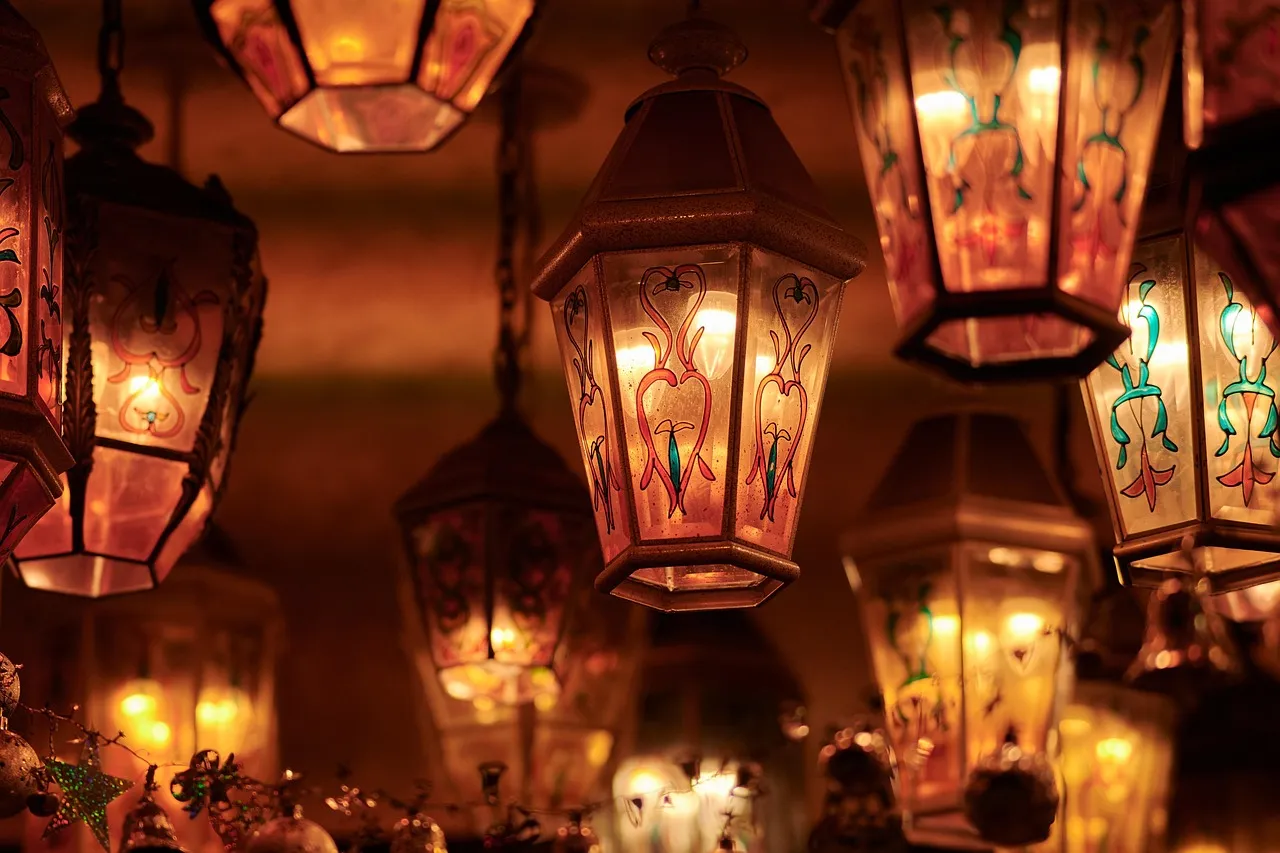
The purpose of an event like the Triennale taking place on these somewhat remote islands is to revitalize the entire area, one that is rich in culture and history but that is currently threatened by depopulation at a greater rate than most parts of Japan.
Thanks to the festival’s success, newcomers have settled on the islands and have helped revitalize their communities, and even though the battle against depopulation is ongoing, things have been looking up in recent years for the first time in decades.
Setouchi’s revival is a collective achievement, a collaboration between citizens, local governments, and private enterprises. The most meaningful travel often happens where a place is genuinely working to sustain itself, not just performing for visitors.
Sustainable Travel and the National Park
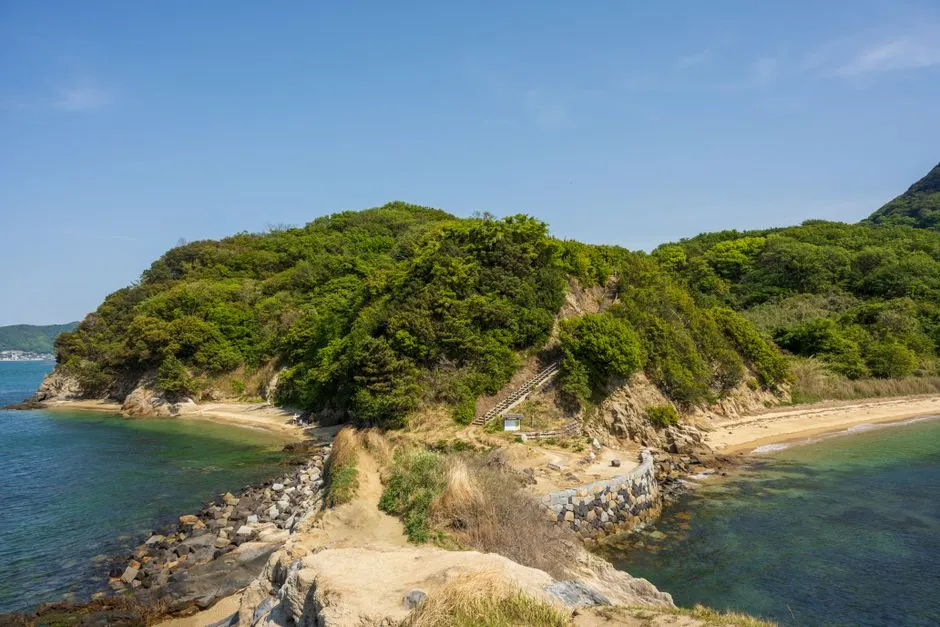
The majority of the Seto Inland Sea is part of the Setonaikai National Park, meaning the area has retained its exquisite natural beauty, abundant wildlife, and clean environment. From cycling and kayaking to discovering unique art and architecture, there are many ways to visit the Seto Inland Sea without impacting the natural environment while helping to support the communities that call this special corner of Japan home.
Sailboat tours contribute to the ongoing health of the sea, allowing travelers to cruise the majestic waters on eco-friendly yachts, relying on the power of the elements rather than engines, and discover secret beaches and abundant wildlife in a way that helps preserve rather than impact the environment.
After a historic rebound in international arrivals, Japan’s tourism strategy is evolving from volume-driven growth to experiences that encourage travelers to stay longer, spend more locally, and move beyond the most crowded hotspots. The Inland Sea islands fit that vision almost perfectly.
A Quieter Kind of Japan Worth Seeking Out
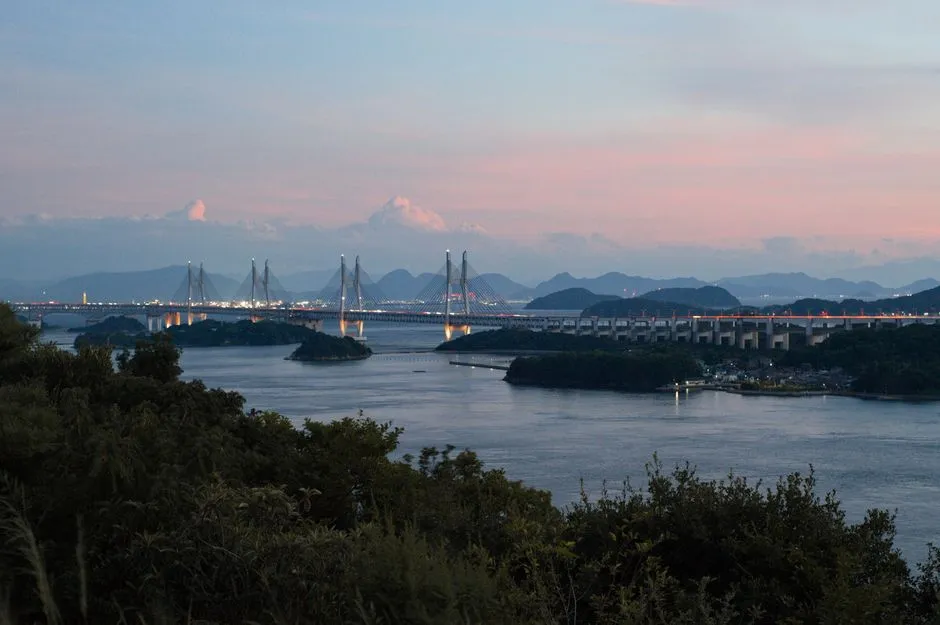
The Seto Inland Sea doesn’t compete with Tokyo’s energy or Kyoto’s grandeur. It offers something else entirely: time to think, space to wander, and the slow reward of a place you have to earn by slowing down yourself.
Visitors to the region find themselves charmed not only by the intriguing art but by the laid-back, slow-paced rural atmosphere of the islands’ villages and the beauty of the island scenery. Tourism boards and private operators are now packaging these experiences together with stays in small inns and guesthouses, offering a genuinely different mode of travel.
What makes this region quietly remarkable is that it rewards patience. The longer you stay, the more you notice: the rhythm of the ferries, the smell of citrus groves in the morning, an elderly woman tending a garden beside a centuries-old shrine wall. That’s not something a brochure can manufacture. It simply exists, waiting for those willing to move at the right speed to find it.
AI Disclaimer: This article was created with the assistance of AI tools and reviewed by a human editor.