
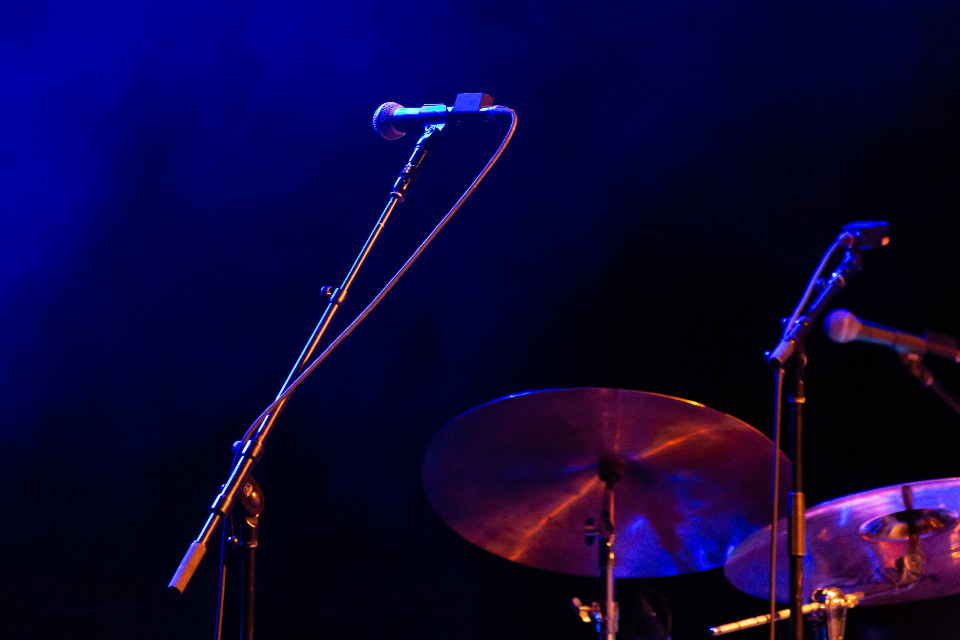

There is a particular kind of pull that New Orleans has on musicians. It is hard to quantify, harder still to resist. Something about its streets, its heat, its layered sonic history compels players to arrive from Tokyo, Lagos, Buenos Aires, and Berlin, not just to visit, but to stay, sit in, and be changed by what they hear.
The city’s relationship with jazz is not a museum piece. It is alive in the humid air that rolls off the Mississippi each evening, spilling out of club doorways as you walk past. That living quality is precisely what keeps drawing serious musicians back, year after year, from every corner of the globe.
The Birthplace Carries Real Weight
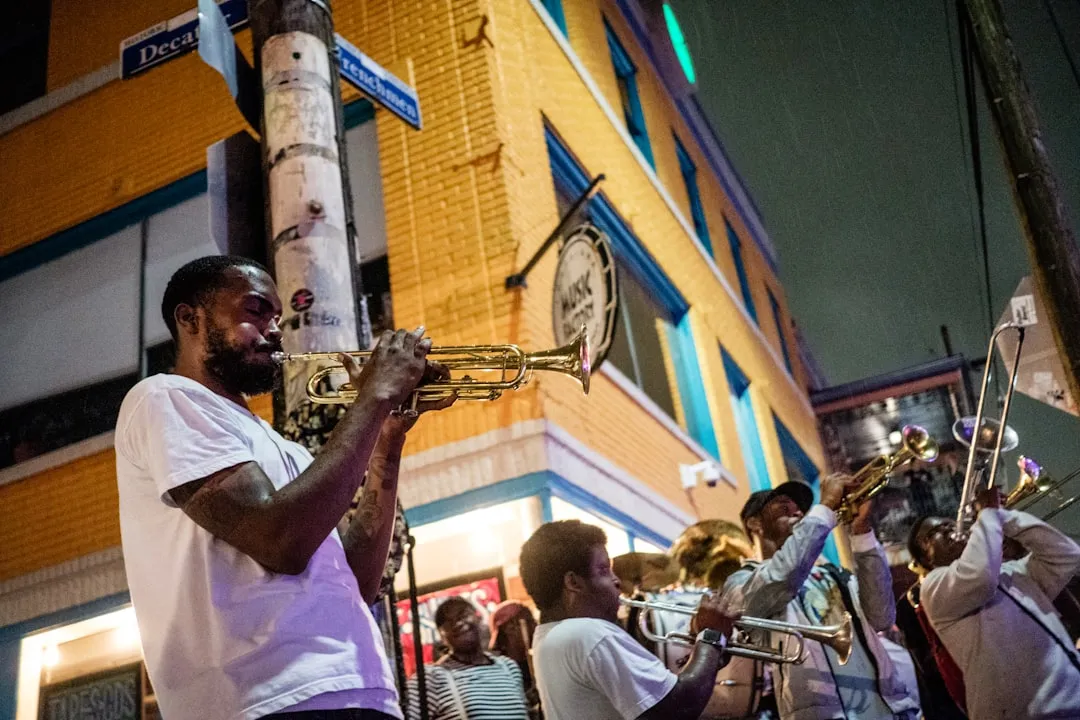
Long before jazz became recognized around the world, the genre’s origins were taking shape in New Orleans. Musicians blended African rhythms, blues, ragtime, brass band traditions, and Caribbean influences into something entirely new. That origin story is not just marketing language. For working musicians, playing in New Orleans feels like touching the root of something.
By the early 20th century, artists such as Buddy Bolden, Jelly Roll Morton, and Louis Armstrong helped establish New Orleans as the birthplace of jazz. More than a century later, jazz remains woven into the fabric of the city, still heard spilling out of clubs in the French Quarter, echoing down Frenchmen Street, and filling venues tucked away from the busiest tourist corridors.
Frenchmen Street: Where the Real Listening Happens
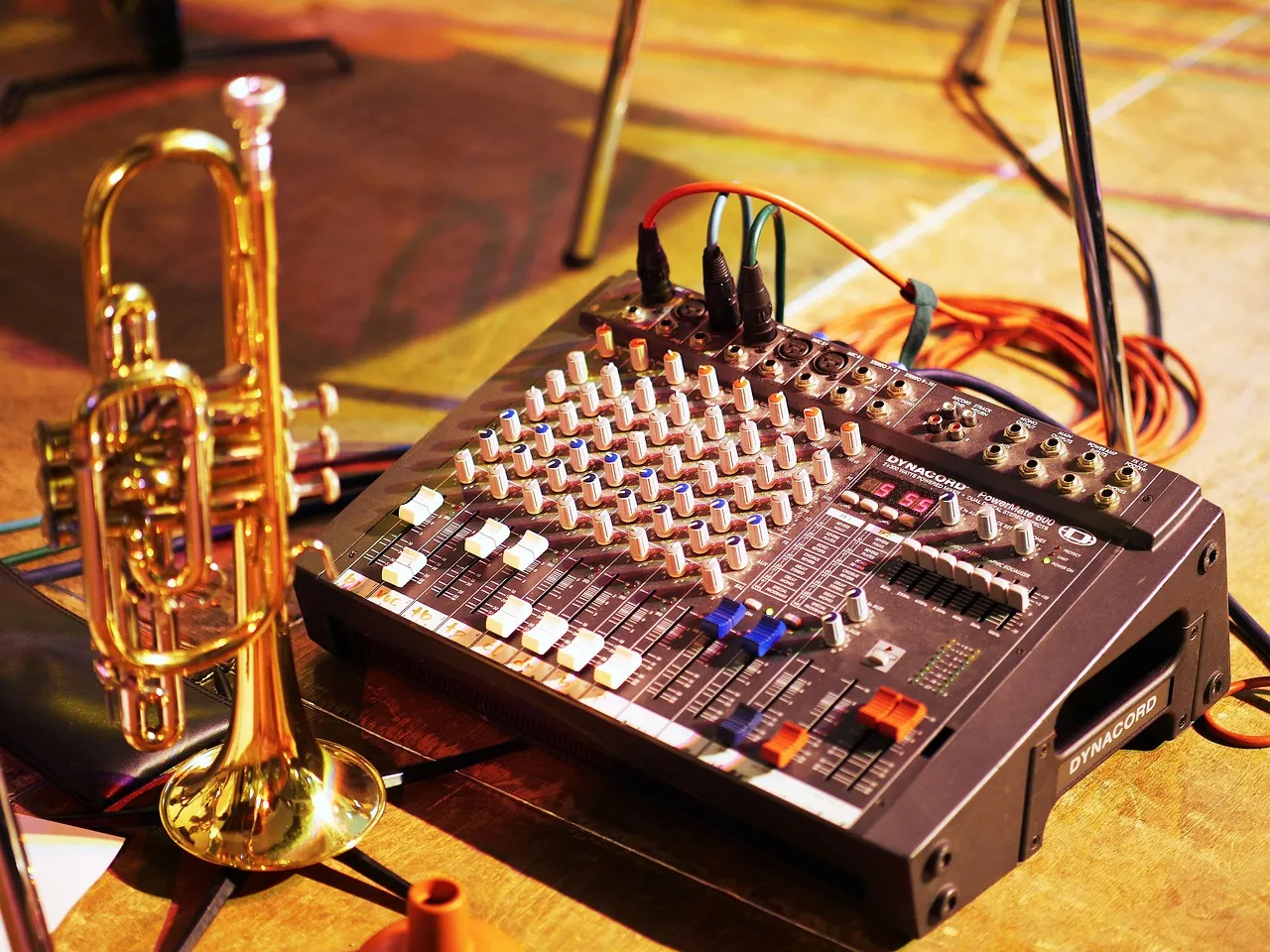
Exploring beyond the famous Bourbon Street leads to discovering vibrant jazz scenes in areas like Frenchmen Street and the Faubourg Treme district, where local talent shines at intimate venues. For many visiting musicians, this is the block that changes everything. The clubs sit close together, and on any given night you can drift between them without losing the thread of the music.
Visitors frequent clubs like Snug Harbor, The Spotted Cat, d.b.a., Blue Nile, and Café Negril for the very best in jazz music. Other clubs to explore include The Maison, Bamboula’s, Three Muses, and Dragon’s Den. With one trip around Frenchmen Street, you’re likely to hear all kinds of music. For an out-of-town player, that density of opportunity and style is rare.
Preservation Hall: A Living Institution
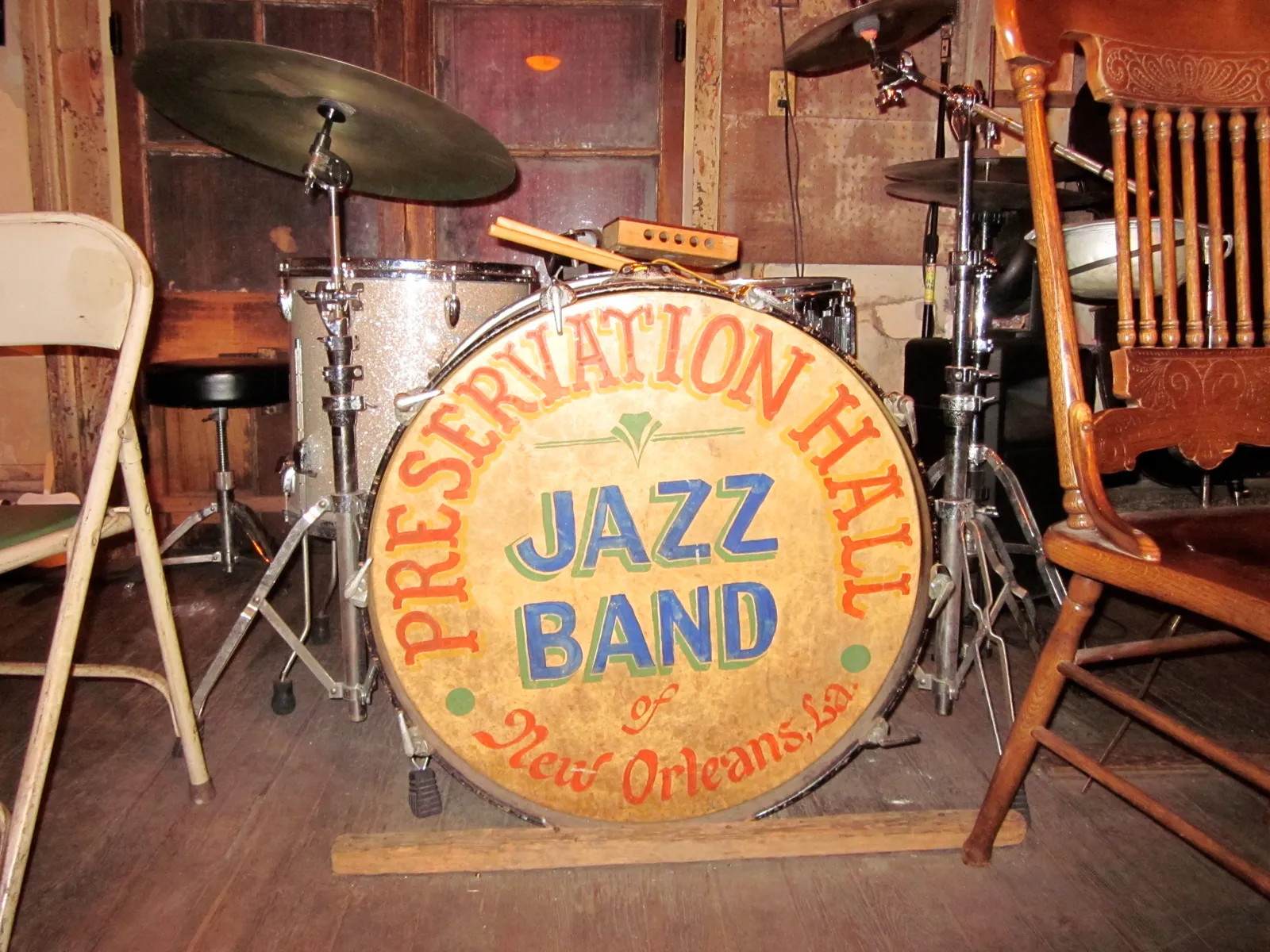
Situated in the heart of the French Quarter on St. Peter Street, Preservation Hall presents intimate, acoustic New Orleans Jazz concerts over 360 nights a year, featuring ensembles from a current collective of more than 50 local master practitioners. On any given night, audiences bear witness to the evolution of this venerable and living tradition.
For many visitors, no trip to New Orleans feels complete without a stop at Preservation Hall. The intimate venue has spent decades celebrating traditional jazz, offering a stripped-down listening experience that puts the music first. For musicians specifically, that stripped-down philosophy is a kind of education. There is nowhere to hide behind production values. Only the playing matters.
A UNESCO Designation That Confirmed What Musicians Already Knew
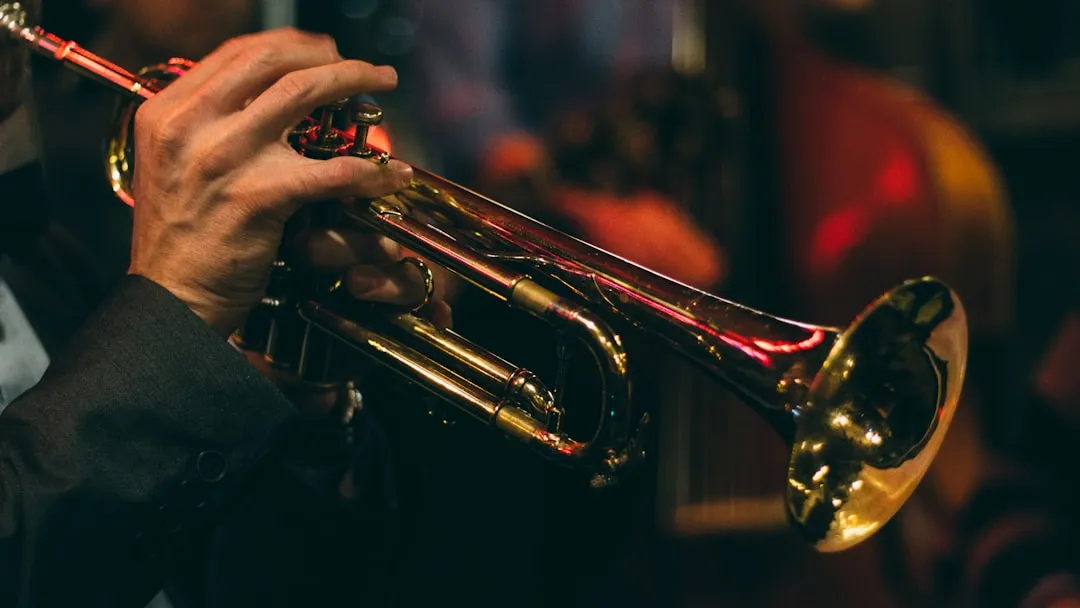
In late October 2025, UNESCO designated New Orleans a Creative City of Music, making it one of only 10 American cities in the entire Creative Cities Network. That recognition is not simply ceremonial. It signals to the global music community that this city carries a level of cultural significance that warrants serious attention.
New Orleans is quietly becoming the most studied creative economy model in North America. Urban planners, economists, and city strategists are arriving to understand how a city with no major tech sector and no venture capital ecosystem generates nearly $10 billion in annual economic activity through culture alone. The music is the engine. The jazz clubs are where that engine runs hottest.
Jazz Fest: A Gravitational Event for Global Talent
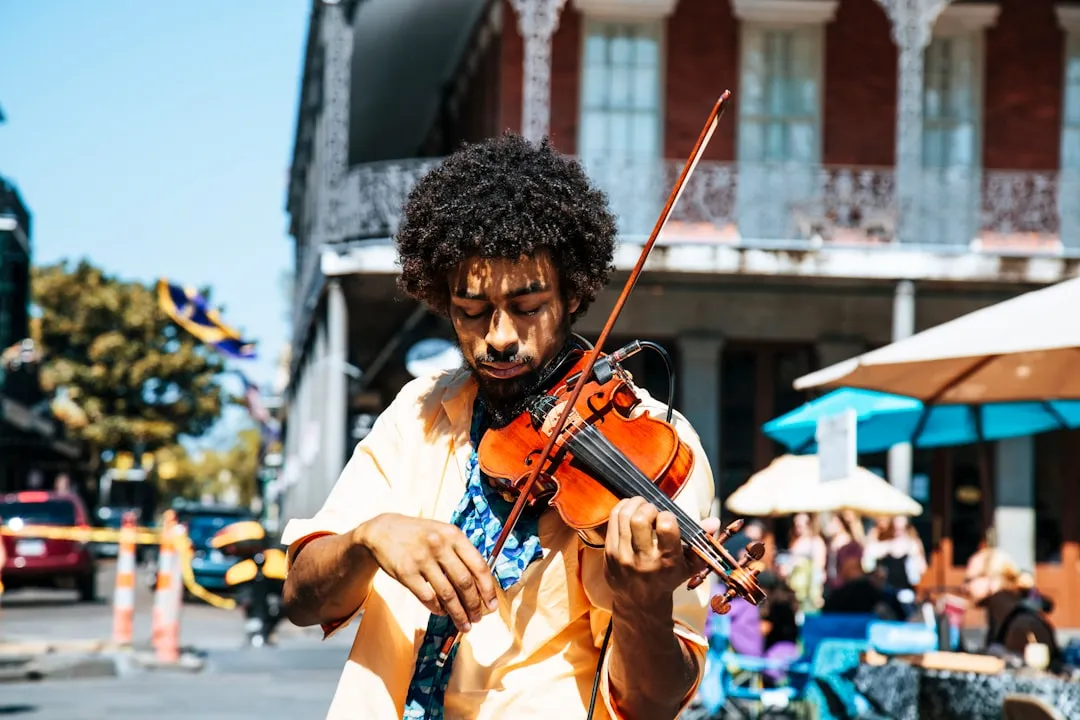
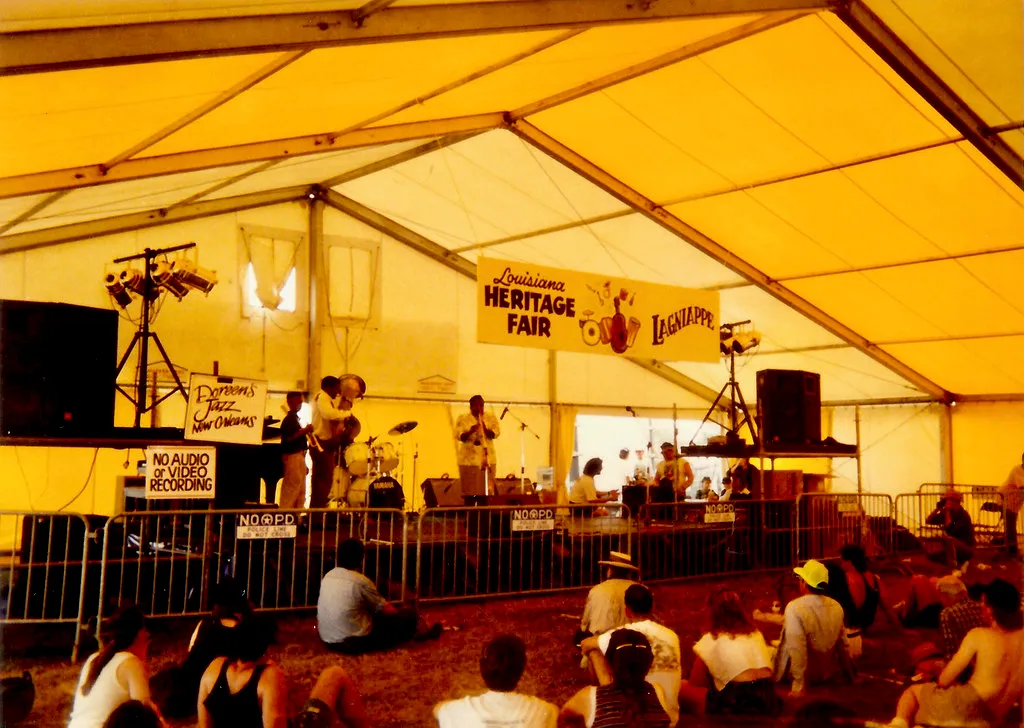
Jazz Fest is an annual celebration of the unique culture and heritage of New Orleans and Louisiana, featuring nationally and internationally renowned guest artists in one of the world’s most diverse musical festival lineups. The event brings together virtually every style of American music from over 5,000 musicians spread across 14 different music stages over 8 days.
Jazz Fest runs from April 24 to May 4, 2025, and was expected to add $350 million into the local economy in those 11 days alone. That scale attracts musicians who want both the prestige of the platform and genuine connection with the city’s deep musical culture. Jazz Fest 2026 featured 637 performers, with roughly 85 percent drawn from New Orleans itself.
The Economic Reality That Sustains Musicians
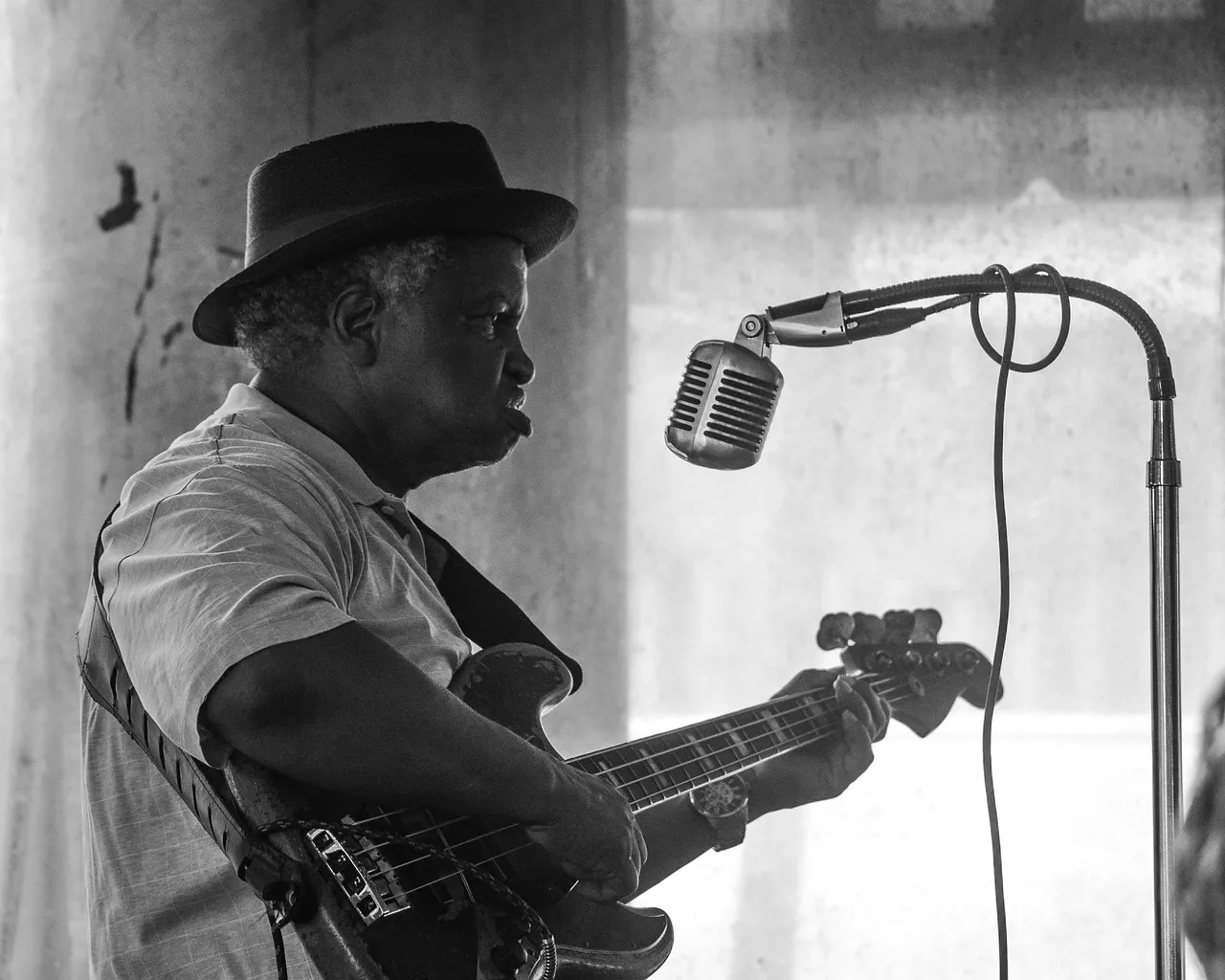
The New Orleans music industry generates $26 million annually, with music professionals contributing $12 million through career-related expenses, roughly half of which stays within the local economy. That circulation matters. A city where musicians spend with other musicians and local businesses creates an ecosystem that is self-reinforcing.
The comprehensive 2024 New Orleans Music Census, conducted from May to June 2024, gathered more than 1,500 responses from individuals across the New Orleans metropolitan area involved in various aspects of the music industry, including musicians, bands, venues, festivals, and music businesses. The data suggests a community that is serious about understanding and protecting what it has built.
The Snug Harbor Effect and the Role of Mentorship
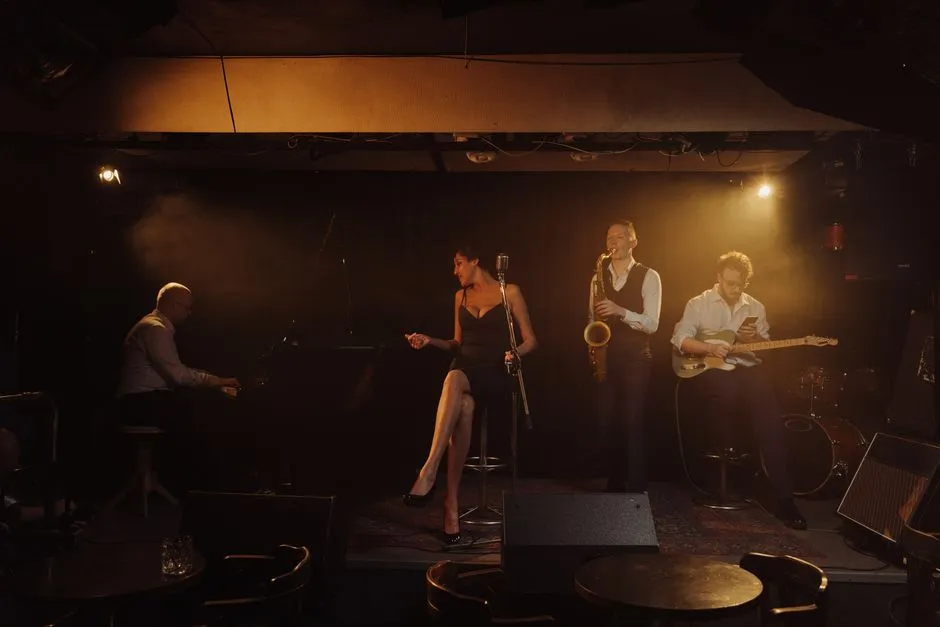
Frenchmen Street’s Snug Harbor has long served as a modern jazz proving ground in New Orleans. Snug Harbor combines top-notch jazz with dining in a way that creates a genuinely distinct experience. What draws international players to places like this is not just the quality of the room. It is the knowledge that legends have played here, and that a well-chosen set can lead to lasting connections.
Musicians who land in New Orleans find themselves collaborating and performing alongside figures who have worked with names like Stevie Wonder, Dee Dee Bridgewater, Jon Batiste, and many more. That proximity to serious, seasoned players is something no conservatory can fully replicate. New Orleans offers it as part of the daily fabric of the scene.
The Audience That Keeps Coming Back
New Orleans welcomed nearly 19 million visitors in 2024, spending a total of $10.4 billion, crossing this milestone only for the second time in the city’s history and for the first time since the pandemic. A significant portion of those visitors arrive specifically for the music. Jazz clubs are not background entertainment here; they are the destination.
The city’s cultural economy supports more than 80,000 direct jobs across music, gastronomy, film, and the arts. For visiting musicians, the presence of a large, knowledgeable, and enthusiastic audience is itself a reason to make the trip. Playing for crowds that genuinely understand jazz changes how you perform.
Festival Season Creates Year-Round Momentum
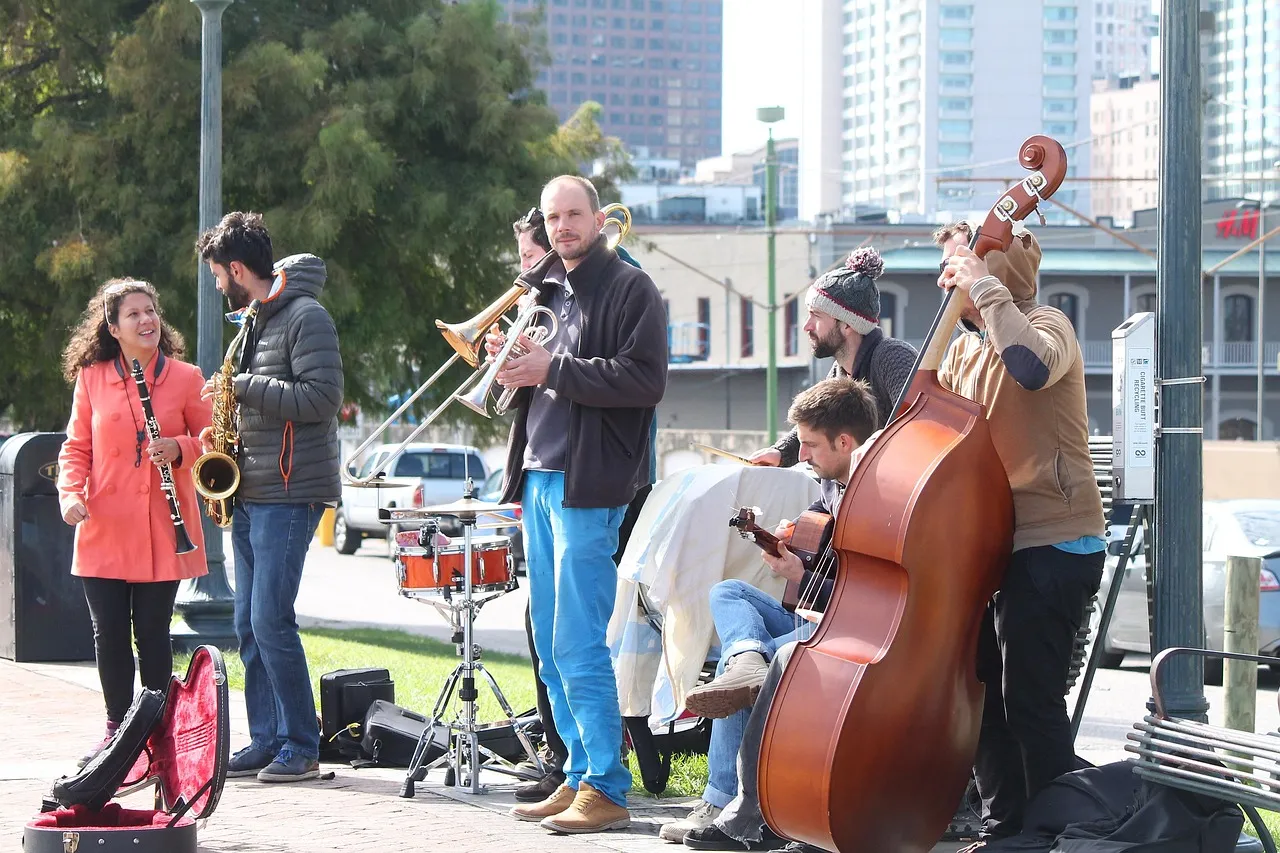
New Orleans’ music scene operates at a remarkable pace, with local musicians moving almost directly from one major festival engagement to the next. Performers from places as far afield as the Dominican Republic have found sustained fan bases in New Orleans, using their varied musical skills across salsa, bachata, and Latin jazz to reach large festival audiences throughout south Louisiana. Staying busy with festival performances allows musicians to make a living doing what they love.
That year-round momentum matters to international artists who are weighing where to invest their time. New Orleans does not have a single season; it has perpetual seasons, stacked one on top of another, with clubs filling the gaps in between.
Community Support Structures That Other Cities Lack
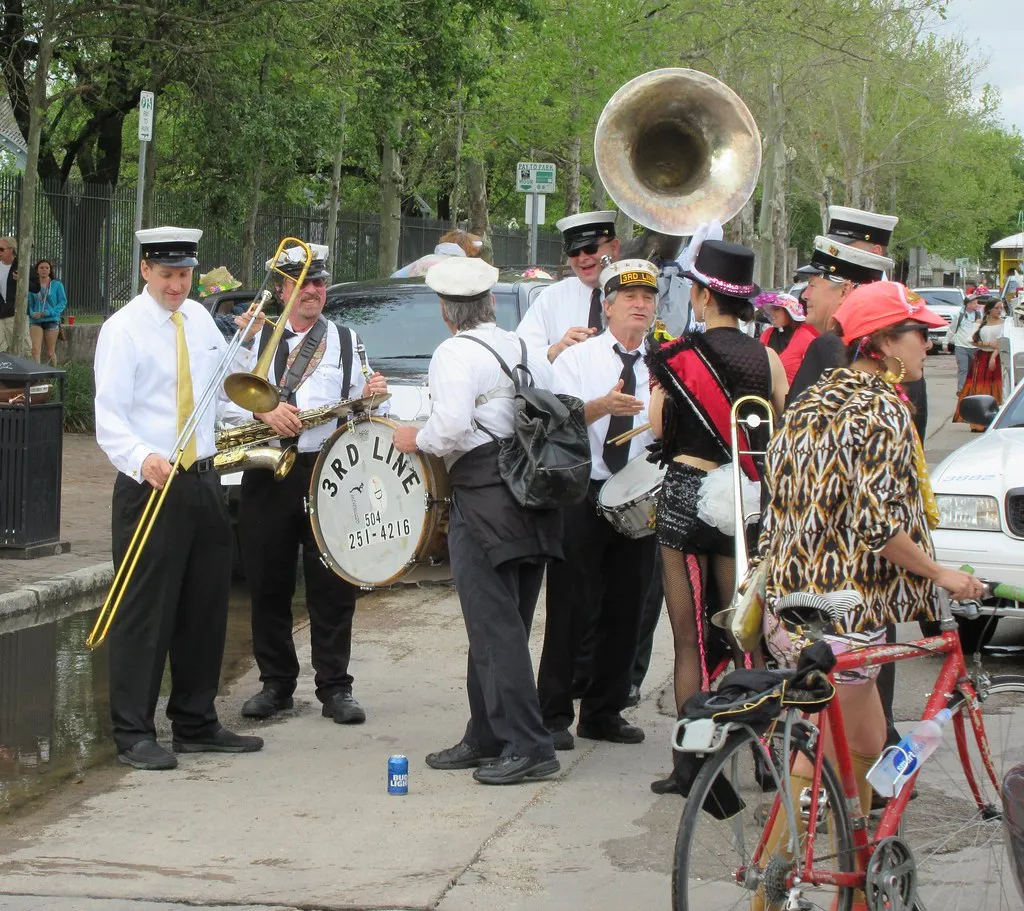
The New Orleans Office of Nighttime Economy, in collaboration with partners including OffBeat Magazine, The Ella Project, the New Orleans Musician’s Clinic, the Preservation Hall Foundation, and StayLocal New Orleans, coordinated the 2024 New Orleans Music Census, reflecting a city government that treats its musicians as infrastructure rather than afterthought.
Launched in April 2025, the Jazz and Heritage Foundation partnered with the Preservation Resource Center of New Orleans to offer free home repairs for low-to-moderate income cultural bearers, defined as New Orleans musicians and tradition keepers. That kind of tangible, practical support is unusual. It tells visiting musicians something important: this city actually looks after the people who make it sound the way it does.
A City That Sounds Like Nowhere Else
Three centuries of French, Spanish, African, and Creole influence compressed into a single geography produced something no incentive package and no master plan can replicate. That compression is what musicians from the outside world come to absorb. It cannot be streamed or studied from a distance. It requires presence.
New Orleans jazz clubs are not waiting rooms for the festival. They are the main event, operating every night of the year with a seriousness and joy that is entirely their own. The musicians who arrive from around the world do not come because they read a travel guide. They come because they heard something in a recording, or from another musician who had been here, and they knew they needed to stand in that room themselves and feel what it does to their playing. That, in the end, is the only explanation that holds.
AI Disclaimer: This article was created with the assistance of AI tools and reviewed by a human editor.