
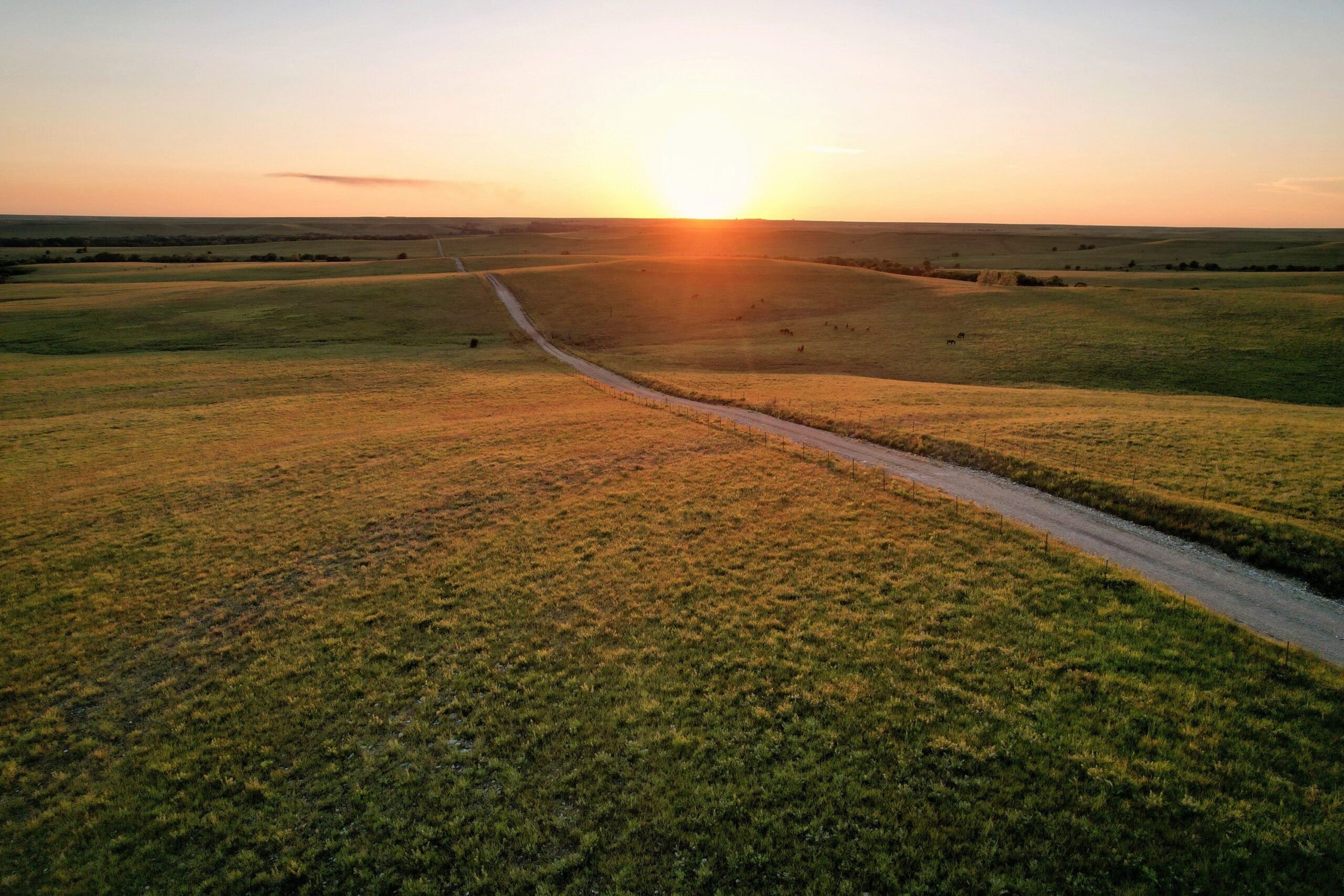

There’s a particular kind of quiet that settles over the Flint Hills after sundown. The tallgrass stirs in the wind, the bison are silhouettes in the distance, and the sky above Strong City and Cottonwood Falls does something remarkable – it fills edge to edge with stars.
Kansas has quickly gained a reputation as a dark sky destination for astronomers and skygazers. For many residents of Topeka, Wichita, and Kansas City, the journey out to the Flint Hills has become less of a one-off curiosity and more of a quiet ritual. Here’s what draws them back, again and again.
The Town at the Center of It All
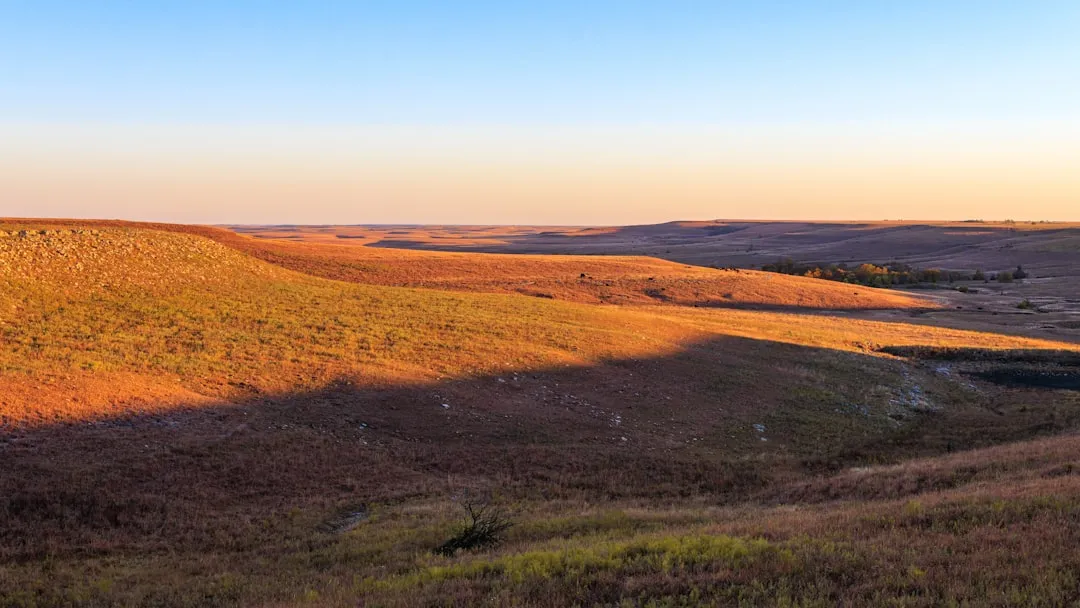
Cottonwood Falls and Strong City make up the heart of the beautiful Flint Hills, marked by miles of amber tallgrass unique to the Midwest and Kansas. The two centrally located towns are about a ten-minute drive apart, with a rich history and landmarks connected by the Flint Hills National Scenic Byway and the Tallgrass Prairie National Preserve.
The preserve is only a two-hour drive from Kansas City, and those not wanting to make the drive back at night can find lodging and dining options in nearby Cottonwood Falls, Kansas. That convenience matters. It makes this corner of the Flint Hills one of the most practical dark sky getaways in the central United States.
What the Bortle Scale Actually Tells Us
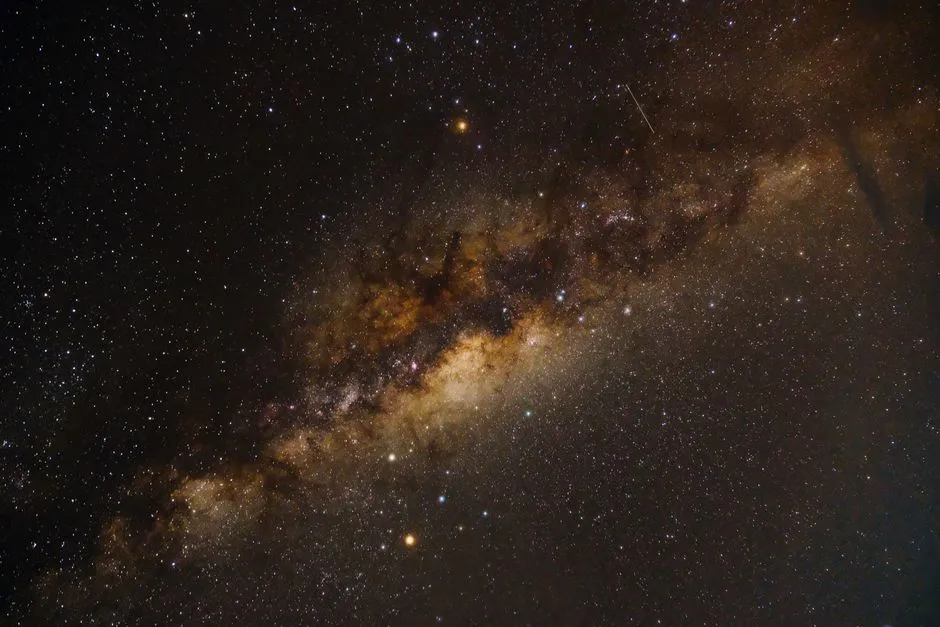
The Tallgrass Prairie National Preserve in the Kansas Flint Hills registers between class 2 and 3 on the Bortle scale, making it a perfect skygazing spot. Unlike many state parks, the preserve is open 24 hours a day.
The Bortle scale runs from 1 (pristine, near-total darkness) to 9 (inner-city sky). A class 2 or 3 rating places this stretch of prairie among genuinely exceptional viewing locations. Other Kansas parks such as Cross Timbers State Park, Lake Scott State Park, and Wilson State Park also offer camping with some of the darkest skies in the state, many sitting in Bortle Class 2 or 3 zones.
A Prairie Ecosystem That Amplifies the Experience
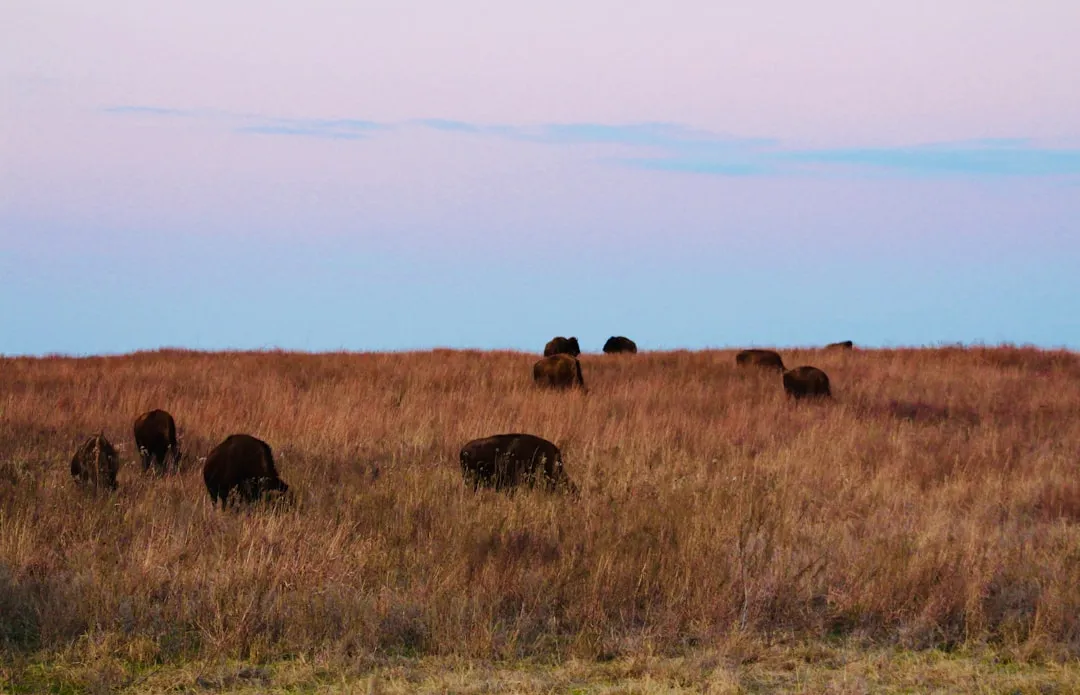
The Tallgrass Prairie National Preserve near Strong City protects one of the last remaining tracts of tallgrass prairie in North America, offering visitors a rare glimpse into an ecosystem that once covered millions of acres.
What once covered 170 million acres of North America, only four percent of the tallgrass prairie remains in the Kansas Flint Hills. It is now filled with hiking trails and a bison herd. Watching a herd of bison graze by moonlight before you tilt your gaze upward to the Milky Way is one of those experiences that’s genuinely hard to find anywhere else on the continent.
The Lower Fox Creek Schoolhouse: A Stargazer’s Landmark
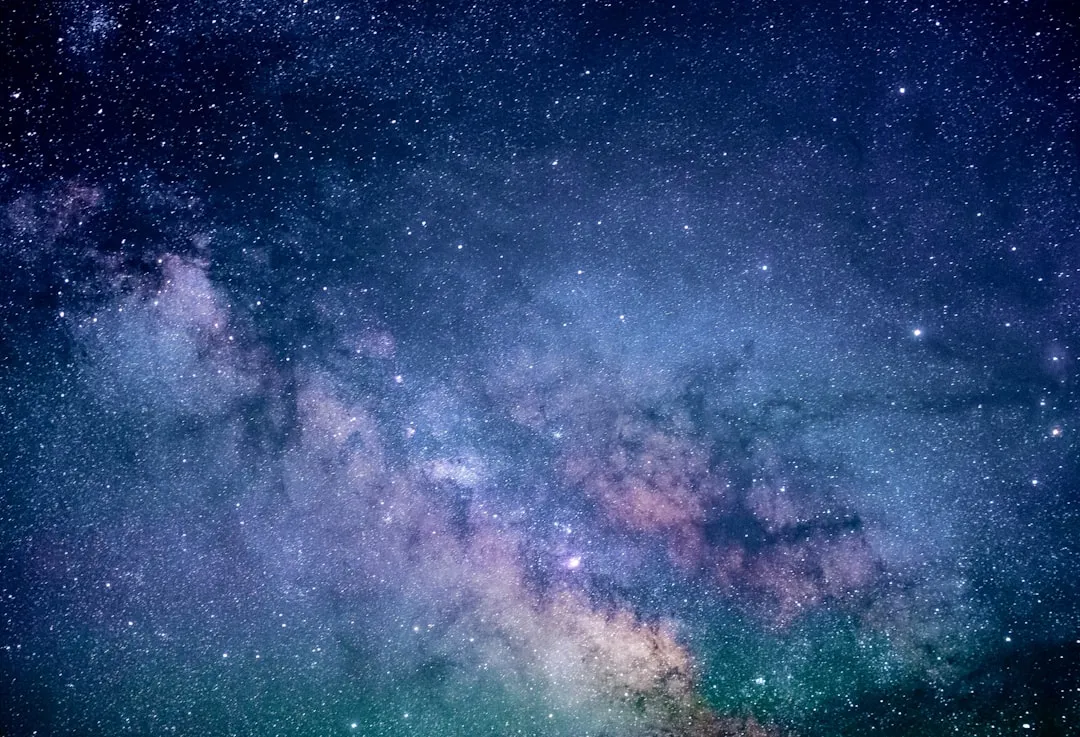
If getting out and hiking in the dark isn’t your thing, the Lower Fox Creek Schoolhouse is just off the highway in the Tallgrass Prairie National Preserve and provides a wonderful place to watch the meteors. The old stone schoolhouse sits in a clearing with sightlines that stretch far in every direction.
On a clear night, the Milky Way spills across the sky like a trail of stardust. For a front-row seat to the cosmos, head to the historic Lower Fox Creek Schoolhouse within the preserve. It’s a spot that manages to feel both historically grounded and almost otherworldly once darkness falls.
Teter Rock and the Wider Flint Hills Circuit
Teter Rock is an upended limestone monolith placed by James Teter as a marker for settlers to let them know they were on the right path to the Cottonwood River. Today it serves a different kind of wayfinding – helping stargazers orient themselves in the immense openness of the Flint Hills night.
Getting there around sunset lets you see the sun washing the Flint Hills in shades of red and orange before the stars take over entirely. Teter Rock is another favorite spot for panoramic night-sky views among the astronomy community that makes regular pilgrimages to this part of Kansas.
Observatories Within Reach

Powell Observatory in Louisburg is home to one of the largest telescopes in the region and hosts public viewing nights throughout the summer. For those who want a structured introduction to the night sky rather than a solo outing, it’s an excellent first step.
Farpoint Observatory in Eskridge has discovered dozens of asteroids, and Lake Afton Public Observatory near Wichita regularly opens its doors for family-friendly programming. These venues reflect a broader culture of sky access that Kansas has quietly cultivated over decades. The infrastructure exists. The knowledge is there for anyone who wants it.
The Astronomy Community Behind the Scenes

Kansas houses several astronomy clubs, like the Astronomy Associates of Lawrence and the Kansas Astronomical Observers, which play a crucial role in promoting stargazing and educating the public about the importance of dark skies.
These clubs often host events in dark sky locations, creating a great community for dark sky advocates. The Astronomical Society of Kansas City has also been active in this space. The society has selected Tallgrass Prairie National Preserve to host public viewing nights, drawn by the area’s unobstructed views of the night sky and its seclusion from the unwanted glare of artificial lights.
What You Can Actually See Up There
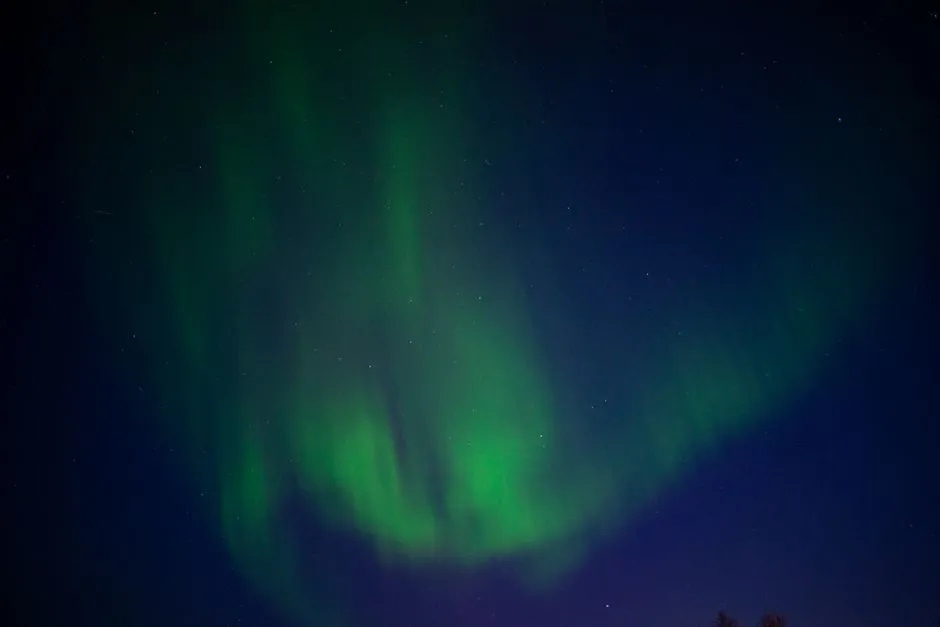
From stargazing and meteor showers to lunar eclipses and even the occasional northern lights, Kansas offers some of the best night-sky views in the country, if you know where to look. The northern lights appearing over Kansas is genuinely rare, but it has happened in recent years during periods of strong solar activity.
Birds and waterfowl create the soundtrack for pre-sunrise star watches at Quivira National Wildlife Refuge near Stafford, while utter silence accompanies the pastoral scene at western Kansas’ Mount Sunflower, the state’s highest point. The variety of viewing environments across the state means you’re not limited to a single type of experience.
Light Pollution Advocacy and What’s Being Done
While Kansas does not have specific statewide legislation for dark sky preservation yet, various local initiatives and guidelines encourage the use of shielded lighting fixtures and low-glare lighting to reduce light pollution in towns across the state. These measures aim to conserve dark skies indirectly, highlighting the need for continued advocacy and potential future legislative efforts.
The conversation around protecting dark skies is gaining momentum across the Midwest. Not only does Kansas have plenty of places to see the stars, it also has its own share of active stargazers and astronomy experts helping to preserve the night for everyone. Responsible lighting practices in and around towns like Strong City and Cottonwood Falls directly affect how vivid the sky appears from within the preserve.
Practical Notes for Your First Visit

Check moon phases, since new moons offer the best conditions. Bring a red flashlight to preserve night vision, always double-check the weather, and download a stargazing app to help identify constellations.
A key factor to successful stargazing is the weather, so make sure you check the forecast. A clear daytime sky does not mean the same future awaits in two hours. Like eclipse watching, be prepared for clouds and an alternate activity if you’re hanging your weekend fun on stargazing possibilities. Flexibility matters out here as much as any piece of gear you bring along.
The Quiet Pull of the Prairie Sky
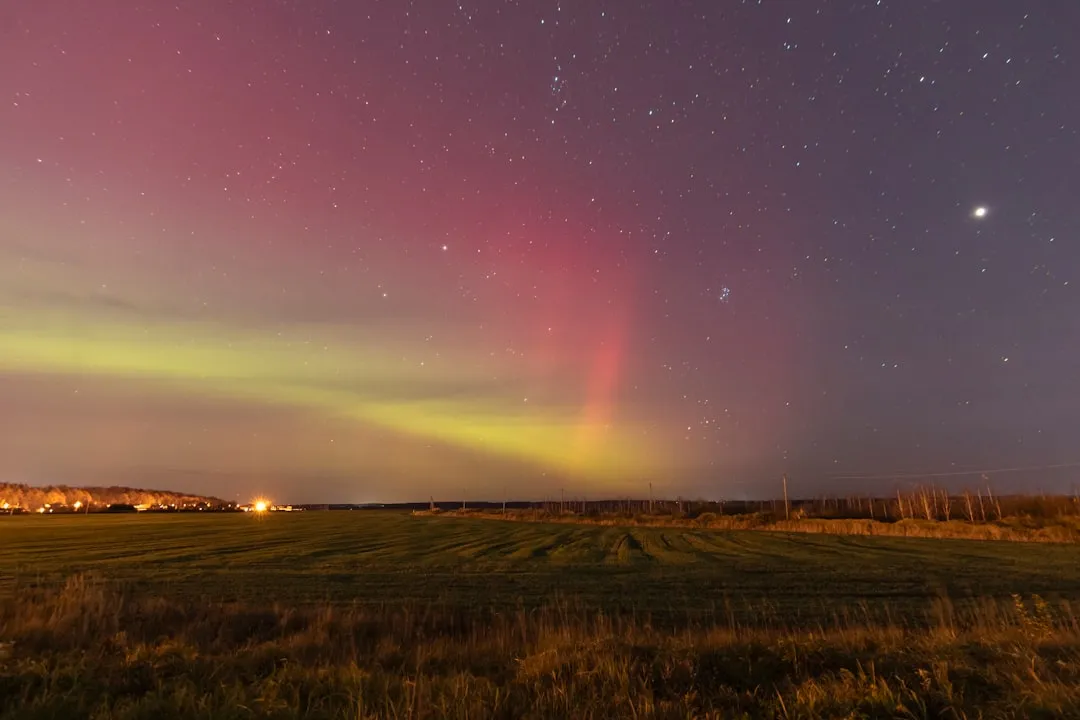
There’s something particular about returning to a place where the horizon is unbroken and the darkness is genuine. Maybe it’s the endless skies, the open prairie, or how easily you can escape city lights, but whatever the reason, Kansas is becoming a top destination for celestial tourism.
From the crest of a hill, the stars surround you, constellations traveling horizon to horizon. For Kansans who make the drive out to the Flint Hills, the reward isn’t just a spectacular sky – it’s a rare reminder of how the world looks when human light doesn’t drown everything else out. That kind of perspective is worth the trip.
AI Disclaimer: This article was created with the assistance of AI tools and reviewed by a human editor.