


The Man Who Formalized the Clockless Floor
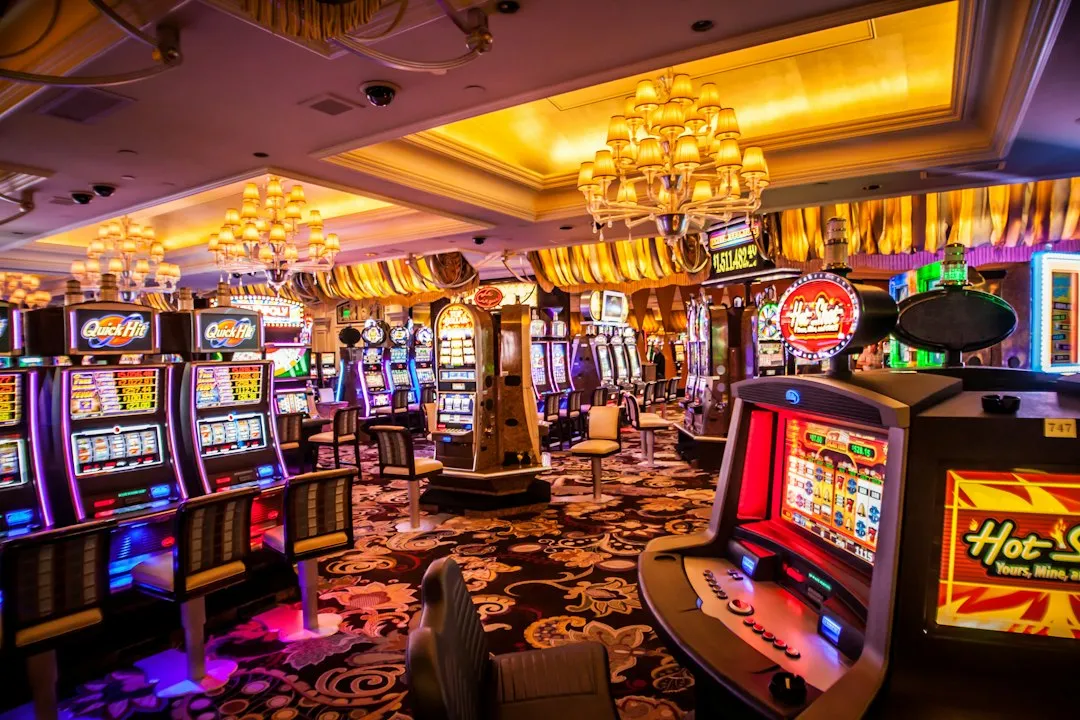
Most of what we recognize as the modern Las Vegas casino floor can be traced to one person. Bill Friedman is an American casino designer whose start in the industry actually came from his own experience as a gambling addict, which he eventually turned into a career as a casino manager. As an academic focused on addiction psychology, Friedman taught the first course in casino management at the University of Nevada, Las Vegas, and he has been credited with introducing many aspects of cognitive psychology into casino design, with a philosophy built around maze-like floors, low ceilings, no windows, and no clocks.
This classic recipe for casino success was attributed to Friedman, who studied the design elements of the most profitable establishments and laid out the principles of what he called “gaming” design, including little décor beyond tables and machines, and a layout that somehow always leads you back to the gambling areas. His ideas weren’t just theory. They reshaped how Las Vegas looked and felt for decades.
The Core Logic: Time Is Money, Literally
Casinos deliberately remove clocks from gambling floors to prevent players from tracking time, hoping they’ll stay longer and spend more money. The thinking is straightforward: casinos make more money the longer you play, and clocks distract players by giving them a reference for how long they have been playing.
Without windows, a player loses the natural cue of shifting daylight. Without visible clocks, the sense of elapsed time becomes unreliable. Studies on temporal perception show that people in windowless environments with constant artificial lighting consistently underestimate how long they have been present, sometimes by as much as 30 to 40 percent. That’s not a small margin. Over a long session, it means considerably more time spent at the machine or table than a person actually intended.
What “Temporal Distortion” Actually Means

Casinos, malls, and big-box stores deliberately create a sense of “temporal distortion” for their customers. It’s a designed psychological state where the usual anchors of time awareness, daylight, clocks, meal rhythms, simply vanish. This exclusion of daylight is an old trick borrowed from casino design, and it works by hoping gamblers lose track of how long they’ve been at the table.
According to Natasha Schüll’s research, the design of slot machines is particularly optimized to induce a “machine zone” state, where players lose track of time and decision-making becomes highly automatic. That state doesn’t happen by accident. It’s the cumulative result of every design element working in the same direction at once.
Clocks Do Exist – Just Not Where You’re Playing
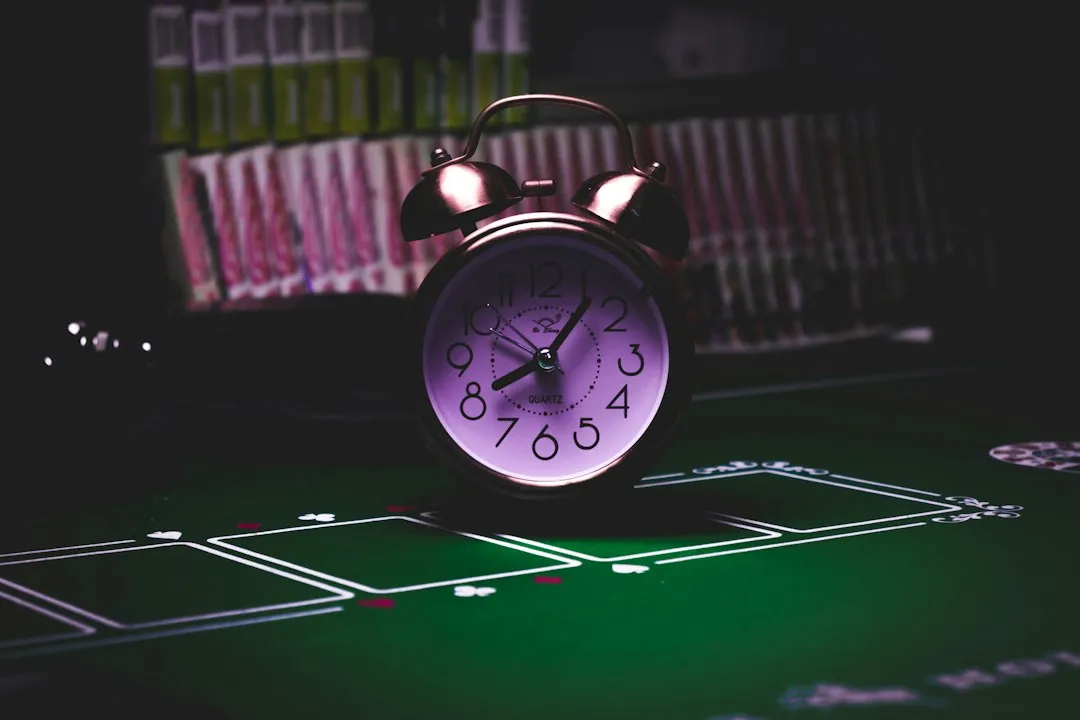
Here’s something that often surprises people: casinos aren’t entirely clockless buildings. Casinos do have clocks, just not where you’re gambling. Step into a sportsbook and you’ll suddenly see clocks everywhere. Casinos have clocks in sportsbooks, where timing matters for bets, in cashier cages, and at pit podiums where staff work. They just don’t put them on the main gambling floor where customers play.
The distinction is deliberate and telling. Time matters when it benefits the house, specifically for odds and bet deadlines in the sportsbook. On the main floor, where the goal is maximum dwell time, time is better left invisible.
The Science Behind the Missing Windows
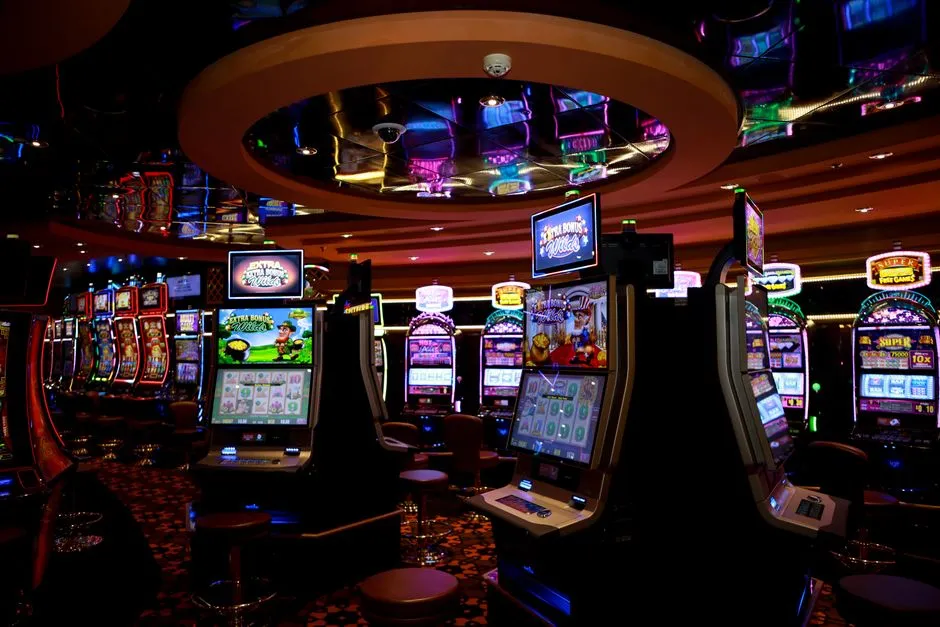
Casino operators employ psychological methods when designing the physical layout, color schemes, gameplay, and even fragrance in the air to encourage spending. Most casinos have no clocks and few windows, so you’re apt to lose track of time. They also control the temperature, air quality, and even the lighting inside the building.
A study published in the Journal of Neuroscience suggests that sensory features in casinos may directly influence a player’s decisions and encourage riskier choices, including increased betting. The absence of windows is one piece of a much larger sensory system, all pointing in the same direction.
Lighting Does More Than Set the Mood
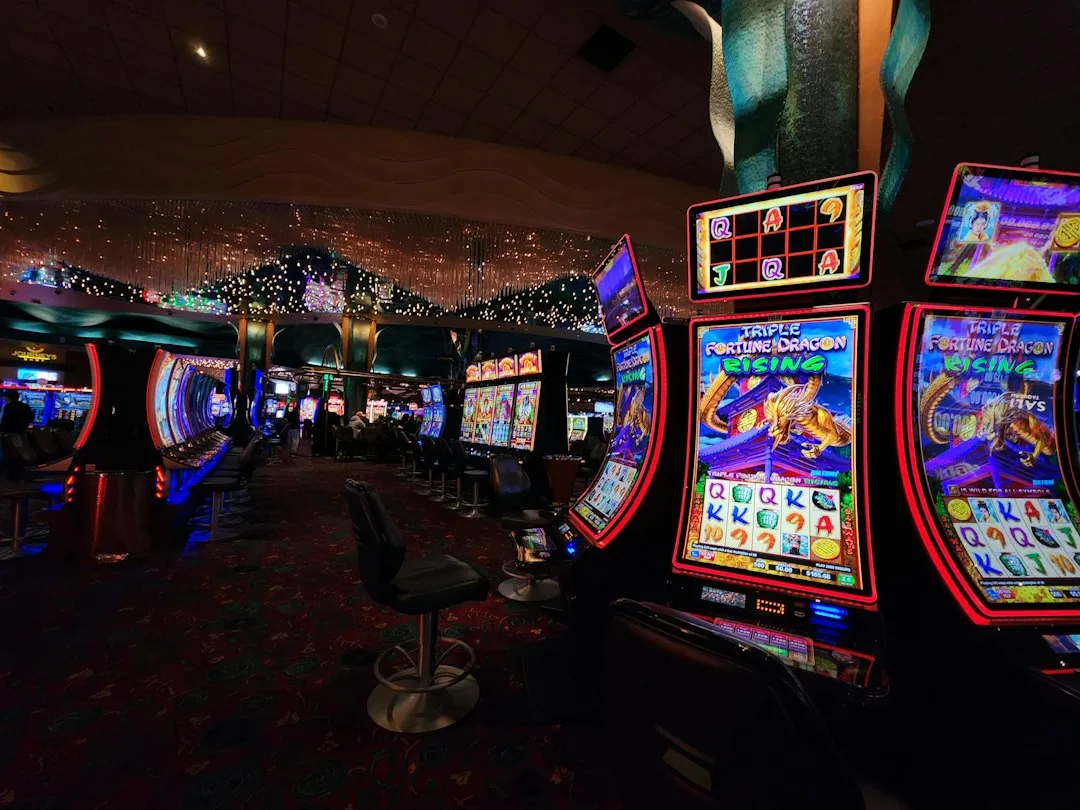
The role of light in casino environments has attracted serious scientific attention in recent years. Casino lighting could be nudging gamblers to be more reckless with their money, according to a 2025 study, which found a link between blue-enriched light and riskier gambling behavior. Research by Flinders University suggests that circadian photoreception, the body’s non-visual response to light, could be playing an unexpected role in shaping risky gambling behaviour.
In gambling environments, red light combined with casino-style sounds has been shown to eliminate the usual cognitive slowdown after losses during decision-making tasks, leading players to make faster choices without the normal pause for reflection. Professor Sean Cain, a senior researcher on the Flinders University study, suggests that lighting regulation could complement existing gambling protections, noting that simply dimming the blue in casino lights could help promote safer gambling behaviours.
Sound Plays Its Own Role in Time Blindness
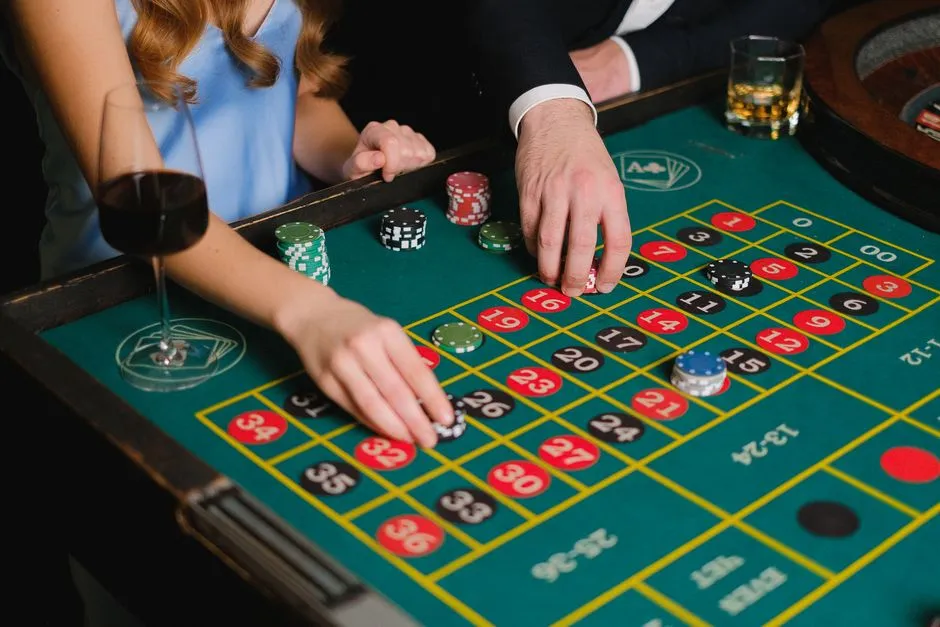
Sound design plays a major role in immersive gambling environments. Upbeat music can make people less risk-averse by speeding up decision-making and creating a sense of urgency. The sounds of winning, coins clinking, electronic jingles, and applause, create the illusion of frequent payouts, even when statistically rare.
Casinos actively control their sound environment in ways that most visitors never consciously register. Combine that with the absence of clocks and windows and you have an environment where the senses receive a constant, carefully curated stream of stimulation that makes time genuinely hard to track.
The Maze Layout That Keeps You Walking Past Games

Casinos are often laid out in a maze-like pattern, with few straight aisles. A 2024 Vita Magazine study found that upwards of 80 percent of traditional casinos design their space to steer players past dozens of games and distractions before they find a bar or restroom. Every path through the floor is a path past more gambling opportunities.
Roger Thomas, former executive vice president of design for Wynn Resorts, implemented what he termed “resort design,” an evolution of the Friedman concept that adds luxury aesthetics while maintaining psychological manipulation principles. The Wynn Las Vegas features a gaming floor with deliberate dead ends and circular patterns that naturally guide foot traffic past high-margin games. Elegant, but engineered.
Does Removing Clocks Actually Work? The Research Is Complicated

The honest answer is that the science is less settled than the casino industry’s near-universal adoption of the practice might suggest. British psychologist Mark Griffiths reviewed over 15 studies on casino design psychology and found no conclusive evidence that removing clocks actually keeps people gambling longer. A review of the research found that the no-clocks rule gets repeated everywhere, but there is little empirical research on what it actually does to players. It is a good story that nobody has properly tested.
That said, the industry’s confidence in the practice has kept it firmly in place. Nearly all major Las Vegas casinos follow this design principle, and it has been a casino industry standard since the early days of gambling psychology research. Whether the clocks truly extend sessions or simply feel like they should, operators aren’t taking any chances.
The Playground Design: A Different Philosophy, Same Goal

Not every casino designer agreed with Friedman’s dark, maze-like approach. Traditional casinos banished clocks and any glimpses of sunlight to make gamblers lose track of the hours, but Roger Thomas at Wynn installed antique timepieces and skylights that let in the desert sun. The theory was that luxury and openness could hold players just as effectively, if not more so.
Research from the University of Guelph confirmed this intuition. In a study where 48 participants gambled across four different Las Vegas casinos, playground designs scored higher on overall pleasure and on what researchers called “restoration,” a cognitive state where mental fatigue recedes. Players in these environments reported a willingness to stay longer and spend more. The design language changed. The underlying goal did not.
So, what can you actually do about it?
Understanding the design is the first step toward navigating it more intentionally. The cheapest counter to a room with no clocks is your own watch. Setting a personal time limit before entering, and sticking to it, is one of the simplest and most effective protections available to any visitor.
Since 2022, six out of ten new casino builds now create distinct wellness or low-stimulation sections, catering to the increasingly vocal calls for safer, more balanced gambling. That shift reflects growing public awareness and regulatory pressure. If subtle changes to lighting can lead to riskier decisions, then regulating these features might help promote less harmful gambling behaviour, for instance by encouraging warmer lighting in gambling venues or digital settings to help prevent excessive play.
The Bigger Picture: Design as Persuasion

The clockless casino floor is really just the most visible symbol of something much broader. Step onto any major casino floor on the Las Vegas Strip and you’ll notice something unusual: despite spending hours inside, you rarely feel tired, you have no idea what time it is, and you keep thinking “just one more hand.” This isn’t coincidence – it’s the result of decades of carefully engineered environmental psychology designed to keep you gambling longer and spending more money.
Every element of casino design, from the layout to lighting, sound, and scent, is meticulously planned to maximize player engagement and spending. The missing clock is an entry point into that story, a small, simple detail that opens up a surprisingly sophisticated world of behavioral architecture.
The Takeaway
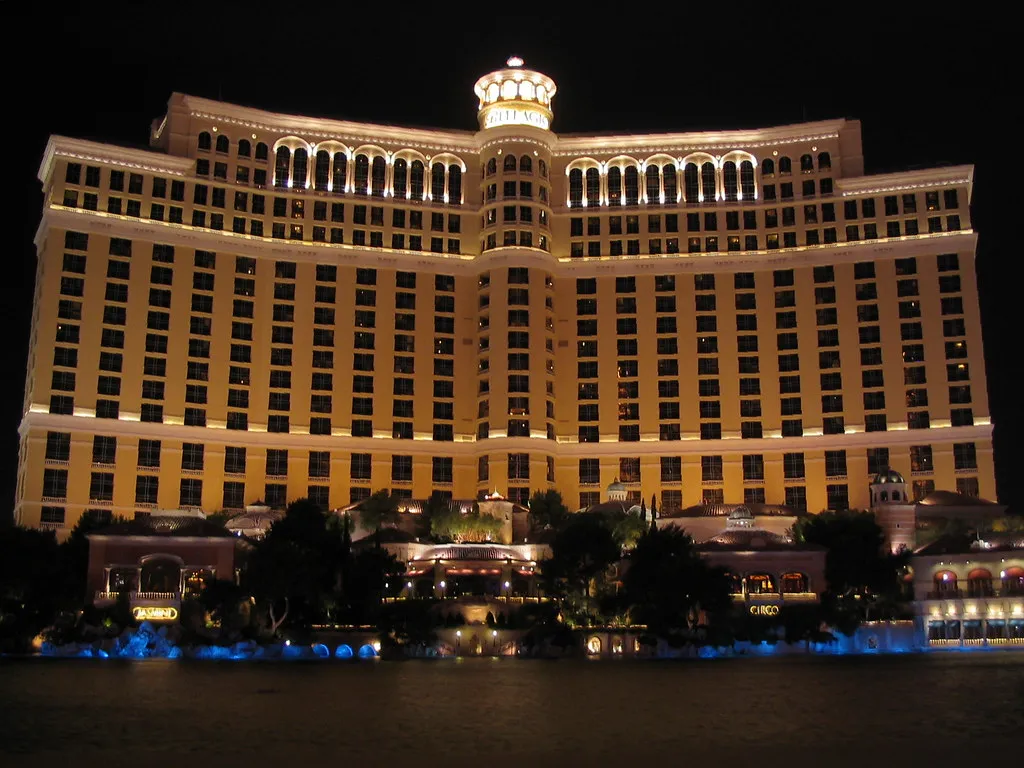
The empty wall where a clock should hang is, in its own quiet way, one of the most revealing things about how Las Vegas casinos work. It’s a reminder that the environment around us shapes our decisions in ways we often don’t consciously register. Our responses to colour, brightness, and sound happen at a subconscious level, meaning even informed players can still be swayed by them.
Knowing the trick doesn’t fully neutralize it, but it does change the relationship between visitor and building. The next time you walk onto a casino floor and feel like time is somehow soft and elastic, that feeling has a name, a history, and a designer behind it. Walking in with that awareness is, at minimum, a more honest way to play.
AI Disclaimer: This article was created with the assistance of AI tools and reviewed by a human editor.