
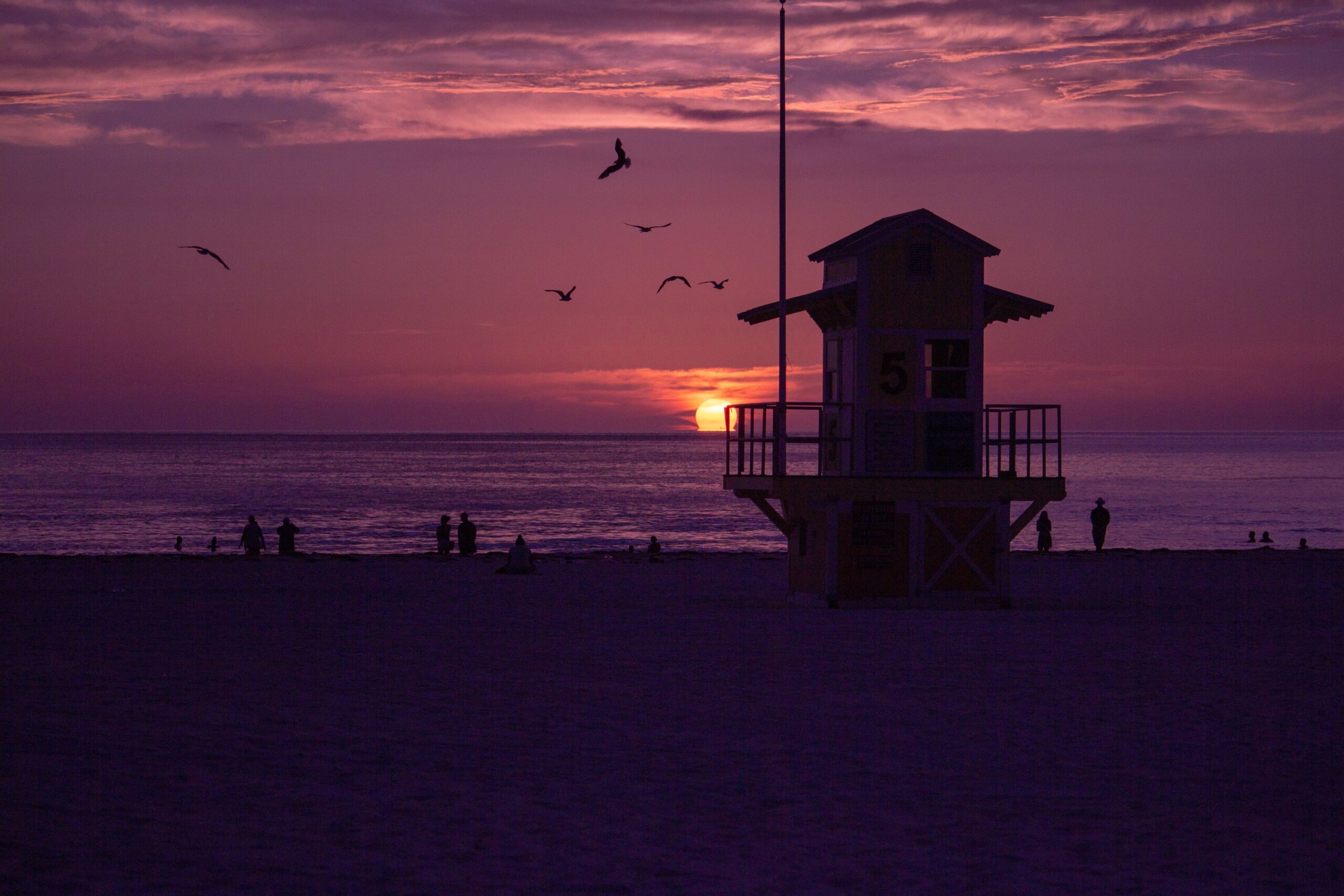

There’s a particular kind of stillness that settles over a beach town once summer officially ends. The ice cream shops are still open. The water is still warm. The sunset is just as spectacular. Only the crowds are gone.
Late September occupies a sweet spot that most travelers overlook. Schools are back in session, the holiday weekend rush has faded, and yet the coast hasn’t shuttered for winter. What’s left is something genuinely rare in American beach travel: the destination at its most natural, unhurried best.
The Crowds Thin Out Almost Overnight
Nearly half of American travelers say they prefer off-peak periods to avoid crowds, and the data reflects why: summer holiday weekends drive enormous surges, with the Fourth of July drawing roughly a third of Americans to travel, followed by Memorial Day and then Labor Day. Once Labor Day passes, that wave simply stops.
After a crowded summer, coastal towns settle back into themselves. By late September, visitor numbers drop noticeably, humidity eases along many stretches of the Southeast coast, and simply walking around becomes manageable again. What once required planning around parking, reservations, and beach access suddenly becomes effortless.
The Ocean Water Is Still at Its Warmest

According to the National Centers for Environmental Information, most people feel comfortable swimming in water that is between 70 and 78 degrees Fahrenheit. Late September delivers exactly that window across most of the US coastline, because ocean temperatures lag behind air temperatures by several weeks.
Along Florida’s Emerald Coast, the Gulf of Mexico hovers between 75°F and 85°F during the May through October window – a range described as the sweet spot for long, comfortable swims. As a general rule, water anywhere in Florida will be warm enough to swim comfortably between April and October. The same warming pattern plays out along the Gulf Coast from Texas through Alabama.
Airfare and Accommodation Prices Drop Significantly
Even within US destinations, airfare can drop nearly a fifth in some cities during the fall shoulder season, according to Expedia’s Fall Travel Outlook. On top of that, vacation rental platforms have shown savings of up to $600 per night in places like Myrtle Beach and Pensacola during the fall window.
The post-Labor Day period is considered one of the most underrated planning opportunities in the calendar. For roughly three to four weeks beginning the Tuesday after Labor Day, statewide hotel average daily rates drop by meaningful amounts – in Hawaii, by roughly $46 to $90 per night depending on the island, according to Hawaii Tourism Authority hotel performance reports. The pattern holds broadly across most US coastal markets, not just Hawaii.
More Americans Are Extending Their Summers into September

The summer travel season is seeing a significant extension into September for many Americans. According to Deloitte, the number of trips taking place after Labor Day has grown from roughly one in eight in 2022 to about one in five in 2026. This shift is gradual but real, and it reflects a growing awareness that September delivers the experience without the peak-season cost.
Looking ahead, a large majority of Americans plan to maintain or increase their travel activities, with a continued preference for off-season travel cited specifically as a way to avoid crowds and manage costs. Late September sits squarely in that strategy for beach-focused travelers.
Shoulder Season Is Now a Recognized Travel Trend
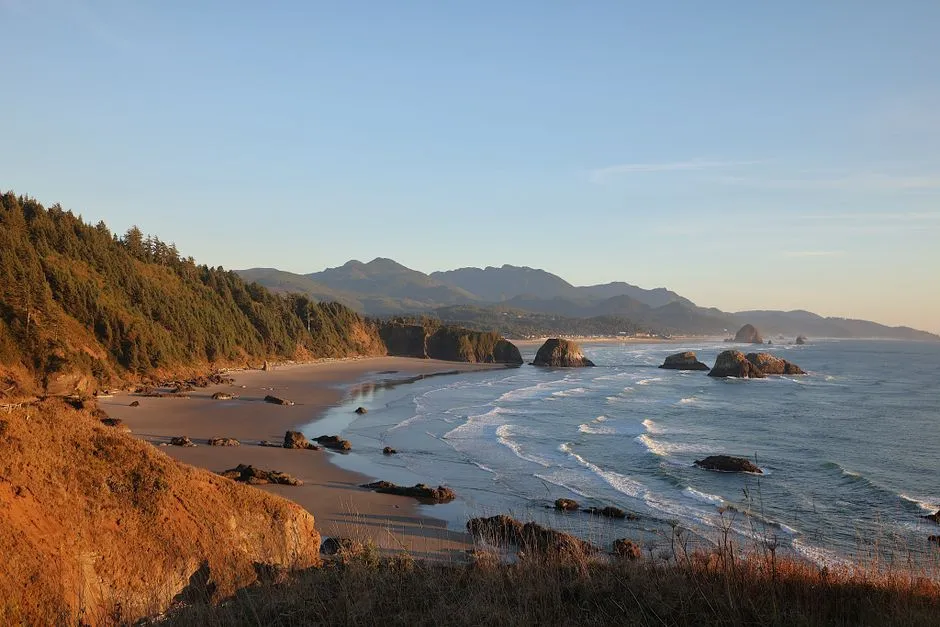
The term “shoulder season” refers to the period between a destination’s high and low tourist seasons – early spring before summer begins, or mid-fall after school resumes. In beach towns specifically, this shoulder window often falls in September.
According to Skyscanner’s 2025 Smarter Summer Report, roughly one in three Americans are planning off-peak trips, with younger generations leading the way. Travel experts widely recognize shoulder season as the sweet spot, though exactly when it falls varies by destination. For most US coastal towns on the Atlantic and Gulf, late September is that moment.
Coastal Weather Is Often More Pleasant Than Peak Summer
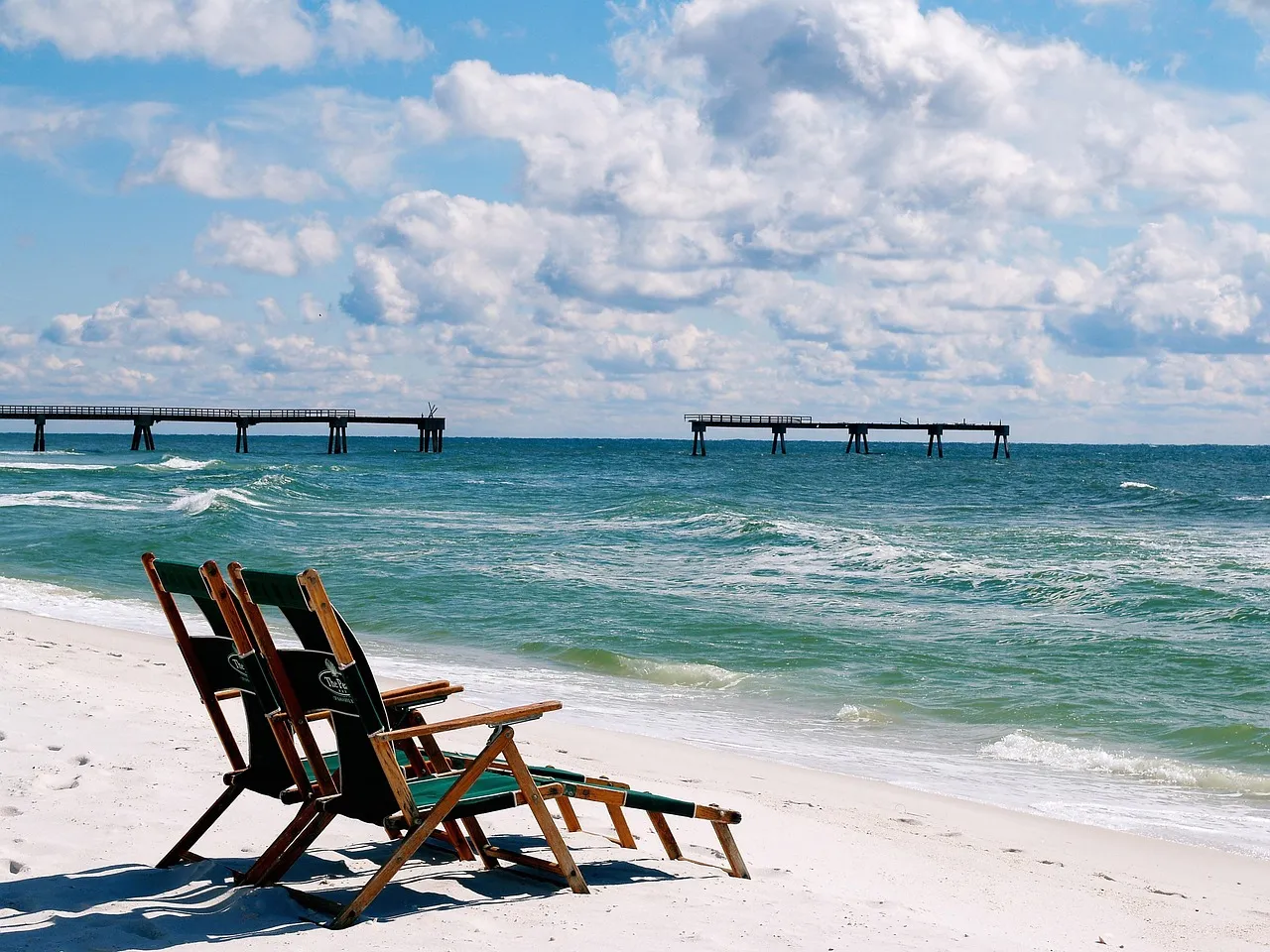
The shoulder season is unlikely to bring the sweltering heat or storms associated with midsummer. In some cases, the weather during shoulder season is actually better than peak season. In Florida, for instance, September through November is considered ideal for exploring regions like Destin-Fort Walton Beach.
Fall, running from September through November, is considered a strong time to explore the United States more broadly. The weather is cooler, and tourist sites are less crowded than in summer, making it an ideal period for outdoor coastal activities. The light is different too – longer golden hours, softer skies, and evenings that don’t require you to retreat indoors by six.
Southern Coastal Towns Come Into Their Own
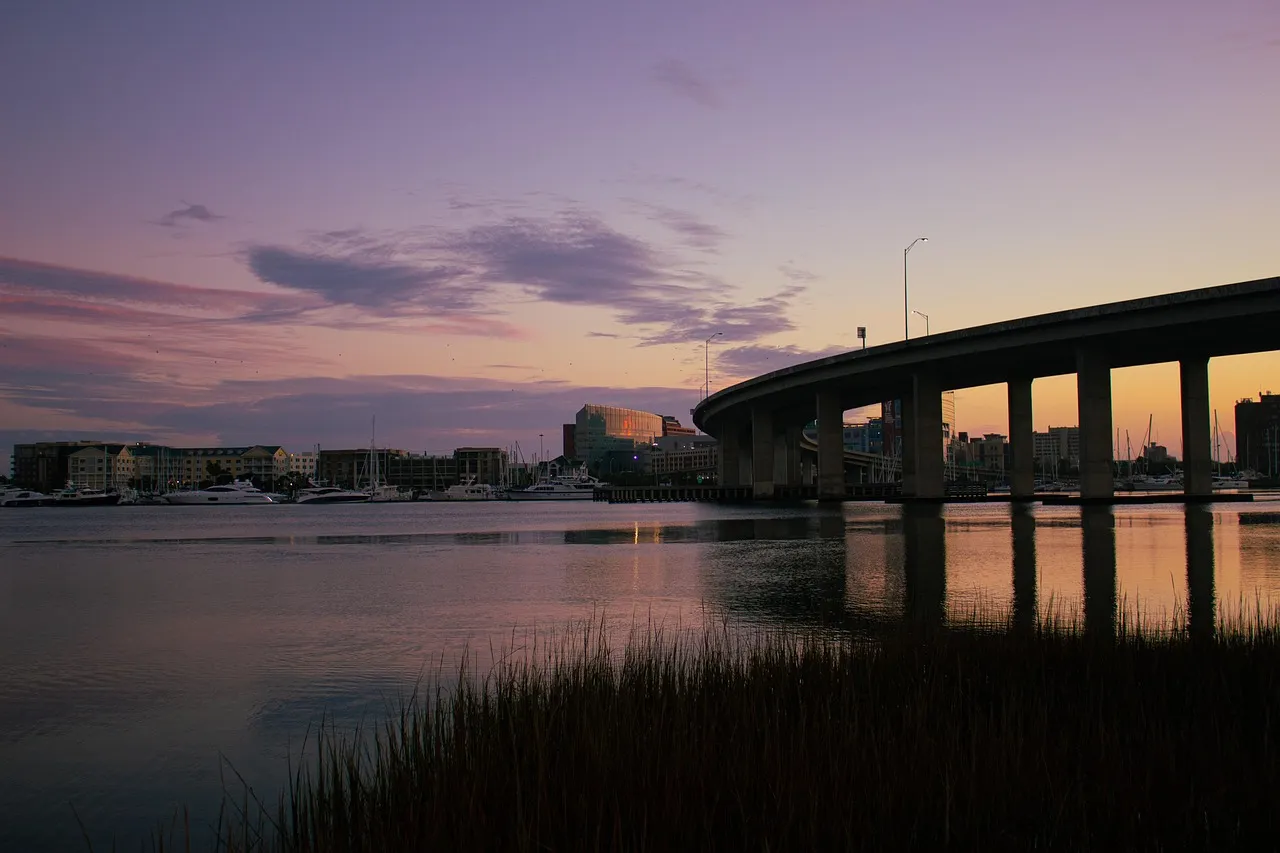
In the South, cities like Charleston and Savannah offer particular rewards during the shoulder season window. Travelers can experience southern hospitality, historic architecture, and local cuisine with pleasant weather, and the southern US shoulder season runs from late September through November.
After a crowded summer, Charleston settles back into itself. By late September, visitor numbers drop, humidity eases, and walking the peninsula becomes genuinely comfortable. October and November are especially pleasant for spending time along the Battery, exploring the Historic District, and getting out on the harbor. The town’s restaurants, which require weeks of advance booking in summer, become accessible again almost immediately after Labor Day passes.
Beach Tourism Remains a Massive Driver of the US Economy

Beach destinations are the most sought-after travel destination among Americans, with roughly seven in ten planning to visit coastal locations during the summer season, and eight out of the ten most in-demand US travel destinations being beach towns. The appeal doesn’t evaporate in late September – it just becomes easier to enjoy.
The global beach tourism market was valued at roughly $281 billion in 2024, with projections suggesting significant continued growth through the early 2030s. In the United States, ocean-based tourism and recreation serve as a major employer and represent a large slice of the broader marine economy. Visiting in late September means contributing to that local economy during a period when it genuinely needs the support.
Flight Disruptions Are Dramatically Lower

August sees the highest number of international arrivals in the US, and July carries the highest flight-disruption rate across all seasons, at roughly 30 percent. That congestion has a direct effect on the quality of any trip – delayed arrivals, overbooked rental cars, and strained airport infrastructure all peak in midsummer.
For travelers, August typically means higher prices, crowded airports, and a greater chance of delays. Visiting in the autumn shoulder season can offer a smoother experience, as statistics show that flight disruption drops to under 15 percent. For a beach trip, which depends on relaxed arrival and departure, that difference is genuinely meaningful.
Coastal Restaurants, Shops, and Experiences Are Fully Operational
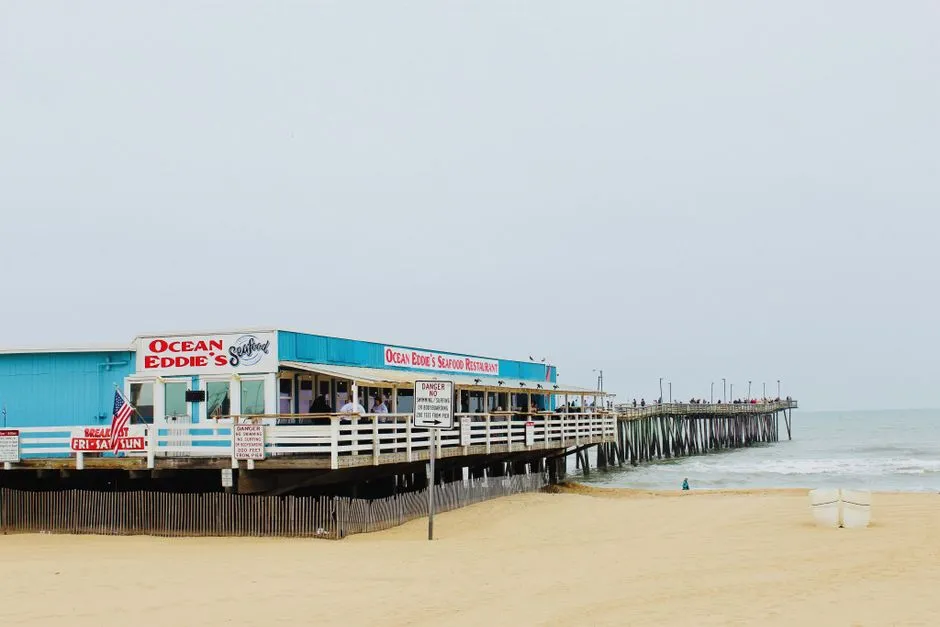
Fewer crowds, lower prices, and pleasant weather combine during what travel experts describe as shoulder season – the narrow stretch between peak and off-season when places remain fully operational but far less pressured. As travel planners note heading into 2026, the best time to visit many destinations isn’t peak season at all.
Once summer crowds depart, visitors can savor smaller crowds and find even greater savings while coastal attractions and restaurants remain fully open. The paradox of a beach vacation in late September is that you typically get more of the destination itself – more access to the water, more tables at the best local spots, more space to simply be present – than any July traveler ever does.
A Final Thought
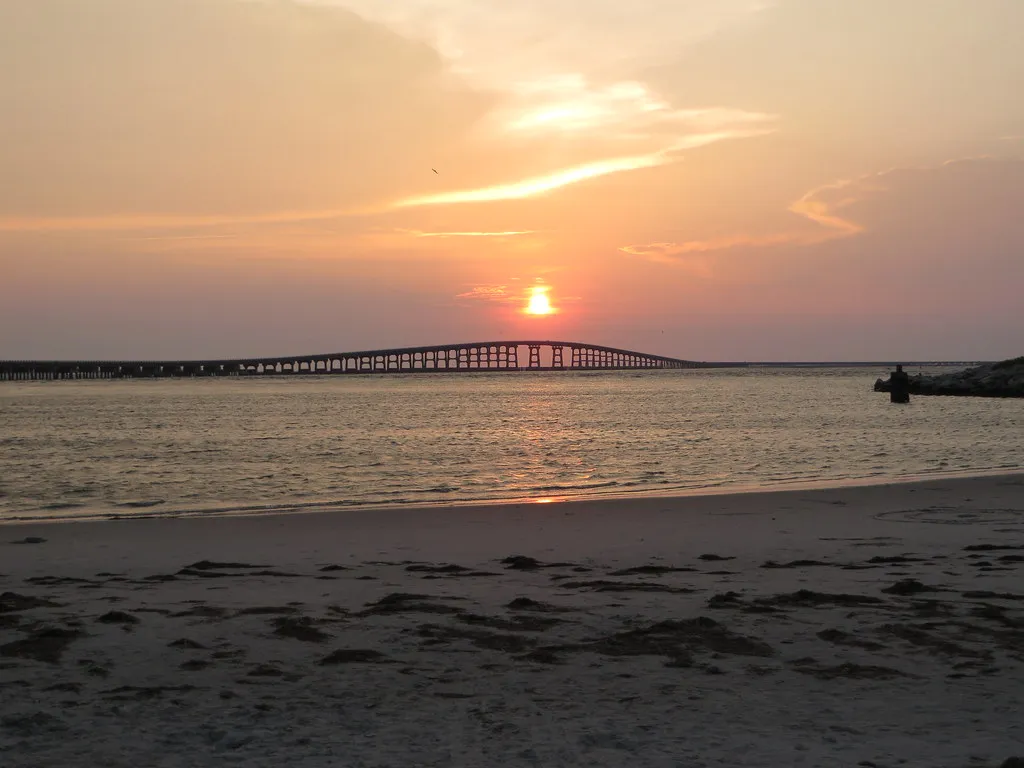
Late September at an American beach town is one of those experiences that’s hard to oversell, because it’s so straightforwardly good. The math works: warm water, falling prices, thinner crowds, and a coastline that finally has room to breathe.
The travelers who discover this window tend to return to it every year, quietly. They’re not wrong to keep it close. There’s something almost private about a boardwalk in late September – the kind of calm that peak season, for all its energy, never quite manages to deliver.
AI Disclaimer: This article was created with the assistance of AI tools and reviewed by a human editor.