

The Shape That Started Everything
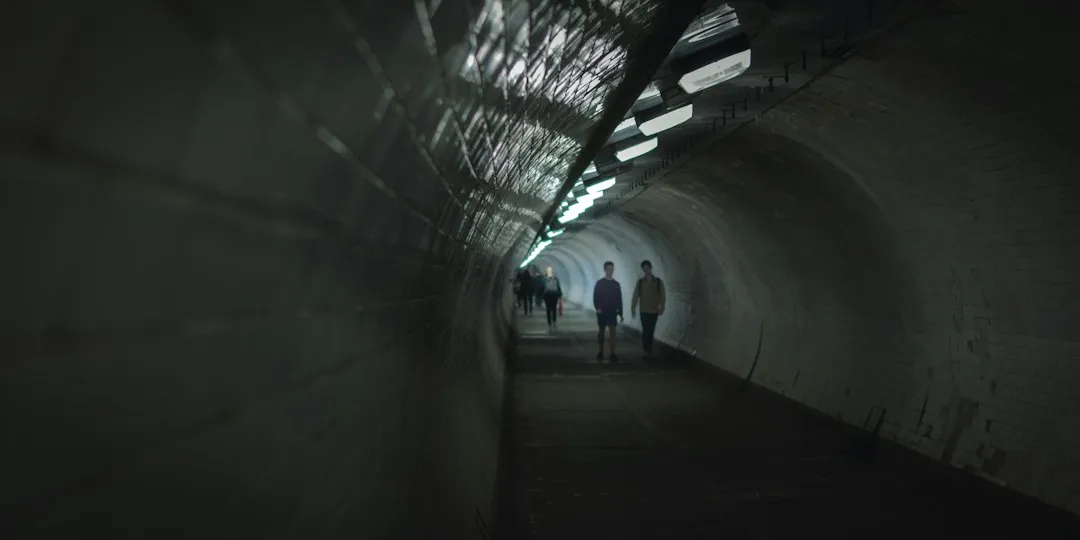
The name “Tube” comes from the circular, tube-like tunnels through which the small-profile deep-tube trains travel. This is the clearest, most direct answer to the question. The tunnels in the deep sections of the network aren’t rectangular or arched in the traditional sense. They’re genuinely circular, like a pipe driven through the earth.
Popular local names include “the Underground” and, more colloquially, “the Tube,” in reference to the cylindrical shape of the system’s deep-bore tunnels. The description became so accurate and so natural to everyday speech that it took on a life of its own.
Where It All Began: January 1863
The London Underground is the world’s oldest underground system. Services began on 10 January 1863 on the Metropolitan Railway; most of the initial route is now part of the Hammersmith and City line. When it opened, it was powered by steam locomotives, not the electric trains we associate with it today.
The scale of that original ambition is worth pausing on. Building a railway beneath a densely populated Victorian city, with no modern excavation machinery, was an enormous undertaking. In the 1830s, London was growing fast and its streets were very crowded. The idea of an underground railway was suggested to connect the city’s main train stations.
Cut-and-Cover: The First Method
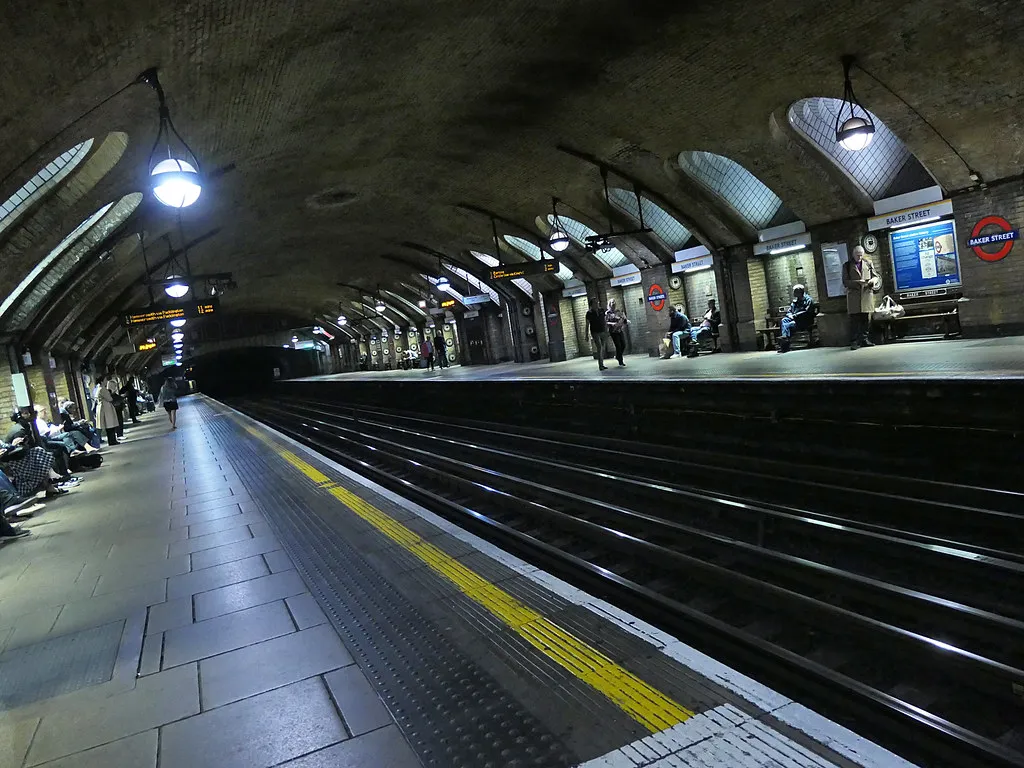
At first, underground lines were constructed using “cut and cover,” where a trench was dug, the line was laid, and then covered over. This method was effective enough for shallow tunnels, but it caused enormous disruption at street level during construction.
Engineers building the Metropolitan line in 1863 used the cut-and-cover method to dig tunnels. This meant workers dug a trench, built the sides, and then roofed it over. Roads had to be closed for weeks on end causing disruption in an already-crowded city. The tunnels built this way had a more rectangular or broadly arched profile, quite unlike the circular tunnels that would later give the network its famous nickname.
The Deep Tube Tunnels That Changed Everything
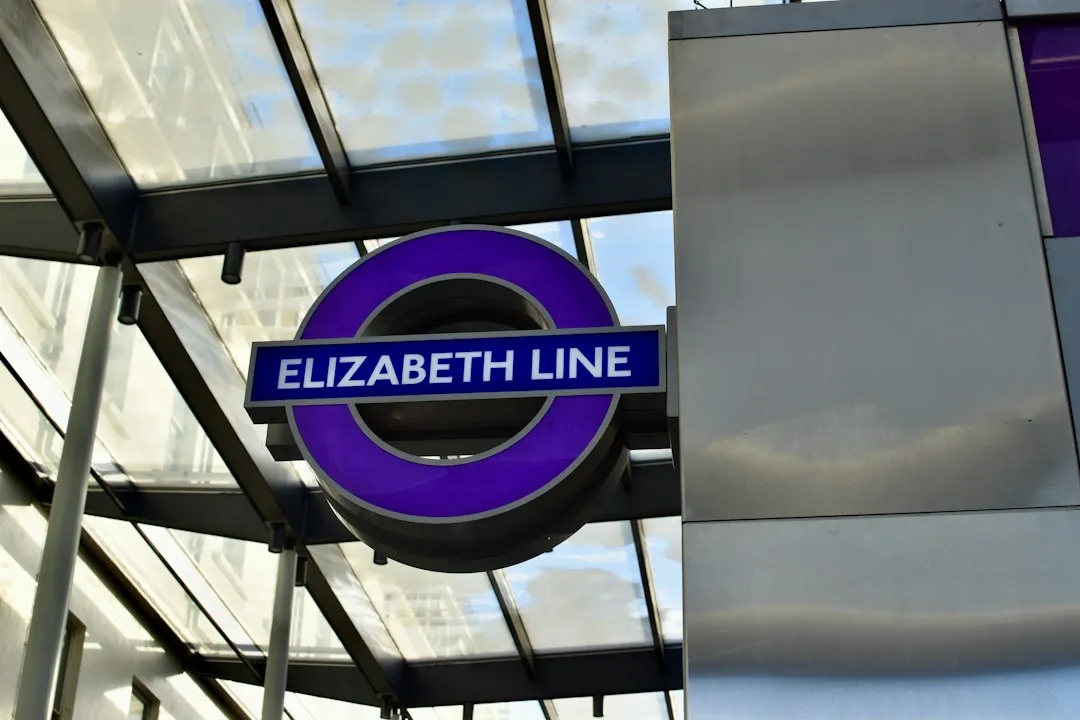
Early sub-surface lines used the cut-and-cover construction method, later transitioning to deeper, circular “tube” tunnels, which pioneered the use of underground electric traction with the opening of the City and South London Railway in 1890, now part of the Northern line.
The first deep “tube” railway, made by tunnelling, was the City and South London Line, which opened in 1890. It now forms part of the Northern Line. To build these deeper tunnels, engineers used a very different approach. Engineers later adopted the more successful shield method. This was used to build much of what is now the Tube. This method used a large circular iron frame with pockets. Within each pocket there was a man with a spade.
The “Twopenny Tube” and How the Name Spread
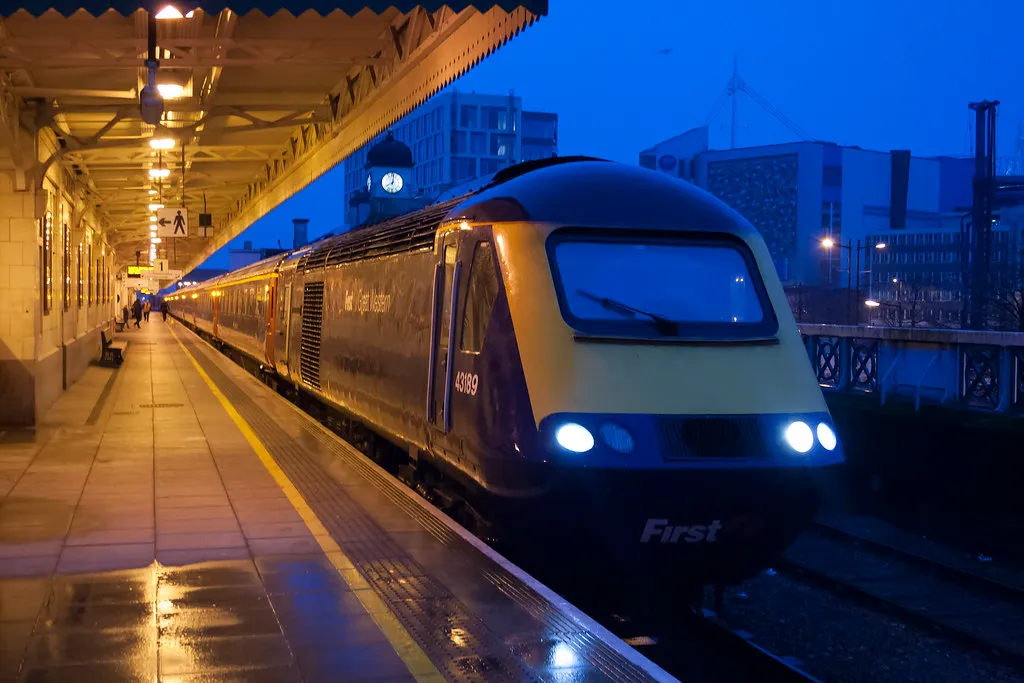
When the Central Line Railway opened in 1900, it was called the Twopenny Tube, referencing the price of a ticket. The flat fare of two pence meant any passenger could travel any distance for the same price, which was a novelty at the time.
The Central London Railway was nicknamed the “Twopenny Tube” for its flat fare and cylindrical tunnels; the “tube” nickname was eventually transferred to the Underground system as a whole. From that point forward, the word began to detach from any single line and settle over the entire network like a familiar coat.
When “Underground” Became the Official Name
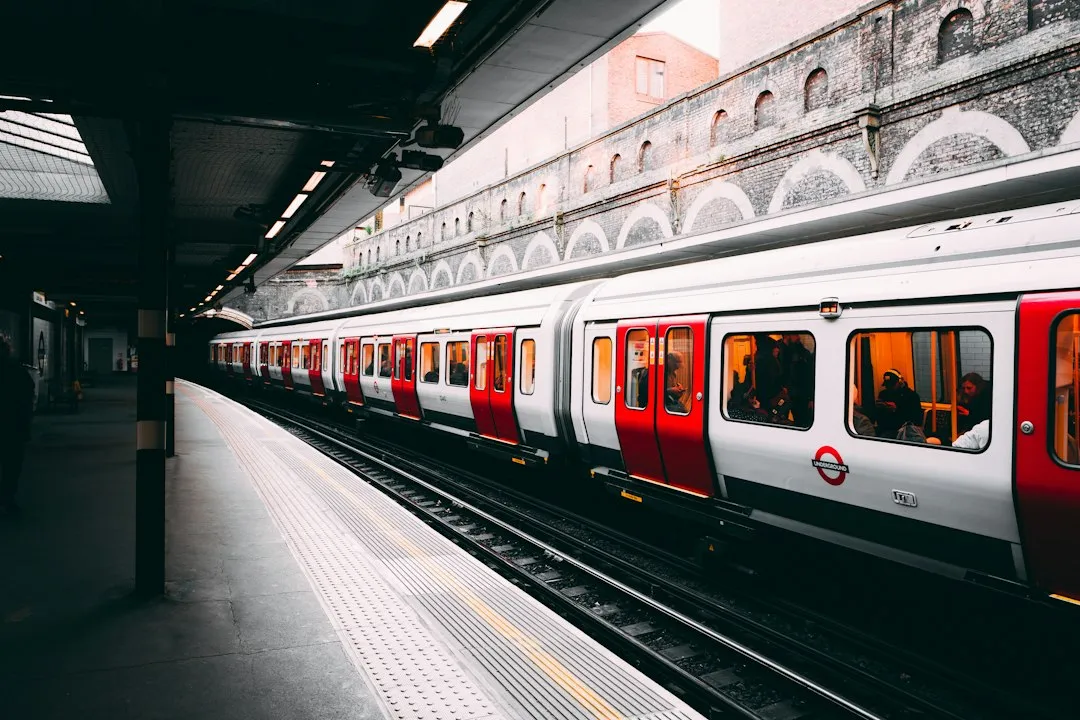
In 1900, Charles Tyson Yerkes, an American railway magnate, arrived in London, and he was subsequently responsible for the construction of more tube railways and for the electrification of the cut-and-cover lines. The London Underground name first appeared in 1908.
Originally owned and operated by competing private companies, these distinct routes were unified under the “Underground” brand in the early 20th century and publicly consolidated in 1933 to form London Transport. So for a good few decades, two names existed side by side: “Underground” as the formal designation, and “Tube” as the word people actually used in daily conversation.
Not Fully Underground at All
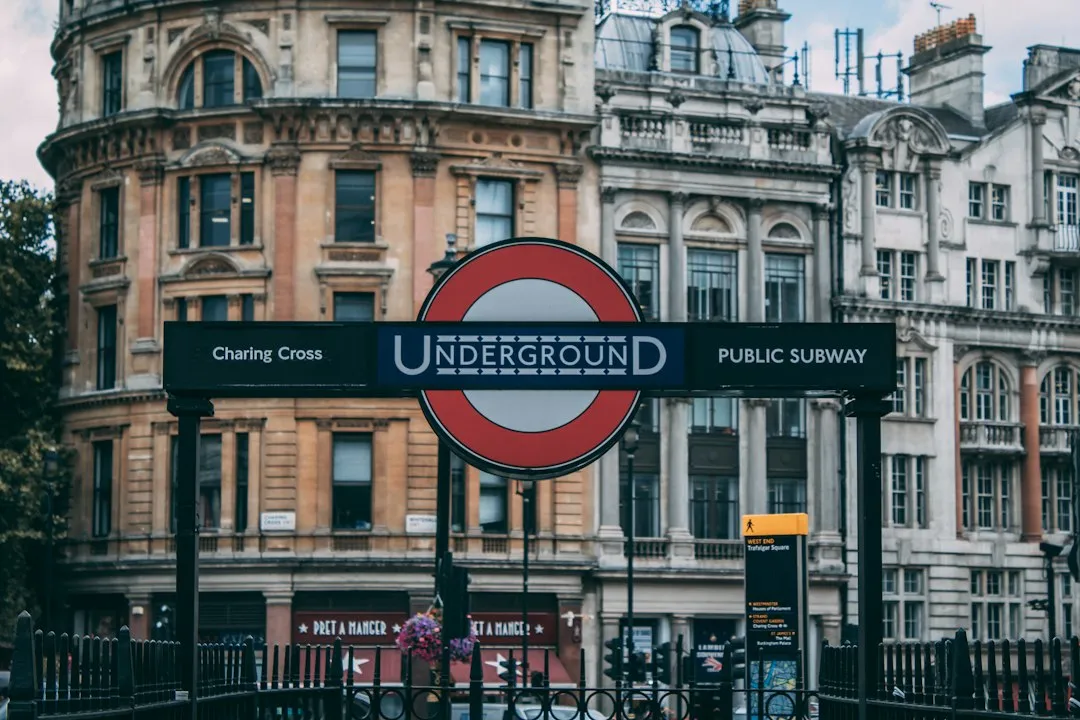
Here’s one of the most surprising truths about the network. While the system’s nickname originates from its deep-level circular tunnels, only 45% of the network is underground, with the majority of the outer surface tracks located north of the River Thames.
Only 45% of the system is actually underground. Much of the track in London’s outer areas runs on the surface. So “the Underground” is, technically speaking, a slight misnomer when applied to the full network, which makes the name “the Tube” somewhat more precise in spirit if not in complete literal fact.
The Map, the Roundel, and a Cultural Icon
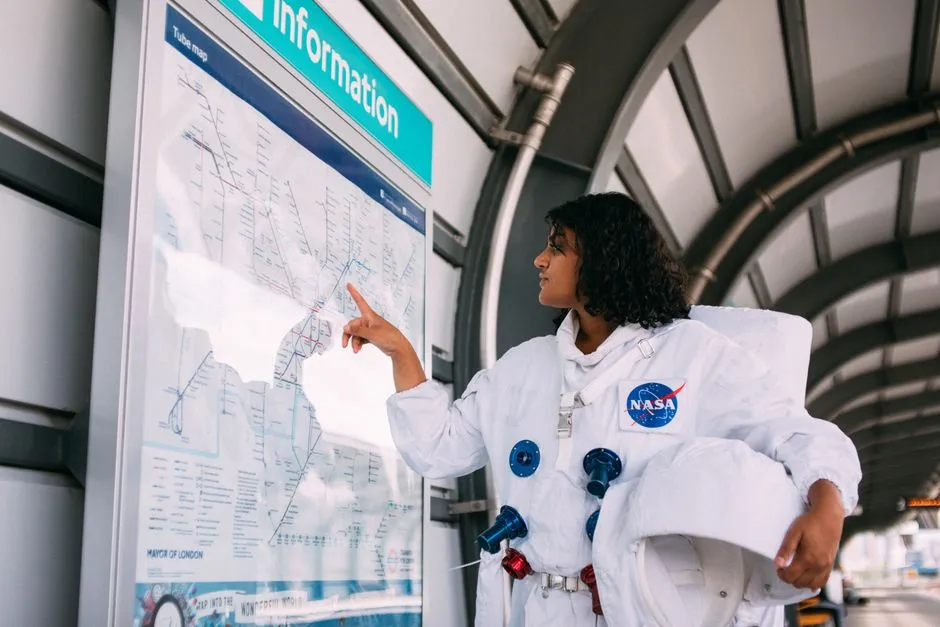
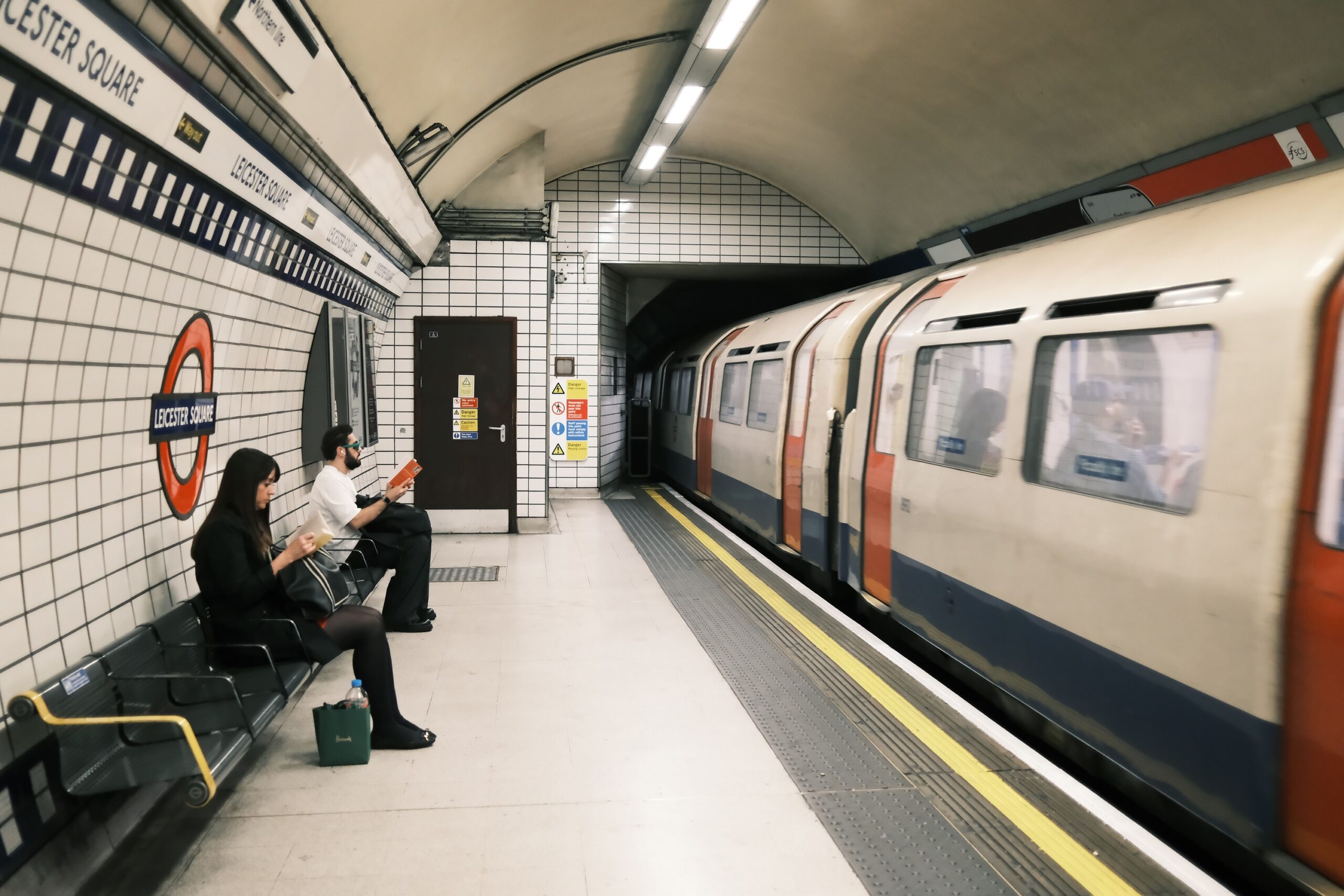
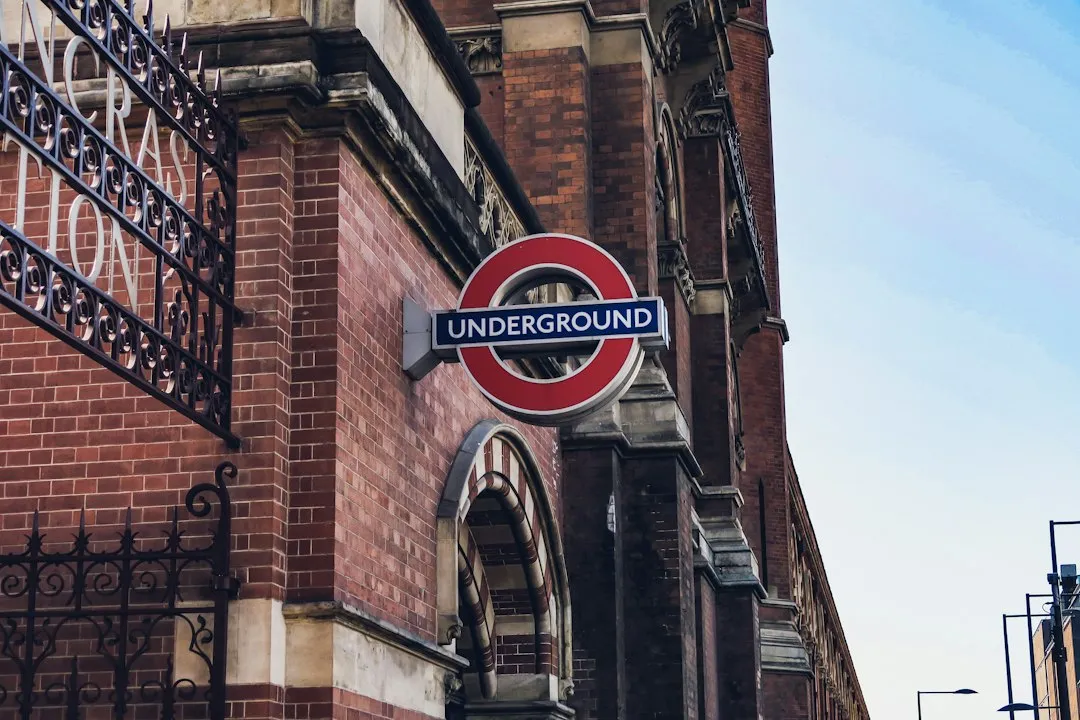
The system is famous for its logo, called the roundel, a red circle with a blue bar, and its unique map. The Tube map, designed by Harry Beck in 1931, is a design classic. Beck’s map abandoned geographic accuracy entirely in favor of clarity, organizing lines along horizontal, vertical, and diagonal axes.
TfL’s Tube map and roundel logo are instantly recognisable by any Londoner, almost any Briton, and many people around the world. The original maps were often street maps with the lines superimposed, and the stylised Tube map evolved from a design by electrical engineer Harry Beck in 1931. Few design decisions in public infrastructure history have proven as enduring or influential.
The Network by the Numbers Today
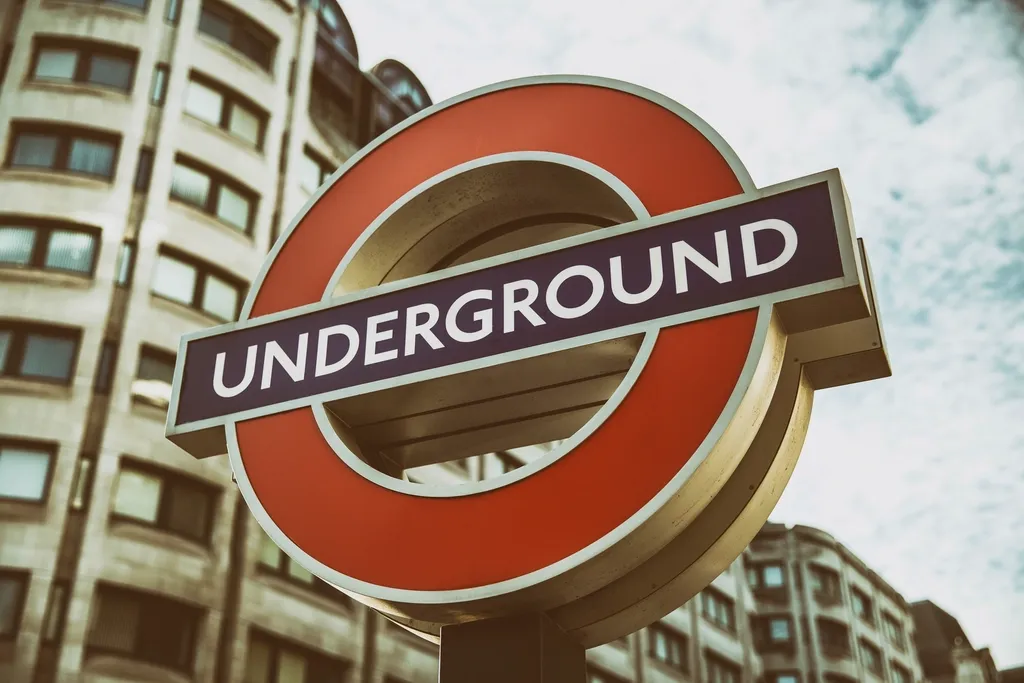
There are currently 272 stations open and 249 miles, or 402 kilometres, of active lines. That makes it one of the most extensive metro systems in the world by route length, stretching well beyond the central zones that most visitors ever see.
It is one of the busiest rapid transit networks in the world, accommodating over 1.2 billion passenger journeys annually in 2024 to 2025. To put that into perspective, the network serves more journeys in a single year than the entire population of Europe. Over 12,000 CCTV cameras are used to monitor the London Underground stations, depots, car parks, and trains.
Accessibility and the Network in 2026

As of December 2025, 94 Underground stations, representing roughly a third of the total, have step-free access. Step-free access is provided by using lifts, inclined lifts, level access, and ramps as appropriate for each station. All stations on the network feature minor accessibility features such as tactile platform strips, audiovisual passenger information, wide ticket gates, clear signage, and help points with hearing loops.
In 2024, average daily journey stages increased on National Rail and Overground and London Underground, with Underground journeys increasing by around two per cent. Recovery from the pandemic-era dip in ridership has been gradual but steady, and the network continues to adapt to a city that keeps changing around it.
The Takeaway
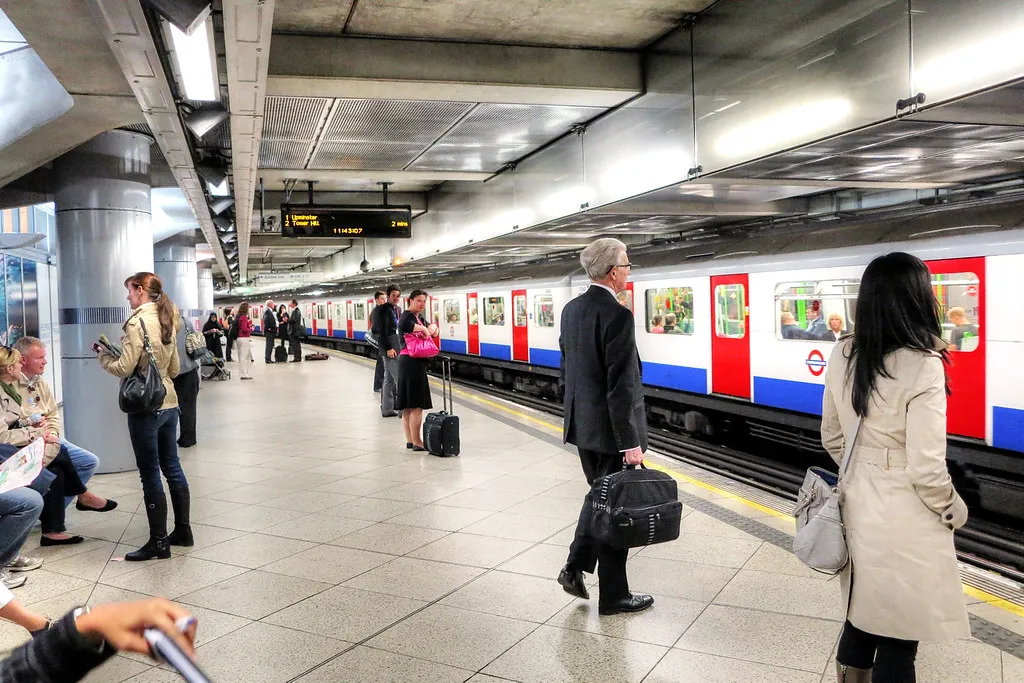
The word “Tube” is deceptively simple. It points to something very specific: the circular bore of a deep-level tunnel, bored through clay by hand with iron shields in the late 19th century. That engineering choice, driven by practical necessity, quietly gave one of the world’s most iconic transit networks its lasting name.
What makes the story genuinely interesting is how a purely technical descriptor became shorthand for an entire urban experience. The Tube is not just a shape. It’s a sound, a smell, a rhythm, a daily ritual for millions of people, all traced back to the geometry of a Victorian tunnel.
AI Disclaimer: This article was created with the assistance of AI tools and reviewed by a human editor.