
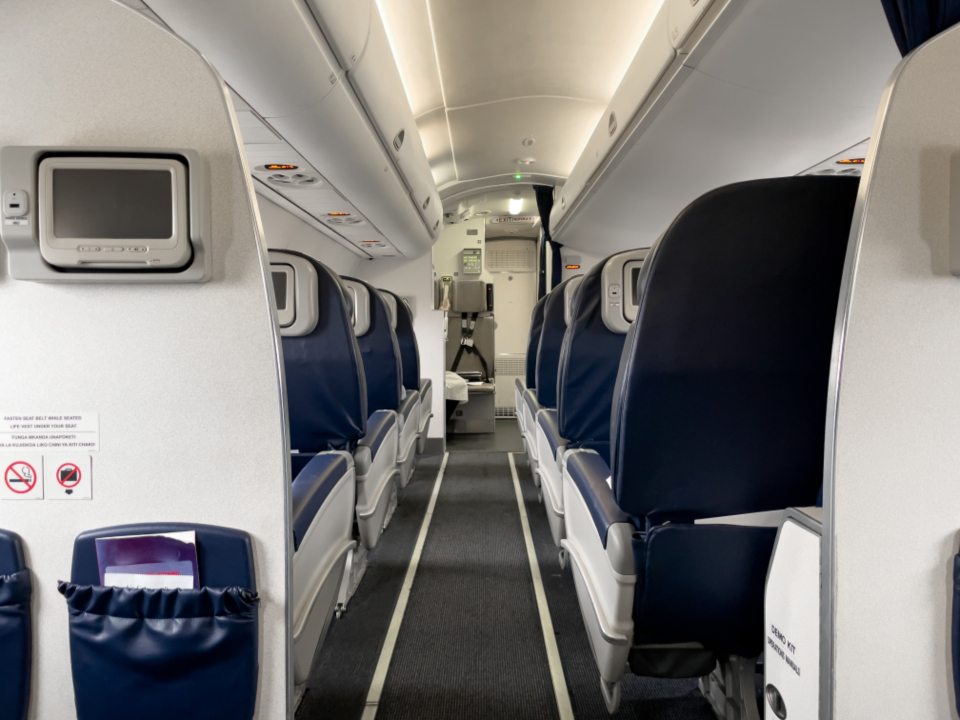

Settle into your seat on a Ryanair or Emirates flight sometime and count the rows. You’ll notice something curious: the numbers jump from 12 straight to 14, as if simply doesn’t exist. No announcement is made, no explanation offered. It’s just quietly gone.
This small quirk turns out to be a window into something much larger – a global tangle of mythology, cultural psychology, and careful customer management that shapes the modern aviation experience in ways most travelers never stop to consider.
The Airlines That Actually Do It
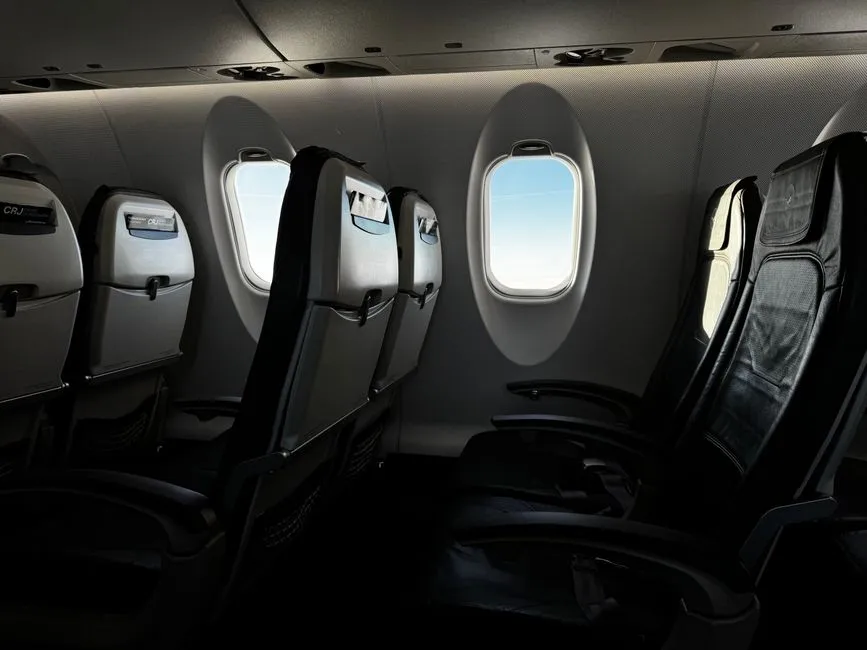
Ryanair, Air France, Singapore Airlines, Cathay Pacific, Qatar Airways, Emirates, KLM, and Iberia all skip row 13 on certain planes. The list is longer than most people expect. Among UK carriers, only Virgin Atlantic skips row 13, while British Airways and easyJet do not. United Airlines drops row 13 on most aircraft types, with Alaska Airlines doing the same but only on its Boeing 737-800.
U.S.-based airlines such as American, Delta, Southwest, and JetBlue do, in fact, have a row 13. So the practice is widespread but far from universal, and the divide often reflects cultural priorities more than any company-wide policy.
The Word Behind the Fear
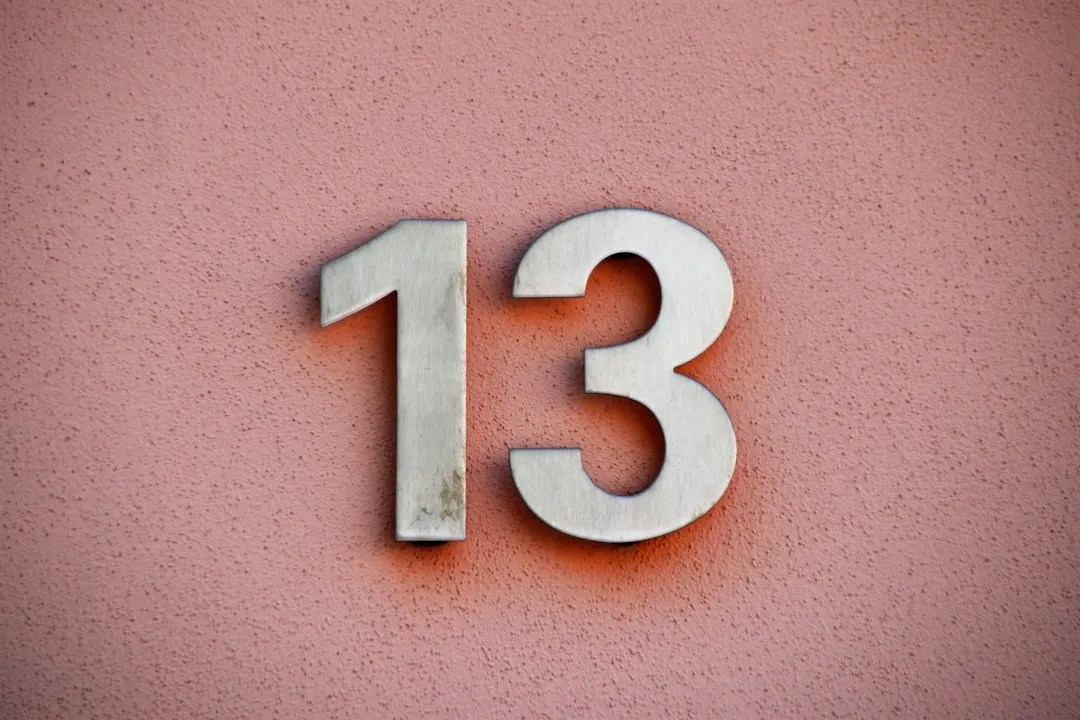
Fear of the number 13 is so common that it even has a name. The word “triskaidekaphobia” first appeared in 1911 in an American psychology journal. The term comes from combining two Greek words: “triskaideka,” meaning thirteen, and “phobia,” meaning fear.
Folklore historians estimate that around 17 to 21 million people suffer from triskaidekaphobia. Those who have this fear believe that anything associated with the number 13 is unlucky and will attempt to avoid it at all costs – they might not book a flight on the 13th day of a month, or may refuse to partake in activities involving the number 13. That’s not a fringe group. That’s a meaningful slice of any airline’s passenger base.
It Goes Back to Norse Mythology
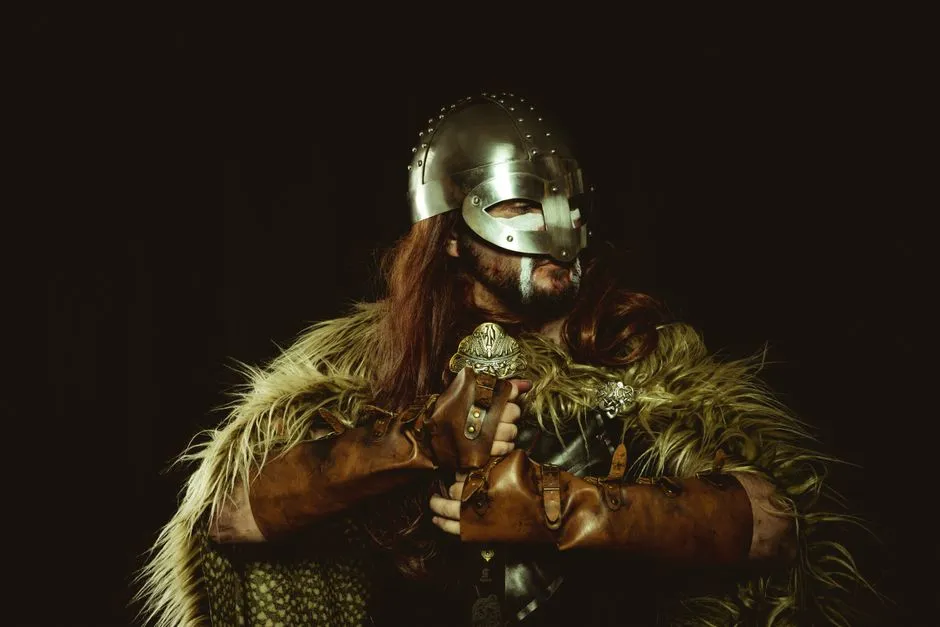
The belief that 13 brings bad luck can be traced back to various historical and cultural beliefs. In Norse mythology, the story of Loki crashing a banquet in Valhalla is a significant contributor. Loki, the god of mischief, was the 13th guest at a dinner party, and his presence led to chaos and tragedy. This story has been passed down through generations, reinforcing the idea that 13 is an unlucky number.
According to the myth, the trickster god Loki, who was not invited, arrived as the 13th guest and arranged for Höðr to shoot Balder with a mistletoe-tipped arrow. The connection between an uninvited thirteenth presence and catastrophe proved remarkably durable across time and culture.
The Last Supper Connection
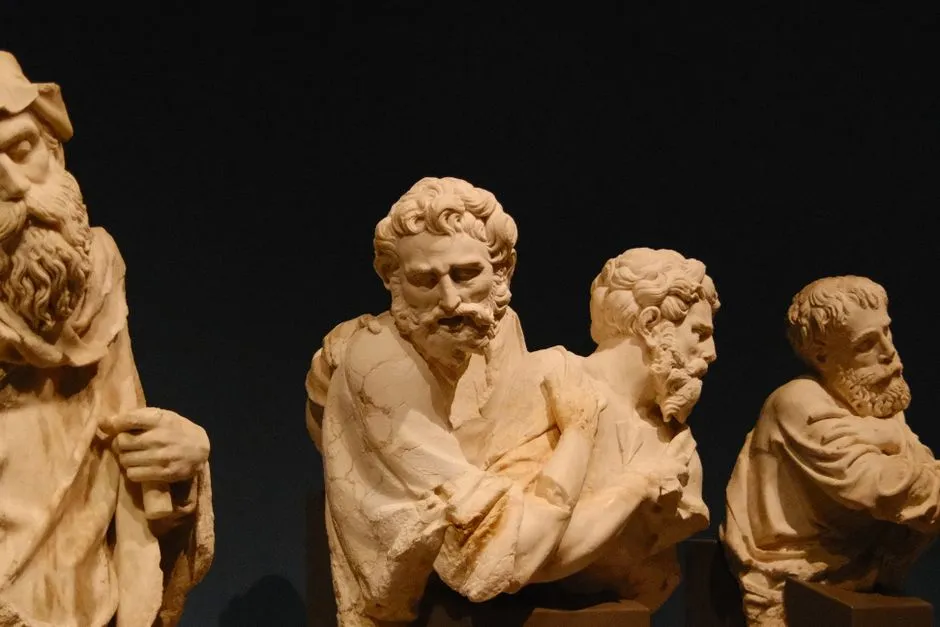
Religious beliefs have also played a significant role in the perception of 13 as unlucky. In Christianity, the Last Supper is a well-known event where Judas Iscariot, the disciple who betrayed Jesus, was the 13th guest. This association with betrayal and misfortune contributed to the negative connotations of the number 13.
This may well be the root of the Christian superstition about 13 at a meal; the idea that Judas Iscariot being both the 13th person to sit at the Last Supper and the betrayer of Jesus mirrors the earlier Norse myth closely. Two independent traditions, centuries apart, landing on the same number. It’s little wonder the association stuck.
Lufthansa Goes a Step Further
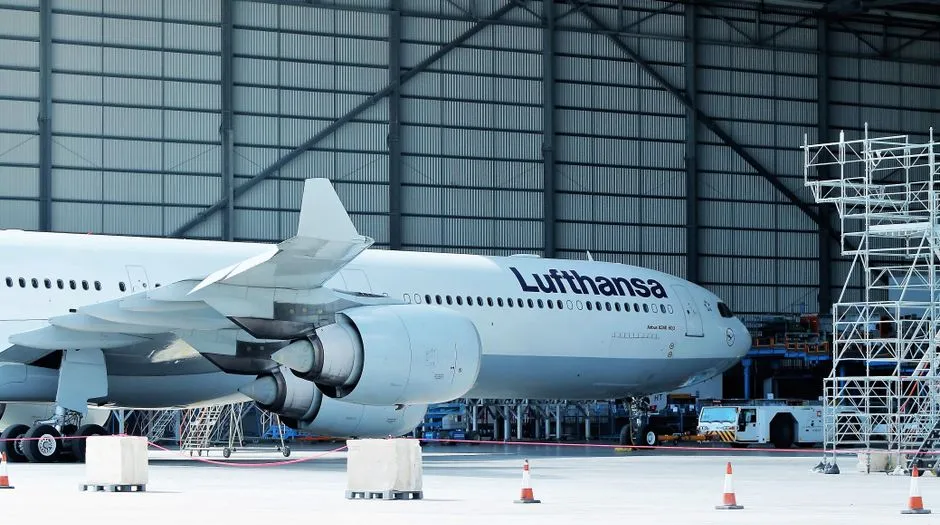
The number 17 is considered bad luck in Italy and Brazil, and as a result, Lufthansa includes neither row 13 nor row 17 on its aircraft. This is a rare case of an airline acknowledging that superstition is not a single, universal belief but something that varies meaningfully by country and culture.
Lufthansa acknowledged this directly, stating that rows 13 and 17 are missing “because these are considered unlucky numbers.” For a German airline with heavy traffic between European and South American routes, the decision makes practical sense. Keeping passengers comfortable, whatever their cultural background, is simply good business.
Asian Airlines and Different Unlucky Numbers
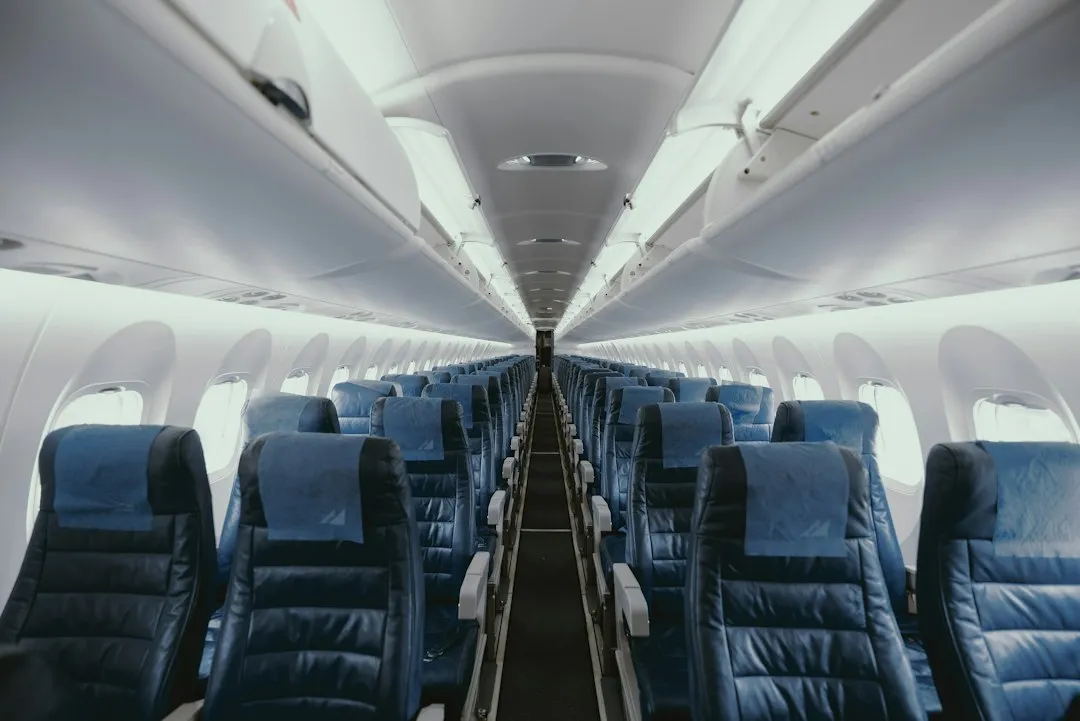
Another omission found on certain seating plans is the number 14. This is due to a superstition around the number in China, where it sounds similar to “is dead” in Mandarin. United Airlines doesn’t have a row 13 or 14 either, with row 14 considered unlucky as it sounds like “will die” in Chinese.
Along with skipping row 13, Cathay Pacific has also removed row number four from its seating plans because the word four sounds like “death.” In Asia, airlines adopting the practice of skipping unlucky numbers include China Airlines, Cathay Pacific, Hong Kong Airlines, Thai Airways, and Singapore Airlines. The number being avoided differs, but the underlying logic is consistent across all of them.
The Customer Comfort Argument
Beyond superstition, there is a more pragmatic reason to skip row 13. Airlines are very concerned about customer satisfaction, and even if only a few passengers express discomfort about sitting in row 13, it could lead to complaints, requests to change seats, or, in the worst-case scenario, the airline losing customers to competitors.
By omitting those seat rows, airlines try to avoid unnecessary additional nervousness with some passengers. When you’re managing hundreds of flights a day, minimizing friction at any point in the passenger experience matters. Removing a row number costs nothing. Dealing with anxious seat-swap requests at the gate costs time, staff effort, and occasionally goodwill.
Not Every Carrier Buys Into It
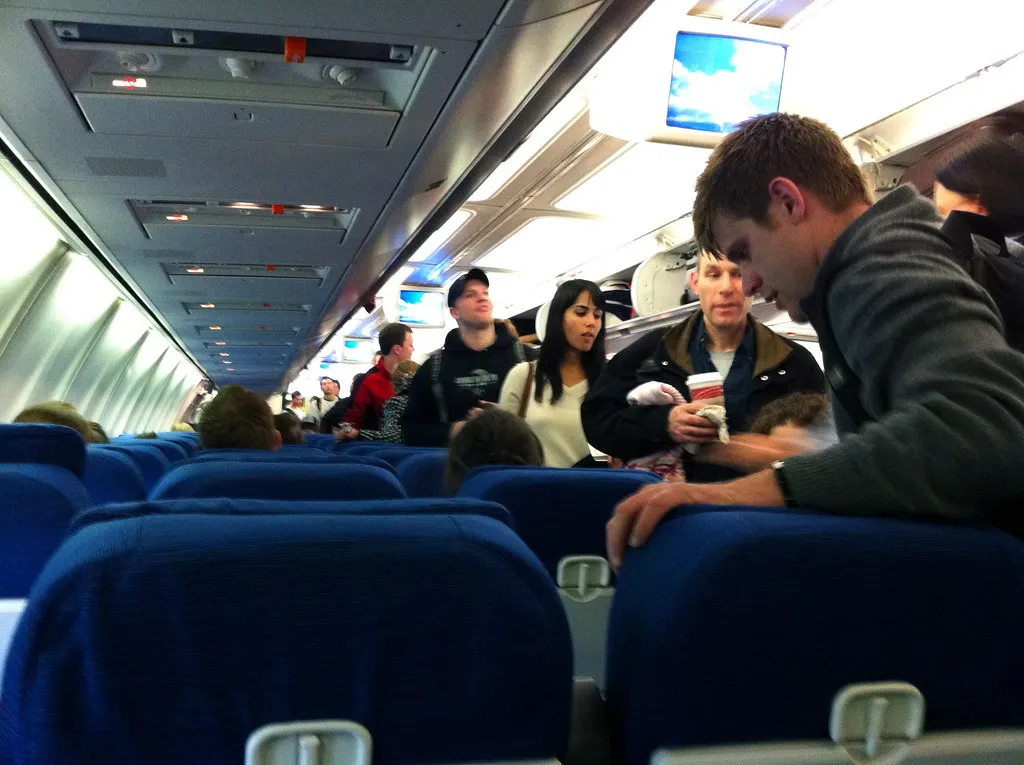
It seems to be more of a Boeing tradition to omit row 13. With the Airbus A320, row 13 often brings in more revenue because of the extra legroom at the emergency exit, as is the case with easyJet. You can also book row 13 on flights with British Airways, Delta Airlines, and American Airlines.
Alaska Airlines chose not to give in to superstition on most of its fleet. All of their Boeing 737-700/900s are equipped with row 13. Row 13 is missing from some of their Boeing 737-800 aircraft because those planes were originally produced for another company, which canceled the order late. Sometimes a missing row is simply an accident of aircraft history, not a nod to the supernatural.
The Superstition Extends Well Beyond Planes
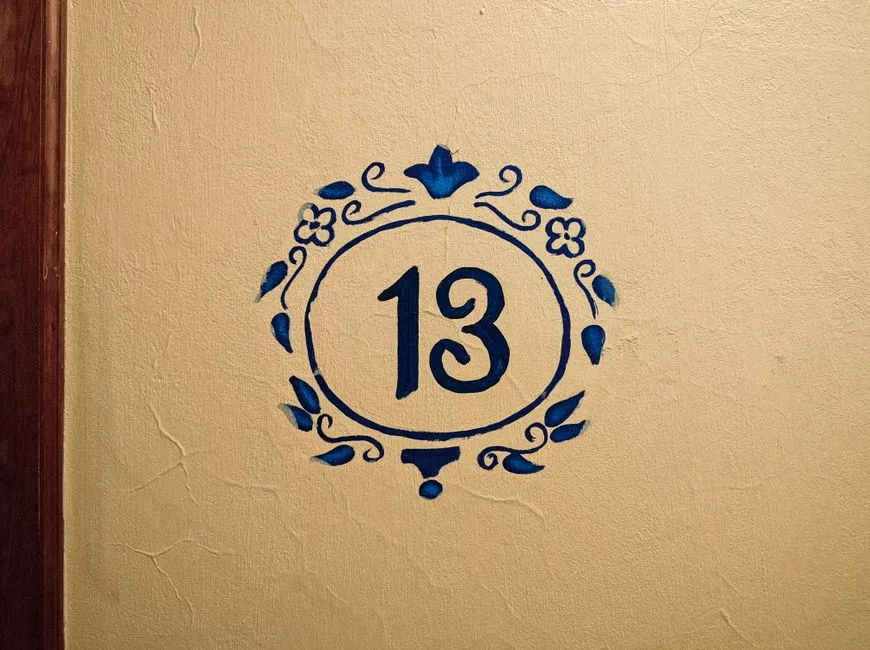
Travel superstition isn’t simply earmarked for planes – hotels and buildings also bypass a 13th floor. Around 13 percent of Americans said they would feel uneasy staying on a 13th floor. The reason many hotels do not list the number 13 inside elevators is to avoid issues with guests who suffer from triskaidekaphobia.
Since the Apollo 13 accident in 1970, space missions no longer reach number 13. That’s a striking example of how a single high-profile event can reinforce a centuries-old superstition and lock it into institutional behavior for decades. The pattern repeats across industries, cultures, and continents.
Does the Number Actually Matter?
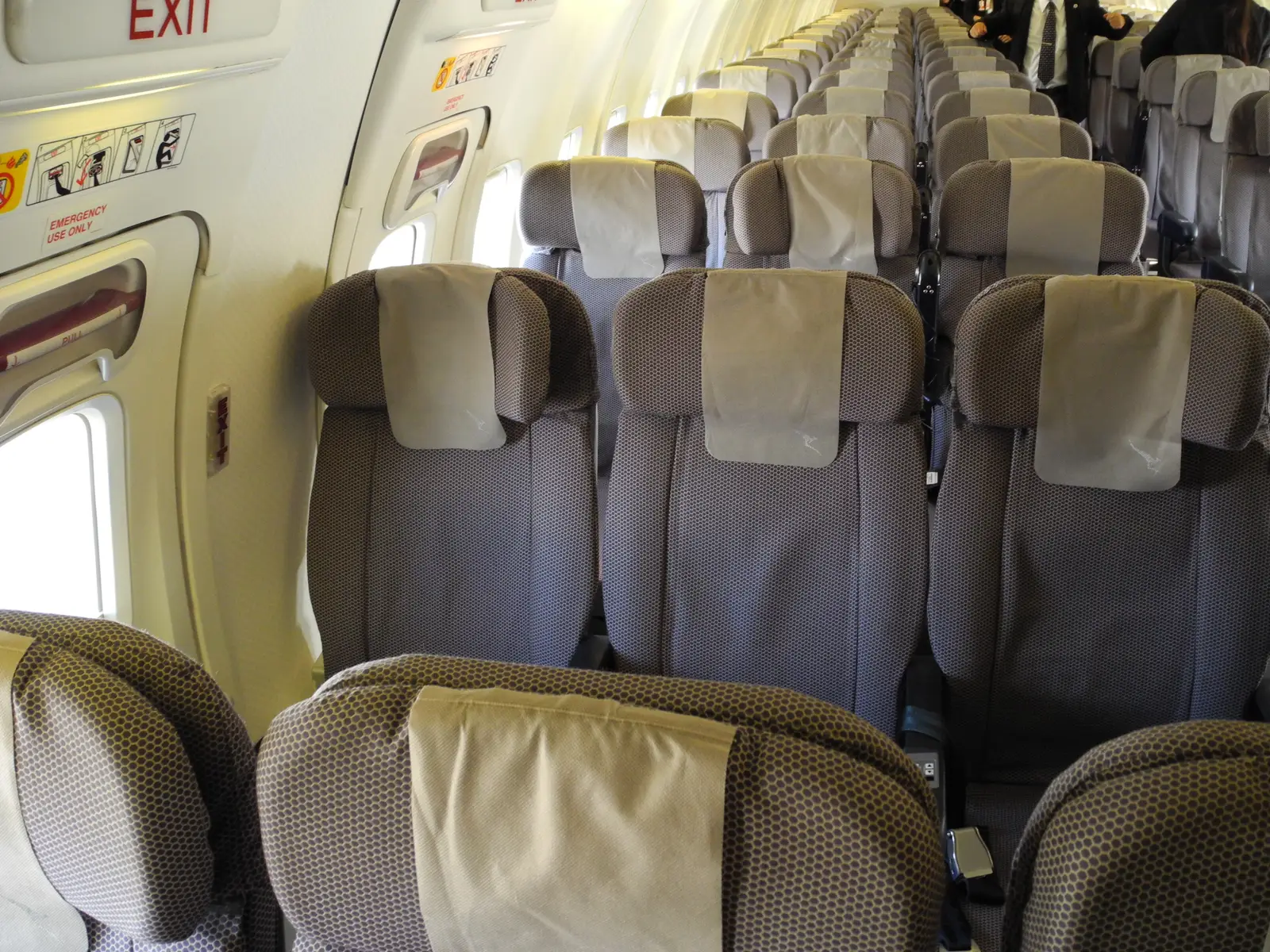
While hotels skip the thirteenth floor and airlines omit row 13, researchers cannot find statistical evidence that this number brings more misfortune than any other. The truth behind 13’s dark reputation reveals more about human psychology than supernatural forces. No credible study has established that sitting in row 13 carries any greater risk than any other row on the same aircraft.
The row that would have been marked 13 is rarely actually the 13th row of seats on the plane. This is because airlines typically skip numbering as they move from first class to coach. So in many cases, what passengers call “row 14” is physically the same seat that would have been row 13. The number changes; the seat doesn’t. That detail alone says quite a lot about the nature of the whole tradition.
The Takeaway
What the missing row 13 really illustrates is how deeply cultural belief shapes even the most practical of industries. Aviation is built on engineering, physics, and rigorous safety standards. Yet here, quietly tucked into the seat numbering system, is a centuries-old myth about a Norse god at a dinner party.
Airlines that skip the row aren’t endorsing superstition. They’re acknowledging that their passengers bring the full weight of their cultural backgrounds onto every flight. Well-known airlines like Emirates, Ryanair, Cathay Pacific, and Singapore Airlines reportedly avoid the number 13 as an expression of respect for passengers’ beliefs and comfort. In the end, that’s a reasonable position. If renumbering a row costs nothing and makes even a small portion of travelers more at ease, it’s a simple act of hospitality – dressed up, perhaps, as something more mysterious than it really is.
AI Disclaimer: This article was created with the assistance of AI tools and reviewed by a human editor.