
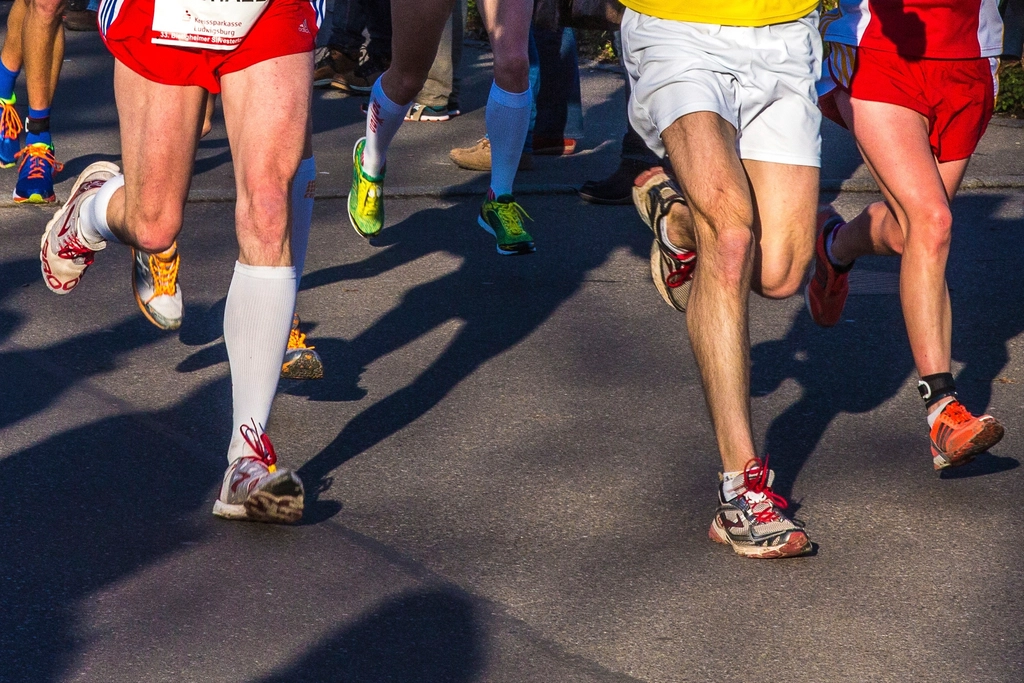

There’s a particular kind of traveler who books a flight not for a beach or a museum, but for a start line. They research neighborhoods in Tokyo or Berlin the same way they study their training plans, carving out race-week itineraries with the same care they give to their long runs. This is marathon tourism, and it has moved well past a niche curiosity.
Marathon tourism is gaining prominence as a fast-growing segment of the global travel industry, with record participation in major races and more travelers crossing borders to take part. What’s driving it, and which cities have become the most magnetic? The answers say a lot about how modern travelers find meaning in motion.
The Numbers That Prove This Isn’t a Passing Trend

In 2024, the marathon industry experienced a significant rise in global participation, with marathon registrations increasing by 9%. That’s not a blip. It reflects years of momentum building quietly behind the sport.
The New York City Marathon saw a record number of 55,000 participants in 2024, and the Tokyo Marathon in 2025 set a new record by drawing over 38,000 runners, further demonstrating the growing global demand for these prestigious marathons.
Three-quarters of respondents from Running USA’s survey plan to participate in the same number or more races in 2025, suggesting the appetite isn’t cooling anytime soon.
Location Is Now the Primary Factor for Race Selection
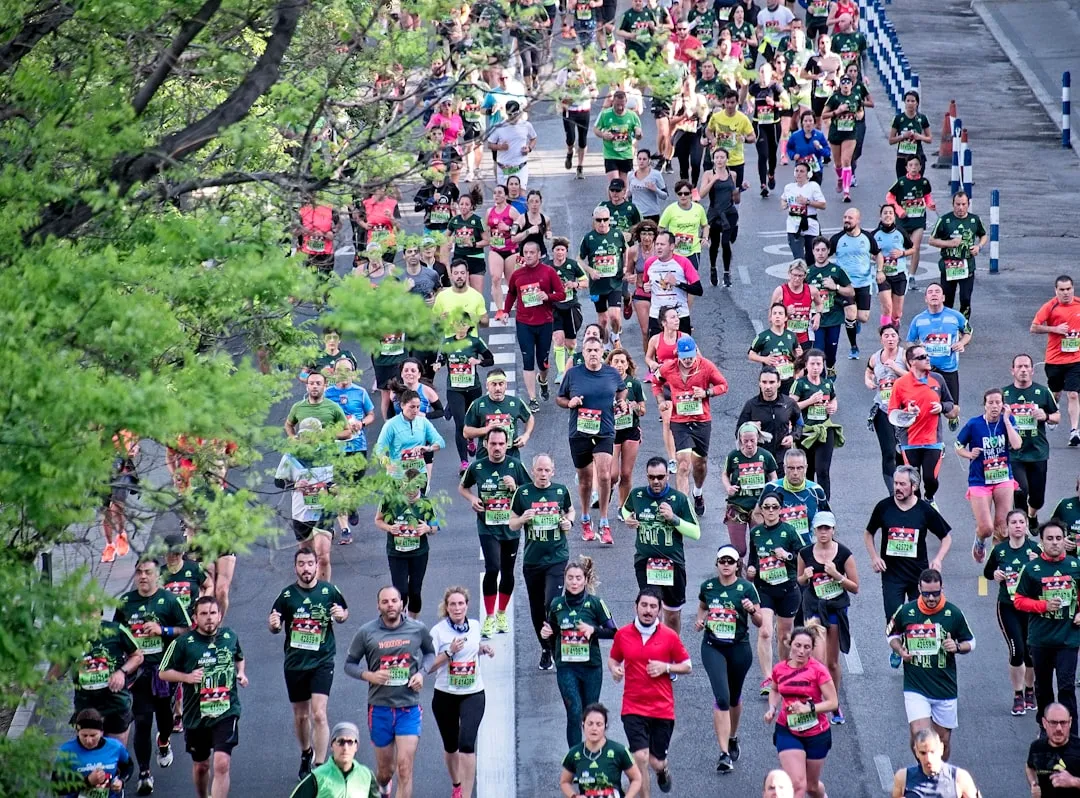
According to the 2024 Global Runners Survey by Running USA, the location of a marathon is a decisive factor for athletes when choosing races. The survey found that runners increasingly see marathons not only as athletic challenges but also as opportunities to explore new cities and cultures.
The trend reflects the diversification of motivations for travel in recent years. Once driven primarily by leisure and sightseeing, trips now increasingly revolve around sports, concerts, and cultural events. Marathon cities have become the new bucket list.
These travelers, often dubbed “running tourists” or “marathon travelers,” seek out destinations that offer not just scenic beauty and cultural richness, but also the opportunity to participate in marathons or other running events.
New York City: A Race That Moves an Entire Economy
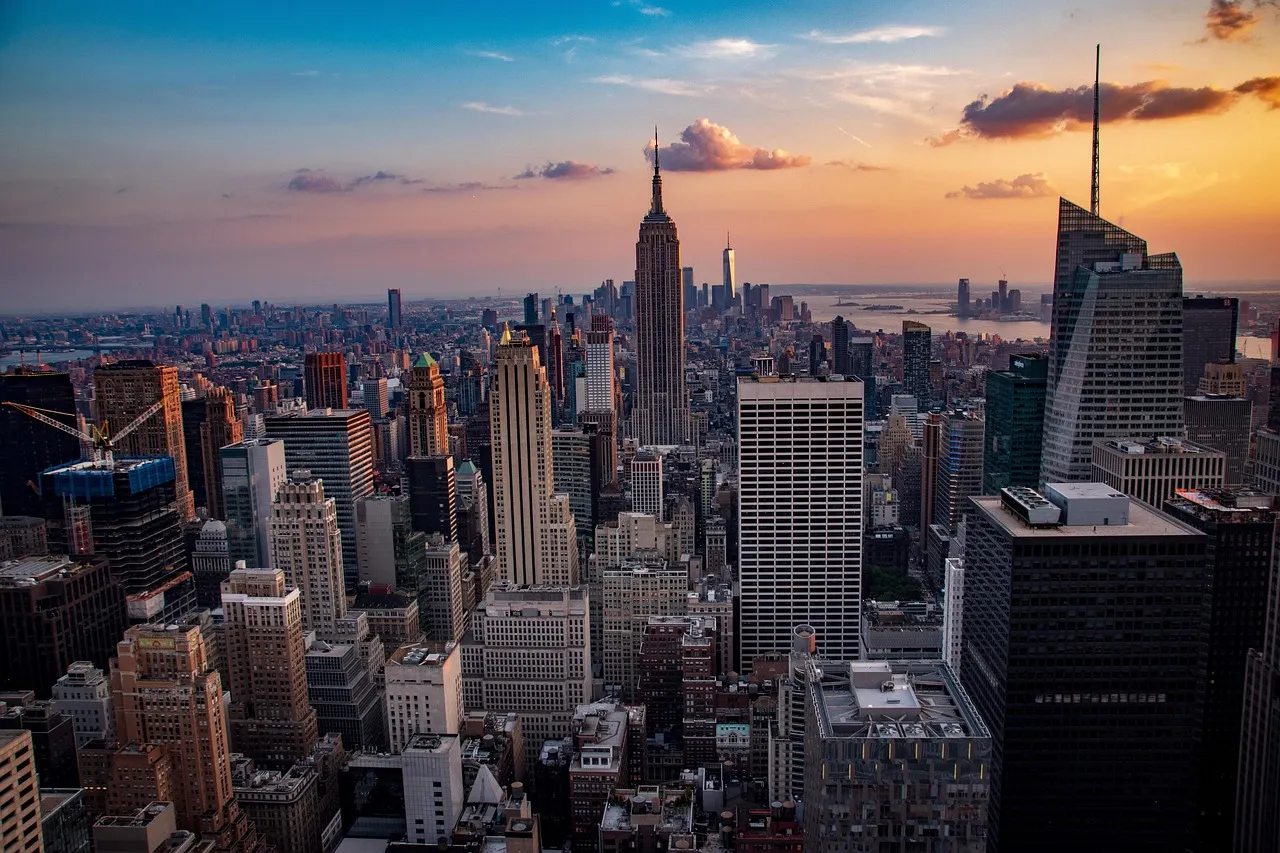
The 2024 TCS New York City Marathon alone generated $692 million, a 139% increase compared to 2019, with $178 million flowing to accommodations, $109 million to food and beverages, and $51 million to shopping. Those figures are difficult to ignore.
New York Road Runners’ 34 annual races injected $934 million in incremental spending into New York City’s economy in the fiscal year ending March 2025, a 58% increase from the last study in 2020, and equivalent to the combined local economic impact of New York Yankees and New York Mets home games combined.
In 2025, the race continued to grow. The 2025 New York City Marathon took place on November 2, 2025, and 59,226 runners completed the race, setting yet another record for one of the world’s most iconic sporting events.
Chicago: A Midwest City That Punches Above Its Weight
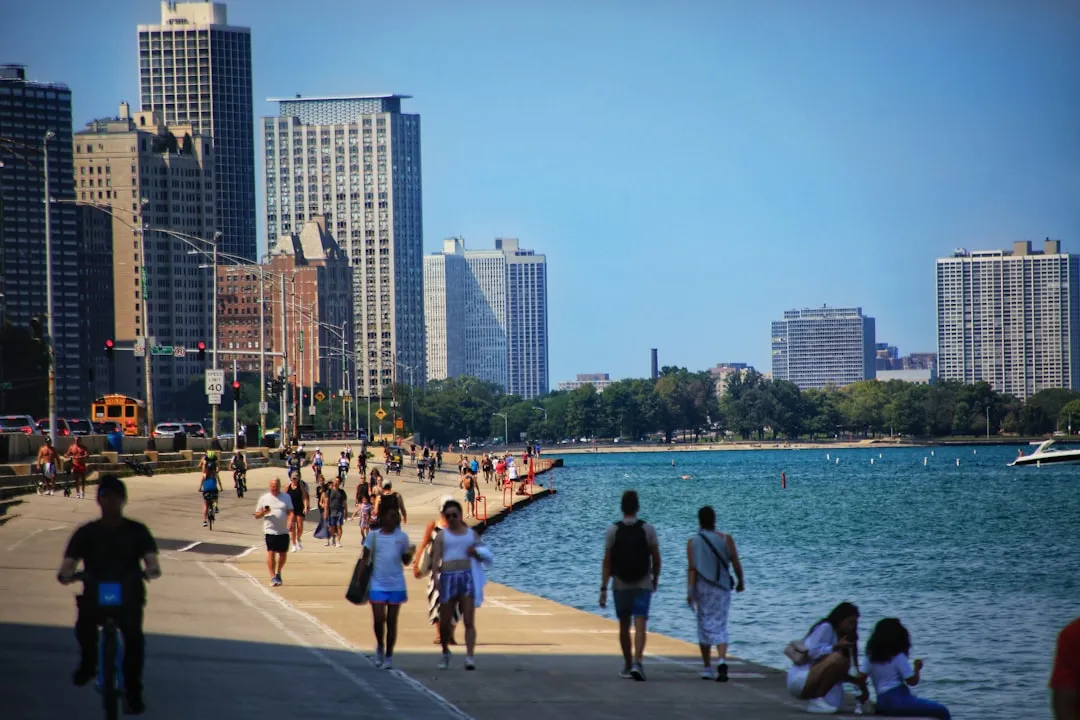
The 2024 Bank of America Chicago Marathon contributed a record-breaking $683 million to the Chicago Metropolitan Area economy, according to an independent study conducted by Jones and Associates Economics, with a 22% increase in total economic impact over 2023.
Nearly 53,000 participants toed the start line on race day. Out of state participation to race and cheer on runners more than doubled in 2024, with a 130% increase in participants and visitors from the United States outside of Illinois and the Midwest since 2023.
The growth has kept compounding. The 2025 Bank of America Chicago Marathon infused nearly $756 million into the Chicago Metropolitan Area economy, representing a 7.5% increase in impact over the 2024 event, and welcomed 55,744 participants and visitors, a 4% increase from 2024.
Boston: History, Prestige, and a Race You Have to Earn
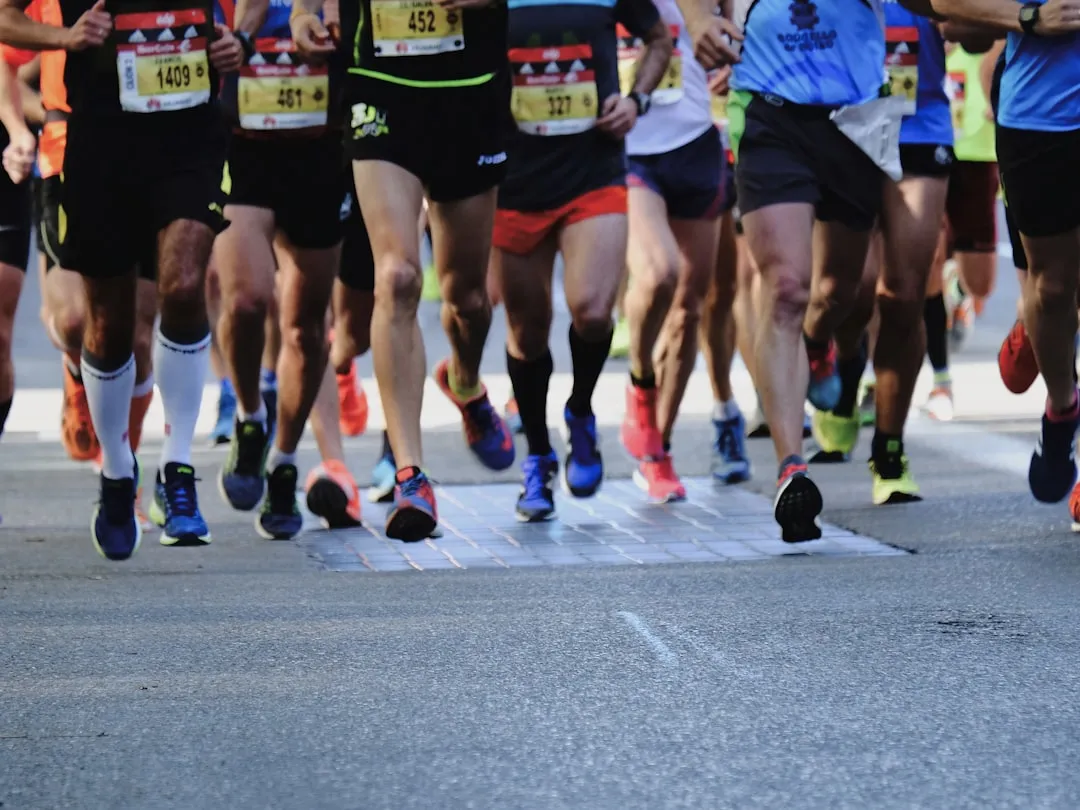
According to a Bank of America report on the Boston Marathon’s economic impacts in 2024, a staggering $509.1 million in economic activity was generated across Massachusetts. Many came from outside New England (51%) or abroad (30%).
Boston is the only major marathon in the world with a qualifying time requirement for most participants. That exclusivity amplifies the allure. Runners spend months, sometimes years, chasing a qualifying standard just for the right to register, which makes the trip feel earned on a completely different level.
Marathon participants also rarely travel alone. Surveys show that most runners arrive in groups of two or three, with 59% staying three to five nights. These extended stays highlight the marathon’s role as more than a one-day event, benefiting hotels, restaurants, and local attractions.
Tokyo: A City That Wraps a Race in Cultural Wonder
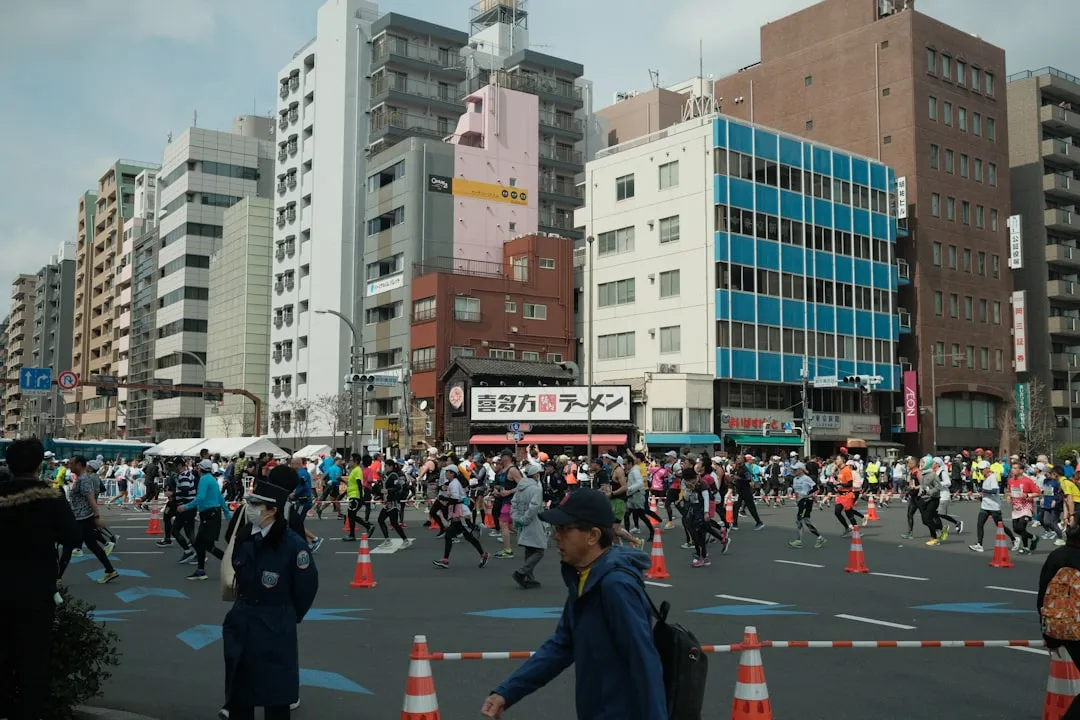
The Tokyo Marathon has become the most popular running event in Japan, if not the world, with a large number of runners vying for an entry through the lottery. The odds of getting in through standard entry are slim, which only deepens the desire.
The city race covers the different districts of Tokyo, including Shinjuku, Suidobashi, Asakusa, Ginza, and Hibiya, passing the packed crowd of supporters in front of Tokyo’s oldest temple, Senso-ji, and offering a glimpse of the Tokyo Tower throughout the route. Very few race courses offer that kind of cultural layering.
For many Western runners, Tokyo is as much a journey into a culture as it is a race. The food, the discipline of the city’s hospitality, and the precision of Japanese race organization are talked about long after the medals are collected.
Berlin: Flat, Fast, and Unforgettable
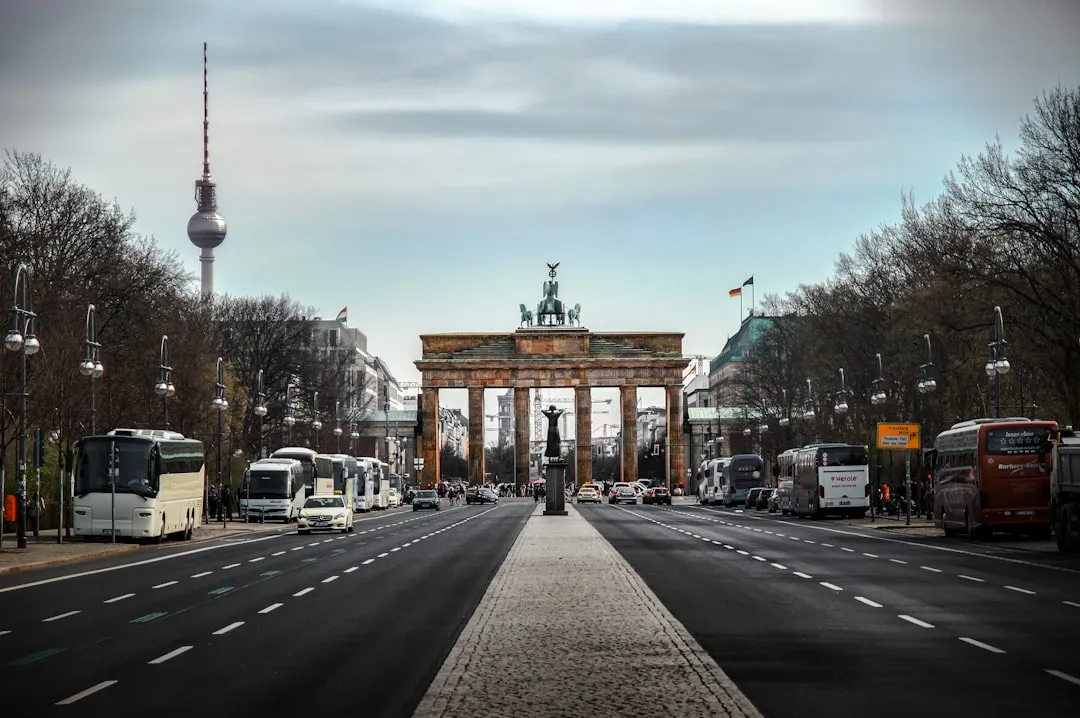
Berlin hosts an iconic race that draws international runners and promotes the local economy. The city’s flat course has become globally famous for producing world records, which draws elite runners and ambitious amateurs alike.
Paris, Berlin, and New York set record numbers of finishers for their respective events in 2024, and looking ahead to 2025, the trend of combining travel with running experiences is expected to continue its upward trajectory.
Berlin’s race passes through some of the most historically loaded geography in the world, from Unter den Linden to the Brandenburg Gate finish line. Runners don’t just race through a city. They run through a century of modern European history in the span of a morning.
London: A Lottery That Attracts Hundreds of Thousands
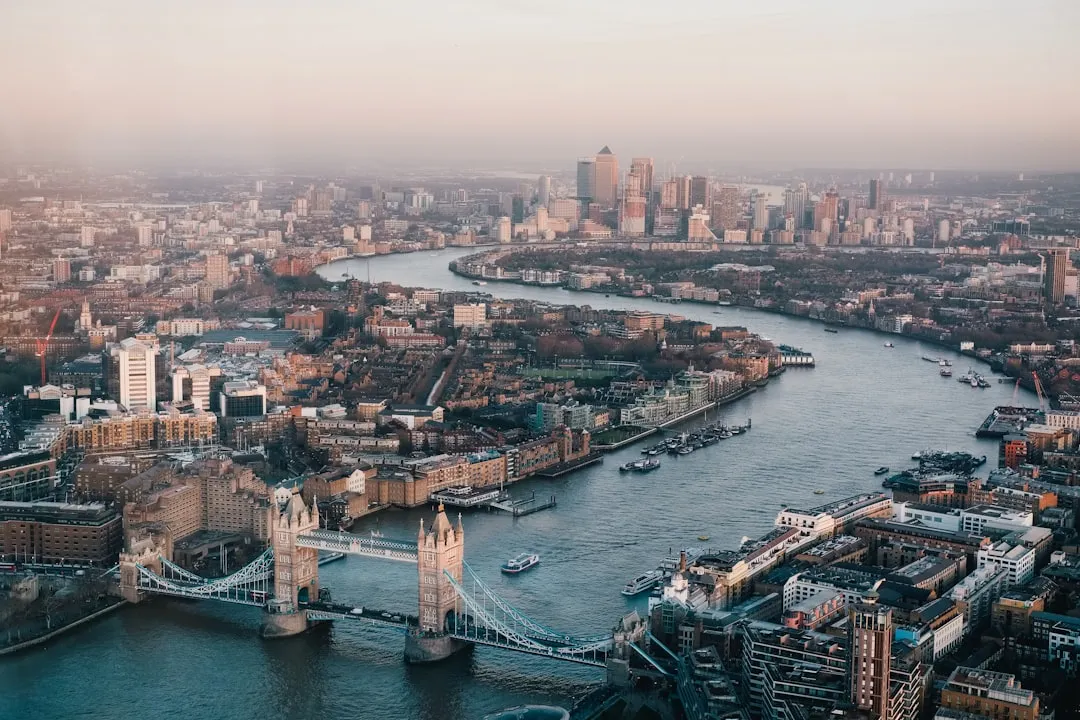
The London Marathon received more than 840,000 people entering the lottery to run the event in 2025, which showed a 43% increase in international applicants. That figure alone illustrates how far beyond local the race’s appeal has traveled.
The Paris Marathon is one of the most popular marathons in Europe, and similarly scenic races pass all the iconic sights, with runners following the Seine with views of Notre Dame and the Eiffel Tower. London offers a comparable sense of spectacle, threading through Tower Bridge, Greenwich, and the Mall.
The London Marathon in 2026 also carried a historic footnote. The London Marathon’s 2026 edition saw Kenyan runner Sabastian Sawe break the two-hour barrier for the men’s marathon, a milestone the sport had chased for a decade. That record was set on a Major course.
The Six Star System: Marathon Tourism Locked In for Years
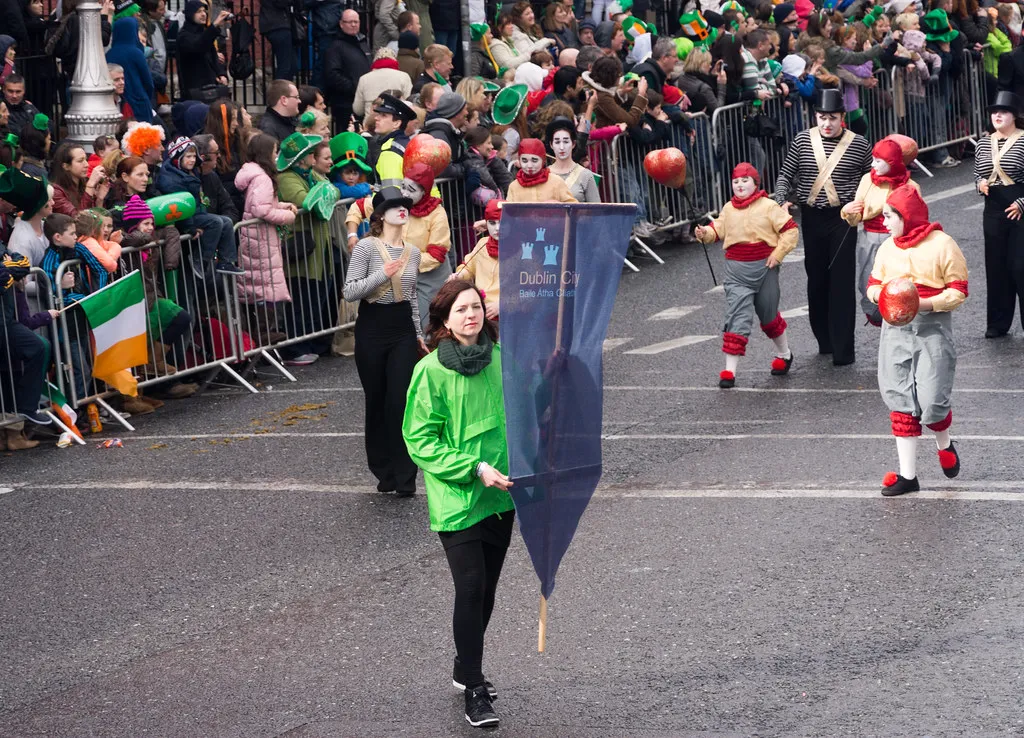
The Abbott World Marathon Majors Six Star program, which awards a medal to runners who complete all six original Major races, functions less like a loyalty program and more like a pilgrimage architecture with financial consequences. A runner who commits to the Six Star journey commits to visiting Tokyo, Boston, London, Berlin, Chicago, and New York, across three continents, over a minimum of several years.
As of April 2025, 22,480 runners from 139 nations had completed the Six Star journey. Each one of them made multiple intercontinental trips, booked hotels in multiple cities, and explored each destination with race-week intensity.
With Cape Town joining as the eighth Major and Sydney as the seventh, the eventual Nine Star medal will bind aspirants to eight cities across six continents. The World Marathon Majors has, in effect, designed the most ambitious multi-city travel itinerary in sport.
Running Clubs Are Fueling the Collective Journey
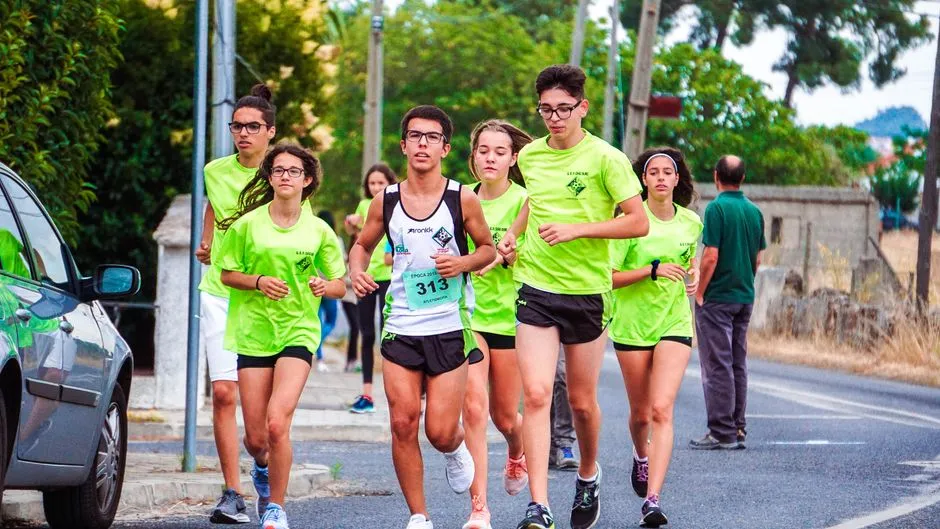
The social engine underneath marathon tourism is the running club explosion. Strava’s 2024 Year in Sport report recorded a 59% increase in running club participation globally in 2024. Runners are no longer planning these trips alone.
Strava’s 2024 Year in Sport report recorded a 59% increase in running club participation globally in 2024, and Strava’s 2025 Year in Sport report, published December 2025, confirmed that clubs on the platform had crossed one million in total, nearly quadrupling over the prior year.
Travel agencies and tour operators are offering specialized itineraries that include race entries, training tips, and post-race recovery activities, and individual hotels are embracing the trend with dedicated packages to secure bookings. The infrastructure around running travel is now robust enough to support the demand from first-timers and veterans alike.
The Global Marathon Economy: A Billion-Dollar Travel Force

According to Brand Finance’s 2025 report, the top 50 marathons worldwide injected $5.2 billion into local economies in 2024. More than half of that came from just seven prestigious races: Tokyo, Boston, London, Sydney, Berlin, Chicago, and New York.
Hosting a city marathon is widely perceived to yield substantial economic benefits. Key perceived economic impacts include enhancing the city’s visibility and image, driving sales in the sporting goods industry, attracting tourism and related hospitality revenue, and creating new employment opportunities.
Cities around the world have recognized the appeal of hosting major running events as a way to attract tourism. Beyond the well-established races, smaller cities and exotic locales are increasingly hosting their own marathons, half-marathons, and themed fun runs to tap into this growing market.
The Takeaway
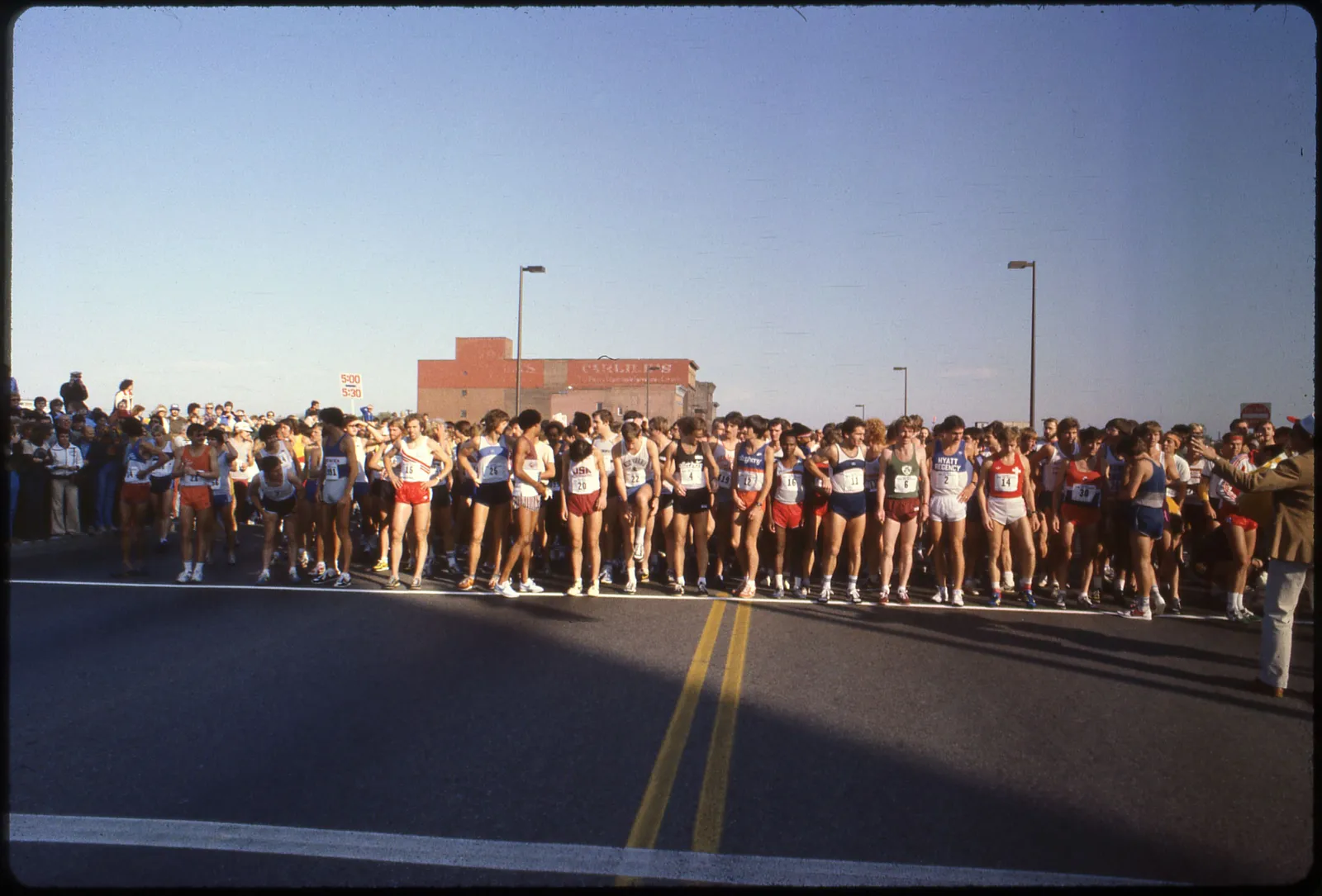
Marathon tourism isn’t about obsessive athletes checking off bucket lists. It’s about a generation of travelers who have found a deeply personal reason to see the world, one that gives a trip structure, meaning, and a finish line worth crossing.
The modern runner craves experiences beyond a finisher’s medal, seeking memories, personal transformations, and stories to tell long after the race is over. The race becomes a lens through which a city is experienced more vividly than most tourist itineraries allow.
Cities like New York, Chicago, Tokyo, Boston, Berlin, and London have understood this. They’ve built entire ecosystems around race weekends, and the runners keep coming. The start line, it turns out, is also the beginning of the trip.
AI Disclaimer: This article was created with the assistance of AI tools and reviewed by a human editor.