
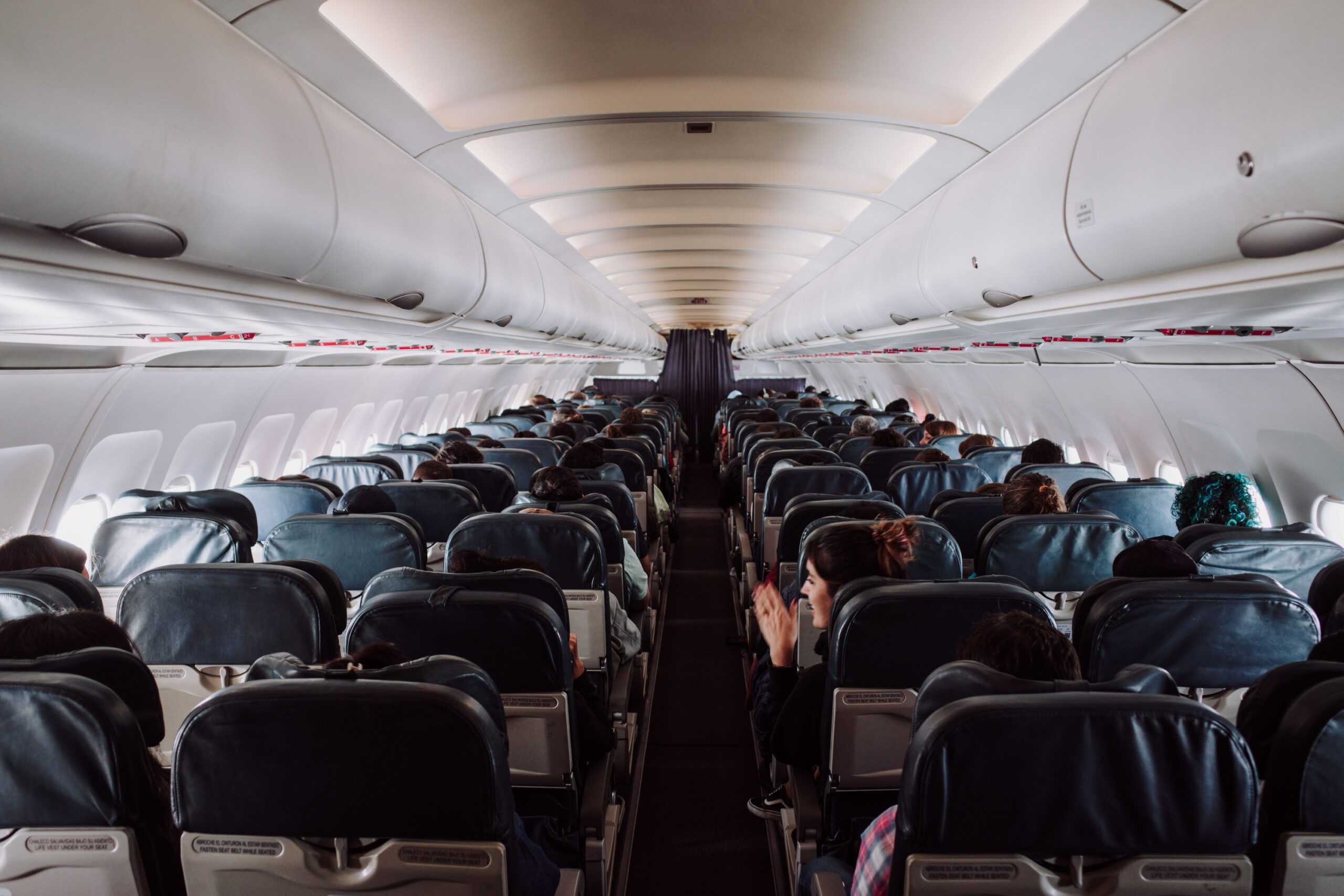

There’s a quiet war happening at 35,000 feet, and it plays out on flights every single day. No one talks about it at the gate. No one announces it during the safety briefing. Yet the moment a three-seat row fills up, every passenger instantly knows what’s at stake: the armrests.
The middle seat is, by nearly universal agreement, the worst place to sit on a plane. So it makes a certain kind of social sense that the person stuck there gets something in return. That “something” turns out to be the one genuine priority middle seat passengers hold over everyone else in their row.
The One Thing Middle Seat Passengers Actually Own
The middle seat rule means that the aisle and window seat occupants let the person in the middle use the two middle armrests. It sounds simple. In practice, it gets complicated fast. As airlines’ economy cabins have become increasingly cramped, armrests have become valuable and often contested personal space.
Armrest space can be a contentious issue among airline passengers packed into cramped spaces, with no formal guidance on which passenger is entitled to the armrests on either side of their seat. That absence of any official rule is exactly why the social one matters so much. It fills a real gap.
Why Etiquette Experts All Agree on This
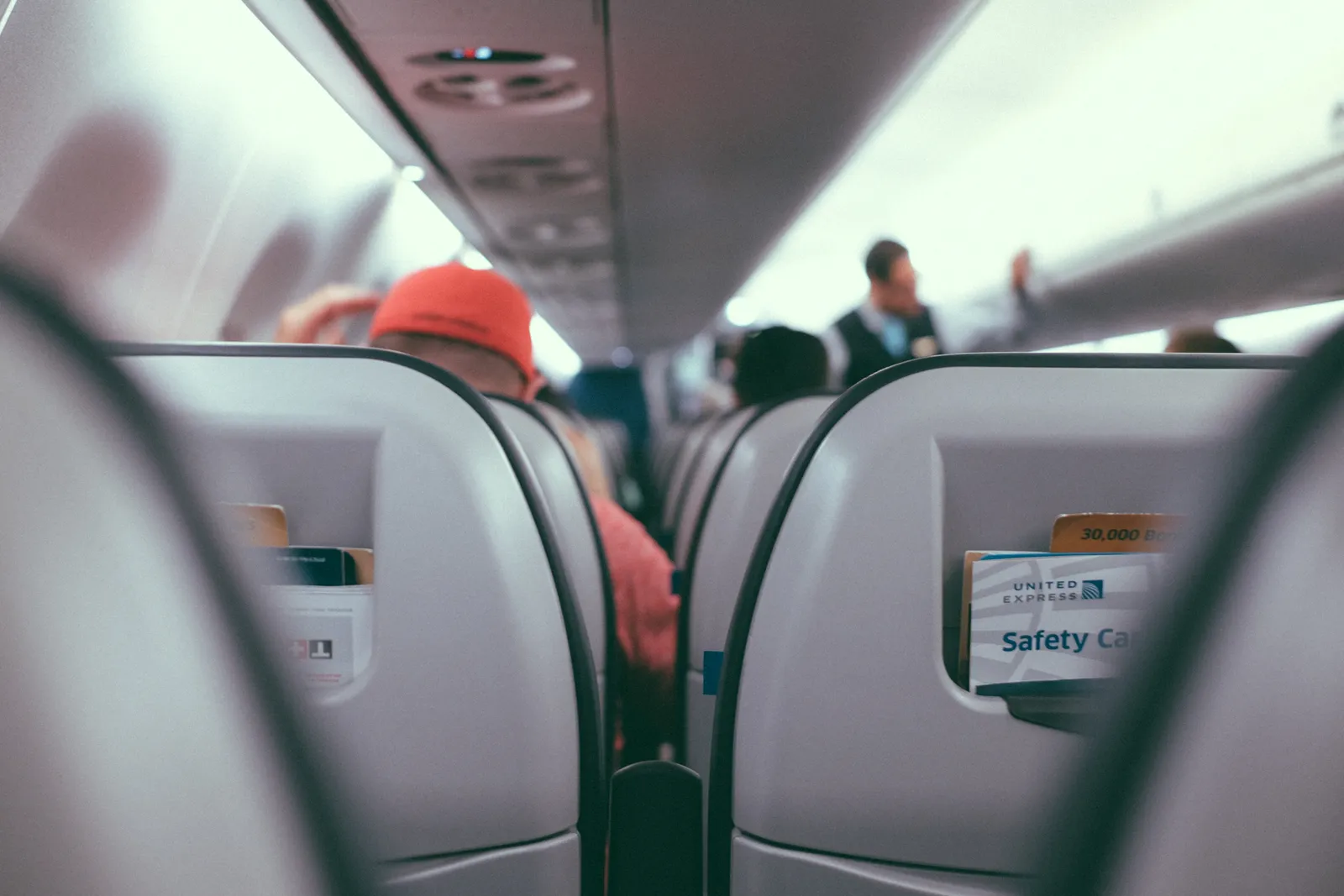
Many etiquette experts agree that the passenger in the middle seat gets first dibs on both shared armrests. The reasoning is simple: the middle seat gets the short end of the stick, comfort-wise. This isn’t just one person’s opinion. It’s a consensus that has held up across multiple expert sources over several years.
When sitting three across on a plane, the person in the middle has dominion over both armrests, as the window passenger can lean against the window and the aisle passenger can move freely. Both neighbors already have something the middle passenger doesn’t. The armrests are the trade-off.
The Seat No One Wants
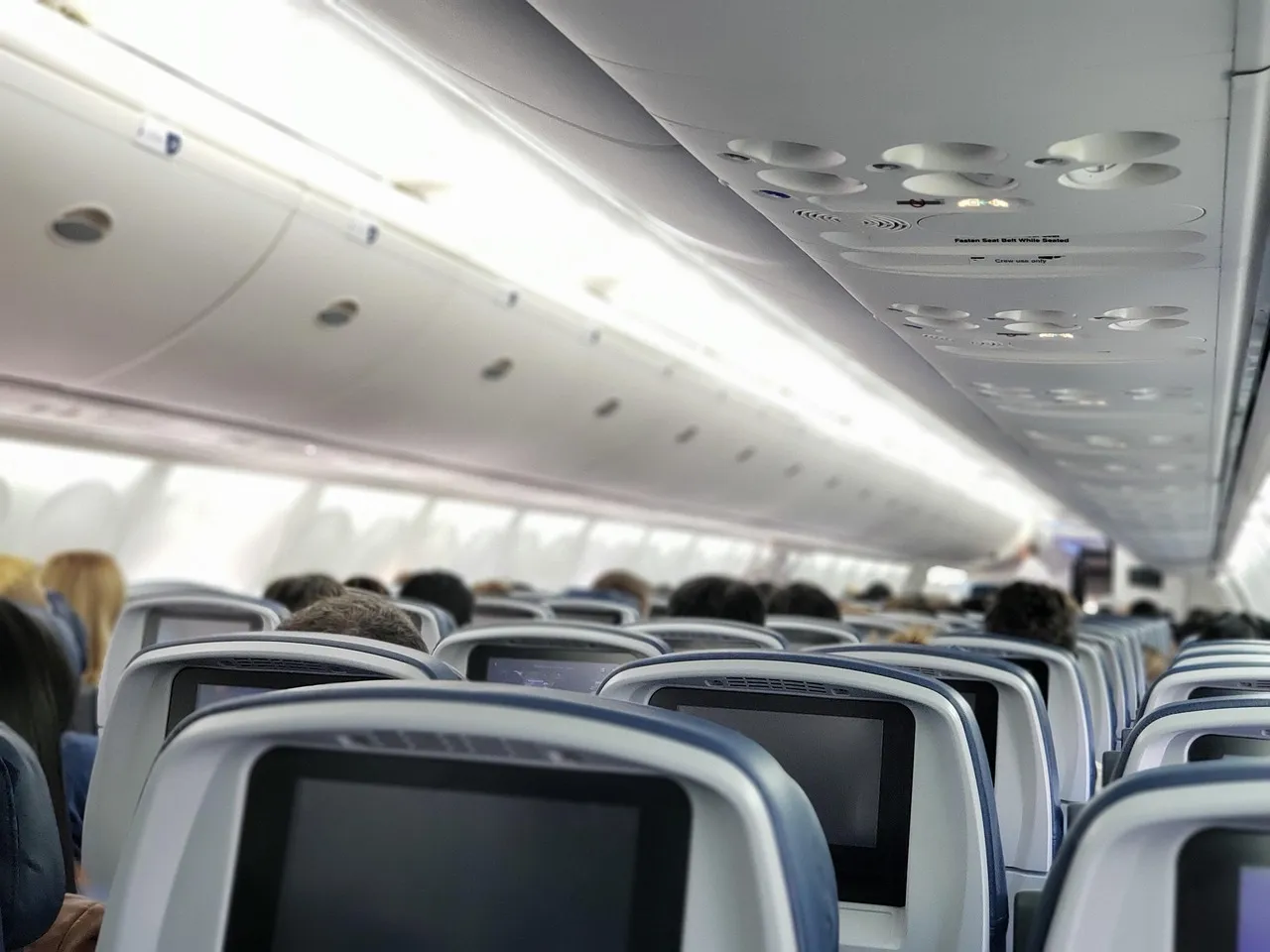
Most passengers (roughly two thirds) prefer a window seat, while about a third prefer an aisle seat, and only a modest fraction prefer a middle seat. Those numbers say everything. The middle seat isn’t just unpopular – it’s practically abandoned as a preference.
Most people have a preference for which seat they prefer – window, middle, or aisle – with almost no one preferring to sit in the middle. According to a survey from Going, more than half of people prefer the window seat, nearly half prefer the aisle, and just one percent want the middle seat. When a seat earns that kind of near-universal avoidance, the least that can be offered is a pair of armrests.
What the Window and Aisle Seats Already Get
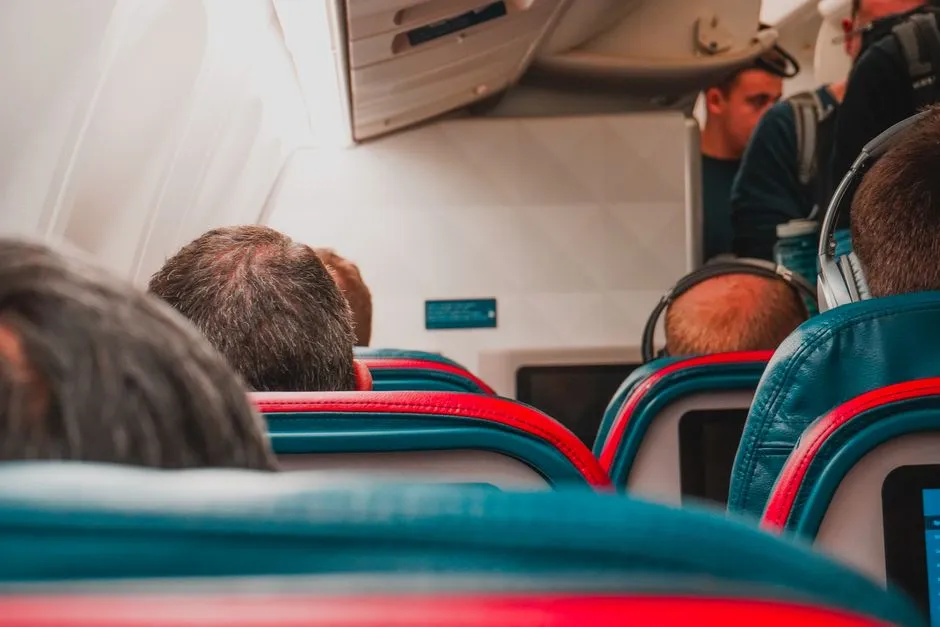
Window-seat passengers have a wall to lean against, not to mention the best view out the window, while aisle-seat passengers have easier access to get in and out of their seat as needed, plus a little extra room to stretch their legs. These aren’t minor perks. Both translate to real comfort over a long flight.
Etiquette expert Thomas Farley says the middle-seat passenger should get both armrests in a three-seat configuration. Adjacent passengers in the window and aisle seats will still each have one armrest. Nobody walks away with nothing. The math actually works out fairly – it just requires some goodwill from the neighbors.
The Surprising Number of People Who Still Disagree
A 2023 Kayak poll found that more than half of respondents disagree with the idea that the middle seat passenger gets to claim both armrests. That means more than half of people flying think the rules work differently, which explains every awkward armrest standoff you’ve ever experienced. It’s a striking disconnect between what etiquette recommends and what many passengers actually believe.
This gap matters in a very practical way. Knowing the norm exists doesn’t guarantee anyone will follow it. Awareness is one thing. Courtesy is another.
When the Rule Gets a Little More Flexible
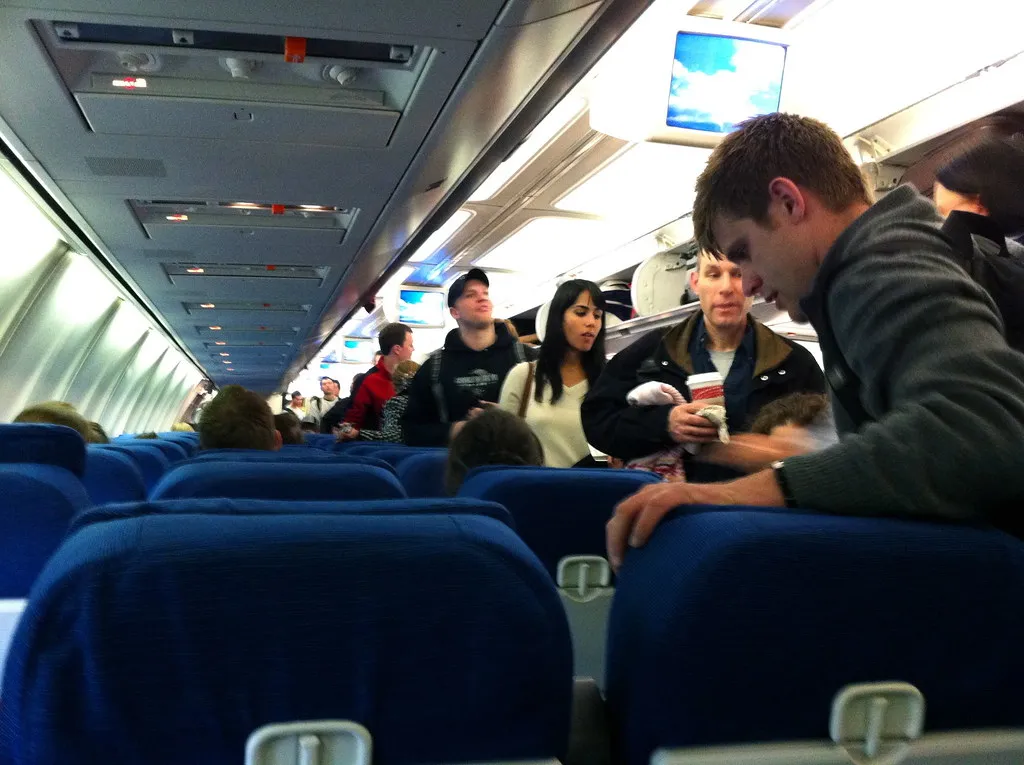
There are a few scenarios where the person on the window or aisle might be entitled to a little more space and have a legitimate claim on the armrest, such as if they’re extremely tall or robust and are already contorted into a seat that’s too small for them. Etiquette isn’t a rigid legal code. Context matters, and most reasonable people understand that.
If the person in the middle seat falls asleep without their arms or elbows on the armrests, the passengers on either side can use the armrests without any qualms – at least until their neighbor wakes up. There’s an implied grace period here. Unclaimed space is fair game, temporarily.
A Note on Sharing Rather Than Claiming
Jo Hayes, founder of EtiquetteExpert.org, suggests thinking of armrests less as full armrests and more as elbow rests, making room for more than just one person to use them. Rather than spreading your entire forearm across the shared space, each passenger can often comfortably rest an elbow on opposite sides of the armrest. This reframe is genuinely useful. It shifts the question from “who wins” to “can we share.”
The Emily Post Institute notes that the middle seat armrests are shared property, though it’s generous for the aisle and window seat holders to give the middle passenger a chance to claim them first. Generosity, it turns out, is the operative word throughout this whole conversation.
Shrinking Seats Are Making This Worse
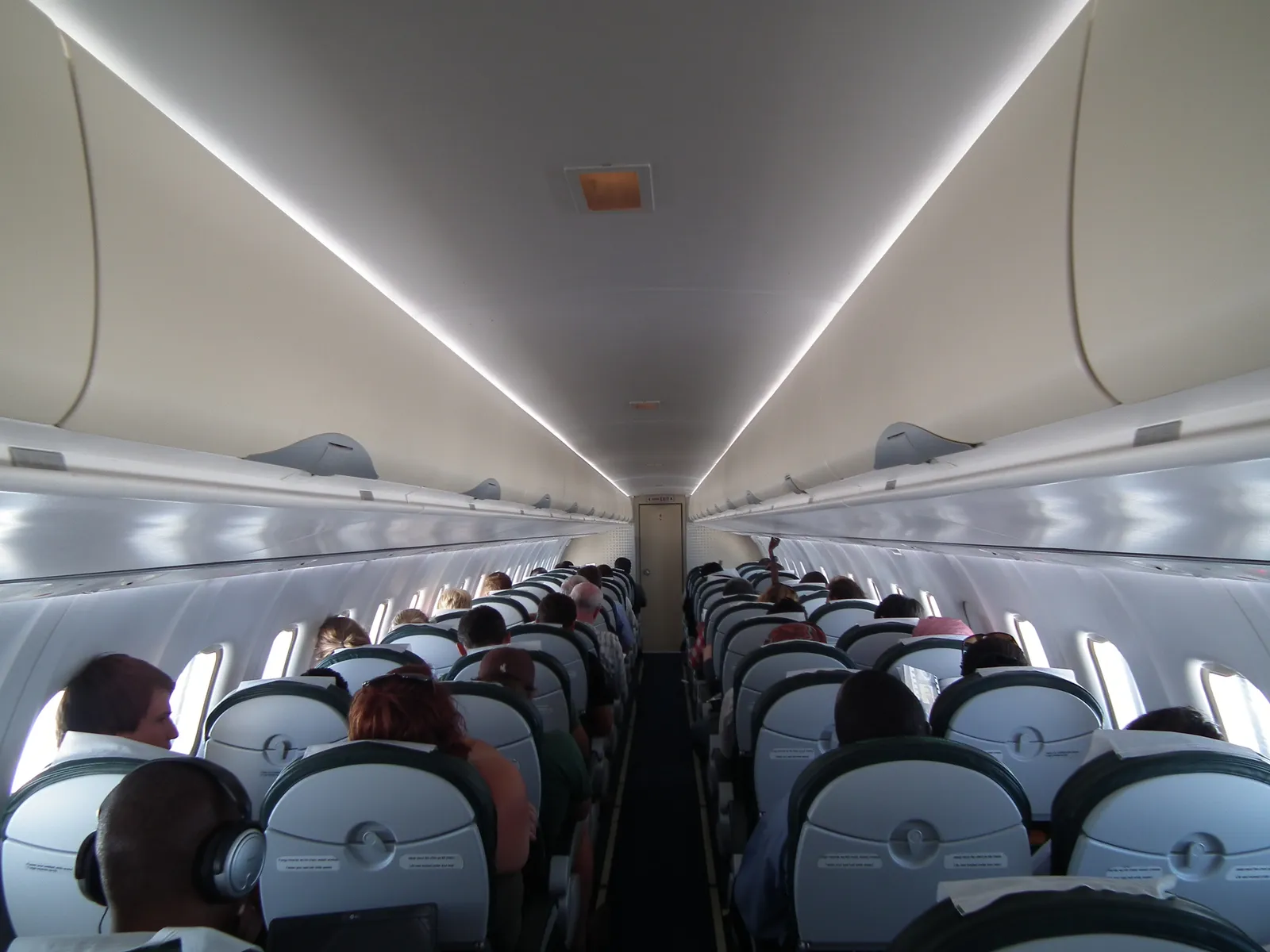
Airlines have been shrinking seat sizes for years, with the average seat pitch dropping from 35 inches in the 1970s to around 31 inches today. Less space everywhere means each inch of armrest becomes proportionally more important. The stakes of the armrest debate have risen alongside the physical cramping of economy cabins.
The average legroom has decreased from a comfortable 35 inches to as little as 28 inches on some low-cost carriers, and seat width has shrunk by as much as four inches over the past 30 years, leaving many seats with a narrow 16-inch width. When you picture how much less room passengers now have compared to decades past, the armrest dispute starts to feel less petty and more structural.
What Flight Attendants Think About All of This
Consumer Reports consulted with flight attendants and etiquette experts and arrived at the same conclusion: middle-seat passengers should have access to both armrests. It’s the only real estate they own, so let them get the consolation prize. The “consolation prize” framing is telling. It acknowledges the imbalance without dramatizing it.
Some travel experts say passengers in window and aisle seats should yield the armrests to the person in the middle seat, who has the least personal space. There’s no enforcement here. It’s purely social, and that’s exactly why it depends on the passengers in any given row deciding to be decent to one another.
What Happens in a Four-Seat Row
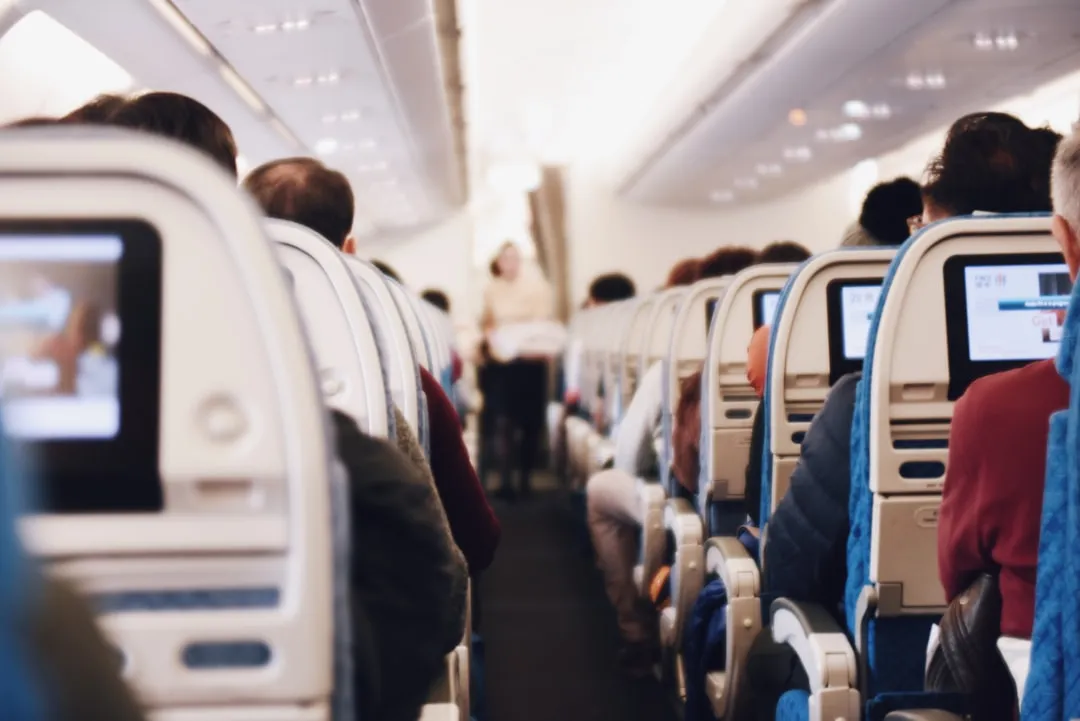
For a row with four seats, both middle-seat passengers have ownership of the armrest between their seats and the passengers on either end, while the armrest between the two middle seats is shared between them. Wider-body aircraft with four-across seating just extend the same logic. Every middle passenger still gets priority over the outer passengers for the shared armrests.
If the seating configuration on an aircraft is 2-4-2, there are two middle-seat passengers in a four-seat section. Both middle passengers should get their outer armrest and share the middle armrest between them. The principle scales. It just requires a little more negotiation when there are two people sharing the middle space.
The Bigger Picture: Shared Space, Shared Responsibility

Fundamentally, everything on a plane is shared space, including your seat, the space in front of you, and that beside you. Airlines sold you a ticket for progressively smaller seats while expecting you to negotiate every inch with strangers. That’s the reality of modern economy travel. The armrest rule didn’t emerge from a policy document. It grew from a collective need to make a difficult situation more humane.
Airlines now routinely charge passengers to select specific seats, which means comfort is no longer tied to planning alone. At the same time, planes are fuller than ever, with high load factors leaving fewer empty seats, making the middle seat harder to avoid and more useful as a revenue tool. As flying gets more crowded and seat selection increasingly costs extra, the armrest compromise may be one of the few genuinely free concessions left in economy class.
The Takeaway
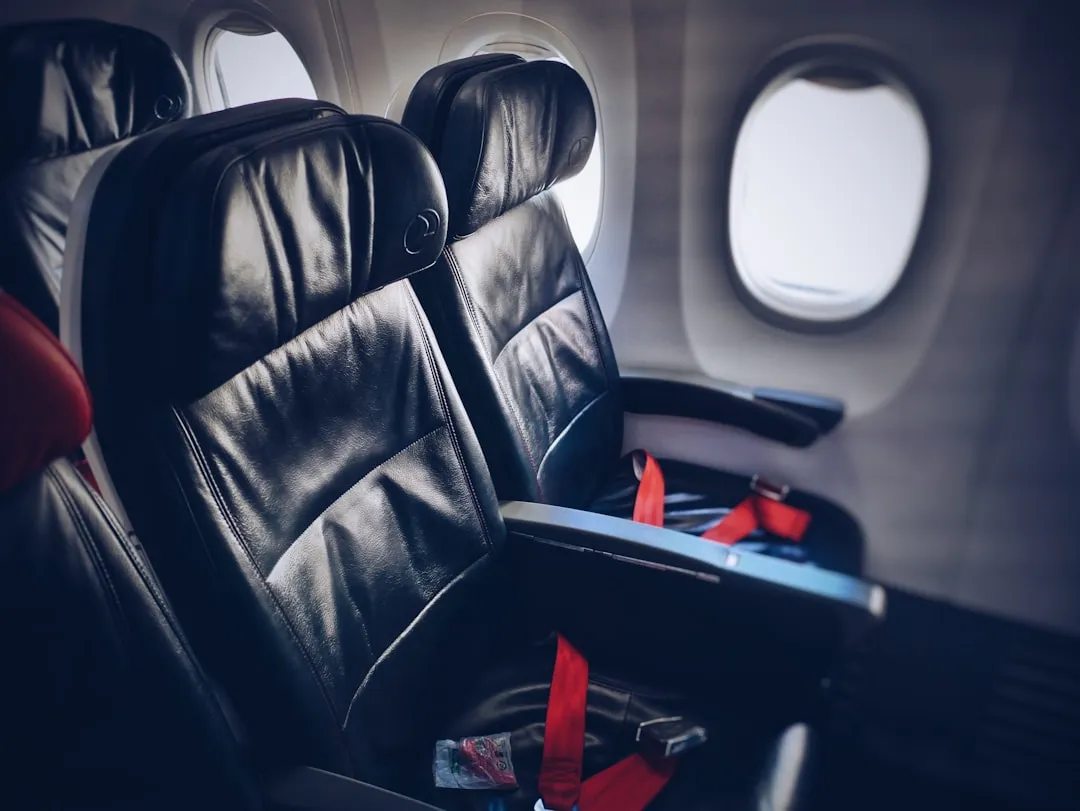
The middle seat gets one thing and one thing only: priority on both shared armrests. That’s the deal. No views, no aisle access, no wall to lean on – just two strips of padded plastic that most etiquette experts and flight attendants agree belong, by default, to the person most in need of them.
Following this norm doesn’t require a policy change or a flight attendant announcement. It just requires window and aisle passengers to recognize that the person beside them drew the short straw, and to act accordingly. In a cabin full of strangers, small gestures like that are worth more than they might seem.
AI Disclaimer: This article was created with the assistance of AI tools and reviewed by a human editor.