

There is a particular kind of loyalty that shows up in travel patterns, the kind where people do not just visit a place once and move on, they build their summers around it. Drive ninety minutes northwest of Chicago or forty minutes southwest of Milwaukee and you will find one such place, a town built around a glacial lake that has been pulling the same families back for well over a century.
The pull is not mysterious once you look at it closely. It is a mix of geography, history, and habit that has quietly turned one small Wisconsin town into a Midwest institution.
A Town Born From a Disaster
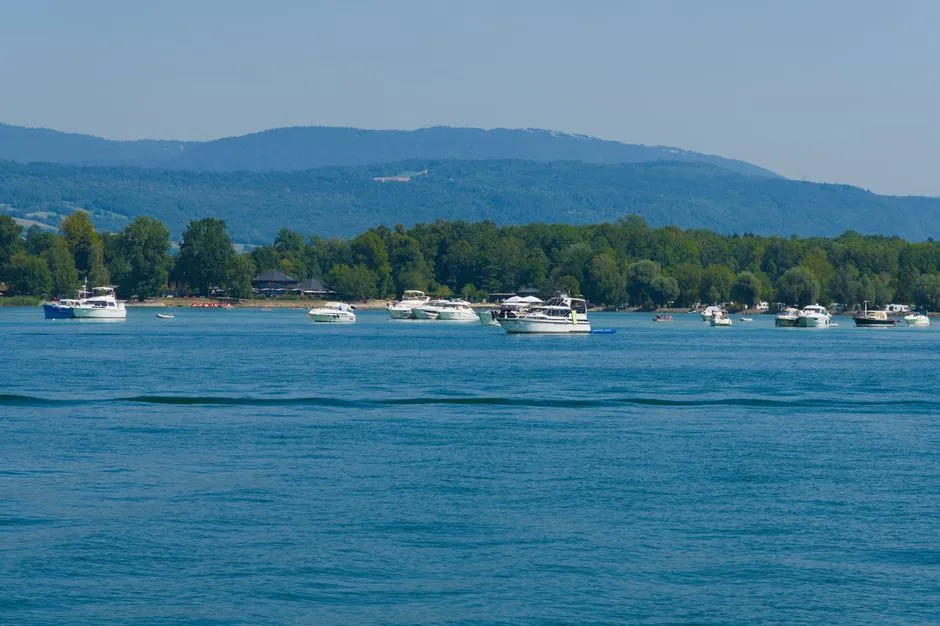
Lake Geneva’s rise as a getaway did not start with marketing, it started with fire. After the Great Chicago Fire of 1871, wealthy Chicago families fleeing the wreckage of their city discovered the shores of Geneva Lake, then already a popular summer camp destination, and started arriving by train in large numbers. Many of those families ended up staying, building grand summer estates along the water rather than treating the town as a one-time refuge.
That decision set a pattern that has repeated for generations, since after the Great Chicago Fire of 1871, a number of wealthy and prominent Chicago industrialists fled to the shores of Geneva Lake by train, and many of the families built palatial summer homes on the lake, which led it to be nicknamed the Newport of the West. The town’s identity was essentially forged in that moment, and it never fully let go of it.
The Same Families, Decade After Decade
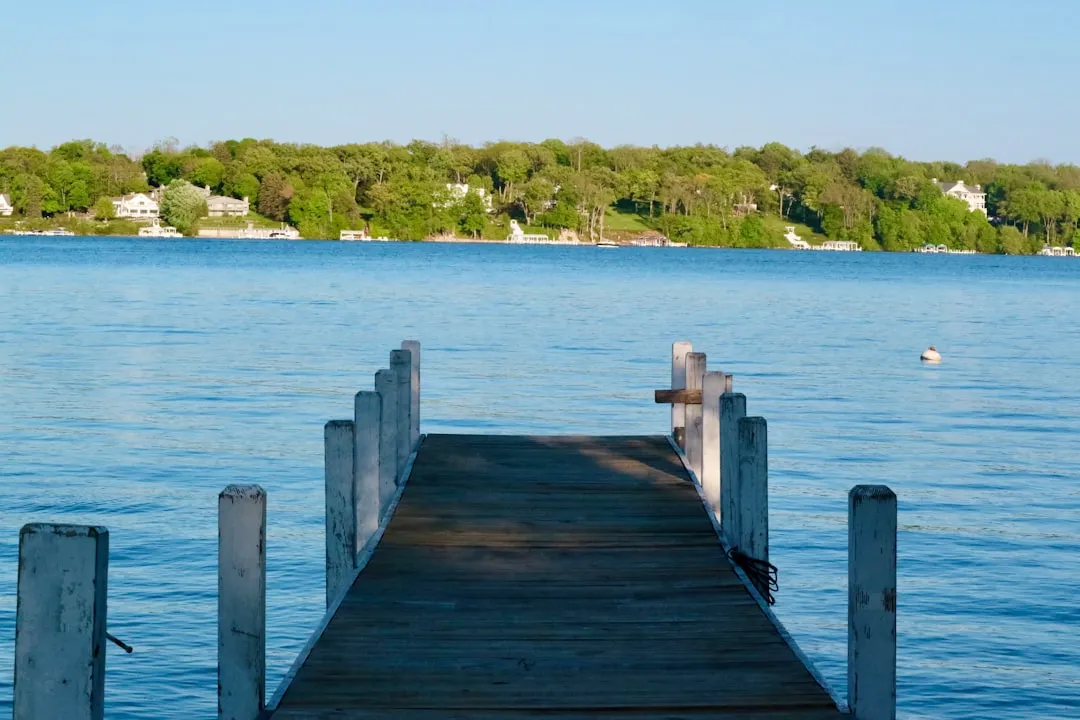
What separates Lake Geneva from a lot of lake towns is not just that people visit, it is that the same households keep coming back across multiple generations. Grandparents who vacationed there as kids bring their own grandchildren, and the town has become something closer to a family tradition than a travel destination.
Local historians describe this pattern plainly, noting that many residents of Chicago and Milwaukee grew up visiting Lake Geneva, returning year after year for family trips or romantic weekends, and that repeat exposure built an emotional loyalty. That kind of loyalty is hard to manufacture through advertising, it tends to only come from lived memory.
A Lake You Can Actually Walk Around
One of the more distinctive features of the area is a public footpath that traces the entire shoreline of Geneva Lake, cutting right past the lawns of historic mansions. It began as a Native American trail and has since become one of the defining ways visitors experience the town, on foot rather than from a car window.
Completing the full loop is a serious undertaking, since the Geneva Lake Shore Path hugs the shoreline as it skirts the entire lake just a few feet from the water, and completing the circuit takes eight to twelve hours, though most visitors tackle a segment at a time. It is the kind of feature that rewards repeat visits, since no single afternoon lets you see all of it.
Camps That Built Lifelong Habits

Long before Lake Geneva became a weekend getaway for adults, it was a childhood destination through summer camps run by churches, the YMCA, and independent groups. Those programs quietly did a lot of the work of building loyalty early, before kids were even old enough to choose their own vacations.
According to the region’s tourism office, by the early 20th century, summer camps began springing up along the lake, offering families a chance to experience the outdoors, and generations of campers have made lifelong memories along the shores, with many returning year after year to relive the magic. That early exposure tends to stick, which helps explain why so many adult visitors describe the town in nostalgic terms rather than as a new discovery.
The Numbers Behind the Loyalty

Emotional attachment is one thing, but the economic data backs up just how consistently people are actually showing up. Walworth County, home to Lake Geneva, crossed a symbolic threshold in 2025, with Walworth County’s tourism recording an economic impact of 1.05 billion dollars in 2025, the first time the annual countywide impact eclipsed one billion dollars.
Lake Geneva itself accounts for the bulk of that activity, since Lake Geneva acts as the hub, accounting for about seventy five percent of the overall economic impact. Direct visitor spending in the city alone reached roughly 549 million dollars in 2024, according to figures reported by the Lake Geneva Regional News, and that growth has been steady rather than a single spike.
Estates You Can Actually Visit
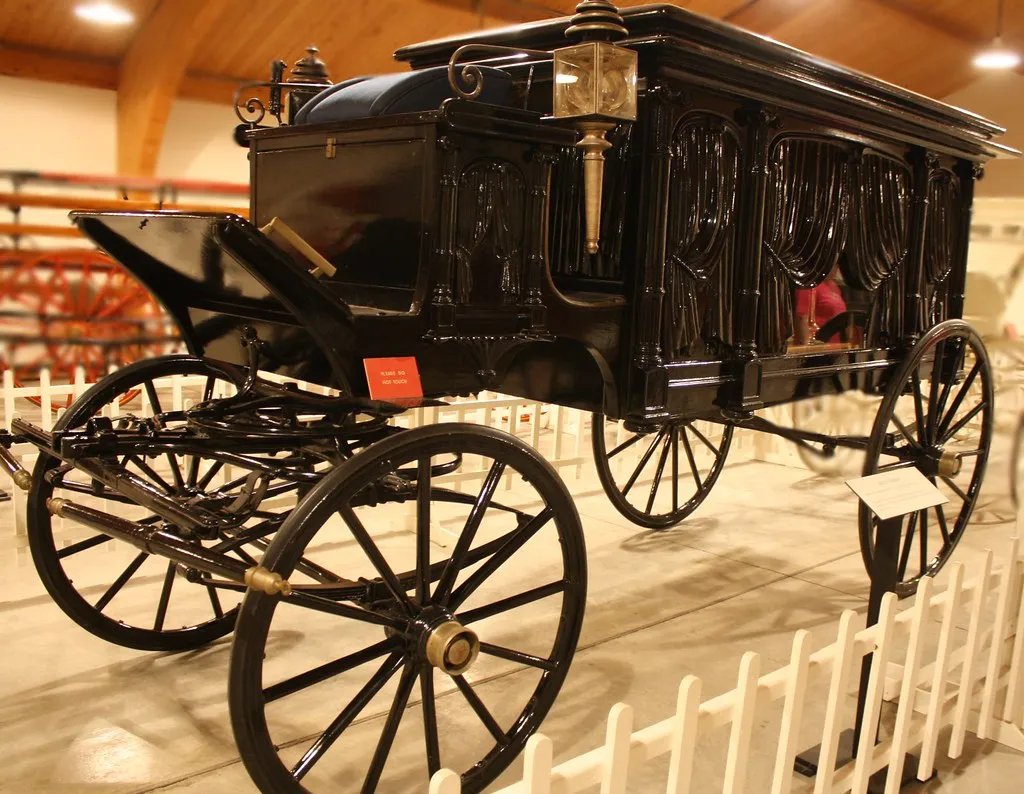
Part of the town’s appeal is that its Gilded Age past is not locked behind private gates entirely, some of it is open to the public. Black Point Estate, a Queen Anne mansion built in 1888 for Chicago beer baron Conrad Seipp, is now a Wisconsin Historical Society museum accessible only by boat.
The home stayed in the same family for generations before it became public, since Seipp was able to enjoy the house and gardens for only two seasons before his death in 1890, but his family and seven generations of descendants continued to enjoy the estate. Touring it gives visitors a tangible sense of the layered history that the town’s newer attractions sit on top of.
It Never Really Shuts Down for Winter
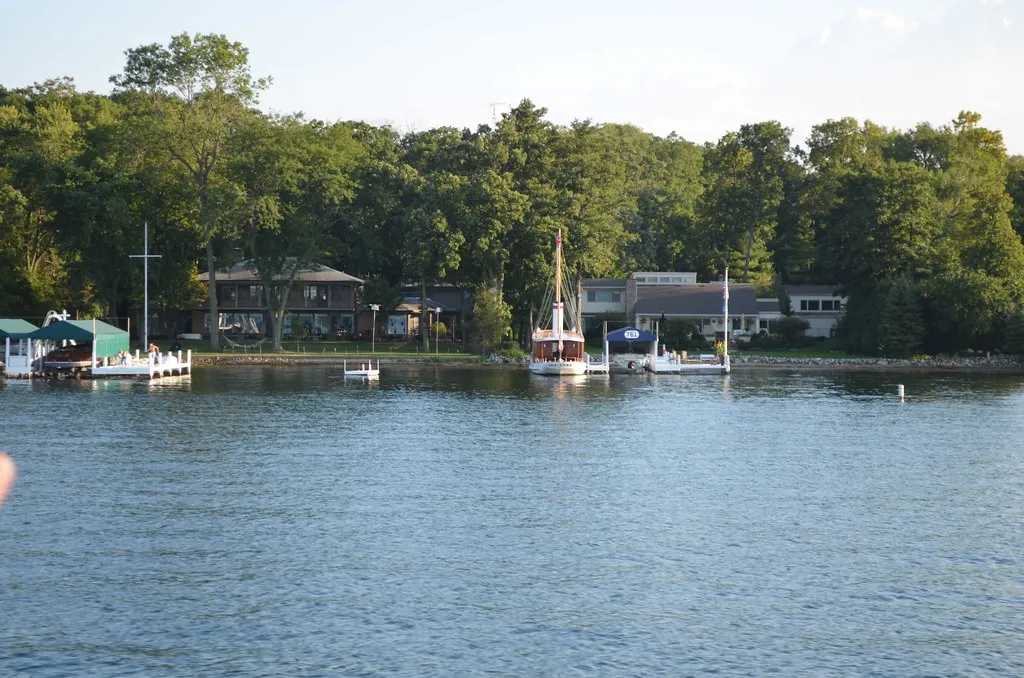
A lake town built entirely around summer boating would have a natural ceiling on how often people return, but Lake Geneva has worked to avoid that trap. Winter festivals, ski hills, and cozy lakefront dining have become as much a part of the identity as the summer water activities.
Travel Wisconsin describes the town accordingly, noting that Lake Geneva sparkles with year-round adventure and charm, from strolling the scenic Shore Path and visiting the Yerkes Observatory to unwinding at a spa, with summer days on the water giving way to magical winter wonderlands. That four-season identity gives regular visitors more than one reason a year to plan a trip back.
Small Living Traditions That Still Run
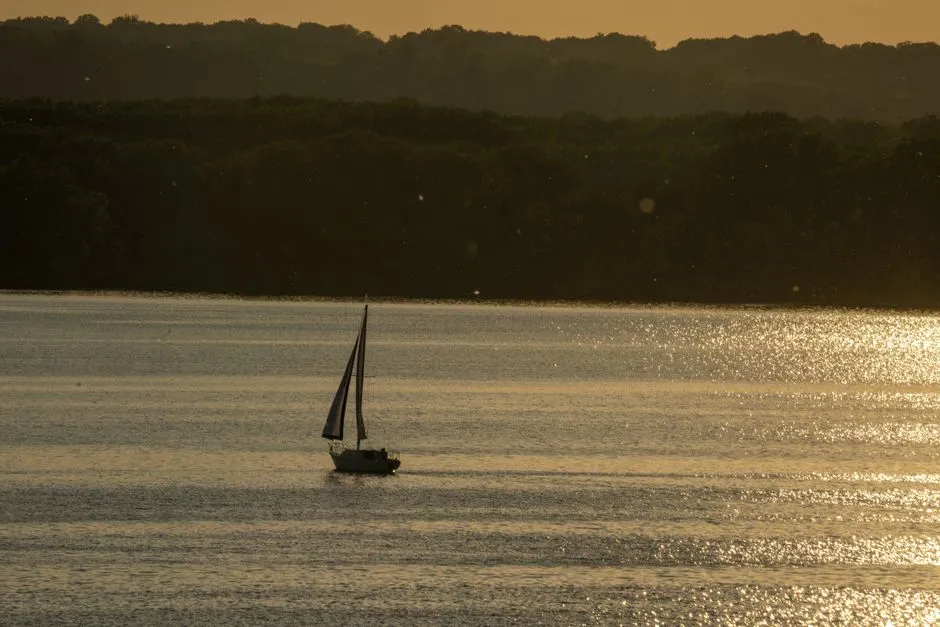
Some of the town’s oldest tourist rituals have simply never stopped operating, which adds a strange kind of continuity for repeat visitors. The mailboat tour, where young mail carriers hop on and off a moving boat to deliver letters to lakefront piers, is one of the more unusual examples. It has been running for over a century, since mailboat service has been a Geneva Lake tradition since 1916. Seeing the same tour still operating decades later gives longtime visitors a sense that some things in the town have deliberately been left alone.
A Reunion Spot by Design
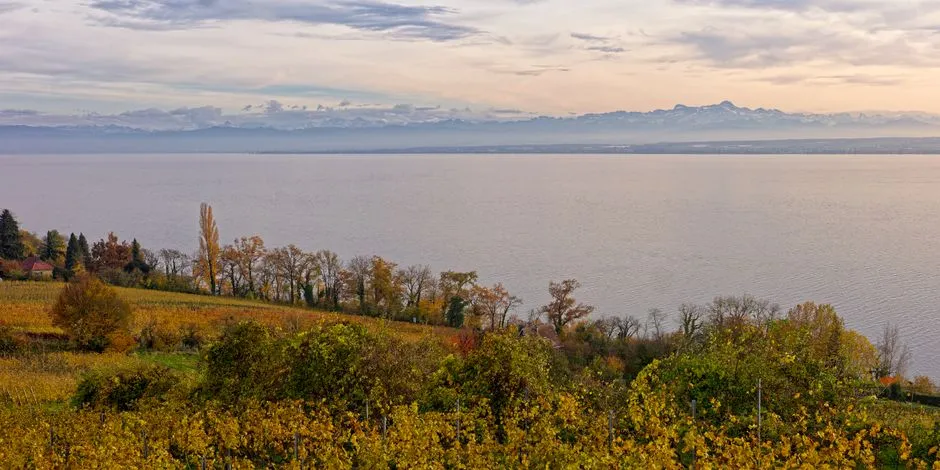
As families have grown larger and more spread out geographically, Lake Geneva has increasingly positioned itself as a place built for reunions rather than solo getaways. Local lodging options, from suite-style resorts to lakefront rental homes, are frequently marketed around multi-generational groups rather than couples or singles. The area’s tourism office puts it simply, describing how when it comes to unforgettable reunion destinations, Lake Geneva has always been the place that brings generations together for memory-making magic. For families already scattered across different states, that kind of built-in infrastructure for large groups matters more than it might elsewhere.
Close Enough to Return Often, Far Enough to Feel Away
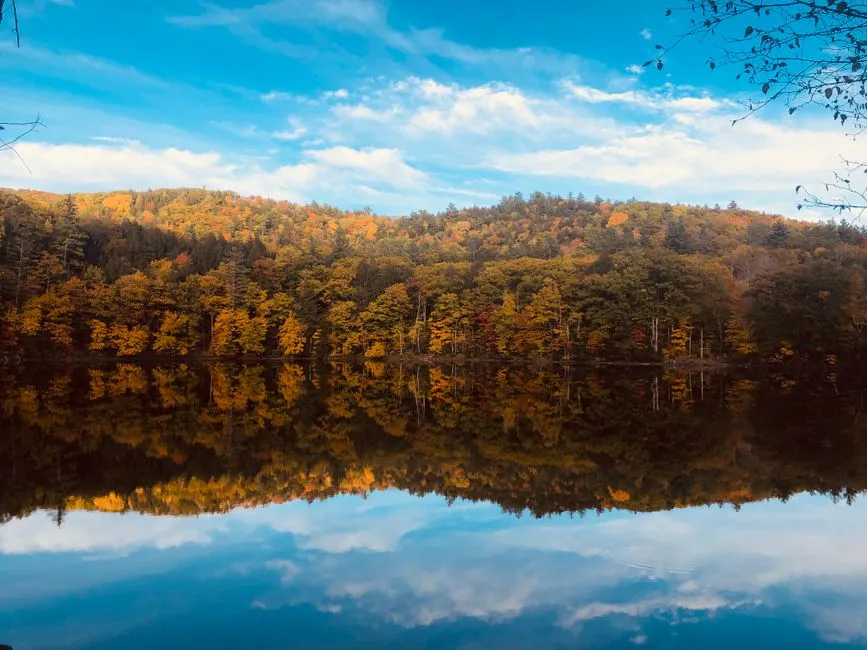
Perhaps the simplest explanation for the repeat visits is also the most practical one, the town sits at a distance that makes frequent trips genuinely realistic. It is close enough to Chicago and Milwaukee for a weekend trip, yet far enough to feel like a real change of scenery. Nearby Door County, another Wisconsin lake destination popular with Midwesterners, gets described in similar terms by its tourism leadership, who note that people are close to so many Wisconsinites, and yet when they are there, they feel like they are really farther away than they might be. That same proximity math applies to Lake Geneva, and it is a big part of why annual trips there feel more like a habit than a splurge.
Lake Geneva’s pull is not built on any single attraction or gimmick. It is a slow accumulation of decades, family habits formed at summer camp, mansions that opened their doors to the public, a mailboat still running its century old route, and a local economy that keeps reinvesting in the visitor experience. For the Midwesterners who return, the appeal is less about discovering something new each time and more about the comfort of finding it exactly where they left it.
AI Disclaimer: This article was created with the assistance of AI tools and reviewed by a human editor.