
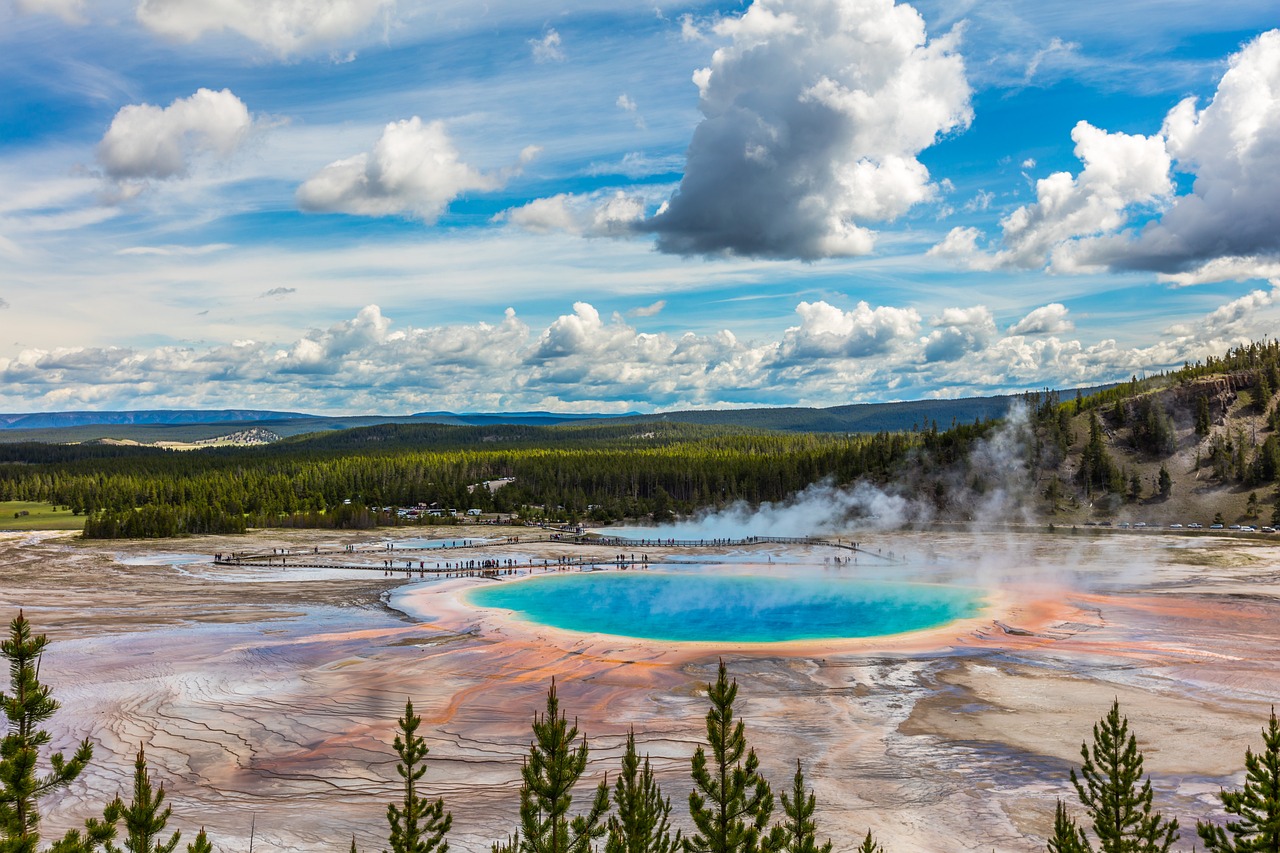

When July settles hard over Montana’s plains and cities, the instinct is simple: find water, find shade, find somewhere the air still moves. Livingston, tucked into the northern entrance of Paradise Valley along the Yellowstone River, has long been that somewhere for locals who know the state well enough to look past its most famous draws.
It’s not a secret exactly, but it’s not overrun either. Livingston’s close proximity to Yellowstone National Park makes it a prime destination for experiencing Montana’s wild and unspoiled landscapes, yet it manages to hold onto a rhythm that feels genuinely unhurried. Here is why Montanans keep coming back when summer peaks.
A Summer Heat That Is Genuinely Hard to Ignore
Montana has always had hot summers, but recent years have pushed that further than most residents expected. Summer temperatures in the Treasure State have been expected to be well above average, with below-average precipitation. While long consecutive stretches of triple-digit temperatures are relatively rare, numerous stretches of temperatures between 95 and 99 degrees have become a recurring reality across the state.
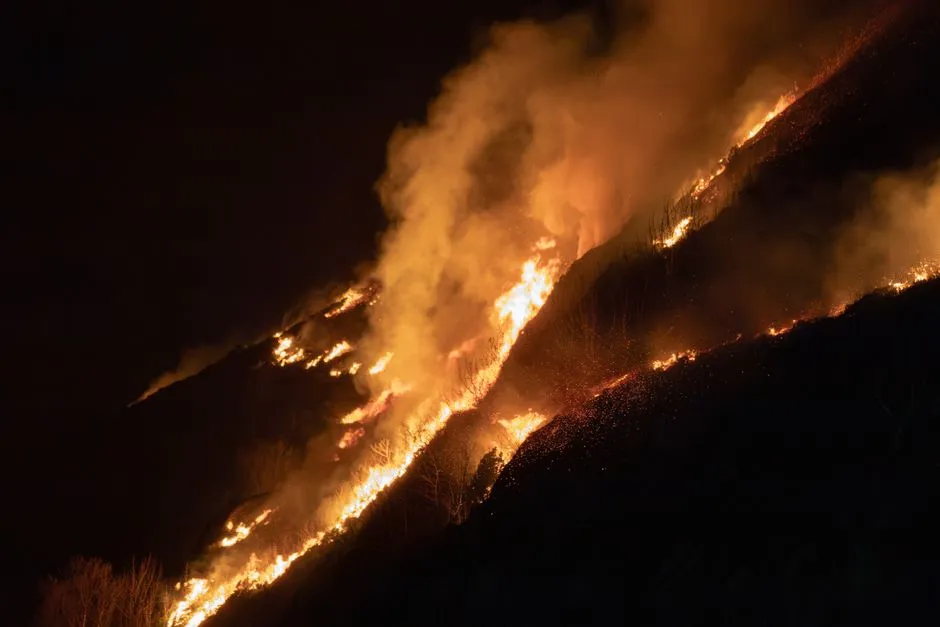
In recent summers, Missoula alone saw as many as seven days climb over 100 degrees. The hot temperatures and lack of moisture have also raised the stakes for wildfire season, adding smoke to the list of summer discomforts for many Montanans. For residents in the urban corridors and eastern plains, the pull toward a cooler river valley is both practical and deeply felt.
The Yellowstone River: The Longest Free-Flowing River in the Lower 48
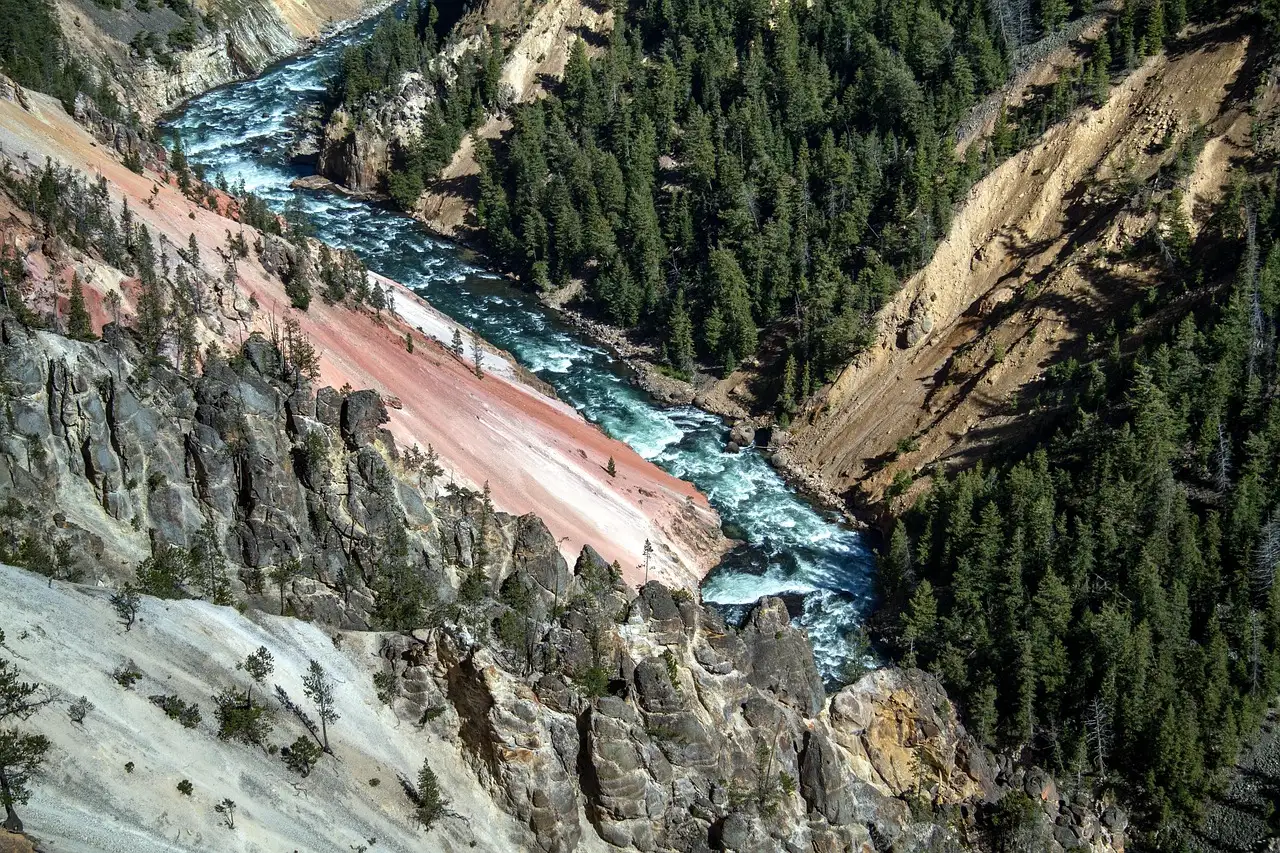
The Yellowstone River is the longest free-flowing river in the lower 48 states, eventually joining the Missouri River about 400 miles east in western North Dakota. That distinction matters more than it might seem on paper. Free-flowing rivers move differently, breathe differently, and in high summer, they carry a coolness that dammed waterways simply can’t replicate.
Livingston sits at the base of the eye-catching Absaroka Mountains with access to the Absaroka Beartooth Wilderness and the Yellowstone River, where fly fishing, kayaking, and boating are popular river adventures. The river here is alive in every sense of the word, and spending even a few hours near its banks brings a kind of relief that air conditioning can’t quite match.
Paradise Valley: A 55-Mile Corridor of Quiet Beauty
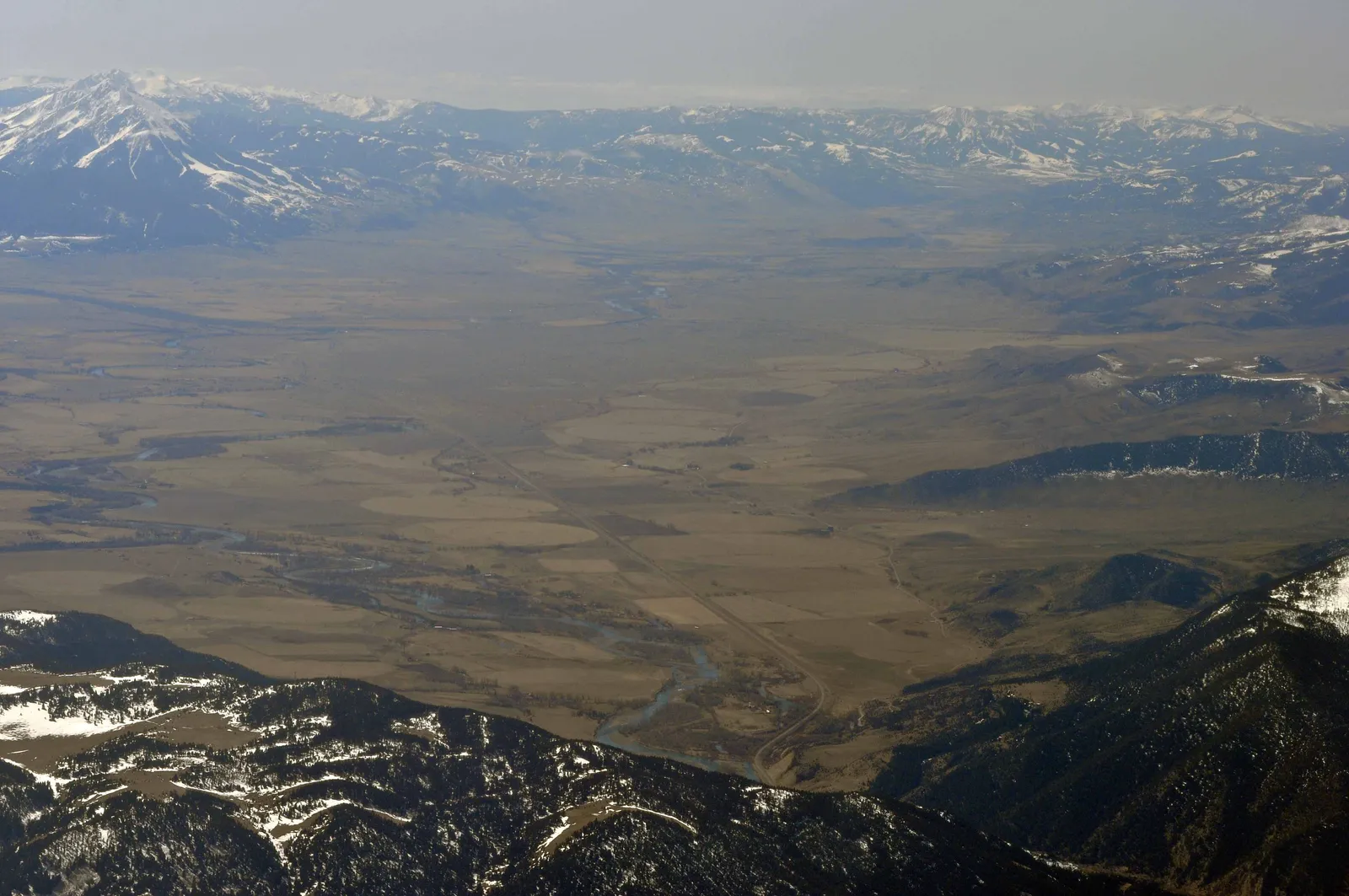
Driving the scenic 55-mile course that passes through Paradise Valley and runs along the river is one of those Montana experiences that earns its reputation without trying too hard. The valley stretches south from Livingston toward Gardiner and the northern boundary of Yellowstone, flanked by the Absaroka Range on the east and the Gallatin Range on the west.
The light in late afternoon here is the kind painters have been chasing for generations. Ranch land, cottonwood corridors, and the glint of the river weave together in a way that makes even a slow drive feel like time well spent. The town has year-round access to the park and tends to be less busy than nearby Bozeman, which makes the whole corridor feel genuinely spacious even during peak summer months.
World-Class Fly Fishing That Draws Anglers from Across the State
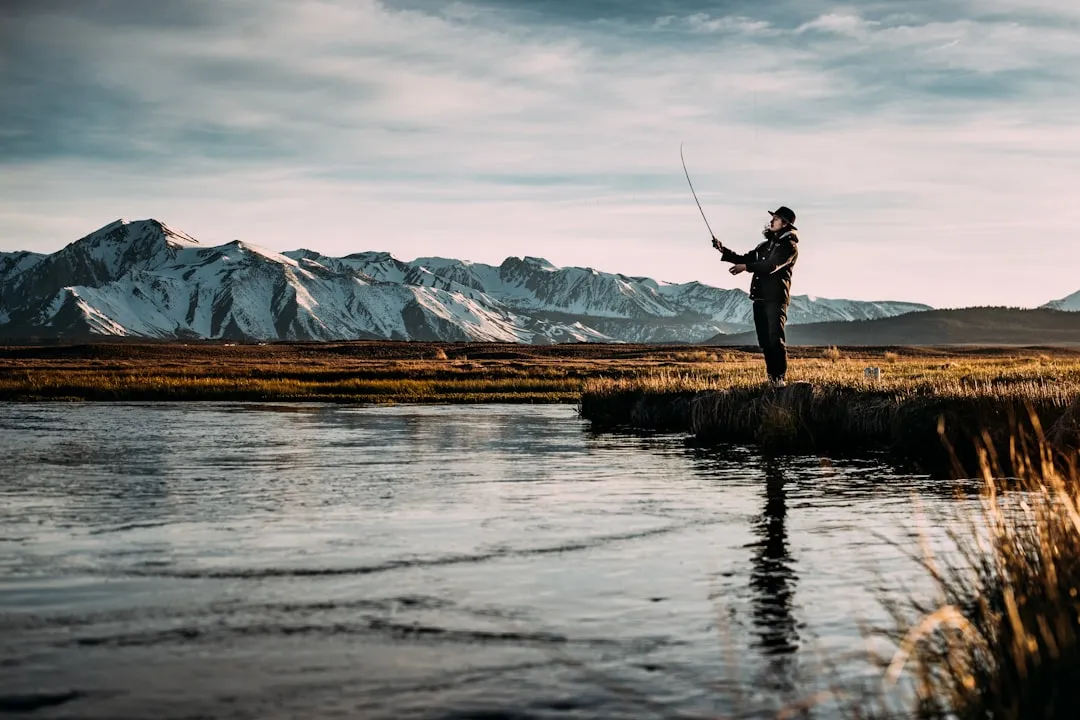
Yellowstone River fly fishing is world-renowned for its abundant, wild trout populations. For Montanans who fish, that reputation is less a selling point than a simple fact of life. The Yellowstone through Paradise Valley runs clear and cold in summer, offering some of the most consistent hatches in the region.
Summer from July through August is prime season on the Yellowstone, with lower water, excellent hatches including PMDs, caddis, and terrestrials, and warm weather creating ideal conditions. Guided programs in the area fish the Yellowstone River, Paradise Valley spring creeks, the Madison River, and a wider system of freestones, private lakes, and stillwaters across southwest Montana, giving visiting anglers genuinely varied options in a single trip.
Livingston’s Arts Scene: Unexpectedly Rich for a Town This Size
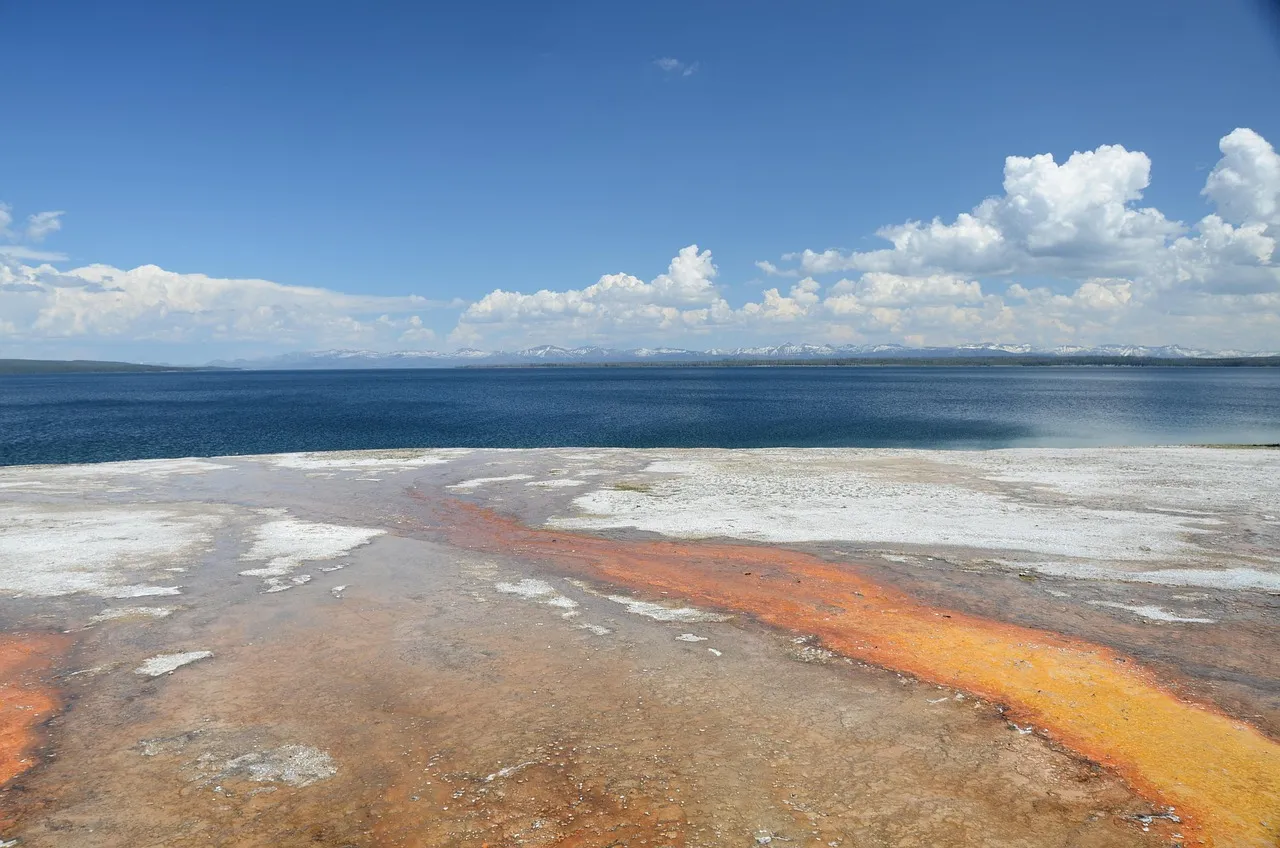
A true Montana haven, Livingston is the gateway to Paradise Valley, Yellowstone National Park, and Bozeman, located at the base of the eye-catching Absaroka Mountains. What surprises first-time visitors is how much creative life thrives within those practical coordinates. The town has quietly built a reputation as an arts destination, drawing writers, painters, and musicians who find its pace and landscape genuinely generative.
Galleries, studios, and independent shops line the historic downtown, many housed in buildings that predate the twentieth century. The railroad heritage gives Livingston an architectural character distinct from the newer resort towns that have sprung up across the state. For Montanans weary of places that feel purpose-built for tourism, Livingston’s organic, layered character is part of the appeal.
Sacajawea Park and the Riverside Green Space
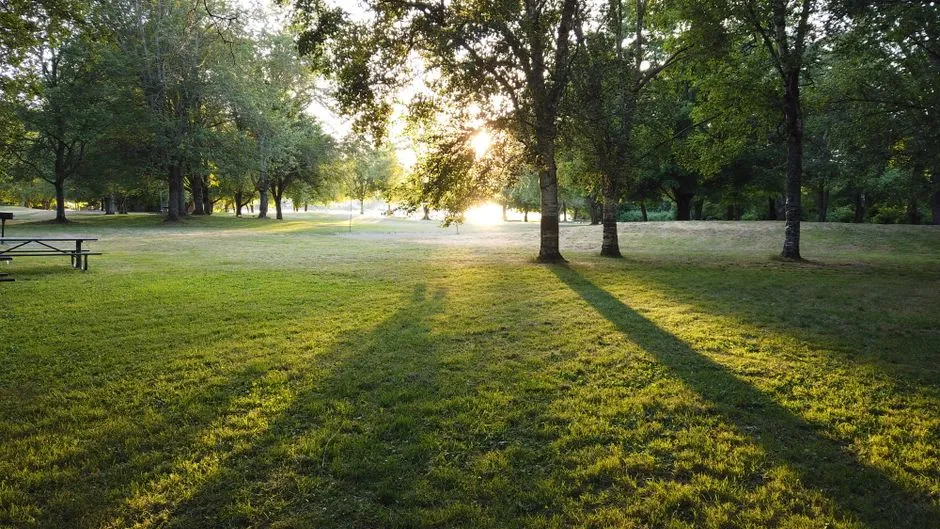
Fly fishing, kayaking, and boating are popular river adventures near Livingston, as is a visit to Sacajawea Park located on the river’s shores, which has a beach that overlooks the river, a lagoon, and hiking trails. For families, the park is one of those rare public spaces that functions without needing much explanation. Kids wade in the shallows, adults sit in the shade of old cottonwoods, and the river does the rest of the work.
Researchers have found that the amount of green space and shade in a neighborhood can significantly shape temperatures, with neighborhoods featuring more trees and green space running anywhere from 1 to 7 degrees Fahrenheit cooler than more developed surroundings. Sacajawea Park’s mature tree canopy and river proximity make it a genuinely cooler corner of town during peak summer heat.
Proximity to Yellowstone Without the Gateway Crush
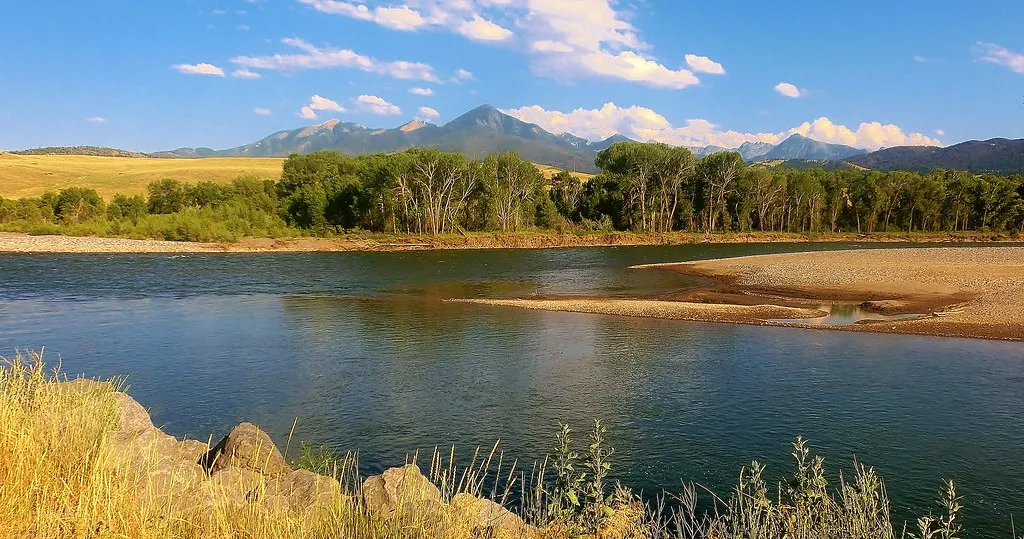
Livingston sits roughly 56 miles north of Yellowstone’s northern entrance at Gardiner, which puts it close enough for a day trip but far enough to avoid the intense congestion that surrounds the park’s busiest gates in summer. Some of Montana’s most beloved river towns are close to national parks like Glacier and Yellowstone, where there are more things to see and do, but the buffer of distance keeps the atmosphere fundamentally local.
Montanans who have navigated the summer crowds at West Yellowstone or Gardiner often gravitate toward Livingston precisely because it functions as a real town first and a gateway second. Restaurants, hardware stores, coffee shops, and bookstores serve a resident community, not just a stream of park visitors. That distinction matters when you’re looking for somewhere to actually relax.
The Wind That Keeps Things Honest
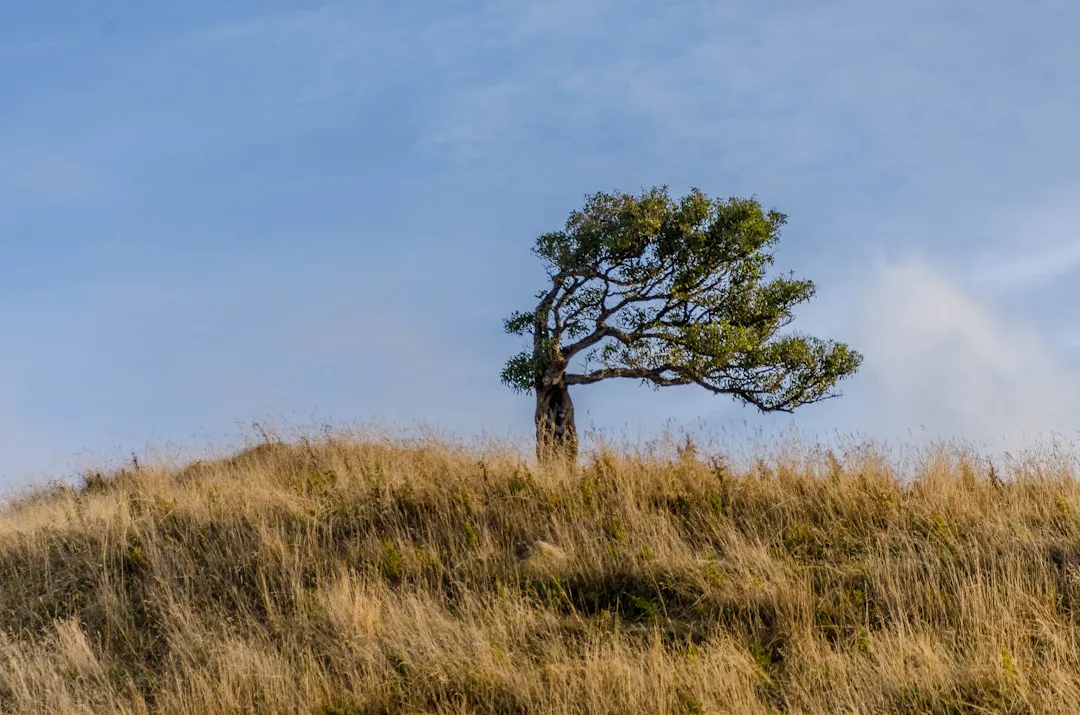
Livingston is famously windy, a geographic reality that the locals acknowledge with a kind of dry pride. The Yellowstone River corridor funnels air through the valley with enough force that the town holds several records for sustained wind speeds in the region. In winter that reputation can be brutal; in a high summer heatwave, that same wind is a genuine asset.
It’s one of those counterintuitive pleasures that regulars understand before first-timers do. A 90-degree afternoon in Livingston with a 25-mile-per-hour breeze off the river can feel dramatically more tolerable than an 85-degree afternoon in a still, shadeless city. The wind earned its reputation both ways, and in summer, it earns the good kind.
A Historic Downtown Worth Slowing Down For
Livingston’s downtown is compact and walkable, built around the grand old Livingston Depot, a Northern Pacific Railway station that opened in 1902 and now operates as a cultural center and museum. The architecture throughout the core blocks reflects a town that was once a significant rail hub, and that heritage lends the streetscape a solidity that newer Montana resort towns lack.
Over time, Montana’s river settlements grew and today are among the most beautiful towns in the country. Livingston fits that description not through curated charm but through accumulated history. The storefronts, the old hotel facades, the side streets lined with century-old homes all contribute to a sense that the town existed long before anyone called it a destination, and will exist long after the summer crowds move on.
The Cooling Effect of River Valley Geography
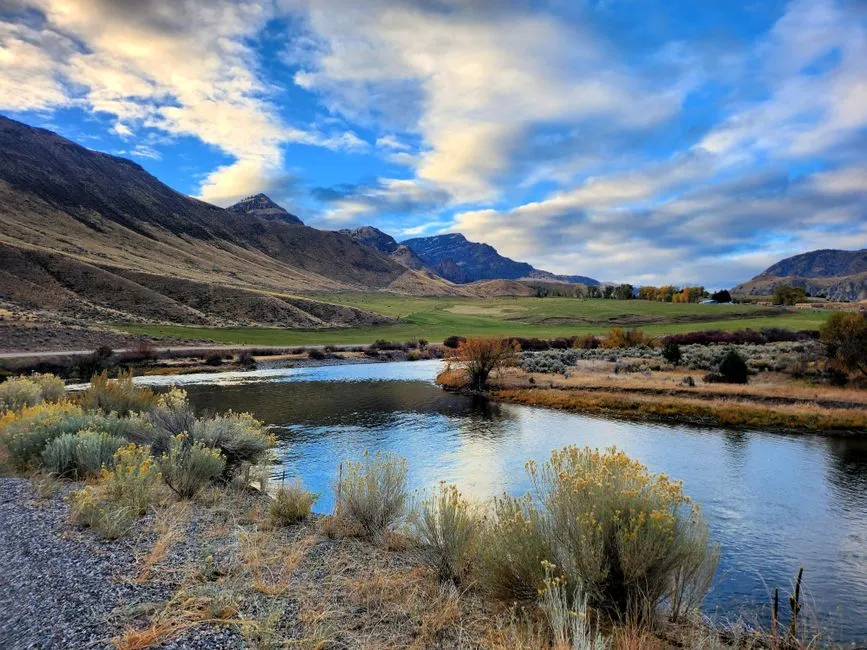
River valleys in Montana tend to run cooler than the surrounding upland terrain, a result of elevation, water proximity, and the way air moves through a canyon-flanked corridor. Northern latitude, mountain topography, and dry air create some of Montana’s biggest day-to-night temperature swings in valley towns, which means even a genuinely hot afternoon typically gives way to a cool, breezy evening.
In 2024, Climate Smart Missoula teamed up with the city and county and secured federal funding for a heat mapping initiative that confirmed what experienced Montanans already knew: where you are in a landscape matters enormously for summer comfort. River corridors with tree cover and moving water consistently register lower temperatures than developed or open terrain. Livingston’s position at the valley mouth, with the Yellowstone running right through town, gives it a natural thermal advantage that no amount of urban planning can fully replicate.
The Takeaway
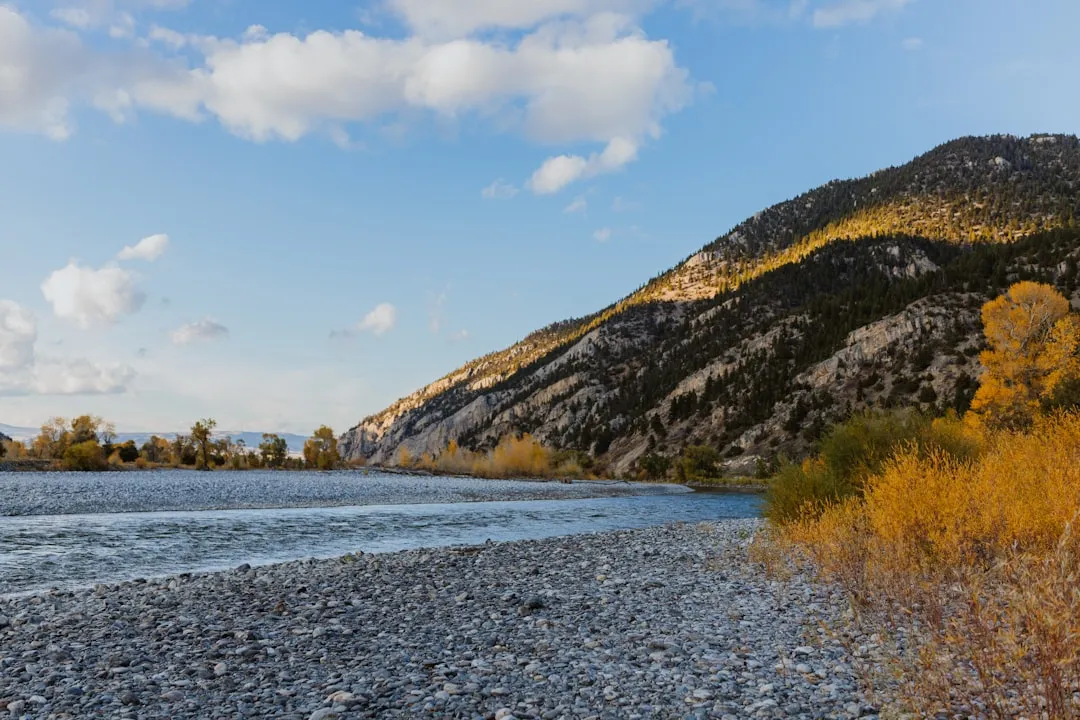
Livingston isn’t a new discovery. Montanans have been heading there in summer for generations, and the reasons haven’t changed much: a living river, a valley that breathes, a town with enough culture to hold your attention when you’re not on the water. Surrounded by scenic mountains, the charming small town of Livingston is situated on the Yellowstone River, and that simple geographic fact does a great deal of the work.
As Montana summers grow hotter and the pressure on more famous destinations intensifies, places like Livingston earn a quiet, steady appreciation among the people who know the state best. The river keeps flowing, the valley stays green longer than most, and the wind still moves through in the afternoon like something reliable. Sometimes that’s exactly enough.
AI Disclaimer: This article was created with the assistance of AI tools and reviewed by a human editor.