


Something has quietly shifted in how Americans think about time off. It’s not a dramatic departure from vacation culture, but it’s visible in the data: shorter trips, more of them, and a growing comfort with the idea that a long weekend can do real work when a two-week holiday isn’t happening.
The numbers from 2024 and 2025 confirm this is more than a passing habit. Travel researchers, consumer finance surveys, and behavioral pollsters are all pointing toward the same pattern. Americans aren’t abandoning the idea of rest. They’re just recalibrating what rest looks like in practice.
The Micro-Cation Is Back in Style

According to data from Allianz Partners USA in their annual Vacation Confidence Index, Americans are increasingly opting for shorter but more intentional getaways. Micro-cations, defined as leisure trips more than 100 miles from home lasting four nights or fewer, made a strong comeback in 2025 as travelers sought to balance time, cost, and experience.
The study reveals that roughly one in three Americans now say their first vacation of the year will last just two nights or less, up four percentage points from the previous year. The average trip length dipped to 4.2 nights in 2025, down from 4.6 nights in 2024.
These shorter getaways offer a practical solution for Americans navigating high travel costs, limited PTO, and a desire for meaningful breaks without the commitment of a week-long vacation. Whether it’s a two-night city escape or a long weekend by the coast, micro-cations fit neatly into busy lifestyles.
The Cost of Living Is Reshaping Travel Plans
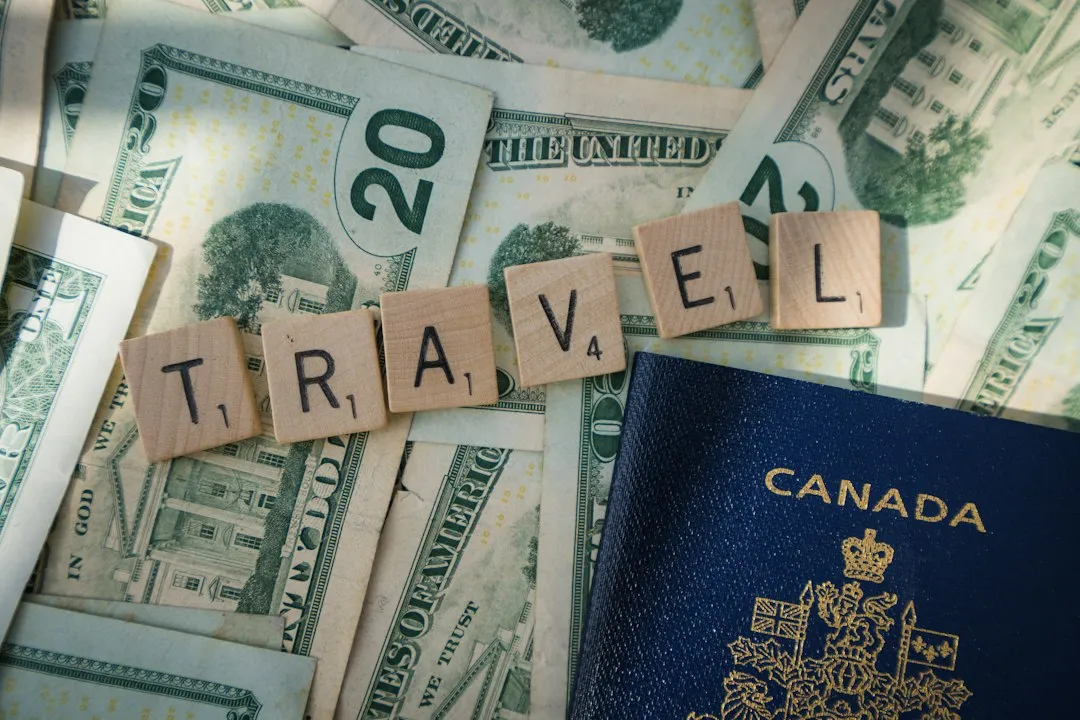
Nearly half of Americans say the increased cost of living, the state of the economy, and tariffs are all impacting their 2025 travel plans. When everyday expenses feel unmanageable, a 10-day international trip becomes the first thing people quietly cross off the list.
Around 46% of Americans said they were planning a summer vacation in 2025, down from 53% in 2024, according to a Bankrate survey conducted in March. Among those choosing not to travel, respondents cited the cost of everyday life (68%) as a bigger concern than travel expenses themselves (64%).
Around a third of Americans plan to spend less on travel this year than they did last year, while only about one in five expect to spend more. A four-day weekend, especially a road trip close to home, quietly absorbs that financial pressure without requiring anyone to feel like they’ve given something up.
Short Trips Are Getting More Expensive Per Night

While vacations may be getting shorter, they’re certainly not getting cheaper. One-night trips are the most expensive on a per-night basis, averaging $700 per night, compared to $396 per night for a traditional week-long vacation. That’s a striking gap, and it speaks to a shift in how Americans are choosing to spend when they do get away.
Long weekends and summer Fridays have captivated the American traveler. Those still opting for micro-cations and taking three-night vacations are more likely to splurge, at a rate of $587 per night, a figure that has nearly doubled since 2022.
The willingness to spend more per night on fewer nights suggests these aren’t budget decisions dressed up as lifestyle choices. People are making a genuine trade: fewer days away, but a higher quality of experience while they’re there.
Unused PTO Is a Quietly Stubborn Problem

Here is a central irony of the burnout crisis: roughly four in five workers report having PTO as a benefit, yet according to FlexJobs’ 2025 Work and PTO Pressure Report, nearly one in four U.S. workers did not take a single vacation day in 2024.
Roughly three in five Americans left PTO on the table in 2024 despite a documented connection between unused vacation and burnout. Eight in ten professionals expect to end the year with unused PTO, with workload and the pressure to always be available cited as the most common reasons for not stepping away.
Americans are notorious for not using all their vacation time, despite receiving an average of only 12 days annually, per Expedia. A four-day weekend, anchored to a federal holiday, sidesteps the guilt entirely. It requires burning just one PTO day, which feels like a much smaller ask.
The Federal Holiday Hack Is Driving the Four-Day Weekend Trend

One of the most practical reasons Americans gravitate toward extended long weekends is the calendar itself. Maximizing time off is possible with a PTO strategy that turns scattered days off into longer breaks, using federal holidays as a framework. Taking a single day before or after a holiday weekend can reliably produce a four-day stretch without dipping deeply into an annual leave balance.
Many Americans feel guilty using vacation time, but research shows that unplugged time away from work is linked to better well-being and reduced burnout. The four-day weekend offers a kind of permission structure: it’s a holiday, the office is already quiet, and the decision is easy to justify.
The math is simple and hard to argue with. With a limited average of 12 vacation days per year, stacking one or two of them against a federal holiday turns a modest PTO balance into a string of genuinely restorative breaks throughout the year.
Burnout Is Driving the Desire for More Frequent Breaks

Regardless of employment status, 79% of Americans say they have felt particularly burnt out. That’s not a fringe experience. That’s most working adults, and it’s creating real pressure to find rest wherever it can be found.
In response to stress and burnout, many Americans are beginning to reconsider how they recharge. Instead of waiting for an annual long vacation, roughly three in five Americans prefer smaller, more frequent escapes throughout the year.
Three-quarters of Americans say they feel mentally or physically drained at least once a week, including more than one in four who feel that way every day. Meanwhile, 72% say relaxation is something people have to earn. That cultural guilt around rest is precisely what makes a long weekend feel more accessible than a full vacation. It’s easier to justify a Friday off than two weeks in Europe.
The Road Trip Makes the Four-Day Weekend Possible
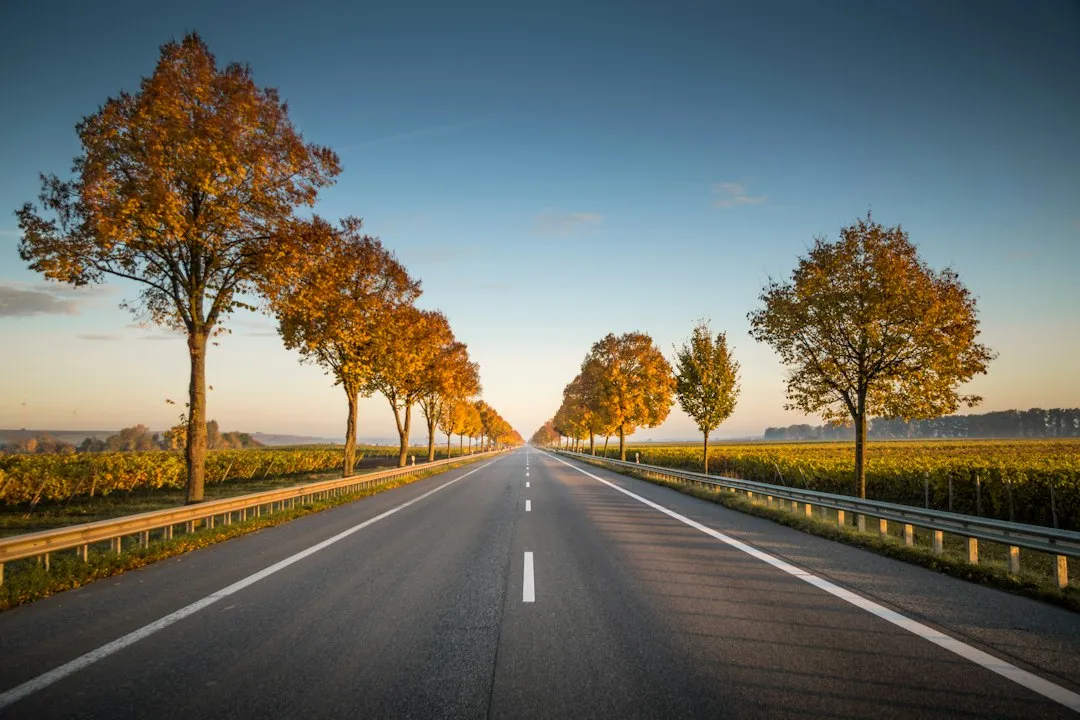
In 2025 polling, roughly four in five Americans said they’d drive to their summer destination, with more than half citing airfare costs as the reason to skip flying. For long-weekend peaks like Memorial Day, road trips made up the vast majority of all trips.
Airbnb reports that local travel within 300 miles has nearly doubled over five years, and more than half of Labor Day bookings were within driving distance. The car enables a kind of spontaneity that flying simply doesn’t. You can leave Thursday evening, skip the airport entirely, and be somewhere genuinely different by Friday morning.
Roughly four in ten travelers opted for destinations closer to home due to rising costs, yet overall travel demand remained strong. Closer doesn’t mean lesser. Many Americans are discovering that a three-hour drive can deliver a genuinely restorative experience, especially when it fits into a long weekend without burning through annual leave.
Deloitte’s Data Paints a Clear Picture of the Shift

Deloitte reports that the average number of planned summer trips per person jumped to 3.1 in 2025, up from 2.3 the previous year. Many of those getaways are shorter, with 41% of travelers planning trips of three nights or fewer, up from 37% the year before.
Even as more people travel, many are pulling back on spending. In March 2025, travelers expected to spend roughly $3,987 on their longest trip. By April, that number had dropped to $3,471, representing only a modest increase over the prior year.
More trips, shorter duration, tighter budgets. The picture that emerges is not one of disengagement from travel, but rather a very deliberate restructuring of it. Americans are spreading their leisure across the year in smaller, more manageable doses.
The Vacation Recovery Problem Is Real
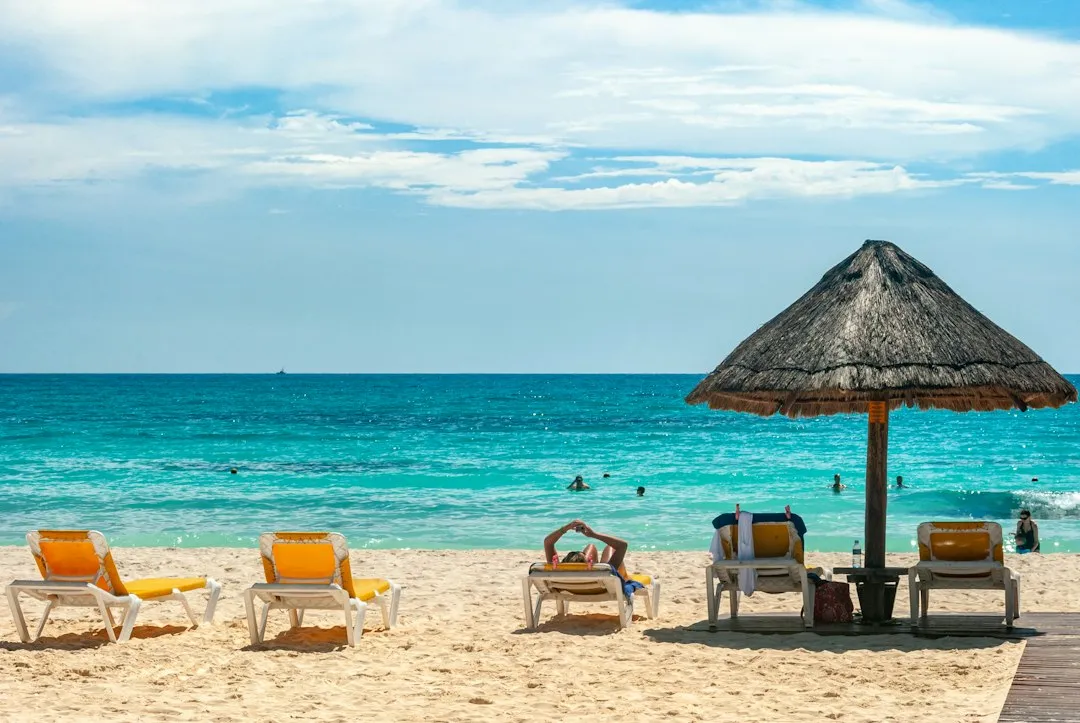
Seven in ten adults say they need a vacation to recover from their last vacation. According to 2026 ResortPass data, the planning burden, cost, logistics, and pressure to maximize limited time all contribute to stress before and during a trip.
Over half of Americans admitted to feeling stressed about work during most or all of their vacation. While roughly three-quarters of workplaces encourage PTO, more than seven in ten people admitted to feeling pressure to engage with work during vacation. Close to six in ten feel that vacations produce a more stressful workload when they return.
A four-day weekend sidesteps much of that anxiety. There are fewer logistics to manage, less pressure to “make it worth it,” and a quicker return to routine that doesn’t feel like falling off a cliff. For many people, that lower-stakes structure actually produces more genuine rest.
What This Means for the Future of American Travel

Domestic travel in the U.S. has reached new heights in 2025, surpassing pre-pandemic levels. Americans are traveling more frequently, spending more, and prioritizing road trips, family vacations, and flexible getaways.
Rather than waiting for an annual long vacation, a growing share of Americans prefer smaller, more frequent escapes throughout the year. These short, restorative breaks offer a practical solution for people looking to reset without the added stress of travel logistics or the guilt associated with taking extended time off.
ResortPass data shows that roughly three in five Americans prefer a shorter local escape over waiting for a longer trip. That preference is not a consolation prize. For many people, it’s a more honest and sustainable relationship with rest, one built around what actually fits their lives rather than an idealized notion of what a vacation is supposed to look like.
The Takeaway

The four-day weekend isn’t replacing the vacation so much as it’s filling the space where vacations aren’t happening. It’s a practical response to limited PTO, rising costs, burnout anxiety, and the very real exhaustion that long trips sometimes create rather than cure.
What the data from 2024 through 2026 suggests is that Americans haven’t lost their appetite for travel or for rest. They’ve just gotten more pragmatic about how to access it. A long weekend near home, done well and fully unplugged, turns out to be a surprisingly effective answer to a complicated problem.
The wisest travel choices have always been the ones that actually happen. Right now, for a lot of Americans, that looks like a Thursday evening departure and a Monday morning return, with somewhere worth visiting in between.
AI Disclaimer: This article was created with the assistance of AI tools and reviewed by a human editor.