

The Wedding Planning Exhaustion That Nobody Warns You About
Most couples underestimate just how draining the road to the altar truly is. Wedding planning burnout is described as one of the most common and most under-discussed parts of getting married in 2026. The months of coordinating vendors, managing guest lists, and absorbing social media expectations leave many couples genuinely worn out before the honeymoon even begins.
Traditional weddings report extreme stress levels in roughly two in five couples planning them. That kind of accumulated pressure doesn’t simply dissolve the moment vows are exchanged. Couples who start their marriage from a place of rest rather than depletion report feeling more connected in the early months.
Relaxation Travel Is Now the Dominant Honeymoon Category
Relaxation travel dominates the global honeymoon tourism market, valued at approximately four billion dollars in 2024, and is projected to reach five billion dollars by 2035 – remaining the preferred choice for honeymooners seeking serene environments to unwind.
The market is also seeing rising demand for wellness tourism, with nearly roughly a third of couples selecting spa and relaxation-focused trips. That’s a significant shift compared to the adventure-first mentality that shaped honeymoon culture in previous decades. Wellness-themed honeymoons saw a roughly thirty percent year-over-year increase, especially among travelers aged 25 to 34.
The Rise of Slow Travel as a Honeymoon Philosophy

Slow travel has become one of the defining honeymoon trends, with couples choosing to give themselves the time and space to actually enjoy the start of married life together. Rather than building itineraries around sights and activities, they’re building them around pace and presence.
It’s one of the few trips in life where doing less can actually help you get more from the experience. That reframing matters. Couples are choosing experiences over extravagance, slowing down instead of trying to see everything, and planning trips that reflect who they are as a couple.
Rest and Recharge Have Become the Top Travel Motivators

According to a global survey conducted by Hilton and Ipsos involving more than ten thousand travelers across nine countries, the number one reason people chose to travel in 2024 was to rest and recharge, with more emphasis on sleep than ever before. That survey spanned every major generation, which means this isn’t just a millennial preference – it’s broadly human.
While multi-stop trips and large group honeymoons dominated in previous years, couples are now getting back to basics, with experts agreeing that pared-down itineraries and a greater emphasis on relaxation and romance are setting the tone. The pendulum has swung decisively toward quiet.
Digital Detox Is Becoming Part of the Honeymoon Experience

More couples are embracing a partial digital detox as part of the modern honeymoon trend, with phones tucked away during meals and notifications silenced. What remains is presence: real conversations, shared laughter, and quiet unfiltered moments that don’t need a caption.
After months of answering emails, coordinating vendors, and constantly checking notifications, many couples are craving a honeymoon that feels quieter, becoming intentional about when they unplug – whether at a remote mountain lodge, a secluded beachfront villa, or somewhere where scrolling through social media simply isn’t the priority. More people are acting on what some are calling the “joy of logging off,” rejecting overstimulation and sensory overload.
The Wellness Industry Is Reshaping What Honeymoon Resorts Offer
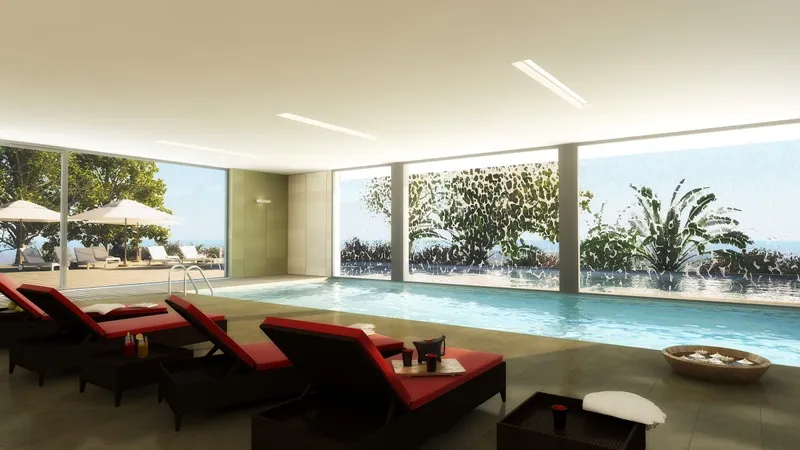
The integration of wellness and relaxation experiences into honeymoon packages is becoming a key selling point for travel providers, with hotel partnerships enhancing offerings for couples seeking relaxation and wellness. Resorts that once leaned on excursion packages are now leading with sleep programming, spa rituals, and nature immersion.
One growing example is the digital detox retreat, where couples are completely unplugged from social media and everyday stresses, alongside wellness retreats at med spas and high-end resorts that offer specialized programs built around sleep, yoga, hydrotherapy, or nature bathing. These aren’t fringe offerings anymore – they’re mainstream.
The “Minimoon” Movement Signals a Broader Attitude Shift

Many couples are opting for “minimoons” – short, local getaways that allow them to unwind and enjoy some alone time before embarking on a longer honeymoon later, a trend perfect for those who want to extend their celebration without the immediate pressure of a long trip.
The minimoon isn’t just about budget. It reflects a desire to protect energy and transition gently into married life rather than launching immediately into another logistical challenge. The age of the whirlwind month-long honeymoon is giving way to intentional travel. Shorter, calmer, and more personal is the new aspiration for many newlyweds.
Where Couples Are Going to “Do Nothing” Well
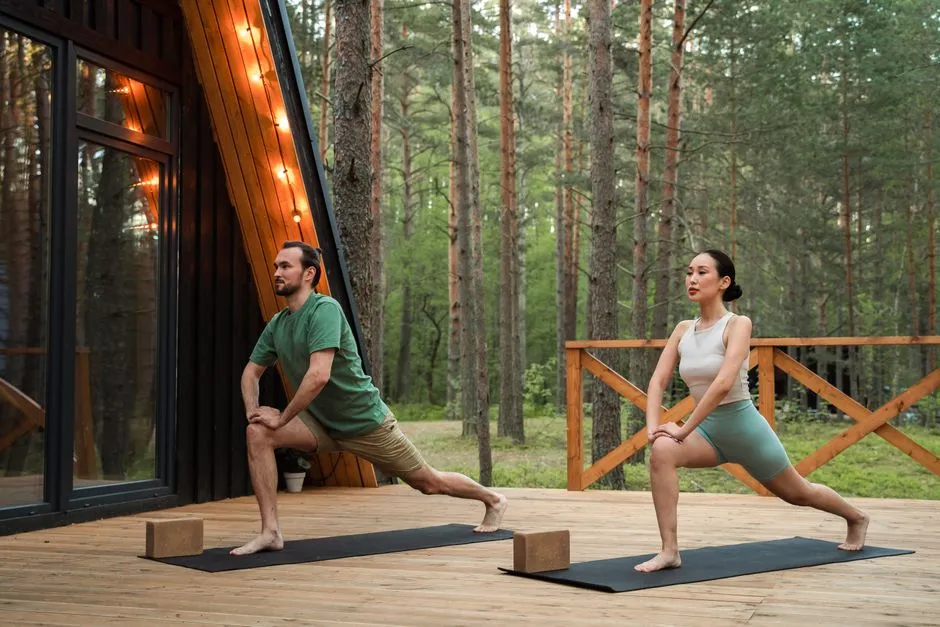
Bali continues to trend as a top honeymoon destination for its wellness retreats, boutique villas, and vibrant culture, ideal for couples seeking both relaxation and immersive travel. Places like the Maldives, coastal Santorini, and rural Tuscany have long drawn couples for the same reason: they make doing nothing feel luxurious rather than indulgent.
Demand for off-the-beaten-path destinations, wellness-focused travel, and bespoke experiences such as private villas, romantic dining, and spa treatments are among the factors driving market growth. Destinations offering digital detox experiences, like the Scottish Highlands, attract couples seeking to disconnect in order to reconnect. The setting matters, even when the plan is to do very little.
The Honeymoon Market Is Growing – and Wellness Is Leading It

The honeymoon travel market was valued at over a billion dollars in 2024 and is projected to exceed one and a half billion dollars by 2033, growing at a compound annual rate of five and a half percent. That growth is being driven in large part by couples who want something more tailored than a standard resort package.
Over nearly two thirds of couples now opt for bespoke itineraries rather than pre-packaged tours. Around roughly three in five couples now look for unique and memorable travel experiences instead of standard packages. The “do nothing” honeymoon fits that desire perfectly – it’s deeply personal, and it requires no checklist at all.
Presence Over Performance: What Couples Actually Remember
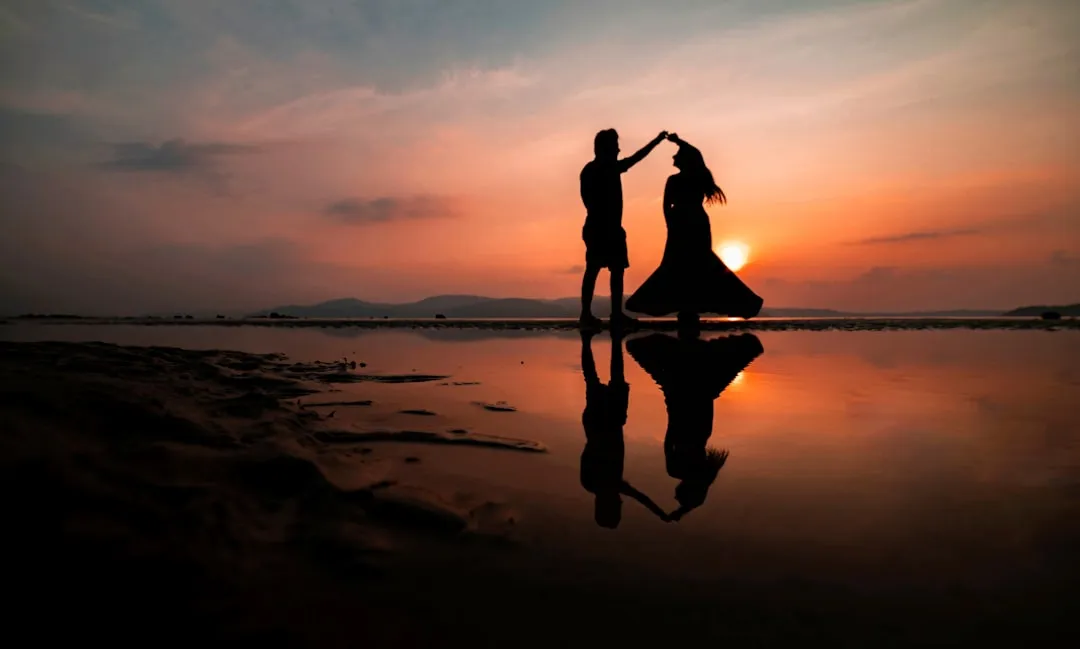
Sometimes the best part of a honeymoon is being fully present with the person you just married. That sentiment, simple as it sounds, is driving a meaningful cultural change in how newlyweds approach their first shared journey.
A successful vacation isn’t measured by how many attractions you visit – it’s measured by how much you enjoy the experience together, and shared experiences usually create stronger memories than impressive accommodation. Memories formed over unhurried days have more texture and staying power than the blur of a packed schedule.
The Takeaway

The “do nothing” honeymoon isn’t a trend born from laziness or lack of imagination. It’s a considered response to modern life – to the stress of wedding planning, the noise of constant connectivity, and the cultural pressure to make every moment shareable.
What couples are choosing instead is time. Time to breathe, to talk without a to-do list, to sleep well, and to simply be together in one place without an agenda. Rather than returning home exhausted, couples are choosing to give themselves the time and space to actually enjoy the start of married life together. That, in the end, might be the most romantic choice of all.
AI Disclaimer: This article was created with the assistance of AI tools and reviewed by a human editor.