
The Wellness Economy Is Reshaping Hospitality Investment

The numbers behind this shift are difficult to ignore. The Global Wellness Institute valued the global wellness economy at $6.8 trillion in 2024, projected to reach $9.8 trillion by 2029 – a scale that makes it larger than global tourism itself. Hotels are paying attention to those figures.
Leading hotel chains including Marriott International, Hyatt Hotels Corporation, Four Seasons, and Aman Resorts are allocating substantial capital expenditure budgets to the development and upgrade of thermal suite facilities, recognizing that spa and wellness offerings are critical competitive differentiators in attracting premium guests.
Wellness is shifting from a secondary amenity to a strategic hospitality asset. Integrated hydrothermal facilities support higher average daily rates, premium suite pricing, longer stays, and new revenue streams through private bookings and local memberships.
Sauna Culture Is No Longer a Nordic Niche
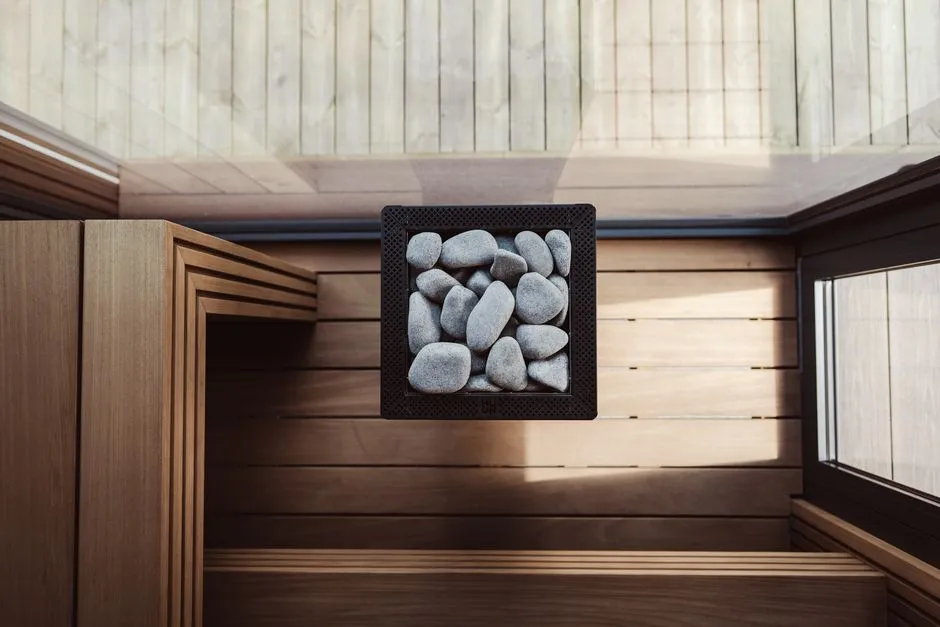
There is a significant revival of sweat bathing, a practice with a long history. Enthusiasts are eager to explore the broad expanse of authentic practices – from intense Finnish saunas and tranquil Roman baths to spiritual North American sweat lodges and invigorating Russian banyas.
Scientific research validating the cardiovascular and mental health benefits of regular sauna use has broadened consumer adoption well beyond traditional Nordic markets. Urban wellness venues in cities like New York, Toronto, and London are now drawing crowds for communal sauna experiences the way restaurants draw diners.
In 2025, there was explosive global growth of sauna culture – from mobile and pop-up saunas to the revival of traditional heat practices. In 2026, that movement is evolving beyond simple heat-and-nature pairings into fully realized hydrothermal bathing circuits designed specifically for urban environments and communal social wellness.
The Health Case Has Become Harder to Dismiss

Clinical research demonstrating sauna therapy’s impact on cardiovascular health, sleep quality, and immune function drives mainstream adoption beyond traditional relaxation benefits. Regular sauna use correlates with a 27% reduction in cardiovascular disease risk and improved sleep efficiency scores.
Depending on the study, those who utilize the sauna more often see their risks of strokes, high blood pressure, heart attacks, or death drop by 37 to 83 percent. That kind of clinical backing gives hotel wellness programs a credibility that a pool simply can’t match on health grounds.
A 2024 study from the University of California, San Francisco found that temporarily heating people up through methods such as saunas could lead to a rebound body temperature lowering that may benefit people dealing with depression. The mental health dimension is increasingly part of the conversation, and it resonates strongly with today’s travel demographic.
Revenue Logic: Saunas Earn, Pools Cost
Hotels increasingly position spa and sauna facilities as revenue centers rather than amenity costs, generating direct treatment income and extending average guest stays by 1.2 nights per visit. The integration of thermal circuits with dining and event programming creates compound revenue opportunities, particularly in destination resorts where spa services achieve 40 to 60 percent profit margins.
Pools, by contrast, require constant maintenance, chemical management, lifeguard staffing in many jurisdictions, and significant water consumption year-round. A sauna circuit, once installed, tends to operate with far leaner overhead. Saunas are more energy efficient than a pool or spa, and they’re far less exposed to regulatory or liability pressure.
Properties incorporating holistic performance wellness tools have experienced a roughly 24 percent improvement in premium room booking retention. Multi-sensory facilities outperform basic steam rooms by generating a 15 percent higher guest satisfaction score. Those figures make a compelling case in any capital expenditure conversation.
The Hotel Sauna Market Is Growing Fast
In 2024, the hotel segment of the sauna and spa market experienced a 17.3 percent increase in demand for sauna and spa facilities. This growth is attributed to the rising trend of wellness tourism, with travelers seeking accommodations that offer rejuvenating experiences.
The hotel sauna segment in the United States alone was valued at USD 156.3 million in 2024, with projections pointing to continued growth through 2030. The hotel and hospitality segment holds the largest share in the sauna and spa market overall, with hotels and resorts accounting for roughly 45 percent of total market revenue due to rising wellness tourism and luxury spa services.
Luxury hotels, resorts, and wellness centers are integrating traditional and infrared saunas to attract health-conscious tourists. This isn’t a fringe amenity decision. It’s becoming a standard consideration in new hotel construction and renovation planning.
The Social Dimension Hotels Are Banking On
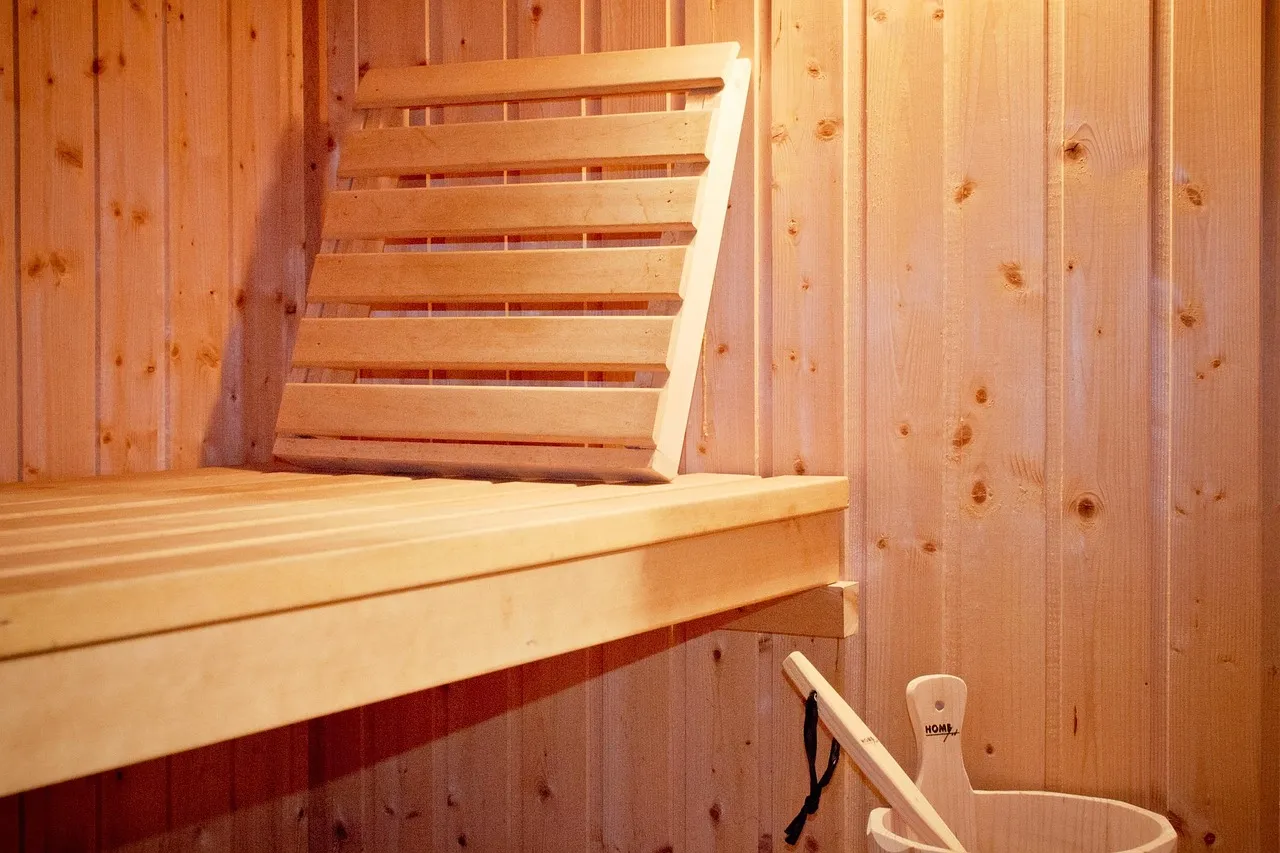
One thing that surprises people new to the sauna boom is how communal it actually is. Unlike a gym or a spa treatment room, a sauna invites conversation. People sit together, breathe together, and tend to linger. That dynamic has real value for hotels trying to build a sense of place.
Russian banyas, for example, offer the benefits of a wellness ritual combined with social connection. Friends can meet for an evening and enjoy a unique sauna ritual with drinks and nibbles served in a cozy lounge as part of the experience.
The alternating sauna-and-cold-plunge ritual transforms into a membership-based anchor that drives frequent visits and community loyalty. Operators leverage immersive programming such as live music and guided sessions to sustain multiple visits per month on average and yield up to 40 percent price premiums on branded wellness experiences.
Design Is Evolving to Match the Moment
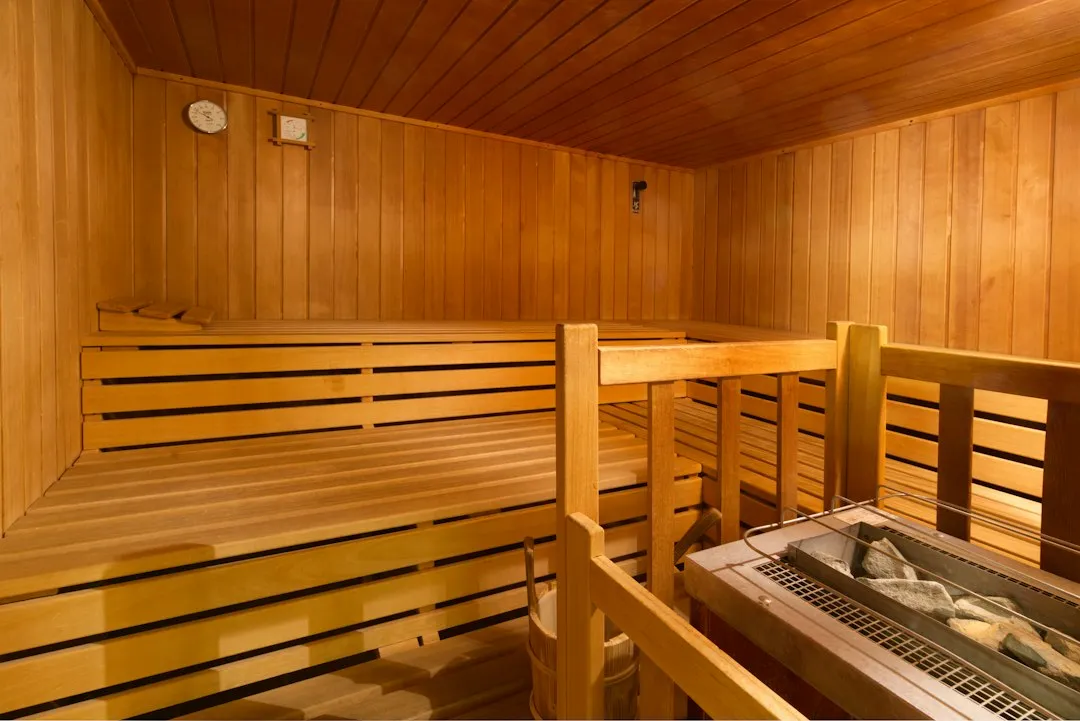
Expect more saunas set in a natural landscape to offer true connection to the elements, with large, glazed walls offering impressive views of nature. The aesthetic ambition of today’s hotel sauna has moved far beyond a cedar box in a basement corner.
Inspired by luxury pioneers such as Aman Group, hotels are introducing bookable private wellness suites for couples or small groups, along with guest rooms that incorporate integrated saunas, steam rooms, soaking tubs, and treatment spaces. This “your room is your spa” model is already appearing in urban hospitality.
Urban wellness venues are increasingly building complete thermal environments that integrate heat, cold, water, rest, and guided ritual. Instead of a quick sauna session, guests are engaging in multi-hour thermal journeys that combine different temperatures, sensory experiences, and moments of recovery.
Sustainability Is Part of the Equation
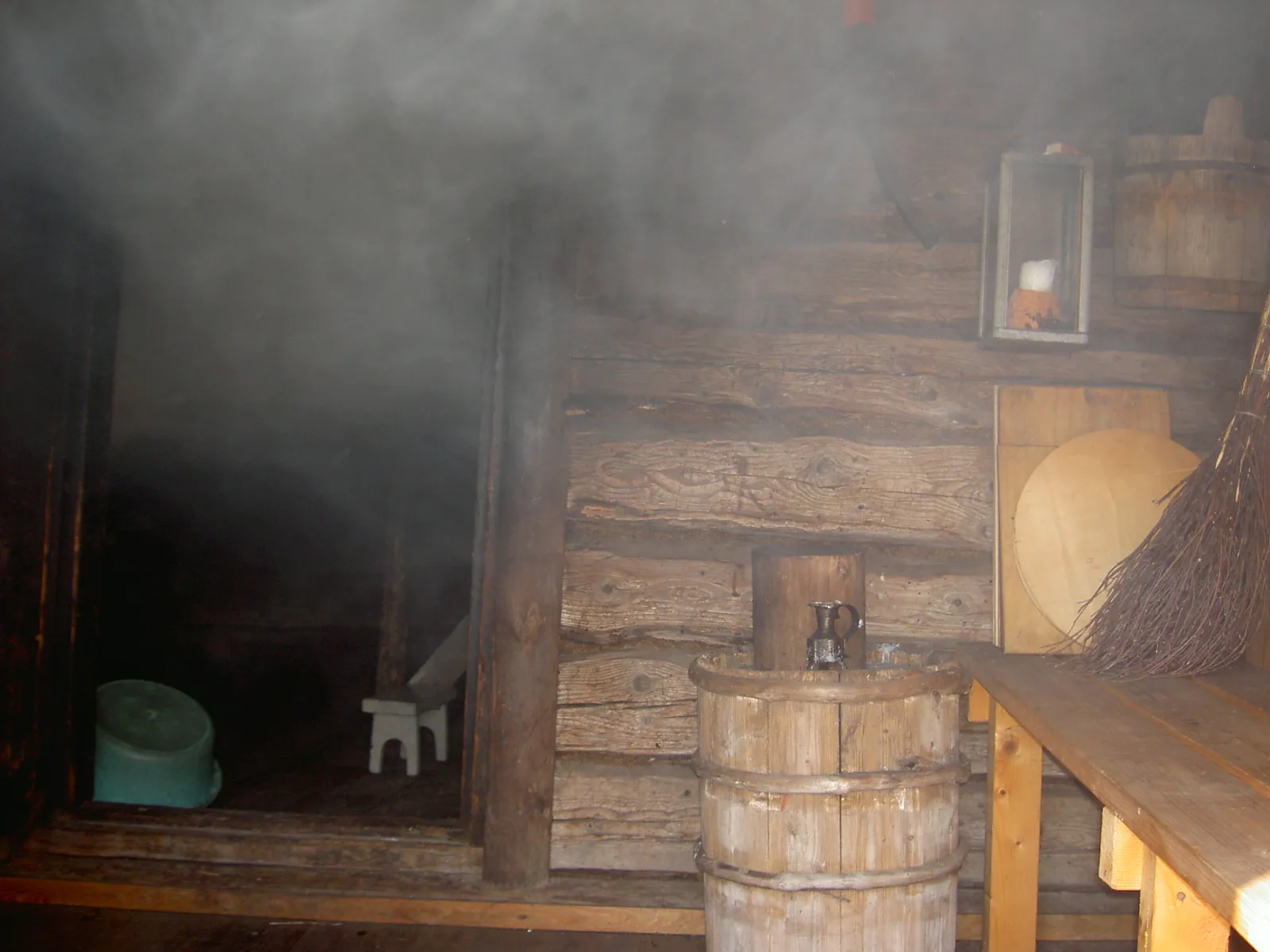
Hotels under pressure to reduce their environmental footprint have another reason to reconsider that second pool. Water conservation has become a meaningful issue for properties in arid regions, coastal zones, and cities with tightening municipal regulations.
Manufacturers like TyloHelo introduced ranges of eco-friendly saunas made from sustainably sourced wood and energy-efficient heating systems, meeting the increasing demand for environmentally conscious wellness solutions. The industry is clearly responding to what hotel procurement teams and sustainability directors are asking for.
For daily users, infrared saunas consume approximately 15 to 30 kWh per month versus 225 kWh for traditional models – a roughly 90 percent reduction in energy usage. When a hotel’s sustainability report is under scrutiny from guests and investors alike, those comparisons carry weight.
Europe Leads, but North America Is Catching Up Fast
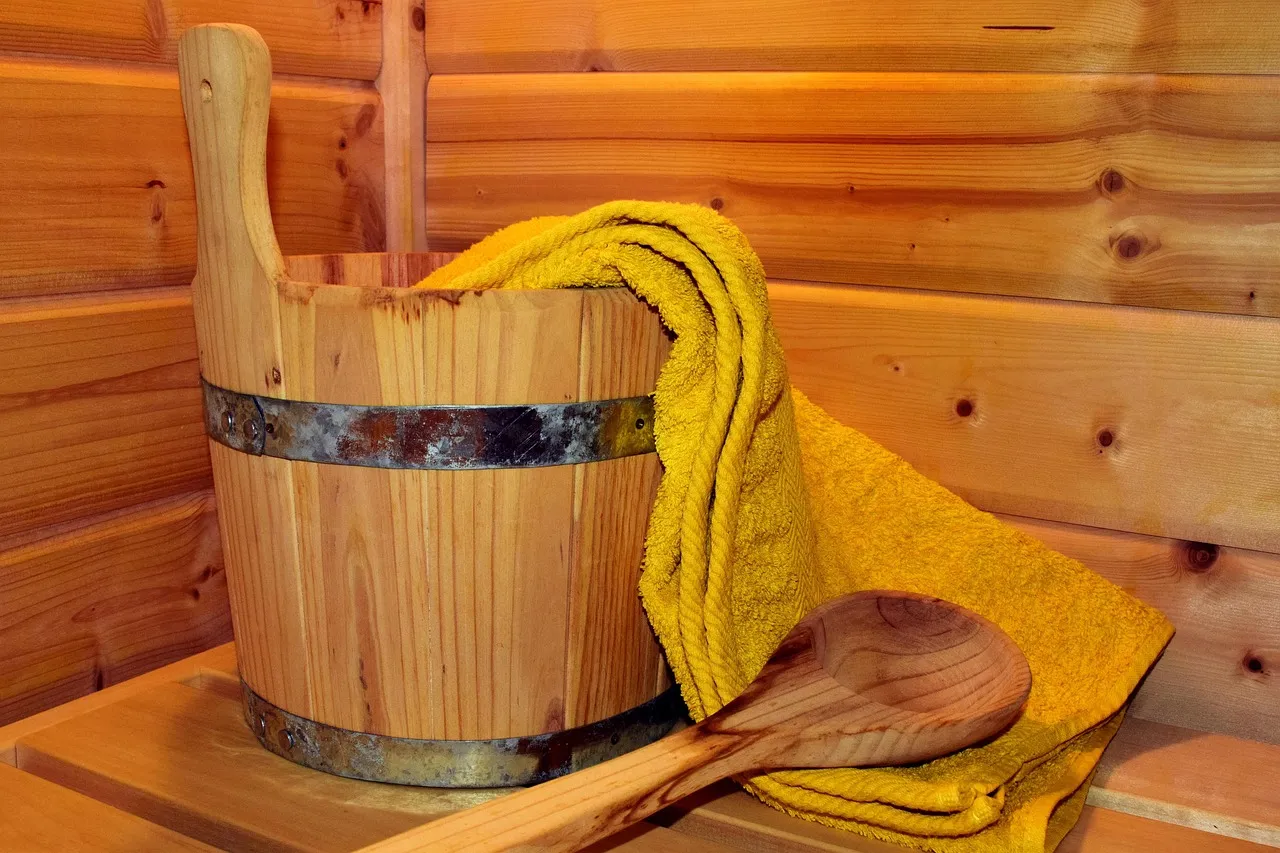
Sauna culture has deep roots in Scandinavia, Germany, and the Alpine spa tradition, so it’s no surprise that Europe has been the pace-setter. Europe held roughly 36.9 percent of global sauna market revenue in 2025, making it the largest regional market by a significant margin.
North America, though, is no longer lagging. North America was the largest region in the sauna and spa market overall in 2025 when measured across the broader sauna and spa category. New urban thermal venues in New York, Toronto, and other major cities have done much of the cultural groundwork that hotels are now building on.
The US sauna market is valued to increase by USD 161.3 million at a compound annual growth rate of 6.5 percent from 2025 to 2030. Rising consumer integration of longevity and preventative health rituals will drive this growth. Hotel operators watching those numbers are drawing the obvious conclusions.
What This Means for the Traveler
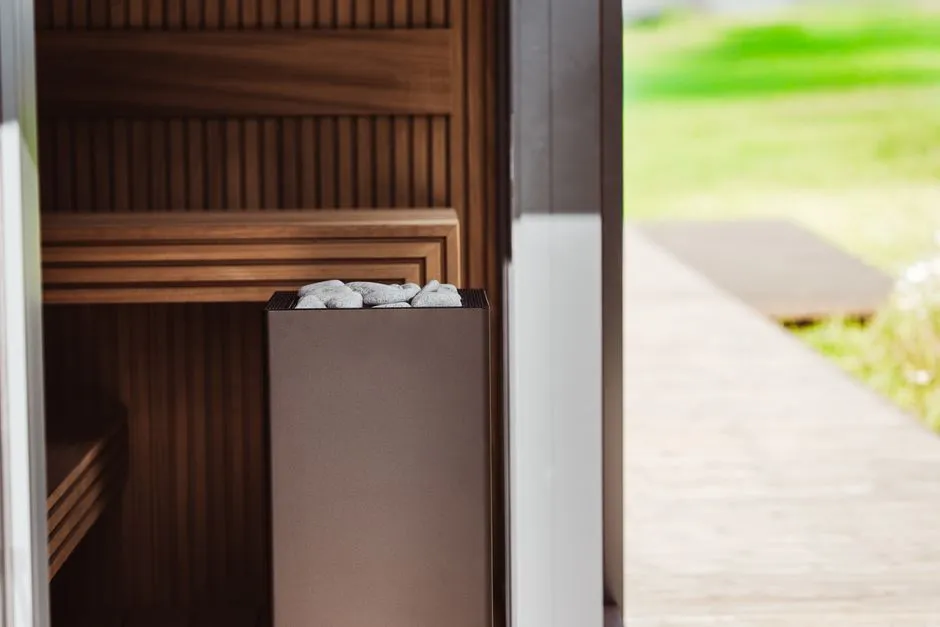
For guests, this trend is largely good news. A well-designed sauna circuit offers something a pool rarely does: a structured, restorative ritual with documented health benefits. Whether it’s a 15-minute Finnish session before dinner or a full thermal circuit on a rest day, the experience feels intentional in a way that poolside lounging often doesn’t.
The hotel end-user segment within the sauna market is shifting from secondary amenities to primary revenue-generating wellness space infrastructure. Hospitality operators are increasingly deploying cardiovascular conditioning environments to attract health-conscious travelers. That shift in framing changes what guests can reasonably expect, and ask for, when booking.
The proliferation of destination spa resorts in high-growth markets such as Bali, the Maldives, Dubai, the Swiss Alps, and Iceland has created a new category of wellness traveler who selects a destination primarily based on its wellness offerings. Hotels choosing saunas over pools are, in many cases, actively courting that traveler.
A Shift That Reflects Something Larger
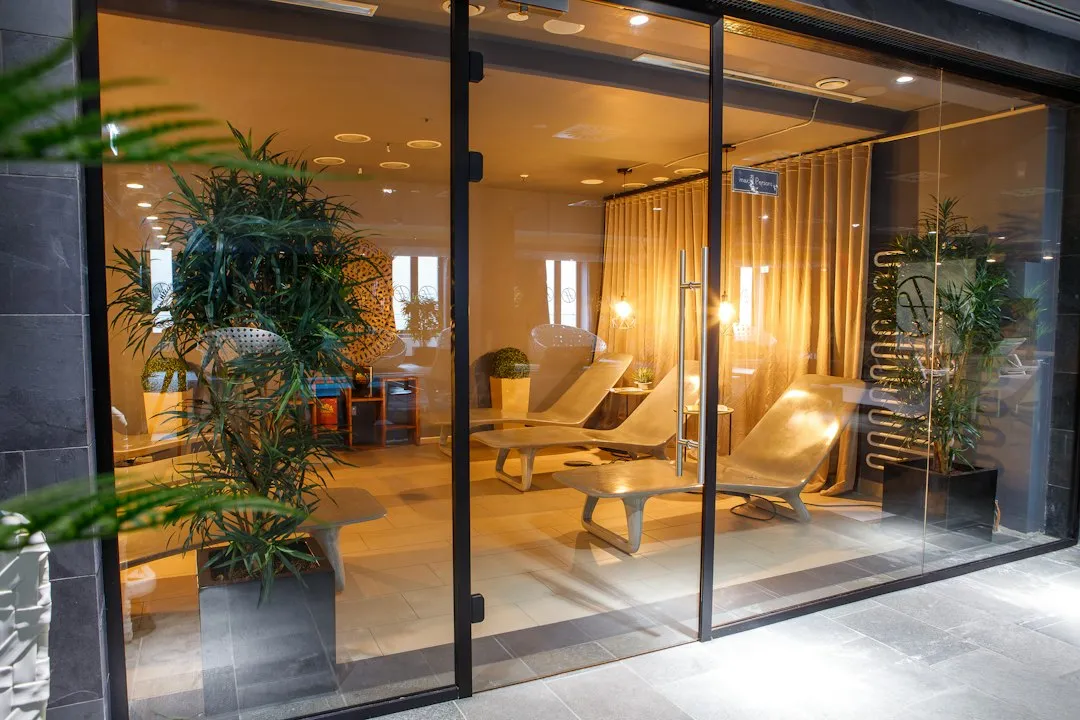
Pools aren’t disappearing from hotels. The point isn’t that one is superior to the other – it’s that the calculus has genuinely changed. A second pool is now, in many markets, a redundant feature. A thoughtful sauna and thermal circuit is something guests seek out, talk about, and return for.
For hotel brands, spa is increasingly becoming a core differentiator in an increasingly wellness-driven travel market. The brands that recognized this early are already seeing the loyalty and rate premium that comes with it.
The deeper story here is about what travelers want from their time away. Recovery. Intention. Something that actually does something for them. A sauna, it turns out, fits that brief rather well – and the hotels paying attention to that fact are finding it’s one of the better bets they’ve made in years.
AI Disclaimer: This article was created with the assistance of AI tools and reviewed by a human editor.