


Somewhere between the last day of work and the first morning with nowhere to be, a question tends to surface: what now? For a growing number of retirees, the answer has been surprisingly clear. Pack a bag, get a passport ready, and go, not for a week or two, but for months at a stretch.
The idea of a “golden gap year” has moved well beyond a novelty. It’s becoming a genuine travel movement, driven by real data, shifting attitudes about what retirement should feel like, and a generation of older adults who have decided that deferred adventures aren’t worth the wait.
The Golden Gap Year: What It Actually Means

The golden gap year is an increasingly popular term for the period of travel after a person retires, used to make those bucket-list dreams a reality. It’s distinct from a standard vacation. We’re talking about extended journeys, sometimes lasting several months, that replace the structured rhythms of working life with open-ended exploration.
When it comes to gap years for older generations, there are broadly two types: adult gap years, mainly associated with people seeking relief from work burnout, and golden gap years, which refer to adults aged 50 and over, usually retirees and boomers, setting off to see the world. The distinction matters because the motivations are genuinely different.
A golden gap year isn’t just about sightseeing; it’s about creating meaningful experiences, celebrating a lifetime of achievements, and embracing the excitement of stepping outside daily routines. That framing resonates with a generation that spent decades being told to wait.
The Numbers Behind the Trend
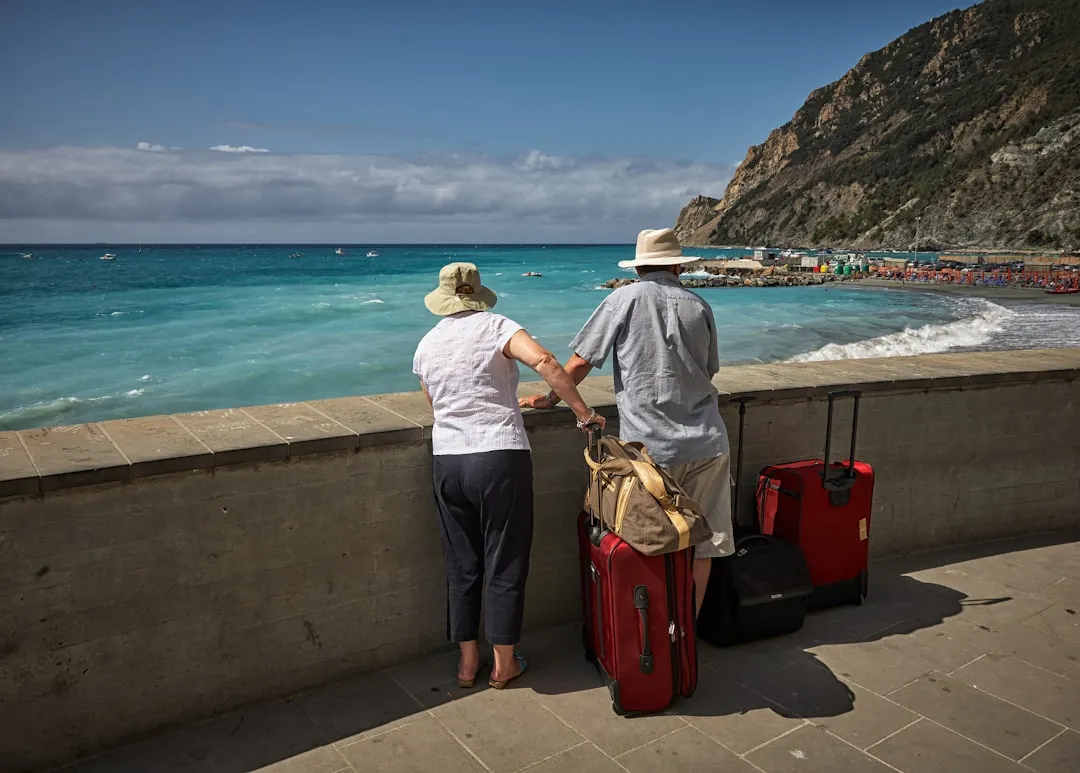
AARP’s 2025 Travel Trends report shows that roughly seven in ten Americans aged 50 and older planned to travel that year, up from about six and a half in ten in 2024. That’s a meaningful jump in a single year, and it reflects something more than post-pandemic catch-up.
For the first time in AARP’s tracking history, the number of trips actually taken in 2024 surpassed the average number of trips people had anticipated taking. In other words, retirees aren’t just planning more, they’re following through more consistently than ever before.
Around roughly a third of all travelers were seniors in 2024, making them a large contributor to the travel industry. More than half of seniors aged 50 and older rank travel and vacation as their number one priority for discretionary income. That’s a striking statement about values.
The Pandemic Made This Happen Faster

International travel was only permitted again in 2022, and those who had their golden gap years put on hold are now making up for lost time, embarking on big, blow-out trips in 2024 and beyond. There’s a real sense of urgency among this cohort, a feeling that time was taken from them and they’re reclaiming it.
Research from UK retirement operator Inspired Villages found that nearly one in four retirees have either taken extended travel or would seriously consider it. Meanwhile, bookings from UK customers aged 60 and older were up by a substantial margin compared to pre-pandemic levels, according to Intrepid Travel.
Travel habits evolved significantly in 2024, with boomers and seniors increasing travel by roughly eleven percent, favoring destinations like Italy and Mexico. The comeback is real and it’s measured.
Where Retirees Are Actually Going

AARP discovered greater enthusiasm for international travel, with nearly half of respondents eyeing a trip outside the United States, up from roughly a third the previous year. That’s one of the most significant shifts in the data. The appetite for long-haul travel has clearly grown.
Europe remains the most planned international destination, with Italy, Spain, and Great Britain holding the top three spots. Italy in particular serves as a favorite among seniors interested in cultural and historical exploration, with more than half of survey respondents ranking it as their top choice.
Destinations skewing highest for golden gap year travelers also include Portugal and Spain, where a slower pace and affordable cost of living make long stays genuinely practical, as well as Southeast Asia, particularly Vietnam, Thailand, and Cambodia, which offer both adventure and meaningful volunteer opportunities. The list of preferred destinations has grown far more ambitious than the classic European coach tour.
The Rise of Slow Travel Among Older Adventurers
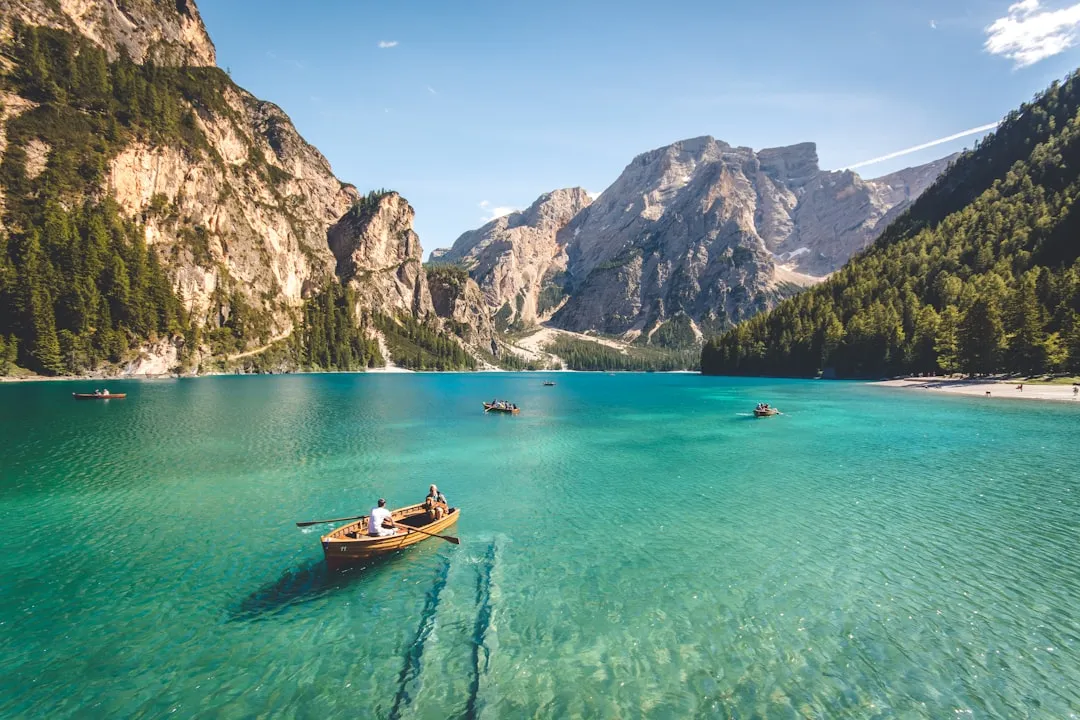
AARP’s 2025 Travel Trends Report recorded a growing proportion of older travelers choosing longer, slower trips over the week-long packages that defined previous generations. The shift toward slow travel is one of the defining features of the golden gap year movement.
Slow travel means spending several weeks or even months in a single place rather than rushing between highlights. It allows for a deeper connection with local culture, neighborhoods, and daily rhythms in a way that a ten-day itinerary simply can’t offer.
Companies like The Good Life Abroad have built their entire model around this preference, offering month-long international living programs for retirees that require a minimum stay of one month. The demand for that kind of immersive format is growing steadily.
Health Benefits That Go Beyond the Brochure

A 2024 interdisciplinary study published in the Journal of Travel Research proposed that positive travel experiences may support physical and mental health in ways that could help slow some signs of aging, particularly when travel includes movement, social connection, novelty, and restoration. Researchers are careful to note this is an emerging field, but the early signals are meaningful.
Experiencing new environments, cultures, and cuisines stimulates the brain and can improve cognitive function, creativity, and problem-solving skills, and a study by the Global Coalition on Aging found that traveling boosts brain health and can help delay the onset of dementia.
Research suggests that taking two vacations per year correlates with a notably lower risk of depression and improved sleep quality among adults over 50, and for many retirees, trips provide both adventure and therapy, offering a chance to reduce stress hormones and deepen social connections. The health case for travel is not just anecdotal.
The Financial Reality: Ambitious Dreams, Real Budgets

Travelers aged 50 and older expect to spend on average roughly $6,659 on travel in a year, consistent with the prior year’s average, despite high travel costs and inflation. According to TravelInsurance.com, travelers are booking more trips and spending more in 2025, with the average trip cost increasing by around seven percent to $7,900.
Nearly two-thirds of Americans aged 50 and older say travel is an important retirement goal, according to a poll by RBC Wealth Management, yet more than half worry that the high cost of travel could derail their plans entirely. There’s a notable tension between the desire and the confidence to fund it.
Cost remains the biggest barrier to travel for nearly half of older respondents, followed by health concerns and weather. Even so, financial uncertainty as a barrier has been declining, with only about one in five citing it in 2025, down from more than a quarter in 2023. Confidence is slowly building.
Gen X Is Now Entering the Picture

In 2026, the golden gap year trend is most strongly associated with Gen X, whose oldest members are now entering their early 60s and gaining access to retirement savings, bringing a more adventurous and experience-hungry approach than previous retiree travel generations. This is a cohort that came of age during a time of rapid global change and has very different expectations from retirement.
In 2026, the golden gap year retirement travel trend has arrived firmly for Gen X, and the travel industry is taking notice, with new data from consultancy firm The Future Laboratory confirming that retired and near-retired Gen X members are taking extended trips more adventurous than anything traditionally associated with retirees.
There is an increasing interest in travel among retirees aged 55 to 60 and above, fueled by a desire for cultural exploration, group travel, multigenerational trips, and lifelong learning experiences. Purpose, not just pleasure, is driving the itinerary.
Learning and Purpose as Part of the Journey

Learning-focused travel has grown with the retirement demographic that built it. Road Scholar alone runs more than 5,500 programs worldwide, pairing destination experiences with expert-led content, while National Geographic Expeditions and Smithsonian Journeys operate in the same category, with a common thread: you’re meant to understand where you are, not just see it.
Travel offers valuable mental health benefits by stimulating the brain in ways that daily routines simply cannot, and recent research published in Tourism Management has examined tourism as a potential dementia treatment, discussing the link between traveling and reducing cognitive deficits, while another study found that those who traveled had a lower risk of cognitive impairment.
Today’s retirees are embracing travel with a renewed sense of purpose and adventure, seeking out more enriching experiences that offer personal growth and wellness benefits. For many, the journey itself has become the point.
The Bucket List Factor: Why Retirees Are Committing Now

The idea of a travel bucket list is common among this demographic, with roughly three quarters of travelers in their 50s having one, compared to about seven in ten adults in their 60s and six in ten Americans aged 70 and older. The desire to tick things off is strong across all age bands.
Travelers are embracing their next step in life, no longer putting off their adventures and instead starting to tick off those bucket-list destinations. There’s a real psychological shift happening: after decades of deferring, the permission to act has finally arrived.
Many retirees are spending more time with family and friends and pursuing hobbies, and some of those who dreamed of traveling in retirement are actually following through. The gap between aspiration and action is narrowing. That might be the most important data point of all.
Where This Trend Is Headed
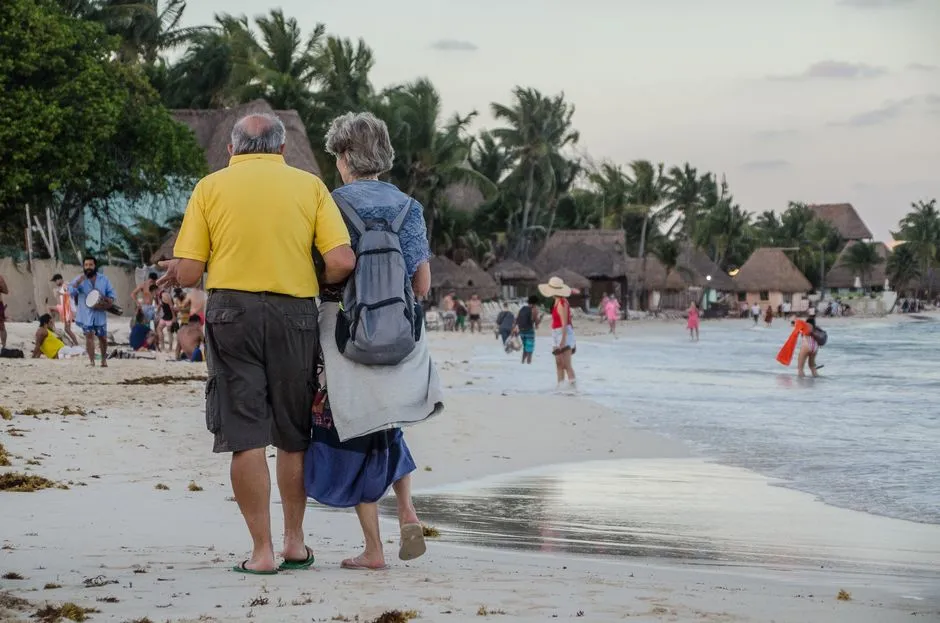
In September 2024, the Global Coalition on Aging and Transamerica Institute hosted an expert roundtable focused on travel as a catalyst for healthy aging, concluding that travel plays a transformative role in healthy aging by connecting people and fostering community. Institutions are beginning to treat senior travel as a public health opportunity, not just a leisure trend.
Around seven in ten adults aged 50 and over planned trips in 2026, up from about six and a half in ten in 2024, with more than four in ten eyeing a trip outside the United States. The trajectory is clear and it hasn’t stalled.
Retired Gen X members are taking golden gap years in 2026, swapping the office for overland adventures, and the travel industry is adapting its products, pricing, and services to match. What was once a niche idea is rapidly becoming the expected shape of a modern retirement.
A Different Kind of Retirement

The golden gap year isn’t really about escaping retirement. It’s about redefining what retirement means in the first place. The generation now entering this chapter grew up watching their parents settle into routines at 65. They’ve quietly decided that won’t be their story.
The data backs them up. The health research is catching up. And the travel industry is responding with programs, itineraries, and infrastructure designed specifically for long-stay, experience-driven older travelers. What’s genuinely interesting is not just that more retirees are traveling, but that they’re traveling with more intention, more curiosity, and more willingness to stay somewhere long enough to actually understand it. That’s a different kind of freedom, and by all accounts, it’s only growing.
AI Disclaimer: This article was created with the assistance of AI tools and reviewed by a human editor.